
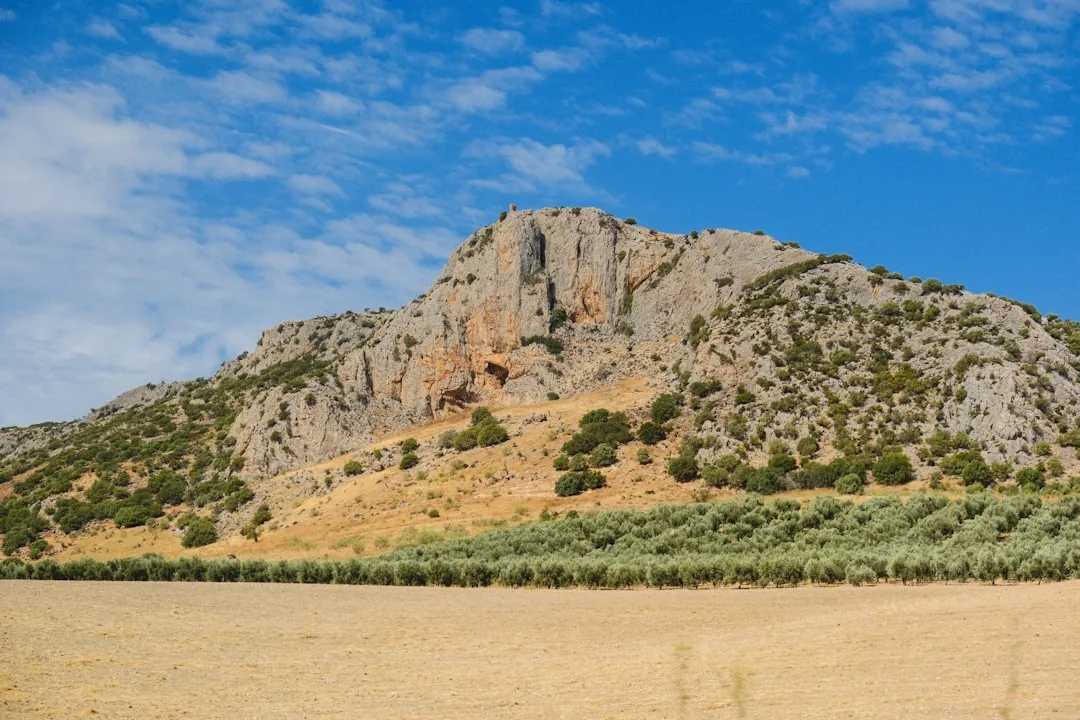
Via Verde del Aceite - The Olive Oil Green Way
The Via Verde del Aceite, or Olive Oil Green Way, is a captivating multi-day walking and cycling route stretching across the heart of Andalusia, Spain. This extensive greenway follows the path of an abandoned railway line, transforming a relic of industrial history into a vibrant corridor of natural beauty, cultural heritage, and gastronomic delight. Traversing rolling hills dotted with ancient olive groves, picturesque villages, and dramatic river valleys, the Via Verde del Aceite offers an accessible and immersive journey through one of Spain's most iconic landscapes. It's a route designed for enjoyment, allowing walkers and cyclists to connect with the land, its traditions, and its people at a leisurely pace. The trail's gentle gradients, largely flat terrain, and well-maintained surface make it suitable for all ages and fitness levels, promising an unforgettable experience for those seeking authentic Spanish charm and serene natural exploration.
- Distance: 128.0 km one-way
- Duration: 2–4 days (walking), 1–2 days (cycling)
- Season: Spring (March–May) and Autumn (September–November)
- Difficulty: Easy
- Closest City: Jaén
- Trailhead Access: Nearest airport: Malaga (AGP). From Malaga, take a bus or train to Jaén. By car from Jaén, follow signs to Via Verde del Aceite. Road is paved. Parking available at several access points along the trail. No permits required.
- Coordinates: 37.7667, -4.3167
Overview
The Via Verde del Aceite is more than just a trail; it's a journey through the soul of Andalusia, a region synonymous with sun-drenched landscapes, rich history, and the production of the world's finest olive oil. This 128 km route, built upon the disused railway line that once transported the region's liquid gold, now offers a unique perspective on the vast olive groves that carpet the rolling hills. The path is predominantly flat, with a maximum gradient of 3%, making it exceptionally easy to traverse, whether on foot or by bicycle. This gentle incline is a testament to its railway origins, designed for the slow, steady progress of steam engines.
As you journey along the Via Verde, you'll pass through a succession of charming white villages (pueblos blancos), each with its own distinct character, history, and culinary specialities. These villages, often perched on hilltops, offer opportunities to rest, refuel, and soak in the authentic Andalusian atmosphere. The landscape is a constant visual feast: endless expanses of olive trees, interspersed with vineyards, almond orchards, and patches of Mediterranean scrub. The air is often perfumed with the scent of wild herbs and, in spring, the delicate fragrance of orange blossoms.
The route is punctuated by numerous old railway structures—bridges, viaducts, tunnels, and stations—each a silent reminder of the line's past. These structures are not just historical artefacts; they are integral parts of the trail, offering dramatic crossings over rivers and valleys, and providing shaded passages through tunnels that once echoed with the rumble of trains. The Via Verde del Aceite is a testament to sustainable tourism, repurposing industrial heritage into a pathway for recreation, environmental appreciation, and economic development for the local communities it connects.
History and Cultural Context
The story of the Via Verde del Aceite is intrinsically linked to the economic development of Andalusia in the late 19th and early 20th centuries, a period when the region's olive oil production boomed. The need to transport this precious commodity efficiently from the inland groves to the ports for export led to the ambitious construction of a railway line. The 'Ferrocarril Aceitunero' (Olive Railway), as it was known, was a monumental engineering feat for its time, connecting the olive-rich areas around Jaén with the port of Seville.
Construction began in the early 1920s and continued in stages, facing numerous challenges including difficult terrain and economic fluctuations. The line was finally completed and opened in sections, with the full route operational by the 1930s. For decades, the railway played a vital role in the regional economy, facilitating the movement of olive oil, agricultural produce, and passengers. The stations along the route became important social and economic hubs for the surrounding villages, fostering community life and trade.
However, with the advent of road transport and the decline of rail freight, the 'Ferrocarril Aceitunero' gradually became less economically viable. Passenger services ceased in the 1970s, and freight operations dwindled. By the late 1980s, the railway line was largely abandoned, its tracks rusting and its stations falling into disrepair. The landscape, once animated by the passage of trains, returned to a quieter, more natural state.
In the late 1990s and early 2000s, a visionary project began to transform this disused infrastructure into a 'Via Verde'—a greenway. The railway line was cleared, resurfaced, and adapted for use by cyclists and walkers. The old stations were often repurposed into tourist information centres, restaurants, or accommodation, breathing new life into these historic buildings. The Via Verde del Aceite is a prime example of successful heritage regeneration, turning a symbol of industrial decline into a thriving artery for sustainable tourism, connecting people with the region's rich agricultural heritage and stunning natural beauty.
Seasonal Highlights and Weather Reality
The Via Verde del Aceite is a destination that shines brightest during the shoulder seasons, offering a delightful balance of pleasant weather and fewer crowds. These periods are ideal for experiencing the full charm of Andalusia without the intensity of summer heat.
Spring (March–May): This is arguably the most beautiful time to visit. The landscape bursts into vibrant colour, with wildflowers carpeting the fields and the olive trees beginning to show their new growth. The weather is typically mild and sunny, with average temperatures ranging from 15°C to 25°C. It's perfect for walking and cycling, with comfortable temperatures for exertion. The air is fresh, and the scent of orange blossoms can be intoxicating. However, occasional spring showers are possible, so packing a light waterproof jacket is advisable.
Autumn (September–November): Another prime season, autumn offers warm, sunny days and cooler evenings. Temperatures generally range from 18°C to 28°C in September and October, gradually cooling to 10°C to 20°C in November. The olive harvest often begins in late autumn, providing a unique cultural spectacle. The light is often softer and more golden, making for spectacular photography. Like spring, occasional rain showers can occur, particularly later in the season.
Summer (June–August): Summers in Andalusia are notoriously hot, with temperatures frequently exceeding 35°C and sometimes reaching 40°C or higher. While the greenway is still accessible, walking or cycling during the midday heat can be challenging and potentially dangerous. If visiting in summer, it is essential to start very early in the morning, take long breaks during the hottest part of the day, stay well-hydrated, and use ample sun protection. Cycling is more manageable than walking due to the ability to cover more ground and seek shade more quickly.
Winter (December–February): Winters are generally mild, with average temperatures between 8°C and 18°C. While sunny days are common, it can also be damp and cooler, with occasional frost. This season is less popular for active tourism but can be a good time for those seeking a quieter experience and interested in the stark beauty of the olive groves in winter. Some smaller villages might have reduced services during this period.
Recommended Itinerary
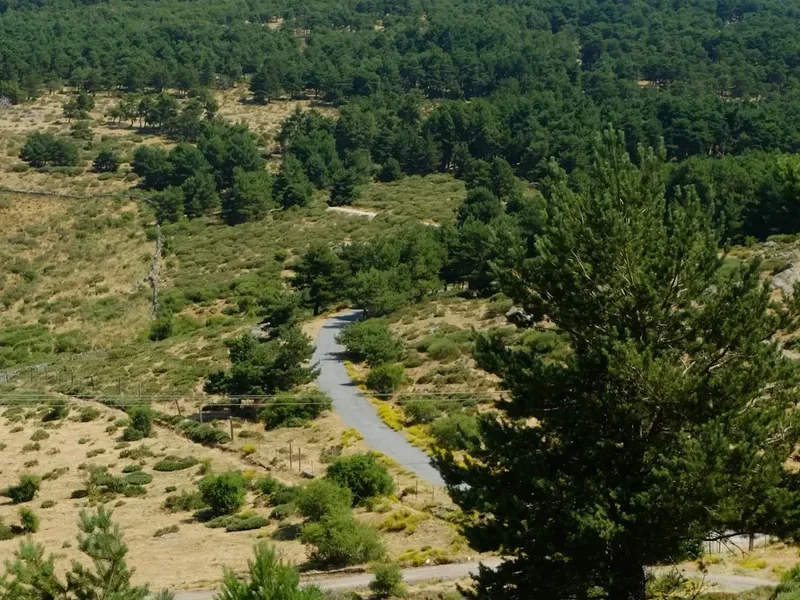
3-Day Walking Itinerary: Jaén to Córdoba (via Alcaudete)
Day 1: Jaén to Torredelcampo
- Distance: 22.0 km
- Elevation gain: 150 m
- Time: 4–5 hours
- Start at the former Jaén railway station.
- Follow the well-marked Via Verde signs out of the city.
- Pass through agricultural landscapes, with early views of olive groves.
- Cross several old railway bridges and through short tunnels.
- Arrive in Torredelcampo, a town known for its olive oil production.
- Explore the town and enjoy local tapas.
Day 2: Torredelcampo to Alcaudete
- Distance: 35.0 km
- Elevation gain: 200 m
- Time: 6–7 hours
- Continue along the greenway, the landscape becoming more dramatic.
- Pass through the impressive Puente de la Victoria viaduct, offering panoramic views.
- Navigate through several tunnels, some requiring a head torch.
- The route skirts the edge of the Sierra de la Grana, with varied vegetation.
- Arrive in Alcaudete, a historic town dominated by its Moorish castle.
- Visit the castle and enjoy the town's atmosphere.
Day 3: Alcaudete to Córdoba (via Estación de Bobadilla)
- Distance: 71.0 km
- Elevation gain: 50 m
- Time: 10–12 hours (This is a long day; consider breaking it into two or using transport for part of it).
- The longest section of the Via Verde del Aceite.
- The terrain remains relatively flat, passing through extensive olive groves and small hamlets.
- Cross the significant Puente de los Molinos.
- The route eventually merges with other greenways as it approaches Córdoba.
- Arrive at the former Estación de Bobadilla, a major junction point. From here, onward transport to Córdoba city centre is readily available by train or bus.
- Alternatively, for a more relaxed experience, consider an overnight stop in a village like Estación de Bobadilla or nearby.
2-Day Cycling Itinerary: Jaén to Alcaudete
Day 1: Jaén to Torredelcampo
- Distance: 22.0 km
- Elevation gain: 150 m
- Time: 1.5–2 hours
- Start at the former Jaén railway station.
- Follow the well-marked Via Verde signs out of the city.
- Pass through agricultural landscapes, with early views of olive groves.
- Cross several old railway bridges and through short tunnels.
- Arrive in Torredelcampo, a town known for its olive oil production.
- Explore the town and enjoy local tapas.
Day 2: Torredelcampo to Alcaudete
- Distance: 35.0 km
- Elevation gain: 200 m
- Time: 2–3 hours
- Continue along the greenway, the landscape becoming more dramatic.
- Pass through the impressive Puente de la Victoria viaduct, offering panoramic views.
- Navigate through several tunnels, some requiring a head torch.
- The route skirts the edge of the Sierra de la Grana, with varied vegetation.
- Arrive in Alcaudete, a historic town dominated by its Moorish castle.
- Explore the castle and enjoy the town's atmosphere.
Important Notes:
- This itinerary is a suggestion; distances and timings can be adjusted based on personal pace and interests.
- Accommodation is available in towns and villages along the route. Booking in advance is recommended, especially during peak seasons.
- Water and food supplies are available in most villages, but it's wise to carry some with you, especially for longer stretches.
- Head torches are essential for tunnels.
- Cycling requires a well-maintained bicycle, preferably with wider tyres suitable for gravel paths.
Planning and Bookings
Book Your Trip
Everything you need to plan your journey
Accommodation
Find places to stay near Jaén
Flights
Search flights to Jaén
Essential Preparation
The Via Verde del Aceite is a well-established route, but proper planning ensures a smooth and enjoyable experience. Given its length and the potential for hot weather, especially in summer, preparation is key. The closest major city with good transport links is Jaén, which serves as a common starting point. Malaga Airport (AGP) is the most convenient international gateway, from which you can take a train or bus to Jaén. If travelling by car, there is parking available at various access points along the route, particularly in the larger towns.
Consider the time of year carefully. Spring and autumn offer the most pleasant temperatures for walking and cycling. If travelling in summer, be prepared for extreme heat and plan your activities accordingly, focusing on early mornings and late afternoons. Booking accommodation in advance is highly recommended, especially in smaller villages or during popular travel periods, as options can be limited.
Trail Accommodation
Accommodation options along the Via Verde del Aceite are varied and generally found in the towns and villages that the route passes through or near. These include:
- Rural Houses (Casas Rurales): These are often charming, traditional Andalusian houses converted into guesthouses, offering a more authentic and personal experience. They can range from simple rooms to entire houses for rent.
- Small Hotels and Hostals: Most towns along the route will have at least one small hotel or hostal providing comfortable, no-frills accommodation.
- Apartments: Self-catering apartments are available in larger towns, offering flexibility for longer stays or families.
- Campsites: While not directly on the trail itself, some areas may have designated campsites within a reasonable distance of the route, particularly near larger towns.
- Repurposed Railway Stations: Some former railway stations along the Via Verde have been converted into accommodation or restaurants, offering a unique place to stay.
Booking Requirements: It is strongly advised to book accommodation in advance, particularly during the spring and autumn seasons, and if travelling during Spanish holidays. Websites like Booking.com, Airbnb, and local tourism portals are useful resources.
Facilities Provided: Typically include private rooms with en-suite bathrooms, common areas, and often breakfast services. Rural houses may offer kitchen facilities.
What's NOT Provided: Specific gear for the trail (e.g., bicycles, helmets, walking poles) is usually not provided unless you book a package with a tour operator. You will need to bring your own food and drinks, although many accommodations offer meals.
Seasonal Availability: Accommodation is generally available year-round, but services might be reduced in smaller villages during the winter months (December–February).
Costs: Prices vary significantly based on the type of accommodation and location, but expect to pay approximately €40–€100 per night for a double room in a hotel or hostal, and potentially more for a rural house or apartment.
Required Gear
- Footwear: Comfortable, broken-in walking shoes or hiking boots with good ankle support for walking. For cycling, cycling shoes or sturdy trainers are recommended.
- Clothing: Lightweight, breathable clothing suitable for layering. Include moisture-wicking tops, comfortable trousers or shorts, and a warmer layer (fleece or jacket) for cooler mornings and evenings.
- Waterproofs: A lightweight, waterproof and windproof jacket is essential, as weather can change, especially in spring and autumn.
- Headwear: A wide-brimmed hat or cap for sun protection, and a beanie or warm hat for cooler periods.
- Eyewear: Sunglasses to protect against glare, especially important when cycling.
- Backpack: A comfortable daypack (20–30 litres) for carrying essentials like water, snacks, first-aid kit, and extra layers. For cyclists, panniers or a cycling backpack are necessary.
- Navigation: A reliable map of the Via Verde del Aceite, a compass, and/or a GPS device or smartphone with offline maps downloaded. Trail signage is generally good, but backup navigation is always wise.
- Safety Gear: A basic first-aid kit including blister treatment, pain relievers, antiseptic wipes, and any personal medications. A whistle for emergencies.
- Head Torch: Essential for navigating tunnels safely. Ensure it has fresh batteries.
What to Bring
- Food and Water: Carry sufficient water (at least 2–3 litres per person per day, more in hot weather). Water refill points may be scarce between villages. Pack high-energy snacks such as nuts, dried fruit, energy bars, and fruit.
- Toiletries: Biodegradable soap, toothbrush, toothpaste, sunscreen (high SPF), insect repellent (especially for evenings), lip balm with SPF.
- Personal Items: Camera, phone and charger, power bank, any personal medications, small towel, reusable water bottle or hydration pack.
- Cycling Specific (if applicable): Bicycle repair kit (spare inner tubes, pump, tyre levers, multi-tool), helmet, cycling gloves, padded cycling shorts, bike lights.
- Money: Euros in cash for smaller villages where card payments may not be accepted, and for purchasing local produce or small items.
- Documents: Passport or ID, booking confirmations, travel insurance details.
Permits
The Via Verde del Aceite is a public access route and does not require any specific permits or booking fees for walking or cycling. It is part of Spain's network of greenways (Vías Verdes), which are designed to be accessible to everyone.
Access: The trail is open year-round, and you can start your journey from any of the numerous access points along its 128 km length. The most common starting points are Jaén or the former railway stations in towns like Torredelcampo, Alcaudete, or Estación de Bobadilla.
No Fees: There are no charges for using the trail itself. Any costs incurred will be for accommodation, food, bicycle rental (if applicable), and transport to and from the trailheads.
Respect Local Regulations: While no permits are needed, it is important to respect the local environment and any regulations in place within the towns and villages you pass through. This includes adhering to waste disposal guidelines and respecting private property.
Other Activities in the Area
The region surrounding the Via Verde del Aceite offers a wealth of cultural, historical, and natural attractions:
- Olive Oil Tasting Tours: Jaén is the world's largest producer of olive oil, and many fincas (estates) offer guided tours and tastings. This is an essential experience for understanding the significance of the Via Verde.
- Visit Jaén's Alcázar: Explore the impressive Moorish fortress overlooking the city of Jaén, offering panoramic views and a deep dive into the region's history.
- Explore Pueblos Blancos: Venture off the greenway to discover charming white villages like Martos (known for its olive oil production and castle), or further afield, the stunning towns of the Sierra de Grazalema.
- Hiking in Sierra de la Grana: For those seeking more challenging terrain, the Sierra de la Grana offers hiking trails with diverse flora and fauna, accessible from points along the greenway.
- Wine Tasting: While less famous than its olive oil, the region also produces some excellent wines. Look for local bodegas offering tours and tastings.
- Historical Sites: Discover Roman ruins, medieval castles (like the one in Alcaudete), and ancient Iberian settlements scattered throughout the province.
- Gastronomic Exploration: Beyond olive oil, indulge in Andalusian cuisine. Sample local specialities like 'pipirrana' (a fresh vegetable salad), 'ochíos' (sweet bread), and various cured meats and cheeses.
Safety and Conditions
Trail Conditions: The Via Verde del Aceite is generally well-maintained, with a compacted gravel or asphalt surface. It is largely flat with gentle gradients, making it safe and accessible. However, cyclists should be aware of potential loose gravel, especially after rain or in less-trafficked sections. Tunnels can be dark and require a head torch for visibility and safety.
Weather: As mentioned in the seasonal section, summers can be extremely hot. Always carry ample water, wear sun protection, and plan your activities to avoid the midday sun. Spring and autumn offer more moderate temperatures but can still experience rain, so waterproof gear is advisable.
Navigation: The route is well-signposted with the distinctive greenway symbol. However, it's always wise to carry a map or use a GPS device, especially when entering or leaving towns, where the route might briefly divert onto local roads.
Water and Food: Villages are spaced at intervals, but it's crucial to carry enough water and snacks, particularly for longer stretches between settlements. Check village opening times for shops and restaurants, as some may close for siesta or have limited hours, especially outside peak season.
Emergencies: The European emergency number is 112. Mobile phone signal is generally good along the route, but can be patchy in tunnels or remote sections. It's advisable to inform someone of your itinerary and expected arrival times.
Cycling Safety: Cyclists should wear helmets and be aware of other users on the path, including pedestrians and horse riders. Ensure your bicycle is in good working order, with functioning brakes and lights for tunnels.
Wildlife: While generally not dangerous, be aware of local wildlife. You might encounter birds of prey, lizards, and various insects. Ticks can be present in grassy areas, so check yourself after walking through longer vegetation.
Side Trips and Points of Interest
Puente de la Victoria (Victoria Bridge): This impressive railway viaduct, located between Torredelcampo and Alcaudete, is a highlight of the Via Verde. It spans a significant river valley, offering spectacular panoramic views of the surrounding countryside and the olive groves stretching to the horizon. It's a perfect spot for photos and a moment of reflection on the engineering marvels of the past.
Tunnels: The Via Verde del Aceite features numerous tunnels, remnants of the old railway line. These offer a unique experience, providing cool respite from the sun and a sense of adventure. Notable tunnels include those near Torredelcampo and the longer ones closer to Alcaudete. Remember to bring a reliable head torch for safe passage.
Former Railway Stations: Many of the old stations along the route have been preserved and often repurposed. These include stations in Jaén, Torredelcampo, Espeluy, Alcaudete, and Estación de Bobadilla. Some now house tourist information centres, museums, restaurants, or accommodation, offering a glimpse into the railway's history and the local heritage.
Alcaudete Castle: Dominating the town of Alcaudete, this imposing Moorish castle is a must-visit. Its strategic location offers commanding views over the town and the surrounding landscape. Exploring its ramparts and courtyards provides a fascinating insight into the region's rich history.
Olive Groves: The sheer scale and beauty of the olive groves are a constant point of interest. The landscape is a mosaic of silver-green leaves, changing subtly with the seasons. Taking time to appreciate the agricultural heritage and perhaps visiting a local olive oil producer enhances the experience.
Leave No Trace
The Via Verde del Aceite is a precious resource, enjoyed by walkers, cyclists, and the local communities. Adhering to Leave No Trace principles ensures its preservation for future generations and maintains a positive experience for all users.
Plan Ahead and Prepare: Research your route, check weather forecasts, and book accommodation in advance. Understand the services available in villages and carry adequate supplies.
Travel and Camp on Durable Surfaces: Stick to the marked trail. Avoid walking or cycling off-path, especially in sensitive natural areas, to prevent erosion and damage to vegetation.
Dispose of Waste Properly: Pack out everything you pack in. This includes all litter, food scraps, and packaging. Use designated bins in villages, and if none are available, carry your waste until you find one. Do not bury or burn trash.
Leave What You Find: Do not pick wildflowers, disturb wildlife, or remove historical artefacts from old railway structures. Take only photographs and memories.
Minimise Campfire Impacts: Campfires are generally not permitted on the Via Verde itself. If camping in designated areas, use existing fire rings and ensure fires are completely extinguished.
Respect Wildlife: Observe wildlife from a distance. Do not feed animals, as this can disrupt their natural behaviour and diet. Be mindful of domestic animals in rural areas.
Be Considerate of Other Visitors: Yield to pedestrians when cycling. Keep noise levels down, especially in villages and natural areas. Respect the local culture and customs.
 Spain
Spain