
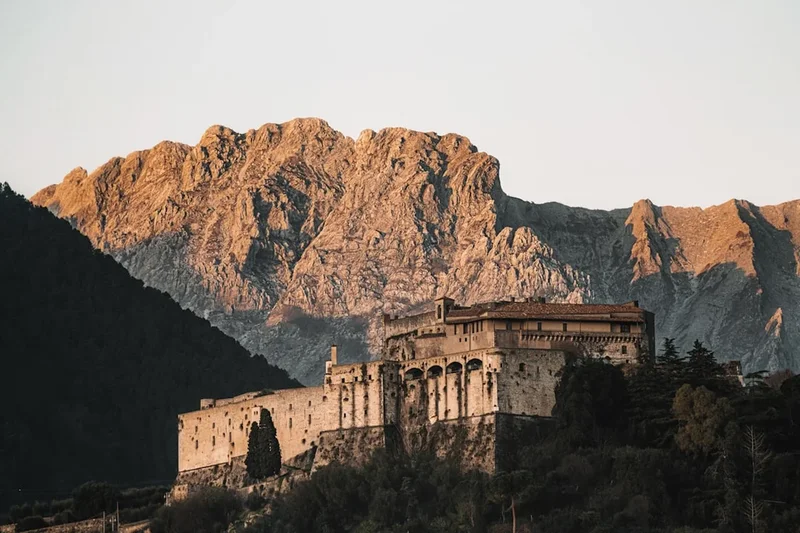
Via Francigena (Tuscany) - A Tuscan Pilgrimage
The Via Francigena, a historic pilgrimage route stretching from Canterbury to Rome, offers a profound journey through the heart of Italy. While the entire route spans over 1,600 km, the Tuscan section is particularly renowned for its breathtaking landscapes, rich history, and culinary delights. This 380 km stretch, typically walked over 15-20 days, winds through rolling hills dotted with vineyards and olive groves, medieval hilltop towns, and iconic Renaissance cities. It's a path that invites contemplation, connection with the land, and immersion in a culture that has shaped Western civilisation. From the start in San Miniato, the trail guides pilgrims through a tapestry of Tuscan beauty, culminating in the historic city of Siena, a gateway to further adventures south.
- Distance: 380 km (Tuscan section)
- Duration: 15–20 days
- Season: Spring (April–May) or Autumn (September–October)
- Difficulty: Moderate
- Closest City: Siena
- Trailhead Access: San Miniato (start); Siena (end of Tuscan section)
- Permits: Not required for walking
Overview
The Tuscan segment of the Via Francigena is a sensory feast, a journey that engages all the senses. The visual panorama is dominated by the iconic Tuscan landscape: undulating hills painted in shades of green and gold, punctuated by cypress trees standing sentinel along winding roads. Vineyards stretch as far as the eye can see, promising the rich wines that have made the region famous, while olive groves offer their silvery-green foliage. The air is often perfumed with the scent of wild herbs, blooming wildflowers in spring, or the earthy aroma of the soil after a gentle rain.
Historically, this route was trodden by pilgrims, merchants, and soldiers for centuries, a vital artery connecting Northern Europe to the Eternal City. Today, walkers follow in their footsteps, experiencing a slower pace of life. The trail is not always a clearly defined path but often follows ancient country lanes, gravel tracks, and sometimes even paved roads connecting small hamlets and larger towns. The elevation gain of approximately 9,000 metres over the 380 km is significant, with many days involving climbs up to picturesque hilltop towns, offering rewarding views and a sense of accomplishment.
The cultural immersion is unparalleled. Each town and village along the way boasts its own unique charm, from the Romanesque architecture of San Miniato to the medieval grandeur of Siena. Expect to encounter local markets, trattorias serving authentic Tuscan cuisine, and opportunities to engage with the warm hospitality of the Italian people. While the trail is marked, a good map or GPS device is essential, as sections can be less defined than modern hiking trails. This is a journey of discovery, both of the external landscape and the internal self.
History and Cultural Context
The Via Francigena, meaning "the road that comes from France," is one of the most important ancient pilgrimage routes in Europe. Its origins date back to the 9th century when Archbishop Sigeric of Canterbury travelled to Rome to receive his pallium from the Pope. He meticulously documented his journey, listing 80 stopping points (mansiones) on his return, which forms the basis of the modern Via Francigena route. The Tuscan section was a crucial part of this pilgrimage, a vital corridor for those travelling between Northern Europe and the spiritual heart of Christendom.
For centuries, this route was a lifeline for trade, cultural exchange, and religious devotion. Pilgrims, often referred to as "Romei" (those going to Rome), faced arduous journeys, relying on the hospitality of monasteries, churches, and local communities. The towns and cities along the route flourished as centres of commerce and spiritual life, their architecture bearing witness to this rich past. Siena, in particular, was a major rival to Florence and a significant stop on the Via Francigena, its Piazza del Campo and Duomo testaments to its medieval power and artistic heritage.
The decline of large-scale pilgrimage in later centuries led to the Via Francigena falling into disuse. However, in recent decades, there has been a resurgence of interest in this ancient path. Modern pilgrims and walkers are rediscovering its spiritual and physical rewards, drawn by the desire for a more authentic travel experience, a connection to history, and the sheer beauty of the landscapes. The Tuscan section, with its iconic scenery and cultural treasures, has become one of the most popular and well-preserved parts of the entire route.
Seasonal Highlights and Weather Reality
The Tuscan section of the Via Francigena is best enjoyed during the spring and autumn months. These seasons offer a pleasant climate for walking, with moderate temperatures and fewer crowds than the peak summer months.
Spring (April–May): This is a particularly beautiful time to walk. The landscape bursts into vibrant colour with wildflowers carpeting the hillsides. The air is fresh, and temperatures are generally mild, perfect for long days of walking. However, spring can also bring unpredictable weather, including occasional rain showers, especially in early spring. Temperatures typically range from 10°C to 20°C.
Summer (June–August): While Tuscany is undeniably beautiful in summer, this period can be very hot, with temperatures frequently exceeding 30°C, and sometimes reaching 40°C. Walking during the midday heat can be challenging and potentially dangerous. If you choose to walk in summer, early starts and late finishes are essential, with plenty of rest during the hottest part of the day. Water availability can also be a concern in some rural areas during prolonged dry spells.
Autumn (September–October): Autumn is another ideal season for walking the Via Francigena. The weather is typically stable and pleasant, with warm days and cooler evenings. The landscape transforms into a palette of rich colours as the leaves change, and the grape harvest often takes place, offering a unique cultural experience. Temperatures are similar to spring, ranging from 10°C to 20°C. This is also a popular time for food and wine festivals.
Winter (November–March): Winter in Tuscany is generally mild compared to Northern Europe, but it can be cold and wet. Temperatures can drop to around 5°C, and frost is common in the mornings. While there are fewer tourists and a sense of quiet solitude, some smaller accommodations may be closed, and daylight hours are shorter, limiting walking time. Snowfall is rare in the lower elevations but can occur in the higher Apennine foothills.
Recommended Itinerary
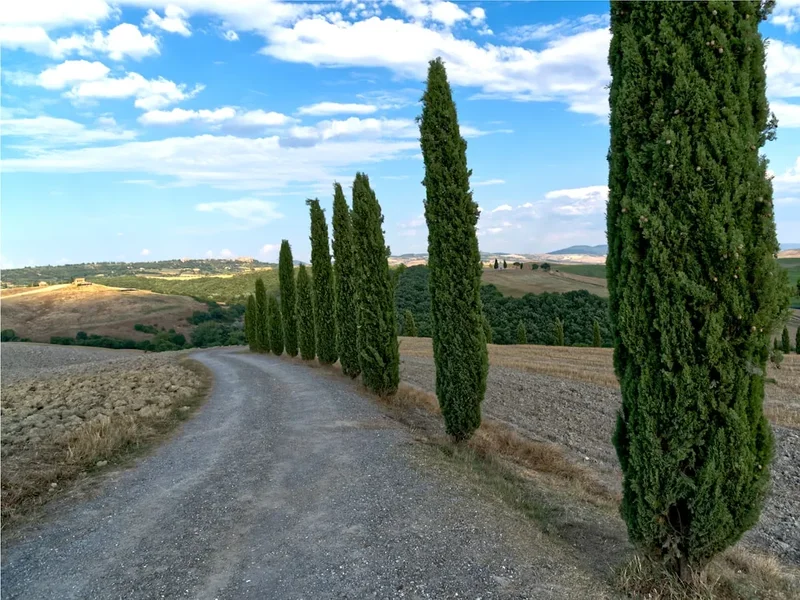
15-Day Via Francigena (Tuscany) Itinerary Example
Day 1: San Miniato to Ponte a Cappelle
- Distance: 22 km
- Elevation gain: 600 m
- Time: 5–6 hours
- Start in the historic town of San Miniato
- Follow country lanes and gravel tracks through rolling hills
- Pass through small hamlets and agricultural landscapes
- Arrive in Ponte a Cappelle, a small village with basic amenities
Day 2: Ponte a Cappelle to Castelfiorentino
- Distance: 18 km
- Elevation gain: 450 m
- Time: 4–5 hours
- Continue through Tuscan countryside
- Pass vineyards and olive groves
- Arrive in Castelfiorentino, a larger town with more services
Day 3: Castelfiorentino to Certaldo
- Distance: 15 km
- Elevation gain: 350 m
- Time: 3–4 hours
- A shorter day allowing time to explore Certaldo Alto, the medieval birthplace of Boccaccio
- Wander through its charming cobbled streets
Day 4: Certaldo to San Gimignano
- Distance: 25 km
- Elevation gain: 700 m
- Time: 6–7 hours
- A more challenging day with a significant climb towards the famous town of San Gimignano
- The iconic medieval towers of San Gimignano come into view as you approach
Day 5: San Gimignano to Colle di Val d'Elsa
- Distance: 15 km
- Elevation gain: 400 m
- Time: 3–4 hours
- Descend from San Gimignano and follow the Elsa River valley
- Arrive in Colle di Val d'Elsa, known for its crystal glass production
Day 6: Colle di Val d'Elsa to Monteriggioni
- Distance: 20 km
- Elevation gain: 550 m
- Time: 5–6 hours
- A scenic walk through vineyards and olive groves
- Pass through small villages
- Arrive at the perfectly preserved medieval walled village of Monteriggioni
Day 7: Monteriggioni to Siena
- Distance: 20 km
- Elevation gain: 450 m
- Time: 5–6 hours
- The final approach to Siena
- Walk through the Tuscan countryside, with Siena's skyline gradually appearing
- Arrive in the magnificent Piazza del Campo, Siena's main square
Day 8: Rest Day in Siena
- Explore Siena's Duomo, Palazzo Pubblico, and Torre del Mangia
- Enjoy the local cuisine and atmosphere
Day 9: Siena to Ponte d'Arbia
- Distance: 25 km
- Elevation gain: 500 m
- Time: 6–7 hours
- Leave Siena and head south through the Crete Senesi region
- Characterised by its unique clay hills and stark beauty
Day 10: Ponte d'Arbia to San Quirico d'Orcia
- Distance: 20 km
- Elevation gain: 400 m
- Time: 5–6 hours
- Continue through the Crete Senesi
- Pass through charming villages like Buonconvento
- Arrive in San Quirico d'Orcia, gateway to the Val d'Orcia
Day 11: San Quirico d'Orcia to Bagno Vignoni / San Giovanni d'Asso
- Distance: 15 km
- Elevation gain: 300 m
- Time: 3–4 hours
- A shorter day to enjoy the thermal spa town of Bagno Vignoni or the truffle town of San Giovanni d'Asso
Day 12: Bagno Vignoni / San Giovanni d'Asso to Montalcino
- Distance: 18 km
- Elevation gain: 600 m
- Time: 5–6 hours
- Climb towards the renowned wine town of Montalcino, famous for Brunello
- Enjoy panoramic views of the Val d'Orcia
Day 13: Montalcino to San Angelo in Colle
- Distance: 15 km
- Elevation gain: 400 m
- Time: 4–5 hours
- Walk through the heart of the Brunello wine region
- Pass through picturesque vineyards and olive groves
Day 14: San Angelo in Colle to Radicofani
- Distance: 22 km
- Elevation gain: 700 m
- Time: 6–7 hours
- A challenging day with a significant climb to the imposing fortress town of Radicofani
- Spectacular views from the fortress
Day 15: Radicofani to Acquapendente (End of Tuscan Section)
- Distance: 20 km
- Elevation gain: 500 m
- Time: 5–6 hours
- The final leg of the Tuscan section, crossing into the Lazio region
- Arrive in Acquapendente, marking the end of this segment of the Via Francigena
Notes:
- This is a sample itinerary; distances and timings can be adjusted based on fitness and preference.
- Accommodation options vary from pilgrim hostels and B&Bs to hotels. Booking in advance is highly recommended, especially during peak season.
- Public transport links exist between major towns, allowing for flexibility or shorter sections.
Planning and Bookings
Book Your Trip
Everything you need to plan your journey
Accommodation
Find places to stay near Siena
Flights
Search flights to Siena
Essential Preparation
The Via Francigena in Tuscany is a journey that requires thoughtful planning. While it's not as logistically complex as some multi-day treks, booking accommodation in advance is crucial, particularly during the popular spring and autumn seasons. Familiarise yourself with the route using guidebooks or GPS apps, and understand the daily distances and elevation gains to gauge your fitness. The closest major airports are Florence (FLR) and Pisa (PSA). From these airports, you can take a train to San Miniato (the starting point) or Siena (a major hub within the Tuscan section). If driving, the A1 highway provides good access, with parking available in most towns. Consider the best time of year for your walk, balancing pleasant weather with potential crowds. It's also wise to learn a few basic Italian phrases, as English may not be widely spoken in smaller villages.
Trail Accommodation
Accommodation along the Via Francigena in Tuscany varies significantly, catering to different budgets and preferences. Options include:
- Pilgrim Hostels (Ospitalità Pellegrina): Many towns have dedicated hostels or rooms within churches or religious institutions offering basic, affordable accommodation for pilgrims. These often provide a communal atmosphere and a chance to connect with fellow walkers. Booking is usually essential, often via email or phone.
- Agriturismo: These are working farms that offer accommodation, often in charming renovated farmhouses. They provide an authentic Tuscan experience, frequently including home-cooked meals using local produce.
- B&Bs and Guesthouses: Numerous small, family-run Bed & Breakfasts are available in towns and villages, offering comfortable rooms and a personal touch.
- Hotels: Larger towns and cities like Siena offer a range of hotels from budget to more luxurious options.
- Campsites: While less common directly on the trail, campsites are available in some areas, particularly near larger towns.
Booking Requirements: It is highly recommended to book accommodation at least a few weeks in advance, especially for popular towns like San Gimignano, Siena, and Montalcino, and during the peak spring and autumn seasons. Many pilgrim accommodations operate on a donation basis, while others have fixed prices. Standard B&Bs and hotels will have set rates.
Facilities Provided: Typically include a bed, bathroom facilities (private or shared), and often breakfast. Agriturismos may offer dinner.
What's NOT Provided: Meals (unless specified), cooking facilities (in most B&Bs/hotels), laundry services (though some may offer them for a fee), and Wi-Fi (though increasingly common).
Seasonal Availability: Most accommodations are open year-round, but some smaller, family-run establishments may close during the winter months (November-March) or for extended holidays. Pilgrim hostels are generally open during the main walking seasons.
Costs: Pilgrim hostels can range from €15-€30 per night (often donation-based). B&Bs and guesthouses typically cost €50-€100 per night for a double room. Hotels can range from €80 upwards.
Note: This is a day hike requiring no overnight accommodation. (This statement is incorrect for the Via Francigena Tuscany, which is a multi-day trail. It should be removed or replaced with the above accommodation details.)
Required Gear
- Hiking Boots: Sturdy, waterproof, and well-broken-in hiking boots are essential. The terrain includes gravel paths, country lanes, and some uneven surfaces.
- Backpack: A comfortable daypack (25-35 litres) is sufficient for most walkers carrying their own gear. If you are using luggage transfer services, a smaller daypack will suffice. Ensure it has a rain cover.
- Waterproof Jacket: A lightweight, breathable waterproof jacket is crucial, as spring and autumn can bring rain showers.
- Trekking Poles: Highly recommended, especially for the ascents and descents, to reduce strain on knees and provide stability.
- Navigation Tools: A detailed guidebook, maps, and/or a GPS device or smartphone with offline maps are vital. The trail marking can vary in consistency.
- First-Aid Kit: Include blister treatment (Compeed, bandages), pain relievers, antiseptic wipes, and any personal medications.
- Headlamp/Torch: Useful for early morning starts or if staying in basic pilgrim accommodations.
What to Bring
- Clothing: Layers are key. Bring moisture-wicking base layers, a warm mid-layer (fleece or down jacket), and comfortable walking trousers or shorts. A sun hat and gloves are also advisable.
- Food and Water: Carry sufficient water for the day's walk (at least 1.5-2 litres per person). Water sources are available in towns, but it's wise to carry a filter or purification tablets for rural stretches. Pack snacks and lunch, as services can be sparse between towns.
- Toiletries: Biodegradable soap, toothbrush, toothpaste, sunscreen, insect repellent (especially for evenings), and hand sanitiser.
- Personal Items: Sunglasses, camera, phone and charger, power bank, travel towel, earplugs (for shared accommodation), and a book or journal.
- Money: Carry a mix of Euros in cash and credit/debit cards. Smaller villages may not accept cards, and ATMs can be infrequent.
- Documents: Passport, any necessary visas, travel insurance details, and accommodation booking confirmations.
Permits
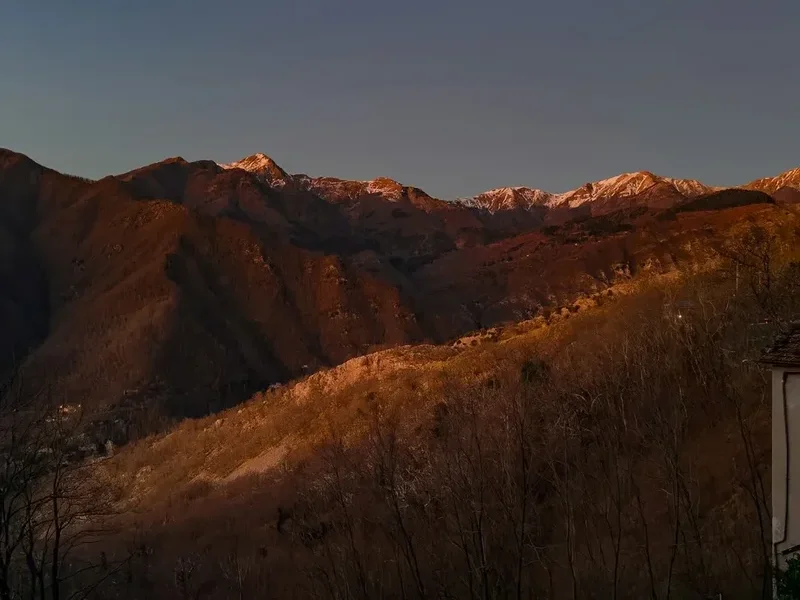
No specific permits are required to walk the Via Francigena in Tuscany. The route is a public network of ancient roads, paths, and trails. However, it is essential to book accommodation in advance, especially during the popular spring and autumn seasons. Some specific attractions within towns, such as museums or towers, may require entrance fees or advance booking, but these are separate from the trail access itself.
Accommodation Booking: As mentioned in the planning section, securing your lodging ahead of time is the most critical "booking" requirement for this journey. This ensures you have a place to rest each night and avoids the stress of searching for accommodation after a long day of walking.
National Park Fees: While the Via Francigena passes through beautiful countryside, it does not traverse designated national parks that typically require entrance fees. The landscapes are part of the general Tuscan region, which is protected by its cultural and environmental significance rather than specific park regulations for walkers.
Cultural Site Entry: For specific historical sites, churches, or museums within towns like Siena or San Gimignano, standard entrance fees will apply. These are optional and depend on your interest in exploring these attractions.
Other Activities in the Area
Beyond the walking itself, the Tuscan section of the Via Francigena offers a wealth of cultural and culinary experiences:
- Wine Tasting: Tuscany is world-renowned for its wines. Visit local wineries in regions like Chianti, Montalcino (Brunello), and Montepulciano for guided tours and tastings.
- Culinary Experiences: Indulge in authentic Tuscan cuisine. Participate in cooking classes, visit local markets to sample regional produce, and enjoy meals at traditional trattorias and osterias.
- Exploring Hilltop Towns: Dedicate time to explore the medieval towns and villages along the route. San Gimignano with its towers, Siena with its Piazza del Campo, and the charming hamlets of the Val d'Orcia are all worth significant exploration.
- Thermal Baths: Visit Bagno Vignoni, a unique village with a thermal pool in its main piazza, or other nearby thermal spas for relaxation and rejuvenation.
- Art and History: Immerse yourself in the Renaissance art and architecture of Siena, Florence (a potential side trip from San Miniato), and other historic centres.
- Cycling: Many of the same roads and paths used by walkers are popular with cyclists, offering an alternative way to explore the region.
- Photography: The iconic Tuscan landscapes, from rolling hills and cypress trees to medieval architecture, provide endless opportunities for stunning photography.
Safety and Conditions
Pre-Departure Checks:
- Weather: Check the weather forecast for Tuscany before and during your walk. Be prepared for temperature fluctuations and potential rain, especially in spring and autumn.
- Route Conditions: While the Via Francigena is generally well-maintained, sections can be affected by weather. Heavy rain can make gravel paths muddy and slippery.
- Health: Ensure you are adequately fit for the daily distances and elevation gains. Carry a basic first-aid kit and any personal medications.
On the Trail:
- Hydration: Always carry enough water. While towns are frequent, there can be long stretches between them, especially in rural areas.
- Sun Protection: Even outside of summer, the Tuscan sun can be strong. Wear sunscreen, a hat, and sunglasses.
- Navigation: While marked, trail signage can be inconsistent. Rely on your guidebook, maps, or GPS device. Inform someone of your daily itinerary and expected arrival time.
- Emergency Contacts: Save local emergency numbers (112 is the European emergency number) on your phone.
- Respect Local Customs: Dress modestly when visiting churches. Be mindful of private property and agricultural land.
- Sandflies: While not as prevalent as in New Zealand, sandflies can be present in damp areas, particularly in the evenings. Insect repellent is advisable.
Travel Insurance: It is strongly recommended to have comprehensive travel insurance that covers medical emergencies, trip cancellation, and lost luggage.
Side Trips and Points of Interest
San Gimignano: While not directly on the most common Via Francigena route, this UNESCO World Heritage site is a must-visit. Known as the "Medieval Manhattan" for its well-preserved towers, it offers a glimpse into medieval urban life and stunning panoramic views. It's easily accessible as a detour from the main trail between Certaldo and Colle di Val d'Elsa.
Crete Senesi: This unique geological area south of Siena is characterised by its stark, undulating clay hills, deep ravines, and sparse vegetation. The landscape is dramatically different from the rolling vineyards and olive groves, offering a sense of ancient, raw beauty. The section between Siena and Buonconvento is particularly scenic.
Val d'Orcia: Another UNESCO World Heritage site, this region is the quintessential Tuscan landscape. Famous for its rolling hills, cypress-lined avenues, and picturesque farmhouses, it's a photographer's dream. Towns like Pienza, Montalcino, and Montepulciano are jewels within this valley.
Bagno Vignoni: This ancient thermal spa town is unique for its central piazza, which is a large thermal pool. The waters have been used since Roman times for their therapeutic properties. It's a peaceful and picturesque stop, perfect for relaxation.
Fortress of Radicofani: Perched atop a hill, this imposing fortress offers commanding views over the surrounding countryside. It was a strategic stronghold and a refuge for the famous bandit Ghino di Tacco. The climb to the fortress is rewarded with breathtaking vistas.
Abbazia di Monte Oliveto Maggiore: A magnificent Benedictine monastery set amidst the Crete Senesi. Its cloisters feature stunning frescoes by Signorelli and Sodoma, offering a significant artistic and spiritual detour.
Leave No Trace
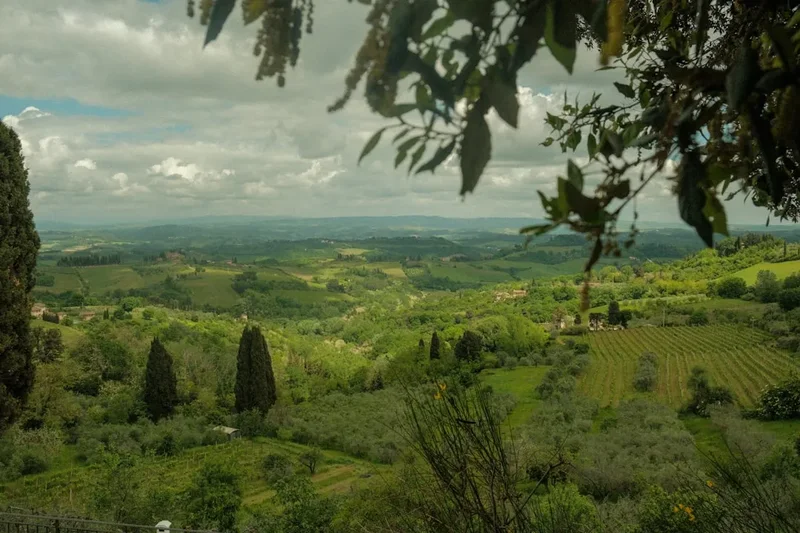
The Via Francigena, particularly in Tuscany, traverses a landscape that is both culturally significant and ecologically sensitive. While not a wilderness trek in the same vein as some alpine routes, the principles of Leave No Trace are vital for preserving the beauty and integrity of this historic path and its surrounding environment.
Your responsibility as a walker:
- Pack It In, Pack It Out: Carry all your rubbish with you, including food scraps, wrappers, and any other waste. Dispose of it properly in designated bins in towns.
- Stay on the Path: Stick to marked trails and existing paths. Venturing off-trail can damage fragile vegetation, disturb wildlife, and contribute to erosion, especially in the clay soils of the Crete Senesi.
- Respect Private Property: Much of the land you walk through is privately owned farmland. Do not cut through fields, disturb crops, or enter private yards unless the path explicitly leads through them.
- Water Sources: While water is generally safe in towns, treat water from streams or natural sources if you are unsure. Wash yourself and your dishes at least 10 metres away from any water source to prevent contamination.
- Minimise Campfire Impacts: Camping is generally not permitted along the route, and campfires are strongly discouraged due to fire risk and environmental impact. Use designated cooking facilities if available.
- Respect Wildlife: Observe wildlife from a distance and do not feed any animals, including domestic livestock.
- Be Considerate of Others: The Via Francigena is a shared path. Be mindful of noise levels, especially in quiet rural areas and when passing through villages. Greet fellow walkers and locals with a friendly "Buongiorno" or "Buonasera."
- Proper Waste Disposal: Use designated toilets in accommodations and public facilities. If caught short in a rural area, ensure you are well away from water sources and paths, and bury human waste properly.
Walking the Via Francigena is a privilege. By adhering to these principles, you help ensure that this ancient route remains a beautiful and inspiring journey for generations to come.
 Italy
Italy