
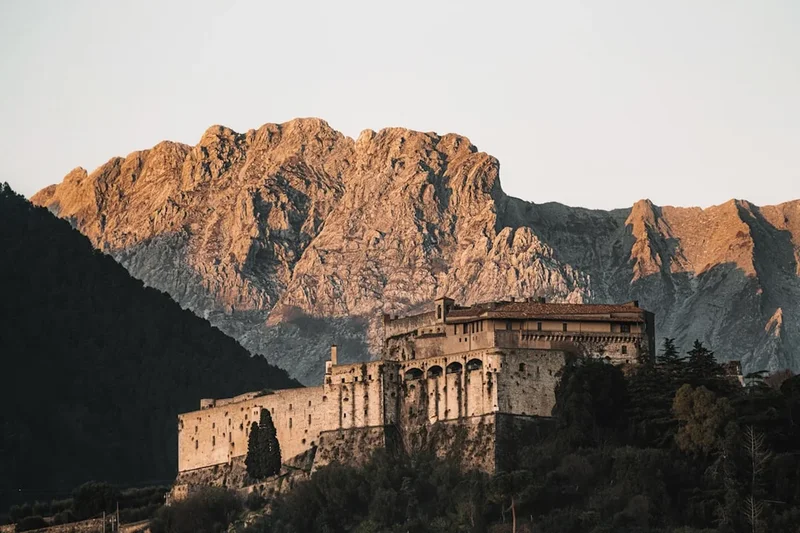
Via Francigena - The Ancient Road to Rome
The Via Francigena is Europe’s most storied pilgrimage route, a transcontinental odyssey that traditionally stretches from Canterbury in England to the Eternal City of Rome. While the full journey spans over 2,000 kilometres, the Italian section—beginning at the dramatic Great St Bernard Pass in the Alps and descending through the heart of Italy—is widely considered the most spectacular and culturally rich segment. Covering approximately 945 kilometres within Italian borders, this trail is not merely a hike; it is a profound immersion into three millennia of European history, traversing alpine peaks, the fertile Po Valley, the rolling golden hills of Tuscany, and the volcanic landscapes of Lazio. Unlike the more crowded Camino de Santiago, the Via Francigena offers a more solitary, contemplative experience, where the path is shared with local farmers, quiet village life, and the ghosts of medieval pilgrims who have trodden these same stones for over a thousand years.
- Distance: 945.0 km (Italian section from Great St Bernard Pass to Rome)
- Duration: 45–60 days
- Season: April–June and September–October (avoiding the extreme heat of July/August and winter snow in the passes)
- Accommodation: Pilgrim hostels (ostelli), religious guesthouses, agriturismi, and hotels
- Highest point: Great St Bernard Pass (2,473 m)
- Difficulty: Moderate (long-distance endurance required, but technically accessible)
- Direction: North to South (traditionally towards Rome)
Overview
The Via Francigena, or the "Road from France," is a journey of immense geographical and emotional scale. It is a trail that demands patience and rewards the slow traveller with a kaleidoscopic view of Italy that few tourists ever witness. The route is divided into several distinct geographical phases, each with its own rhythm and challenges. The journey begins with a high-altitude descent from the Great St Bernard Pass, where the air is thin and the peaks of the Aosta Valley tower in jagged granite walls. This is the most physically demanding section, requiring steady knees for the long descents into the valley floor.
As the trail leaves the mountains, it enters the vast, flat expanse of the Po Valley (Pianura Padana). Often misunderstood as monotonous, this section offers a meditative rhythm. Walking through endless rice paddies and alongside the great Po River, pilgrims experience the agricultural heart of Italy. The challenge here is not elevation, but the psychological endurance of long, straight paths and the humidity of the lowlands. However, the reward lies in the magnificent Romanesque cathedrals of cities like Vercelli, Pavia, and Piacenza, which served as vital waystations for medieval travellers.
The crossing of the Cisa Pass marks the transition into the Apennine Mountains and the entrance into Tuscany. This is arguably the most famous stretch of the trail. The landscape transforms into the iconic imagery of the Italian Renaissance: silver-green olive groves, vineyards of Chianti, and hilltop medieval towns like San Gimignano and Siena. The path here follows the "strade bianche" (white gravel roads), winding through a landscape that feels like a living painting. Finally, the trail enters Lazio, traversing ancient volcanic lakes and Etruscan sunken roads (vie cave) before the final, emotional approach to St Peter’s Square in Rome. To walk the Via Francigena is to witness the slow unfolding of Italian civilisation, one step at a time.
History and Cultural Context
The origins of the Via Francigena date back to the 7th century, initially established by the Lombards as a strategic military and trade route. However, its status as a major pilgrimage artery was cemented in 990 AD by Sigeric the Serious, the Archbishop of Canterbury. Upon being named Archbishop, Sigeric travelled to Rome to receive his "pallium" (a vestment representing papal authority) from Pope John XV. On his return journey, he meticulously recorded the 79 submansiones (stopping places) where he stayed. This diary remains the primary historical blueprint for the modern route, and many of the towns mentioned by Sigeric over a millennium ago still serve as essential stops for modern pilgrims.
During the Middle Ages, the Via Francigena was one of the three great "Peregrinationes Maiores" (Major Pilgrimages), alongside the route to Jerusalem and the Camino de Santiago to the tomb of St James. Pilgrims travelled to Rome to visit the tombs of the Apostles Peter and Paul. These travellers were a diverse cross-section of medieval society: kings, clerics, merchants, and peasants, all seeking spiritual redemption or fulfilling vows. The route facilitated not only the movement of people but the exchange of ideas, architectural styles, and artistic movements, which is why one sees the influence of French Romanesque architecture deep in the heart of the Italian peninsula.
After centuries of decline due to the rise of modern roads and the shifting of trade routes, the Via Francigena saw a dramatic revival in the late 20th century. In 1994, the Council of Europe designated it a "Cultural Route," sparking a massive effort by local Italian municipalities to waymark the path and restore ancient hostels. Today, the trail is a symbol of European unity and a shared heritage that transcends modern borders. For the modern walker, the history is palpable—you are walking on Roman basalt stones in the morning and sleeping in a 12th-century monastery in the evening.
Want more background? Read extended notes on history and cultural context → Learn more
Seasonal Highlights and Weather Reality
Timing is the most critical factor when planning a Via Francigena pilgrimage. Because the trail spans the entire length of Italy, weather conditions can vary wildly between the northern mountains and the southern plains. The Great St Bernard Pass is typically only open to walkers from mid-June to late September; outside of this window, heavy snow makes the pass impassable for anyone without advanced winter mountaineering skills and equipment.
Spring (April to June) is widely considered the golden window for the Italian section. In Tuscany and Lazio, the hills are a vibrant, emerald green, and wildflowers carpet the path. Temperatures are mild, ranging from 15°C to 25°C, making for comfortable walking. However, the Po Valley can be quite rainy during May, and the mountain sections may still have lingering snow patches. This is also the time when the "ostelli" (hostels) begin to open their doors for the season.
Autumn (September to October) offers a different but equally beautiful experience. This is the season of the "vendemmia" (grape harvest) and the olive harvest. The intense heat of the Italian summer begins to fade, and the landscape turns to shades of ochre and gold. The air is crisp, and the morning mists in the valleys of the Val d'Orcia provide stunning photographic opportunities. This is also the best time for food lovers, as truffles, porcini mushrooms, and new wine appear on local menus.
Summer (July and August) should be approached with extreme caution. Temperatures in the Po Valley and the plains of Lazio regularly exceed 35°C, with high humidity. Shade is often scarce on the long agricultural tracks, and the risk of heatstroke is genuine. Many Italian pilgrims avoid these months entirely. Conversely, Winter (November to March) is only suitable for the southern sections near Rome. The Apennines and Alps are covered in snow, and many pilgrim-specific accommodations close for the winter, requiring walkers to rely on more expensive hotels.
Recommended Itinerary
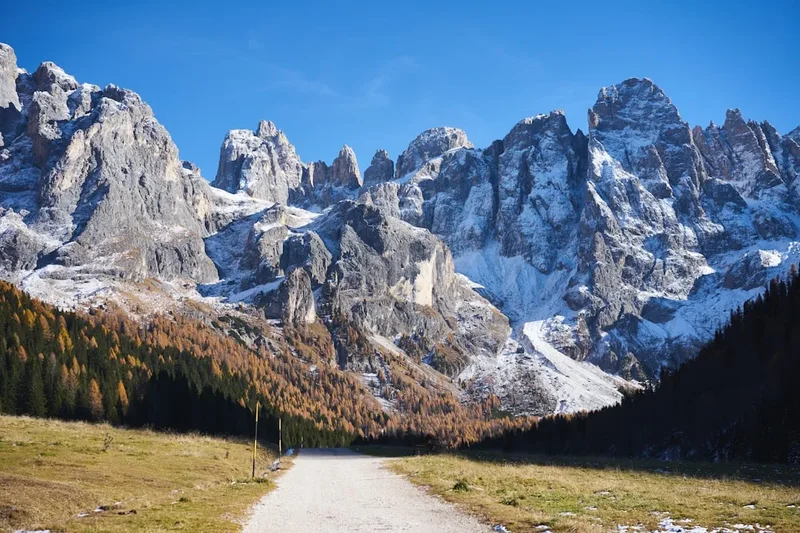
The Italian Via Francigena: A 45-Day Breakdown
Week 1: The Alps and Aosta Valley (Great St Bernard to Ivrea)
- Distance: 110 km
- Key Waypoints: Great St Bernard Pass, Etroubles, Aosta, Châtillon, Verrès, Pont-Saint-Martin
- Highlights: High alpine scenery, Roman ruins in Aosta, medieval castles of the Valle d'Aosta
- Terrain: Steep descents followed by valley floor walking alongside the Dora Baltea river
- Note: The descent from the pass is 1,900 m over 30 km; trekking poles are essential
Week 2: The Po Valley (Ivrea to Piacenza)
- Distance: 165 km
- Key Waypoints: Vercelli, Robbio, Mortara, Pavia, Santa Cristina e Bissone
- Highlights: Vast rice paddies (the "sea of rice"), the Certosa di Pavia, crossing the Po River by boat at Transitum Padi
- Terrain: Extremely flat, long straight sections, often on dirt tracks or quiet secondary roads
- Note: Mosquitoes can be an issue in the rice fields; carry repellent
Week 3: The Apennines (Piacenza to Lucca)
- Distance: 155 km
- Key Waypoints: Fiorenzuola d'Arda, Fidenza, Fornovo di Taro, Berceto, Passo della Cisa, Pontremoli, Aulla, Sarzana
- Highlights: The climb to the Cisa Pass, the Lunigiana region, the first views of the Mediterranean near Sarzana
- Terrain: Significant elevation gain and loss as you cross the mountain spine of Italy
- Note: This is a remote section with fewer services; plan water stops carefully
Week 4: The Heart of Tuscany (Lucca to Siena)
- Distance: 125 km
- Key Waypoints: Altopascio, San Miniato, Gambassi Terme, San Gimignano, Monteriggioni
- Highlights: The towers of San Gimignano, the walled fortress of Monteriggioni, the Piazza del Campo in Siena
- Terrain: Rolling hills, "strade bianche" (white roads), and cypress-lined ridges
- Note: This is the most popular section; book accommodation in advance during peak season
Week 5: Val d'Orcia and Northern Lazio (Siena to Viterbo)
- Distance: 145 km
- Key Waypoints: Buonconvento, San Quirico d'Orcia, Radicofani, Acquapendente, Bolsena, Montefiascone
- Highlights: The UNESCO-listed Val d'Orcia, the fortress of Radicofani, Lake Bolsena (Europe's largest volcanic lake)
- Terrain: Dramatic climbs to hilltop towns followed by descents into volcanic craters
- Note: The climb to Radicofani is long but offers the best views in Italy
Week 6: The Final Approach (Viterbo to Rome)
- Distance: 105 km
- Key Waypoints: Vetralla, Sutri, Campagnano di Roma, La Storta, Rome
- Highlights: The Roman amphitheatre in Sutri, the waterfalls of Monte Gelato, the first view of St Peter's dome from Monte Mario
- Terrain: Ancient Etruscan roads, hazelnut groves, and increasing urbanisation as you approach the capital
- Note: The final 10 km into Rome can be busy; follow the official park routes (Parco dell'Insugherata) to avoid traffic
Important Notes:
- The itinerary can be shortened by using Italy's excellent regional train network to skip flatter sections
- Average daily distance is 20–25 km, but some stages are longer due to accommodation gaps
- Always carry a "Credenziale" (Pilgrim Passport) to access discounted accommodation
- Water fountains (fontanelle) are common in Italian villages and provide safe, cold drinking water
Planning and Bookings
Book Your Trip
Everything you need to plan your journey
Accommodation
Find places to stay near Rome
Flights
Search flights to Rome
Essential Preparation
The Via Francigena requires a different level of preparation than a standard wilderness hike. Because you are walking through inhabited areas, the logistics involve coordinating with village services, religious institutions, and local transport. Physical fitness is paramount; while the terrain is rarely "technical," walking 20–30 kilometres a day for several weeks puts immense strain on the feet and joints. Training should focus on long-distance endurance with a weighted pack.
Logistically, you must obtain a "Credenziale del Pellegrino" (Pilgrim Passport). This document identifies you as a legitimate pilgrim and is required to stay in the network of low-cost religious hostels and "ostelli." You can order this online from the European Association of the Via Francigena (EAVF) or pick one up at major trailheads like Aosta or Lucca. Additionally, downloading the official Via Francigena app is essential for real-time GPS tracking, as waymarking can occasionally be inconsistent in rural areas.
Trail Accommodation
Accommodation on the Via Francigena is diverse, ranging from humble parish halls to luxury boutique hotels in Tuscan villas. For those on a budget or seeking the traditional experience, the "ostelli" are the primary choice.
Hut and Hostel Facilities:
- Dormitory-style rooms with bunk beds (usually 4–10 people per room)
- Shared bathroom facilities with hot showers (usually included in the price)
- Common areas for socialising with other pilgrims
- Kitchen facilities are common in secular hostels but rare in religious houses
- "Donativo" (donation-based) or fixed price (typically €15–€25 per night)
- Blankets are often provided, but a lightweight sleeping bag or silk liner is mandatory for hygiene
What is NOT Provided:
- Towels and toiletries (must bring your own)
- Laundry detergent (though many hostels have sinks or machines for washing)
- Food (unless staying in a religious house that offers "mezza pensione" or half-board)
- WiFi is common in towns but can be spotty in rural monasteries
Booking Requirements:
- In the Po Valley and mountains, booking 24 hours in advance is usually sufficient
- In Tuscany (especially San Gimignano and Siena), booking 3–5 days in advance is highly recommended during May, June, and September
- Some religious houses do not take bookings; it is first-come, first-served
- Always call ahead if you plan to arrive after 6:00 PM
Required Gear
- Footwear: High-quality trekking shoes or trail runners. Full leather boots are often too heavy and hot for the Italian plains. Ensure they are one size larger than usual to account for foot swelling.
- Backpack: 35–45 litres is the "sweet spot." Total weight should not exceed 10% of your body weight. A rain cover is essential.
- Clothing: Moisture-wicking layers. Two sets of walking clothes and one set of "clean" clothes for the evening. A lightweight fleece and a high-quality waterproof jacket are non-negotiable.
- Socks: Merino wool blend (e.g., Darn Tough or Smartwool). Bring at least three pairs and rotate them.
- Trekking Poles: Highly recommended for the alpine descents and the steep hills of Tuscany to save your knees.
- Navigation: Smartphone with the official app, a backup power bank, and a physical guidebook (e.g., Lightfoot or Terre di Mezzo).
What to Bring
- Consumables: Always carry at least 2 litres of water and emergency snacks (nuts, dried fruit, chocolate). Italy has many fountains, but some stretches in the Apennines are dry.
- First Aid: Blister prevention is the priority. Bring Compeed, leukotape, antiseptic cream, and needle/thread for blisters. Include basic painkillers and rehydration salts.
- Toiletries: Travel-sized biodegradable soap/shampoo, toothpaste, and a quick-dry microfibre towel. Sunscreen (SPF 50+) and lip balm with UV protection are vital.
- Pilgrim Passport: Your "Credenziale" in a waterproof sleeve.
- Earplugs and Eye Mask: Essential for sleeping in crowded dormitories.
- Universal Adapter: Italy uses Type L and Type C plugs.
- Cash: Many small village bars and hostels do not accept credit cards. Carry at least €50–€100 in small denominations.
Permits
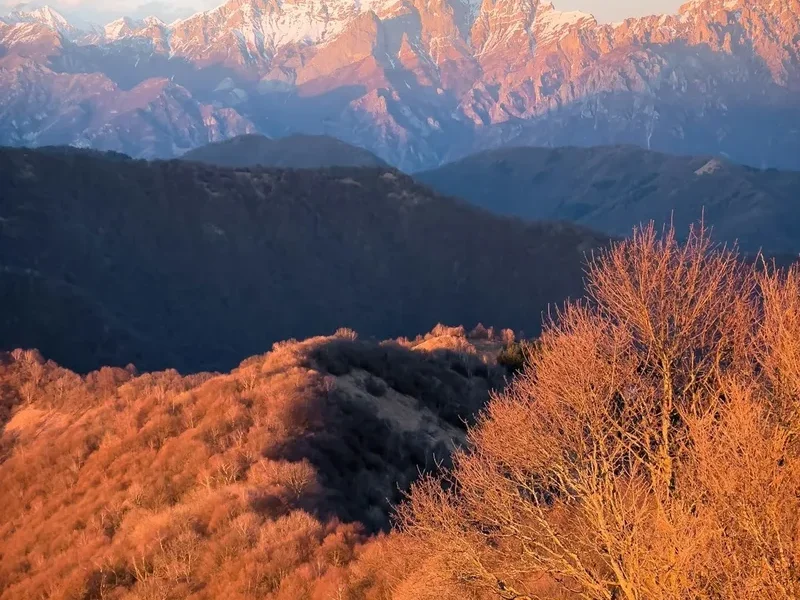
Unlike some wilderness trails that require permits for land access, the Via Francigena is a public right-of-way. There are no fees to walk the path itself, and no "permits" are required to enter the national parks or regions it traverses. However, the "Credenziale" (Pilgrim Passport) acts as your functional permit for accessing the pilgrim infrastructure.
The Credenziale (Pilgrim Passport):
- Cost: Approximately €5–€10.
- Where to get it: Online from the EAVF (official association), at the Great St Bernard Hospice, or at major cathedrals along the route.
- Purpose: You collect stamps (timbri) at hostels, churches, bars, and tourist offices. These stamps prove your journey and are required to receive the "Testimonium" (the certificate of completion) in Rome.
- Access: It grants you access to "pellegrino" rates in hostels and sometimes discounts in local trattorias.
The Testimonium:
- To receive the official parchment in Rome, you must prove you have walked at least the final 100 km (from Acquapendente/Bolsena) or cycled the final 200 km.
- The Testimonium is issued at the Opera Romana Pellegrinaggi in St Peter’s Square or the Basilica of St John Lateran.
Logistical Considerations:
- Visas: Italy is part of the Schengen Area. Ensure your visa status allows for a 60-day stay if you are walking the full route.
- Insurance: Standard travel insurance that covers hiking is highly recommended. Ensure it includes medical repatriation.
Other Activities in the Area
The Via Francigena passes through some of the most famous cultural landscapes in the world. If your schedule allows, consider these diversions:
- Wine Tasting in the Val d'Orcia: Take a rest day in San Quirico d'Orcia to visit the nearby vineyards of Montalcino (home of Brunello wine) or Montepulciano.
- Thermal Baths: Italy’s volcanic geography means there are numerous natural hot springs along the route. Bagno Vignoni and Viterbo (Terme dei Papi) offer world-class thermal soaking to soothe tired muscles.
- Etruscan Necropolises: In Lazio, take a side trip to the UNESCO-listed tombs of Tarquinia or Cerveteri to see the incredible pre-Roman history of the region.
- Cooking Classes: Many "agriturismi" (farm stays) in Tuscany offer half-day classes in making handmade pasta or pici, the thick local spaghetti of the Siena region.
- The Palio di Siena: If you are in Siena on July 2nd or August 16th, you can witness the world-famous bareback horse race in the Piazza del Campo (though accommodation must be booked months in advance).
Safety and Conditions
Road Walking and Traffic:
The greatest objective hazard on the Via Francigena is not the terrain, but Italian traffic. While the route is increasingly being moved onto dedicated paths, there are still sections that follow secondary roads with narrow shoulders. Italian drivers can be fast and unpredictable. Always walk facing oncoming traffic, wear high-visibility gear (or a bright pack cover), and avoid walking at dawn, dusk, or night when visibility is low.
Heat and Hydration:
Heat exhaustion is a significant risk, particularly in the Po Valley and Lazio. The "fontanelle" (public fountains) are your best friend. The water is almost always "potabile" (drinkable) unless marked "non potabile." Drink before you are thirsty and use electrolyte powders to replace salts lost through sweat. Wear a wide-brimmed hat and use high-factor sunscreen even on cloudy days.
Animal Encounters:
In the Apennines and rural Tuscany, you may encounter Maremma sheepdogs. These are large, white dogs bred to protect livestock from wolves. They are not pets; they are working animals. If you encounter a flock of sheep, do not walk through them. Give them a wide berth. If a dog approaches barking, stay calm, do not run, and keep your trekking poles down. Usually, they will stop once you are a safe distance from their flock.
Emergency Services:
- General Emergency: 112
- Medical Emergency: 118
- Mountain Rescue (Soccorso Alpino): 112 (specify you need mountain rescue)
- Ensure you have a local SIM card or a roaming plan that works in Italy; while signal is generally good, there are "dead zones" in the deep Apennine valleys.
Side Trips and Points of Interest
The Sacra di San Michele: Located near Turin, this ancient abbey perched on a mountain peak inspired Umberto Eco’s "The Name of the Rose." While slightly off the main path, it is a stunning example of Romanesque architecture and offers incredible views of the Alps.
San Gimignano’s Towers: Known as the "Manhattan of the Middle Ages," this town once boasted 72 tower-houses built by rival families. Today, 14 remain. Climbing the Torre Grossa provides a panoramic view of the Tuscan landscape you have just traversed.
The Vie Cave of Pitigliano and Sovana: These are ancient roads carved deep into the tufa rock by the Etruscans. The walls can be up to 20 metres high, creating a cool, mossy microclimate. They are some of the most atmospheric sections of the entire journey.
Abbey of Sant'Antimo: A short detour from the path near Montalcino, this is one of the most beautiful Romanesque churches in Italy. If you time your visit right, you can hear the monks chanting Gregorian hymns, a hauntingly beautiful experience that connects you directly to the medieval soul of the trail.
Leave No Trace
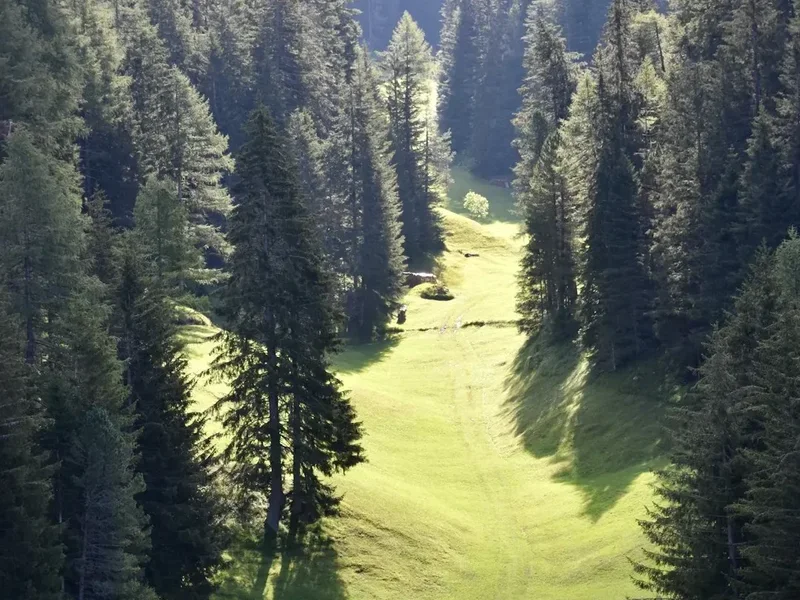
The Via Francigena passes through fragile agricultural landscapes and ancient historic centres. Respecting the land and the local communities is essential for the trail's sustainability. Many sections pass through private farmland; always stay on the marked path and ensure all gates are closed behind you.
Core Principles for the Pilgrimage:
- Waste Management: Italy has a strict "raccolta differenziata" (waste separation) system. Do not throw all your rubbish in one bin. Separate plastic, paper, and organic waste whenever possible. Never leave "wild" waste on the trail.
- Respect Heritage: Do not touch or deface ancient walls, frescoes, or Roman stones. These are irreplaceable parts of human history.
- Water Conservation: While water is plentiful, do not waste it. Use fountains for drinking and quick cooling, but do not use soap or detergents directly in or near the stone basins.
- Wild Camping: Wild camping is generally illegal in Italy without explicit permission from the landowner. Use the established network of hostels and campsites to minimise your impact on the environment.
- Support Local: The Via Francigena is a lifeline for many small, dying villages. Support the local economy by buying your supplies in village "alimentari" rather than large supermarkets on the outskirts of towns.
 Italy
Italy