
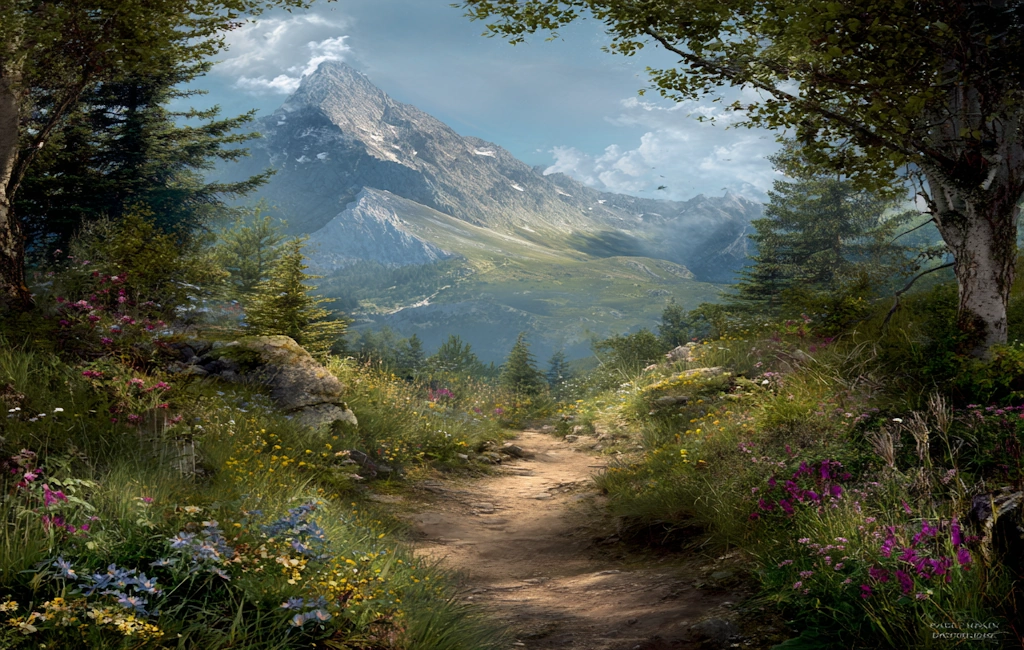
Via Dinarica - A Cultural and Wilderness Odyssey Through the Balkans
The Via Dinarica is not merely a trail; it is a monumental 1,930-kilometre mega-trail that traverses the spine of the Dinaric Alps and the Shar Mountain Range. Stretching from the limestone plateaus of Slovenia in the north to the jagged, "Accursed" peaks of Albania in the south, this thru-hike connects seven countries: Slovenia, Croatia, Bosnia and Herzegovina, Montenegro, Serbia, Kosovo, and Albania. It is a journey through one of Europe's last remaining wilderness frontiers, where ancient traditions, diverse cultures, and breathtaking karst landscapes converge. The route is divided into three primary corridors—the Blue Trail (coastal), the Green Trail (forest), and the flagship White Trail, which follows the highest peaks of the Dinaric Alps. This description focuses on the White Trail, the definitive thru-hiking experience for those seeking the ultimate challenge in South Eastern Europe.
- Distance: 1,930.0 km (White Trail)
- Elevation Gain: 49,579 m
- Duration: 3 to 4 months for a full thru-hike
- Difficulty: Challenging to Expert
- Highest Point: Maja Jezercë, Albania (2,694 m) or Mount Korab, North Macedonia/Albania border (2,764 m) depending on specific route variants
- Best Time: May to September (high altitude sections are snow-bound until late June)
- Closest Major City: Sarajevo, Bosnia and Herzegovina (central hub)
- Trailhead Access: Nanos, Slovenia (Northern terminus) to Valbonë/Theth, Albania (Southern terminus)
Overview
The Via Dinarica was named by Outside Magazine as the "Best New Trail" in 2014, and since then, it has evolved into a world-class destination for long-distance hikers. The trail is a masterclass in geological and cultural diversity. Geologically, the Dinaric Alps are the world's premier karst landscape—a terrain of soluble limestone and dolomite characterised by deep sinkholes, massive cave systems, and underground rivers that vanish and reappear kilometres away. This creates a landscape of stark contrasts: barren, moon-like plateaus that suddenly drop into lush, emerald-green river canyons like the Tara or the Neretva.
Culturally, the trail is a living museum. As you walk south, you transition from the Central European influences of Slovenia and northern Croatia into the heart of the Balkans. In Bosnia and Herzegovina, the architecture and atmosphere shift, reflecting centuries of Ottoman and Austro-Hungarian history. You will hear the call to prayer from minarets in mountain villages, encounter Orthodox monasteries perched on cliffs in Montenegro, and experience the ancient "Kanun" code of hospitality in the remote highlands of Albania. The trail is designed to support local economies, encouraging hikers to stay in village homestays and mountain huts rather than just wild camping, providing an intimate look at a way of life that has remained largely unchanged for generations.
The physical challenge of the Via Dinarica cannot be overstated. With nearly 50,000 metres of elevation gain, the trail demands exceptional fitness and mental resilience. Unlike the highly manicured trails of Western Europe or North America, the Via Dinarica is often rugged, steep, and occasionally poorly marked in remote sections. Hikers must be proficient in navigation, comfortable with significant exposure in alpine sections, and prepared for long stretches without resupply. However, the reward is a sense of solitude and discovery that is increasingly rare in the modern world. You are not just walking a path; you are exploring a region that is reclaiming its identity through sustainable tourism and environmental conservation.
History and Cultural Context
The history of the lands traversed by the Via Dinarica is as complex as the terrain itself. These mountains have served as both barriers and bridges for millennia. Ancient Illyrian tribes first inhabited these peaks, followed by Romans who built roads like the Via Egnatia to connect the Adriatic coast with the interior of the Balkan Peninsula. For centuries, the Dinaric Alps formed the volatile borderland between the Ottoman Empire and the Habsburg Monarchy, a history that is still visible in the diverse religious and architectural heritage of the region.
In the 20th century, the mountains were the site of fierce partisan resistance during World War II, led by Josip Broz Tito. Many of the mountain huts and trails used today were originally established during the Yugoslav era when mountaineering was a highly popular and state-supported activity. However, the tragic conflicts of the 1990s following the breakup of Yugoslavia left deep scars on the region. Some areas became inaccessible due to front lines and landmines, and the once-connected mountaineering communities were divided by new international borders.
The Via Dinarica project was conceived in 2010 as a way to promote peace and reconciliation through nature. By creating a continuous trail that crosses these new borders, the project aims to foster regional cooperation and revitalise rural mountain communities that were devastated by war and subsequent depopulation. Today, the trail stands as a symbol of a "New Balkans"—a region that celebrates its shared natural heritage while honouring its distinct cultural identities. Walking the Via Dinarica is an act of witness to this transformation, as hikers engage with locals who are eager to share their stories and their mountains with the world.
Want more background? Read extended notes on history and cultural context → Learn more
Seasonal Highlights and Weather Reality
The Via Dinarica spans a vast latitudinal and altitudinal range, meaning weather conditions vary significantly across the route. The primary hiking season is from late May to late September, but even within this window, hikers must be prepared for extreme variability.
Spring (May to June): This is the most visually stunning time to visit, as the alpine meadows are carpeted in wildflowers and the rivers are swollen with snowmelt. However, high-altitude passes in Montenegro and Albania (such as the Prokletije range) often remain blocked by snow until late June or even early July. Hikers in early season must be proficient with an ice axe and crampons or be prepared to take lower-altitude detours. In the lower karst regions of Croatia and Slovenia, May is ideal for avoiding the summer heat.
Summer (July to August): This is the peak season for the high mountains. The weather is generally stable, though violent afternoon thunderstorms are common in the Dinaric Alps. The primary challenge during summer is the heat, particularly in the barren karst sections of Croatia and Herzegovina, where temperatures can soar above 35°C. Water management becomes critical during these months, as many limestone springs dry up. This is the best time for the high-altitude sections of Bosnia, Montenegro, and Albania.
Autumn (September to October): September is arguably the best month for a thru-hike. The summer heat has dissipated, the crowds (where they exist) have thinned, and the weather is often stable and crisp. The beech forests of the Green Trail and the lower sections of the White Trail turn vibrant shades of gold and red. By October, the first snowfalls usually arrive in the high peaks, and many mountain huts begin to close for the season.
Winter (November to April): The Via Dinarica becomes a serious winter mountaineering and ski touring undertaking. Many sections are prone to massive avalanches, and the "Bura"—a fierce, cold north-easterly wind—can reach hurricane speeds on the coastal ridges. Only expert winter adventurers with specialised equipment and local knowledge should attempt the trail during these months.
Recommended Itinerary
The Via Dinarica White Trail: Sectional Breakdown
Section 1: Slovenia - The Limestone Plateaus
- Distance: ~150 km
- Key Waypoints: Nanos, Postojna Caves, Snežnik Mountain
- Terrain: Rolling hills, deep forests, and the first taste of high karst plateaus
- Highlights: The ascent of Snežnik (1,796 m) offers views stretching to the Adriatic Sea and the Julian Alps
- Logistics: Excellent hut system and well-marked trails; a gentle introduction to the Dinaric landscape
Section 2: Croatia - The Velebit Wilderness
- Distance: ~550 km
- Key Waypoints: Risnjak National Park, Northern Velebit, Paklenica National Park, Dinara Mountain
- Terrain: Rugged limestone ridges, "karst towers," and coastal views
- Highlights: The Premužić Trail in Northern Velebit is a masterpiece of dry-stone path construction; the ascent of Dinara (1,831 m), Croatia's highest peak
- Logistics: Velebit is remote; hikers must rely on mountain shelters (sklonište) and carry significant water
Section 3: Bosnia and Herzegovina - The Heart of the Balkans
- Distance: ~350 km
- Key Waypoints: Čvrsnica Mountain, Prenj (the "Bosnian Himalayas"), Sarajevo, Maglić Mountain
- Terrain: Dramatic glacial valleys, high alpine peaks, and deep canyons
- Highlights: Crossing the Hajdučka Vrata (Outlaw's Gate) on Čvrsnica; the rugged peaks of Prenj; the primeval forest of Perućica in Sutjeska National Park
- Logistics: Sarajevo serves as a perfect mid-way resupply point; trail marking is improving but navigation skills are essential
Section 4: Montenegro - The Land of Black Mountains
- Distance: ~250 km
- Key Waypoints: Durmitor National Park, Tara Canyon, Biogradska Gora, Prokletije
- Terrain: High-altitude limestone massifs and some of Europe's deepest canyons
- Highlights: Bobotov Kuk (2,523 m) in Durmitor; the turquoise waters of the Tara River; the ancient rainforests of Biogradska Gora
- Logistics: Montenegro has a well-developed mountain hut culture in Durmitor, but other areas are very remote
Section 5: Albania, Kosovo, and Serbia - The Accursed Mountains
- Distance: ~630 km (including variants)
- Key Waypoints: Prokletije (The Accursed Mountains), Valbonë, Theth, Mount Korab
- Terrain: Extremely jagged, vertical peaks and remote high-altitude pastures
- Highlights: The Valbonë to Theth pass; the ascent of Maja Jezercë; the cross-border peaks between Kosovo and Albania
- Logistics: This is the most remote and challenging section; reliance on village homestays is high; border crossing permits are mandatory
Important Notes:
- The itinerary is highly flexible; many hikers choose to focus on specific country sections
- Resupply points can be 5–7 days apart in remote areas
- Water is the primary logistical challenge in the karst regions of Croatia and Herzegovina
- Always check local conditions for landmine safety in Bosnia and Croatia (stay on marked trails)
Planning and Bookings
Book Your Trip
Everything you need to plan your journey
Accommodation
Find places to stay near Sarajevo
Flights
Search flights to Sarajevo
Essential Preparation
Planning a thru-hike of the Via Dinarica requires significantly more logistical effort than a typical European trail. Fitness is paramount; you should be comfortable with 20–30 km days involving 1,000 m+ of elevation gain on rugged terrain. Because the trail crosses seven borders, you must research visa requirements for each country (though most Western passport holders can enter all seven visa-free for short stays).
Sarajevo is the logical logistical hub. It is centrally located, has an international airport, and offers the best selection of outdoor gear shops in the region. Most hikers spend a few days here to finalise their gear and coordinate their first major resupply. You should also download offline maps (Gaia GPS or Mapy.cz are highly recommended) and the official Via Dinarica GPS tracks, as physical maps can be difficult to find for certain sections.
Trail Accommodation
Accommodation on the Via Dinarica is a mix of mountain huts, unstaffed shelters, village homestays, and wild camping.
Mountain Huts (Planinarski dom): Common in Slovenia, Croatia, and Montenegro. During summer, many are staffed and offer basic meals and dormitory beds. Prices range from €15 to €30 per night. In Bosnia and Albania, huts are less frequent and often require advance notice to be opened.
Shelters (Sklonište): Particularly common in Croatia's Velebit range. These are basic, unstaffed huts (often just a room with wooden platforms). They are free to use but require you to carry your own sleeping mat and bag. They operate on a first-come, first-served basis.
Village Homestays: In Bosnia, Montenegro, and Albania, staying with local families is a highlight. These "katuns" (seasonal shepherd huts) or village guesthouses provide a bed and incredible home-cooked meals (often including fresh bread, cheese, and rakija). Expect to pay €25–€40 for half-board.
Wild Camping: Generally permitted or tolerated in most mountain areas, except within certain high-protection zones of National Parks (always check local regulations). In Bosnia and Croatia, wild camping must be done with extreme caution regarding landmine safety—only camp in areas known to be clear or on established sites.
Required Gear
- Footwear: Sturdy, high-quality hiking boots with excellent grip. The limestone is incredibly sharp and will shred lightweight trail runners quickly.
- Navigation: A dedicated GPS device or a smartphone with reliable offline mapping apps and a high-capacity power bank. A compass and paper maps (where available) are essential backups.
- Shelter: A lightweight, wind-resistant tent (3-season). Even if you plan to stay in huts, a tent is necessary for the long remote stretches.
- Sleeping System: A sleeping bag rated to at least -5°C (even in summer, alpine temperatures can drop below freezing) and a durable sleeping mat.
- Clothing: A robust layering system including a waterproof shell (Gore-Tex or similar), an insulating mid-layer (down or synthetic), and moisture-wicking base layers. Do not forget a warm hat and gloves for high passes.
- Water Filtration: A reliable filter (Sawyer Squeeze or Katadyn BeFree) is mandatory. While mountain springs are often pure, livestock grazing is common.
What to Bring
- Cash: This is a cash-heavy region. You will need multiple currencies: Euros (Slovenia, Montenegro, Kosovo), Croatian Kuna (though Croatia joined the Euro in 2023), Bosnian Mark (BAM), Serbian Dinar, and Albanian Lek. Small denominations are best for mountain villages.
- Sun Protection: The Balkan sun is intense, especially on the white limestone. Bring high-SPF sunscreen, a wide-brimmed hat, and quality sunglasses.
- First Aid: A comprehensive kit including blister care, antiseptic, rehydration salts, and any personal medications.
- Emergency Communication: A satellite messenger (Garmin inReach or Zoleo) is highly recommended due to inconsistent mobile coverage in deep canyons and remote peaks.
- Food: Lightweight, calorie-dense meals. While you can buy staples in villages, specialised dehydrated trekking meals are almost impossible to find outside of major cities like Sarajevo or Ljubljana.
Permits
The Via Dinarica does not require a single "thru-hiking permit," but there are several specific permits and fees you must manage along the way. National Park entry fees are common in Croatia (Velebit, Paklenica), Bosnia (Sutjeska), and Montenegro (Durmitor, Biogradska Gora). These are usually small (between €2 and €10) and can often be paid at park entrances or to rangers on the trail.
Cross-Border Permits: This is the most critical administrative task. In the Prokletije region (the border triangle of Montenegro, Albania, and Kosovo), the trail frequently crosses international borders at non-official checkpoints. To do this legally, you must apply for a "Cross-Border Permit" at least 10–14 days in advance. This process involves submitting your passport details to the local police or through a specialised mountain tourism agency. Failure to have these permits can result in fines or being turned back by border patrols.
Registration: In some countries, like Montenegro and Serbia, foreigners are technically required to register with the local police within 24 hours of arrival in a new municipality. If you stay in registered guesthouses or hotels, they will do this for you. If you are wild camping, you should keep track of your locations and be prepared to explain your itinerary if questioned.
Other Activities in the Area
The Balkans offer a wealth of adventure and cultural experiences beyond the trail:
- Whitewater Rafting: The Tara River Canyon in Montenegro and Bosnia is the deepest in Europe and offers world-class rafting, particularly in May and June.
- Caving: Slovenia and Croatia are home to some of the world's most famous cave systems, including Postojna and Škocjan (a UNESCO site).
- Cultural Tours: Spend time in Sarajevo to learn about its resilient history, visit the Old Bridge (Stari Most) in Mostar, or explore the UNESCO-listed old town of Kotor in Montenegro.
- Coastal Exploration: The Blue Trail variant allows for swimming in the Adriatic and exploring the Dalmatian islands of Croatia.
- Rock Climbing: Paklenica National Park in Croatia is one of Europe's premier limestone climbing destinations, with routes ranging from beginner to extreme multi-pitch.
Safety and Conditions
Landmine Safety: This is a unique and critical safety consideration for the Via Dinarica, specifically in Bosnia and Herzegovina and parts of Croatia. While the vast majority of the trail is perfectly safe, some former front-line areas still contain unexploded ordnance. Rule Number One: Never leave the marked trail in suspect areas. Use the "Mine Free BH" app to check your location against known minefields. If a trail looks overgrown or abandoned in a sensitive region, do not proceed. Stick to the official Via Dinarica GPS tracks and local advice.
Wildlife: The Dinaric Alps are home to significant populations of brown bears, wolves, and lynx. While these animals are generally shy and avoid humans, you should practice proper food storage (using bear bags or canisters in remote areas) and make noise when walking through dense brush. The most common "dangerous" animal you will encounter is the Poskok (Nose-horned Viper), the most venomous snake in Europe. They like to sun themselves on limestone rocks; always watch where you step and where you place your hands when scrambling.
Water Scarcity: In the karst landscape, water is often hidden underground. Long stretches (up to 30 km) in Croatia and Herzegovina may have no surface water. Hikers must be disciplined about carrying enough capacity (4–5 litres in summer) and planning their days around known reliable springs or cisterns at mountain huts.
Weather Extremes: Hypothermia is a risk even in summer if you are caught in a storm on a high pass. Conversely, heatstroke is a genuine threat in the exposed karst sections. Always check the "DHZ" (Croatia) or "Federalni hidrometeorološki zavod" (BiH) forecasts before heading into remote sections.
Side Trips and Points of Interest
The Lukomir Highland Village (Bosnia): A short detour from the main White Trail leads to Lukomir, the highest and most isolated permanent settlement in Bosnia and Herzegovina. Sitting at 1,495 m on the edge of the Rakitnica Canyon, the village features traditional stone houses with cherry-wood shingles. It offers a glimpse into ancient semi-nomadic shepherd life and provides some of the best traditional "pita" (pie) in the Balkans.
The Tara Bridge (Montenegro): While the trail crosses the canyon, a visit to the Đurđevića Tara Bridge is a must. When completed in 1940, it was the largest concrete arch bridge in Europe. It offers staggering views 172 metres down to the Tara River and is a site of significant World War II history.
The Blue Eye of Theth (Albania): Near the end of the trail in the Accursed Mountains, this stunning karst spring creates a deep, vibrant blue pool of ice-cold water. It is a perfect place to soak tired feet after months of hiking, though only the bravest will attempt a full swim.
Mount Maglić (Bosnia/Montenegro Border): The ascent of Bosnia's highest peak (2,386 m) is a highlight of the trail. The view from the summit looks down into the heart-shaped Trnovačko Lake in Montenegro, a perfect emerald tarn surrounded by grey limestone amphitheatres.
Leave No Trace
The Via Dinarica passes through some of the most pristine and ecologically sensitive areas in Europe. Many of these regions lack formal waste management systems, meaning the responsibility falls entirely on the hiker.
Protecting the Karst: The limestone landscape is highly porous. Any pollution on the surface—including human waste or soap—can quickly enter the underground water systems that local villages rely on for drinking water. Always bury human waste at least 20 cm deep and at least 100 metres from any sinkhole or dry watercourse. Better yet, use a "pack-it-out" system for toilet paper.
Respecting Local Communities: The Via Dinarica is a cultural trail. Always ask permission before camping near a village or a shepherd's hut. Be mindful of livestock; close all gates behind you and keep dogs on a lead. While Balkan hospitality is legendary, do not exploit it—always offer fair payment for food or lodging, even if the host initially refuses.
Fire Safety: The karst regions are extremely prone to wildfires in summer. Never build an open fire; use a lightweight camping stove for cooking. A single spark can devastate thousands of hectares of ancient forest.
 New Zealand
 Chile
Chile Norway