
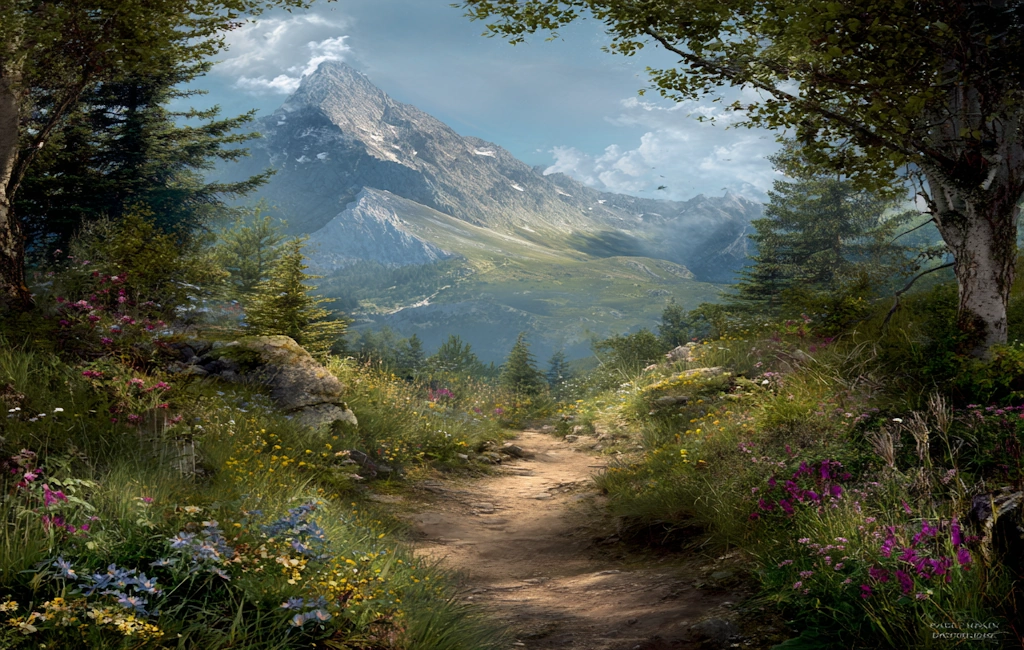
Via degli Dei - The Path of the Gods
The Via degli Dei, or "Path of the Gods," is a historic hiking trail winding through the Apennine Mountains of Italy, connecting the vibrant city of Bologna to the Renaissance jewel of Florence. This ancient route, once trodden by Etruscans, Romans, and medieval pilgrims, offers a captivating journey through diverse landscapes, from rolling Tuscan hills dotted with vineyards and olive groves to rugged mountain passes offering breathtaking panoramic views. It's a walk that blends natural beauty with rich cultural heritage, passing through charming medieval villages, ancient ruins, and offering glimpses into the agricultural heartland of Emilia-Romagna and Tuscany.
- Distance: 130 km one-way
- Duration: 4–6 days
- Season: April to June, September to October
- Difficulty: Moderate
- Closest City: Bologna
- Trailhead Access: Bologna city centre (Piazza Maggiore)
- No permits required for hiking
Overview
The Via degli Dei is a journey through time and landscape. Starting in Bologna, a city renowned for its historic porticoes and culinary traditions, the trail quickly ascends into the pre-Apennine hills. The initial days are characterised by a gentle introduction to the Italian countryside, with well-trodden paths leading through agricultural land, small hamlets, and forests. As the trail progresses, it climbs higher into the Apennines, reaching its zenith at the Passo della Croce Arcana, a significant mountain pass that marks the watershed between the Adriatic and Tyrrhenian seas. This section offers more challenging terrain, rewarding hikers with expansive vistas across the rolling hills of Tuscany and Emilia-Romagna.
The route is a testament to the historical significance of this region. It follows ancient Roman roads, medieval pilgrimage routes, and pathways used for centuries by merchants and travellers. Along the way, hikers will encounter remnants of past civilisations, including Etruscan settlements, Roman villas, and medieval castles. The trail also passes through picturesque villages such as San Benedetto Val di Sambro, Monte di Fo, and Sant'Agata, where walkers can experience authentic Italian village life, sample local cuisine, and find accommodation.
The Via degli Dei is not a wilderness trek in the traditional sense; it is a cultural and historical pilgrimage. It offers a unique opportunity to connect with the Italian landscape and its heritage at a walking pace, experiencing the subtle beauty of the countryside, the warmth of its people, and the flavours of its renowned gastronomy. The moderate difficulty makes it accessible to most reasonably fit hikers, offering a rewarding experience without extreme physical demands.
History and Cultural Context
The Via degli Dei traces its roots back to antiquity. The region was historically inhabited by the Etruscans, a sophisticated civilisation that predated the Romans. They established settlements and trade routes throughout the area, many of which formed the basis for later Roman roads. The most significant of these is the Via Flaminia Militare, a Roman road built in 187 BC by consul Gaius Flaminius, which the Via degli Dei largely follows for a substantial portion of its route through the mountains. This ancient road connected Bononia (Bologna) with Florentia (Florence), serving as a vital artery for military, trade, and communication.
During the Middle Ages, the route gained further importance as a pilgrimage path. Travellers heading towards Rome or other religious centres often passed through this region, and the trail became known as the "Via degli Dei" due to the numerous deities and mythological figures associated with the ancient Etruscan and Roman beliefs that once permeated the landscape. The presence of numerous churches, monasteries, and chapels along the route further cemented its spiritual significance.
The trail's modern revival as a hiking route began in the late 20th century, with local enthusiasts and hiking associations working to identify, mark, and promote the ancient pathways. Today, the Via degli Dei is a well-established long-distance trail, managed by local communities and hiking clubs, offering a unique blend of historical exploration and natural beauty. It represents a tangible connection to Italy's past, allowing walkers to tread the same paths as ancient peoples and experience the enduring charm of the Apennine landscape.
Seasonal Highlights and Weather Reality
The Via degli Dei is best enjoyed during the spring and autumn months, when the weather is most favourable for hiking. These seasons offer a pleasant balance of mild temperatures and beautiful scenery.
Spring (April to June): This is an ideal time to walk the Via degli Dei. Wildflowers bloom profusely, painting the hillsides with vibrant colours. The weather is generally mild, with average temperatures ranging from 10°C to 20°C. Rainfall is possible, especially in April and May, but usually in the form of passing showers rather than prolonged downpours. The longer daylight hours allow for more leisurely exploration.
Summer (July to August): While the landscape is lush and green, summer can be very hot, particularly in the lower elevations and open fields. Daytime temperatures can frequently exceed 30°C, making hiking strenuous and potentially uncomfortable. Water sources can also be scarcer during this period. It is generally advisable to avoid hiking the Via degli Dei during the peak summer months unless you are accustomed to extreme heat and start your days very early.
Autumn (September to October): Autumn is another excellent season for the Via degli Dei. The weather remains pleasant, with temperatures typically between 15°C and 25°C. The landscape transforms into a stunning palette of autumnal colours, with vineyards turning golden and red. The air is crisp, and the light is often soft and beautiful, perfect for photography. Rainfall can increase towards the end of October.
Winter (November to March): Winter is generally not recommended for hiking the Via degli Dei. Temperatures can drop significantly, especially at higher elevations, and snow is common, particularly on the mountain passes like Passo della Croce Arcana. Many accommodations and services in smaller villages may be closed during this period. While experienced winter hikers with appropriate gear could attempt sections, it is not ideal for a typical Via degli Dei experience.
Recommended Itinerary
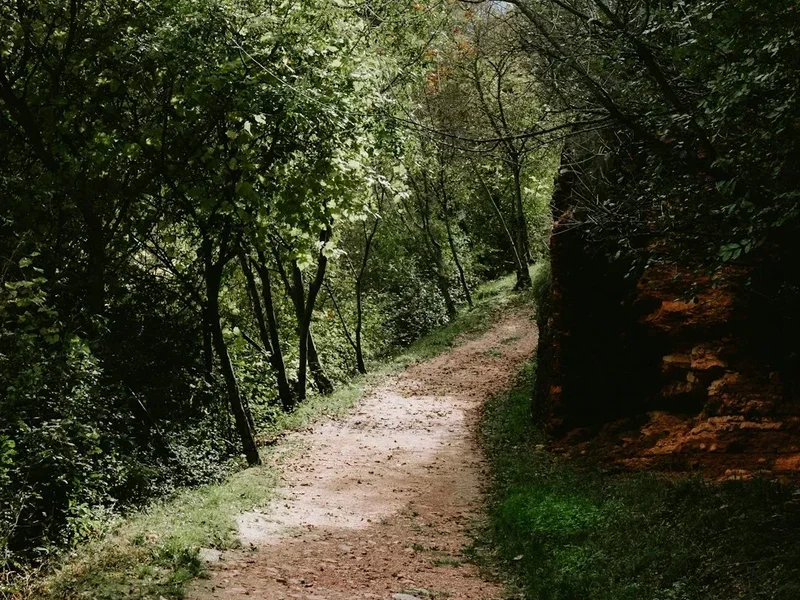
4-Day Via degli Dei Itinerary
Day 1: Bologna to Sasso Marconi
- Distance: 25 km
- Elevation gain: 700 m
- Time: 6–7 hours
- Start at Piazza Maggiore, Bologna
- Follow signs for the Via degli Dei, initially through urban areas before ascending into the hills
- Pass through the historic porticoes of Bologna
- Ascend towards the Sanctuary of the Madonna di San Luca (optional visit)
- Continue through rolling hills and agricultural land
- Arrive in Sasso Marconi, a town known for its Marconi Museum
- Accommodation available in Sasso Marconi
Day 2: Sasso Marconi to San Benedetto Val di Sambro
- Distance: 28 km
- Elevation gain: 900 m
- Time: 7–8 hours
- The trail climbs steadily into the Apennine foothills
- Pass through small hamlets and forests
- Sections follow the ancient Roman Via Flaminia Militare
- Arrive in San Benedetto Val di Sambro, a charming mountain village
- Accommodation available in San Benedetto Val di Sambro
Day 3: San Benedetto Val di Sambro to Monte di Fo
- Distance: 27 km
- Elevation gain: 1000 m
- Time: 7–8 hours
- This is a challenging day, reaching the highest points of the trail
- Ascend towards the Passo della Croce Arcana (1,114 m), the watershed
- Enjoy panoramic views of Tuscany and Emilia-Romagna
- Descend towards Monte di Fo, a small settlement offering basic accommodation
- This day requires good fitness and preparation for mountain conditions
Day 4: Monte di Fo to Florence
- Distance: 50 km
- Elevation gain: 800 m
- Time: 10–12 hours
- A long final day, descending into Florence
- The trail continues through forests and hills, gradually approaching the outskirts of Florence
- Pass through villages like Scopeti and Poggiolo
- The final approach to Florence can be via a mix of trails and local roads
- Arrive at Piazza della Signoria, Florence, completing the journey
- Note: This day can be broken into two shorter days by staying in a village closer to Florence if preferred.
Alternative 5-6 Day Itinerary:
- Day 1: Bologna to Sasso Marconi (25 km)
- Day 2: Sasso Marconi to San Benedetto Val di Sambro (28 km)
- Day 3: San Benedetto Val di Sambro to Madonna dei Fornelli (20 km)
- Day 4: Madonna dei Fornelli to Monte di Fo (25 km)
- Day 5: Monte di Fo to Florence (50 km) - or break this into two days with an overnight stop in a village closer to Florence.
Important Notes:
- Accommodation options vary from B&Bs and agriturismos to small hotels and guesthouses. Booking in advance is highly recommended, especially during peak season.
- Water sources can be infrequent in some sections; carry sufficient water.
- Trail marking can vary; always carry a map and compass or GPS device.
- The final day into Florence is long; consider an earlier start or breaking it into two days.
Planning and Bookings
Book Your Trip
Everything you need to plan your journey
Accommodation
Find places to stay near Bologna
Flights
Search flights to Bologna
Essential Preparation
The Via degli Dei is a well-marked trail, but preparation is key to a successful and enjoyable journey. Given its popularity, especially during spring and autumn, booking accommodation in advance is strongly advised. Familiarise yourself with the route using maps and guidebooks, and ensure you have a reliable navigation system. The closest major city and starting point is Bologna, which has excellent transport links, including an international airport (BLQ). From Bologna city centre, you can easily access the trailhead at Piazza Maggiore. If driving, parking in Bologna can be challenging and expensive; consider using public transport or arranging parking outside the city centre. For those arriving by train, Bologna Centrale is a major hub.
Trail Accommodation
Accommodation along the Via degli Dei consists primarily of small hotels, B&Bs, agriturismos (farm stays), and guesthouses in the villages and towns along the route. There are no official "huts" in the same way as some alpine trails; instead, you will find more traditional hospitality options.
Types of Accommodation:
- Agriturismos: Often offer a more authentic experience, with meals prepared from local produce. They are typically located in rural settings.
- B&Bs and Guesthouses: Provide comfortable rooms, often with breakfast included.
- Small Hotels: Available in larger towns like Sasso Marconi and San Benedetto Val di Sambro.
Booking Requirements:
- Advance booking is essential, particularly for the popular spring and autumn seasons. Many smaller establishments have limited capacity.
- Popular villages for overnight stays include Sasso Marconi, San Benedetto Val di Sambro, Madonna dei Fornelli, and Monte di Fo.
- Consider booking your accommodation for the entire trip before you depart to ensure availability and simplify logistics.
Facilities Provided:
- Typically include a private room with a bed, linens, and towels.
- Most offer breakfast. Some agriturismos provide lunch and dinner.
- Private bathrooms are common, though some budget options might have shared facilities.
What's NOT Provided:
- No cooking facilities for hikers.
- No communal kitchens or dining areas for self-catering.
- No sleeping bags are required as bedding is provided.
Seasonal Availability: Most accommodations operate from spring through autumn. Some may close or have reduced hours during the winter months. Always check opening times and availability when booking.
Costs: Prices vary significantly depending on the type of accommodation and location. Expect to pay approximately €50-€100 per night for a double room, with agriturismos sometimes being more expensive but offering a fuller experience.
Required Gear
- Hiking Boots: Sturdy, waterproof hiking boots with good ankle support are essential. Ensure they are well broken-in to prevent blisters.
- Backpack: A comfortable daypack (25-35 litres) is sufficient if you are using pre-booked accommodation and travelling light. If carrying all your gear, a larger pack (40-50 litres) will be needed. A rain cover for your pack is recommended.
- Waterproof Jacket: A breathable, waterproof jacket is crucial for protection against rain showers, which can occur even in good weather.
- Waterproof Trousers: Lightweight, waterproof overtrousers are highly recommended.
- Layers of Clothing: Pack moisture-wicking base layers, insulating mid-layers (fleece or down), and a warm hat and gloves, especially for higher elevations and cooler months.
- Navigation Tools: A detailed map of the Via degli Dei, a compass, and a GPS device or smartphone with offline maps are essential. Trail markings can sometimes be inconsistent.
- First-Aid Kit: Include blister treatment, bandages, antiseptic wipes, pain relievers, and any personal medications.
- Head Torch: Useful for early starts, late finishes, or in case of unexpected delays.
What to Bring
- Food and Snacks: While villages offer opportunities to resupply, carry enough snacks (energy bars, nuts, dried fruit) and water for each day's hike. Some sections can be long between villages.
- Water Bottles/Hydration Reservoir: Carry at least 2-3 litres of water per person. Water sources are available in villages, but it's wise to treat or filter water from natural sources.
- Sun Protection: High SPF sunscreen, sunglasses, and a wide-brimmed hat are necessary, especially during spring and summer.
- Toiletries: Biodegradable soap, toothbrush, toothpaste, and any personal hygiene items. Small travel sizes are best.
- Insect Repellent: Recommended, particularly for evenings and areas with standing water.
- Trekking Poles: Highly recommended for reducing strain on knees, especially on descents and ascents.
- Camera: To capture the stunning scenery and historic sites.
- Cash: While credit cards are accepted in larger towns, smaller villages and some accommodations may prefer or only accept cash.
- Guidebook/Map: A comprehensive guidebook and detailed maps are invaluable for navigation and understanding the history and points of interest.
Permits
The Via degli Dei is a public trail and does not require any specific permits for hiking. You are free to walk the route without needing to obtain special permissions or pay entry fees, unlike some national parks or protected areas in other countries. This accessibility is one of its great advantages.
However, it is important to note that while no permits are needed for the trail itself, you will need to book accommodation in advance, especially during the peak seasons of spring and autumn. The availability of rooms in the small villages along the route can be limited, and last-minute bookings can be difficult to secure.
Key points regarding permits and access:
- No Hiking Permit Required: You can walk the Via degli Dei at any time of year without a permit.
- Accommodation Booking: Essential to book your overnight stays in advance.
- Respect Private Property: While the trail passes through private land, it is generally well-defined and marked. Always stay on the marked path and respect signage indicating private areas.
- National Park Regulations: Although not a formal national park, the trail traverses areas with natural beauty. Standard rules of respecting the environment, such as not littering or disturbing wildlife, apply.
Other Activities in the Area
Beyond the hiking itself, the region surrounding the Via degli Dei offers a wealth of cultural and natural attractions:
- Bologna Exploration: Before or after your hike, dedicate time to exploring Bologna. Wander through its famous porticoes, visit the Piazza Maggiore and the Basilica di San Petronio, climb the Asinelli Tower for panoramic city views, and indulge in the city's world-renowned cuisine (tagliatelle al ragù, mortadella, tortellini).
- Marconi Museum (Sasso Marconi): Learn about the life and work of Guglielmo Marconi, the inventor of radio, who conducted some of his early experiments in this area.
- Sanctuary of the Madonna di San Luca (Bologna): A magnificent basilica accessible via a 3.8 km porticoed walkway from Bologna. It's a significant pilgrimage site and offers stunning views.
- Agriturismo Experiences: Many farm stays along the route offer cooking classes, wine tasting, and opportunities to learn about local agricultural practices.
- Local Cuisine: Sample regional specialities in the villages. Look for dishes featuring porcini mushrooms, truffles, local cheeses, and cured meats.
- Cycling: Sections of the route, particularly the Roman road segments, are also popular with cyclists.
- Exploring Tuscan Hill Towns: While the Via degli Dei primarily stays in Emilia-Romagna and the northernmost part of Tuscany, day trips to nearby Tuscan towns like Scarperia or Firenzuola can be arranged if you have extra time.
Safety and Conditions
Trail Conditions: The Via degli Dei is generally well-maintained and marked, especially the sections following the ancient Roman roads. However, markings can be less frequent in forested areas or between villages. It is crucial to carry a map and compass or GPS device and be comfortable with navigation.
Weather: Weather can change rapidly in the Apennines. Be prepared for sunshine, rain, and cooler temperatures, especially at higher elevations. Check the weather forecast before you set out each day. Hypothermia is a risk in cooler months or if you get caught in heavy rain.
Water: While villages provide access to potable water, carry sufficient water for each day's hike, as some sections can be long and exposed with few water sources. It is advisable to treat water from natural springs or streams.
Terrain: The trail involves significant ascents and descents, with some steep and rocky sections. Trekking poles are highly recommended to ease the strain on your knees and improve stability.
Wildlife: You may encounter common European wildlife, including wild boar and deer. It is advisable to make noise while walking in forested areas to avoid surprising animals. Snakes are also present, so be mindful of where you step.
Emergency Contacts: In case of emergency, the European emergency number is 112. Ensure your mobile phone is fully charged and consider carrying a portable power bank. Inform someone of your itinerary and expected arrival times.
Health: Carry a personal first-aid kit and any necessary personal medications. Ensure you are up-to-date with vaccinations. If you have any pre-existing medical conditions, consult your doctor before undertaking the hike.
Side Trips and Points of Interest
Sanctuary of the Madonna di San Luca (Bologna): While technically at the start of the trail, this iconic sanctuary is a must-see. The 3.8 km walk up to it from Bologna is via the world's longest portico (666 arches), a UNESCO World Heritage site. The views from the sanctuary over Bologna are spectacular.
Marconi Museum (Sasso Marconi): Dedicated to the Nobel Prize-winning inventor Guglielmo Marconi, this museum offers insights into the history of radio communication and Marconi's experiments conducted in the area.
Via Flaminia Militare: Significant sections of the Via degli Dei follow this ancient Roman road, built in 187 BC. Walking on these well-preserved cobblestone paths provides a tangible connection to Roman history and engineering prowess.
Passo della Croce Arcana: This mountain pass, at 1,114 metres, is the highest point on the Via degli Dei. It marks the watershed between the Adriatic and Tyrrhenian seas and offers expansive panoramic views across the Apennine landscape, often stretching as far as the Tuscan coast on clear days.
Medieval Villages: The trail passes through numerous charming villages such as San Benedetto Val di Sambro, Madonna dei Fornelli, and Monte di Fo. These offer opportunities to experience authentic Italian rural life, enjoy local cuisine, and admire historic architecture.
Etruscan and Roman Remains: Keep an eye out for subtle remnants of ancient settlements, including stone foundations and fragments of pottery, particularly in areas where the trail closely follows ancient routes.
Leave No Trace
The Via degli Dei traverses beautiful natural landscapes and culturally significant historical sites. Practising Leave No Trace principles ensures that these areas remain pristine for future generations and that the local communities are respected.
- Plan Ahead and Prepare: Familiarise yourself with the route, weather conditions, and local customs. Book accommodation in advance.
- Travel and Camp on Durable Surfaces: Stick to marked trails to avoid damaging vegetation and soil. Avoid creating new paths.
- Dispose of Waste Properly: Pack out everything you pack in, including all food scraps, wrappers, and any other litter. Use designated bins in villages. If no bins are available, carry your waste with you until you find one.
- Leave What You Find: Do not remove or disturb natural objects, historical artefacts, or cultural items. Take only photographs and memories.
- Minimise Campfire Impacts: Campfires are generally not permitted along the trail, and accommodation options do not typically offer camping. If you are camping outside designated areas (which is not recommended on this trail), use established fire rings and ensure fires are completely extinguished.
- Respect Wildlife: Observe wildlife from a distance and never feed animals. This can alter their natural behaviour and diet, and potentially harm them.
- Be Considerate of Other Visitors: Keep noise levels down, especially in villages and natural areas. Yield to other hikers and cyclists on the trail. Respect the local culture and traditions.
By adhering to these principles, you contribute to the preservation of the Via degli Dei and the surrounding environment.
 Italy
Italy