
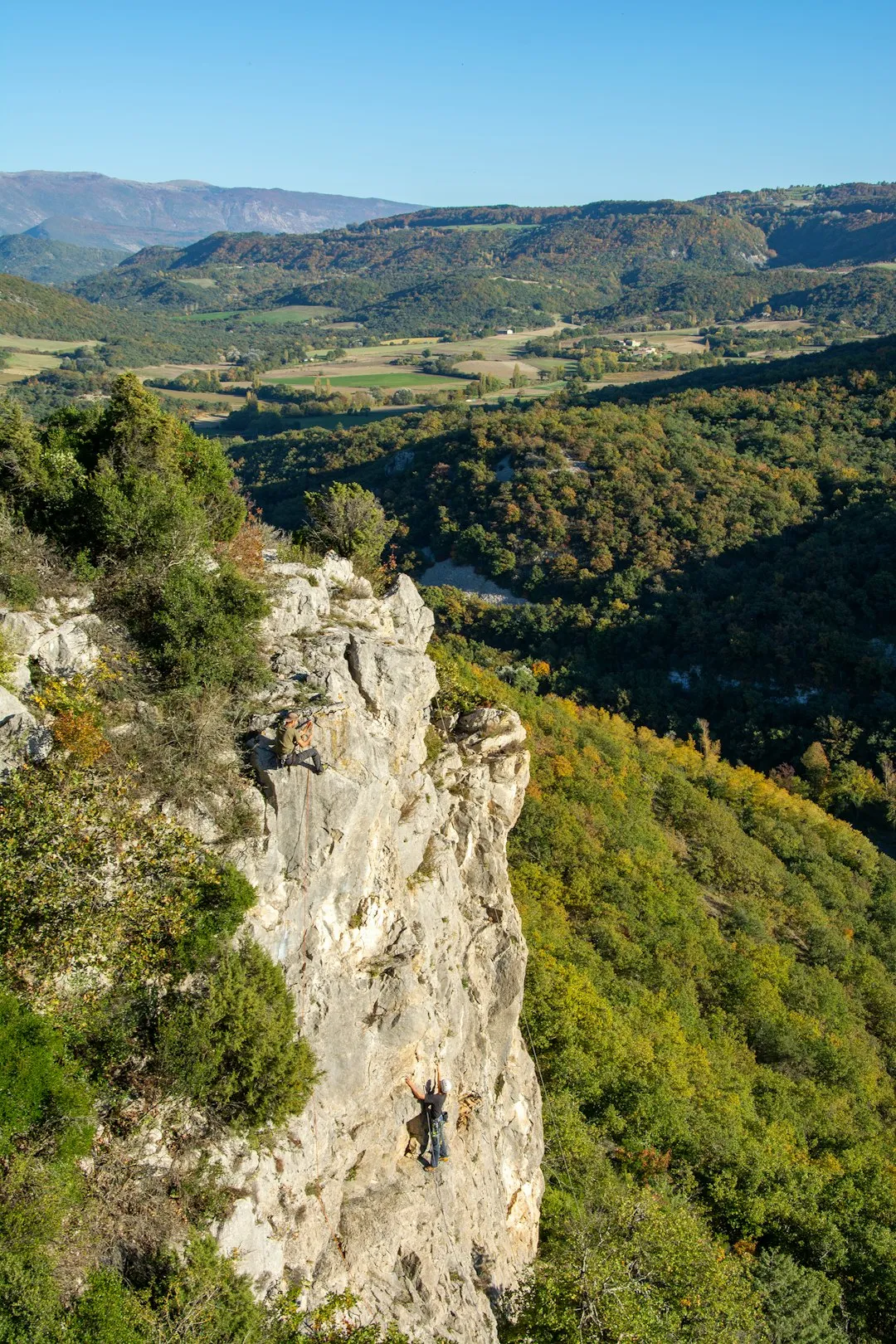
Verdon Gorge Trail - A Canyon Adventure
The Verdon Gorge Trail, or Sentier Blanc-Martel, is a spectacular day hike that plunges into the heart of Europe's deepest canyon, the Gorges du Verdon in the Provence-Alpes-Côte d'Azur region of France. This iconic trail offers an unparalleled perspective of the Verdon River's raw power, carving its way through immense limestone cliffs that soar up to 700 metres high. The path, often carved directly into the rock face, winds through a dramatic landscape of towering rock formations, hidden springs, and lush vegetation clinging to the canyon walls. It's a journey that demands respect for the elements and rewards hikers with breathtaking vistas and a profound sense of immersion in nature's grandeur.
- Distance: 15.0 km (one-way)
- Elevation Gain: 700 m
- Duration: 6–8 hours
- Difficulty: Moderate to Challenging
- Best Time: May to October
- Closest City: Castellane
- Trailhead Access: Point Sublime (limited parking)
- Permits: Not required
Overview
The Verdon Gorge Trail is a testament to the enduring power of water and time. This 15-kilometre trek, officially known as the Sentier Blanc-Martel, traverses the most dramatic section of the Gorges du Verdon, a natural wonder that has been sculpted over millennia. The trail begins at Point Sublime, a viewpoint offering an initial, awe-inspiring glimpse into the canyon's depths, and concludes at the Chalet de la Maline, from where a shuttle bus or a significant climb is required to reach the rim. The route is not a simple linear path; it involves descents and ascents, navigating through tunnels, across rocky scree, and along narrow ledges that hug the canyon walls. The sheer scale of the gorge is difficult to comprehend from above; walking within it provides an intimate and humbling experience of its colossal dimensions.
The Verdon River, a vibrant turquoise colour due to glacial meltwater and limestone sediment, is the constant companion and architect of this landscape. While the river itself is often inaccessible from the main trail, its presence is felt through the echoing sounds of its flow, the spray from hidden waterfalls, and the sheer force that has shaped the rock. The trail passes through several notable geological features, including the "Passerelle du Tusset" (a small footbridge over a side stream) and the "Imbut" (a section where the river disappears underground). The path is well-marked but can be challenging, requiring sturdy footwear, a good level of fitness, and a head for heights. The journey is a sensory overload: the cool, damp air of the canyon floor, the scent of wild herbs, the calls of birds echoing off the rock faces, and the ever-present visual spectacle of the towering limestone cliffs, often adorned with hardy vegetation and dramatic rock formations.
The trail's name, Sentier Blanc-Martel, honours two figures: Édouard Martel, a pioneer of canyon exploration who first mapped the Gorges du Verdon in the late 19th century, and Isidore Blanc, a local guide who assisted him. Their daring expeditions laid the groundwork for the trail's creation, allowing modern hikers to experience this extraordinary environment. The trail is a one-way route, meaning careful planning for transport at both ends is essential. While the hike itself is a significant undertaking, the surrounding Verdon Regional Natural Park offers numerous other activities, from scenic drives along the rim to kayaking on the Sainte-Croix Lake, making it a destination for nature lovers and adventure seekers alike.
History and Cultural Context
The Gorges du Verdon have a long and fascinating history, deeply intertwined with human settlement and the natural forces that shaped the landscape. For centuries, the canyon was a formidable barrier, largely inaccessible and known only to local shepherds and hunters. Its immense scale and the ferocity of the Verdon River made exploration a perilous undertaking.
The modern era of exploration began in the late 19th century. Édouard Martel, a French speleologist and explorer, became captivated by the Gorges du Verdon. Driven by a spirit of adventure and scientific curiosity, he embarked on a series of expeditions between 1895 and 1907. These were not mere walks; Martel and his companions navigated the treacherous river, often by raft or even swimming, charting the canyon's course and documenting its unique geology and flora. His efforts were instrumental in bringing the Gorges du Verdon to wider public attention. He was accompanied on many of these expeditions by local guides, most notably Isidore Blanc, whose intimate knowledge of the terrain was invaluable. The trail that now bears their names, the Sentier Blanc-Martel, is a direct legacy of their pioneering work, tracing a path that was once considered almost impassable.
The creation of the Sainte-Croix Lake in the 1970s, through the construction of a dam downstream, significantly altered the water flow and level of the Verdon River. While this created a popular recreational area, it also meant that the lower sections of the gorge became permanently submerged. The Sentier Blanc-Martel, however, traverses the upper, wilder section of the gorge, which remains largely untouched by the dam's influence, preserving its dramatic character. The trail itself was developed and maintained over time, with sections carved directly into the limestone cliffs, a testament to the engineering and sheer determination required to make this natural wonder accessible to hikers. Today, the Gorges du Verdon is a protected area within the Parc Naturel Régional du Verdon, managed to balance conservation with sustainable tourism, ensuring that the legacy of Martel and Blanc can be appreciated by generations to come.
Seasonal Highlights and Weather Reality
The Verdon Gorge Trail is best experienced during the shoulder seasons, when the weather is most favourable for hiking and the crowds are thinner. The period from May to October generally offers the most pleasant conditions, but each part of this window has its own characteristics.
Spring (May to June): This is an ideal time to visit. The weather is typically mild and sunny, with temperatures comfortable for hiking. The vegetation within the gorge is lush and vibrant, and wildflowers are in bloom, adding splashes of colour to the rocky landscape. The Verdon River, fed by snowmelt from the Alps, is often at its most powerful and turquoise, creating a spectacular visual contrast with the white limestone cliffs. However, spring can still bring occasional rain showers, and temperatures can be cooler, especially in the shaded depths of the canyon. Early May might still see some cooler days, so packing layers is advisable.
Summer (July to August): This is the peak tourist season, and the gorge can become very crowded, particularly at popular viewpoints and access points. Temperatures can soar, making the midday heat intense, especially on exposed sections of the trail. While the river is still a beautiful turquoise, it may be lower than in spring. Hiking during the hottest part of the day is not recommended; starting very early or late in the afternoon is a better strategy. The higher temperatures also increase the risk of dehydration and heat exhaustion.
Autumn (September to October): Autumn offers another excellent window for hiking the Verdon Gorge. The summer heat subsides, and the weather often remains stable and pleasant, with clear blue skies and comfortable temperatures. The crowds begin to thin out, offering a more tranquil experience. The changing light of autumn can cast a beautiful golden hue on the canyon walls, and the surrounding landscape takes on autumnal colours. The river's colour remains striking. By late October, temperatures can start to drop, and the possibility of cooler, wetter weather increases, so checking forecasts is essential.
Winter (November to April): The trail is generally not recommended for hiking during winter. While the landscape can be beautiful under a dusting of snow, temperatures are cold, and the trail can be icy and hazardous. Many of the facilities, including shuttle buses and some accommodation, may be closed. The river's flow can be unpredictable, and the risk of rockfalls or other hazards increases in colder conditions.
Weather Considerations: Regardless of the season, weather in the Verdon Gorge can change rapidly. Thunderstorms can develop quickly, bringing heavy rain, strong winds, and a risk of flash floods within the canyon. It is crucial to check the weather forecast before setting out and to be prepared for all conditions. The canyon floor is often cooler and more humid than the rim, and sections of the trail can be exposed to direct sunlight for extended periods.
Recommended Itinerary
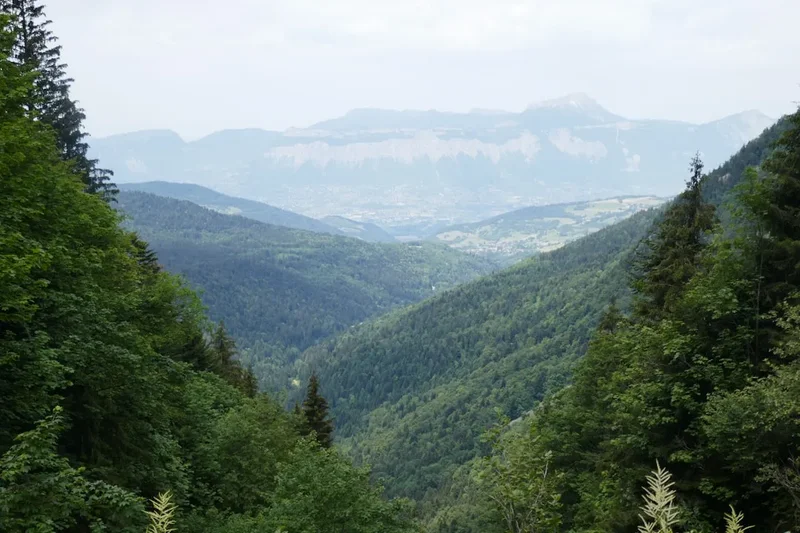
Verdon Gorge Trail (Sentier Blanc-Martel) - Day Hike Itinerary
Early Morning (Approx. 8:00 AM): Arrival at Point Sublime Trailhead
- Park at the designated parking area at Point Sublime. Note that parking is limited and can fill up quickly, especially during peak season.
- Final gear check: ensure you have sufficient water, food, sun protection, and appropriate footwear.
- Briefing: Familiarise yourself with the trail map and understand the route, including key landmarks and potential hazards.
- Begin the descent into the gorge. The initial section involves a steep path down towards the riverbed.
Morning (Approx. 8:30 AM - 12:00 PM): Descent and Canyon Floor Exploration
- Descend via the well-marked path from Point Sublime. This section is steep and can be slippery, especially after rain.
- Reach the Verdon River bed. The trail here is often a mix of rocky paths, scree, and sections where you walk directly alongside or in the shallow river.
- Pass through the "Imbut" section, where the river disappears underground for a stretch. You will follow a path that skirts the dry riverbed or a narrow channel.
- Continue along the canyon floor, marvelling at the immense scale of the limestone walls towering above.
- Look out for the distinctive turquoise colour of the Verdon River, a result of glacial meltwater and mineral deposits.
Midday (Approx. 12:00 PM - 2:00 PM): Lunch and the Passerelle du Tusset
- Find a suitable spot for a picnic lunch, ideally near a shaded area or a viewpoint.
- Cross the Passerelle du Tusset, a small but picturesque footbridge that spans a tributary stream. This is a good point to pause and appreciate the intricate details of the canyon's ecosystem.
- The trail continues to follow the river, with sections that may require careful footing.
Afternoon (Approx. 2:00 PM - 5:00 PM): Ascent to Chalet de la Maline
- The trail begins its significant ascent towards the rim of the gorge. This is the most physically demanding part of the hike.
- The path is well-maintained but steep, with numerous switchbacks.
- You will pass through tunnels carved into the rock, offering a brief respite from the sun and a unique perspective.
- Continue ascending, with occasional viewpoints offering glimpses back down into the gorge.
- Arrive at the Chalet de la Maline, the end point of the Sentier Blanc-Martel.
Late Afternoon (Approx. 5:00 PM onwards): Departure from Chalet de la Maline
- From Chalet de la Maline, you have two main options for returning to your vehicle or onward travel:
- Shuttle Bus: A shuttle bus service typically operates between Chalet de la Maline and Point Sublime during the hiking season. Check the current schedule and operating days in advance. This is the most convenient option.
- Rim Walk/Drive: You can drive or walk along the rim road (D952) back to Point Sublime. The walk along the rim is significantly longer and exposed to the sun. Driving is the most practical if you have a vehicle at Point Sublime.
- Allow ample time for your return journey, especially if relying on public transport.
Important Considerations:
- This is a one-way hike. Plan your transportation meticulously.
- Carry at least 2-3 litres of water per person, as water sources on the trail are scarce and may not be potable.
- Wear sturdy, broken-in hiking boots with good ankle support.
- Sun protection is crucial: hat, sunglasses, high SPF sunscreen.
- The trail can be very hot and exposed during summer months. Start early.
- Be prepared for uneven terrain, steep ascents and descents, and narrow paths.
- Mobile phone reception can be intermittent within the gorge.
Planning and Bookings
Book Your Trip
Everything you need to plan your journey
Accommodation
Find places to stay near Castellane
Flights
Search flights to Castellane
Essential Preparation
The Verdon Gorge Trail is a significant day hike that requires careful planning to ensure a safe and enjoyable experience. The primary logistical challenge is the one-way nature of the trail, necessitating a plan for transport between the start (Point Sublime) and end (Chalet de la Maline) points. The closest major city with an airport is Nice (NCE), approximately a 2.5-hour drive away. Castellane is the nearest town and serves as a useful base for accessing the gorge, offering accommodation, restaurants, and essential services. It is highly recommended to have your own vehicle, as public transport options within the immediate vicinity of the gorge can be limited and infrequent. If relying on public transport, thoroughly research bus schedules in advance, particularly for the shuttle service between the trailhead and the exit point.
Fitness is a key consideration. While the distance is manageable for a day hike, the significant elevation gain and loss, combined with potentially challenging terrain and heat, make it a moderate to challenging walk. Hikers should be comfortable with steep ascents and descents, navigating rocky paths, and spending several hours on their feet. It is advisable to have prior hiking experience and a reasonable level of cardiovascular fitness. Always check the weather forecast immediately before your hike, as conditions within the gorge can change rapidly, and flash floods are a real danger.
Trail Accommodation
This is a day hike requiring no overnight accommodation. Hikers typically base themselves in nearby towns such as Castellane or Moustiers-Sainte-Marie, or in accommodation closer to the gorge if available. Options range from campsites and guesthouses to hotels. It is advisable to book accommodation in advance, especially during the peak summer season.
Required Gear
- Sturdy Hiking Boots: Waterproof, with good ankle support and excellent grip. The terrain is rocky, uneven, and can be slippery.
- Backpack: A comfortable daypack (20-30 litres) to carry essentials.
- Waterproof Jacket: Lightweight and breathable, for unexpected rain showers.
- Sun Protection: Wide-brimmed hat, sunglasses, and high SPF sunscreen are essential due to exposure.
- Navigation: A detailed map of the Gorges du Verdon and a compass or GPS device. While the trail is generally well-marked, it's wise to be prepared. A downloaded offline map on a smartphone is also recommended.
- First-Aid Kit: Including blister treatment, pain relievers, antiseptic wipes, and any personal medications.
- Head Torch: Essential for navigating any tunnels and for safety in case of unexpected delays. Ensure it has fresh batteries.
- Trekking Poles: Highly recommended for stability on descents and ascents, and to reduce strain on knees.
What to Bring
- Water: Carry a minimum of 2-3 litres of water per person. Water sources on the trail are scarce and unreliable, and the river water is not safe to drink without treatment.
- Food: Plenty of high-energy snacks and a substantial packed lunch. There are no facilities for purchasing food or drink within the gorge itself.
- Toiletries: Biodegradable soap, hand sanitiser, toilet paper (pack out used paper), and any personal hygiene items.
- Insect Repellent: While not as notorious as some other locations, biting insects can be present, especially near water.
- Camera: To capture the incredible scenery.
- Small Towel: Useful if you get splashed by the river or for wiping sweat.
- Cash: For potential shuttle bus fares or small purchases in nearby villages. Card payment facilities may be limited.
- Mobile Phone: Fully charged, for emergencies.
Permits
No specific permits are required to hike the Verdon Gorge Trail (Sentier Blanc-Martel). The trail is part of the Parc Naturel Régional du Verdon and is generally open to the public. However, access to certain areas or specific activities within the park might be regulated, so it's always advisable to check with the park authorities for any local restrictions or advisories, especially concerning camping or fires, which are typically prohibited within the gorge itself.
Access and Parking:
- Point Sublime: This is the primary starting point for the Sentier Blanc-Martel. Parking is available here but is limited and can fill up very quickly, particularly during the summer months and on weekends. Arrive early in the morning to secure a spot.
- Chalet de la Maline: This is the exit point for the trail. Parking is also available here, but it is often used by those accessing the gorge from the eastern side or for those who have completed the hike and are waiting for transport.
Shuttle Service:
- During the main hiking season (typically from late May to early October), a shuttle bus service often operates between Point Sublime and Chalet de la Maline. This service is crucial for hikers completing the one-way trail.
- It is essential to verify the operating dates, times, and fares of the shuttle service in advance, as schedules can vary and services may be limited outside of peak periods. Information can usually be found on local tourism websites or from the Parc Naturel Régional du Verdon.
Park Regulations:
- Respect the natural environment. Do not leave any litter behind.
- Fires are strictly prohibited within the gorge.
- Wild camping is not permitted within the gorge.
- Stay on marked trails to protect the fragile ecosystem and for your own safety.
Other Activities in the Area
The Verdon region offers a wealth of activities beyond the Sentier Blanc-Martel, making it a fantastic destination for a longer stay:
- Scenic Drives: The Route des Crêtes (D952) offers breathtaking views from the rim of the gorge, with numerous viewpoints and pull-offs. This road is one-way in sections and is a must-do for experiencing the gorge's scale from above.
- Kayaking and Canoeing: On the Sainte-Croix Lake, you can rent kayaks, canoes, or paddleboards to explore the turquoise waters. Some rentals are also available at the entrance to the Verdon Gorge itself, allowing you to paddle upstream into the lower, wider sections of the canyon.
- Swimming: The Sainte-Croix Lake provides excellent opportunities for swimming and sunbathing on its sandy beaches.
- Via Ferrata: For the adventurous, there are several via ferrata routes along the gorge walls, offering a thrilling way to experience the cliffs with safety equipment.
- Rock Climbing: The Verdon Gorge is world-renowned for its challenging rock climbing routes, attracting climbers from across the globe.
- Visiting Villages: Explore charming Provençal villages like Moustiers-Sainte-Marie (famous for its faience pottery and star suspended between two cliffs), La Palud-sur-Verdon, and Castellane.
- Hiking on the Rim: Numerous trails exist along the rim of the gorge, offering different perspectives and varying levels of difficulty.
- Paragliding: The thermals around the gorge make it a popular spot for paragliding and hang gliding.
Safety and Conditions
Flash Flood Risk: This is the most significant hazard on the Verdon Gorge Trail. The Verdon River can rise rapidly and dangerously due to heavy rainfall upstream or sudden releases from the upstream dam (though less common in the upper gorge). Always check the weather forecast before starting your hike. If there is any risk of thunderstorms or heavy rain, do not enter the gorge. If you are already in the gorge and the weather deteriorates rapidly, seek higher ground immediately if possible, or find a sheltered spot away from the main riverbed. Be aware of the sound of the river; a sudden increase in volume or a change in its roar can indicate rising water levels.
Terrain Hazards: The trail involves steep ascents and descents, loose scree, slippery rocks, and narrow ledges. Sturdy, well-gripped hiking boots are essential. Trekking poles can provide extra stability. Be mindful of your footing at all times.
Heat and Dehydration: During summer months, the gorge can become extremely hot, with limited shade. Carry more water than you think you will need (at least 2-3 litres per person). Start your hike early in the morning to avoid the midday sun. Wear a hat, sunglasses, and apply sunscreen liberally. Take regular breaks in shaded areas.
Navigation: While the Sentier Blanc-Martel is a well-established trail, it is crucial to have a map and know how to use it. Mobile phone reception can be unreliable within the gorge. Inform someone of your hiking plans, including your expected start and end times and your route.
Physical Fitness: The trail is demanding due to its length, elevation changes, and terrain. Ensure you are adequately fit for the hike. If you have any doubts about your fitness, consider a shorter, less demanding walk in the area.
Tunnels: The trail passes through several tunnels carved into the rock. Ensure you have a reliable head torch with fresh batteries. Be aware of other hikers and potential obstacles within the tunnels.
Wildlife: While generally not dangerous, be aware of local wildlife. Respect their habitat and do not feed any animals.
Emergency Contacts: Know the emergency numbers for France (112). Have your mobile phone fully charged, but do not rely on it for communication within the gorge.
Side Trips and Points of Interest
Point Sublime: The official starting point of the Sentier Blanc-Martel, Point Sublime offers one of the most iconic and breathtaking views into the Verdon Gorge. From here, you can grasp the immense scale of the canyon before descending into its depths. It's a popular spot for photography and offers a dramatic introduction to the hike.
The Imbut: This is a crucial and fascinating section of the trail where the Verdon River disappears underground for a significant distance. The trail follows the dry riverbed or a narrow channel, offering a unique perspective on the river's power to carve through solid rock. It's a stark reminder of the geological forces at play.
Passerelle du Tusset: A charming and photogenic footbridge that crosses a smaller tributary stream feeding into the Verdon. It's a picturesque spot for a short break and a good place to appreciate the smaller details of the gorge's ecosystem, including the lush vegetation that thrives in the damp microclimate.
Tunnels: Several tunnels have been carved directly into the limestone cliffs to allow passage along the gorge. These offer a unique and sometimes eerie experience, providing a cool respite from the sun and dramatic, framed views of the canyon. Ensure you have a reliable head torch for these sections.
Chalet de la Maline: The end point of the Sentier Blanc-Martel. While primarily a functional exit point, it offers a final perspective of the gorge from the eastern side and is the hub for shuttle services back to Point Sublime.
Views from the Rim (D952): Although not directly on the gorge floor trail, the scenic drive along the Route des Crêtes (D952) offers numerous viewpoints that are essential for appreciating the full grandeur of the Verdon Gorge. These viewpoints provide a contrasting perspective to the hike, showcasing the sheer verticality and vastness of the canyon from above.
Leave No Trace
The Verdon Gorge is a fragile natural environment, and it is imperative that all visitors practice Leave No Trace principles to preserve its beauty and ecological integrity for future generations. The sheer cliffs, unique flora, and the powerful river ecosystem are all susceptible to human impact.
Your responsibility as a hiker:
- Pack It In, Pack It Out: Carry out all litter, including food scraps, wrappers, and any other waste you generate. Do not bury or burn trash.
- Stay on Marked Trails: Stick to the designated Sentier Blanc-Martel path. Venturing off-trail can damage fragile vegetation, disturb wildlife, and increase the risk of erosion and rockfalls.
- Respect Wildlife: Observe animals from a distance and never feed them. Feeding wildlife can alter their natural behaviour and diet, leading to health problems and dependency.
- Dispose of Waste Properly: Use designated toilet facilities where available (e.g., at trailheads). If nature calls on the trail, dig a cathole at least 60 metres away from water sources, trails, and campsites, and bury human waste. Pack out all toilet paper.
- Leave What You Find: Do not take rocks, plants, or any other natural objects from the gorge. Leave them for others to enjoy and for the ecosystem to thrive.
- Minimise Campfire Impacts: Campfires are strictly prohibited within the Verdon Gorge. If camping elsewhere in the region, use established fire rings and ensure fires are completely extinguished.
- Be Considerate of Other Visitors: Keep noise levels down, especially in tunnels and quiet sections of the trail. Allow faster hikers to pass.
- Plan Ahead and Prepare: Understand the trail, weather conditions, and potential hazards before you go. Carry appropriate gear and sufficient supplies.
By adhering to these principles, you help ensure that the Verdon Gorge remains a pristine and awe-inspiring natural wonder.
 France