
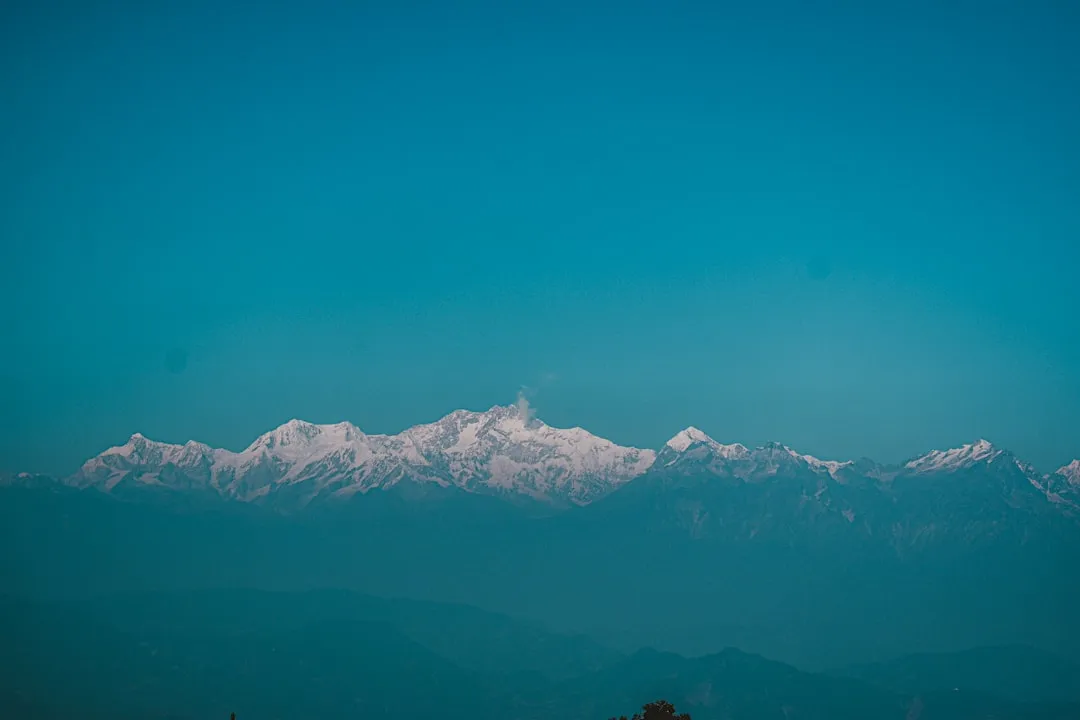
Velliangiri Hills Trek - The Seven Hills of Consciousness
The Velliangiri Hills Trek, often referred to as the "South Kailash," is a sacred pilgrimage route nestled in the Western Ghats of Tamil Nadu, India. This challenging ascent is not merely a physical journey but a spiritual odyssey, culminating at the Kailasanathar Temple atop the seventh hill. The trail winds through diverse ecosystems, from dense forests and grasslands to rocky outcrops, offering breathtaking views and a profound sense of peace. It is a path trodden by countless devotees and seekers for centuries, drawn by the spiritual energy and the promise of inner transformation. The trek is renowned for its demanding terrain, requiring significant physical stamina and mental fortitude, yet the rewards—both spiritual and scenic—are immense. This is a journey that tests the body, calms the mind, and elevates the spirit, making it a truly unique pilgrimage experience.
- Distance: 11.2 km one-way
- Elevation Gain: 1,840 m
- Duration: 4-6 hours (one-way ascent)
- Season: October to May (avoiding monsoon)
- Difficulty: Challenging
- Base Town: Poondi
- Trailhead Access: Poondi Forest Department Checkpost
- Registration: Mandatory at the trailhead checkpost
- Highest Point: 1,840 m (approximate summit elevation)
Overview
The Velliangiri Hills Trek is a multi-stage pilgrimage that ascends through seven distinct hills, each offering a unique landscape and spiritual significance. The journey begins at the foothills near Poondi, where devotees register at the forest department checkpost. The initial stages are characterised by dense forest cover, with well-trodden paths winding through a rich biodiversity of flora and fauna. As the ascent progresses, the terrain becomes steeper and more rugged, transitioning from forest trails to rocky inclines and open grasslands. The air grows cooler, and the panoramic views of the surrounding plains and distant mountains become increasingly spectacular.
The trek is punctuated by several important landmarks and resting points, including the Pambatti Siddhar Cave, the Adiyogi statue, and various small shrines and resting shelters. The final ascent to the seventh hill is the most demanding, involving steep, rocky paths that require careful navigation and considerable physical effort. At the summit lies the ancient Kailasanathar Temple, dedicated to Lord Shiva, a place of immense spiritual power and tranquility. The descent offers a different perspective, allowing trekkers to appreciate the vastness of the landscape and the accomplishment of their journey.
The Velliangiri Hills are considered a sacred site, believed to be a manifestation of Lord Shiva himself. The seven hills are often interpreted as representing the seven chakras or stages of spiritual consciousness. The trek is undertaken by people from all walks of life, united by their devotion and their quest for spiritual enlightenment. The challenging nature of the trek, combined with its sacred aura, makes it a deeply rewarding experience for those who undertake it with reverence and determination.
History and Cultural Context
The Velliangiri Hills have been a site of pilgrimage and spiritual significance for centuries, deeply intertwined with Shaivism, the worship of Lord Shiva. Legend states that Lord Shiva himself meditated on these hills, and the Kailasanathar Temple at the summit is believed to be a place where he appeared to sages and devotees. The hills are also associated with various Siddhas, ancient Tamil mystics and yogis who attained enlightenment through intense spiritual practices. The most famous among them is Pambatti Siddhar, whose cave is a significant stop on the trek.
The tradition of trekking the seven hills is an ancient one, passed down through generations. Devotees undertake this arduous journey as a form of penance, seeking blessings, or as a spiritual discipline to purify the mind and body. The number seven holds particular significance in Hindu cosmology, often representing completeness or spiritual stages. The Velliangiri Hills are thus seen as a microcosm of the spiritual journey towards self-realisation.
The region's ecological diversity also plays a role in its historical and cultural narrative. The Western Ghats, a UNESCO World Heritage Site, are a biodiversity hotspot, and the Velliangiri Hills are part of this rich natural heritage. The forests have provided sustenance and shelter for local communities for millennia, and their sacredness is often linked to the reverence for nature inherent in ancient Indian traditions. The trek is not just a religious pilgrimage but also an immersion into a landscape that has been revered for its natural beauty and spiritual aura for countless generations.
Seasonal Highlights and Weather Reality
The Velliangiri Hills Trek is best undertaken during the dry season, which typically runs from October to May. This period offers the most favourable weather conditions for the challenging ascent.
October to December: This is considered an ideal time to trek. The post-monsoon period brings a refreshing coolness to the air, and the landscape is lush and green. The temperatures are pleasant, making the climb more comfortable. The skies are generally clear, offering excellent visibility for the panoramic views from the higher reaches of the hills.
January to March: These months continue to offer good trekking conditions. The temperatures can start to rise slightly, especially in the lower altitudes, but the higher elevations remain cool. This period is popular with pilgrims and trekkers alike, so expect more company on the trails.
April to May: This is the summer period, and temperatures can become quite hot, particularly during the daytime. The lower sections of the trek can be strenuous due to the heat. However, the higher altitudes still offer some respite. This period is still viable for trekking, but it requires greater attention to hydration and heat management.
June to September: This is the monsoon season in the Western Ghats. The Velliangiri Hills receive heavy rainfall during these months. The trails become slippery, muddy, and potentially dangerous. The risk of landslides and flash floods increases significantly, making trekking highly inadvisable and often impossible. The forest department typically closes the trail during the monsoon for safety reasons. The dense fog and cloud cover also obscure the views, diminishing the scenic appeal.
Weather Reality: Even during the dry season, weather in the Western Ghats can be unpredictable. While clear skies are common, sudden showers can occur, especially in the afternoons. Temperatures can vary significantly between the base and the summit, with the higher altitudes being considerably cooler. It is essential to be prepared for a range of conditions, including sunshine, rain, and cooler temperatures at higher elevations.
Recommended Itinerary
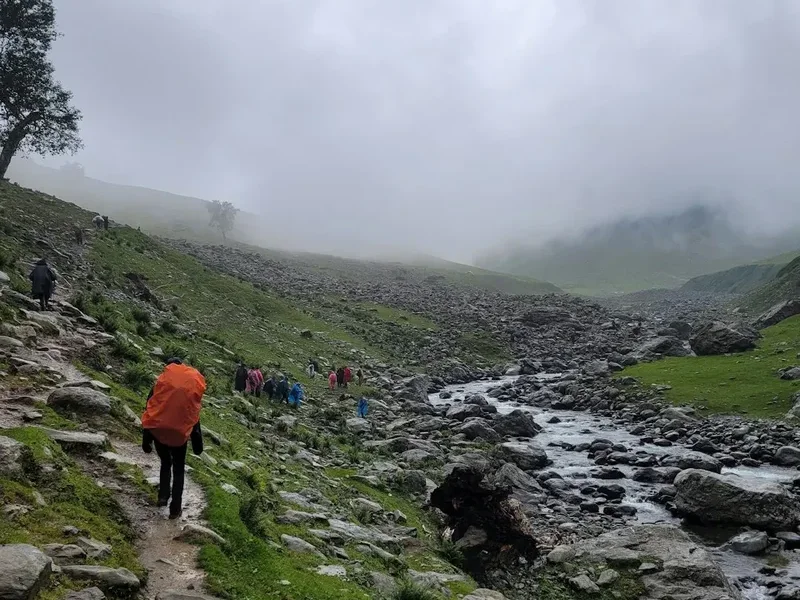
Velliangiri Hills Trek - One-Day Ascent
Early Morning (Approx. 5:00 AM - 7:00 AM): Arrival and Registration
- Arrive at Poondi, the base village for the Velliangiri Hills Trek.
- Proceed to the Forest Department Checkpost for mandatory registration. This involves providing personal details and understanding the trek rules and safety guidelines.
- Limited parking is available at the trailhead.
- Ensure you have completed all necessary preparations, including carrying sufficient water and snacks.
Morning (Approx. 7:00 AM - 11:00 AM): Ascent of the First Three Hills
- Begin the trek from the trailhead. The initial path is well-defined and passes through dense forest.
- The first few kilometres involve a steady climb, gradually increasing in gradient.
- You will pass several resting points and small shrines.
- Key Waypoints:
- First Hill Summit (approx. 2-3 km from start)
- Second Hill Summit (approx. 4-5 km from start)
- Pambatti Siddhar Cave (a significant spiritual site, located around the third hill)
- The terrain starts to become rockier and steeper as you ascend.
- The forest cover begins to thin out, offering glimpses of the surrounding landscape.
Midday (Approx. 11:00 AM - 2:00 PM): Ascent of the Next Two Hills and Lunch Break
- Continue the ascent, tackling the fourth and fifth hills.
- The path becomes more challenging, with steeper inclines and rocky sections requiring careful footing.
- You may encounter more open grasslands and scrub vegetation.
- Key Waypoints:
- Fourth Hill Summit
- Fifth Hill Summit
- Adiyogi Statue (a prominent landmark, often a good spot for a brief rest and reflection)
- This is a good time to take a break, have your packed lunch, and rehydrate.
- The views from these higher points are increasingly expansive.
Afternoon (Approx. 2:00 PM - 4:00 PM): Final Ascent to the Summit
- The final two hills present the most strenuous part of the trek.
- The path is predominantly rocky and steep, with some sections requiring scrambling.
- The air is thinner, and the climb demands significant physical exertion and mental focus.
- Key Waypoints:
- Sixth Hill Summit
- Seventh Hill Summit - Kailasanathar Temple
- Upon reaching the summit, you will find the Kailasanathar Temple, a place of immense spiritual significance. Spend time for prayer, meditation, and to soak in the atmosphere.
- The panoramic views from the summit are unparalleled, offering a 360-degree vista of the Western Ghats.
Late Afternoon (Approx. 4:00 PM onwards): Descent and Departure
- Begin the descent from the summit. The descent can be as challenging as the ascent, especially on the knees.
- Take your time and be cautious on the rocky and steep sections.
- Return to the Forest Department Checkpost at Poondi.
- Ensure you have accounted for all your belongings and have left no trace behind.
Important Notes:
- This is a strenuous one-day trek; start early to allow ample time.
- Carry at least 2-3 litres of water per person.
- Pack energy-rich snacks and a substantial lunch.
- Wear sturdy, well-gripped trekking shoes.
- Dress in comfortable, layered clothing suitable for varying temperatures.
- A walking stick is highly recommended for support during ascent and descent.
- Respect the sanctity of the temple and the natural environment.
- No overnight accommodation is available on the trail; it is a day hike.
Planning and Bookings
Book Your Trip
Everything you need to plan your journey
Accommodation
Find places to stay near Coimbatore
Flights
Search flights to Coimbatore
Essential Preparation
The Velliangiri Hills Trek is a challenging pilgrimage that requires thorough preparation. Given its demanding nature, physical fitness is paramount. Regular cardiovascular exercise, including hiking and stair climbing, in the weeks leading up to the trek will significantly enhance your experience and safety. Familiarise yourself with the route and its challenges by reading accounts and viewing maps. Ensure you have adequate hydration and nutrition planning; there are limited facilities on the trail. The closest major city with an airport is Coimbatore. From Coimbatore, you can hire a taxi or take a bus to Poondi, which is approximately 1.5 hours away. Road conditions to Poondi are generally good. It is advisable to arrive at Poondi the day before your trek to acclimatise and make any last-minute arrangements. Registration at the forest department checkpost at the trailhead is mandatory for all trekkers, and it is essential to complete this before commencing the ascent.
Trail Accommodation
This is a day hike requiring no overnight accommodation. Trekkers are expected to complete the ascent and descent within a single day. There are no designated campsites or huts along the Velliangiri Hills trail. While there are some basic resting shelters and small shrines along the route, these are not equipped for overnight stays. Pilgrims typically start their trek in the early morning and aim to return to the base village of Poondi by late afternoon or early evening.
Required Gear
- Trekking Boots: Sturdy, waterproof trekking boots with good ankle support and excellent grip are essential. Ensure they are well broken-in to prevent blisters.
- Clothing: Lightweight, breathable, and moisture-wicking clothing is recommended. Layers are key: a base layer (synthetic or merino wool), an insulating mid-layer (fleece or down jacket), and a waterproof and windproof outer shell.
- Rain Gear: A reliable waterproof jacket and overtrousers are crucial, as weather can change rapidly, and unexpected showers are common, even outside the monsoon season.
- Headwear: A wide-brimmed hat or cap for sun protection during the day and a warm beanie for cooler temperatures at higher altitudes.
- Navigation: While the main trail is generally well-marked, a GPS device or a reliable offline map application on your smartphone is advisable, especially for understanding your progress and for safety. A compass can also be useful.
- Safety Gear: A comprehensive first-aid kit including blister treatment, pain relievers, antiseptic wipes, bandages, and any personal medications. A whistle for emergencies.
- Backpack: A comfortable daypack (25-35 litres) to carry your essentials, with a rain cover.
What to Bring
- Food: High-energy snacks such as nuts, dried fruits, energy bars, and biscuits. Pack a substantial lunch that is easy to eat on the go or during breaks.
- Water: Carry at least 2-3 litres of water per person. Water sources on the trail are unreliable and may not be safe for consumption without treatment. Consider a water filter or purification tablets as a backup.
- Toiletries: Biodegradable soap, toothbrush, toothpaste, hand sanitiser, and toilet paper. Pack out all waste.
- Sun Protection: High SPF sunscreen, sunglasses, and lip balm with SPF.
- Insect Repellent: Especially important for the lower, forested sections of the trail.
- Walking Stick/Trekking Poles: Highly recommended for stability and to reduce strain on knees during the steep ascent and descent.
- Head Torch: With spare batteries, essential if you start before dawn or finish after dusk.
- Camera: To capture the stunning scenery.
- Cash: Small denominations for any local purchases or donations.
- Personal Items: Any personal medications, a small towel.
Permits
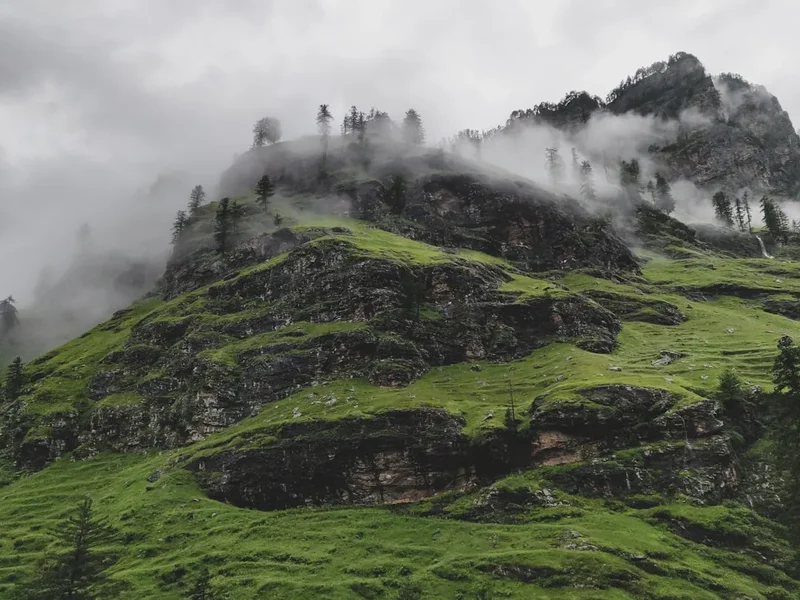
A mandatory registration is required at the Forest Department Checkpost located at the trailhead in Poondi before commencing the Velliangiri Hills Trek. This process is in place for safety and management purposes, allowing authorities to track trekkers and ensure compliance with regulations. There is typically no fee associated with this registration, but it is a strict requirement.
Registration Process:
- All individuals intending to trek must present themselves at the Poondi Forest Department Checkpost.
- You will be required to provide personal identification and details such as your name, address, contact number, and the number of people in your group.
- A brief orientation on safety guidelines, trail conditions, and rules of conduct will be provided.
- You may be asked to sign a declaration acknowledging the risks involved and agreeing to abide by the rules.
- Ensure you have completed this registration before starting your ascent. Failure to do so may result in being turned back.
Trail Access:
- The trail is generally open throughout the year, except during the peak monsoon season (typically June to September) when it may be closed due to safety concerns related to heavy rainfall, slippery conditions, and potential landslides.
- It is advisable to check with local authorities or the Forest Department in Poondi for the most current information regarding trail status, especially if planning to trek during the shoulder seasons or immediately after periods of heavy rain.
Other Considerations:
- There are no specific permits required for entry into the Velliangiri Hills beyond the mandatory registration at the checkpost.
- The trek is free of charge, but donations are welcome at the Kailasanathar Temple at the summit.
- Respect the sanctity of the pilgrimage site and adhere to all guidelines provided by the Forest Department.
Other Activities in the Area
While the Velliangiri Hills Trek is the primary draw, the region around Poondi and Coimbatore offers several other points of interest and activities for visitors:
- Kailasanathar Temple (Summit): The ultimate destination of the trek, this ancient temple dedicated to Lord Shiva is a place of profound spiritual significance. Devotees can offer prayers and soak in the serene atmosphere.
- Pambatti Siddhar Cave: A significant spiritual site on the trek route, believed to be the meditation cave of the Siddhar Pambatti. Many pilgrims pause here for reflection and prayer.
- Adiyogi Statue: Located near the foothills, this colossal statue of Lord Shiva is a modern marvel and a popular spot for devotees and tourists. It offers a commanding presence and a sense of awe.
- Isha Yoga centre: Situated near the Adiyogi statue, this renowned centre offers various yoga and meditation programs. Visitors can explore the serene campus and participate in introductory sessions.
- Coimbatore City: As the nearest major city, Coimbatore offers a range of attractions including the Marudamalai Murugan Temple, the GD Naidu Museum, VOC Park and Zoo, and various shopping and dining options.
- Siruvani Waterfalls and Dam: Located about 30 km from Coimbatore, these picturesque waterfalls and the dam offer a refreshing escape into nature. The water from Siruvani is known for its sweetness.
- Valankulam Lake and Race Course Road: Popular spots in Coimbatore for leisurely walks, birdwatching, and enjoying the city's green spaces.
Safety and Conditions
Pre-Trek Preparation:
- Physical Fitness: The Velliangiri Hills Trek is physically demanding. Ensure you are adequately fit by undertaking regular cardiovascular exercise and strength training.
- Hydration and Nutrition: Carry ample water (2-3 litres per person) and high-energy food. Dehydration and fatigue are significant risks on this trek.
- Footwear: Wear well-broken-in trekking boots with good grip. Loose or ill-fitting footwear can lead to blisters and injuries.
- Weather Awareness: Check the local weather forecast before you start. While the dry season is generally favourable, sudden showers can occur. Be prepared for temperature variations between the base and the summit.
- Registration: Always complete the mandatory registration at the Forest Department Checkpost at Poondi.
On the Trail:
- Stay on the Path: Stick to the marked trails to avoid getting lost and to protect the fragile ecosystem. Venturing off-trail can be dangerous due to steep drops and uneven terrain.
- Pace Yourself: The trek is a marathon, not a sprint. Take regular breaks, especially during the steeper sections. Listen to your body and do not push yourself beyond your limits.
- Watch Your Footing: The trail can be rocky, uneven, and slippery, particularly after rain. Exercise caution with every step, especially during the descent.
- Sandflies: Sandflies can be present, especially in the forested areas. Carry insect repellent and apply it to exposed skin.
- Wildlife: While large wildlife is uncommon on the main trail, be aware of your surroundings. Do not feed any animals you may encounter.
- Emergency: In case of an emergency, use your mobile phone if you have signal (which is intermittent). The Forest Department checkpost is your primary point of contact for assistance. Carrying a whistle can also be helpful for signalling.
- Respect the Environment: Do not litter. Carry out everything you carry in. Avoid making excessive noise.
Summit Conditions: The summit can be windy and cooler than the base, even during warmer months. Be prepared with an extra layer of clothing. The Kailasanathar Temple is a sacred site; maintain decorum and respect the religious practices of others.
Travel Insurance: While not mandatory for this trek, it is always advisable to have travel insurance that covers medical emergencies and potential evacuation, especially if you are travelling from afar.
Side Trips and Points of Interest
Kailasanathar Temple: The ultimate destination of the trek, this ancient temple is the primary reason many undertake the arduous journey. Dedicated to Lord Shiva, it is a place of immense spiritual energy and offers breathtaking panoramic views of the surrounding Western Ghats. The temple complex itself is a place of quiet contemplation and devotion.
Pambatti Siddhar Cave: Located on the ascent, this cave is historically significant as the meditation site of the Siddhar Pambatti. Many pilgrims pause here to meditate and absorb the spiritual aura of the place. It is a key landmark on the pilgrimage route.
Adiyogi Statue: While not directly on the trekking path, this iconic statue of Lord Shiva is located near the base of the Velliangiri Hills. It serves as a powerful visual landmark and a place of spiritual significance for many visitors before or after their trek. Its sheer scale is awe-inspiring.
Forest Department Checkpost Area: The starting point of the trek offers a glimpse into the local administration and the efforts made to manage this popular pilgrimage site. It's where the journey officially begins and where trekkers receive essential safety information.
Panoramic Viewpoints: Throughout the trek, particularly from the fourth hill onwards, numerous spots offer spectacular panoramic views of the Coimbatore plains and the rolling hills of the Western Ghats. These viewpoints are ideal for resting, taking photographs, and appreciating the vastness of the landscape.
Leave No Trace
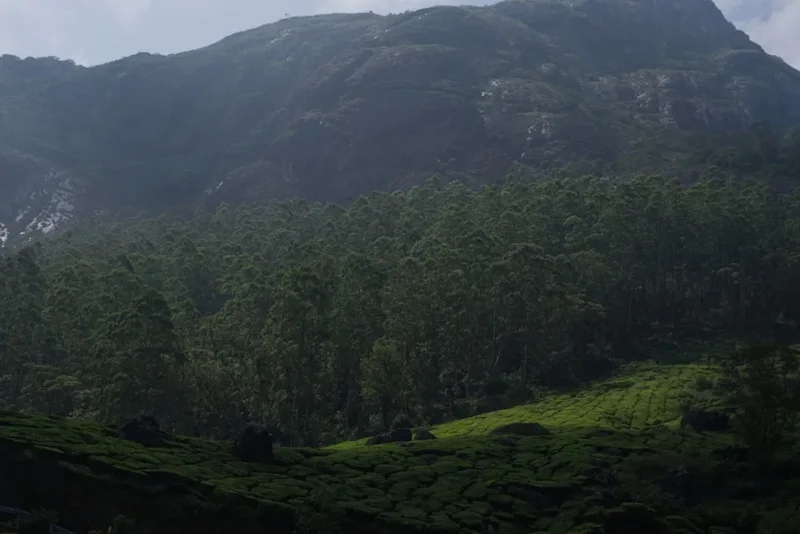
The Velliangiri Hills are a sacred natural environment, and preserving its pristine condition is paramount for both its ecological integrity and its spiritual significance. Adhering to Leave No Trace principles ensures that this pilgrimage route remains a cherished destination for generations to come.
Your responsibility as a trekker:
- Pack It In, Pack It Out: This is the golden rule. Carry out all your rubbish, including food scraps, wrappers, and any other waste you generate. Do not bury or burn trash.
- Stay on the Trail: The marked paths are designed to minimise impact on the surrounding vegetation and soil. Straying from the trail can lead to erosion and damage to delicate plant life.
- Respect Wildlife: Observe wildlife from a distance and never feed them. Feeding animals can alter their natural behaviour and diet, leading to health problems and dependency.
- Dispose of Waste Properly: Use designated toilet facilities where available. If nature calls on the trail, dig a cathole at least 60 metres (60 m) away from water sources, trails, and campsites. Pack out all toilet paper.
- Leave What You Find: Do not take any natural objects, such as rocks, plants, or flowers, from the hills. Leave them for others to enjoy and for the ecosystem to thrive.
- Minimise Campfire Impacts: Campfires are generally not permitted on this trek as it is a day hike and there are no designated camping areas. If you were to camp (which is not advised or permitted), use established fire rings and keep fires small.
- Be Considerate of Other Visitors: Respect the quiet and spiritual nature of the pilgrimage. Keep noise levels down and be mindful of others seeking peace and reflection.
By following these principles, you contribute to the preservation of the Velliangiri Hills, ensuring that its natural beauty and spiritual essence are maintained for all who seek its blessings.