
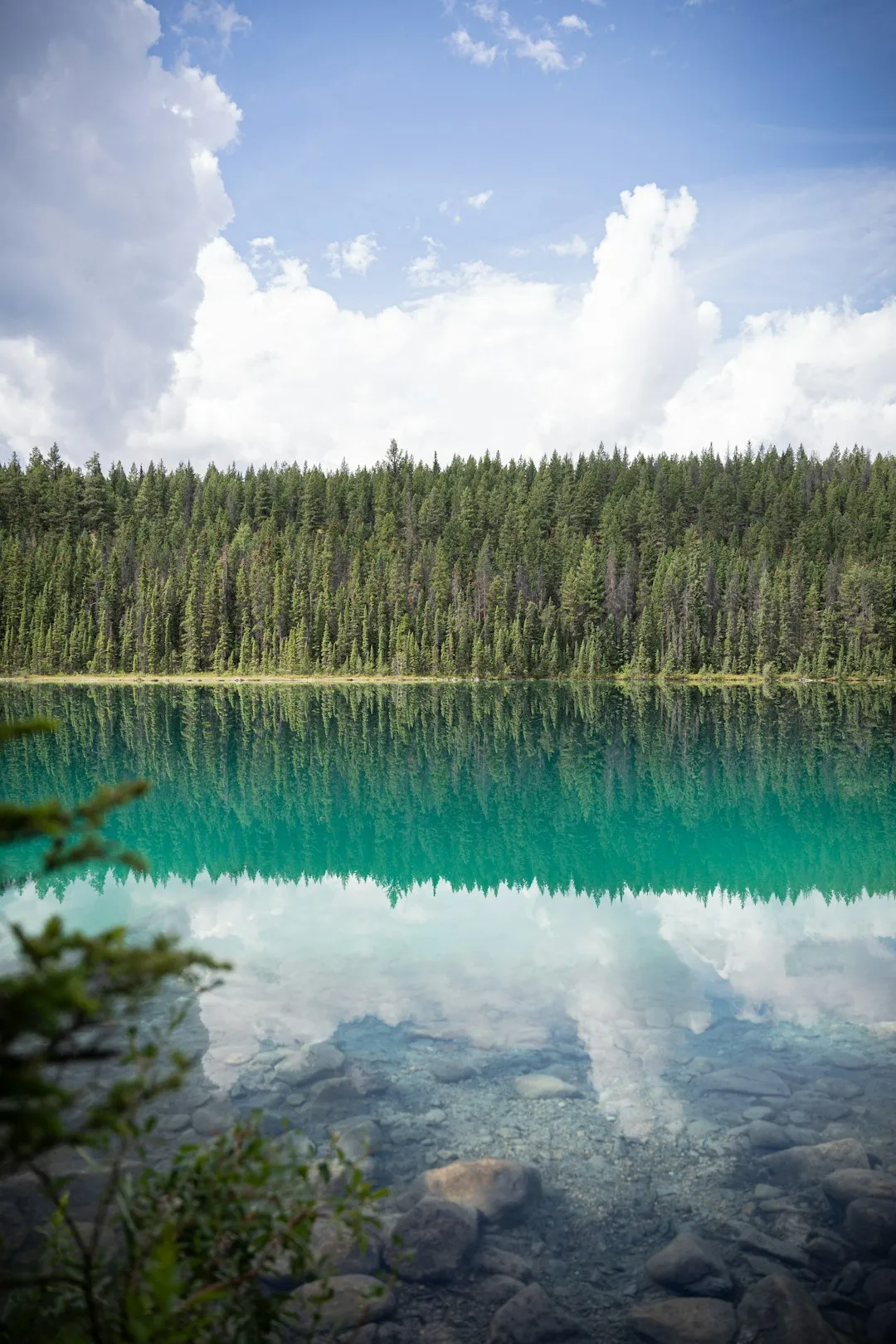
Valley of the Five Lakes - Jasper's Emerald Jewel
The Valley of the Five Lakes is one of the most celebrated day hikes in Jasper National Park, Alberta, offering an exceptional reward-to-effort ratio that appeals to families, photographers, and seasoned hikers alike. Located just south of the Jasper townsite along the world-renowned Icefields Parkway, this 4.5-kilometre loop traverses a landscape of undulating glacial moraines and dense lodgepole pine forests to reveal five distinct lakes, each boasting a unique and startling shade of blue and green. The trail is a masterclass in Rocky Mountain hydrology, where the varying depths of the lakes and the presence of glacial rock flour create a spectrum of colour ranging from brilliant turquoise to deep, moody jade. Unlike the high-alpine scrambles that define much of the region, the Valley of the Five Lakes provides a more intimate encounter with the montane ecosystem, where the reflection of the surrounding peaks—including Mount Edith Cavell and the Colin Range—shimmers on the mirror-like surfaces of the water. This is a journey through a landscape shaped by ice and time, offering a tranquil yet visually spectacular experience that captures the quintessential essence of the Canadian Rockies.
- Distance: 4.5 km (standard loop) / 9 km (extended loop)
- Duration: 2–3 hours
- Elevation Gain: 165 m
- Difficulty: Easy to Moderate
- Best Time: Late May to October
- Closest City: Jasper, Alberta (9 km)
- Trailhead: Icefields Parkway (Highway 93), west side
- Highest Point: 1,120 m
Overview
The Valley of the Five Lakes is a testament to the geological legacy of the last ice age. As the massive glaciers that once covered the Athabasca Valley retreated approximately 10,000 years ago, they left behind a chaotic landscape of "kettle and kame" topography. The "kettles" are the depressions left by melting blocks of ice, which eventually filled with water to become the five lakes we see today. What makes this trail truly extraordinary is the optical phenomenon of the water itself. The lakes are fed by underground springs and snowmelt, carrying minute particles of glacial silt known as "rock flour." These particles remain suspended in the water, scattering sunlight and creating the vivid aquamarine and emerald hues that have made the valley famous. Each lake has a different depth and concentration of these particles, meaning that no two lakes look exactly the same, even when viewed under the same sky.
The trail is well-maintained and clearly marked, making it accessible for most fitness levels. It begins with a gentle descent through a forest of lodgepole pine and Douglas fir, crossing a boardwalk over a marshy area that is a prime spot for birdwatching and, occasionally, moose sightings. As the trail climbs onto the ridges overlooking the lakes, hikers are treated to panoramic views that juxtapose the vibrant water against the dark green of the forest and the grey limestone of the distant peaks. The loop can be hiked in either direction, though many prefer the clockwise route to save the largest and most dramatic lake for the finale. Beyond the visual spectacle, the valley serves as a vital corridor for wildlife, including elk, deer, and both black and grizzly bears, providing a sense of wildness despite its proximity to the highway.
For those seeking a longer adventure, the trail system connects with Trail 9a and 9b, allowing for an extended exploration of the surrounding ridges. However, the standard 4.5-kilometre loop remains the most popular choice, offering a concentrated dose of Rocky Mountain beauty that can be easily completed in a morning or afternoon. Whether you are looking for a peaceful spot for a picnic, a challenging trail run, or a gallery of natural wonders to photograph, the Valley of the Five Lakes delivers an experience that is both accessible and profoundly beautiful.
History and Cultural Context
The history of the Valley of the Five Lakes is inextricably linked to the broader narrative of Jasper National Park and the Indigenous peoples who have called this region home for millennia. Long before the arrival of European fur traders and surveyors, the Athabasca Valley was a vital travel corridor and traditional territory for the Stoney Nakoda, Cree, Secwépemc, and Métis peoples. These groups utilised the valley for hunting, gathering, and spiritual practices, navigating the complex terrain with a deep understanding of the seasonal rhythms of the mountains. The lakes themselves, while perhaps not as famous in the written record as the Athabasca River, were part of a network of landmarks used by Indigenous travellers moving between the plains and the Pacific coast.
In the early 19th century, the region became a focal point for the North American fur trade. Explorers like David Thompson, working for the North West Company, crossed the Athabasca Pass in 1811, establishing a route that would be used for decades by the "brigades" of the Hudson's Bay Company. While the fur traders primarily stuck to the main river valleys, the surrounding hills and lakes were explored by trappers and hunters. The establishment of Jasper Forest Park in 1907 (later Jasper National Park) marked a shift from resource extraction to conservation and tourism. The Valley of the Five Lakes was eventually developed as part of the park's trail network to provide visitors with an accessible way to experience the unique "kettle lake" geology of the montane zone.
The naming of the lakes—simply One through Five—reflects the pragmatic approach of early park wardens and surveyors. Over the years, the trail has seen various upgrades, including the construction of boardwalks to protect sensitive wetlands and the installation of the iconic Parks Canada "Red Chairs," which encourage visitors to slow down and connect with the landscape. Today, the valley is managed with a focus on ecological integrity, ensuring that the heavy foot traffic of modern tourism does not compromise the water quality or the wildlife habitat that makes this area so special. Walking the trail today is not just a physical exercise; it is a journey through a landscape that has been a witness to the shifting tides of human history in the Canadian West.
Want more background? Read extended notes on history and cultural context → Learn more
Seasonal Highlights and Weather Reality
The Valley of the Five Lakes undergoes a dramatic transformation with each passing season, offering a different experience depending on when you visit. Because of its relatively low elevation (approximately 1,000 to 1,100 metres), it is often one of the first trails in Jasper to become snow-free in the spring and one of the last to be covered in the autumn.
Spring (May to June): This is a season of awakening. As the ice melts from the lakes, the water often appears at its most clear, though the trails can be notoriously muddy and "greasy" as the frost leaves the ground. Wildflowers begin to carpet the forest floor, including the delicate Calypso orchid and the hardy kinnikinnick. This is also a prime time for wildlife viewing, as elk and bears frequent the lower elevations to feast on the first green shoots of spring. Be prepared for variable weather, including sudden rain showers or even late-season snow flurries.
Summer (July to August): This is the peak season for the trail. The lakes reach their most vibrant colours during these months, as the angle of the sun perfectly illuminates the suspended rock flour. The weather is generally warm and stable, with temperatures ranging from 15°C to 25°C, though afternoon thunderstorms are common. This is also the busiest time on the trail; to find solitude, it is highly recommended to start your hike before 9:00 AM or after 5:00 PM. The long daylight hours of the Canadian summer allow for beautiful evening light on the water.
Autumn (September to October): Many locals consider this the best time to hike the valley. The air is crisp, the mosquitoes have vanished, and the deciduous shrubs and grasses turn brilliant shades of gold and orange. While there are few larch trees in this specific valley, the contrast between the golden aspens and the turquoise water is spectacular. The first dusting of snow on the surrounding peaks provides a stunning backdrop. By mid-October, be prepared for freezing temperatures and the possibility of icy patches on the trail.
Winter (November to April): The trail remains open in winter but becomes a different beast entirely. The lakes freeze over and are often covered in snow, hiding their famous colours. The trail becomes a popular route for snowshoeing and fat-biking. Cleats or "icetrekkers" are essential, as the undulating terrain can become very slippery from the packed snow. Winter hikers should be self-sufficient and aware that daylight is limited, with the sun setting as early as 4:30 PM in December.
Recommended Itinerary
The Standard Loop (Clockwise)
The Approach: Trailhead to the Junction
- Distance: 1.0 km
- Time: 15–20 minutes
- Begin at the well-signed parking lot on Highway 93.
- Follow the wide, gravelled path as it descends gently through a lodgepole pine forest.
- Cross the wooden boardwalk over the Wabasso Creek wetlands. Keep an eye out for beaver dams and waterfowl.
- Reach the main junction where the loop begins. For the clockwise route, stay left (following signs for Lake 5).
The First Encounter: Lake 5
- Distance: 0.5 km from junction
- Time: 10 minutes
- Lake 5 is often the most tranquil, tucked away in a deep pocket of forest.
- The water here is typically a clear, dark green.
- The trail skirts the eastern shore, offering several small openings for photographs.
- This is a great spot to pause and listen for the call of the loon.
The Heart of the Valley: Lakes 4, 3, and 2
- Distance: 1.5 km
- Time: 30–45 minutes
- The trail climbs slightly onto a ridge, providing the first "aerial" views of the water.
- Lake 4: Known for its brilliant aquamarine colour and a small island that is a favourite for nesting birds.
- Lake 3: A narrow, deep lake where the "Red Chairs" are located. This is the iconic viewpoint of the trail.
- Lake 2: Often displays a startling contrast in colour compared to its neighbours, appearing almost milky blue in certain lights.
- The trail between these lakes involves some short, punchy climbs and descents over glacial moraines.
The Grand Finale: Lake 1
- Distance: 0.8 km
- Time: 20 minutes
- Lake 1 is the largest of the five and arguably the most dramatic.
- The trail follows the high western bank, offering expansive views across the water toward the mountains.
- The water here is a deep, rich turquoise.
- There is a large dock/platform area at the northern end, perfect for a final rest or a quick (and very cold) dip.
The Return: Lake 1 to Trailhead
- Distance: 1.2 km
- Time: 20–25 minutes
- From the end of Lake 1, the trail climbs back up to meet the original approach path.
- The final kilometre is a steady, gentle uphill walk back to the parking lot.
- Ensure you check the map at the final junction to ensure you are heading back to the "Parking" and not onto the 9a/9b extension.
Important Notes:
- The trail is shared with mountain bikers; stay alert and step aside to let them pass.
- Signage is generally excellent, but carrying a basic map or offline GPS is recommended.
- The "Red Chairs" are located between Lake 3 and Lake 4—don't miss them!
- Total moving time is usually around 90 minutes, but allow 3 hours for photos and breaks.
Planning and Bookings
Book Your Trip
Everything you need to plan your journey
Accommodation
Find places to stay near Jasper
Flights
Search flights to Jasper
Essential Preparation
The Valley of the Five Lakes is a straightforward day hike, but its popularity means that timing is everything. The trailhead parking lot is often full by 10:30 AM during the summer months. If you arrive and the lot is full, do not park on the shoulder of Highway 93, as this is dangerous and frequently results in fines. Instead, have a "Plan B" hike nearby (such as Wabasso Lake) or return later in the afternoon.
Jasper serves as the primary base for this hike. The town is located 9 kilometres north of the trailhead and offers all necessary amenities. It is highly recommended to check the Jasper National Park Trail Report before heading out, as trails can occasionally be closed due to bear activity or maintenance. No specific booking is required for the trail itself, but you must have a valid Parks Canada Discovery Pass displayed in your vehicle.
Trail Accommodation
This is a day hike requiring no overnight accommodation on the trail itself. Camping is strictly prohibited within the Valley of the Five Lakes area to protect the fragile ecosystem and prevent human-wildlife conflict.
Nearby Options:
- Wabasso Campground: Located just a few kilometres south on Highway 93A. This is a Parks Canada campground offering tent and RV sites. Bookings are essential via the Parks Canada Reservation Service.
- Whistlers Campground: The largest campground in the park, located closer to the Jasper townsite. Recently renovated with excellent facilities including showers and power hookups.
- Jasper Townsite: Offers a wide range of hotels, hostels (HI Jasper), and private home accommodation (B&Bs).
- Backcountry: If you are looking for overnight hiking, you will need to look at the Skyline Trail or the Tonquin Valley, both of which require advanced permits.
Required Gear
- Footwear: Sturdy walking shoes or light hiking boots. While the trail is not overly technical, the roots and rocks can be slippery when wet.
- Clothing: The "layering system" is key. Even on a warm day, the shade of the forest can be cool. Bring a lightweight fleece and a waterproof shell.
- Bear Spray: This is non-negotiable in Jasper National Park. Carry it in a holster on your hip or chest strap, not inside your pack. Know how to use it.
- Sun Protection: Sunscreen, sunglasses, and a hat. The reflection off the lakes can be intense.
- Navigation: A physical map or a downloaded offline map (e.g., AllTrails or Gaia GPS). Cell service is unreliable at the trailhead.
What to Bring
- Water: At least 1.5 litres per person. Do not drink the lake water without proper filtration or purification tablets due to the risk of Giardia.
- Snacks: High-energy food like nuts, dried fruit, or energy bars. There are no food services at the trailhead.
- Insect Repellent: Mosquitoes and horseflies can be relentless in June and July, especially near the marshy sections.
- First Aid Kit: A basic kit containing blister pads, antiseptic wipes, and adhesive bandages.
- Camera/Phone: You will want to take many photos. Ensure your devices are fully charged.
- Trash Bag: A small bag to pack out all your waste, including fruit peels and tissues.
Permits
While you do not need a specific "hiking permit" to walk the Valley of the Five Lakes, you are required to possess a valid Parks Canada National Park Pass for the duration of your stay in Jasper National Park. This pass supports the maintenance of trails, visitor services, and conservation efforts.
Pass Options:
- Daily Pass: Valid until 4:00 PM the day following purchase. Costs approximately $11.00 per adult or $22.00 per family/group.
- Discovery Pass: An annual pass providing entry to over 80 Parks Canada locations across the country. This is the most cost-effective option if you plan to stay in the Rockies for more than 6–7 days. Costs approximately $75.00 per adult or $150.00 per family/group.
Where to Buy:
- Park Entry Gates: Available at the East Gate (Highway 16) or the Icefields Parkway entry points.
- Visitor Centres: The Jasper National Park Information Centre in the heart of the townsite.
- Online: Through the Parks Canada website (allow time for physical mailing if required, though digital receipts are often accepted).
Compliance: Park wardens regularly patrol trailhead parking lots. Ensure your pass is clearly visible on your vehicle's dashboard. Failure to display a valid pass can result in a significant fine.
Other Activities in the Area
The Valley of the Five Lakes is centrally located, making it easy to combine with other iconic Jasper experiences:
- The Icefields Parkway (Highway 93): Drive south toward Lake Louise. This is often cited as the most beautiful drive in the world, with highlights like Athabasca Falls and Sunwapta Falls within a 30-minute drive of the trailhead.
- Jasper SkyTram: Located on Whistlers Mountain, the SkyTram takes you to an elevation of 2,263 metres for unparalleled views of the entire Athabasca Valley and the Five Lakes from above.
- Maligne Canyon: Explore the deepest canyon in the Canadian Rockies, featuring dramatic waterfalls and unique karst geology.
- Pyramid and Patricia Lakes: Located just north of the townsite, these lakes offer excellent canoeing, paddleboarding, and beach lounging.
- Miette Hot Springs: After a day of hiking, drive to the Fiddle Valley to soak in the hottest natural mineral springs in the Canadian Rockies.
- Wildlife Tours: Several local operators offer guided evening tours to spot bears, elk, wolves, and moose in their natural habitat.
Safety and Conditions
Wildlife Safety: Jasper is bear country. Both black bears and grizzly bears frequent the Valley of the Five Lakes. To stay safe: make noise (talk, sing, or clap) to avoid surprising a bear, especially near rushing water or thick brush; always carry bear spray in an accessible location; and never, under any circumstances, feed or approach wildlife. If you encounter a bear, remain calm, do not run, and back away slowly while speaking in a low, firm voice.
Weather Awareness: Mountain weather is notoriously unpredictable. A sunny morning can quickly turn into a cold, rainy afternoon. Always check the forecast, but be prepared for the "worst-case scenario." Hypothermia is a risk even in summer if you get wet and the temperature drops. If lightning begins, move off the ridges and away from the lakes immediately.
Terrain and Navigation: The trail is well-marked, but it is easy to become disoriented at the various junctions if you are not paying attention. Always carry a map. The "9a" and "9b" trails are significantly longer and more strenuous than the standard loop; ensure you are following the correct signs for the "Five Lakes Loop." The trail can be slippery after rain, particularly on the wooden boardwalks and the steeper sections between Lakes 2 and 3.
Water Safety: While the lakes look inviting, they are glacier-fed and extremely cold year-round. Cold water shock can occur instantly. Swimming is permitted but not recommended for more than a few seconds. There are no lifeguards on duty. Additionally, ensure you have enough drinking water; the physical exertion and dry mountain air can lead to dehydration faster than you might expect.
Emergency Contacts: In case of a serious emergency, call 911. However, be aware that cell service is non-existent on many parts of the trail. For non-emergency park issues or to report a bear sighting, contact the Jasper Park Dispatch at +1 780-852-6155.
Side Trips and Points of Interest
The Parks Canada Red Chairs: Located on the ridge overlooking Lake 3, these two red Adirondack chairs are part of a national programme to connect visitors with Canada's most iconic landscapes. They offer arguably the best view in the entire valley. It is a tradition to take a photo here, but please be mindful of others waiting for their turn.
Trail 9a and 9b Extension: For those who find the 4.5-kilometre loop too short, these trails offer a much longer journey (approx. 9–10 km total) that takes you further into the backcountry toward Old Fort Point or the Athabasca River. These sections are much quieter and offer a greater sense of solitude, though they require better navigation skills and higher fitness.
Wabasso Creek Boardwalk: Located near the start of the trail, this is a fantastic spot for birdwatching. In the early morning or late evening, you may see ospreys or bald eagles hunting for fish. The marshy area is also a favourite haunt for moose, which are often seen standing knee-deep in the water feeding on aquatic plants.
The "Sixth Lake": While the trail is named for five lakes, there are several smaller, unnamed ponds in the area that appear and disappear depending on the season and rainfall. Exploring the small social trails (where permitted) can lead to these hidden gems, which often offer complete silence away from the main loop.
Leave No Trace
Jasper National Park is a protected wilderness area and part of a UNESCO World Heritage site. With thousands of people visiting the Valley of the Five Lakes every week, the cumulative impact can be devastating if we do not all follow Leave No Trace principles.
Your responsibility as a hiker:
- Plan Ahead and Prepare: Know the regulations and special concerns for the area. Check the weather and trail reports.
- Travel on Durable Surfaces: Stay on the established trail. Taking shortcuts on switchbacks causes erosion and destroys fragile vegetation.
- Dispose of Waste Properly: Pack out all trash, including organic waste like orange peels or apple cores, which can take years to decompose in the cold mountain climate and attract bears to the trail.
- Leave What You Find: Do not pick wildflowers, remove rocks, or disturb historical artefacts. Leave the "Red Chairs" as you found them.
- Minimise Campfire Impacts: Fires are strictly prohibited in this area.
- Respect Wildlife: Observe from a distance. Never feed animals. Store your food securely if you stop for a picnic.
- Be Considerate of Others: Keep noise levels down. Yield to uphill hikers and mountain bikers. Keep dogs on a leash at all times (this is a legal requirement in the park).
 Canada