
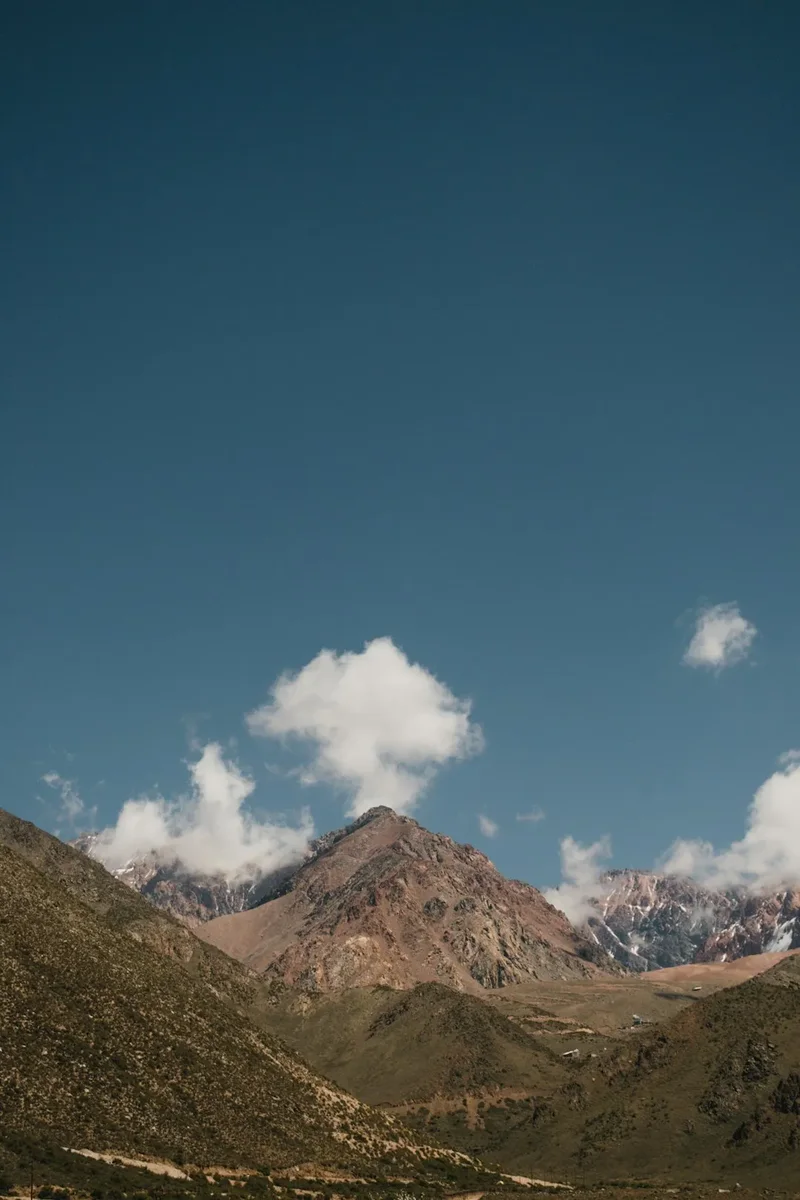
Vallecitos Trek - Andes Adventure
The Vallecitos Trek is a challenging yet rewarding multi-day hike located in the heart of the Argentine Andes, offering spectacular alpine scenery, high-altitude passes, and a true wilderness experience. This trek takes you through dramatic glacial valleys, past turquoise lakes, and to the foot of imposing snow-capped peaks, providing an excellent introduction to high-altitude trekking in South America. While not as famous as some of the Patagonian giants, Vallecitos offers a raw and authentic mountain adventure, accessible from the vibrant city of Mendoza.
- Distance: 45.0 km (one-way, depending on exact route variations)
- Elevation Gain: 2,500 m
- Duration: 3-4 days
- Difficulty: Moderate to Challenging (due to altitude and terrain)
- Best Time: November to March (Argentine Summer)
- Closest City: Mendoza
- Trailhead Access: From Mendoza Airport (MDZ) take a taxi or bus to Vallecitos. Buses depart from Mendoza bus terminal. The road to Vallecitos is mostly paved but can be rough in places. Driving time is approximately 2-3 hours. Parking is available at Refugio San Antonio. Registration is required at the refuge.
- Coordinates: -32.7500, -69.8500
Overview
The Vallecitos Trek is a journey into the high Andes, a landscape sculpted by glaciers and wind, where the air is thin and the vistas are vast. The trek typically begins from the small mountain settlement of Vallecitos, a popular base for mountaineers and trekkers heading into the surrounding peaks. From here, the trail ascends through a series of valleys, gradually gaining altitude and immersing you in a rugged, arid environment punctuated by hardy alpine flora and the occasional guanaco or condor.
The route is characterised by its dramatic elevation changes. You'll traverse wide, U-shaped glacial valleys, cross rocky moraines, and navigate scree slopes. The higher you climb, the more the landscape transforms, revealing stunning panoramas of jagged peaks, including some of the region's most prominent summits like Cerro Plata and Aconcagua (visible on clear days from higher vantage points). The trek often involves camping at designated sites or basic refuges, allowing for acclimatisation to the altitude and a deeper connection with the mountain environment.
This trek is ideal for those seeking a challenging alpine experience without the extreme technical demands of climbing major peaks. It requires good physical fitness, acclimatisation to altitude, and preparedness for variable mountain weather. The remoteness and rugged beauty of the Vallecitos region offer a profound sense of wilderness and accomplishment.
History and Cultural Context
The Andes mountain range has been a significant geographical and cultural barrier for millennia. Indigenous peoples, including the Huarpe people who inhabited the Mendoza region, likely traversed these lower valleys for hunting and gathering resources long before the arrival of Europeans. Their knowledge of the land, its flora, and fauna would have been extensive.
Spanish colonisation in the 16th century brought new influences, and the Andes became a frontier for exploration and resource extraction. However, the extreme altitudes and harsh conditions meant that the higher reaches of the Vallecitos region remained largely untouched by permanent settlement. It was primarily the development of mountaineering and trekking in the 20th century that brought more consistent human presence to these areas.
Vallecitos itself began to gain prominence as a base for expeditions aiming for higher peaks, particularly Cerro Plata (6,000 m). The establishment of refuges like Refugio San Antonio provided essential support for these endeavours. Today, Vallecitos is a gateway to a network of trails and climbing routes, attracting adventurers from Argentina and around the world who are drawn to the raw beauty and challenge of the high Andes.
Seasonal Highlights and Weather Reality
The best time to undertake the Vallecitos Trek is during the Argentine summer, from November to March. During these months, the weather is generally more stable, and daytime temperatures are milder, although still cool at higher altitudes.
Summer (November to March): This is the prime trekking season. Days are longer, and snow cover on the trails is usually minimal below the highest passes. Temperatures can range from pleasant during the day (10-20°C) to freezing at night (-5°C or lower, especially at higher elevations). However, mountain weather is notoriously unpredictable. Sudden storms, including snow, hail, and strong winds, can occur at any time, even in summer. Afternoon thunderstorms are common.
Spring (October): While the season officially begins in November, late October can sometimes offer good trekking conditions. However, there's a higher chance of lingering snow, particularly on north-facing slopes and at higher elevations. The landscape may be starting to bloom, offering a different kind of beauty.
Autumn (April): The shoulder season can offer crisp, clear days and fewer crowds. However, temperatures drop significantly, and the risk of early snow increases, especially towards the end of the month. Nights will be cold, and some facilities might begin to close down.
Winter (May to September): This period is generally unsuitable for this trek due to heavy snowfall, extreme cold, and dangerous avalanche conditions. The region becomes a winter wonderland for experienced mountaineers with appropriate gear and skills, but not for general trekking.
Recommended Itinerary
3-Day Vallecitos Trek Itinerary
Day 1: Vallecitos (Refugio San Antonio) to Piedra Grande
- Distance: 10 km
- Elevation Gain: 800 m
- Time: 4-5 hours
- Start at Refugio San Antonio (approx. 2,700 m)
- Follow the main trail ascending through arid mountain terrain
- Pass through the "Cajón de Arenales" (Sandstone Canyon)
- The trail becomes steeper as you approach the camping area
- Arrive at Piedra Grande (approx. 3,500 m), a common camping spot with a basic shelter
- Set up camp and acclimatise to the altitude
- Enjoy views of the surrounding peaks as the sun begins to set
Day 2: Piedra Grande to Laguna Esmeralda or Cerro Plata Base Camp
- Distance: 8-12 km (depending on destination)
- Elevation Gain: 500-800 m
- Time: 5-7 hours
- Option 1 (Laguna Esmeralda): A more moderate day, heading towards the beautiful Laguna Esmeralda (approx. 3,800-4,000 m). This involves traversing rocky terrain and moraines.
- Option 2 (Cerro Plata Base Camp): A more challenging day, pushing higher towards the base camp area for Cerro Plata (approx. 4,200-4,300 m). This involves steeper ascents and potentially crossing snowfields depending on the season.
- Camp at your chosen destination, enjoying the high-alpine environment
- Observe the changing colours of the mountains at sunset
- Ensure you are well-hydrated and resting to aid acclimatisation
Day 3: Descent back to Vallecitos
- Distance: 18-22 km
- Elevation Loss: 1,100-1,500 m
- Time: 6-8 hours
- Start early to make the most of the morning light and stable weather
- Descend from your campsite, retracing your steps or taking a slightly varied route if conditions allow
- The descent can be hard on the knees, so take your time
- Pass through the same canyons and valleys as on the ascent
- Arrive back at Refugio San Antonio in Vallecitos
- Celebrate your accomplishment with a well-deserved meal in Mendoza
Important Notes:
- This itinerary is a suggestion and can be adapted based on fitness, acclimatisation, and weather conditions.
- Always register at Refugio San Antonio before starting your trek.
- Carry sufficient water or have a reliable water purification method.
- Be prepared for significant temperature fluctuations and rapid weather changes.
- Altitude sickness is a serious risk; acclimatise properly and be aware of symptoms.
Planning and Bookings
Book Your Trip
Everything you need to plan your journey
Accommodation
Find places to stay near Mendoza
Flights
Search flights to Mendoza
Essential Preparation
The Vallecitos Trek requires careful planning, especially concerning altitude acclimatisation and logistics. Mendoza is the primary gateway city, offering all necessary services for trekkers. It's crucial to spend at least one or two nights in Mendoza (altitude approx. 750 m) before heading to Vallecitos to begin the acclimatisation process. From Mendoza, you can arrange transport to Vallecitos. This can be done via taxi, private transfer, or by taking a bus to Potrerillos and then a local bus or taxi to Vallecitos. The road to Vallecitos is generally in fair condition but can be rough in sections, especially closer to the mountain settlement.
Registration at Refugio San Antonio is mandatory for all trekkers entering the park. This is a safety measure, and you will need to provide your itinerary and contact details. It's advisable to check the condition of the road and any specific park regulations before your departure.
Trail Accommodation
Accommodation on the Vallecitos Trek is primarily through camping, with limited basic shelter options.
Refugio San Antonio: This is the main starting point and a basic refuge located in Vallecitos (approx. 2,700 m). It offers a place to register, and some trekkers may stay here the night before or after their trek. Facilities are usually very basic, often including dorm-style bunks and a common area. It is advisable to confirm availability and book in advance if you plan to stay here.
Camping: The primary form of accommodation for the trek is camping. Designated camping areas are typically found at strategic points along the route, such as Piedra Grande (approx. 3,500 m) and near Laguna Esmeralda or Cerro Plata Base Camp (approx. 3,800-4,300 m). These sites are usually flat, relatively sheltered, and may have access to water sources. There are no facilities at these camping spots beyond what trekkers bring themselves.
Basic Shelters: Some popular camping areas, like Piedra Grande, may have a rudimentary stone or metal shelter. These are not full refuges and offer minimal protection, primarily from wind. They are not a substitute for a tent.
Booking Requirements: While camping itself doesn't require booking, it is essential to register your trek at Refugio San Antonio. If you wish to stay at Refugio San Antonio itself, booking in advance is highly recommended, especially during peak season.
Costs: Staying at Refugio San Antonio may incur a small fee. Camping is generally free, but registration is mandatory.
Seasonal Availability: All accommodation options are generally available from November to March. Outside of this period, access may be limited due to snow, and facilities at Refugio San Antonio might be reduced or closed.
Required Gear
- Sturdy hiking boots: Waterproof, well broken-in, with good ankle support.
- Backpack: 50-70 litre capacity, with a comfortable harness and rain cover.
- Tent: A robust, 3-season tent capable of withstanding strong winds and potential rain/snow.
- Sleeping bag: Rated for sub-zero temperatures (e.g., -5°C to -10°C comfort rating) due to high altitude and cold nights.
- Sleeping mat: Insulated mat for warmth and comfort.
- Waterproof jacket and trousers: Essential for protection against wind, rain, and snow.
- Warm layers: Fleece jacket, down or synthetic insulated jacket, thermal base layers (merino wool or synthetic).
- Headlamp: With spare batteries, as nights are dark and long.
- Navigation tools: Map of the area, compass, and GPS device or smartphone with offline maps.
- First-aid kit: Comprehensive kit including blister treatment, pain relievers, antiseptic wipes, bandages, and any personal medications.
- Sun protection: High SPF sunscreen, lip balm with SPF, sunglasses, and a wide-brimmed hat.
- Trekking poles: Highly recommended for stability on ascents and descents, especially on scree and rocky terrain.
What to Bring
- Food: Sufficient high-energy, non-perishable food for 3-4 days (breakfasts, lunches, dinners, snacks). Lightweight options like dehydrated meals, pasta, rice, nuts, dried fruit, and energy bars are ideal.
- Water bottles or hydration reservoir: Capacity for at least 2-3 litres per person.
- Water purification method: Water filter, purification tablets, or UV steriliser. While water sources exist, treating water is always recommended.
- Cooking stove and fuel: Lightweight camping stove and sufficient fuel for the duration of the trek.
- Cookware and utensils: Pot, mug, bowl, spoon/fork.
- Toiletries: Biodegradable soap, toothbrush, toothpaste, toilet paper, hand sanitiser. Pack out all used toilet paper.
- Trash bags: To pack out all rubbish.
- Personal items: Camera, power bank for electronics, book or journal.
- Identification and emergency contact information.
- Cash: For any potential fees at Refugio San Antonio or for transport.
Permits
For the Vallecitos Trek, a permit is generally not required for the trekking routes themselves, but registration at Refugio San Antonio is mandatory. This is a crucial safety measure implemented by the local authorities or park management to track who is entering the mountain area and to have contact information in case of emergencies.
Registration Process:
- Upon arrival at Vallecitos, make your way to Refugio San Antonio.
- You will be required to fill out a registration form, providing details such as your name, nationality, intended itinerary (including start and end dates, planned campsites or destinations), and emergency contact information.
- It is advisable to have a rough plan of your daily destinations and expected return date.
- Keep a copy of your registration details or a note of your registration number for your records.
Fees: While registration itself is typically free, there might be a small fee for staying overnight at Refugio San Antonio if you choose to use its facilities. It's best to confirm any applicable fees upon arrival.
Park Regulations: Always adhere to local park regulations, which may include rules about campfires (often prohibited in high-altitude areas), waste disposal, and respecting wildlife. Information on these regulations should be available at the refuge.
Importance of Registration: This registration is vital for your safety. In the event of an emergency, rescue teams will know where to begin their search. It also helps authorities monitor visitor numbers and manage the environment responsibly.
Other Activities in the Area
The Vallecitos region offers a range of activities for adventurers, both before and after your trek:
- Mountaineering: Vallecitos is a renowned hub for climbing. Peaks like Cerro Plata (6,000 m), Cerro Lomas Blancas, and others offer challenging ascents for experienced mountaineers.
- Day Hikes: Shorter day hikes are possible from Vallecitos, exploring nearby valleys and viewpoints without the commitment of an overnight trek.
- Horseback Riding: Guided horseback riding tours are available in the lower valleys, offering a different perspective of the Andean landscape.
- Exploring Mendoza City: Spend time in Mendoza, Argentina's wine capital. Visit vineyards, enjoy world-class Malbec, explore the city's plazas, and sample delicious Argentine cuisine.
- Aconcagua Provincial Park: For those seeking an even greater challenge, Aconcagua, the highest peak outside of Asia, is accessible from Mendoza. While climbing Aconcagua is a serious expedition, the park offers trekking routes to its base camp.
- Thermal Baths: Relax and rejuvenate at one of the natural thermal baths in the Mendoza province, a perfect way to soothe muscles after a trek.
Safety and Conditions
Altitude Sickness (Soroche): This is the most significant risk on the Vallecitos Trek. Symptoms can include headache, nausea, dizziness, fatigue, and shortness of breath. To mitigate this:
- Acclimatise properly in Mendoza (750 m) for 1-2 days before heading to Vallecitos (2,700 m), and then ascend gradually.
- Stay well-hydrated (drink plenty of water).
- Avoid alcohol and strenuous activity on the first day at altitude.
- If symptoms worsen, descend immediately. Do not ascend further if you are experiencing altitude sickness.
Weather: Mountain weather in the Andes is highly unpredictable and can change rapidly. Be prepared for:
- Strong winds, especially at higher elevations and passes.
- Sudden temperature drops, even in summer.
- Rain, hail, and snow showers are possible at any time.
- Afternoon thunderstorms are common and can bring lightning.
Always check the weather forecast before you depart and be prepared to alter your plans if conditions deteriorate. Carry appropriate clothing layers.
Terrain: The trail involves varied terrain:
- Rocky paths and scree slopes, which can be unstable.
- Steep ascents and descents.
- Potential for snowfields, especially early or late in the season, which may require careful navigation or specific gear (e.g., microspikes).
- River crossings may be necessary, depending on the exact route and season.
Navigation: While the main trails are generally well-defined, it is easy to get disoriented in fog or poor visibility. Always carry a map, compass, and GPS device, and know how to use them. Inform someone of your itinerary and expected return time.
Wildlife: While large predators are rare, be aware of potential encounters with guanacos or other wildlife. Keep a safe distance and do not feed them.
Emergency Services: Rescue services in remote Andean regions can be slow and difficult to access. Ensure you have adequate travel insurance that covers high-altitude trekking and emergency evacuation. Consider carrying a personal locator beacon (PLB) or satellite phone for remote areas.
Side Trips and Points of Interest
Laguna Esmeralda: A stunning alpine lake, often a destination for the second day of the trek. Its vibrant turquoise colour, set against a backdrop of rugged peaks, makes it a picturesque spot for camping and photography. The journey to the lake involves navigating moraines and rocky terrain.
Cerro Plata Base Camp: For those seeking a more challenging trek or aspiring to climb Cerro Plata, reaching its base camp (around 4,200-4,300 m) offers an incredible high-altitude experience. The views from this elevation are expansive, providing a true sense of the Andean wilderness.
Cajón de Arenales: This dramatic sandstone canyon is encountered on the first day of the trek. Its sculpted walls and arid beauty provide a unique geological feature and a striking introduction to the mountain environment.
Panoramic Views: Throughout the trek, particularly on the higher sections and from the camping spots, you will be rewarded with breathtaking panoramic views of the surrounding Andes. On exceptionally clear days, it may even be possible to glimpse the distant, imposing silhouette of Aconcagua.
Refugio San Antonio: While primarily a logistical point, the refuge itself is a point of interest, representing the human presence and history of mountaineering in the Vallecitos region. It serves as a base for many expeditions and offers a glimpse into the local trekking culture.
Leave No Trace
The Vallecitos region is a fragile alpine environment. Practising Leave No Trace principles is essential to preserve its natural beauty and ecological integrity for future generations.
- Plan Ahead and Prepare: Research your route, understand the conditions, and pack appropriately. Inform someone of your plans.
- Travel and Camp on Durable Surfaces: Stick to established trails and camp in designated or durable areas (rock, gravel, dry grass) to minimise impact on vegetation. Avoid camping near water sources.
- Dispose of Waste Properly: Pack out everything you pack in, including all food scraps, wrappers, and toilet paper. Use designated toilets where available, or dig catholes at least 60 metres away from water, trails, and campsites.
- Leave What You Find: Do not remove rocks, plants, or any natural or cultural artifacts.
- Minimise Campfire Impacts: Campfires are often prohibited in high-altitude and sensitive areas due to the risk of wildfires and slow regeneration of vegetation. Use a camp stove for cooking.
- Respect Wildlife: Observe wildlife from a distance. Never feed animals, as it can disrupt their natural behaviours and diets.
- Be Considerate of Other Visitors: Keep noise levels down and yield to others on the trail.
By adhering to these principles, you help ensure that the Vallecitos Trek remains a pristine and enjoyable experience for everyone.
Useful Links
- Argentina.travel - Vallecitos Information
- Andes Expeditions - Cerro Plata Trek (Example of a guided trek operator)
- Mountain-Forecast - Cerro Plata Weather (General high-altitude weather resource)
- WelcomeArgentina - Vallecitos
- VisitArgentina - Vallecitos
 Argentina