
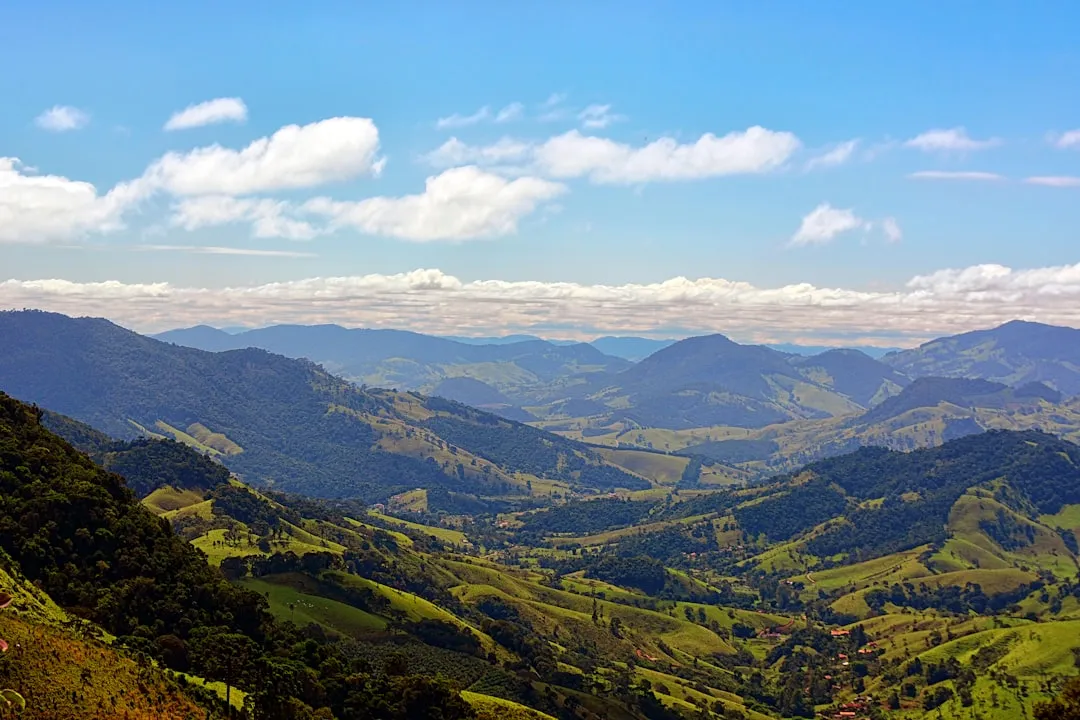
Trilha do Vale Encantado - A Hidden Gem in Rio's Green Lung
The Trilha do Vale Encantado (Enchanted Valley Trail) is a captivating day walk nestled within the vast expanse of the Parque Nacional da Tijuca, one of the world's largest urban rainforests, located in the heart of Rio de Janeiro, Brazil. This trail offers a refreshing escape from the city's vibrant energy, immersing walkers in a lush, verdant landscape characterised by dense Atlantic rainforest, cascading waterfalls, and panoramic views. It's a moderate challenge that rewards hikers with a sense of discovery and tranquility, proving that nature's grandeur can be found even within a bustling metropolis.
- Distance: 12.0 km one-way
- Duration: 4-6 hours
- Elevation gain: 450 m
- Difficulty: Moderate
- Season: April to September (dry season)
- Huts: None (day hike)
- Highest point: Approximately 700 m
- Access: Via Parque Nacional da Tijuca, Rio de Janeiro
Overview
The Trilha do Vale Encantado is a journey into the verdant heart of the Tijuca Forest, a testament to successful reforestation efforts and a vital ecological sanctuary for Rio de Janeiro. The trail is not merely a path through trees; it's an exploration of a dynamic ecosystem where the sounds of the city fade, replaced by the symphony of the rainforest. As you ascend, the vegetation shifts, revealing a diverse array of flora, including towering trees draped in epiphytes, vibrant bromeliads, and a rich understory of ferns and mosses. The air is thick with the scent of damp earth and blooming flowers, a stark contrast to the urban environment left behind.
The trail's moderate difficulty is primarily due to its sustained elevation gain and some uneven terrain. However, it is well-trodden and generally well-marked, making it accessible to those with a reasonable level of fitness. The reward for your efforts comes in the form of breathtaking vistas. As you climb, clearings in the canopy offer glimpses of Rio's iconic skyline, the sparkling Guanabara Bay, and the distant Sugarloaf Mountain. The higher you go, the more expansive these views become, providing a unique perspective on the city's dramatic juxtaposition with the surrounding natural landscape.
Water features are a significant element of the Trilha do Vale Encantado. Several streams and small waterfalls punctuate the route, offering opportunities for a refreshing pause and a chance to appreciate the forest's hydrological cycle. The trail culminates at a point offering spectacular views, often referred to as the "Enchanted Valley" itself, a place where the natural beauty of the rainforest truly captivates the senses. This trail is an ideal choice for those seeking an active and scenic experience within Rio de Janeiro, offering a profound connection with nature without requiring extensive travel.
History and Context of Tijuca Forest
The history of the Trilha do Vale Encantado is intrinsically linked to the broader narrative of the Parque Nacional da Tijuca, a story of ecological recovery and urban conservation. In the early 19th century, the hills surrounding Rio de Janeiro were heavily deforested to supply wood for fuel and construction, particularly for the burgeoning coffee plantations. This deforestation led to severe soil erosion, water shortages, and a significant decline in biodiversity, impacting the city's water supply and overall environmental health.
Recognising the dire consequences, Emperor Dom Pedro II decreed in 1861 that the area be reforested. This ambitious project, led by Major Manuel Gomes Archer, involved the planting of thousands of trees, primarily native species, by enslaved labourers. The reforestation efforts were remarkably successful, transforming the barren hillsides back into a thriving Atlantic rainforest. This monumental undertaking is considered one of the world's first large-scale urban reforestation projects and laid the foundation for the creation of the Parque Nacional da Tijuca.
The trails within the park, including the Trilha do Vale Encantado, were developed over time, initially by local communities and later by park authorities, to allow access for exploration, scientific research, and recreation. While specific historical records for the "Enchanted Valley Trail" itself are scarce, its existence is a product of the park's establishment and the subsequent development of its network of paths. The trail's name evokes a sense of wonder and discovery, reflecting the feeling many visitors experience when venturing into this revitalised natural haven. The park was officially established as a national park in 1961, solidifying its status as a protected area and a vital green lung for Rio de Janeiro.
Seasonal Highlights and Weather Considerations
The Trilha do Vale Encantado is best enjoyed during the dry season in Rio de Janeiro, which typically runs from April to September. During these months, rainfall is significantly reduced, leading to clearer skies and more stable weather conditions, ideal for hiking.
April to September (Dry Season): This period offers the most pleasant hiking conditions. Temperatures are generally milder, ranging from 18°C to 25°C, and the humidity is lower than in the summer months. The reduced rainfall means the trails are less likely to be muddy or slippery, and the risk of encountering heavy downpours is minimised. The forest remains lush and green, and the panoramic views from higher elevations are often at their clearest. This is the peak season for visiting the trail.
October to March (Wet Season): This is Rio de Janeiro's summer and the rainy season. Temperatures can soar between 30°C and 35°C, with high humidity making hiking feel more strenuous. While the rainforest thrives with abundant rainfall, the trails can become muddy and treacherous. Afternoon thunderstorms are common and can be intense, bringing heavy rain, lightning, and strong winds. While the forest is incredibly vibrant during this time, hikers should be prepared for challenging conditions and potential trail closures due to severe weather. Waterfalls will be at their most impressive, but visibility may be compromised.
General Weather Notes: Even during the dry season, unexpected showers can occur. It is always advisable to check the weather forecast before heading out and to be prepared for changing conditions. The Atlantic Forest is a microclimate, and conditions can vary within the park. The higher elevations of the trail can be cooler than the city below.
Recommended Itinerary
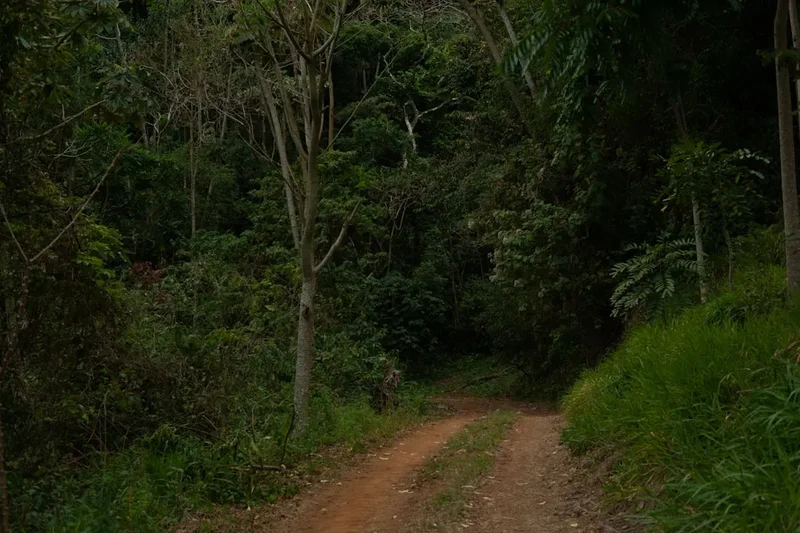
Trilha do Vale Encantado - Day Hike Itinerary
Early Morning (7:00 AM - 8:00 AM): Travel to Trailhead
- Depart from your accommodation in Rio de Janeiro.
- Travel to the Parque Nacional da Tijuca. The most common access point for this trail is near the Alto da Boa Vista area.
- If driving, follow signs for the national park. Parking is available but can be limited, especially on weekends.
- Alternatively, use public transport: Bus 301 from Zona Sul (e.g., Copacabana, Ipanema) towards Alto da Boa Vista is an option, followed by a short walk or taxi to the trailhead.
- Ensure you have your park entry fee (if applicable) and any necessary permits.
Morning (8:00 AM - 11:00 AM): Ascent and Forest Immersion
- Begin the Trilha do Vale Encantado from the designated trailhead.
- The initial section involves a steady climb through dense Atlantic rainforest.
- Observe the rich biodiversity: towering trees, ferns, bromeliads, and various bird species.
- Listen to the sounds of the forest – birdsong, insect calls, and the rustling of leaves.
- The trail is generally well-marked, but carrying a map or using a GPS device is recommended.
- The path can be uneven with exposed roots and rocks.
Midday (11:00 AM - 1:00 PM): Reaching Viewpoints and Waterfalls
- As you gain elevation, the canopy opens up, revealing glimpses of Rio de Janeiro's cityscape and coastline.
- Pause at designated viewpoints to admire the panoramic scenery.
- Encounter smaller waterfalls and streams along the route, offering opportunities for a refreshing break.
- The trail may involve some steeper sections and potentially some scrambling over rocks.
- Continue ascending towards the higher reaches of the valley.
Afternoon (1:00 PM - 3:00 PM): Summit and "Enchanted Valley" Experience
- Reach the approximate highest point of the trail, often referred to as the "Enchanted Valley" viewpoint.
- Enjoy the most expansive views of the surrounding rainforest and the distant urban landscape.
- This is an ideal spot for a packed lunch and to soak in the natural beauty.
- Take photographs and appreciate the sense of accomplishment.
- Begin your descent, retracing your steps back towards the trailhead.
Late Afternoon (3:00 PM - 5:00 PM): Descent and Return Journey
- The descent can be as challenging as the ascent, requiring careful footing.
- Continue to observe the forest's details as you descend.
- Arrive back at the trailhead.
- Return to your accommodation in Rio de Janeiro.
Important Notes:
- This is a day hike; no overnight accommodation is required.
- Carry sufficient water and snacks.
- Wear sturdy hiking boots and comfortable clothing.
- Be prepared for changing weather conditions.
- Respect park regulations and stay on marked trails.
Planning and Bookings
Book Your Trip
Everything you need to plan your journey
Accommodation
Find places to stay near Rio de Janeiro
Flights
Search flights to Rio de Janeiro
Essential Preparation
The Trilha do Vale Encantado is located within the Parque Nacional da Tijuca, a protected natural area. While it is a day hike and does not require the complex booking procedures of multi-day treks, proper preparation is still essential for a safe and enjoyable experience. The closest major city and logistical hub is Rio de Janeiro. Ensure you have a reliable way to reach the park entrance and the specific trailhead. Public transport options exist but may require transfers and walking. If driving, be aware that parking at popular trailheads can be limited, especially on weekends and public holidays. It's advisable to start your hike early in the morning to avoid the midday heat and potential crowds. Familiarise yourself with the park's opening hours and any potential entry fees. Carrying a physical map or a downloaded offline map of the park and trail is highly recommended, as mobile signal can be unreliable within the dense forest.
Trail Accommodation
This is a day hike requiring no overnight accommodation.
Required Gear
- Hiking Boots: Sturdy, broken-in hiking boots with good ankle support and grip are essential for navigating uneven terrain, roots, and rocks.
- Waterproof Jacket: A lightweight, waterproof and windproof jacket is advisable, as weather can change quickly in the rainforest, and unexpected showers are common.
- Backpack: A comfortable daypack (20-30 litres) to carry essentials like water, snacks, first-aid kit, and extra clothing.
- Navigation Tools: A physical map of the Parque Nacional da Tijuca and the Trilha do Vale Encantado, a compass, or a GPS device with downloaded offline maps. Mobile signal is often poor.
- First-Aid Kit: A basic kit including plasters, antiseptic wipes, pain relievers, blister treatment, and any personal medications.
- Insect Repellent: Essential for protecting against mosquitoes and other biting insects, particularly during warmer months.
- Sun Protection: Sunscreen (SPF 30+), sunglasses, and a wide-brimmed hat are important, even in the shade of the forest, as UV rays can penetrate the canopy.
What to Bring
- Water: Carry at least 1.5 to 2 litres of water per person. Refill points are not available on the trail.
- Food: High-energy snacks such as trail mix, energy bars, fruit, and sandwiches for a packed lunch. There are no food vendors within the park.
- Toiletries: Hand sanitiser, biodegradable wet wipes, and any personal hygiene items. Pack out all rubbish.
- Clothing: Wear moisture-wicking, breathable clothing in layers. Long trousers are recommended to protect against scratches and insects. A long-sleeved shirt can also offer protection.
- Camera: To capture the stunning scenery and biodiversity.
- Cash: For potential park entry fees, local transport, or small purchases if available near the park entrance.
- Emergency Contact Information: Keep emergency numbers readily accessible.
Permits
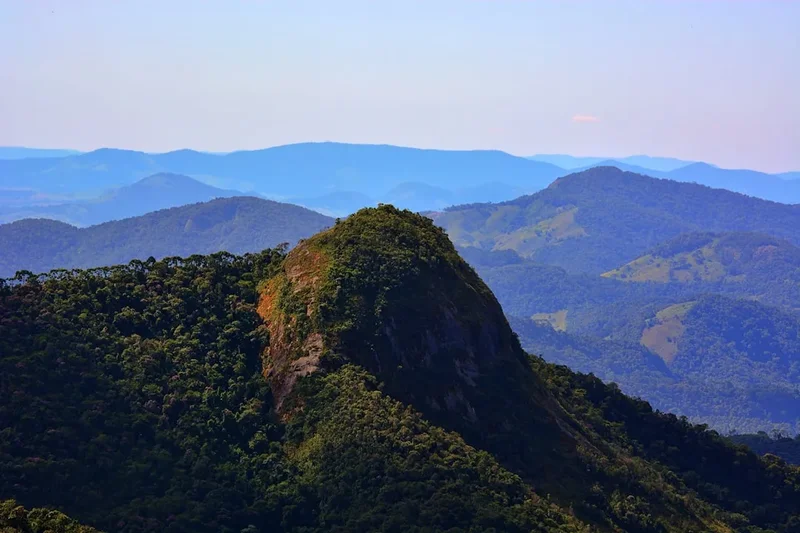
For day hikes like the Trilha do Vale Encantado within the Parque Nacional da Tijuca, specific permits for individual hikers are generally not required. However, it is crucial to be aware of the park's regulations and any potential entry fees. The park is managed by the Instituto Chico Mendes de Conservação da Biodiversidade (ICMBio). While the trail itself is accessible, it is advisable to check the official ICMBio website or contact the park administration for the most up-to-date information regarding access, opening hours, and any applicable fees, especially if you plan to visit during peak seasons or holidays.
Park Entry Fees: The Parque Nacional da Tijuca may charge an entrance fee. These fees contribute to the park's maintenance, conservation efforts, and visitor services. The exact cost can vary, so it's best to confirm this prior to your visit.
Group Hikes and Guided Tours: If you are planning to visit as part of a larger organised group or a guided tour, the tour operator will typically handle any necessary arrangements or permits. It is always good practice to confirm this with your tour provider.
Research and Preparation: Before your visit, it is highly recommended to consult the official website of the Parque Nacional da Tijuca or ICMBio for any specific rules, safety guidelines, or temporary closures that might affect your hike. This proactive approach ensures a smooth and compliant visit to this beautiful natural area.
Other Activities in the Area
The Parque Nacional da Tijuca and its surroundings offer a wealth of activities for nature lovers and adventure seekers:
- Hiking other trails: The park boasts numerous other trails, including the popular hike to the summit of Pedra da Gávea (challenging, requires guide for final ascent), Pedra Bonita (easier, offers paragliding launch site with stunning views), and the Circuito das Cascatas (Waterfall Circuit).
- Visiting Vista Chinesa: A picturesque Chinese-style pagoda offering spectacular panoramic views of Rio de Janeiro, including Ipanema, Leblon, and the Tijuca Forest.
- Exploring the Cascatinha Taunay: A magnificent 35-metre waterfall located within the park, easily accessible and a popular spot for photos.
- Paragliding and Hang Gliding from Pedra Bonita: For adrenaline junkies, the launch site at Pedra Bonita offers incredible views and an unforgettable flying experience over the city and coastline.
- Picnicking and Relaxation: Designated picnic areas are available throughout the park, providing opportunities to relax and enjoy the natural surroundings.
- Visiting the Christ the Redeemer statue: While not directly within the park, the iconic statue is located on Corcovado Mountain, which is part of the larger Tijuca Forest massif and accessible via roads within or adjacent to the park.
- Exploring the Botanical Garden (Jardim Botânico): Located at the edge of the park, this renowned garden showcases an incredible diversity of plant species from Brazil and around the world.
Safety and Conditions
Trail Conditions: The Trilha do Vale Encantado is generally well-maintained but can be uneven, with exposed roots, rocks, and muddy sections, especially after rain. Wear appropriate footwear to prevent slips and falls. The trail involves a consistent ascent and descent, requiring a moderate level of fitness.
Weather: Rio de Janeiro experiences a tropical climate. Be prepared for high temperatures and humidity, particularly during the wet season (October to March). Afternoon thunderstorms are common and can develop rapidly, bringing heavy rain and lightning. Always check the weather forecast before you go and be ready to turn back if conditions deteriorate.
Wildlife: While the park is home to diverse wildlife, including monkeys, sloths, and numerous bird species, encounters are usually peaceful. Do not feed the animals, as this can disrupt their natural behaviour and diet. Be aware of your surroundings.
Hydration and Nutrition: Carry ample water (at least 1.5-2 litres per person) and high-energy snacks. Dehydration and fatigue can increase the risk of accidents. It is advisable to start your hike early in the morning to avoid the peak heat of the day.
Navigation: While the main trail is usually marked, it is always wise to carry a map and compass or a GPS device with offline maps. Mobile phone reception can be unreliable within the dense forest. Inform someone of your hiking plans, including your intended route and estimated return time.
Park Regulations: Adhere to all park rules and regulations. Stay on marked trails to protect the fragile ecosystem and avoid getting lost. Do not litter; pack out everything you pack in.
Emergency Contacts: Have emergency contact numbers readily available. In case of an emergency, contact park rangers or local emergency services. The park is a popular area, and assistance is usually available, but response times can vary.
Side Trips and Points of Interest
Vista Chinesa: Located within the Parque Nacional da Tijuca, this iconic viewpoint offers breathtaking panoramic vistas of Rio de Janeiro's coastline, including Ipanema, Leblon, and the iconic Sugarloaf Mountain. It's a relatively short detour from the main park roads and provides a stunning perspective of the city nestled between mountains and sea. The Chinese-style pagoda adds a unique architectural element to the natural beauty.
Cascatinha Taunay: This impressive 35-metre waterfall is one of the most famous in the Tijuca Forest. Easily accessible from the park's main road, it's a popular spot for visitors to admire the power of nature and capture photographs. The surrounding vegetation is lush, contributing to the picturesque scene.
Pedra Bonita: While the Trilha do Vale Encantado offers its own views, the hike to Pedra Bonita provides a different, equally spectacular perspective. It's a moderately challenging hike that leads to a plateau famous for its paragliding and hang gliding launch sites. The views from Pedra Bonita encompass the coastline, Barra da Tijuca, and the surrounding mountains, offering a vast and open panorama.
Waterfalls along the Trail: As you ascend the Trilha do Vale Encantado, you will likely encounter numerous smaller streams and cascades. These natural water features add to the enchanting atmosphere of the trail and provide refreshing sights and sounds. While not major landmarks, they are integral to the experience of walking through this vibrant rainforest.
Biodiversity Hotspots: The entire Tijuca Forest is a biodiversity hotspot. Keep an eye out for various species of monkeys, colourful birds, and unique plant life such as bromeliads and orchids. The trail itself passes through diverse microhabitats, offering opportunities for wildlife observation.
Leave No Trace
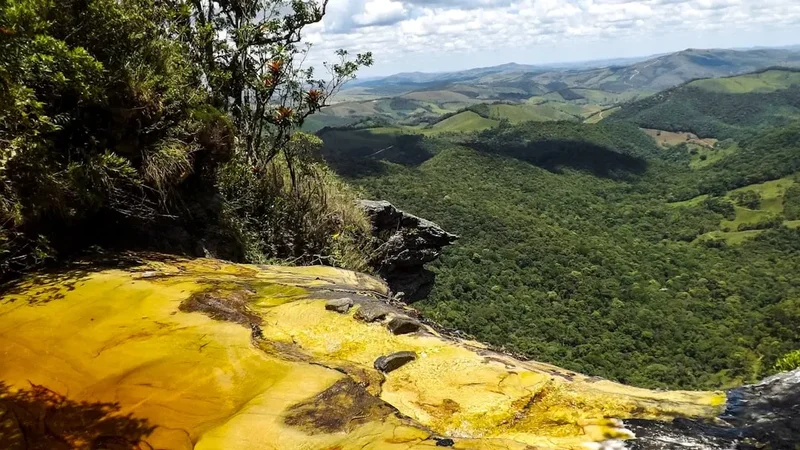
The Trilha do Vale Encantado, situated within the vital Parque Nacional da Tijuca, is a precious natural resource that requires careful stewardship. Practising Leave No Trace principles is paramount to preserving its beauty and ecological integrity for future generations.
Plan Ahead and Prepare: Understand the trail's conditions, weather forecasts, and any park regulations before your visit. Pack appropriately for the conditions and carry sufficient supplies.
Travel and Camp on Durable Surfaces: Stick to the marked trails. Avoid cutting switchbacks or walking on fragile vegetation, as this can lead to erosion and damage to the ecosystem. The designated trails are designed to withstand foot traffic.
Dispose of Waste Properly: Pack out everything you pack in. This includes all food scraps, wrappers, and any other litter. Use designated bins if available, but it's best practice to carry all your rubbish with you until you can dispose of it responsibly. Avoid burying waste, as it can still impact the environment.
Leave What You Find: Do not remove any natural objects, such as rocks, plants, or flowers. These are part of the natural environment and should be left for others to enjoy and for the ecosystem to thrive.
Minimise Campfire Impacts: As this is a day hike, campfires are not applicable. However, if visiting other areas of the park where fires might be permitted, use designated fire rings and ensure fires are completely extinguished.
Respect Wildlife: Observe wildlife from a distance and never feed them. Feeding animals can alter their natural behaviour, diet, and health, and can make them dependent on human food sources.
Be Considerate of Other Visitors: Keep noise levels down to allow everyone to enjoy the natural environment. Yield to other hikers on the trail, especially on narrower sections.
By adhering to these principles, you help ensure that the Trilha do Vale Encantado and the Parque Nacional da Tijuca remain a pristine and enjoyable destination for all.