
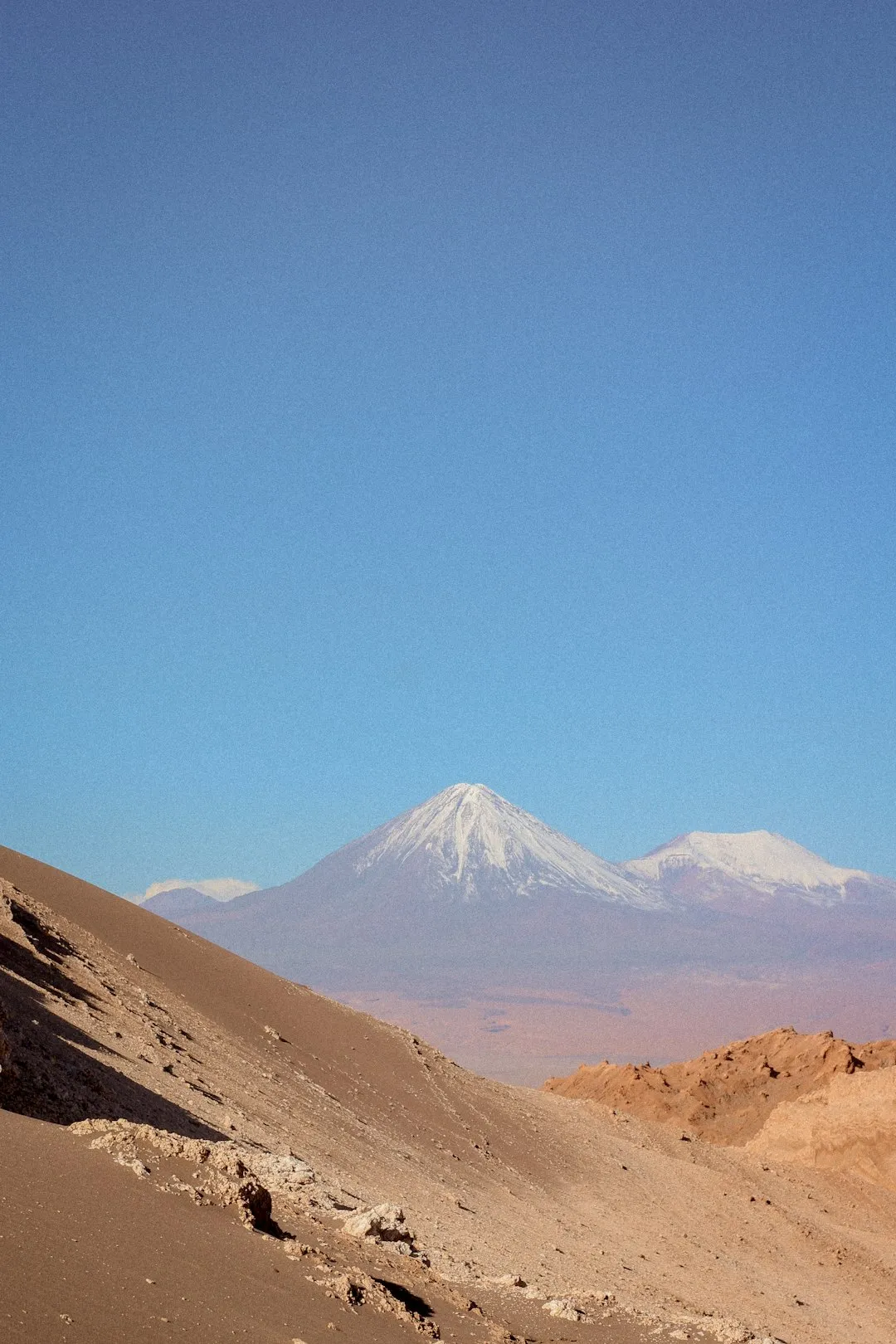
Valle de la Luna Trail - Moon Valley Exploration
The Valle de la Luna (Valley of the Moon) Trail, located in the Atacama Desert of Chile, offers a surreal and otherworldly hiking experience. This relatively short but incredibly scenic day walk takes you through a landscape sculpted by wind and water over millennia, resembling the surface of the moon or Mars. Characterised by its dramatic salt formations, towering sand dunes, and unique geological features, the trail provides a glimpse into the extreme beauty and harshness of one of the driest places on Earth. It's an accessible adventure from the popular tourist hub of San Pedro de Atacama, making it a must-do for anyone visiting the region.
- Category: Day Walk
- Distance: 10.0 km
- Elevation Gain: 300 m
- Duration: 3-4 hours
- Difficulty: Easy
- Best Time: Year-round, but spring (September-November) and autumn (March-May) offer the most pleasant temperatures
- Closest City: San Pedro de Atacama
- Trailhead Access: Nearest airport: Calama (CJC). From Calama, take a bus or taxi to San Pedro de Atacama. From San Pedro, hire a tour or drive (4x4 recommended) to the Valle de la Luna entrance. Road is mostly paved then gravel. Parking available. Entrance fee required.
- Coordinates: -22.9072, -68.2244
Overview
The Valle de la Luna Trail is a captivating journey into a geological wonderland. As you step onto the path, you are immediately immersed in a landscape of stark contrasts: the deep blue of the desert sky against the ochre and red hues of the earth, the smooth curves of sand dunes meeting the jagged edges of salt crusts. The trail winds through a series of interconnected canyons and valleys, each revealing new and astonishing formations. You'll encounter the "Amphitheatre," a natural depression with incredible acoustics, and the "Three Marias," striking rock pillars that stand sentinel against the elements. The highlight for many is the ascent of a large dune, offering panoramic views of the entire valley, especially breathtaking at sunset when the colours intensify and cast long shadows, truly living up to its "Valley of the Moon" moniker.
The geological processes at play here are fascinating. The valley is composed of sedimentary rocks, primarily evaporites (salts) and clays, which have been eroded by wind and occasional flash floods. This erosion has carved out the distinctive shapes, sharp ridges, and smooth, undulating dunes that define the landscape. The salt formations, in particular, create a crystalline, almost alien appearance. Despite its arid nature, the valley supports a sparse but resilient desert flora and fauna, adapted to survive extreme conditions.
This trail is ideal for those seeking a relatively short but visually spectacular experience. It requires no specialised equipment beyond comfortable walking shoes and sun protection, making it accessible to a wide range of visitors. The relatively low elevation gain means it's manageable for most fitness levels, allowing you to focus on the incredible scenery and the unique atmosphere of this desert gem.
History and Cultural Context
The Valle de la Luna and the surrounding Atacama Desert have a rich human history stretching back thousands of years. Indigenous peoples, including the Atacameño (Lickan-antay) culture, have inhabited this region for millennia, developing sophisticated agricultural techniques and social structures adapted to the extreme environment. They understood the desert's resources, utilising its salts, minerals, and scarce water sources for survival and trade. Archaeological evidence, such as ancient burial sites and petroglyphs, attests to their long-standing presence and deep connection to this land.
During the colonial era and into the 19th and 20th centuries, the Atacama region became a focal point for resource extraction, particularly for saltpetre (nitrate) and copper. The desert's mineral wealth attracted prospectors and companies, leading to periods of boom and bust, and shaping the economic and social landscape of northern Chile. While the Valle de la Luna itself was not a major site for industrial extraction, its unique geological formations have long been recognised for their scientific and aesthetic value.
The designation of Valle de la Luna as a protected area, part of the Los Flamencos National Reserve, has been crucial in preserving its natural beauty and geological significance. This protection allows visitors to experience the landscape as it has been shaped by natural forces, while acknowledging the historical presence of the indigenous peoples who first navigated and understood this challenging terrain. The name "Valley of the Moon" itself reflects the striking resemblance of its terrain to lunar landscapes, a perception that has captivated explorers and travellers for generations.
Seasonal Highlights and Weather Reality
The Valle de la Luna Trail can be visited year-round, but certain seasons offer more comfortable conditions for exploration. The Atacama Desert is characterised by extreme aridity, with very little rainfall throughout the year. However, temperature fluctuations can be significant.
Spring (September-November): This is often considered one of the best times to visit. Temperatures are generally mild during the day, with cooler evenings. The desert flora may show signs of life after any rare rainfall, though this is infrequent. The skies are typically clear, offering excellent stargazing opportunities at night.
Summer (December-February): While technically the hottest months, the desert's aridity means that daytime temperatures, though warm, are often bearable, especially in the early morning or late afternoon when most visitors explore. The main consideration is the intense sun and the need for constant hydration and sun protection. There is a slight chance of "Altiplanic Winter" (invierno altiplánico) during this period, which can bring brief, intense thunderstorms to the high Andes, occasionally affecting the desert with dust storms or rare rain. However, the Valle de la Luna itself remains very dry.
Autumn (March-May): Similar to spring, autumn offers pleasant daytime temperatures and cooler nights. The light can be particularly beautiful during this season, casting warm hues across the desert landscape. This is another excellent period for visiting.
Winter (June-August): Winter in the Atacama is characterised by colder temperatures, especially at night, which can drop below freezing. Daytime temperatures are generally cool and pleasant. The skies are exceptionally clear, making it a prime time for astronomical observation. While cooler, the lack of rain and clear skies make it a viable and often beautiful time to visit, provided you are prepared for the cold.
Weather Reality: Regardless of the season, the Atacama Desert is defined by its extreme dryness and intense solar radiation. Always be prepared for strong sunlight, even on cloudy days. Wind can also be a factor, particularly in the open areas of the valley, and can whip up dust. Flash floods, though rare, can occur during the summer months if significant rainfall impacts the higher Andes, but these are unlikely to affect the main tourist trails within Valle de la Luna itself.
Recommended Itinerary
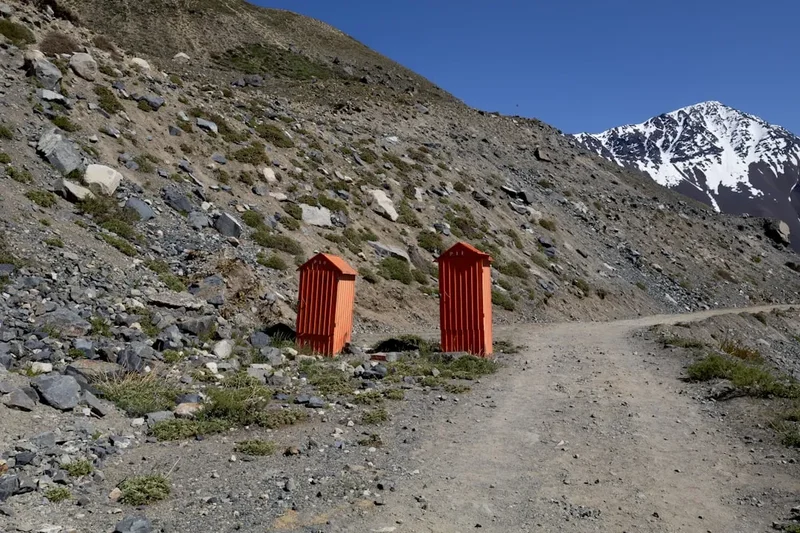
Valle de la Luna Day Walk Itinerary
Early Morning (approx. 8:00 AM - 9:00 AM): Departure from San Pedro de Atacama
- Depart from San Pedro de Atacama in a tour vehicle or your own 4x4.
- The drive to the Valle de la Luna entrance takes approximately 20-30 minutes.
- Ensure you have water, sun protection, and snacks.
Morning (approx. 9:00 AM - 12:00 PM): Exploration of Valle de la Luna
- Enter the Valle de la Luna sector of Los Flamencos National Reserve.
- Pay the entrance fee at the ranger station.
- Begin your exploration, typically starting with the main canyon.
- Key Waypoints:
- - Cancha de Bochas (Bowling Alley): Observe spherical salt formations scattered across the ground.
- - Valle de la Luna Amphitheatre: A natural depression with impressive acoustics.
- - Las Tres Marías (The Three Marias): Iconic eroded rock formations.
- - Cordillera de la Sal (Salt Mountain Range): Explore the unique salt and clay formations.
- The trail is generally well-defined, but involves walking on sand, gravel, and rocky terrain.
- Allow ample time to take photographs and absorb the surreal scenery.
Midday (approx. 12:00 PM - 1:00 PM): Ascent to a Dune Viewpoint
- Head towards the larger sand dunes within the valley.
- The most popular viewpoint is often accessed by climbing a significant dune.
- This climb offers rewarding panoramic views of the entire valley.
- The sand can be soft and challenging to walk on, so take your time.
- Enjoy the expansive desert vistas and the feeling of being on another planet.
Afternoon (approx. 1:00 PM - 3:00 PM): Sunset Viewing and Return
- Many tours and independent visitors plan to stay until sunset.
- The colours of the landscape intensify dramatically as the sun descends, casting long shadows and painting the rocks in fiery hues.
- This is the most iconic time to experience Valle de la Luna.
- After sunset, begin your return journey to San Pedro de Atacama.
- The drive back in the fading light offers a different perspective on the desert.
Important Notes:
- This is a day hike; no overnight accommodation is required.
- The trail is not a single linear path but a network of routes within the designated area.
- Wear sturdy, closed-toe walking shoes.
- Carry at least 1-2 litres of water per person.
- Apply high SPF sunscreen, wear a wide-brimmed hat, and sunglasses.
- Consider bringing a light jacket or sweater for cooler evenings, especially outside of summer.
- Respect the fragile desert environment and stay on marked paths.
Planning and Bookings
Book Your Trip
Everything you need to plan your journey
Accommodation
Find places to stay near San Pedro de Atacama
Flights
Search flights to San Pedro de Atacama
Essential Preparation
The Valle de la Luna Trail is a popular day trip from San Pedro de Atacama, a well-established tourist town. The primary logistical consideration is transportation to the site and entry into the Los Flamencos National Reserve. Most visitors opt for organised tours, which include transportation, a guide, and often a sunset viewing. If you prefer to self-drive, a 4x4 vehicle is recommended, especially for accessing certain viewpoints or if road conditions are less than ideal, although the main access road to the park entrance is generally well-maintained. Ensure your vehicle is in good condition and you have sufficient fuel, as services are limited once you leave San Pedro.
San Pedro de Atacama itself is the perfect base. It offers a wide range of accommodation options, from budget hostels and guesthouses to comfortable hotels. The town has numerous tour operators, restaurants, ATMs, and shops selling essential gear and souvenirs. It's advisable to book accommodation and any desired tours in advance, especially during peak seasons (December-February and July-August), to secure your preferred options.
Trail Accommodation
This is a day hike requiring no overnight accommodation.
Required Gear
- Sturdy walking shoes: Closed-toe boots or trail runners with good grip are essential for navigating sandy, rocky, and uneven terrain.
- Sun protection: A wide-brimmed hat, sunglasses with UV protection, and high SPF sunscreen (SPF 50+) are non-negotiable due to the intense desert sun.
- Lightweight backpack: To carry water, snacks, camera, and personal items.
- Camera: The landscape is incredibly photogenic.
- Optional: Trekking poles can be helpful for stability on sandy slopes.
What to Bring
- Water: Carry at least 1-2 litres of water per person. Dehydration is a serious risk in the desert.
- Snacks: High-energy snacks like nuts, dried fruit, energy bars, or chocolate are recommended.
- Light jacket or sweater: Evenings can become cool, especially outside of summer months, due to the desert's temperature fluctuations.
- Lip balm with SPF: To protect your lips from the sun and dry air.
- Hand sanitiser: For hygiene, especially before eating.
- Small first-aid kit: Including plasters for blisters, pain relievers, and any personal medications.
- Cash: For the park entrance fee and any small purchases. While many places in San Pedro accept cards, it's wise to have some cash for the reserve entrance.
Permits
Access to Valle de la Luna requires an entrance fee as it is part of the Los Flamencos National Reserve. This fee is typically paid at the park's entrance station. It is advisable to check the current fee structure with local tour operators or the Chilean National Forest Corporation (CONAF) before your visit, as prices can change. Payment is usually accepted in Chilean Pesos (CLP), and it's recommended to have cash on hand, as card facilities may not always be available or reliable at the park entrance.
The reserve is managed by CONAF, and visitor numbers are generally not capped in a way that requires advance booking for individual day hikers, unlike some more remote or sensitive national parks. However, if you are travelling during a major holiday period or a particularly busy season, it's always prudent to confirm any specific entry requirements. Organised tours will typically include the entrance fee in their package price, so confirm this when booking.
Other Activities in the Area
San Pedro de Atacama is a gateway to a wealth of unique desert experiences. Beyond Valle de la Luna, consider these other popular excursions:
- Valle de la Muerte (Death Valley): Located near Valle de la Luna, this area is famous for its dramatic sand dunes, popular for sandboarding and quad biking adventures.
- El Tatio Geysers: The third-largest geyser field in the world, best visited at sunrise when the geothermal activity is most spectacular. Requires an early morning start and warm clothing.
- Salar de Atacama (Atacama Salt Flat): Home to the Chaxa Lagoon, a vital habitat for flamingos. The vast salt flat itself is an impressive sight.
- Lagunas Altiplánicas (Miscanti and Miñiques Lagoons): High-altitude lagoons set against stunning volcanic backdrops, offering incredible scenery and birdwatching opportunities.
- Piedras Rojas (Red Rocks): A striking geological formation with vibrant red rocks contrasting against turquoise lagoons.
- Stargazing Tours: The Atacama Desert boasts some of the clearest skies on Earth, making it an unparalleled location for astronomical observation. Numerous observatories and tour operators offer guided stargazing experiences.
- Archaeological Sites: Explore ancient ruins like Pukará de Quitor, a pre-Inca fortress, or visit the Aldea de Tulor, one of the oldest settlements in the region.
- Termas de Puritama: Natural hot springs nestled in a canyon, offering a relaxing soak amidst the desert landscape.
Safety and Conditions
Pre-Departure Checks:
- Weather: While the Atacama is generally dry, temperatures can fluctuate significantly between day and night. Check the forecast for San Pedro de Atacama and be prepared for both heat and cold.
- Road Conditions: If self-driving, be aware that some unpaved roads can be rough. A 4x4 is recommended for optimal access and comfort, though many tours use standard vehicles.
- Park Alerts: Check with local tour operators or CONAF for any temporary closures or specific advisories related to the reserve.
Desert Hazards:
- Dehydration: The extreme aridity means you can dehydrate quickly. Always carry more water than you think you'll need.
- Sunburn and Heatstroke: The sun's intensity is extreme. Protect your skin and head, and avoid strenuous activity during the hottest part of the day if you are sensitive to heat.
- Sandstorms: While less common in Valle de la Luna itself, wind can pick up dust and sand. Keep your mouth and eyes protected if this occurs.
- Terrain: The ground can be uneven, with loose gravel, sand, and rocky outcrops. Wear appropriate footwear to prevent slips and falls.
- Navigation: While the main paths are generally clear, it's easy to get disoriented if you venture off-trail. Stick to marked routes or go with a guide.
General Safety:
- Stay on Marked Trails: This protects the fragile desert ecosystem and prevents you from getting lost.
- Inform Someone: Let your accommodation or a friend know your plans, especially if you are self-driving.
- Emergency Contacts: Have local emergency numbers readily available.
- Travel Insurance: Ensure you have adequate travel insurance that covers medical emergencies and potential evacuation.
Side Trips and Points of Interest
Cancha de Bochas (Bowling Alley): A unique area within Valle de la Luna where perfectly spherical salt formations, resembling bowling balls, are scattered across the desert floor. These formations are a result of salt crystallization processes and are a fascinating geological curiosity.
Valle de la Luna Amphitheatre: This natural depression in the landscape offers remarkable acoustics. Visitors often test its properties by speaking or singing, and the sound carries surprisingly well. It's a natural stage formed by the erosion of the salt mountains.
Las Tres Marías (The Three Marias): These are three prominent, eroded rock pillars that stand as iconic landmarks within the valley. Their distinctive shapes are a testament to the relentless forces of wind and water erosion over thousands of years.
Dune Climbing for Sunset: The most significant "point of interest" is the experience itself. Ascending one of the larger sand dunes, particularly in the late afternoon, provides unparalleled panoramic views. As the sun begins to set, the entire valley transforms. The colours shift from muted earth tones to vibrant reds, oranges, and purples, creating a breathtaking spectacle that truly earns the valley its name.
Cordillera de la Sal (Salt Mountain Range): The broader geological context of the trail. The entire area is part of this range, characterised by its dramatic, sculpted formations of salt, clay, and gypsum. Understanding that you are walking within an ancient seabed adds another layer of appreciation to the landscape.
Leave No Trace
The Valle de la Luna and the surrounding Atacama Desert are incredibly fragile ecosystems. The extreme aridity means that plant and animal life is scarce and slow to recover from disturbance. Protecting this unique environment is paramount for its preservation.
Your responsibility as a visitor:
- Pack It In, Pack It Out: Take all your rubbish with you, including food scraps, wrappers, and any other waste. Do not leave anything behind.
- Stay on Marked Trails: The desert crust and sparse vegetation are easily damaged by foot traffic. Sticking to designated paths prevents erosion and protects delicate plant life.
- Do Not Disturb Formations: Avoid touching, breaking, or removing any geological formations, salt crystals, or rocks. These are part of the natural heritage and take millennia to form.
- Respect Wildlife: Observe any animals from a distance and do not feed them. Their survival depends on their natural diet and environment.
- Minimise Impact: Avoid loud noises that can disturb the natural tranquility and any wildlife.
- Use Designated Facilities: If restrooms are available, use them. Otherwise, ensure you are well away from water sources and trails if nature calls, and pack out all toilet paper.
- Water Conservation: While you should carry plenty of water for yourself, be mindful of water usage in this extremely dry region.
By adhering to Leave No Trace principles, you help ensure that the surreal beauty of the Valle de la Luna can be enjoyed by future generations.
 Chile
Chile