

Vale do Pati Trek - Brazil's Hidden Gem
The Vale do Pati Trek, nestled within the Chapada Diamantina National Park in Bahia, Brazil, is a challenging yet immensely rewarding multi-day walk through one of South America's most spectacular and remote landscapes. Often lauded as one of Brazil's most beautiful hikes, it offers a profound immersion into a world of dramatic table-top mountains (tepuis), deep canyons, cascading waterfalls, and vast, untouched wilderness. This trek is not for the faint-hearted; it demands significant physical endurance, a spirit of adventure, and a willingness to embrace simplicity, often staying in rustic local homes (casas de nativos) rather than formal campsites or lodges.
- Distance: Approximately 65 km
- Duration: 3–5 days
- Season: April to September (dry season, best for hiking)
- Accommodation: Rustic local homes (casas de nativos) and basic shelters
- Highest point: Varies depending on route, but involves significant elevation changes
- Difficulty: Challenging
- Closest City: Lençóis
- Trailhead Access: Via Guiné or Vale do Capão
Overview
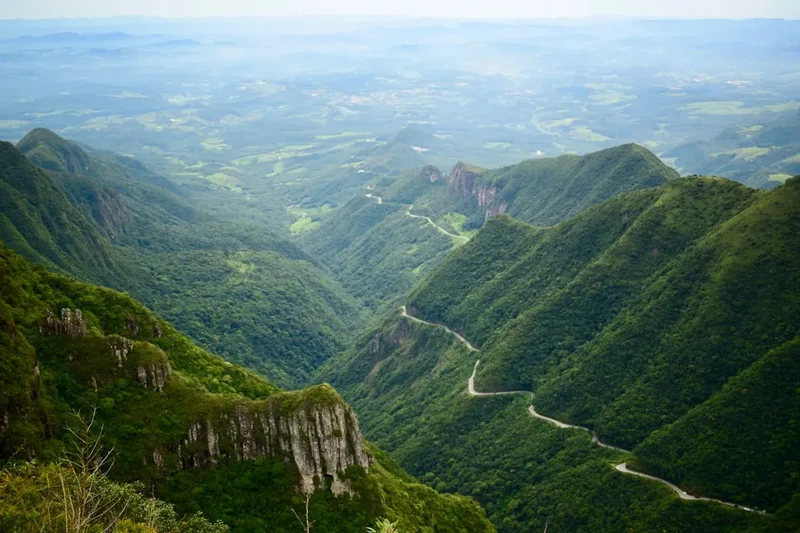
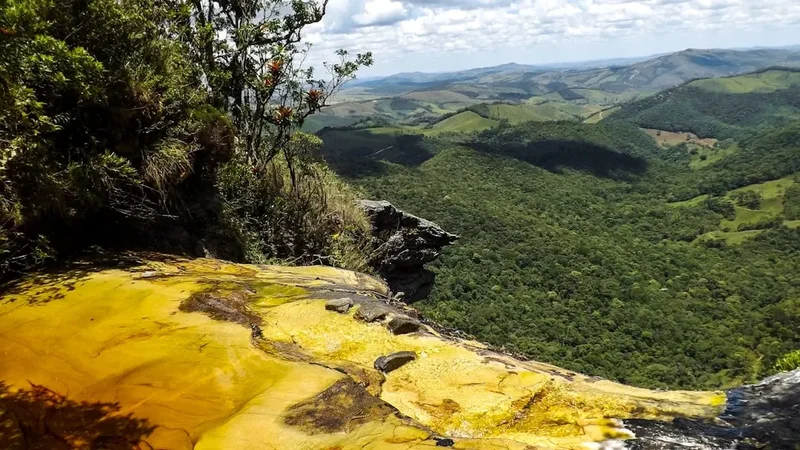
The Vale do Pati (Pati Valley) is a vast, horseshoe-shaped depression surrounded by the imposing granite monoliths that define the Chapada Diamantina. The trek is renowned for its breathtaking vistas, including the iconic Morro do Pai Inácio (Father Ignatius Hill), Cachoeira da Fumaça (Smoke Waterfall), and the sheer cliffs of the Pati Valley itself. Unlike more structured trails, the Vale do Pati is a network of paths that can be traversed in various directions, offering flexibility but also requiring careful planning and often a local guide.
The experience is characterised by its raw, untamed beauty. Days are spent traversing rugged terrain, crossing crystal-clear rivers, and ascending to viewpoints that offer panoramic vistas of the surrounding table mountains and the verdant valley floor. The accommodation in local homes provides a unique cultural experience, allowing trekkers to connect with the resilient communities who call this remote region home. These stays are typically simple, with shared dormitories, communal meals prepared with local ingredients, and a warm, welcoming atmosphere.
The trek's difficulty stems from the challenging terrain, significant elevation changes, and the often-intense Brazilian sun. However, the rewards are immense: unparalleled natural beauty, a sense of true wilderness, and the satisfaction of completing a demanding journey through a landscape that feels like a lost world. The dry season, from April to September, offers the most favourable conditions, with less rain and more predictable weather, making it the ideal time to explore this extraordinary corner of Brazil.
History and Cultural Context
The Chapada Diamantina region, and by extension the Vale do Pati, has a rich history deeply intertwined with diamond mining. During the 18th and 19th centuries, the area was a major centre for diamond extraction, attracting prospectors and settlers who carved out a life in this rugged landscape. The descendants of these early miners, along with indigenous communities, form the backbone of the local population today, many of whom still live in the small villages scattered throughout the park, including those that serve as gateways to the Pati Valley.
The Vale do Pati itself, due to its remote and inaccessible nature, remained largely untouched by the intense mining activities that characterised other parts of the Chapada. Its isolation preserved its pristine natural beauty, making it a sanctuary for unique flora and fauna. The local communities developed a deep connection to the land, relying on subsistence farming and, more recently, on ecotourism to sustain themselves.
The concept of trekking through the Vale do Pati as a tourist activity gained traction in the latter half of the 20th century. As the region became more recognised for its natural wonders, guides began leading visitors through the valley, showcasing its spectacular waterfalls, canyons, and unique geological formations. The development of the "casas de nativos" (native homes) accommodation model has been crucial, providing trekkers with an authentic cultural experience while also offering a vital source of income for local families. This model fosters a symbiotic relationship between tourism and the preservation of the local way of life and the natural environment.
Seasonal Highlights and Weather Reality
The Vale do Pati Trek is best undertaken during the dry season, which typically runs from April to September. This period offers the most favourable hiking conditions, with significantly less rainfall and a lower chance of encountering muddy or flooded trails.
Dry Season (April to September):
- Weather: Generally sunny days with cooler temperatures, especially at night. Daytime temperatures can still be warm, but the lack of humidity makes hiking more comfortable. Nights can be cool, sometimes dropping to 10-15°C, so warm layers are essential.
- Waterfalls: While still impressive, waterfalls may have less volume compared to the wet season. However, the trails are more accessible and safer.
- River Crossings: Rivers are generally lower and easier to cross.
- Visibility: Excellent visibility for panoramic views of the valleys and mountains.
Wet Season (October to March):
- Weather: Characterised by frequent, heavy rainfall, often in the afternoons. Temperatures are higher and humidity is significant.
- Waterfalls: At their most spectacular, with immense volumes of water cascading down cliffs.
- River Crossings: Rivers can become dangerously swollen and impassable, leading to trail closures or significant detours.
- Trail Conditions: Trails can be muddy, slippery, and challenging to navigate.
- Visibility: Often poor due to cloud cover and rain, obscuring the famous vistas.
Recommendation: For the best experience, plan your trek between April and September. Even during the dry season, Fiordland's weather can be unpredictable, so always be prepared for sudden changes and carry appropriate rain gear.
Recommended Itinerary
3-Day Vale do Pati Trek (Classic Route)
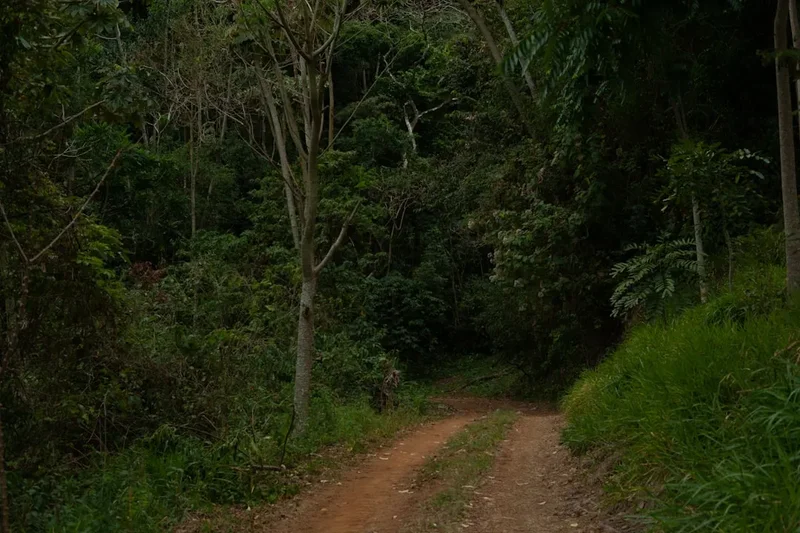
Day 1: Guiné to Refúgio do Pati (or similar local home)
- Distance: Approximately 15-20 km
- Elevation gain: Significant, with ascents and descents
- Time: 6–8 hours
- Start from Guiné, a small village and common starting point.
- Initial walk through rolling hills and scrubland, gradually entering the Chapada Diamantina's unique landscape.
- Pass through smaller settlements and agricultural areas.
- Ascend towards the rim of the Pati Valley, offering first glimpses of the dramatic scenery.
- Descend into the valley to reach a local home (casa de nativo) for overnight stay.
- Experience traditional Bahian hospitality and enjoy a home-cooked meal.
Day 2: Exploring the Pati Valley - Cachoeira do Buracão (or similar)
- Distance: Approximately 15-20 km (can vary based on chosen route)
- Elevation gain: Moderate to significant, depending on the day's exploration
- Time: 6–8 hours
- This day is dedicated to exploring the heart of the Pati Valley.
- Possible destinations include the stunning Cachoeira do Buracão (Buracão Waterfall), a magnificent waterfall accessed via a narrow canyon, or other notable spots like Cachoeira da Fumaça (Smoke Waterfall) if taking a longer route.
- The trek involves navigating diverse terrain: open plateaus, dense forest, riverbeds, and rocky paths.
- Enjoy spectacular viewpoints and the feeling of being in a remote, untouched wilderness.
- Return to a different local home within the valley for the second night's accommodation.
Day 3: Pati Valley to Vale do Capão (or return to Guiné)
- Distance: Approximately 20-25 km
- Elevation gain: Significant ascents and descents
- Time: 7–9 hours
- The final day involves a challenging but rewarding trek out of the valley.
- Depending on the chosen route, you might ascend to the rim of the valley and trek towards Vale do Capão, a bohemian village known for its natural beauty and relaxed atmosphere.
- Alternatively, the route can lead back towards Guiné.
- The trek offers final, sweeping views of the Chapada Diamantina's iconic landscapes.
- Arrive at your destination (Vale do Capão or Guiné) for onward transport.
Important Notes:
- This itinerary is a classic example; variations exist based on guide recommendations and group preferences.
- Hiring a local guide is highly recommended for navigation, safety, and cultural immersion.
- Accommodation is in basic local homes with shared facilities.
- Meals are typically provided at the homes, featuring local cuisine.
- Carry sufficient water and snacks, as services are limited on the trail.
- Be prepared for significant elevation changes and challenging terrain.
Planning and Bookings
Book Your Trip
Everything you need to plan your journey
Accommodation
Find places to stay near Lençóis
Flights
Search flights to Lençóis
Essential Preparation
The Vale do Pati Trek is an adventure that requires careful planning, especially regarding logistics and local arrangements. Unlike many established trails, it doesn't have a formal booking system for accommodation or permits. Instead, arrangements are typically made through local guides or directly with the families who offer homestays in the valley.
Base Town: Lençóis is the primary gateway town for exploring the Chapada Diamantina National Park. It's a charming colonial town with a well-developed tourist infrastructure, including a range of accommodation options (from hostels to pousadas), restaurants, tour operators, and gear rental shops. Lençóis is accessible by bus from major Brazilian cities like Salvador. From Lençóis, you will arrange transport (usually a 4x4 vehicle or shared van) to the trek's starting points, such as Guiné or Vale do Capão.
Logistics: The most crucial aspect of planning is securing a reliable local guide. Guides are essential for navigation, as the trails can be unmarked and confusing, especially in varying weather conditions. They also facilitate arrangements for accommodation and meals with the local families (casas de nativos) in the Pati Valley. It is advisable to book your guide and accommodation well in advance, especially during peak season (dry season).
Fitness: This trek is considered challenging due to the terrain, significant elevation gains and losses, and the potential for long hiking days. A good level of cardiovascular fitness and leg strength is required. Regular hiking, including training on hilly terrain, is highly recommended. Be prepared for carrying a daypack with essentials, as your main luggage will likely be left at your accommodation in Lençóis or transported separately if arranged.
Trail Accommodation
The Vale do Pati Trek offers a unique accommodation experience, primarily consisting of staying with local families in their homes within the valley. These are known as "casas de nativos" or "pousadas rústicas".
Huts/Lodges/Campsites:
- Casas de Nativos: These are the most common form of accommodation. Families open their homes to trekkers, offering simple rooms, often with bunk beds in shared dormitories. Facilities are basic but clean and welcoming.
- Basic Shelters: In some routes, there might be very basic shelters or designated camping spots, but these are less common than homestays. Camping is generally not the primary mode of accommodation for the standard Pati Valley trek.
Booking Requirements:
- Bookings are typically made through your chosen local guide or a tour operator in Lençóis.
- Advance booking is highly recommended, especially during the dry season (April to September), as the number of available homestays is limited.
- You will usually book for the entire duration of the trek, covering all nights.
Facilities Provided:
- Basic sleeping arrangements (beds or mattresses, often with blankets).
- Communal dining areas.
- Home-cooked meals (breakfast, lunch, and dinner), usually featuring traditional Bahian cuisine.
- Shared bathroom facilities, which can be very basic (e.g., pit toilets, cold showers).
What's NOT Provided:
- Private rooms (most accommodation is dormitory-style).
- Hot showers (cold showers are common).
- Electricity for charging devices (bring a power bank).
- Luxury amenities or Wi-Fi.
- Towels (bring your own quick-dry towel).
- Sleeping bags (while blankets are provided, a lightweight sleeping bag can add comfort).
Seasonal Availability: Accommodation is available year-round, but the dry season (April-September) is the most popular and comfortable time to visit. During the wet season, trails can be more challenging, and some families might have fewer trekkers.
Costs: Costs vary but typically range from R$150 to R$250 per person per day, which usually includes accommodation, all meals, and guide services. It's essential to confirm what is included when booking.
Required Gear
- Sturdy Hiking Boots: Waterproof and well broken-in, with good ankle support. Essential for navigating varied and sometimes rough terrain.
- Waterproof Jacket: Lightweight and breathable, to protect against rain showers, which can occur even in the dry season.
- Waterproof Overtrousers: Recommended for full protection during downpours.
- Backpack: A comfortable daypack (20-30 litres) for carrying essentials during daily hikes. If you arrange luggage transfer, a slightly larger pack might be needed.
- Head Torch: With spare batteries. Essential for navigating in low light conditions or if staying in basic accommodation without electricity.
- First-Aid Kit: Including personal medications, blister treatment, pain relievers, antiseptic wipes, and bandages.
- Navigation Tools: While a guide is essential, a GPS device or a reliable offline map app on your phone can be a useful backup.
- Sun Protection: High SPF sunscreen, sunglasses, and a wide-brimmed hat are crucial due to the intense equatorial sun.
- Insect Repellent: Especially important for evenings and areas near water.
What to Bring
- Food and Water: While meals are provided at homestays, carry plenty of snacks (energy bars, nuts, dried fruit) for during the day's hike. A reusable water bottle or hydration reservoir (2-3 litres capacity) is essential. Water purification tablets or a filter are recommended as a backup, though stream water is generally potable in remote areas.
- Clothing:
- Moisture-wicking base layers (synthetic or merino wool).
- Insulating mid-layer (fleece or down jacket) for cooler evenings and higher altitudes.
- Hiking trousers (quick-drying, lightweight).
- T-shirts (synthetic or merino wool).
- Warm socks (wool or synthetic, several pairs).
- Camp clothes (comfortable, dry clothes for evenings).
- Toiletries: Biodegradable soap, toothbrush, toothpaste, hand sanitiser, quick-dry towel, personal hygiene items.
- Personal Items: Camera, power bank for charging electronics, book or journal, small amount of cash (Brazilian Reais) for small purchases or tips.
- Optional: Trekking poles (highly recommended for steep ascents and descents), gaiters (to keep debris out of boots), swimwear (for waterfall dips).
Permits
Unlike many national parks and famous trekking routes worldwide, the Vale do Pati Trek does not require formal permits for entry or for staying in the local homes. The Chapada Diamantina National Park has an entrance fee, but this is typically handled by tour operators or guides, or paid at designated points.
The primary requirement for undertaking the Vale do Pati Trek is the engagement of a certified local guide. This is not just a recommendation but a practical necessity due to the complex trail network, the remote nature of the valley, and the importance of supporting the local economy. Guides are knowledgeable about the best routes, safe river crossings, and the local culture, and they arrange accommodation and meals with the families in the valley.
Key Points Regarding Permits and Access:
- No Formal Trekking Permit: You do not need to apply for a specific trekking permit for the Vale do Pati itself.
- National Park Entrance Fee: There may be a general entrance fee for Chapada Diamantina National Park, which is usually incorporated into tour packages or paid upon entry to specific areas.
- Guide Requirement: Hiring a local guide is strongly advised and often mandatory for organised tours. They are the key to accessing the "casas de nativos" and navigating the trails safely.
- Accommodation Arrangements: Accommodation is arranged through guides or directly with the families. There are no official booking platforms for these homestays.
- Flexibility: The lack of strict permit systems allows for a degree of flexibility in planning, but it also means that pre-arrangement with a guide is essential for a smooth experience.
When booking your trek, ensure that your guide is officially registered and that your arrangements cover accommodation, meals, and guide fees. This will ensure a safe and authentic experience in the Vale do Pati.
Other Activities in the Area
The Chapada Diamantina region offers a wealth of activities beyond the Vale do Pati Trek, making it a fantastic destination for an extended exploration:
- Cachoeira da Fumaça (Smoke Waterfall): One of Brazil's tallest waterfalls, where the water often evaporates into mist before reaching the bottom. Accessible via a challenging day hike or as part of longer treks.
- Morro do Pai Inácio: An iconic table-top mountain offering arguably the most famous sunset view in the Chapada Diamantina. Easily accessible via a short hike from the road.
- Poço Encantado and Poço Azul: These natural sinkholes feature incredibly clear, turquoise water. During certain times of the year, sunlight penetrates the water, creating a magical blue glow. Swimming is permitted in Poço Azul.
- Cachoeira do Sossego: A beautiful waterfall requiring a moderate to challenging hike, offering a more secluded experience.
- Exploring Lençóis: Wander through the charming cobblestone streets of Lençóis, visit its historic buildings, enjoy local cuisine, and browse artisan shops.
- Cachoeira do Mosquito: A picturesque waterfall with a swimming hole, accessible via a relatively easy trail.
- Rafting and Canyoning: For the more adventurous, opportunities for rafting on the Paraguaçu River or canyoning in some of the park's gorges exist, usually requiring specialised guides.
- Exploring other valleys: The Chapada Diamantina is vast, with numerous other valleys and trekking routes, such as the Pati Valley's neighbours, offering diverse landscapes and challenges.
Safety and Conditions
The Vale do Pati Trek, while incredibly rewarding, presents several safety considerations that trekkers must be aware of:
Navigation: The trails are not always well-marked, and the landscape can be disorienting, especially in fog or poor visibility. Hiring a local, certified guide is paramount for safe navigation. They know the routes, potential hazards, and can adapt the itinerary based on conditions.
River Crossings: During the wet season (October to March), rivers can swell rapidly, making crossings dangerous or impossible. Even in the dry season, rivers can be swift. Always follow your guide's instructions for crossing rivers, and never attempt to cross if the water appears too high or fast.
Weather: The Chapada Diamantina experiences a tropical climate. While the dry season is generally favourable, sudden rain showers can occur, leading to slippery trails and increased river levels. Temperatures can vary significantly between day and night, and at higher elevations. Hypothermia is a risk if you get wet and cold, especially during the night or at higher altitudes.
Sun Exposure: The equatorial sun is intense. Dehydration and sunburn are significant risks. Ensure you drink plenty of water, wear sun protection, and take breaks in the shade.
Terrain: The trek involves steep ascents and descents, rocky paths, and uneven ground. Proper hiking footwear with good grip and ankle support is essential. Trekking poles can significantly aid stability and reduce strain on joints.
Health and Hygiene: While the "casas de nativos" provide meals, it's wise to carry your own snacks and water purification methods as a backup. Ensure you have a comprehensive first-aid kit and any personal medications. Be aware of potential insect bites and use repellent.
Communication: Mobile phone signal is virtually non-existent within the Pati Valley. Inform someone of your trekking plans and expected return date. Consider carrying a personal locator beacon (PLB) for emergencies.
Emergency Procedures: In case of an emergency, your guide will be your primary point of contact and will initiate rescue procedures. Ensure you understand their emergency protocols before starting the trek.
Travel Insurance: It is highly recommended to have travel insurance that covers trekking and potential medical evacuation.
Side Trips and Points of Interest
The Vale do Pati Trek is itself a journey through a series of spectacular natural wonders. However, depending on the chosen route and the duration of your trek, several key points of interest and potential side trips can be incorporated:
Cachoeira do Buracão (Buracão Waterfall): A truly awe-inspiring waterfall located within a narrow canyon. Trekkers often wear life vests to float through the canyon to reach the base of the falls. The sheer scale of the canyon walls and the power of the water are unforgettable. This is a major highlight for many Pati Valley itineraries.
Cachoeira da Fumaça (Smoke Waterfall): While often visited as a day trip from Vale do Capão, some longer Pati Valley routes can incorporate views or access points towards this immense waterfall, where the water often turns to mist before reaching the ground. Its sheer drop of over 300 metres makes it one of Brazil's most famous natural landmarks.
Morro do Pai Inácio: Although typically visited as a separate excursion from Lençóis, some routes might offer distant views of this iconic table mountain. If time permits, a detour to witness the sunset from its summit is highly recommended for its panoramic vistas.
Poço Encantado and Poço Azul: These stunning blue sinkholes are usually visited as day trips from Lençóis. If your trek starts or ends near these locations, they can be incorporated, offering a refreshing contrast to the rugged trekking.
Local Villages and Homes: The "casas de nativos" themselves are points of interest, offering a glimpse into the traditional way of life in the Chapada Diamantina. Interacting with the local families, learning about their customs, and enjoying their hospitality is a significant part of the Vale do Pati experience.
Diverse Flora and Fauna: Keep an eye out for the unique plant life adapted to the rocky terrain and the diverse bird species that inhabit the region. The Chapada Diamantina is a biodiversity hotspot.
Leave No Trace
The Vale do Pati Trek traverses a pristine natural environment within the Chapada Diamantina National Park. Adhering to Leave No Trace principles is crucial to preserving this fragile ecosystem for future generations and respecting the local communities.
Plan Ahead and Prepare: Understand the conditions, hire a reputable guide, and pack appropriately. This minimises the need for unplanned actions that could harm the environment.
Travel and Camp on Durable Surfaces: Stick to established trails and designated areas for rest. Avoid trampling vegetation, especially the delicate plants found in the Chapada's unique ecosystems.
Dispose of Waste Properly: Pack out everything you pack in. This includes all food scraps, wrappers, and any other litter. Use the composting toilets provided at the local homes. If no facilities are available, dig catholes at least 60 metres away from water sources, trails, and campsites.
Leave What You Find: Do not take any natural objects (rocks, plants, flowers) or cultural artefacts. Respect the natural and cultural heritage of the area.
Minimise Campfire Impacts: Campfires are generally not permitted or are highly discouraged within the Pati Valley due to the risk of wildfires and the impact on the environment. Use portable stoves for cooking.
Respect Wildlife: Observe wildlife from a distance. Do not feed any animals, as this can disrupt their natural behaviours and diets. Store food securely to prevent attracting animals.
Be Considerate of Other Visitors: The Vale do Pati is a place of natural beauty and tranquility. Keep noise levels down, respect the privacy of local families, and yield to other trekkers on narrow paths.
By following these principles, you help ensure that the Vale do Pati remains a wild and beautiful place for everyone to enjoy.