
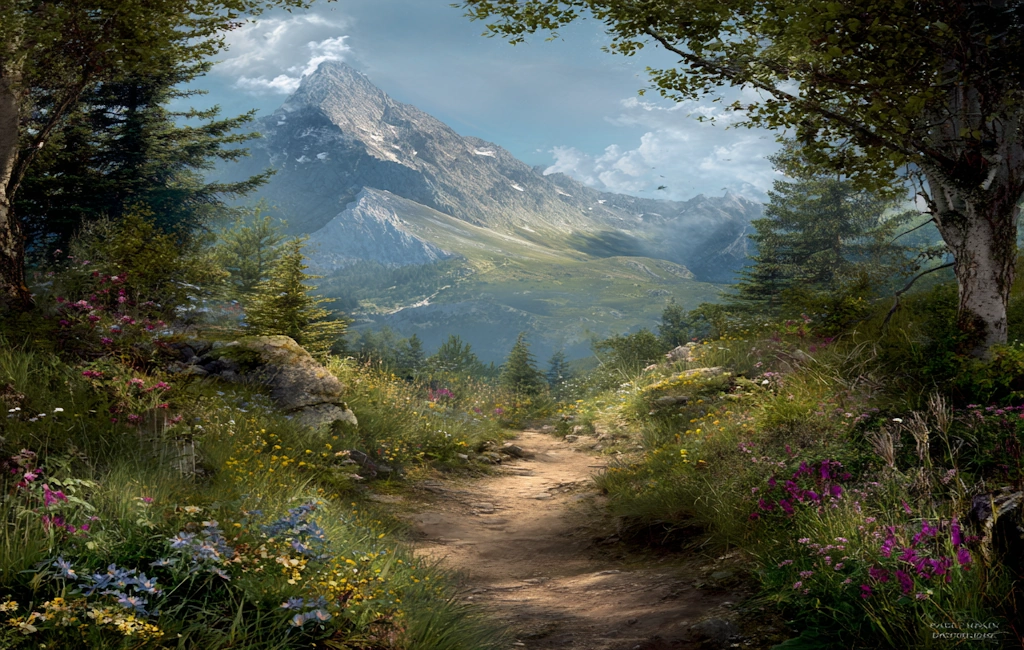
Val Ferret Loop - Alpine Majesty in the Swiss Alps
The Val Ferret Loop is a spectacular multi-day trek nestled in the heart of the Swiss Alps, offering a breathtaking journey through dramatic mountain scenery, charming alpine villages, and pristine natural landscapes. This route, primarily located in the Swiss canton of Valais, provides an immersive experience of high-alpine environments, with towering peaks, vast glaciers, and verdant valleys. While often undertaken as a multi-day adventure, its accessibility and well-maintained paths also make sections suitable for day hikers. The loop is renowned for its accessibility from major Swiss transport hubs, its well-established network of mountain huts and refuges, and its stunning vistas that change with every turn of the trail.
- Distance: Approximately 45.0 km (can be extended with side trips)
- Duration: 2-3 days (flexible, depending on pace and side excursions)
- Season: June to September (snow-free lower sections, higher passes may retain snow into early July)
- Accommodation: Mountain huts (refuges) and guesthouses in villages
- Highest point: Varies depending on exact route, but passes can exceed 2,500 metres
- Difficulty: Moderate (requires good fitness due to elevation gain and sustained walking)
- Closest City: Courmayeur (Italy, just across the border, but Orsières in Switzerland is the primary gateway town)
- Trailhead Access: Nearest major airport is Geneva (GVA). From Geneva, take a train to Martigny, then a bus to Orsières. From Orsières, a local bus service connects to La Fouly, a common starting point for the loop. Driving from Geneva takes approximately 2.5 hours. Road conditions are generally good. Parking is available in La Fouly and other villages along the route.
Overview
The Val Ferret Loop is a quintessential alpine trekking experience, showcasing the grandeur of the Mont Blanc massif from the Swiss side. This route is celebrated for its diverse landscapes, ranging from lush, flower-strewn meadows in the lower valleys to rugged, rocky terrain and snow-capped peaks at higher elevations. The loop typically starts and ends in or near the charming Swiss village of La Fouly, traversing through the picturesque Val Ferret, a valley renowned for its natural beauty and traditional alpine character.
Hikers will encounter a variety of terrain, including well-trodden paths, gravel tracks, and some steeper, more challenging ascents and descents. The elevation gain is significant, often exceeding 2,000 metres over the course of the trek, demanding a good level of physical fitness. The reward for this effort is unparalleled: panoramic views of iconic peaks such as the Grandes Jorasses, Mont Dolent, and the Aiguille de Triolet. The route often passes by glistening glaciers, clear mountain lakes, and through forests of pine and larch, offering a rich tapestry of natural wonders.
The Val Ferret Loop is also a journey through alpine culture. Along the way, trekkers will pass through small hamlets and villages where traditional Swiss mountain life can still be observed. The network of mountain huts (refuges) provides not only essential accommodation but also opportunities to experience Swiss hospitality and sample local cuisine. These huts are strategically located to break up the trek into manageable daily stages, offering a warm refuge and a chance to connect with fellow hikers from around the world.
The best time to undertake the Val Ferret Loop is during the summer months, from June to September. During this period, the weather is generally more stable, and the trails are typically free of snow, especially at lower to mid-altitudes. However, higher passes can retain snow well into July, and early autumn can bring unpredictable weather. The loop offers a moderate challenge, making it accessible to experienced day hikers and those comfortable with multi-day treks, providing an unforgettable immersion into the majestic Swiss Alps.
History and Cultural Context
The Val Ferret region, like much of the Swiss Alps, has a long history of human interaction with the mountain environment. For centuries, these valleys served as vital routes for shepherds, farmers, and traders. The traditional alpine way of life, characterised by transhumance (seasonal movement of livestock), has shaped the landscape and the cultural heritage of the area. Small hamlets and isolated farms dot the valleys, testaments to generations who have lived and worked in this challenging yet beautiful terrain.
The development of mountaineering and tourism in the 19th century brought a new wave of visitors to the Alps. The Val Ferret, with its dramatic peaks and glaciers, became an attractive destination for explorers and adventurers. The construction of mountain huts, often by local alpine clubs or private individuals, facilitated access to higher altitudes and more remote areas, transforming the region into a popular trekking and climbing destination.
The Val Ferret Loop itself, as a defined trekking route, has evolved over time. While not a single, ancient path like some historic pilgrimage routes, it follows a network of trails that have been used for centuries for pastoral and transport purposes. The modern iteration of the loop has been shaped by the efforts of local authorities and hiking associations to mark, maintain, and promote these trails, making them accessible to a wider range of hikers.
Culturally, the Val Ferret is part of the French-speaking region of Switzerland, known as Romandy. This linguistic and cultural heritage is evident in the architecture, the local dialects, and the cuisine. The proximity to Italy, particularly the Aosta Valley, also means there are historical and cultural connections across the border, influencing traditions and even the landscape's management.
Today, the Val Ferret Loop represents a harmonious blend of natural beauty, historical significance, and modern alpine tourism. It offers a glimpse into a way of life that has adapted to the mountains, while providing an exhilarating experience for contemporary trekkers seeking adventure and stunning scenery.
Seasonal Highlights and Weather Reality
The Val Ferret Loop is a seasonal trek, with the prime hiking period falling between June and September. Each month offers distinct advantages and challenges, and understanding these can help in planning the perfect trip.
June: Spring Awakening and High-Altitude Snow
In early June, the lower valleys are bursting with life. Wildflowers carpet the meadows, and the air is fresh and crisp. However, higher passes and north-facing slopes may still be covered in significant snow. This can make some sections of the loop impassable or require specialised equipment like crampons and an ice axe, along with advanced navigation skills. The days are long, offering ample daylight for hiking. Weather can be variable, with a chance of late spring snowfalls.
July & August: Peak Season and Warmest Temperatures
These are the most popular months for hiking the Val Ferret Loop. The snow has generally melted from most trails, making the entire route accessible. Temperatures are at their warmest, ideal for comfortable trekking. The mountain huts are fully operational and often busy, so booking in advance is essential. Wildflowers are at their peak in the alpine meadows, creating a spectacular visual display. However, this is also the period with the highest chance of afternoon thunderstorms, which can develop rapidly in the mountains. It is crucial to start your days early to avoid the most intense weather.
September: Autumn Colours and Crisp Air
September offers a different kind of beauty. The summer crowds begin to thin, and the landscape transforms with the vibrant colours of autumn. Larch trees turn golden, and the air becomes noticeably crisper and clearer, often providing excellent visibility for distant mountain views. The risk of early snowfalls increases, particularly later in the month, but generally, the weather remains stable and pleasant for hiking. This is an excellent time for those seeking a quieter experience and stunning autumnal scenery.
Weather Considerations:
The Alps are known for their unpredictable weather. Even in summer, conditions can change rapidly. Be prepared for sunshine, rain, wind, and potentially even snow at higher altitudes, regardless of the season. Temperatures can fluctuate significantly between day and night, and with elevation. Always check the weather forecast before setting out each day and be ready to adapt your plans if necessary. Hypothermia is a risk even in summer if you get wet and cold at higher elevations.
Recommended Itinerary
2-Day Val Ferret Loop Itinerary (Moderate Pace)
Day 1: La Fouly to Rifugio Elena (or similar refuge near Grand Col Ferret)
- Distance: Approximately 18-20 km
- Elevation gain: Approximately 1,200-1,400 metres
- Time: 6-8 hours
- Start in La Fouly, a picturesque village in the Swiss Val Ferret.
- Follow the well-marked trail heading west, gradually ascending through meadows and forests.
- The path becomes steeper as you approach the Italian border and the Grand Col Ferret.
- Enjoy increasingly spectacular views of the Mont Blanc massif, including the Grandes Jorasses.
- Cross the Grand Col Ferret (2,537 m), the border between Switzerland and Italy.
- Descend slightly to Rifugio Elena (or a comparable refuge on the Italian side), offering stunning views of the Triolet Glacier.
- Overnight stay in the refuge, enjoying hearty alpine cuisine.
Day 2: Rifugio Elena to La Fouly via Petit Col Ferret
- Distance: Approximately 25-27 km
- Elevation gain: Approximately 800-1,000 metres (including ascents to Petit Col Ferret)
- Elevation loss: Approximately 1,500-1,700 metres
- Time: 7-9 hours
- Depart from Rifugio Elena after breakfast.
- Ascend towards the Petit Col Ferret (2,490 m), a smaller pass offering different perspectives of the surrounding peaks.
- Descend into the Swiss Val Ferret, passing through alpine pastures and small hamlets.
- The trail follows the river for a significant portion of the descent.
- Pass through the village of Ferret before continuing towards La Fouly.
- Arrive back in La Fouly, completing the loop.
Alternative 3-Day Itinerary (More Relaxed Pace / Including Side Trips)
Day 1: La Fouly to Refuge du Mont Thabor (or similar)
- Distance: Approximately 15 km
- Elevation gain: Approximately 1,000 metres
- Time: 5-6 hours
- Start in La Fouly, ascend towards the Grand Col Ferret.
- Instead of crossing, explore the Swiss side of the valley, potentially staying at a refuge closer to the base of the pass or in a hamlet like Praz-de-Fort.
Day 2: Refuge du Mont Thabor to Rifugio Elena
- Distance: Approximately 18-20 km
- Elevation gain: Approximately 1,200-1,400 metres
- Time: 6-8 hours
- Continue the ascent towards the Grand Col Ferret.
- Cross the Grand Col Ferret and descend to Rifugio Elena.
Day 3: Rifugio Elena to La Fouly
- Distance: Approximately 25-27 km
- Elevation gain: Approximately 800-1,000 metres
- Elevation loss: Approximately 1,500-1,700 metres
- Time: 7-9 hours
- Descend via Petit Col Ferret back to La Fouly.
Important Notes:
- This itinerary is a suggestion; routes can be modified based on fitness, weather, and desired side trips.
- Hut bookings are essential, especially during peak season (July-August).
- Carry sufficient water or a water filter, as water sources can be scarce at higher altitudes.
- Be prepared for significant elevation changes and potentially challenging terrain.
- Check trail conditions and weather forecasts daily.
Planning and Bookings
Book Your Trip
Everything you need to plan your journey
Accommodation
Find places to stay near Courmayeur
Flights
Search flights to Courmayeur
Essential Preparation
The Val Ferret Loop requires careful planning, particularly regarding accommodation and logistics. Given its popularity, especially during the summer months, booking mountain huts well in advance is crucial. The closest major gateway city is Geneva (GVA), from which you can travel by public transport or car to the region. For public transport, take a train from Geneva to Martigny, then a bus to Orsières. From Orsières, a local bus service will take you to La Fouly, a common starting and ending point for the loop. If driving, the journey from Geneva is approximately 2.5 hours, and parking is available in La Fouly and other villages.
It is advisable to spend at least one night in a gateway town like Orsières or Martigny before starting your trek to acclimatise and make any last-minute preparations. Ensure you have a reliable map of the area, a compass, and a GPS device or smartphone with offline maps. Familiarise yourself with the route and potential alternative paths in case of adverse weather or trail closures.
Trail Accommodation
The Val Ferret Loop is serviced by a network of mountain huts (refuges) and guesthouses in the villages. These provide essential overnight accommodation and meals for trekkers.
Mountain Huts (Refuges):
- Booking Requirements: Mandatory booking, especially during the peak season (July-August). Bookings can typically be made online via the websites of the respective hut organisations (e.g., CAS - Swiss Alpine Club) or directly with the hut.
- Facilities Provided: Dormitory-style sleeping quarters with mattresses and blankets (a sleeping bag liner is usually required), communal dining areas, and often basic toilet and washroom facilities. Most huts offer half-board (dinner and breakfast).
- What's NOT Provided: Personal sleeping bags (a liner is usually sufficient, but check with individual huts), toiletries, towels, and often hot showers (though some may offer them for an extra fee). You will need to bring your own food for lunches and snacks.
- Seasonal Availability: Huts are typically open from late June to mid-September, depending on snow conditions and demand. Some may open earlier or close later.
- Costs: Prices vary but expect to pay approximately CHF 60-90 per person for half-board. CAS members often receive a discount.
Village Guesthouses/Hotels:
Villages like La Fouly and Champex-Lac offer hotels and guesthouses with more conventional amenities. These are ideal for the start and end of your trek or for those who prefer more private accommodation. Booking is also recommended during peak season.
Campsites:
Wild camping is generally discouraged or prohibited in many parts of the Swiss Alps, especially in national parks and near huts. Designated campsites may be available in some villages, but they are not a common feature along the high-altitude trekking routes.
Required Gear
- Sturdy Hiking Boots: Waterproof, broken-in hiking boots with good ankle support are essential for navigating varied terrain.
- Waterproof Jacket and Trousers: Lightweight, breathable waterproofs are crucial for protection against sudden alpine rain showers and wind.
- Warm Layers: A fleece jacket or insulated mid-layer, a thermal base layer, and a warm hat and gloves are necessary, as temperatures can drop significantly at higher altitudes and overnight.
- Backpack: A comfortable daypack (25-35 litres) for day hikes or a larger trekking pack (40-55 litres) for multi-day treks, with a rain cover.
- Navigation Tools: A detailed topographic map of the region, a compass, and a GPS device or smartphone with offline mapping capabilities.
- Head Torch: Essential for navigating huts in the dark or for early morning starts.
- First-Aid Kit: Including blister treatment, pain relievers, antiseptic wipes, bandages, and any personal medications.
- Sun Protection: High SPF sunscreen, sunglasses, and a wide-brimmed hat or cap. The sun's intensity is amplified at altitude.
- Trekking Poles: Highly recommended for reducing strain on knees during descents and providing stability on uneven terrain.
What to Bring
- Food for Lunches and Snacks: High-energy snacks such as nuts, dried fruit, energy bars, and sandwiches are vital for sustained energy throughout the day.
- Water Bottles or Hydration Reservoir: Carry at least 1.5-2 litres of water per person. Water sources are available, but a filter or purification tablets are recommended for refilling from streams.
- Toiletries: Biodegradable soap, toothbrush, toothpaste, and any personal hygiene items. A small, quick-drying towel is also useful.
- Sleeping Bag Liner: Most huts require a liner for hygiene purposes.
- Cash: While many huts accept credit cards, it's wise to carry some Swiss Francs (CHF) for smaller purchases, tips, or in case of card machine failure.
- Camera: To capture the stunning alpine scenery.
- Book or Journal: For downtime in the evenings at the huts.
- Insect Repellent: Especially useful in the lower valleys during warmer months.
- Small Backpack for Day Use: If staying in a village and doing day hikes.
Permits
For the Val Ferret Loop, no specific hiking permits are generally required for the trails themselves, provided you are hiking during the standard summer season (June-September) and are not engaging in activities that require special authorisation (e.g., commercial guiding without a license, extensive camping outside designated areas). The trails are part of the public hiking network in Switzerland and Italy.
However, it is crucial to understand that access to mountain huts requires advance booking. These huts are privately or club-operated, and their capacity is limited. Failure to book a hut in advance, especially during the peak season of July and August, will likely result in no available beds.
Key Considerations for Access:
- Hut Bookings: This is the most critical "permit" requirement. Book your accommodation in mountain huts as far in advance as possible. Websites for the Swiss Alpine Club (CAS) and Italian Alpine Club (CAI) are good resources for finding and booking huts.
- National Park Regulations: While the Val Ferret is not within a strictly protected national park that imposes entry fees or permits for general hiking, local regulations regarding camping, fires, and waste disposal should always be observed.
- Seasonal Access: Ensure you are hiking during the operational season for the huts and when trails are generally snow-free. Attempting the loop outside of the June-September window may require mountaineering experience and equipment, and huts may be closed.
- Transport: If using public transport, ensure you have valid tickets. If driving, be aware of parking regulations and potential fees in villages.
In summary, while you won't need to purchase a "hiking permit" in the traditional sense for the Val Ferret Loop, securing accommodation in the mountain huts is a mandatory step that functions similarly to obtaining a permit for overnight stays.
Other Activities in the Area
The Val Ferret region and its surroundings offer a wealth of activities beyond the main loop trek, allowing for a richer alpine experience:
- Day Hikes: Numerous shorter trails branch off the main loop, leading to stunning viewpoints, glaciers, or smaller alpine lakes. Examples include hikes to the Glacier du Triolet or explorations around Champex-Lac.
- Mountaineering and Climbing: For experienced individuals, the Val Ferret is a gateway to numerous peaks and challenging climbs, including ascents of Mont Dolent or routes on the Grandes Jorasses. Guided ascents are available for those seeking to tackle more technical objectives.
- Via Ferrata: Several via ferrata routes are accessible in the wider region, offering a thrilling way to experience the mountains with fixed cables, ladders, and bridges.
- Cycling: The valley floor of the Val Ferret is relatively flat and ideal for leisurely cycling. Mountain biking trails are also available in the surrounding areas.
- Champex-Lac: This charming lakeside village offers a beautiful setting for relaxation, with opportunities for boat rentals, swimming in the lake (in warmer months), and exploring its botanical garden.
- Local Gastronomy: Enjoying the local cuisine is an activity in itself. Sample regional specialities like raclette, fondue, and other Swiss dishes in the village restaurants and mountain huts.
- Photography: The dramatic landscapes, glaciers, wildflowers, and traditional chalets provide endless opportunities for landscape and nature photography.
- Stargazing: Away from city lights, the night skies in the Alps can be incredibly clear, offering spectacular stargazing opportunities from the mountain huts.
Safety and Conditions
Pre-Trip Checks:
- Weather Forecast: Always check the latest mountain weather forecast from reliable sources like MeteoSwiss or MeteoFrance before and during your trek. Be prepared for rapid changes.
- Trail Conditions: Inquire at local tourist offices or hut wardens about current trail conditions, especially early or late in the season when snow might still be present on higher passes.
- Emergency Contacts: Save emergency numbers for local mountain rescue services (Switzerland: 144, Italy: 112) on your phone.
On the Trail:
- Altitude: Be aware of the effects of altitude. Ascend gradually, stay hydrated, and be mindful of symptoms of altitude sickness (headache, nausea, dizziness).
- Terrain: The trails can be steep, rocky, and uneven. Wear appropriate footwear and use trekking poles for stability.
- Weather: Alpine weather can change dramatically and quickly. Be prepared for sun, rain, wind, and cold temperatures, even in summer. Hypothermia is a risk if you get wet and cold.
- Navigation: Stay on marked trails. Carry a map and compass and know how to use them, even if you have a GPS device. Do not rely solely on electronic devices, as batteries can fail.
- Water: While streams are common, it's advisable to treat water from natural sources using a filter or purification tablets, especially at lower altitudes or near livestock.
- Wildlife: While large predators are rare, be aware of local wildlife. Keep a safe distance and do not feed animals.
- Communication: Mobile phone reception can be patchy or non-existent in remote areas and valleys. Consider carrying a personal locator beacon (PLB) for emergencies.
- Hut Etiquette: Follow the rules and guidelines set by the hut wardens. Be considerate of other guests, especially regarding noise and shared spaces.
Insurance: Ensure you have adequate travel insurance that covers mountain rescue and medical evacuation. Many standard policies may exclude high-altitude trekking.
Side Trips and Points of Interest
Grand Col Ferret: The highest point of the loop at 2,537 metres, marking the border between Switzerland and Italy. The panoramic views from the col are spectacular, offering sweeping vistas of the Mont Blanc massif, including the imposing Grandes Jorasses and the Triolet Glacier. It's a prime spot for photography and a significant milestone in the trek.
Petit Col Ferret: A slightly lower pass (2,490 m) that offers a different perspective on the surrounding peaks and valleys. It's often part of the return leg of the loop, providing a gentler ascent and descent compared to the Grand Col Ferret.
Rifugio Elena: A well-situated mountain refuge on the Italian side, offering stunning views of the Glacier du Triolet and the surrounding high peaks. It's a popular overnight stop and a great place to experience alpine hospitality.
Glacier du Triolet: Visible from Rifugio Elena and parts of the trail, this impressive glacier is a reminder of the powerful forces shaping the alpine landscape. While direct access to the glacier may be restricted or require mountaineering expertise, its presence is a constant visual highlight.
Mont Dolent: This distinctive peak (3,823 m) sits at the tripoint where Switzerland, Italy, and France meet. While climbing it is a serious mountaineering undertaking, its iconic shape is a prominent feature in the landscape viewed from the Val Ferret.
Champex-Lac: A charming village located a short detour from the main loop, known for its beautiful lake and alpine gardens. It offers a more relaxed atmosphere and additional amenities, making it a pleasant stop for a rest day or a shorter excursion.
La Fouly: The primary village for starting and ending the loop, La Fouly is a picturesque alpine settlement with traditional wooden chalets, a small church, and essential services like shops and restaurants. It provides a quintessential Swiss alpine village experience.
Leave No Trace
The Val Ferret Loop traverses a pristine alpine environment, and adhering to Leave No Trace principles is paramount to preserving its beauty and ecological integrity for future generations. These principles are not just guidelines; they are essential for responsible enjoyment of the mountains.
Plan Ahead and Prepare: Research your route, understand the terrain, weather, and hut booking requirements. Pack appropriate gear and food to minimise waste. Inform someone of your itinerary.
Travel and Camp on Durable Surfaces: Stick to marked trails to avoid damaging fragile alpine vegetation. When resting or taking breaks, use established paths or rocky areas. Avoid trampling wildflowers or sensitive plants.
Dispose of Waste Properly: Pack out everything you pack in, including all food scraps, wrappers, and any other litter. Use designated toilet facilities in huts. If no facilities are available, dig a cathole at least 60 metres away from water sources, trails, and campsites, and bury human waste. Pack out used toilet paper.
Leave What You Find: Do not remove rocks, plants, or any natural or cultural objects. Take photographs and memories instead.
Minimise Campfire Impacts: Campfires are generally not permitted in the high alpine regions and can cause significant damage. Use a portable stove for cooking.
Respect Wildlife: Observe wildlife from a distance. Never feed animals, as it can disrupt their natural behaviours and diets, and can make them dependent on humans or aggressive.
Be Considerate of Other Visitors: Keep noise levels down, especially in huts and at night. Yield to uphill hikers. Respect the quiet enjoyment of the natural environment for everyone.
By following these principles, you contribute to the conservation of the Val Ferret's natural and cultural heritage, ensuring that this magnificent alpine landscape remains unspoiled.
 Switzerland