
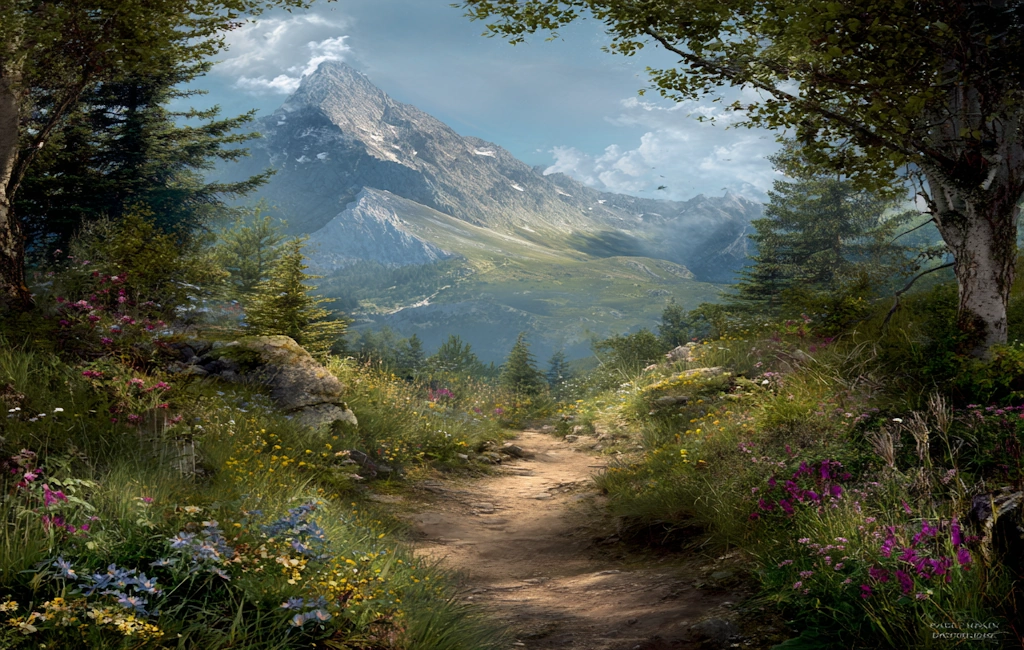
Val di Mello Trail - A Granite Paradise
The Val di Mello Trail, nestled in the heart of the Lombardy region of Italy, is a spectacular day walk renowned for its dramatic granite peaks, pristine alpine meadows, and crystal-clear turquoise waters. This valley, often referred to as the "Yosemite of Europe," offers a breathtaking landscape that captivates hikers and climbers alike. The trail winds through a glacial valley carved by ancient ice, leading to a series of stunning lakes and offering unparalleled views of the surrounding Rhaetian Alps. It's a place where the raw power of nature is on full display, with towering rock faces, cascading waterfalls, and an abundance of alpine flora and fauna. The Val di Mello is not just a hiking destination; it's an immersion into a wild and majestic environment, a true gem for anyone seeking natural beauty and outdoor adventure.
- Distance: 15.0 km one-way
- Duration: 5–7 hours
- Elevation Gain: 500 m
- Difficulty: Moderate
- Best Time: June to September
- Closest City: Sondrio, Italy
- Trailhead Access: San Martino (Val Masino)
- Permits: Generally not required for day hiking
Overview
The Val di Mello Trail is a moderately challenging day walk that rewards hikers with some of the most spectacular alpine scenery in Italy. Starting from the charming village of San Martino in Val Masino, the trail gradually ascends through a verdant valley floor, gradually revealing the immense granite walls that define this region. The path is well-maintained, making it accessible to a wide range of hikers, though its length and elevation gain require a reasonable level of fitness.
As you progress, the landscape transforms. The initial stages are characterised by lush meadows dotted with wildflowers and the gentle murmur of the Mello River. Soon, the valley narrows, and the imposing granite spires of the Masino group begin to dominate the skyline. These sheer rock faces, popular with climbers worldwide, provide a dramatic backdrop to the hike. The trail follows the Mello River, crossing it via sturdy bridges, and leads you deeper into the heart of the valley.
The highlight of the Val di Mello Trail is its series of stunning alpine lakes, each offering a unique perspective of the surrounding peaks. The water in these lakes is often a vibrant turquoise or emerald green, reflecting the dramatic scenery like a mirror. The air is crisp and clean, filled with the scent of pine and alpine herbs. While the main trail is a well-trodden path, numerous smaller detours and viewpoints offer opportunities for exploration and photography. The Val di Mello is a place that invites you to slow down, breathe in the mountain air, and marvel at the grandeur of the natural world.
The valley's geological history is evident everywhere, from the U-shaped valley carved by glaciers to the massive granite formations sculpted by millennia of erosion. This is a landscape that speaks of ancient forces and enduring beauty. Whether you are a seasoned hiker or a nature enthusiast, the Val di Mello Trail promises an unforgettable experience, a journey into a truly wild and magnificent corner of the Italian Alps.
History and Cultural Context
The Val di Mello has a rich history intertwined with the traditional livelihoods of the local communities and the burgeoning popularity of mountaineering and climbing. For centuries, the valley served as a vital grazing area for livestock during the summer months, with local farmers and shepherds utilizing the alpine meadows. The traditional stone huts and pathways still visible today are testaments to this pastoral heritage.
In the late 19th and early 20th centuries, the Val di Mello began to attract the attention of mountaineers and explorers drawn by its dramatic granite formations. The imposing peaks, similar in character to those found in the more famous Yosemite Valley in the United States, offered a challenging and exciting new frontier for rock climbing. Pioneers of alpinism and climbing established routes on these formidable faces, contributing to the valley's growing reputation as a premier destination for vertical adventurers.
The development of infrastructure, such as the road leading to San Martino, made the valley more accessible, further boosting its appeal. However, efforts have been made to preserve the natural character of the Val di Mello, with a strong emphasis on sustainable tourism and environmental protection. The valley is now a protected area, recognised for its exceptional natural beauty and ecological significance.
The cultural context of the Val di Mello is deeply rooted in the alpine traditions of the Valtellina region. The local dialect, customs, and cuisine reflect a heritage shaped by the mountains. The valley's transformation from a purely utilitarian grazing area to a celebrated natural park and adventure destination highlights a successful balance between preserving its heritage and embracing modern appreciation for its wild landscapes.
Seasonal Highlights and Weather Reality
The Val di Mello Trail is best enjoyed during the warmer months, typically from June to September. During this period, the weather is generally more stable, and the trails are free from snow and ice, making for a pleasant hiking experience.
Spring (May): While the lower parts of the valley may be accessible, higher sections and trails can still be snow-covered. Wildflowers begin to bloom, offering a beautiful spectacle, but caution is advised due to unpredictable weather and potential lingering snow. The Mello River can be particularly high and fast due to snowmelt.
Summer (June to August): This is the peak season for hiking in Val di Mello. The weather is typically warm and sunny, ideal for exploring the valley and its lakes. The meadows are in full bloom, and the granite peaks are clear and majestic. However, summer can also bring afternoon thunderstorms, so it's essential to start your hike early and be prepared for sudden changes in weather. The valley can become quite busy, especially on weekends.
Autumn (September to October): September offers a beautiful transition with crisp air, fewer crowds, and stunning autumn colours painting the landscape. The weather can still be pleasant, but temperatures begin to drop, and the possibility of early snow increases towards the end of the month. October can bring colder temperatures and more frequent rain or snow, making it a less ideal time for hiking unless you are well-prepared for winter conditions.
Winter (November to April): The Val di Mello is largely inaccessible for hiking during winter due to heavy snowfall and avalanche risk. The road to San Martino may be closed or require snow chains. This season is for experienced winter mountaineers and skiers only.
Weather Considerations: Mountain weather is notoriously unpredictable. Even during summer, conditions can change rapidly. Always check the local weather forecast before you set out and be prepared for rain, wind, and cooler temperatures, especially at higher elevations. Layering clothing is crucial for adapting to changing conditions.
Recommended Itinerary
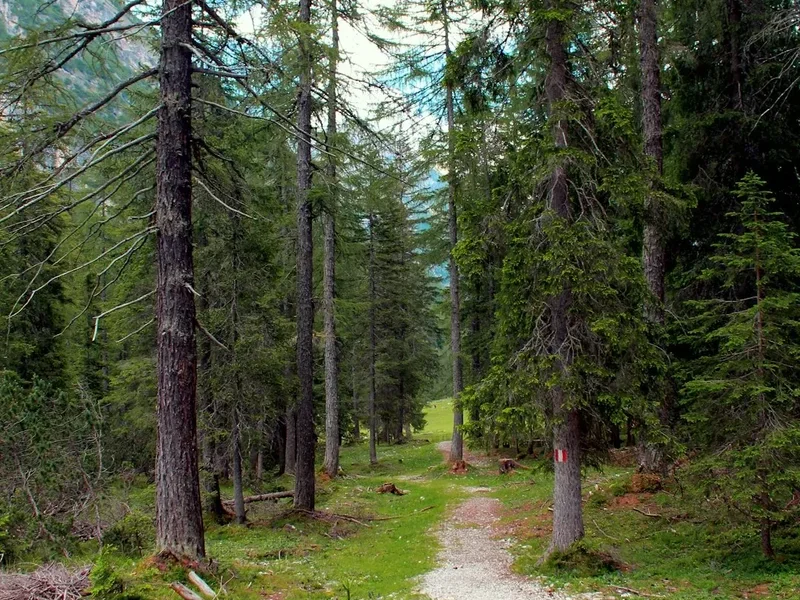
Val di Mello Trail - Day Walk Itinerary
Early Morning: Arrival and Trailhead Start
- Depart from your accommodation in or near Sondrio.
- Drive towards Val Masino, following signs for San Martino. The road is paved and scenic.
- Park your vehicle in the designated parking area in San Martino. A fee may apply during peak season.
- Begin the hike from the village of San Martino, following the well-marked trail into Val di Mello.
Morning: Ascent through the Valley Floor
- The initial part of the trail is relatively flat and easy, winding through meadows and alongside the Mello River.
- Enjoy the views of the lower valley and the first glimpses of the imposing granite peaks.
- The path gradually begins to ascend, becoming more defined as you move deeper into the valley.
- Cross several bridges over the Mello River, each offering different perspectives of the water and surrounding landscape.
Midday: Reaching the Alpine Lakes and Higher Elevations
- The trail continues its steady climb, with sections that are steeper and more demanding.
- You will start to encounter the stunning alpine lakes that are characteristic of Val di Mello. These lakes, often a vibrant turquoise, provide excellent spots for a rest and a picnic lunch.
- The granite walls become more prominent, with opportunities to observe climbers on the rock faces.
- The elevation gain becomes more noticeable, requiring a good level of fitness.
Afternoon: Exploration and Return Journey
- Continue exploring the upper reaches of the valley, perhaps reaching a further lake or a panoramic viewpoint.
- Take time to appreciate the scale of the mountains and the tranquility of the alpine environment.
- Begin your descent back towards San Martino, retracing your steps along the trail.
- The descent can be quicker but requires careful footing, especially on steeper sections.
Late Afternoon: Return to San Martino
- Arrive back in San Martino, completing your day hike.
- Enjoy a well-deserved rest and perhaps a local refreshment in one of the village's establishments.
- Drive back to your accommodation.
Important Notes:
- This is a day hike; no overnight accommodation is required on the trail itself.
- Carry sufficient water or a water filter, as water sources are available but should be treated.
- Wear sturdy hiking boots and dress in layers to adapt to changing mountain weather.
- Bring snacks and a packed lunch, as facilities are limited within the valley.
- Inform someone of your hiking plans and expected return time.
Planning and Bookings
Book Your Trip
Everything you need to plan your journey
Accommodation
Find places to stay near Sondrio
Flights
Search flights to Sondrio
Essential Preparation
The Val di Mello Trail is a popular destination, particularly during the summer months. Proper preparation is key to a safe and enjoyable experience. The closest major city with airport access is Milan, from which you can travel to Sondrio. From Sondrio, local buses or a private vehicle can take you to the village of San Martino in Val Masino, the primary trailhead for the Val di Mello hike. If driving, be aware that parking in San Martino can be limited during peak times, and a fee may apply. It is advisable to check local transport schedules in advance, especially if relying on public transport. Ensure you have a good level of physical fitness, as the trail involves a steady ascent and can be demanding for those unaccustomed to hiking in mountainous terrain. Familiarise yourself with the route using maps or GPS devices, although the trail is generally well-marked.
Trail Accommodation
This is a day hike requiring no overnight accommodation.
Required Gear
- Sturdy hiking boots: Waterproof and with good ankle support are essential for navigating uneven terrain and providing stability on ascents and descents.
- Waterproof and windproof jacket: Mountain weather can change rapidly; a reliable outer layer is crucial for protection against rain and wind.
- Layered clothing: Include moisture-wicking base layers, insulating mid-layers (fleece or down), and an outer shell. This allows you to adjust your comfort level as conditions change.
- Hiking trousers: Comfortable, durable, and quick-drying trousers are recommended.
- Backpack: A daypack (20-30 litres) is sufficient to carry essentials. Ensure it has a comfortable harness and hip belt.
- Navigation tools: A map of the area, a compass, and a GPS device or smartphone with offline maps are highly recommended.
- Head torch: Essential in case of unexpected delays or if you start or finish in low light conditions. Carry spare batteries.
- First-aid kit: Include blister treatment, bandages, antiseptic wipes, pain relievers, and any personal medications.
- Sun protection: High SPF sunscreen, sunglasses, and a wide-brimmed hat are necessary, as the sun can be intense at altitude, even on cloudy days.
- Insect repellent: Especially important during summer months to ward off biting insects.
What to Bring
- Food: Pack plenty of high-energy snacks (nuts, dried fruit, energy bars) and a substantial packed lunch. There are limited facilities within the valley itself.
- Water: Carry at least 2-3 litres of water per person. Alternatively, bring a water filter or purification tablets to refill from the Mello River or streams, but always treat water from natural sources.
- Toiletries: Biodegradable soap, toothbrush, toothpaste, hand sanitiser, and toilet paper. Pack out all waste.
- Trekking poles: Optional but highly recommended, especially for the descent, as they can reduce strain on your knees and improve balance.
- Camera: To capture the stunning scenery.
- Mobile phone: Ensure it is fully charged. Signal may be intermittent in the valley.
- Cash: For parking fees or any small purchases in San Martino.
Permits
For day hiking on the Val di Mello Trail, permits are generally not required. The valley is accessible to the public, and no specific entry fees or permits are mandated for individuals or small groups undertaking the standard day walk. However, it is always advisable to check with local authorities or the park management for any temporary regulations or restrictions that may be in place, especially during peak seasons or for specific events.
Important Considerations:
- Parking: While no permit is needed to enter the valley, parking in San Martino may incur a fee, particularly during busy periods. It's wise to have some cash available for this.
- Group Hikes and Commercial Activities: If you are planning a large organised group hike or any commercial activity within the valley, it is essential to contact the local municipality or park authorities to inquire about necessary permissions or permits.
- Environmental Protection: While no permit is required, all visitors are expected to adhere to Leave No Trace principles and respect the natural environment. This includes staying on marked trails, not disturbing wildlife, and packing out all rubbish.
- Seasonal Access: While permits are not typically required, access to the valley might be restricted during certain periods due to extreme weather conditions (e.g., heavy snowfall, avalanche risk) or for maintenance work. Always check local conditions before your visit.
Other Activities in the Area
The Val di Mello and its surrounding region offer a wealth of activities for outdoor enthusiasts:
- Rock Climbing and Bouldering: Val di Mello is world-renowned for its granite climbing. Numerous routes cater to all skill levels, from beginner bouldering problems to challenging multi-pitch climbs on sheer rock faces.
- Mountaineering: For experienced alpinists, the surrounding peaks offer opportunities for more serious mountaineering expeditions, including ascents of peaks like Monte Disgrazia.
- Photography: The dramatic landscapes, vibrant lakes, and towering granite spires make Val di Mello a paradise for photographers. Sunrise and sunset often provide the most spectacular light.
- Picnicking and Relaxation: The meadows and lakeside spots offer perfect locations for a leisurely picnic, allowing you to soak in the serene alpine atmosphere.
- Exploring San Martino: The village of San Martino itself is charming, with traditional stone houses and a peaceful atmosphere. It's a great place to start or end your day, perhaps enjoying local cuisine at a trattoria.
- Other Valleys: The broader Val Masino region offers numerous other hiking trails and scenic drives, allowing for extended exploration of the Lombardy Alps.
- Winter Sports: In winter, the nearby ski resorts offer opportunities for skiing and snowboarding, while the valley itself can be a destination for ski touring and snowshoeing for experienced individuals.
Safety and Conditions
Weather Preparedness: Mountain weather is highly variable. Always check the forecast from a reliable source (e.g., MeteoSwiss, MeteoBlue, or local Italian meteorological services) before and during your hike. Be prepared for sudden changes, including rain, wind, fog, and temperature drops, even in summer. Hypothermia is a risk if you get wet and cold.
Trail Conditions: The Val di Mello Trail is generally well-maintained, but conditions can vary. After heavy rain or snowmelt, the Mello River can be high and fast, and some stream crossings might be more challenging. Snow can linger on higher sections well into early summer (June). Always wear appropriate footwear with good grip.
Physical Fitness: The trail involves a significant elevation gain and can be strenuous. Ensure you are adequately fit for a moderate-difficulty hike of 5-7 hours. Pace yourself, take regular breaks, and stay hydrated.
Navigation: While the main trail is usually clear, it's wise to carry a map and compass or a GPS device. Familiarise yourself with the route beforehand. If you venture onto unmarked side paths, be extra cautious and ensure you have strong navigation skills.
Water Sources: Water is generally abundant from the Mello River and its tributaries. However, it is strongly recommended to treat all natural water sources using a filter or purification tablets to avoid waterborne illnesses.
Wildlife: You may encounter local wildlife, such as marmots or chamois. Observe them from a distance and do not feed them. Be aware of potential hazards like loose rocks on steeper sections.
Emergency Contacts: Know the local emergency number (112 in Italy). It is advisable to inform someone of your hiking plans, including your intended route and expected return time.
Climbing Hazards: If you are interested in climbing, be aware of the specific risks associated with granite climbing, including rockfall and the need for proper equipment and expertise. Stick to marked hiking trails unless you are a qualified climber.
Side Trips and Points of Interest
Lago di Val di Mello: The primary destination for many hikers, this stunning alpine lake is a jewel in the valley's crown. Its vibrant turquoise waters, set against the backdrop of sheer granite cliffs and snow-capped peaks, create an idyllic scene. The lake is an excellent spot for a picnic and offers numerous vantage points for photography.
Cascate del Mello (Mello Waterfalls): As you ascend the valley, you will encounter numerous beautiful waterfalls cascading down the granite slopes. These are particularly impressive after periods of rain or snowmelt, adding to the dramatic atmosphere of the landscape.
Rifugio Allievi-Bonacossa: For those seeking a longer adventure, the trail can be extended to reach the Rifugio Allievi-Bonacossa, a mountain hut located at a higher elevation. This offers a more challenging hike and the opportunity for overnight stays, providing access to even more remote alpine scenery and routes.
Granite Formations: The valley is famous for its impressive granite spires and walls, which are a magnet for climbers. Even if you are not a climber, taking time to admire these natural rock sculptures is a worthwhile experience. Look for formations like the "Punta Perrucchetti" and the "Cima di Castello."
Alpine Meadows: During the spring and summer months, the meadows along the trail are carpeted with a variety of alpine wildflowers. These colourful displays add to the beauty of the valley and provide excellent opportunities for nature photography.
Panoramic Viewpoints: Throughout the hike, there are numerous spots where you can pause to take in the breathtaking panoramic views of the valley, the river, and the surrounding mountain ranges. These viewpoints are perfect for resting and appreciating the grandeur of the landscape.
Leave No Trace
The Val di Mello is a pristine natural environment, and it is crucial for all visitors to practice Leave No Trace principles to preserve its beauty and ecological integrity for future generations. Adhering to these guidelines ensures that the valley remains a wild and wonderful place for everyone to enjoy.
Plan Ahead and Prepare: Research the trail, understand its conditions, and be prepared for variable weather. Pack appropriate gear and sufficient food and water.
Travel and Camp on Durable Surfaces: Stick to marked trails to avoid damaging fragile vegetation. The valley floor and established paths are the most durable surfaces. Avoid creating new paths or disturbing the natural landscape.
Dispose of Waste Properly: Pack out everything you pack in, including all food scraps, wrappers, and any other litter. Use designated toilet facilities where available, or if not, dig a cathole at least 60 metres away from water sources, trails, and campsites. Pack out used toilet paper.
Leave What You Find: Do not remove or disturb natural objects such as rocks, plants, or flowers. Take only photographs and leave only footprints.
Minimise Campfire Impacts: Campfires are generally not permitted in this area. If they were allowed, use established fire rings and keep fires small. Ensure fires are completely extinguished before leaving.
Respect Wildlife: Observe wildlife from a distance. Never feed animals, as this can disrupt their natural behaviours and diets, and can be harmful to their health. Store food securely to prevent attracting animals.
Be Considerate of Other Visitors: Keep noise levels down and yield to other hikers on the trail. Respect the peaceful nature of the valley.
By following these principles, you help ensure that the Val di Mello remains a spectacular and unspoiled natural treasure.
 Italy
Italy