
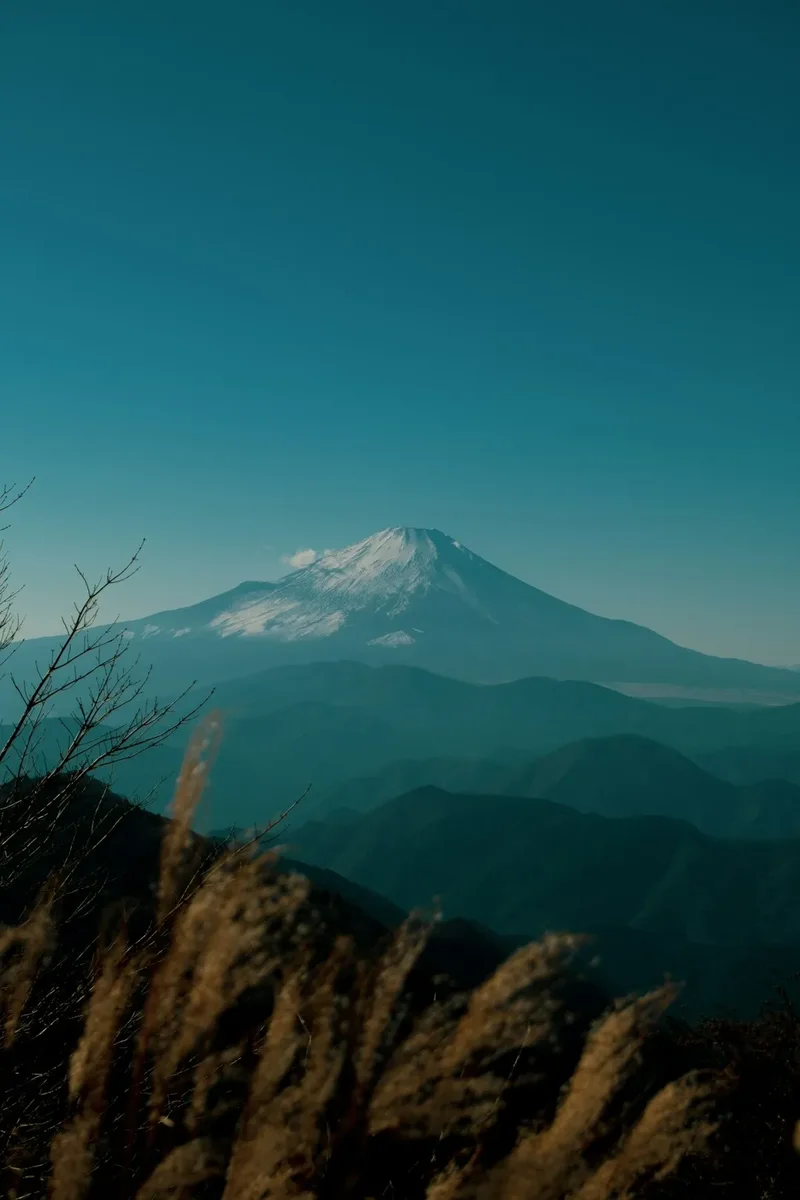
Utsukushigahara Highland Trail
The Utsukushigahara Highland Trail offers a breathtakingly accessible alpine experience, a relatively short yet rewarding day walk that transports you to the "rooftop of Japan." This trail is renowned for its expansive panoramic views, unique high-altitude flora, and the striking Utsukushigahara Open-Air Museum, which seamlessly blends art with the natural landscape. Situated in the heart of the Chubu Sangaku National Park, this route provides a taste of high mountain scenery without the demanding commitment of multi-day treks. It's an ideal destination for those seeking stunning vistas, a refreshing escape from the summer heat, and a chance to immerse themselves in a unique artistic and natural environment.
- Distance: 7.0 km
- Elevation Gain: 200 m
- Duration: 2-3 hours
- Difficulty: Moderate
- Best Time: Late May to early October
- Closest City: Matsumoto
- Trailhead Access: Nearest city: Matsumoto. From Matsumoto Station, take the Alpico Kotsu bus to Utsukushigahara Kogen Bijutsukan (Utsukushigahara Open-Air Museum). Bus takes ~1 hour. Road is paved. Parking available at the museum.
- Permits: No permits needed for this day walk.
- Coordinates: 36.2037, 138.1053
Overview
The Utsukushigahara Highland Trail is a captivating journey through one of Japan's most spectacular alpine meadows. At an elevation of approximately 2,000 metres, the trail offers a unique perspective of the surrounding mountain ranges, including the iconic peaks of the Northern Alps. The landscape is characterised by vast, rolling grasslands dotted with wildflowers during the warmer months, interspersed with rugged rock formations and dramatic drop-offs that provide sweeping vistas. The trail itself is generally well-maintained, making it accessible for a wide range of walkers, though its moderate difficulty stems from the altitude and some uneven terrain.
The highlight for many is the Utsukushigahara Open-Air Museum, a sprawling sculpture park where contemporary art installations are set against the backdrop of the majestic mountains. This fusion of art and nature creates a truly unique and memorable experience. The trail often begins or ends near the museum, allowing visitors to explore its diverse collection of sculptures by renowned artists. The air at this altitude is crisp and clean, offering a refreshing contrast to the humidity of lower elevations. The sense of openness and the sheer scale of the surrounding peaks contribute to a feeling of awe and tranquility.
The trail's moderate length and manageable elevation gain make it a perfect day trip from Matsumoto. It allows ample time to soak in the views, explore the art installations, and enjoy the alpine environment without requiring extensive preparation or overnight stays. The changing seasons bring different beauties to Utsukushigahara; spring sees the emergence of vibrant wildflowers, summer offers lush green meadows and clear skies, and autumn paints the landscape in hues of gold and red. Even in winter, the snow-covered plateau presents a starkly beautiful, albeit inaccessible, panorama.
History and Cultural Context
Utsukushigahara, meaning "beautiful highland," has long been recognised for its scenic beauty and its strategic location. Historically, the highlands served as grazing land and provided access routes through the mountainous terrain. The plateau's elevation made it a natural vantage point, and its vastness offered a sense of freedom and expanse.
The development of Utsukushigahara as a tourist destination, particularly for its scenic views and hiking opportunities, gained momentum in the mid-20th century. The construction of roads, including the paved route leading to the Utsukushigahara Open-Air Museum, significantly improved accessibility, transforming it from a remote alpine area into a popular day-trip destination.
The Utsukushigahara Open-Air Museum, established in 1981, is a pivotal element in the area's modern history. Conceived as a place where art and nature could coexist and enhance each other, it has become a significant cultural landmark. The museum's philosophy is to present sculptures in harmony with the natural environment, allowing visitors to experience both artistic expression and the grandeur of the Japanese Alps simultaneously. This initiative has not only attracted art enthusiasts but also broadened the appeal of Utsukushigahara to a wider audience, cementing its status as a unique cultural and natural attraction.
Seasonal Highlights and Weather Reality
The Utsukushigahara Highland Trail is best enjoyed during the warmer months when the alpine meadows are in bloom and the weather is generally more stable. However, even during peak season, mountain weather can be unpredictable.
Late May to June: Spring Awakening
As the snow melts, the highlands come alive with a vibrant display of alpine flowers. This is a particularly beautiful time for photographers and nature lovers. The air is crisp, and the landscape is a fresh green. Temperatures are generally cool, with daytime highs around 10-15°C. Nights can still be cold, dropping close to freezing.
July to August: Summer Bloom and Peak Season
This is the most popular time to visit Utsukushigahara. The meadows are lush and carpeted with a wide variety of wildflowers, including gentians, alpine roses, and various species of lilies. The weather is typically warmer, with daytime temperatures ranging from 15-20°C. However, this is also the season for afternoon thunderstorms, which can develop rapidly. Clear mornings offer spectacular views of the surrounding mountains.
September to Early October: Autumn Colours
The landscape transforms into a tapestry of golden yellows, reds, and browns as the alpine grasses and shrubs change colour. The air becomes noticeably cooler, and the skies are often clear, offering excellent visibility. Daytime temperatures average 10-15°C, with frost becoming more common in the mornings. This is a quieter period, offering a more serene experience.
Weather Reality:
Despite the pleasant descriptions, Utsukushigahara is a high-altitude environment. Weather can change dramatically and without warning. Visitors should always be prepared for:
- Wind: Strong winds are common, especially on the open plateau.
- Rain: Frequent rain showers and thunderstorms can occur, particularly in summer afternoons.
- Temperature Fluctuations: Temperatures can drop significantly, especially in the mornings and evenings, and with changes in weather. Hypothermia is a risk even in summer if unprepared.
- Visibility: Fog and cloud can descend rapidly, reducing visibility to mere metres and obscuring the panoramic views.
It is essential to check the weather forecast before and during your visit and to pack appropriate layers of clothing.
Recommended Itinerary
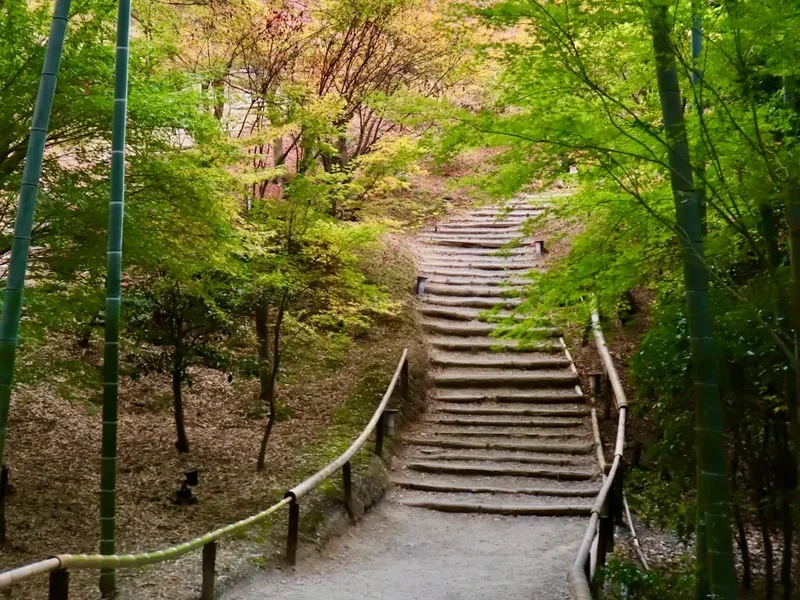
Utsukushigahara Highland Trail - Day Walk Itinerary
Early Morning (Approx. 8:00 AM - 9:00 AM): Travel to Trailhead
- Depart from Matsumoto Station.
- Take the Alpico Kotsu bus towards Utsukushigahara Kogen Bijutsukan (Utsukushigahara Open-Air Museum).
- The bus journey takes approximately 1 hour and offers scenic views as you ascend.
- Arrive at the Utsukushigahara Open-Air Museum, which serves as the primary trailhead and parking area.
Morning (Approx. 9:00 AM - 11:00 AM): Explore the Open-Air Museum and Begin the Trail
- Spend some time exploring the Utsukushigahara Open-Air Museum. Admire the sculptures and enjoy the initial panoramic views.
- Locate the start of the Utsukushigahara Highland Trail, often marked near the museum or visitor facilities.
- Begin your walk, generally heading towards the higher points of the plateau.
- The initial section may involve gentle ascents through open meadows.
- Key Waypoints: Utsukushigahara Open-Air Museum, various marked trail junctions.
Midday (Approx. 11:00 AM - 1:00 PM): Traverse the Highland Plateau
- Continue along the well-defined trail, enjoying the expansive views of the Northern Alps.
- The terrain is a mix of gentle slopes and some rockier sections.
- Take breaks to appreciate the unique alpine flora and the vastness of the landscape.
- Consider a packed lunch at a scenic viewpoint.
- Key Waypoints: Various viewpoints offering vistas of Mount Fuji (on exceptionally clear days), Mount Hotaka, and other peaks.
Afternoon (Approx. 1:00 PM - 3:00 PM): Return Journey and Final Exploration
- Begin your return journey, retracing your steps or following a slightly different loop if available and clearly marked.
- Allow time for any sculptures or viewpoints you may have missed on the way out.
- The descent is generally easier than the ascent.
- Key Waypoints: Return towards the Utsukushigahara Open-Air Museum.
Late Afternoon (Approx. 3:00 PM onwards): Departure
- Arrive back at the Utsukushigahara Open-Air Museum.
- Take the Alpico Kotsu bus back to Matsumoto Station.
- The bus schedule should be checked in advance to ensure timely departure.
Important Notes:
- This is a day hike; no overnight accommodation is required on the trail itself.
- The trail is generally well-marked, but carrying a map or using a GPS device is recommended.
- Weather can change rapidly; always be prepared for wind, rain, and cooler temperatures.
- Wear sturdy walking shoes or hiking boots.
- Carry sufficient water and snacks, as facilities on the trail are limited.
Planning and Bookings
Book Your Trip
Everything you need to plan your journey
Accommodation
Find places to stay near Matsumoto
Flights
Search flights to Matsumoto
Essential Preparation
The Utsukushigahara Highland Trail is a day walk, making preparation relatively straightforward compared to multi-day treks. The primary logistical consideration is reaching the trailhead, which is best accessed via public transport from Matsumoto. Ensure you check the Alpico Kotsu bus schedule in advance, as services may be less frequent outside peak season or on weekends. If driving, be aware that parking is available at the Utsukushigahara Open-Air Museum, but it can become busy during peak times. The altitude (around 2,000 metres) means that even in summer, the air is cooler and thinner than at sea level. It's advisable to acclimatise slightly if possible, or at least be aware of the potential effects of altitude, such as mild headaches or shortness of breath. Matsumoto city offers all necessary amenities, including accommodation, restaurants, and outdoor gear shops, should you need any last-minute supplies.
Trail Accommodation
This is a day hike requiring no overnight accommodation. The Utsukushigahara Highland Trail is designed to be completed within a single day, with visitors typically returning to Matsumoto or other nearby towns in the evening. There are no designated huts, lodges, or campsites along the immediate trail route. Visitors usually base themselves in Matsumoto city, which offers a wide range of accommodation options from budget hostels to comfortable hotels.
Required Gear
- Hiking Boots/Shoes: Sturdy, broken-in footwear with good grip is essential for navigating the uneven terrain and rocky sections.
- Waterproof and Windproof Jacket: Mountain weather can change rapidly. A jacket that protects against wind and rain is crucial.
- Warm Layers: Even in summer, temperatures at 2,000 metres can be cool, especially with wind chill. Bring a fleece or insulating mid-layer.
- Sun Protection: A wide-brimmed hat, sunglasses, and high SPF sunscreen are necessary due to the strong alpine sun at altitude.
- Backpack: A small daypack (15-25 litres) to carry essentials like water, snacks, extra clothing, and a first-aid kit.
- Navigation: While the trail is generally well-marked, a map of the area or a GPS device/app is recommended, especially if exploring off the main path.
- First-Aid Kit: Include essentials like plasters, antiseptic wipes, pain relievers, and any personal medications.
What to Bring
- Water: Carry at least 1-2 litres of water per person. There are limited reliable water sources on the trail itself.
- Food: Pack plenty of high-energy snacks and a packed lunch. Options for purchasing food at the trailhead are limited to the museum's facilities, which may have seasonal operating hours.
- Toiletries: Hand sanitiser, tissues, and any personal hygiene items.
- Camera: To capture the spectacular panoramic views.
- Insect Repellent: While not as prevalent as in some other alpine regions, biting insects can be present, especially during warmer months.
- Cash: For bus fares, museum entry (if applicable), and any small purchases at the museum shop or café.
Permits
No specific permits are required to walk the Utsukushigahara Highland Trail. As a day walk within a national park, access is generally open to the public. The primary requirement is to reach the trailhead, which is located at the Utsukushigahara Open-Air Museum. While the trail itself is free to access, there may be an entrance fee for the Utsukushigahara Open-Air Museum if you wish to explore its extensive sculpture collection. It is advisable to check the museum's official website for current admission fees and operating hours, as these can vary seasonally.
Key Information:
- Trail Access: Free.
- Museum Entry: Fees may apply. Check the official museum website for details.
- Parking: Available at the Utsukushigahara Open-Air Museum. Fees may apply.
- Bus Travel: Fares apply for the Alpico Kotsu bus service from Matsumoto.
Given the lack of permit requirements for the trail itself, planning focuses on transportation and ensuring you have adequate supplies for a day of hiking and exploration.
Other Activities in the Area
While the Utsukushigahara Highland Trail is a primary draw, the surrounding area offers several other attractions and activities:
- Utsukushigahara Open-Air Museum: As mentioned, this is a significant attraction in itself. It features over 100 sculptures by prominent Japanese and international artists set against the stunning alpine backdrop. Allow at least 2-3 hours to explore its vast grounds.
- Togakushi Shrine: Located a scenic drive from Matsumoto, this ancient Shinto shrine complex is nestled in a cedar forest and is famous for its five shrines, including the impressive Okusha (Upper Shrine) reached via a long, atmospheric cedar avenue.
- Matsumoto Castle: One of Japan's most beautiful and complete original castles. Its imposing black exterior and intricate wooden interiors offer a fascinating glimpse into feudal Japan. It's a must-visit when in Matsumoto.
- Kamikochi: A stunning alpine valley in the Northern Alps, renowned for its crystal-clear Azusa River, dramatic mountain scenery, and excellent hiking trails. It requires a separate day trip or overnight stay and is accessible via bus from Matsumoto.
- Daio Wasabi Farm: Located near Hotaka, this is Japan's largest wasabi farm. Visitors can learn about wasabi cultivation, sample wasabi-flavoured treats, and enjoy the picturesque water channels.
- Onsen (Hot Springs): The Matsumoto region and surrounding Nagano Prefecture are rich in natural hot springs. Several ryokans (traditional inns) and public bathhouses offer relaxing onsen experiences.
Safety and Conditions
Altitude Awareness: Utsukushigahara is situated at approximately 2,000 metres. While not extremely high, some individuals may experience mild altitude sickness symptoms such as headaches, dizziness, or nausea. It is advisable to stay hydrated, avoid strenuous activity immediately upon arrival, and descend if symptoms worsen.
Weather Variability: Mountain weather is notoriously unpredictable. Be prepared for sudden changes, including strong winds, rain, fog, and significant temperature drops, even during summer. Always check the weather forecast before your trip and carry appropriate gear.
Trail Conditions: The Utsukushigahara Highland Trail is generally well-maintained and marked. However, sections can be rocky, uneven, or muddy, especially after rain. Sturdy hiking footwear is essential. In early spring or late autumn, there might be lingering snow or ice on higher sections, requiring caution.
Navigation: While the main trail is clear, it is advisable to carry a map or use a GPS device, especially if you plan to explore any side paths or if visibility is poor due to fog.
Hydration and Nutrition: Carry sufficient water and high-energy snacks. There are limited facilities on the trail itself, and dehydration can exacerbate altitude-related symptoms.
Emergency Contacts: In case of an emergency, note the contact numbers for local rescue services. While mobile phone reception can be spotty in mountainous areas, it is generally available in the vicinity of the Utsukushigahara Open-Air Museum.
Wildlife: While large dangerous wildlife is uncommon in this specific area, be aware of your surroundings. Small mammals and various bird species inhabit the meadows.
Side Trips and Points of Interest
Utsukushigahara Open-Air Museum Sculptures: Beyond the main trail, the museum grounds themselves are a significant point of interest. Each sculpture is placed to interact with the landscape, offering unique perspectives and photo opportunities. Notable works include the "Bell of Utsukushigahara" and various abstract and figurative pieces that complement the natural beauty.
Panoramic Viewpoints: The trail offers numerous natural viewpoints. On exceptionally clear days, it is possible to see Mount Fuji in the distance, along with the prominent peaks of the Northern Alps such as Mount Hotaka, Mount Yari, and Mount Jonen. These vistas are the primary reward of the hike.
Alpine Flora: Depending on the season, the meadows are rich with alpine flowers. Late spring and summer are particularly rewarding for spotting species like gentians, alpine roses, and various types of lilies. The unique ecosystem of the high-altitude grassland is a point of interest for nature enthusiasts.
The "Utsukushigahara" Monument: A prominent landmark, often a stone monument or sign, marking the highest accessible point of the plateau. This is a popular spot for photographs and offers a sense of accomplishment.
Leave No Trace
The Utsukushigahara Highland Trail traverses a sensitive alpine environment. Adhering to Leave No Trace principles is crucial to preserve its natural beauty and ecological integrity for future visitors.
- Plan Ahead and Prepare: Familiarise yourself with the trail, weather conditions, and any potential hazards before you go. Pack appropriately for the conditions.
- Travel and Camp on Durable Surfaces: Stick to marked trails to avoid damaging fragile alpine vegetation. The meadows are particularly susceptible to trampling.
- Dispose of Waste Properly: Pack out everything you pack in, including all food scraps, wrappers, and any other litter. Use designated toilet facilities where available, and if not, bury human waste at least 15 cm deep and 60 metres away from water sources, trails, and campsites.
- Leave What You Find: Do not pick wildflowers or remove natural objects. Appreciate the environment as it is.
- Minimise Campfire Impacts: Campfires are generally not permitted on this day hike. If camping were an option, use established fire rings and keep fires small.
- Respect Wildlife: Observe wildlife from a distance and never feed animals. Feeding can alter their natural behaviours and diets, potentially harming them.
- Be Considerate of Other Visitors: Keep noise levels down and yield to other hikers on narrow sections of the trail.
By following these principles, you help ensure that the Utsukushigahara Highland Trail remains a pristine and enjoyable experience for everyone.
 Japan
Japan