
Upper Mustang Trek - The Forbidden Kingdom
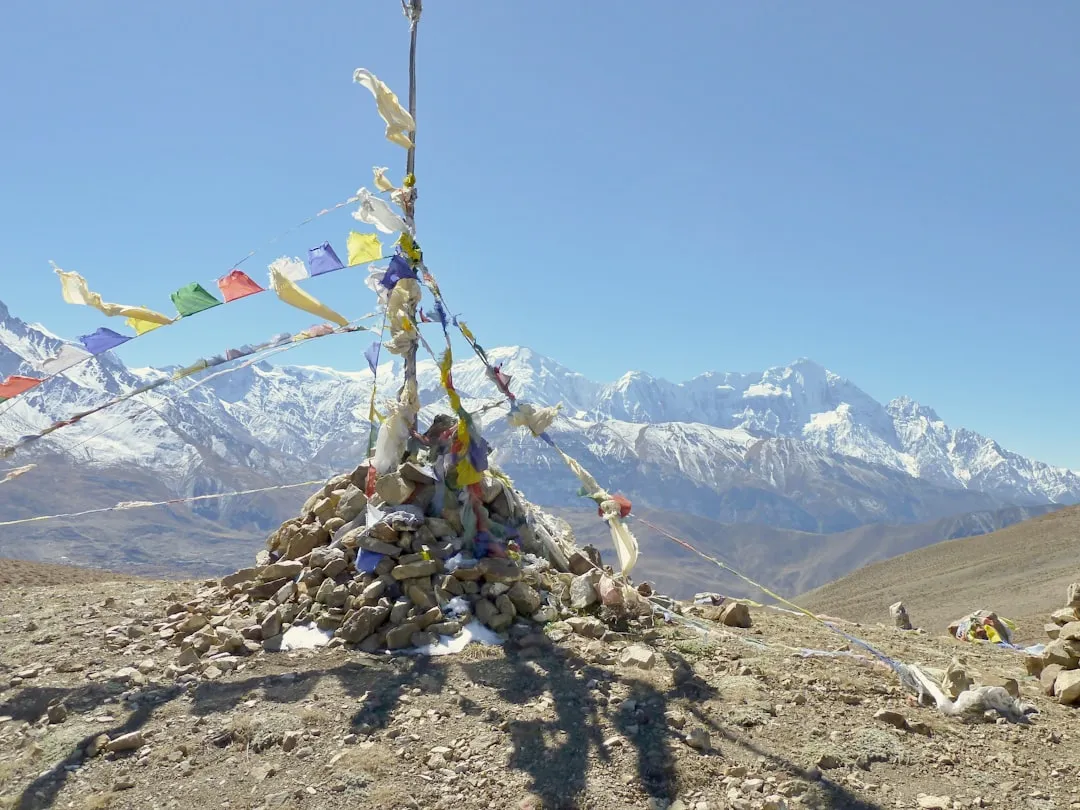
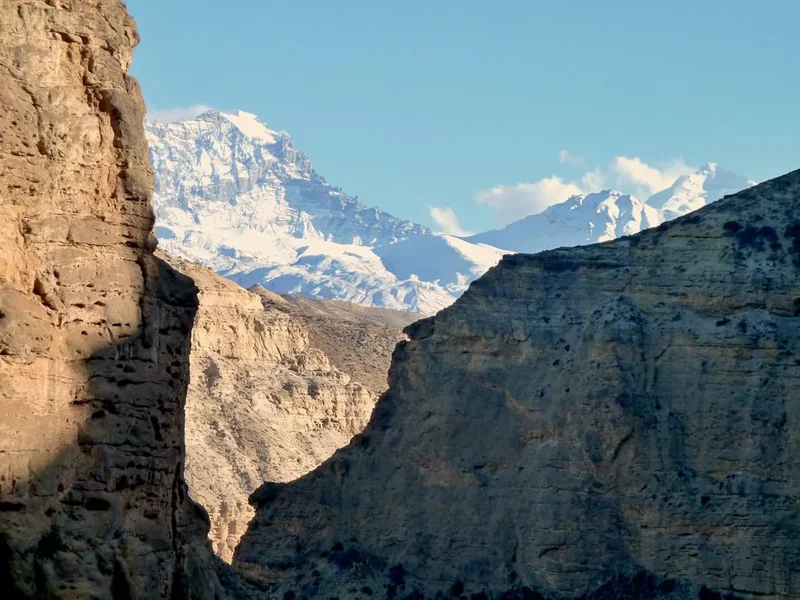
The Upper Mustang Trek is an extraordinary journey into a remote and culturally preserved region of Nepal, often referred to as the "Forbidden Kingdom." This trek offers a unique glimpse into a Tibetan Buddhist culture that has remained largely untouched by modern influences. The landscape is starkly beautiful, characterised by arid, desert-like terrain, dramatic canyons, and snow-capped Himalayan peaks in the distance. Unlike the lush green trails of many other Himalayan treks, Upper Mustang presents a palette of ochre, red, and brown, punctuated by ancient monasteries and whitewashed stupas.
- Distance: 112.0 km
- Duration: 10-14 days
- Season: March to May and September to November
- Difficulty: Challenging
- Highest point: 3,800 m (near Lo Manthang)
- Permits required: Annapurna Conservation Area Permit (ACAP) and Upper Mustang Restricted Area Permit
- Closest city: Pokhara
- Trailhead access: Fly to Jomsom from Pokhara
Overview
The Upper Mustang Trek is a captivating expedition that takes you through a landscape and culture that feels like stepping back in time. Historically, Mustang was an independent kingdom, a vital trading post on the ancient salt route between Tibet and India. Its isolation has preserved its unique Tibetan heritage, evident in the architecture, religious practices, and the warm hospitality of its people. The trek typically begins in Jomsom, a town accessible by a scenic flight from Pokhara, and winds its way northwards through the Kali Gandaki Valley, the world's deepest gorge.
As you ascend, the scenery transforms from the relatively fertile lower Kali Gandaki region into the arid, windswept plains of Upper Mustang. The trail passes through traditional villages like Kagbeni, a fortified settlement that marks the gateway to the restricted area, and Tserang, with its impressive monastery and ancient palace. The ultimate destination for many is Lo Manthang, the former capital of the Mustang kingdom, a walled city that stands as a testament to its rich history. Here, you can explore ancient monasteries, chortens, and the royal palace, gaining a profound appreciation for the region's past.
The trek is challenging due to the altitude and the rugged terrain, but the rewards are immense. The stark beauty of the landscape, the vibrant Tibetan Buddhist culture, and the sense of stepping into a forgotten world make the Upper Mustang Trek an unforgettable adventure. The best times to visit are during the pre-monsoon (March-May) and post-monsoon (September-November) seasons, when the weather is generally stable and the skies are clear, offering spectacular views of the surrounding peaks, including Annapurna and Dhaulagiri.
History and Cultural Context
The history of Upper Mustang is deeply intertwined with the broader history of the Himalayas and the Tibetan plateau. For centuries, it was an independent kingdom, strategically positioned on the ancient trade route connecting Tibet and the Indian subcontinent. This trade route facilitated the exchange of goods, ideas, and religious practices, shaping the unique cultural identity of the region.
The Kingdom of Lo, as Mustang was historically known, was founded in the 14th century by Ame Pal, a Tibetan prince. He established Lo Manthang as his capital, and the city's impressive walls and palaces still stand today, a testament to its former glory. The rulers of Mustang maintained a delicate balance of power, often paying tribute to larger empires, including the Malla kingdoms of Nepal and the Qing Dynasty of China, while retaining a significant degree of autonomy.
In the 18th century, Mustang was incorporated into the Kingdom of Nepal. However, due to its remote location and challenging terrain, it retained much of its distinct Tibetan culture and traditions. The region was officially opened to foreign trekkers only in 1992, and even then, access was strictly controlled, earning it the moniker "Forbidden Kingdom." This controlled access has been instrumental in preserving its unique cultural heritage, making it a living museum of Tibetan Buddhism and way of life.
The monasteries and gompas scattered throughout Upper Mustang are vital centres of religious and cultural life. Many of these ancient structures house exquisite murals, thangkas, and statues that date back centuries. The spiritual practices, festivals, and daily rituals observed by the local people offer a profound insight into a way of life that has endured for generations, largely insulated from the rapid changes occurring elsewhere in the world.
Seasonal Highlights and Weather Reality
The Upper Mustang region experiences a semi-arid climate due to its location in the rain shadow of the Himalayas. This means it receives significantly less rainfall than the southern parts of Nepal, making it accessible for trekking for a larger portion of the year. However, certain periods offer the most favourable conditions for a comfortable and visually rewarding experience.
Spring (March to May): This is an excellent time to trek in Upper Mustang. The weather is generally stable, with clear skies and pleasant temperatures during the day. The landscape begins to awaken after winter, with sparse vegetation showing signs of life. The views of the snow-capped peaks are often spectacular. However, evenings and early mornings can still be quite cold, especially at higher altitudes.
Autumn (September to November): This is arguably the best season for trekking in Upper Mustang. The monsoon rains have receded, leaving the air clean and the skies crystal clear. The temperatures are moderate, making for comfortable trekking days. The surrounding mountains are often visible in their full glory, and the cultural festivals, such as Tiji, which usually falls in May or June, can be a significant draw for those interested in experiencing local traditions (though Tiji is typically before the main autumn season).
Summer (June to August): While the southern parts of Nepal are experiencing heavy monsoon rains, Upper Mustang remains relatively dry. However, the skies can be hazy, and the views of the mountains may be obscured. Temperatures can be quite warm during the day. This season is less popular for trekking due to potential dust and heat.
Winter (December to February): Upper Mustang experiences very cold temperatures during winter, with heavy snowfall possible at higher elevations. Many villages and teahouses may close, and trekking becomes significantly more challenging and potentially dangerous due to extreme cold and limited services. While the landscape can be dramatically beautiful under a blanket of snow, it is generally not recommended for most trekkers.
Weather Considerations: Even during the best seasons, weather in the Himalayas can be unpredictable. Strong winds are common in the Kali Gandaki Valley, especially in the afternoons. Altitude sickness is a significant concern, and acclimatisation must be a priority. Always be prepared for sudden changes in temperature and weather conditions.
Recommended Itinerary
10-Day Upper Mustang Trek Itinerary (Sample)
Day 1: Arrival in Jomsom (2,720 m) & Trek to Kagbeni (2,810 m)
- Distance: 10 km
- Time: 3-4 hours
- Morning flight from Pokhara to Jomsom (weather dependent)
- Begin trek north along the Kali Gandaki River bed
- Pass through Eaklobatti village
- Arrive in Kagbeni, a picturesque walled village with ancient monasteries
- Permit check at Kagbeni checkpoint
- Explore Kagbeni's narrow alleys and traditional houses
Day 2: Kagbeni to Tserang (3,560 m)
- Distance: 18 km
- Time: 6-7 hours
- Trek through the arid landscape of Upper Mustang
- Pass through villages like Chhuksang and Tangbe
- Ascend towards the plateau of Tserang
- Experience the dramatic change in scenery as you enter the restricted area
- Arrive in Tserang, known for its ancient monastery and palace
Day 3: Tserang to Lo Manthang (3,800 m)
- Distance: 16 km
- Time: 5-6 hours
- Continue north towards the capital of the Mustang kingdom
- Cross the highest pass of the trek (around 3,900 m) with panoramic views
- Descend towards the walled city of Lo Manthang
- Enter the ancient city through its main gate
- Explore the city's narrow streets, monasteries, and royal palace
Day 4: Exploration of Lo Manthang
- Full day dedicated to exploring Lo Manthang and its surroundings
- Visit the Royal Palace, Thubchen Gompa, Jampa Gompa, and Chodey Gompa
- Optional excursion to the ancient caves of Chhoser (short drive or hike)
- Experience the unique atmosphere of this historic walled city
Day 5: Lo Manthang to Drakmar (3,810 m)
- Distance: 15 km
- Time: 5-6 hours
- Begin the return journey, taking a different route
- Trek through the red cliffs of Drakmar
- Visit the ancient Drakmar Monastery
- Experience the stark beauty of the Mustang landscape
Day 6: Drakmar to Geling (3,570 m)
- Distance: 17 km
- Time: 6-7 hours
- Continue south through traditional Mustang villages
- Pass through the village of Geling, known for its monastery
- Enjoy the changing perspectives of the landscape
Day 7: Geling to Samar (3,660 m)
- Distance: 14 km
- Time: 4-5 hours
- Trek through rolling hills and valleys
- Pass through the village of Samar
- Enjoy the tranquility and unique atmosphere of the region
Day 8: Samar to Chhuksang (3,050 m)
- Distance: 12 km
- Time: 4-5 hours
- Descend towards the Kali Gandaki Valley
- Pass through villages with distinct Tibetan architecture
- Arrive in Chhuksang, a village situated at the confluence of two rivers
Day 9: Chhuksang to Jomsom (2,720 m)
- Distance: 15 km
- Time: 5-6 hours
- Final day of trekking back to Jomsom
- Retrace steps along the Kali Gandaki riverbed
- Enjoy the last views of the Mustang landscape
- Overnight in Jomsom
Day 10: Departure from Jomsom
- Morning flight from Jomsom to Pokhara (weather dependent)
- End of the Upper Mustang Trek
Note: This is a sample itinerary and can be adjusted based on individual preferences, fitness levels, and available time. It is also possible to extend the trek to explore more remote villages or to incorporate a visit to the Tiji Festival if dates align.
Planning and Bookings
Book Your Trip
Everything you need to plan your journey
Accommodation
Find places to stay near Pokhara
Flights
Search flights to Pokhara
Essential Preparation
The Upper Mustang Trek requires careful planning due to its remote location and restricted access. The primary logistical hub for this trek is Pokhara, a beautiful lakeside city that serves as the gateway to the Annapurna region. From Pokhara, you will take a flight to Jomsom, the starting point of the trek.
Fitness: This is a challenging trek that involves walking at high altitudes for extended periods. A good level of cardiovascular fitness is essential. Regular hiking, running, or cycling in the months leading up to the trek will be beneficial. You should be comfortable walking for 5-7 hours a day with a backpack, often on uneven terrain and at altitudes exceeding 3,000 metres.
Booking Coordination: Due to the restricted nature of Upper Mustang, it is mandatory to trek with a registered Nepali trekking agency. They will arrange your permits, guides, porters, accommodation, and internal flights. It is advisable to book your trek well in advance, especially if you plan to travel during the peak seasons (spring and autumn).
Logistics: Your trekking agency will handle most of the logistics, including obtaining the necessary permits. However, you will need to arrange your international flights to Kathmandu and then your domestic flight from Kathmandu to Pokhara. Ensure you have sufficient time in Kathmandu to obtain your Nepal visa and potentially other necessary documents before flying to Pokhara.
Base Town/City Information:
- Kathmandu: The capital of Nepal, where most international flights arrive. It's a bustling city with a rich history and culture. You'll need to spend at least a day or two here to arrange your visa and potentially meet with your trekking agency.
- Pokhara: A beautiful city situated on the banks of Phewa Lake, offering stunning views of the Annapurna and Dhaulagiri mountain ranges. It's a relaxed city with a wide range of accommodation, restaurants, and outdoor gear shops. Pokhara is the departure point for flights to Jomsom.
- Jomsom: A significant town in the Mustang region, located at the confluence of the Kali Gandaki and Eaklobatti rivers. It has an airport, guesthouses, and basic facilities. It serves as the starting and ending point for the Upper Mustang trek.
Trail Accommodation
Accommodation along the Upper Mustang Trek is primarily in traditional teahouses or lodges. These are simple, family-run establishments offering basic but comfortable lodging.
Teahouses/Lodges:
- Booking Requirements: While not always strictly necessary to pre-book every night, especially if travelling with an agency that has established relationships, it is advisable to have your agency confirm accommodation, particularly in smaller villages or during peak season.
- Facilities Provided:
- Basic rooms with twin beds and mattresses.
- A communal dining area, often heated by a wood-burning stove.
- Simple meals (Dal Bhat, noodles, rice, vegetables, eggs, tea).
- Shared toilet facilities (squat toilets are common).
- Shared washing facilities (cold water is standard; hot water may be available at an extra charge, often heated by solar or gas).
- What's NOT Provided:
- En-suite bathrooms.
- Hot showers are not guaranteed and often come with an additional fee.
- Towels, toiletries, and personal hygiene items.
- Sleeping bags (you will need to bring your own).
- Electricity for charging devices is often limited and may incur a fee.
- Wi-Fi is becoming more common in some lodges but is not reliable and usually comes with a charge.
- Seasonal Availability: Teahouses are generally open year-round, but services may be reduced during the winter months due to extreme cold and lower visitor numbers.
- Costs: Accommodation costs are relatively low, typically ranging from US$5-15 per night per person. Meals are more expensive, reflecting the difficulty of transporting supplies to the region.
Note: Camping is an alternative for those who prefer more solitude or wish to explore off-the-beaten-path areas, but it requires carrying all camping gear and food, and obtaining special permission. Most trekkers opt for the teahouse experience.
Required Gear
- Sturdy Trekking Boots: Waterproof, well broken-in hiking boots with good ankle support are essential.
- Trekking Socks: Several pairs of wool or synthetic trekking socks.
- Waterproof Jacket: A good quality, breathable waterproof and windproof jacket.
- Waterproof Trousers: Essential for protection against wind and occasional rain.
- Warm Layers: Fleece jackets, down jacket, thermal base layers (merino wool or synthetic).
- Trekking Trousers: Comfortable, quick-drying trekking trousers (avoid jeans).
- Headwear: Warm hat (beanie) for cold evenings and mornings, and a sun hat or cap for daytime protection.
- Gloves: Warm gloves or mittens.
- Backpack: A comfortable trekking backpack (40-60 litres) with a rain cover.
- Sleeping Bag: A warm sleeping bag rated to at least -10°C (-17°C) is highly recommended, as teahouse blankets can be thin.
- Head Torch: With spare batteries, for navigating in the dark and in teahouses where electricity is limited.
- Sunglasses: High UV protection sunglasses are crucial due to the high altitude and glare.
- First-Aid Kit: Comprehensive kit including personal medications, blister treatment, pain relievers, antiseptic wipes, bandages, and altitude sickness medication (consult your doctor).
- Sunscreen: High SPF (30-50+) sunscreen.
- Lip Balm: With SPF protection.
- Water Bottles or Hydration Reservoir: At least 2-3 litres capacity.
- Trekking Poles: Highly recommended for stability on uneven terrain and to reduce strain on knees.
What to Bring
- Food: While teahouses provide meals, it's wise to carry some high-energy snacks like energy bars, nuts, dried fruit, and chocolate for during the trek.
- Water Treatment: Water purification tablets or a water filter are essential, as drinking untreated water can lead to illness.
- Toiletries: Biodegradable soap, toothbrush, toothpaste, hand sanitiser, wet wipes, and any personal hygiene items.
- Personal Medications: Any prescription medications you require, plus a basic medical kit.
- Camera and Batteries: Plenty of memory cards and spare batteries.
- Power Bank: For charging electronic devices, as electricity is not always available or reliable.
- Book or Journal: For downtime in the evenings.
- Small Towel: Quick-drying travel towel.
- Cash: Nepalese Rupees (NPR) for meals, drinks, tips, and any personal expenses. ATMs are only available in larger towns like Pokhara and Jomsom.
- Permits: Your trekking agency will arrange these, but ensure you have copies.
- Passport and Visa: Valid passport and Nepal visa.
- Small Padlock: For securing your room door in teahouses.
Permits
Trekking in Upper Mustang requires specific permits due to its status as a restricted area. These permits are designed to manage tourism and preserve the unique cultural and environmental integrity of the region. It is mandatory to obtain these permits through a registered Nepali trekking agency.
1. Annapurna Conservation Area Permit (ACAP):
- This permit is required for entry into the Annapurna Conservation Area, which encompasses the entire trekking route to Upper Mustang.
- Cost: Approximately NPR 3,000 per person for foreigners.
- Validity: Typically valid for a single entry.
2. Upper Mustang Restricted Area Permit:
- This is the special permit required to enter the Upper Mustang region itself.
- Cost: US$500 per person for 10 days. Additional days cost US$50 per day.
- Validity: Valid for the duration specified in your application (usually 10 days).
- Requirement: Must be obtained through a registered trekking agency. Solo trekking is not permitted in this area.
How to Obtain Permits:
- Your trekking agency will handle the application process for both permits. You will need to provide copies of your passport and visa, passport-sized photographs, and details of your itinerary.
- The permits are usually issued in Kathmandu or Pokhara before you commence your trek.
- You will need to present these permits at various checkpoints along the trail, most notably at Kagbeni, which marks the entrance to the restricted Upper Mustang area.
Important Considerations:
- Ensure your trekking agency is reputable and experienced in handling Upper Mustang permits.
- Always carry your permits with you throughout the trek, as they will be checked by authorities.
- The costs mentioned are approximate and subject to change by the Nepali government.
Other Activities in the Area
While the Upper Mustang Trek is an immersive cultural and scenic experience in itself, there are several other activities and points of interest that can enhance your journey or be explored in conjunction with the trek:
- Exploring Lo Manthang's Surroundings: Beyond the main walled city, consider day trips or short excursions to nearby attractions such as the ancient cave dwellings of Chhoser, the monasteries of Namgyal Gompa (the administrative centre of Mustang), and the picturesque villages of Tingar and Phu.
- Cultural Festivals: If your travel dates align, witnessing a local festival such as the Tiji Festival in Lo Manthang can be an incredibly enriching experience. This vibrant festival, usually held in May, involves masked dances, traditional music, and religious ceremonies.
- Horse Riding: In some parts of Upper Mustang, particularly around Lo Manthang, horse riding is a traditional mode of transport and can be arranged for a unique way to explore the landscape.
- Photography Workshops: The stark beauty and unique culture of Upper Mustang make it a photographer's paradise. Some agencies offer specialised photography treks, providing guidance on capturing the best shots.
- Jeep Safaris: For those with limited time or seeking a less physically demanding way to experience Upper Mustang, jeep safaris are available, allowing access to remote areas and villages.
- Visiting Jomsom and Marpha: Before or after your trek, spend time in Jomsom, the administrative centre of Mustang, and the nearby village of Marpha, famous for its apple orchards and apple brandy.
- Exploring the Kali Gandaki Gorge: The trek itself follows the Kali Gandaki River, the world's deepest gorge. Take time to appreciate the immense scale of this natural wonder.
Safety and Conditions
Altitude Sickness (Acute Mountain Sickness - AMS):
- Upper Mustang reaches altitudes of up to 3,800 metres, making AMS a significant concern.
- Symptoms: Headache, nausea, dizziness, fatigue, loss of appetite, difficulty sleeping.
- Prevention: Ascend gradually, stay well-hydrated, avoid alcohol and smoking, and consider Diamox (acetazolamide) after consulting your doctor.
- Management: If symptoms appear, do not ascend further. Rest, hydrate, and if symptoms worsen, descend immediately.
Physical Fitness: As mentioned, a good level of fitness is crucial. Ensure you are prepared for long days of walking on uneven terrain at high altitudes.
Weather: While Upper Mustang is drier than much of Nepal, weather can still be unpredictable. Be prepared for strong winds, especially in the Kali Gandaki Valley, and significant temperature fluctuations between day and night.
Trail Conditions: The trails are generally well-trodden but can be dusty and rocky. In some sections, you will be walking along the riverbed of the Kali Gandaki. Landslides can occur, especially during or after the monsoon season, though this is less common in the arid Mustang region.
Health and Hygiene:
- Drink only purified or boiled water.
- Eat well-cooked food from reputable teahouses.
- Maintain good personal hygiene to prevent gastrointestinal issues.
- Carry a comprehensive first-aid kit and know how to use its contents.
Guides and Porters: Trekking with a licensed guide is mandatory and highly recommended for safety. Guides are knowledgeable about the terrain, culture, and potential hazards. Porters can help carry your load, making the trek more enjoyable.
Communication: Mobile phone reception is limited and often unavailable outside of larger villages. Satellite phones are the most reliable means of communication in emergencies, though they are expensive to rent.
Travel Insurance: Comprehensive travel insurance that covers high-altitude trekking and emergency evacuation is essential. Ensure it covers medical expenses, trip cancellation, and lost luggage.
Side Trips and Points of Interest
Chhoser Caves: Located a short distance from Lo Manthang, these ancient cave dwellings are a fascinating glimpse into the historical way of life in Mustang. Some caves are still inhabited, while others are used for storage or meditation. Exploring these multi-storied structures carved into the cliff faces is a unique experience.
Namgyal Gompa: This monastery, situated on a hilltop overlooking Lo Manthang, serves as the administrative centre of Mustang and is an important religious site. The views from Namgyal Gompa are spectacular, offering a panoramic vista of the walled city and the surrounding valleys.
Tiji Festival: If your trek coincides with the Tiji Festival (usually held in May), it is a must-see cultural event. This three-day festival in Lo Manthang is celebrated with masked dances performed by monks, depicting the battle between a demon and the gods, symbolizing the triumph of good over evil.
Royal Palace of Lo Manthang: While the current King of Mustang no longer resides here, the ancient Royal Palace within the walled city is a significant historical landmark. It offers insights into the region's royal past and its unique governance.
Thubchen Gompa: The largest and most important monastery within Lo Manthang, Thubchen Gompa features a magnificent assembly hall with intricate murals and statues. It is a vibrant centre of Buddhist practice.
Jampa Gompa: One of the oldest temples in Lo Manthang, dating back to the 15th century, Jampa Gompa is known for its ancient Maitreya Buddha statue and beautiful wall paintings.
Kali Gandaki Riverbed: The trek itself follows the vast, stony riverbed of the Kali Gandaki. This is the world's deepest gorge, and walking along it provides a constant reminder of the immense geological forces that have shaped this landscape.
Leave No Trace
The Upper Mustang region is a fragile ecosystem with a unique cultural heritage. Practicing Leave No Trace principles is paramount to preserving this special place for future generations and respecting the local communities.
Plan Ahead and Prepare:
- Trek with a reputable agency that adheres to LNT principles.
- Pack out all your trash, including food scraps and wrappers.
- Be aware of altitude sickness and acclimatise properly.
Travel and Camp on Durable Surfaces:
- Stick to established trails and paths. Avoid cutting switchbacks.
- In villages, use designated teahouses and avoid disturbing local life.
Dispose of Waste Properly:
- Pack it in, pack it out. Carry all your rubbish back to Jomsom or Pokhara for proper disposal.
- Use designated toilets in teahouses. If no toilet is available, dig a cathole at least 60 metres away from water sources, trails, and campsites.
- Do not bury toilet paper; pack it out.
Leave What You Find:
- Do not remove any natural objects (rocks, plants) or cultural artifacts.
- Respect ancient monasteries and historical sites. Do not touch or deface them.
Minimize Campfire Impacts:
- Campfires are generally not permitted or practical in Upper Mustang due to the scarcity of firewood and the risk of environmental damage. Use stoves for cooking.
Respect Wildlife:
- Observe wildlife from a distance. Do not feed animals.
- Be mindful of local livestock and do not disturb them.
Be Considerate of Other Visitors:
- Keep noise levels down, especially in villages and teahouses.
- Respect the local culture and traditions. Ask permission before taking photographs of people.
- Dress modestly when visiting monasteries or villages.
By following these principles, you contribute to the sustainability of tourism in Upper Mustang and ensure its preservation for years to come.
 Nepal
Nepal