
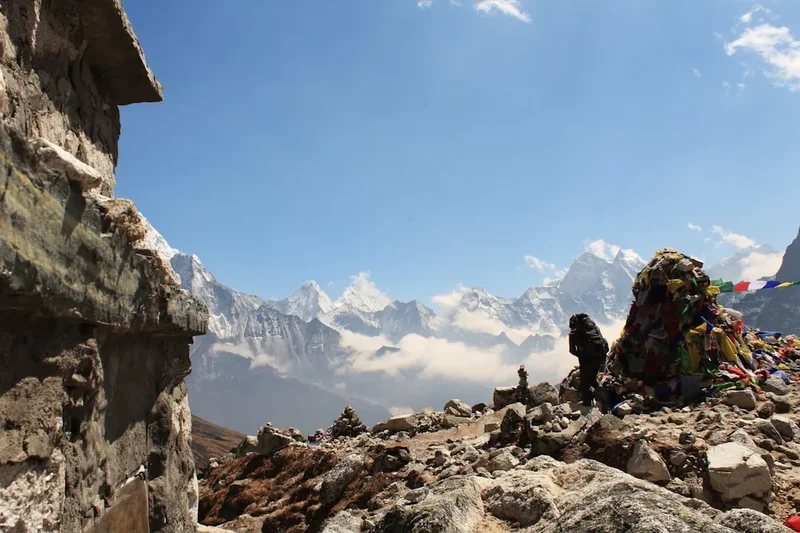
Upper Dolpo Trek - The Hidden Kingdom
The Upper Dolpo Trek is an extraordinary journey into one of Nepal's most remote and culturally preserved regions, often referred to as a "hidden kingdom." This trek offers a profound immersion into a landscape of stark beauty, ancient Tibetan Buddhist traditions, and a way of life that has remained largely unchanged for centuries. Unlike more frequented trekking routes, Upper Dolpo demands a higher level of self-sufficiency and resilience, rewarding the intrepid traveller with unparalleled solitude and a glimpse into a world untouched by modern development. The trek traverses vast, arid plateaus, crosses high mountain passes adorned with prayer flags, and visits remote monasteries that are the spiritual heart of the region. It is a challenging yet deeply fulfilling adventure for those seeking an authentic and transformative experience in the high Himalayas.
- Distance: Approximately 160 km
- Duration: 18–25 days
- Season: Late May to early October (pre-monsoon and post-monsoon)
- Difficulty: Very Challenging
- Closest City: Juphal (access point)
- Permits: Restricted Area Permit, Shey-Phoksundo National Park entry permit
- Highest point: Kang La Pass (5,200 m)
- Accommodation: Basic teahouses, homestays, and camping
Overview
The Upper Dolpo region, nestled in the northwestern part of Nepal, is a land of dramatic contrasts. Its landscapes are reminiscent of the Tibetan plateau, with vast, windswept plains, rugged mountains, and turquoise lakes. The culture is deeply rooted in Bon and Tibetan Buddhism, evident in the ancient monasteries, colourful prayer flags, and the warm hospitality of the local people. The journey typically begins with a flight to Nepalgunj and then a smaller flight to Juphal, the gateway to Dolpo. From Juphal, the trek unfolds gradually, leading through diverse terrain that includes lush forests, arid valleys, and high alpine passes.
Key highlights of the Upper Dolpo Trek include the stunning Shey-Phoksundo National Park, home to the breathtaking Phoksundo Lake, a pristine body of water with an intense sapphire hue. The trek also ventures into the Upper Dolpo region, a restricted area that requires special permits, ensuring a more exclusive and less crowded experience. Here, ancient Bonpo monasteries like Shey Gompa and the sacred Crystal Mountain (Kailash of Dolpo) are central to the spiritual journey. The passes, such as Kang La (5,200 m) and Jeng La (5,080 m), offer challenging ascents but reward trekkers with panoramic views of the surrounding Himalayan giants.
This trek is not for the faint-hearted. It requires excellent physical fitness, mental fortitude, and a willingness to embrace basic living conditions. The remoteness means that resupply points are scarce, and trekkers must be prepared for all types of weather. However, the rewards are immense: a chance to connect with a unique culture, witness unparalleled natural beauty, and experience a profound sense of accomplishment. The Upper Dolpo Trek is a true adventure into the heart of the Himalayas, offering an unforgettable journey into a land of ancient traditions and breathtaking landscapes.
History and Cultural Context
The history of Dolpo is deeply intertwined with the ancient Bon religion, which predates Buddhism in Tibet. For centuries, Dolpo served as a vital trade route connecting Tibet with the lower valleys of Nepal. Its isolation, due to its remote location and challenging terrain, has preserved its unique cultural heritage. The region was once part of the Tibetan empire and maintained strong cultural and religious ties with Tibet, which is reflected in its architecture, customs, and language.
In the 11th century, the region saw the establishment of significant Buddhist monasteries, and over time, Buddhism became the dominant religion, coexisting with the ancient Bon traditions. The isolation of Dolpo meant that it was largely unknown to the outside world until the mid-20th century. Explorers and anthropologists began to document its unique culture and landscapes, leading to its gradual opening for trekking.
The Upper Dolpo region, in particular, remained a restricted area for a long time, preserving its pristine environment and traditional way of life. The opening of this region to trekkers has been carefully managed to minimise impact and ensure that the local culture and environment are protected. The people of Dolpo, known as Dolpo-pa, are primarily of Tibetan descent and have a rich tradition of pastoralism, farming, and trade. Their resilience and deep spiritual connection to the land are evident in their daily lives and their vibrant festivals.
The concept of "Shangri-La" or a hidden paradise is often associated with Dolpo, a testament to its secluded and mystical allure. The trek offers a rare opportunity to witness this living history and cultural tapestry firsthand, making it a journey not just through landscapes but through time.
Seasonal Highlights and Weather Reality
The Upper Dolpo Trek is best undertaken during the pre-monsoon (late May to early June) and post-monsoon (September to early October) seasons. These periods offer the most favourable weather conditions for trekking in this high-altitude desert region.
Pre-Monsoon (Late May to Early June): This period marks the transition from spring to summer. The weather is generally stable, with clear skies and good visibility. Temperatures are moderate, making trekking comfortable. The landscape begins to bloom, and the rivers are at a manageable level. However, there can still be occasional rain showers, especially at lower altitudes. This season is ideal for those who prefer slightly warmer temperatures and want to experience the region before the peak trekking season.
Post-Monsoon (September to Early October): This is considered the prime trekking season for Upper Dolpo. After the monsoon rains, the skies clear, offering spectacular mountain views. The air is crisp and clean, and the temperatures are cool and pleasant. The landscape is vibrant, and the risk of rain is significantly lower. This season is perfect for photography and for enjoying the panoramic vistas from the high passes. However, it is also the busiest period, so booking in advance is essential.
Monsoon Season (July to August): While the lower parts of Nepal experience heavy monsoon rains, Dolpo, being in a rain shadow region, receives significantly less rainfall. However, the trails can still be affected by landslides and river crossings can become more challenging. Visibility may be reduced, and the overall trekking experience might be less enjoyable due to damp conditions. It is generally not recommended for this trek.
Winter (November to April): The high passes become impassable due to heavy snowfall, and temperatures plummet to extreme lows. Most teahouses and villages are closed, and the region is covered in snow. This period is unsuitable for trekking.
Weather Considerations: Even during the best seasons, weather in the Himalayas can be unpredictable. Temperatures can fluctuate significantly between day and night, and at higher altitudes, it can be cold even in summer. Trekkers should be prepared for a wide range of conditions, including strong winds, sudden temperature drops, and occasional snow, especially at higher elevations.
Recommended Itinerary
18-Day Upper Dolpo Trek Itinerary (Sample)
Day 1: Arrival in Kathmandu (1,400 m)
- Arrive at Tribhuvan International Airport (TIA)
- Transfer to hotel in Thamel
- Rest and acclimatise
- Briefing about the trek
Day 2: Kathmandu - Sightseeing and Preparation
- Full day for sightseeing in Kathmandu Valley (Pashupatinath, Boudhanath, Swayambhunath, Durbar Squares)
- Final gear check and purchase
- Obtain necessary permits (Restricted Area Permit, National Park Permit)
Day 3: Fly to Nepalgunj (150 m)
- Morning flight from Kathmandu to Nepalgunj
- Transfer to hotel
- Rest and acclimatise to the Terai heat
Day 4: Fly to Juphal (2,475 m)
- Early morning flight from Nepalgunj to Juphal
- This flight is weather-dependent and can be subject to delays
- Begin trek from Juphal towards Dunai
- Distance: Approx. 8 km
- Time: 3–4 hours
- Overnight in Dunai (2,140 m)
Day 5: Dunai to Ankhe (2,896 m)
- Trek through rhododendron and pine forests
- Cross suspension bridges over the Thulo Bheri River
- Distance: Approx. 12 km
- Time: 5–6 hours
- Ascend gradually towards Ankhe
Day 6: Ankhe to Sulighat (3,500 m)
- Continue through forests, with occasional clearings offering mountain views
- Pass through small villages and terraced fields
- Distance: Approx. 10 km
- Time: 4–5 hours
- Reach Sulighat, a campsite near the river
Day 7: Sulighat to Phoksundo Lake (3,660 m)
- The trail becomes more challenging as you ascend towards the lake
- Enter Shey-Phoksundo National Park
- Distance: Approx. 14 km
- Time: 6–7 hours
- Arrive at the stunning turquoise Phoksundo Lake
- Overnight camping near the lake
Day 8: Phoksundo Lake - Acclimatisation and Exploration
- Rest day for acclimatisation
- Explore the lake and its surroundings
- Visit Ringmo village, a traditional Dolpo settlement
- Optional short hikes around the lake
Day 9: Phoksundo Lake to Sallaghari (3,630 m)
- Trek along the western side of Phoksundo Lake
- The trail ascends and descends through rugged terrain
- Distance: Approx. 10 km
- Time: 4–5 hours
- Camp at Sallaghari, a scenic spot
Day 10: Sallaghari to Nangdalo Base Camp (4,200 m)
- Gradual ascent towards the base of Nangdalo La
- The landscape becomes more arid and alpine
- Distance: Approx. 12 km
- Time: 5–6 hours
- Set up camp at Nangdalo Base Camp
Day 11: Nangdalo La (4,880 m) to Shey Gompa (4,343 m)
- Cross the Nangdalo La pass
- Enjoy panoramic views of the Dolpo region
- Descend towards Shey Gompa, a significant Bonpo monastery
- Distance: Approx. 15 km
- Time: 7–8 hours
- Overnight near Shey Gompa
Day 12: Shey Gompa - Exploration Day
- Rest day for acclimatisation and exploration
- Visit Shey Gompa and the sacred Crystal Mountain (Kailash of Dolpo)
- Interact with monks and learn about Bon traditions
Day 13: Shey Gompa to Namgung (4,400 m)
- Trek across a high plateau
- Pass through remote settlements
- Distance: Approx. 10 km
- Time: 4–5 hours
- Reach Namgung village, known for its monastery
Day 14: Namgung to Dho Tarap (4,090 m)
- Descend into the Dho Tarap valley
- Dho Tarap is a large, traditional Dolpo settlement
- Distance: Approx. 12 km
- Time: 5–6 hours
- Overnight in Dho Tarap (homestay or teahouse)
Day 15: Dho Tarap - Acclimatisation and Village Exploration
- Rest day for acclimatisation
- Explore Dho Tarap village and its monasteries
- Experience the local culture and lifestyle
Day 16: Dho Tarap to Khani Gaon (3,800 m)
- Trek through the Tarap Khola valley
- The trail follows the river through a dramatic gorge
- Distance: Approx. 15 km
- Time: 6–7 hours
- Camp at Khani Gaon
Day 17: Khani Gaon to Tarakot (2,535 m)
- Continue descending along the Tarap Khola
- Pass through more villages and agricultural land
- Distance: Approx. 16 km
- Time: 6–7 hours
- Reach Tarakot, a historic village with an ancient fort
Day 18: Tarakot to Dunai (2,140 m)
- Final day of trekking
- Follow the Bheri River downstream
- Distance: Approx. 10 km
- Time: 3–4 hours
- Arrive in Dunai, where you can find more comfortable accommodation
Day 19: Dunai to Juphal
- Trek back to Juphal
- Distance: Approx. 8 km
- Time: 3–4 hours
- Prepare for departure
Day 20: Fly Juphal to Nepalgunj, then to Kathmandu
- Morning flight from Juphal to Nepalgunj
- Connect to a flight from Nepalgunj to Kathmandu
- Transfer to hotel
Day 21: Departure from Kathmandu
- Free day for last-minute souvenir shopping or relaxation
- Transfer to airport for your international flight
Note: This is a sample itinerary and can be adjusted based on your fitness, time, and interests. The duration can be extended to 25 days for a more relaxed pace and deeper exploration.
Planning and Bookings
Book Your Trip
Everything you need to plan your journey
Accommodation
Find places to stay near Juphal
Flights
Search flights to Juphal
Essential Preparation
The Upper Dolpo Trek is a challenging expedition that requires meticulous planning and preparation. Due to its remote nature and restricted area status, it is mandatory to trek with a registered trekking agency. This agency will handle all logistics, including permits, guides, porters, accommodation, and transportation. It is crucial to choose a reputable agency with experience in trekking in Dolpo.
Fitness: This trek involves long days of walking at high altitudes, often over difficult terrain and high passes. A high level of physical fitness is essential. Regular cardiovascular exercise, including hiking with a backpack, strength training, and endurance activities, should be undertaken for at least 3-6 months prior to the trek. Acclimatisation is key, and the itinerary is designed to allow for gradual ascent.
Logistics: Flights to Juphal are notoriously unreliable due to weather conditions. It is advisable to build in at least 2-3 buffer days in Nepalgunj and Kathmandu before and after the trek to account for potential flight delays or cancellations. Accommodation in Juphal and Dunai is basic, and camping is the primary mode of accommodation for most of the trek.
Base Town/City Information: Kathmandu is the capital and the main entry point for international travellers. It offers all the necessary services for trek preparation, including gear shops, travel agencies, and cultural attractions. Nepalgunj is a city in western Nepal that serves as a transit point for flights to Dolpo. Juphal is the starting point of the trek, a small settlement with limited facilities.
Trail Accommodation
Accommodation on the Upper Dolpo Trek is primarily a combination of basic teahouses, homestays, and camping. Due to the remoteness and restricted nature of the region, facilities are very basic.
Teahouses/Lodges: Available in some villages like Dunai, Tarakot, and Dho Tarap. These offer simple rooms with twin beds and shared bathroom facilities. Meals are typically served in a communal dining area.
- Booking Requirements: Generally, bookings are not required in advance for teahouses, as the number of trekkers is limited. However, your trekking agency will arrange accommodation.
- Facilities Provided: Basic beds with mattresses, a dining area, and often a wood-burning stove for warmth.
- What's NOT Provided: Sleeping bags, toiletries, hot showers (rare), electricity for charging devices (may be available at a fee in some places), and personal items.
- Seasonal Availability: Open during the trekking seasons (May-June and September-October).
- Costs: Approximately NPR 500-1000 per night for a room.
Homestays: In villages like Ringmo and Dho Tarap, you may have the opportunity to stay with local families. This offers a more immersive cultural experience.
- Booking Requirements: Arranged by your trekking agency.
- Facilities Provided: A room in a family home, often with basic bedding. You will share meals with the family.
- What's NOT Provided: Private facilities, Western-style toilets, or amenities.
- Seasonal Availability: Available during trekking seasons.
Camping: For the majority of the trek, especially in the higher and more remote sections, camping is the standard accommodation. Your trekking agency will provide tents, sleeping mats, and all necessary camping equipment.
- Booking Requirements: Included in your trekking package.
- Facilities Provided: Tents (sleeping tents, dining tent, toilet tent), sleeping mats, cooking equipment, and meals prepared by your crew.
- What's NOT Provided: Sleeping bags (must be brought by the trekker), personal items.
- Seasonal Availability: Available throughout the trekking season.
Costs: Camping costs are typically included in the overall trekking package price. If booking independently (not recommended for Upper Dolpo), costs would include campsite fees, food, and crew wages.
Required Gear
- Sturdy Trekking Boots: Waterproof, broken-in, ankle-supporting boots are essential for navigating varied terrain.
- Waterproof Jacket and Trousers: High-quality, breathable waterproofs are crucial for protection against rain and wind.
- Warm Layers: Multiple layers of thermal base layers (merino wool or synthetic), fleece jackets, and an insulated down or synthetic jacket for warmth at high altitudes.
- Sleeping Bag: A 4-season sleeping bag with a comfort rating of at least -15°C to -20°C is recommended due to cold nights at high altitudes.
- Backpack: A comfortable trekking backpack (50-70 litres) with a rain cover. A smaller daypack (20-30 litres) for essentials during daily hikes.
- Headlamp/Torch: With spare batteries, essential for navigating in the dark and for use in tents and teahouses.
- Sun Protection: High SPF sunscreen, lip balm with SPF, sunglasses (UV protection), and a wide-brimmed hat or cap.
- First-Aid Kit: Comprehensive kit including personal medications, blister treatment, pain relievers, antiseptic wipes, bandages, and any specific items recommended by your doctor.
- Navigation Tools: While your guide will navigate, a personal map, compass, and GPS device or app can be useful for experienced trekkers.
- Trekking Poles: Highly recommended for stability and reducing strain on knees, especially on descents and ascents.
- Water Bottles/Hydration Reservoir: At least 2-3 litres capacity.
- Water Purification: Water filter or purification tablets are essential as stream water may not be safe to drink directly.
What to Bring
- Food and Snacks: While meals are provided by your agency, carry high-energy snacks like nuts, dried fruits, energy bars, and chocolate for supplementary fuel during the day.
- Toiletries: Biodegradable soap, shampoo, toothbrush, toothpaste, wet wipes, hand sanitiser, and toilet paper (essential as it's often not provided).
- Personal Items: Camera, power bank for charging electronics, book or journal, small towel, and any personal comfort items.
- Clothing: Several pairs of trekking socks (wool or synthetic), liner socks, comfortable camp clothes (e.g., fleece trousers, warm jumper), gloves (warm and liner), and a warm hat/beanie.
- Documents: Passport, visa, flight tickets, travel insurance details, permit copies, and emergency contact information. Keep these in a waterproof bag.
- Cash: Nepalese Rupees (NPR) for tips, personal expenses, and any additional snacks or drinks not included in the package. It's advisable to carry enough cash as ATMs are not available in Dolpo.
- Duct Tape and Repair Kit: For minor gear repairs.
- Small Backpack Cover: To protect your backpack from rain.
Permits
Trekking in the Upper Dolpo region requires specific permits due to its status as a restricted area and its location within a national park. These permits are typically arranged by your registered trekking agency as part of your overall package.
1. Restricted Area Permit (RAP):
- This permit is mandatory for entering the Upper Dolpo region.
- It is issued by the Department of Immigration in Kathmandu.
- The cost for a RAP is typically USD $500 per person for the first 10 days, and an additional USD $50 per person per day for subsequent days.
- The permit is valid for 10 days, and extensions can be obtained in Kathmandu.
- It is usually issued for a minimum of 10 days.
2. Shey-Phoksundo National Park Entry Permit:
- This permit is required to enter Shey-Phoksundo National Park, which encompasses the stunning Phoksundo Lake.
- The cost is approximately NPR 3,000 per person, plus NPR 500 per person per day for foreign trekkers.
- This permit is obtained from the National Park office, usually in Dunai or Kathmandu.
3. TIMS Card (Trekkers' Information Management System):
- While not always strictly enforced for restricted areas like Upper Dolpo, it is generally recommended to have a TIMS card.
- It helps in tracking trekkers and coordinating rescue efforts.
- The cost is approximately NPR 2,000 for individual trekkers or NPR 1,000 if trekking with an agency.
Important Notes on Permits:
- Agency Arrangement: It is highly recommended to book your trek through a registered trekking agency in Nepal. They will handle the entire permit application process, saving you time and hassle.
- Required Documents: You will need to provide copies of your passport, visa, and passport-sized photographs to your agency for permit applications.
- Permit Validity: Ensure that your permits cover the entire duration of your trek.
- On-the-Spot Checks: Permits are checked at various points along the trail by park rangers and immigration officials. Always carry your permit documents with you.
- No Independent Trekking: Independent trekking in Upper Dolpo is not permitted. You must be accompanied by a licensed guide and a minimum group size (usually 2 people) is often required for restricted areas.
Other Activities in the Area
While the Upper Dolpo Trek is primarily focused on trekking and cultural immersion, there are several other activities and experiences that can enhance your journey:
- Monastery Visits: Dolpo is dotted with ancient monasteries, including Shey Gompa, Namgung Monastery, and Thangpoche Monastery. Visiting these sacred sites offers a deep insight into the Bon and Buddhist traditions of the region. You can observe rituals, interact with monks, and admire the intricate artwork and architecture.
- Village Exploration: Spending time in traditional Dolpo villages like Ringmo, Dho Tarap, and Tarakot allows you to experience the unique lifestyle of the Dolpo-pa people. Observe their farming practices, witness their daily routines, and learn about their rich cultural heritage.
- Cultural Festivals: If your trek coincides with local festivals, such as Losar (Tibetan New Year) or other religious celebrations, you will have the opportunity to witness vibrant cultural performances, traditional music, and religious ceremonies.
- Photography: The stark beauty of the Dolpo landscape, the ancient monasteries, and the unique culture of its people provide endless opportunities for photography. Capture the dramatic mountain vistas, the turquoise waters of Phoksundo Lake, and the warm smiles of the locals.
- Stargazing: Due to its remoteness and lack of light pollution, Dolpo offers incredible opportunities for stargazing. On clear nights, the sky is a breathtaking spectacle of stars, constellations, and the Milky Way.
- Bonpo Rituals: As Dolpo is a stronghold of the Bon religion, you may have the chance to witness or learn about Bonpo rituals and practices, which are distinct from Tibetan Buddhism.
- Local Crafts: In some villages, you might find opportunities to purchase local handicrafts, such as hand-woven textiles, traditional jewellery, and prayer flags, directly from the artisans.
Safety and Conditions
Altitude Sickness (AMS): This is the most significant risk on the Upper Dolpo Trek. Symptoms can include headache, nausea, dizziness, and fatigue. To mitigate this:
- Acclimatise Properly: Follow the itinerary's gradual ascent and include rest days at higher altitudes.
- Hydrate: Drink plenty of water (3-4 litres per day).
- Avoid Alcohol and Smoking: These can exacerbate AMS symptoms.
- Ascend Slowly: Do not ascend more than 300-500 metres per day at altitudes above 3,000 metres.
- Recognise Symptoms: Be aware of AMS symptoms and inform your guide immediately if you experience any. Descend if symptoms worsen.
Trail Conditions: The trails in Upper Dolpo are rugged, often narrow, and can be steep and rocky. They can also be affected by snow, ice, and landslides, especially during shoulder seasons or after heavy rainfall. Your guide will assess conditions daily.
Weather: High altitude weather is unpredictable. Be prepared for extreme temperature fluctuations, strong winds, and potential snow, even during the trekking season. Always carry appropriate clothing layers.
River Crossings: Some river crossings can be challenging, especially after rain or snowmelt. Your guide will assess the safety of crossings and may use ropes if necessary.
Remoteness and Communication: Upper Dolpo is extremely remote, with limited or no mobile phone reception. In case of emergencies, communication relies on satellite phones carried by your trekking agency. Ensure your travel insurance covers emergency evacuation by helicopter.
Food and Water Safety: While your trekking agency will provide safe food and purified water, it's always wise to be cautious. Ensure water is properly treated (filtered or boiled) and food is cooked thoroughly.
Guide and Porter Support: Always trek with a licensed and experienced guide. They are trained in first aid, altitude sickness management, and navigation. Porters are essential for carrying gear and ensuring your safety.
Travel Insurance: Comprehensive travel insurance that covers high-altitude trekking, emergency medical evacuation, and trip cancellation is absolutely essential for this trek.
Side Trips and Points of Interest
Phoksundo Lake: The jewel of the trek, this stunning turquoise lake is one of Nepal's most beautiful natural wonders. Its intense sapphire colour is a sight to behold. The lake is sacred to both Buddhists and Bonpos, and swimming in it is forbidden.
Ringmo Village: A traditional Dolpo village located on the shores of Phoksundo Lake. It offers a glimpse into the daily life of the Dolpo-pa people, with their unique stone houses and yak herding practices. The village has a small monastery and offers opportunities for cultural interaction.
Shey Gompa: A significant Bonpo monastery located near the sacred Crystal Mountain. It is a pilgrimage site for many and offers a profound spiritual experience. The monastery is ancient and houses valuable religious artifacts and scriptures.
Crystal Mountain (Kailash of Dolpo): A sacred peak revered by both Buddhists and Bonpos. It is a challenging but rewarding side trip for those seeking a spiritual connection and panoramic views. The mountain is believed to be a manifestation of the universe and a place of immense spiritual power.
Dho Tarap Valley: A large and fertile valley that is home to one of the most significant settlements in Upper Dolpo. The valley is known for its traditional architecture, ancient monasteries, and the resilience of its inhabitants. It offers a chance to experience the heart of Dolpo culture.
Tarap Khola Gorge: A dramatic and narrow gorge that the trail passes through on the way to Tarakot. The sheer rock walls and the roaring river create a sense of awe and adventure.
Tarakot Village: A historic village with an ancient fort, Tarakot was once the administrative centre of Dolpo. Exploring its narrow alleys and ancient structures provides a glimpse into the region's past.
Leave No Trace
The Upper Dolpo region is a pristine wilderness, and it is crucial for trekkers to adhere to Leave No Trace principles to preserve its natural beauty and cultural integrity for future generations. The remoteness of Dolpo means that waste management is particularly challenging, and the fragile ecosystem is easily impacted.
Plan Ahead and Prepare: Understand the regulations and unique characteristics of the region. Choose a reputable trekking agency that prioritises sustainable practices.
Travel and Camp on Durable Surfaces: Stick to established trails and campsites. Avoid trampling vegetation, especially in sensitive alpine meadows. In villages, use designated areas for camping.
Dispose of Waste Properly: Pack out everything you pack in, including all food scraps, wrappers, and toilet paper. Do not burn or bury waste, as it can take a very long time to decompose in the cold climate. Your trekking crew will be responsible for carrying out all waste.
Leave What You Find: Do not take any natural objects (rocks, plants) or cultural artifacts from the region. Respect the local culture and traditions; ask permission before taking photographs of people.
Minimise Campfire Impacts: Campfires are generally not permitted in Dolpo due to the scarcity of firewood and the risk of wildfires. Use portable stoves for cooking.
Respect Wildlife: Observe wildlife from a distance and never feed animals. Their natural behaviours can be disrupted by human interaction, and they may become dependent on human food.
Be Considerate of Other Visitors: While Upper Dolpo is remote, you will encounter other trekkers and local people. Keep noise levels down, especially in villages and monasteries, and be respectful of their privacy and way of life.
Cultural Sensitivity: Dress modestly when visiting villages and monasteries. Always ask permission before entering religious sites and be mindful of local customs and beliefs. The Dolpo-pa people are deeply spiritual; show respect for their traditions and sacred sites.
 Nepal
Nepal