
Rodna Mountains Circuit - Romania's Wild Heart
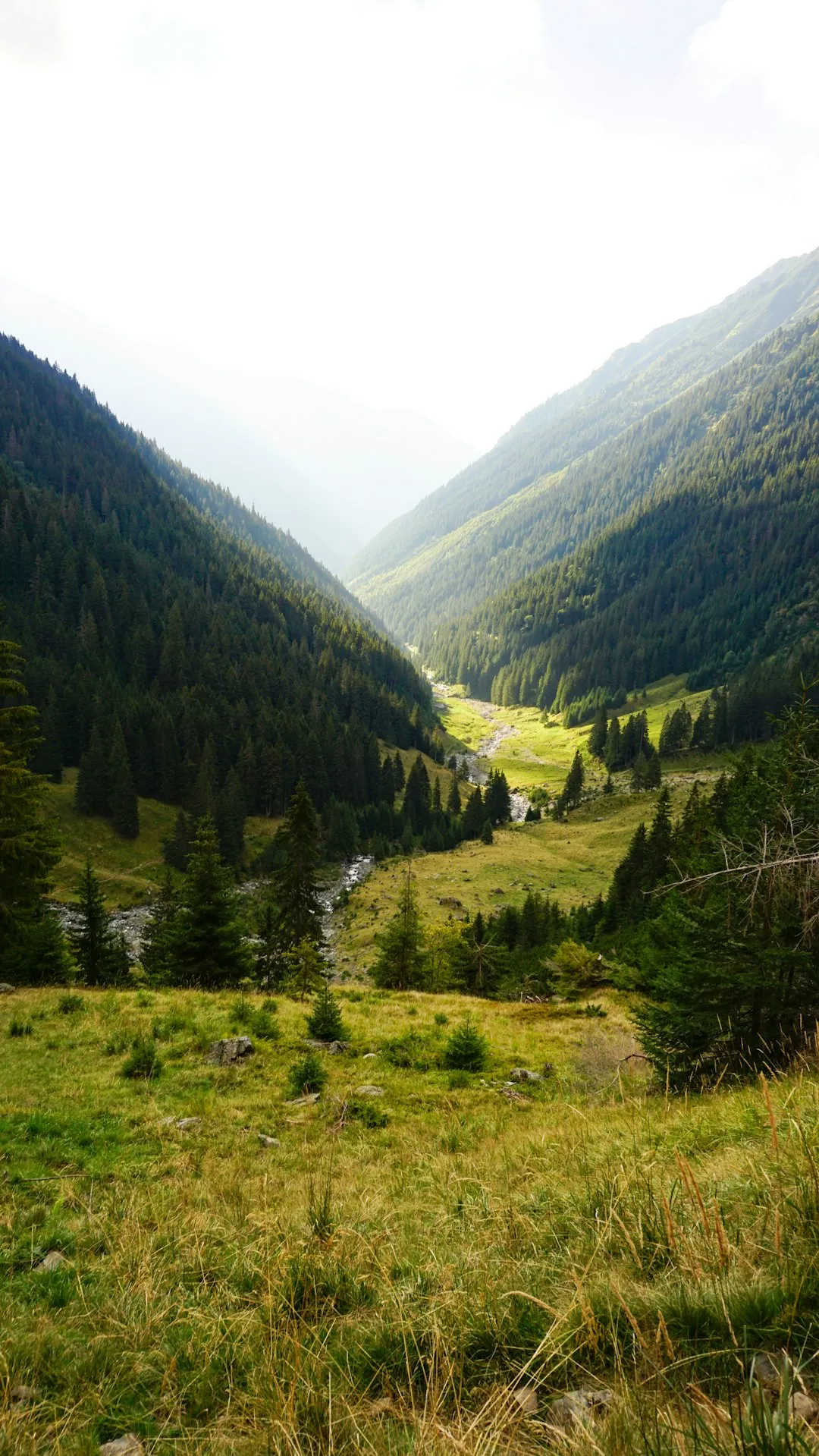
The Rodna Mountains Circuit is a spectacular multi-day trek through one of Romania's most wild and remote mountain ranges. This challenging route traverses the Rodna Mountains National Park, a protected area renowned for its dramatic alpine scenery, diverse wildlife, and rich geological heritage. Offering a true wilderness experience, the circuit winds through vast glacial valleys, over rugged peaks, and past pristine alpine lakes, providing a profound connection with nature.
- Distance: 85.0 km
- Elevation Gain: 4500 m
- Duration: 5-7 days
- Difficulty: Challenging
- Best Time: July to September (summer months)
- Closest City: Cluj-Napoca
- Trailhead Access: The main access point is from Borșa, easily reached by bus or car from major cities like Cluj-Napoca or Suceava.
- Coordinates: 47.5500, 24.6500
Overview
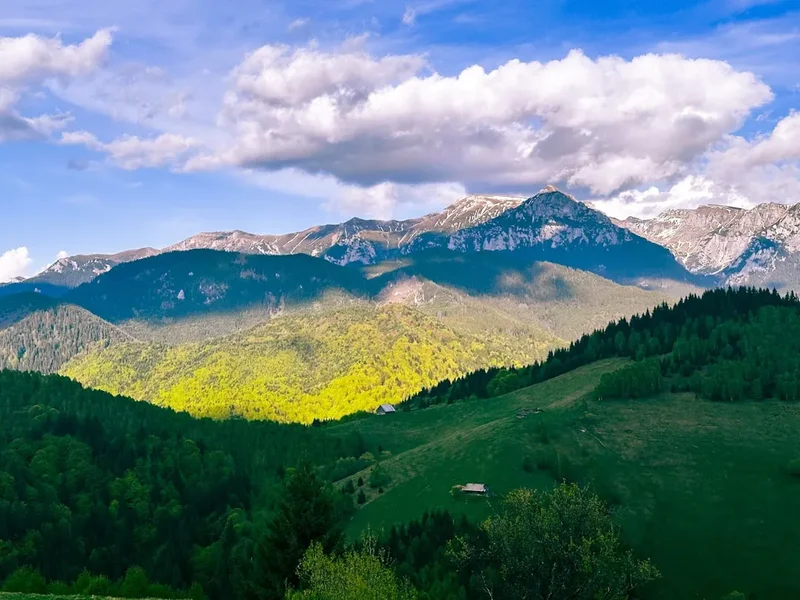
The Rodna Mountains Circuit is a journey into the heart of the Eastern Carpathians, a region that retains a raw, untamed beauty. Unlike more manicured European trails, this circuit demands a good level of fitness and navigational skill, rewarding walkers with unparalleled solitude and breathtaking vistas. The landscape is sculpted by ancient glaciers, evident in the U-shaped valleys, cirques, and numerous glacial lakes (tarns) that dot the high alpine terrain. The highest peak, Pietrosul Rodnei (2,303 m), stands as a majestic sentinel over the range.
The trail system is extensive, and while the "circuit" is a popular way to experience the core of the range, it's important to note that it's not a single, clearly marked loop in the same way as some Western European or New Zealand tracks. It often involves connecting various marked trails, some of which are less maintained than others, especially at higher elevations. This means careful planning and reliable navigation are paramount.
Wildlife is abundant. The Rodna Mountains are a stronghold for brown bears, wolves, lynx, and chamois. While sightings are rare and require luck and patience, the presence of these large mammals underscores the wildness of the ecosystem. Birdlife is also rich, with species like the golden eagle and capercaillie inhabiting the forests and alpine meadows.
The best time to undertake the circuit is during the summer months, from July to September. During this period, snow has typically receded from the higher passes, and the weather is generally more stable, although mountain weather can change rapidly. Wildflowers carpet the meadows in early summer, creating a vibrant spectacle.
This trek is for the adventurous spirit, for those who seek genuine wilderness and are prepared for the challenges that come with it. It offers a unique opportunity to experience the Carpathian Mountains in a way that feels increasingly rare in Europe.
History and Cultural Context
The Rodna Mountains have a long history of human interaction, primarily driven by their rich mineral resources. For centuries, these mountains were a significant centre for mining, particularly for gold, silver, copper, and lead. The Romans were among the earliest to exploit these resources, and their mining activities left a lasting impact on the landscape. Later, Saxon and Hungarian miners continued this tradition, establishing settlements and developing sophisticated mining techniques.
The legacy of mining is still visible today in the form of old mine shafts, spoil heaps, and remnants of mining infrastructure scattered throughout the mountains. Some of these sites are now abandoned and reclaimed by nature, while others have been preserved as historical landmarks or incorporated into the national park's interpretive trails.
The region also has a strong tradition of pastoralism. For generations, shepherds have grazed their flocks on the high mountain pastures (called "poieni" or "izlazuri"), a practice that has shaped the landscape and contributed to the unique cultural heritage of the area. The traditional shepherd huts, often simple wooden structures, are still a common sight in the summer months.
The establishment of the Rodna Mountains National Park in 1990 was a crucial step in preserving the ecological integrity and natural beauty of the range. The park covers an area of approximately 47,000 hectares and is recognised for its significant biodiversity, including a large population of large carnivores and a wealth of endemic plant species. The park's designation aims to balance conservation efforts with sustainable tourism and research.
Culturally, the Rodna Mountains are situated in a region where Romanian, Hungarian, and Ukrainian influences have historically converged. This has resulted in a rich tapestry of traditions, folklore, and dialects. The villages surrounding the mountains, such as Borșa and Vișeu de Sus, offer a glimpse into traditional Romanian rural life.
Seasonal Highlights and Weather Reality
The Rodna Mountains offer a distinct experience depending on the season, with summer being the most accessible and popular time for trekking.
Summer (July to September): This is the prime trekking season. The weather is generally the most stable, with longer daylight hours. Alpine meadows are in full bloom, typically from late June through August, creating a vibrant carpet of wildflowers. Temperatures are pleasant, though can still be cool at higher altitudes. However, mountain weather is notoriously unpredictable. Expect sunshine, but also be prepared for sudden thunderstorms, heavy rain, fog, and even snow flurries, especially at higher elevations. Daytime temperatures can range from 15-25°C in the valleys to 5-15°C at higher altitudes. Nights can be cold, dropping close to freezing.
Late Spring (May to June): While beautiful with blooming flora, this period can still see significant snow cover at higher elevations, making some sections of the circuit impassable or requiring winter gear and expertise. Trails may be muddy and wet. It's a good time for lower-altitude hikes but less ideal for the full circuit.
Autumn (October): The autumn colours can be spectacular, with golden larch trees and vibrant foliage. However, temperatures drop significantly, and snow can begin to fall at any time, particularly in late October. Daylight hours shorten, and many shepherd huts may be closed or less accessible.
Winter (November to April): The Rodna Mountains are a winter wonderland, but this season is strictly for experienced mountaineers and skiers equipped for extreme conditions. Heavy snowfall, avalanches, and extreme cold make trekking the circuit impossible and dangerous. Temperatures can plummet to -20°C or lower, with significant wind chill.
Weather Considerations: Regardless of the season, always check the mountain weather forecast before and during your trek. Thunderstorms are common in the afternoons during summer and can be severe. Hypothermia is a risk even in summer due to rapid temperature drops and wet conditions.
Recommended Itinerary
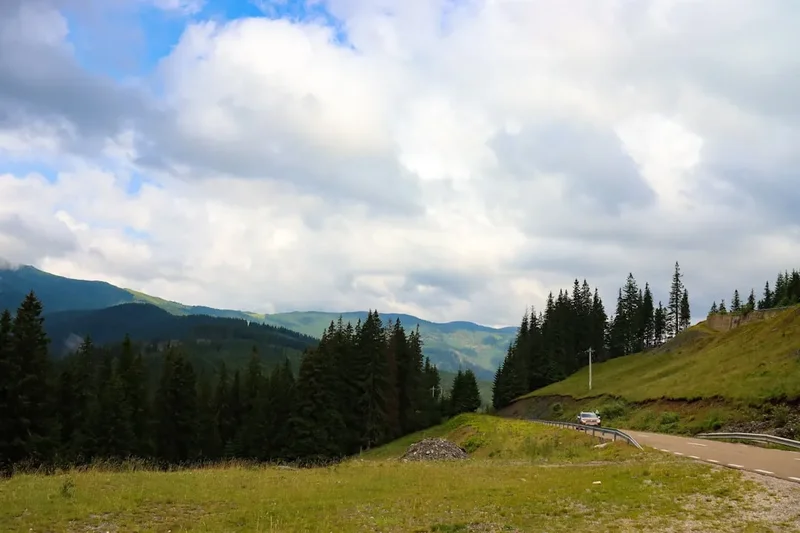
5-Day Rodna Mountains Circuit Itinerary (Challenging)
Day 1: Borșa to Poiana Zânelor (or nearby refuge)
- Distance: 15 km
- Elevation gain: 1000 m
- Time: 6-7 hours
- Start from Borșa town. Follow marked trails (often red or blue stripes) ascending through forests.
- The initial ascent is steep, leading out of the valley towards the alpine meadows.
- Pass through areas with remnants of old mining activity.
- Aim for a designated camping spot or a basic refuge/shepherd's hut if available near Poiana Zânelor.
- This day focuses on gaining altitude and entering the mountain environment.
Day 2: Poiana Zânelor to Refugiu Ștefana (or near Lacul Roșu)
- Distance: 18 km
- Elevation gain: 1200 m
- Time: 7-8 hours
- Continue ascending towards the main ridge.
- Traverse high alpine meadows and rocky terrain.
- Pass by or near several glacial lakes, including potentially Lacul Roșu (Red Lake) if the route allows.
- The terrain becomes more exposed and rugged.
- Aim for a refuge or suitable camping spot in the high alpine zone.
- This is a demanding day with significant elevation gain and exposure.
Day 3: Refugiu Ștefana to Refugiu Coasta Netedă (or near Pietrosul Rodnei summit)
- Distance: 12 km
- Elevation gain: 800 m
- Time: 5-6 hours
- Focus on reaching the vicinity of Pietrosul Rodnei, the highest peak.
- The route may involve a detour to summit Pietrosul Rodnei (2,303 m) for panoramic views.
- Descend slightly from the summit area towards a refuge or suitable camping location.
- This day offers the highest altitude and most dramatic mountain scenery.
- Navigation can be tricky in fog or poor visibility.
Day 4: Refugiu Coasta Netedă to Valea Vinului (or nearby village)
- Distance: 20 km
- Elevation gain: 500 m (net gain, with significant ups and downs)
- Time: 7-8 hours
- Begin the descent from the high alpine zone.
- Follow trails that lead down through valleys and forests.
- The route may pass through areas with more active pastoral farming.
- Aim to reach a village or a more established accommodation point in Valea Vinului or a similar valley.
- This day involves a significant descent and transition back towards lower altitudes.
Day 5: Valea Vinului to Borșa (or onward travel)
- Distance: 20 km
- Elevation gain: 300 m
- Time: 5-6 hours
- A final day of walking, mostly downhill or on relatively flat terrain.
- Follow valley paths and forest tracks back towards Borșa.
- This day is less physically demanding, allowing for reflection on the trek.
- Arrive back in Borșa, where transport can be arranged.
Important Notes:
- This itinerary is a guideline; actual routes and distances may vary based on trail conditions, available refuges, and personal pace.
- Markings can be inconsistent; a good map, compass, and GPS device are essential.
- Accommodation is primarily basic refuges (often unmanned) or wild camping. Bookings for refuges are rarely possible; arrive early or be prepared to camp.
- Water sources are generally plentiful but should be treated.
- Be prepared for rapid weather changes.
- This is a challenging trek requiring good physical condition and self-sufficiency.
Planning and Bookings
Book Your Trip
Everything you need to plan your journey
Accommodation
Find places to stay near Cluj-Napoca
Flights
Search flights to Cluj-Napoca
Essential Preparation
The Rodna Mountains Circuit is a remote and challenging trek that requires thorough preparation. Unlike well-established tourist trails, facilities are minimal, and self-sufficiency is key. Your primary base town for accessing the circuit is Borșa, a town in Maramureș County, easily reachable by road from major Romanian cities like Cluj-Napoca (approx. 4-5 hours drive) or Suceava (approx. 3-4 hours drive). Public transport options exist but can be time-consuming; consider a rental car for greater flexibility.
Before arriving, research current trail conditions, especially regarding snowmelt and any potential closures. Familiarise yourself with the local trail marking system, which can vary. It's highly recommended to purchase detailed topographic maps of the Rodna Mountains and consider a GPS device or smartphone app with offline maps. Inform someone of your planned route and expected return date.
Trail Accommodation
Accommodation on the Rodna Mountains Circuit is primarily basic and often requires self-sufficiency. There are no formal "huts" in the sense of managed lodges with services. Instead, you will encounter:
- Refuges (Cabane/Refugii): These are typically unmanned, simple shelters, often just a basic structure with a roof and sometimes a few sleeping platforms or a table. They offer protection from the elements but provide no amenities. Some may have a wood-burning stove, but fuel is not guaranteed. They are first-come, first-served, and cannot be booked in advance.
- Shepherd Huts (Stâne): During the summer months, shepherds may be present with their flocks. While they might offer a very basic form of hospitality (sometimes a place to sleep on the floor or a shared meal for a small fee), this is not guaranteed and depends entirely on the individual shepherd's willingness.
- Wild Camping: Camping is generally permitted in designated areas or away from villages and protected zones, provided you practice Leave No Trace principles. Choose flat, durable surfaces away from water sources and trails.
What's Provided: Basic shelter from the elements (in refuges).
What's NOT Provided: Food, cooking facilities, bedding, water, toilets, electricity, heating, or any services. You must carry all your own supplies.
Seasonal Availability: Refuges and shepherd huts are most likely to be accessible and potentially occupied from June to September. Outside these months, they may be closed or inaccessible due to snow.
Costs: Refuges are usually free to use. Shepherd huts may charge a small fee (e.g., €5-10 per night). Wild camping is free.
This is a day hike requiring no overnight accommodation. (This statement is incorrect for this trail and should be removed.)
Required Gear
- Sturdy hiking boots: Waterproof, well broken-in, with good ankle support.
- Backpack: 50-70 litre capacity, comfortable and adjustable, with a rain cover.
- Tent: Lightweight, waterproof, and durable for wild camping.
- Sleeping bag: Rated for temperatures down to 0°C or below, as nights can be cold at altitude.
- Sleeping mat: For insulation and comfort.
- Waterproof jacket and trousers: Essential for protection against rain and wind.
- Warm layers: Fleece jacket, thermal base layers (merino wool or synthetic), warm hat, and gloves.
- Navigation tools: Detailed topographic maps of the Rodna Mountains, compass, and a GPS device or smartphone with offline mapping capabilities.
- Head torch: With spare batteries.
- First-aid kit: Comprehensive, including blister treatment, pain relievers, antiseptic wipes, bandages, and any personal medications.
- Sun protection: Sunscreen (SPF 30+), sunglasses, and a wide-brimmed hat.
- Insect repellent: Especially for mosquitoes and midges, which can be present in summer.
What to Bring
- Food: Sufficient for the entire duration of your trek, including high-energy snacks. Plan for 3 meals per day plus snacks. Lightweight, non-perishable options are best.
- Water bottles or hydration reservoir: At least 2-3 litres capacity.
- Water purification method: Filter, purification tablets, or UV steriliser. While streams are common, treating water is always recommended.
- Cooking equipment: Lightweight camping stove, fuel, pot, mug, bowl, and utensils.
- Toiletries: Biodegradable soap, toothbrush, toothpaste, toilet paper, hand sanitiser.
- Trowel: For burying human waste if wild camping away from designated facilities.
- Trekking poles: Highly recommended for steep ascents and descents, and for stability on uneven terrain.
- Knife or multi-tool.
- Duct tape and cordage: For repairs.
- Camera and spare batteries/power bank.
- Small towel.
- Cash: For potential small purchases in villages or for any unexpected needs.
Permits
For the Rodna Mountains National Park, there are generally no specific permits required for trekking the circuit itself, especially if you are not planning to camp in designated zones or use specific facilities that might have fees. However, it is always advisable to check the latest regulations with the park administration or local tourism offices before your trip. Rules can change, and specific areas might have restrictions.
Park Entrance Fees: While not always strictly enforced for hikers on the trails, there might be nominal entrance fees at certain access points or for vehicle parking in Borșa or other trailheads. It's good practice to carry a small amount of local currency (Romanian Leu - RON) for such eventualities.
Camping Regulations: Wild camping is generally tolerated outside of protected core zones and away from villages, but it's crucial to adhere to Leave No Trace principles. If you plan to camp in or near designated areas, confirm any specific rules or potential fees with the park authorities. Some areas might have designated camping spots that are preferred or required.
Accommodation: As mentioned, refuges and shepherd huts are typically first-come, first-served and do not require advance booking or permits. However, their availability is not guaranteed.
Recommendations:
- Contact Park Administration: Before your trip, try to find contact details for the Rodna Mountains National Park administration (Administrația Parcului Național Munții Rodnei). Their website or a quick online search might provide the most up-to-date information on regulations, fees, and any specific requirements for trekkers.
- Local Tourist Information: In towns like Borșa, local tourist information points can offer valuable insights into current conditions and any necessary permits.
- Respect the Environment: Even without formal permits, the expectation is that all visitors will respect the natural environment, wildlife, and local customs.
Other Activities in the Area
The Rodna Mountains region offers more than just trekking. Depending on your interests and time, consider these activities:
- Explore Borșa and Maramureș: Borșa itself is a gateway to the Maramureș region, known for its wooden churches (UNESCO World Heritage sites), traditional crafts, and vibrant folk culture. Visit the Merry Cemetery in Săpânța for a unique cultural experience.
- Vaser Valley Railway (Mocănița): Take a ride on the historic narrow-gauge steam train through the Vaser Valley, a scenic journey through forests and along rivers. This is a popular attraction near Vișeu de Sus.
- Visit Local Villages: Immerse yourself in rural Romanian life by visiting smaller villages around the Rodna Mountains. Observe traditional farming practices and local architecture.
- Geological and Mining History: Explore the remnants of the region's rich mining past. Some former mining sites might offer guided tours or interpretive centres.
- Wildlife Watching: While challenging, dedicated wildlife enthusiasts might arrange guided tours focused on spotting bears, wolves, or lynx, though this requires significant luck and expertise.
- Photography: The dramatic landscapes, alpine flora, and traditional villages offer endless opportunities for landscape and cultural photography.
Safety and Conditions
Pre-Trek Checks:
- Weather Forecast: Always check the most up-to-date mountain weather forecast for the Rodna Mountains. Websites like MeteoBlue or local Romanian meteorological services can provide detailed forecasts. Be prepared for rapid changes, especially thunderstorms in the afternoon during summer.
- Trail Conditions: Research recent trail reports if available. Snow can linger on high passes well into July, and trails can become muddy and slippery after rain.
- Park Regulations: Familiarise yourself with any specific rules or recommendations from the Rodna Mountains National Park administration.
- Inform Someone: Leave your detailed itinerary, including expected return date and contact information, with a trusted person.
On the Trail:
- Navigation: The trail markings can be inconsistent. Rely on your map, compass, and GPS. Do not attempt the trek without these tools and the knowledge to use them.
- Water: While streams are plentiful, always treat water before drinking to avoid waterborne illnesses.
- Wildlife: The Rodna Mountains are home to large carnivores, including brown bears. While encounters are rare, be aware of your surroundings. Make noise while walking, especially in dense forest or near streams, to avoid surprising animals. Store food securely to avoid attracting wildlife to your campsite. Carry bear spray if you are particularly concerned, though its effectiveness and legality should be confirmed.
- Hypothermia: Even in summer, temperatures at altitude can drop significantly, especially with wind and rain. Carry adequate warm layers and waterproofs, and know the signs of hypothermia.
- Thunderstorms: Afternoon thunderstorms are common in summer. If you hear thunder or see lightning, descend to lower ground or seek shelter in a refuge or dense forest (avoiding isolated trees).
- Injuries: Carry a comprehensive first-aid kit and know how to use it. Be prepared for potential evacuation challenges due to the remote nature of the terrain. Consider carrying a personal locator beacon (PLB) for emergencies.
- Communication: Mobile phone signal is unreliable and often non-existent in the mountains.
Emergency Contacts: In case of emergency, contact the Romanian emergency number 112. For park-specific issues, try to have contact details for the Rodna Mountains National Park administration.
Side Trips and Points of Interest
Pietrosul Rodnei Summit (2,303 m): The highest point in the Rodna Mountains, offering potentially spectacular panoramic views across the entire range and surrounding regions on a clear day. The ascent is challenging but rewarding, and the summit area is a significant landmark. Allow extra time if you plan to summit.
Lacul Roșu (Red Lake): A beautiful glacial lake situated at a high altitude. The colour of the lake can vary depending on mineral content and light conditions. It's a picturesque spot for a break and photography.
Iezerul Mare and Iezerul Mic: Two other significant glacial lakes that may be on or near your route, offering stunning alpine scenery and opportunities for reflection. These lakes are often surrounded by dramatic rock formations.
The "Poieni" (Alpine Pastures): As you ascend into the higher altitudes, you'll encounter vast alpine meadows where shepherds graze their livestock during the summer. These areas are often dotted with traditional shepherd huts (stâne) and offer a glimpse into a centuries-old way of life. The flora in these meadows can be exceptionally rich.
Remnants of Mining Activity: Throughout the mountains, you may encounter signs of the region's historical mining operations, including old shafts, spoil heaps, and abandoned structures. These offer a unique historical perspective on the human interaction with this rugged landscape.
Diverse Flora and Fauna: The Rodna Mountains are a biodiversity hotspot. Keep an eye out for unique alpine flowers, various bird species (including eagles), and if you are very lucky and observant, signs of larger mammals like chamois, deer, or even bears.
Leave No Trace
The Rodna Mountains National Park is a precious natural environment, and it is crucial for all visitors to practice Leave No Trace principles to preserve its beauty and ecological integrity for future generations. The remoteness and relative lack of infrastructure mean that the impact of each visitor is amplified.
Your responsibility as a walker:
- Plan Ahead and Prepare: Research your route, understand the terrain, and pack appropriately. Know the regulations for camping and fires.
- Travel and Camp on Durable Surfaces: Stick to marked trails whenever possible. If camping, choose established sites or durable surfaces like rock, gravel, dry grass, or snow. Avoid camping on fragile vegetation.
- Dispose of Waste Properly: Pack out everything you pack in, including all food scraps, wrappers, and toilet paper. Use designated toilets where available. If wild camping, dig catholes at least 60 metres (60 m) away from water, trails, and campsites, and bury human waste and toilet paper.
- Leave What You Find: Do not disturb plants, rocks, or historical artefacts. Take only photographs and memories.
- Minimise Campfire Impacts: Campfires are generally discouraged in alpine environments due to their impact and the risk of wildfires. If permitted and necessary, use a lightweight stove for cooking. If you must have a fire, keep it small, use existing fire rings, and ensure it is completely extinguished before leaving.
- Respect Wildlife: Observe wildlife from a distance. Never feed animals, as this can harm their health, alter their natural behaviours, and expose them to predators or human-related dangers. Store food securely.
- Be Considerate of Other Visitors: Keep noise levels down, especially in natural quiet areas. Yield to other hikers and be respectful of local customs and traditions.
By adhering to these principles, you help ensure that the Rodna Mountains remain a wild and beautiful place for everyone to enjoy.