
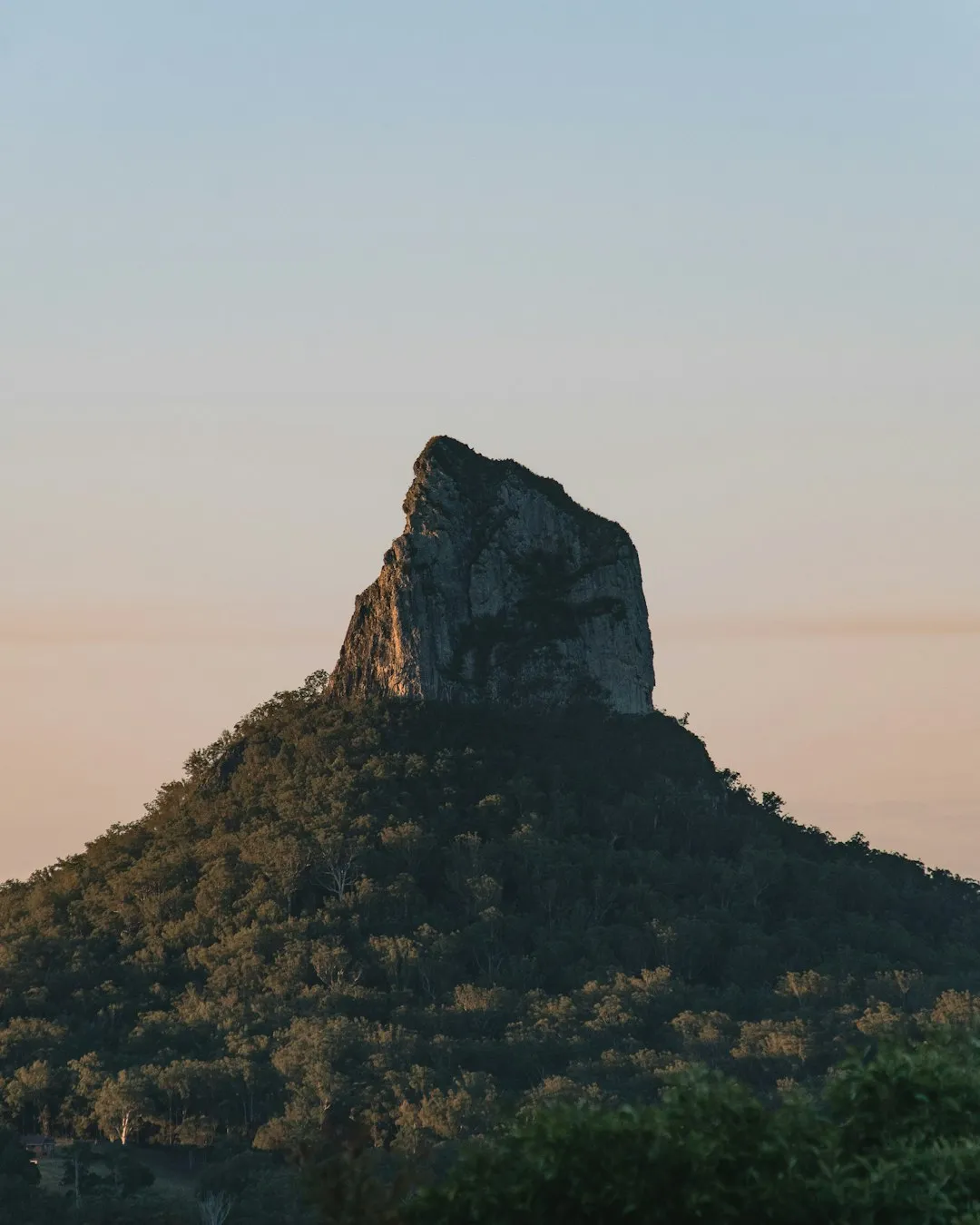
Twelve Apostles Walk
The Twelve Apostles Walk is a captivating coastal trail located along the iconic Great Ocean Road in Victoria, Australia. This relatively short but immensely rewarding day walk offers breathtaking views of dramatic limestone sea stacks, rugged cliffs, and the powerful Southern Ocean. It's a must-do for anyone visiting the region, providing an intimate encounter with one of Australia's most famous natural landmarks.
- Distance: 7.5 km one-way (can be walked as an out-and-back or a loop with minor road walking)
- Duration: 3-4 hours
- Season: All year round, but best during the milder months (October-April)
- Huts/Accommodation: Not applicable (day walk)
- Highest point: Coastal cliffs (approx. 70 m above sea level)
- Difficulty: Moderate (due to uneven terrain and potential for wind)
- Closest City: Melbourne (approx. 4 hours drive)
Overview
The Twelve Apostles Walk is not a single, continuous trail but rather a network of well-maintained boardwalks, viewing platforms, and short walking paths that connect various viewpoints along the coastline near the famous Twelve Apostles rock formations. The primary access point is the main Twelve Apostles Visitor Centre, from which a series of paths lead to different vantage points, offering unparalleled perspectives of these majestic natural sculptures.
The walk is characterised by its dramatic coastal scenery. The towering limestone stacks, some reaching up to 45 metres high, stand as solitary sentinels against the relentless force of the ocean. Over millennia, the sea has eroded the soft limestone cliffs, leaving these impressive pillars standing offshore. The walk allows you to witness this geological spectacle up close, with the constant roar of the waves providing a powerful soundtrack to the experience.
While the most famous formations are the "Twelve Apostles" (though fewer than twelve now remain standing), the surrounding coastline also features other significant geological features, including the Loch Ard Gorge, the Grotto, and the Arch. The paths are designed to be accessible and safe, with sturdy boardwalks and railings ensuring that visitors can enjoy the views without compromising safety. The moderate difficulty stems from the undulating terrain and the potential for strong winds, which are common along this exposed coastline.
The walk is best enjoyed during the daylight hours, with sunrise and sunset offering particularly spectacular light for photography. The proximity to Melbourne makes it an ideal day trip or a highlight of a longer Great Ocean Road adventure.
History and Cultural Context
The Twelve Apostles are a relatively recent geological phenomenon in the grand scheme of Earth's history. They began forming approximately 20 million years ago when the coastline was much further inland. Over millions of years, the relentless action of the Southern Ocean's waves and wind eroded the soft limestone cliffs, carving out caves, arches, and eventually, the iconic sea stacks that stand today.
The process of erosion is ongoing. The first of the Twelve Apostles to collapse into the sea occurred in 1929, followed by the Grotto in 1990 and the most significant collapse of an archway in 2005, which brought down one of the Apostles. This constant change underscores the dynamic nature of this coastline and the ephemeral beauty of these natural formations.
The area holds significant cultural importance for the Indigenous Wadawurrung and Gulidjan peoples, who have a deep spiritual connection to this land and sea country. Their ancestral stories and knowledge are intrinsically linked to the coastal landscapes, the ocean, and the creatures that inhabit it. While the modern tourist infrastructure is relatively new, the human history of this coastline stretches back thousands of years.
The Twelve Apostles gained international fame in the latter half of the 20th century, particularly after the construction of the Great Ocean Road, which opened up this remote stretch of coastline to visitors. The establishment of the Port Campbell National Park in 1971 helped to protect the natural and geological values of the area. The development of the Twelve Apostles Visitor Centre and the associated viewing platforms and walking tracks in recent decades has further enhanced the visitor experience, making it one of Australia's most visited natural attractions.
Seasonal Highlights and Weather Reality
The Twelve Apostles Walk can be enjoyed year-round, but each season offers a different experience:
Spring (September-November): This is an excellent time to visit. The weather is generally mild, with average temperatures ranging from 10°C to 20°C. Wildflowers begin to bloom along the coastal paths, adding splashes of colour to the landscape. The ocean can still be quite rough, offering dramatic wave action. Sandflies can be present, though usually less intense than in summer.
Summer (December-February): Summer offers the warmest weather, with average temperatures between 15°C and 25°C, though heatwaves can push temperatures higher. Days are long, providing ample time for exploration. However, this is also the busiest season, and the coastline can be exposed and hot. Sandflies are at their most prevalent during summer, so strong repellent is essential. The ocean is often calmer, but still powerful.
Autumn (March-May): Autumn is often considered the best time to visit. The weather is typically stable and pleasant, with average temperatures between 12°C and 22°C. The summer crowds have dispersed, offering a more tranquil experience. The light during autumn is often softer and more golden, making it ideal for photography. The ocean can become more active as winter approaches.
Winter (June-August): Winter brings cooler temperatures, averaging between 8°C and 17°C, and a higher chance of rain and strong winds. However, this is also when the Southern Ocean is at its most dramatic, with powerful swells and impressive wave displays crashing against the Apostles. The dramatic weather can create a truly awe-inspiring spectacle. While less crowded, visitors should be prepared for challenging weather conditions.
Weather Reality: Regardless of the season, the weather along the Great Ocean Road can be highly unpredictable. Strong winds are a constant feature, and conditions can change rapidly. It is essential to always be prepared for rain, wind, and sun, even on the same day. Layering clothing is highly recommended.
Recommended Itinerary
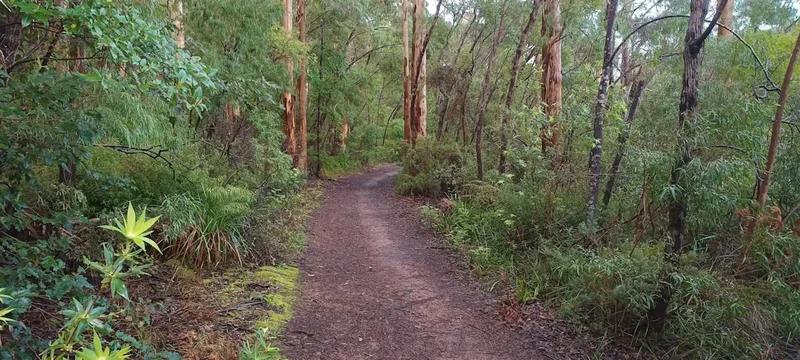
Twelve Apostles Walk - Day Itinerary
Morning (Approx. 9:00 AM - 12:00 PM): Arrival and Initial Exploration
- Drive from Melbourne via the Great Ocean Road (approx. 4 hours).
- Arrive at the Twelve Apostles Visitor Centre. Park your vehicle.
- Begin at the main visitor centre, which provides excellent interpretative displays about the geology, history, and wildlife of the area.
- Take the short, paved path from the visitor centre to the primary viewing platform overlooking the Twelve Apostles. Spend time absorbing the scale and grandeur of the sea stacks.
- Explore the network of boardwalks and viewing platforms that branch off from the main area. These offer different perspectives of the Apostles and the surrounding coastline.
- Walk towards the Gibson Steps turn-off (if accessible and conditions permit) for a closer view of the formations from beach level. Note: Gibson Steps access can be subject to closure due to weather and safety conditions.
Midday (Approx. 12:00 PM - 1:00 PM): Lunch and Reflection
- Enjoy a packed lunch at one of the designated picnic areas near the visitor centre, or visit the café at the visitor centre for refreshments.
- Take this time to review the information boards and appreciate the geological processes that created these formations.
Afternoon (Approx. 1:00 PM - 3:00 PM): Exploring Nearby Formations
- Drive a short distance west along the Great Ocean Road to explore other key sites within the Port Campbell National Park.
- The Grotto: A short walk leads to a viewing platform overlooking a natural rock arch and a blowhole. This offers a different perspective on coastal erosion.
- The Arch: Another easily accessible viewpoint showcasing a magnificent natural archway carved by the sea.
- Loch Ard Gorge: A slightly longer drive, but well worth it. This historic site features a beautiful beach nestled between towering cliffs, with remnants of the 1878 Loch Ard shipwreck. A short walk down to the beach provides a sense of the dramatic history of this coastline.
Late Afternoon (Approx. 3:00 PM onwards): Departure
- Begin your drive back to Melbourne, or continue your journey along the Great Ocean Road.
- Consider stopping at other viewpoints or towns along the route as time permits.
Important Notes:
- The "walk" is a series of interconnected paths and viewing platforms, not a single continuous trail.
- Always stay on marked paths and boardwalks for your safety and to protect the fragile environment.
- Be aware of the weather; conditions can change rapidly.
- The number of remaining Apostles is fewer than twelve due to natural erosion.
- Access to Gibson Steps can be restricted due to high tides or rough seas.
Planning and Bookings
Book Your Trip
Everything you need to plan your journey
Accommodation
Find places to stay near Melbourne
Flights
Search flights to Melbourne
Essential Preparation
The Twelve Apostles Walk is a day walk, meaning no overnight accommodation is required. The primary logistical consideration is transportation to the site. The closest major city is Melbourne, approximately a 4-hour drive east along the scenic Great Ocean Road. While public transport options exist, they are limited and time-consuming, making a private vehicle (rental car or campervan) the most practical choice for most visitors.
Base Town/City Information:
- Melbourne: The capital of Victoria, offering extensive accommodation, dining, and transport links. It serves as the starting point for most journeys to the Twelve Apostles.
- Geelong: A larger regional city located about 1.5 hours from Melbourne and 1.5 hours from the Twelve Apostles. It offers a good range of accommodation and services.
- Warrnambool: Located approximately 1.5 hours west of the Twelve Apostles, it's a popular base for exploring the western end of the Great Ocean Road.
- Port Campbell: A small coastal town situated just 10 minutes west of the Twelve Apostles, offering limited but convenient accommodation and dining options for those wishing to stay closer to the formations.
Logistics:
- Vehicle: Ensure your vehicle is in good condition for a long drive.
- Fuel: Fuel stations are available in towns along the Great Ocean Road, but it's advisable to fill up when you have the opportunity, especially if travelling outside of peak hours.
- Navigation: While the Great Ocean Road is well-signposted, having a GPS device or a reliable offline map application on your smartphone is recommended.
Trail Accommodation
This is a day hike requiring no overnight accommodation.
Required Gear
- Footwear: Comfortable walking shoes or sturdy trainers are sufficient for the well-maintained paths and boardwalks. Hiking boots are not necessary unless you plan to explore more rugged, off-track areas (which are not recommended for this walk).
- Clothing: Layered clothing is essential due to the unpredictable coastal weather. Include a waterproof and windproof jacket, even in summer. A hat for sun protection and a beanie for cooler days are advisable.
- Sun Protection: High SPF sunscreen, sunglasses, and a wide-brimmed hat are crucial, as the coastal sun can be intense, especially during summer.
- Navigation: While the paths are well-marked, a map of the Port Campbell National Park or a reliable offline map app on your smartphone can be useful for identifying different viewpoints and planning your exploration of the wider area.
- Safety Gear: A basic first-aid kit for minor cuts or blisters is recommended.
What to Bring
- Food and Water: Pack plenty of water, especially during warmer months. There are limited food and drink facilities directly at the Twelve Apostles viewpoints, though the Visitor Centre has a café. Consider bringing snacks or a packed lunch to enjoy at the designated picnic areas.
- Toiletries: Standard personal toiletries. Hand sanitiser is always useful.
- Camera: Essential for capturing the stunning scenery. Ensure you have spare batteries or a power bank.
- Insect Repellent: Sandflies can be a nuisance, particularly during warmer months and near the coast. Bring a good quality repellent containing DEET.
- Binoculars: Optional, but can enhance wildlife viewing (e.g., seabirds, seals) and provide closer views of the rock formations.
- Cash: While most places accept cards, it's always wise to have some cash for smaller purchases or in case of card machine issues.
Permits
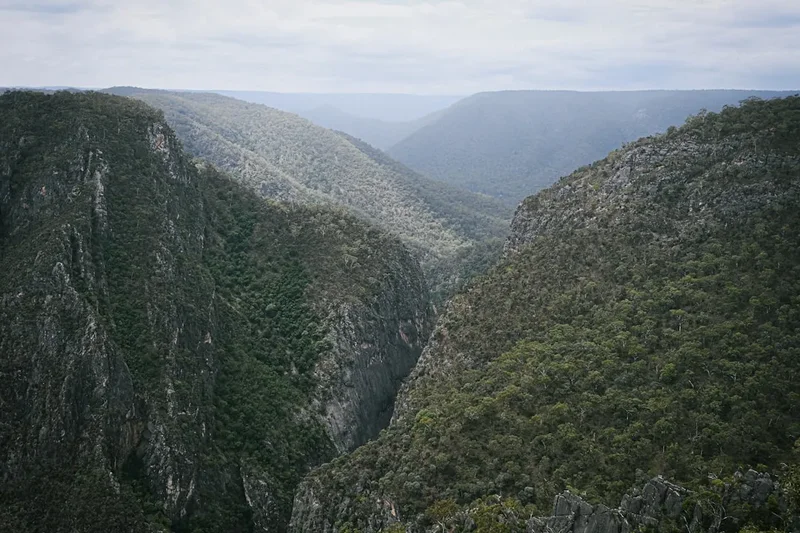
No specific permits are required to walk the main paths and viewing platforms around the Twelve Apostles. Access to the primary viewpoints and the network of boardwalks is free of charge.
Parking Fees:
- There is a parking fee at the Twelve Apostles Visitor Centre. This fee contributes to the maintenance and upkeep of the visitor facilities, including the boardwalks, viewing platforms, and interpretative displays.
- The fee is typically per vehicle and can be paid at the parking metres or via a mobile app. Check the Parks Victoria website or signage at the car park for current rates.
National Park Entry:
- The Twelve Apostles are located within the Port Campbell National Park. While there is no general entry fee for the national park itself, the parking fee at the main visitor centre is the primary cost associated with visiting this specific attraction.
Gibson Steps Access:
- Access to Gibson Steps, which leads down to the beach near some of the Apostles, is subject to weather conditions and safety assessments by Parks Victoria. It may be closed without notice due to high tides, rough seas, or maintenance. There is no separate permit required for this access when it is open.
Other Sites:
- Access to other nearby sites like The Grotto, The Arch, and Loch Ard Gorge is generally free, with parking available at designated areas.
Other Activities in the Area
The Twelve Apostles region offers a wealth of activities beyond the immediate walk:
- Great Ocean Road Drive: The entire route is an attraction in itself, with numerous lookouts, charming coastal towns, and surf beaches.
- Helicopter Tours: Experience the Twelve Apostles and the surrounding coastline from a breathtaking aerial perspective. Several operators offer scenic flights from the Twelve Apostles helipad.
- Loch Ard Gorge: Explore the historic shipwreck site, walk down to the beach, and learn about the tragic tale of the Loch Ard.
- The Grotto and The Arch: Visit these other impressive geological formations, easily accessible by short walks from the Great Ocean Road.
- Otway National Park: Further inland, this park offers rainforest walks, waterfalls (like the Otway Falls), and opportunities for wildlife spotting, including koalas.
- Cape Otway Lightstation: A historic lighthouse offering panoramic views and a glimpse into maritime history.
- Surfing and Beach Activities: Many beaches along the Great Ocean Road are popular for surfing, swimming, and other water sports. Be aware of surf conditions and safety warnings.
- Wildlife Spotting: Keep an eye out for kangaroos, wallabies, koalas (especially in the Otway Ranges), and various seabirds along the coast. Seals can sometimes be seen near the Apostles.
- Town Exploration: Visit nearby towns like Port Campbell, Apollo Bay, or Lorne for local cafes, restaurants, shops, and a relaxed coastal atmosphere.
Safety and Conditions
Coastal Weather: The most significant safety consideration is the unpredictable coastal weather. Strong winds are common and can make walking uncomfortable or even hazardous on exposed sections. Always check the weather forecast before you go and be prepared for rapid changes. A waterproof and windproof jacket is essential year-round.
Cliff Edges and Viewing Platforms: While the paths and viewing platforms are well-maintained and have safety railings, always exercise caution. Stay behind barriers and do not venture off marked paths, especially near cliff edges. The ground can be uneven and unstable.
Ocean Conditions: The Southern Ocean is powerful and can be dangerous. Never enter the water at the base of the Twelve Apostles or at beaches with strong currents or rough surf unless you are an experienced surfer and aware of the conditions. Respect warning signs and lifeguard instructions.
Gibson Steps: If Gibson Steps are open, be aware that the descent can be steep and the steps can be slippery, especially when wet. The beach at the bottom can be subject to rapidly rising tides and powerful waves. Always check the tide times and be mindful of the ocean's proximity.
Sandflies: Sandflies are prevalent, particularly during warmer months and in sheltered, damp areas. They can deliver persistent and irritating bites. Use insect repellent liberally and wear long sleeves and trousers if they are a significant problem.
Sun Exposure: The coastal sun can be intense, even on cloudy days. Wear sunscreen, a hat, and sunglasses to protect yourself from UV radiation.
Visitor Centre Information: The Twelve Apostles Visitor Centre provides up-to-date information on track conditions, weather, and any safety alerts. It's advisable to check with staff upon arrival.
Emergency Contact: In case of an emergency, dial 000 (Australia's emergency number). Mobile phone reception can be patchy in some areas along the Great Ocean Road, so be prepared for this.
Side Trips and Points of Interest
Gibson Steps: This is the most significant "side trip" directly associated with the Twelve Apostles. A steep staircase carved into the cliff face allows visitors to descend to the beach level. From here, you can get a much closer perspective of the sea stacks, including the prominent "Gog" and "Magog" formations. The walk down and back up takes approximately 30-45 minutes, depending on your fitness and how much time you spend on the beach. Access is dependent on weather and tide conditions, and it may be closed for safety reasons.
The Grotto: A short, easy walk from the Great Ocean Road leads to a viewing platform overlooking a unique sea cave and blowhole. The Grotto offers a different geological perspective, showcasing the power of the ocean to carve intricate shapes into the limestone. It's particularly atmospheric when waves crash into the cave.
The Arch: Just a short drive west of the Twelve Apostles, The Arch is another impressive natural formation. A well-constructed viewing platform provides excellent views of a large, freestanding rock arch. Like the Apostles, it is a testament to the erosive power of the sea.
Loch Ard Gorge: While a separate destination, Loch Ard Gorge is an essential stop when visiting the Twelve Apostles. This beautiful, sheltered cove is famous as the site of the 1878 shipwreck of the Loch Ard. A walk down to the beach reveals the dramatic cliffs, the iconic "Tom Thumb" island, and the remnants of the shipwreck's story. The gorge itself is a stunning example of coastal erosion, with a natural arch and cave.
Helicopter Viewing Platforms: While not a "walk," the helipad area for scenic flights offers a different vantage point. Even if you don't take a flight, the surrounding area provides expansive views of the coastline and the Twelve Apostles from a higher elevation.
Leave No Trace
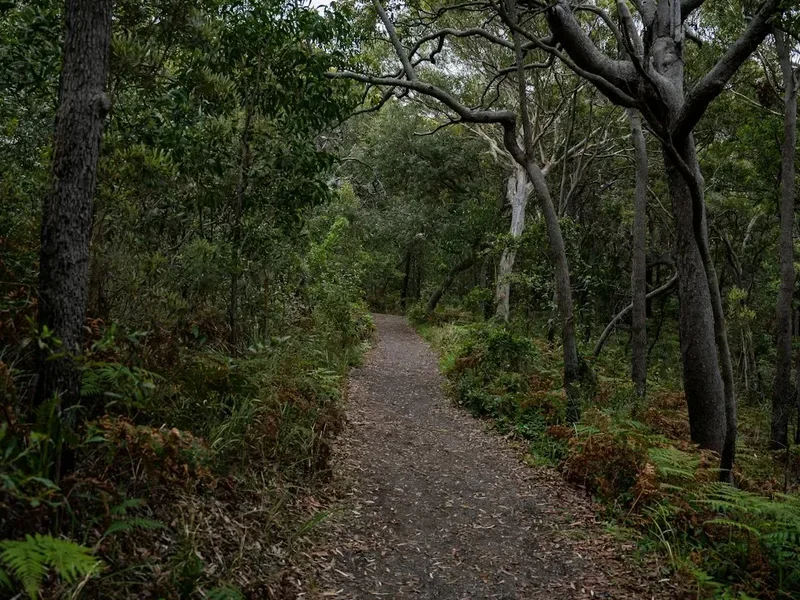
The Twelve Apostles and the surrounding Port Campbell National Park are precious natural and geological wonders that require careful stewardship. Adhering to Leave No Trace principles ensures that these iconic formations remain for future generations to enjoy.
Stay on Marked Paths: The boardwalks and designated paths are constructed to protect the fragile coastal vegetation and prevent erosion. Venturing off-path can damage delicate ecosystems and compromise your safety on unstable ground.
Pack It In, Pack It Out: Carry out all litter, including food scraps, wrappers, and any other waste you generate. There are bins available at the Visitor Centre, but it's best practice to take your rubbish with you.
Respect Wildlife: Observe wildlife from a distance and never feed any animals. Feeding native animals can disrupt their natural behaviours, diets, and health, and can make them more vulnerable to predators or human-related dangers.
Dispose of Waste Properly: Use the provided toilet facilities at the Visitor Centre. Avoid using natural water sources for washing or disposing of waste, as this can contaminate them.
Leave What You Find: Do not take any natural souvenirs, such as rocks, shells, or plants. These are part of the natural environment and should be left in place.
Be Considerate of Other Visitors: Keep noise levels down, especially at viewing platforms, to allow everyone to enjoy the natural sounds of the ocean and the peaceful atmosphere. Avoid blocking viewpoints for extended periods.
Protect Geological Features: The limestone formations are ancient and fragile. Do not touch, climb on, or attempt to chip away at any part of the rock formations. Their beauty lies in their natural state.
 Australia