
Tsavo East Safari Walk
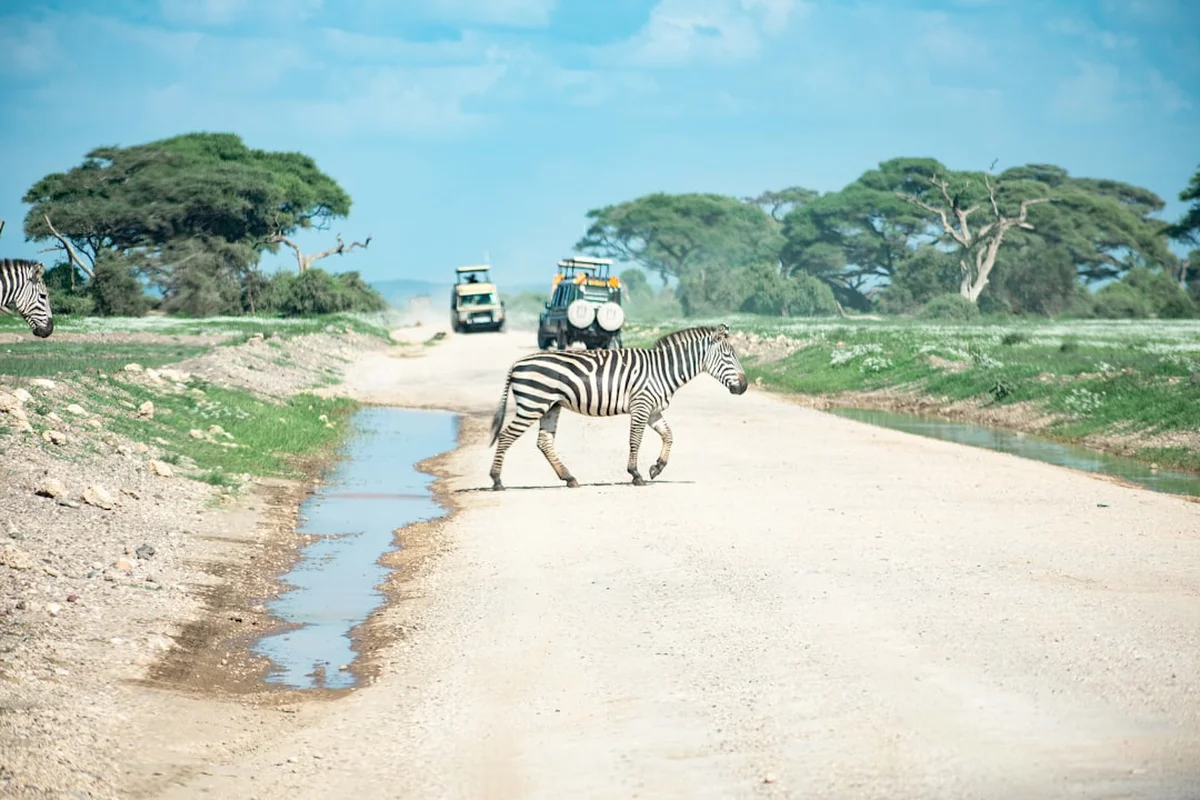
The Tsavo East Safari Walk is a unique and accessible day experience within Kenya's vast Tsavo East National Park. This guided walk offers a different perspective on the African savanna, allowing visitors to connect with the environment on foot, observing the smaller details often missed from a vehicle. It's an opportunity to immerse yourself in the sights, sounds, and smells of the bush, guided by experienced rangers who share their knowledge of the local flora, fauna, and ecosystem. While Tsavo East is renowned for its large elephant herds and dramatic landscapes, this walk focuses on the intricate beauty of the savanna, from the smallest insects to the towering acacia trees, providing an intimate encounter with the wild.
- Distance: 5.0 km
- Duration: 2-3 hours
- Season: July to October (dry season)
- Difficulty: Easy
- Best Time: Early morning or late afternoon
- Closest City: Voi
- Trailhead Access: Tsavo East National Park, near Voi
Overview
The Tsavo East Safari Walk is designed to provide an intimate and educational experience of the savanna ecosystem. Unlike a typical game drive where you observe wildlife from the safety of a vehicle, this walk encourages a more grounded and sensory engagement with the environment. Led by armed rangers, the walk focuses on the subtle wonders of the bush: the tracks and signs left by animals, the medicinal uses of plants, the behaviour of insects, and the adaptations of flora to the arid climate. The terrain is generally flat and open, typical of the Tsavo East landscape, with scattered acacia trees, scrubland, and occasional rocky outcrops. The 5.0 km route is designed to be manageable for most fitness levels, allowing ample time for observation and learning.
The dry season, from July to October, is the optimal time for this walk. During this period, vegetation is less dense, offering better visibility, and water sources are more concentrated, often attracting a variety of wildlife. While the primary focus is not on spotting large predators (which are best viewed from a vehicle due to safety considerations), the walk provides opportunities to see smaller mammals, diverse birdlife, reptiles, and a fascinating array of insects. The rangers' expertise is crucial, as they can identify animal tracks, explain the ecological significance of different species, and ensure the safety of the walkers. This experience is about appreciating the complexity and resilience of the savanna, fostering a deeper understanding and appreciation for this iconic African landscape.
History and Cultural Context
Tsavo East National Park, established in 1948, is one of Kenya's oldest and largest national parks. Its history is intertwined with the development of conservation efforts in East Africa and the legacy of figures like Colonel John Henry Patterson, whose book "The Man-Eaters of Tsavo" brought the park to international attention. The area has been inhabited by various indigenous communities for centuries, including the Taita and Kamba people, who have traditional knowledge of the land, its resources, and its wildlife. The concept of guided walking safaris in such areas is a relatively modern development, evolving from traditional bushcraft and tracking skills passed down through generations of local guides and rangers.
The Tsavo region is historically significant as a vital corridor for wildlife migration and a traditional hunting ground. The establishment of the park aimed to protect this rich biodiversity and its unique ecosystems, which are characterised by semi-arid plains, acacia woodlands, and volcanic hills. The safari walk itself draws upon the deep-rooted knowledge of the local rangers, many of whom come from communities that have lived in harmony with the bush for generations. Their understanding of tracking, animal behaviour, and the medicinal properties of plants is an integral part of the walking safari experience. This tradition of guided exploration, combined with modern conservation practices, makes the Tsavo East Safari Walk a contemporary expression of an ancient relationship between humans and the wild.
Seasonal Highlights and Weather Reality
The Tsavo East Safari Walk is best undertaken during the dry season, which typically spans from July to October. This period offers several advantages for walking safaris:
- Reduced Vegetation Density: The dry conditions lead to less dense bush cover, improving visibility and making it easier to spot wildlife and observe tracks.
- Concentrated Wildlife: As water sources become scarcer, animals tend to congregate around the remaining waterholes and rivers, increasing the chances of sightings.
- Pleasant Temperatures: While Tsavo can be hot year-round, the dry season often brings slightly cooler temperatures and less humidity compared to the wet seasons, making walking more comfortable.
- Lower Insect Activity: Mosquitoes and other biting insects are generally less prevalent during the dry months.
The wet seasons (November to June) can also offer unique experiences, such as lush green landscapes and abundant birdlife, but the dense vegetation can make wildlife spotting more challenging, and walking can be more strenuous due to humidity and potential rain. The park experiences high temperatures throughout the year, with daytime averages often exceeding 30°C. Early morning and late afternoon walks are therefore recommended to avoid the midday heat.
Recommended Itinerary
Tsavo East Safari Walk - Day Itinerary
Early Morning (Approx. 06:00 - 09:00)
- Meet your armed ranger at the designated meeting point within Tsavo East National Park (e.g., near a lodge or park gate).
- Briefing on safety protocols, expected wildlife, and the day's route.
- Begin the walk, focusing on early morning animal activity and the awakening savanna.
- Observe animal tracks and signs, learning about the movements and behaviours of nocturnal and crepuscular animals.
- Identify various acacia species and discuss their ecological importance and adaptations.
- Look for birdlife, which is often most active in the cooler morning hours.
- Potential sightings may include smaller mammals like dik-diks, warthogs, or various antelope species.
Morning (Approx. 09:00 - 11:00)
- Continue the walk, exploring different microhabitats within the savanna.
- Rangers will point out interesting flora, including medicinal plants and their traditional uses.
- Learn about insect life and their roles in the ecosystem.
- The walk may involve traversing open plains, scrubland, or areas with more significant tree cover.
- Focus shifts to identifying signs of larger animals that may have passed through overnight.
- The duration and exact route will be adapted based on recent wildlife sightings and ranger recommendations.
Midday (Optional - if extending walk or as a break)
- If the walk is extended or includes a break, find a safe, shaded spot to rest.
- Enjoy a packed snack or light lunch, always remaining vigilant.
- Rangers will continue to share insights into the savanna's resilience and survival strategies in the heat.
Late Afternoon (Approx. 16:00 - 18:00)
- An alternative or additional walking slot, often offering cooler temperatures and different wildlife activity patterns.
- Observe animals preparing for the evening or returning to water sources.
- Focus on the changing light and atmosphere of the savanna as the day cools.
- This timing can be excellent for spotting certain bird species and smaller mammals.
- The walk concludes back at the designated meeting point.
Important Notes:
- This is a guided walk; always stay with your ranger.
- Wear appropriate clothing and footwear.
- Carry sufficient water and sun protection.
- Photography is encouraged, but always be mindful of your surroundings and wildlife.
- The exact route and duration may vary based on ranger discretion and wildlife movements.
Planning and Bookings
Book Your Trip
Everything you need to plan your journey
Accommodation
Find places to stay near Voi
Flights
Search flights to Voi
Essential Preparation
The Tsavo East Safari Walk is a day activity, meaning no overnight accommodation is required on the trail itself. However, planning your visit to Tsavo East National Park is crucial. The closest major town and logistical hub is Voi. From Voi, you can arrange transport to the park's main gate. It is highly recommended to book your safari walk in advance through a reputable tour operator or directly with your lodge or camp within or near the park. This ensures the availability of an experienced and armed ranger, as walking safaris require specific permits and trained personnel.
When booking, confirm the meeting point, start time, and what is included (e.g., ranger fees, park entry fees, water). Ensure your chosen operator is licensed and adheres to safety standards. The best time to visit Tsavo East for walking is during the dry season (July to October) for better visibility and more comfortable temperatures. However, early mornings and late afternoons are ideal for walking year-round to avoid the midday heat.
Trail Accommodation
This is a day hike requiring no overnight accommodation.
Required Gear
- Sturdy Walking Boots: Comfortable, broken-in hiking boots with good ankle support are essential for navigating uneven terrain and providing protection.
- Lightweight Trousers: Long, durable trousers made of breathable fabric to protect against thorns, insects, and the sun.
- Long-Sleeved Shirt: A lightweight, breathable long-sleeved shirt to protect your arms from the sun and insects.
- Sun Hat: A wide-brimmed hat or cap to shield your face and neck from the intense African sun.
- Insect Repellent: A strong repellent containing DEET or Picaridin is crucial for protection against mosquitoes and other biting insects.
- Sunscreen: High SPF sunscreen to protect exposed skin.
- Sunglasses: To protect your eyes from the glare.
- Camera: With extra batteries and memory cards to capture the experience.
- Binoculars: Highly recommended for observing wildlife and birds at a distance.
- Small Backpack: To carry water, snacks, and personal items.
What to Bring
- Water: At least 2-3 litres of water per person. Staying hydrated is paramount in the Tsavo heat.
- Snacks: High-energy snacks such as nuts, dried fruit, energy bars, or sandwiches.
- Personal First-Aid Kit: Including any personal medications, blister treatment, antiseptic wipes, and pain relievers.
- Hand Sanitiser: For hygiene before eating or after touching surfaces.
- Small Towel: A quick-drying towel can be useful.
- Cash: For any small purchases or tips, and potentially for park entry fees if not pre-paid.
- Identification: Passport or ID.
Permits
To undertake the Tsavo East Safari Walk, you will need to pay park entry fees for Tsavo East National Park. These fees are typically paid at the park gate upon entry. The cost varies for foreign residents and Kenyan citizens/residents. In addition to the standard park entry fees, there is usually a separate fee for guided walking safaris, which covers the cost of the armed ranger who accompanies the group. This fee is often incorporated into the overall price when booking through a tour operator or lodge.
It is essential to confirm the exact permit requirements and associated costs with your tour operator or the Kenya Wildlife Service (KWS) prior to your visit. Rangers are mandatory for walking safaris in Tsavo East National Park to ensure the safety of participants due to the presence of potentially dangerous wildlife. Booking your walk in advance through a reputable provider will usually streamline the permit process, as they will handle the necessary arrangements.
Other Activities in the Area
Tsavo East National Park offers a range of activities beyond the safari walk, allowing visitors to experience the diverse wildlife and landscapes:
- Game Drives: The primary activity in Tsavo East, offering opportunities to see large mammals such as elephants, lions, cheetahs, leopards, giraffes, zebras, and a variety of antelope species. Early morning and late afternoon drives are generally the most rewarding.
- Bird Watching: Tsavo East is a haven for birdwatchers, with over 500 species recorded. The park's diverse habitats support a wide array of resident and migratory birds, including ostriches, secretary birds, various raptors, and water birds near the Galana River.
- Visiting the Aruba Dam: A popular spot for wildlife viewing, especially during the dry season when animals congregate to drink.
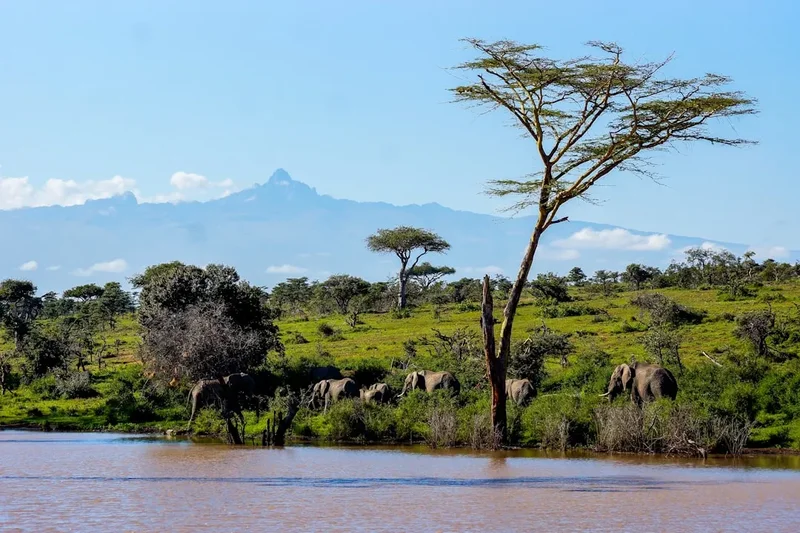
- Mudanda Rock: A 1.6 km long outcrop that offers panoramic views of the park and is a popular spot for elephants to bathe and drink from a natural dam.
- Yatta Plateau: The world's longest lava flow, stretching for over 300 km. While not directly accessible for walking, it forms a significant geological feature of the park and can be viewed from certain vantage points.
- Voi Town Exploration: If based in or near Voi, you can explore the local markets and experience the culture of the Taita and Kamba communities.
Safety and Conditions
Ranger Guidance: The Tsavo East Safari Walk is conducted under the strict supervision of an armed KWS ranger. Their presence is mandatory and non-negotiable for your safety. Always follow their instructions precisely. Do not wander off from the group or stray from the designated path.
Wildlife Encounters: While the walk focuses on smaller details, Tsavo East is home to dangerous animals, including lions, elephants, buffalo, and hippos. Maintain a safe distance from all wildlife. Never approach, feed, or provoke any animal. The ranger is trained to assess animal behaviour and will guide the group to safety if any animal poses a threat.
Terrain: The terrain is generally flat savanna with scattered vegetation, but can be uneven with loose soil, rocks, and thorny bushes. Wear appropriate footwear to prevent injuries and protect your feet.
Heat and Hydration: Tsavo experiences high temperatures, especially during the dry season. Dehydration is a significant risk. Carry ample water (at least 2-3 litres per person) and drink regularly, even if you don't feel thirsty. Wear a hat and sunscreen to protect yourself from the sun.
Insects: Mosquitoes and other biting insects are present. Use effective insect repellent, especially during dawn and dusk. Long sleeves and trousers offer additional protection.
Communication: Mobile phone reception can be unreliable within the park. Ensure you have a way to contact emergency services if needed, although the ranger will have communication equipment.
Emergency Procedures: Familiarise yourself with the ranger's emergency procedures. In case of an incident, remain calm and follow their guidance.
Park Conditions: The park roads and trails can be dusty and rough. The walking path itself is not a formal, maintained trail but rather a route determined by the ranger based on safety and wildlife sightings.
Side Trips and Points of Interest
While the Tsavo East Safari Walk is a focused experience, the surrounding park offers several points of interest that can be incorporated into a broader visit:
Aruba Dam: Located in the park's centre, this is a popular watering hole that attracts a wide variety of wildlife, including elephants, zebras, wildebeest, and numerous bird species. It's an excellent spot for observation and photography, often visited during game drives before or after a walking safari.
Mudanda Rock: This impressive geological formation is a large outcrop of rock that serves as a natural dam. Elephants frequently visit to drink and bathe here, providing spectacular viewing opportunities. The rock also offers elevated views across the surrounding plains.
Yatta Plateau: The world's longest lava flow, stretching for over 300 kilometres. While you cannot walk on the plateau itself during a standard safari walk, its immense geological significance shapes the landscape of Tsavo. It can be viewed from a distance during game drives, showcasing the volcanic history of the region.
Lugard Falls: Situated on the Galana River, these are a series of rapids and waterfalls that create a dramatic natural spectacle. The area around Lugard Falls is often rich in birdlife and offers a different scenic perspective within the park.
Tsavo East Visitor Centre: If available, a visit to the park's visitor centre can provide valuable information about the park's history, ecology, and conservation efforts, enhancing the understanding gained from the safari walk.
Leave No Trace
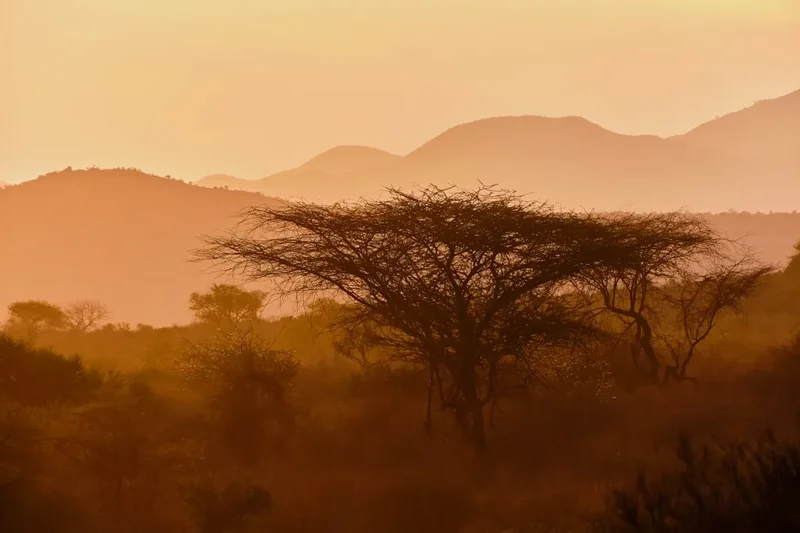
Practising Leave No Trace principles is paramount when exploring the natural environment of Tsavo East National Park. As you walk, remember that you are a guest in the wildlife's home, and your actions can have a significant impact.
- Pack It In, Pack It Out: Carry out all litter, including food scraps, wrappers, and any other waste you generate. Do not bury or burn trash, as it can attract animals or remain visible.
- Stay on the Path: Follow your ranger's guidance and stay on the designated or suggested walking routes. This minimises your impact on fragile vegetation and prevents disturbance to wildlife habitats.
- Respect Wildlife: Observe animals from a distance. Never feed them, as this can alter their natural behaviour, make them dependent on humans, and potentially lead to dangerous encounters. Do not disturb their habitats or nesting sites.
- Leave What You Find: Do not take any natural objects, such as rocks, plants, or feathers, from the park. These are part of the ecosystem and should be left for others to enjoy and for the environment to sustain.
- Minimise Campfire Impacts: While campfires are generally not permitted on day walks, if any cooking or warming is involved, use designated fire pits and ensure fires are completely extinguished before leaving.
- Be Considerate of Other Visitors: Keep noise levels down to allow everyone to enjoy the natural sounds of the bush and to avoid startling wildlife.
- Dispose of Waste Properly: Use designated waste disposal facilities if available, or carry all waste back with you.
By adhering to these principles, you help preserve the pristine beauty and ecological integrity of Tsavo East for future generations of visitors and for the wildlife that calls it home.