
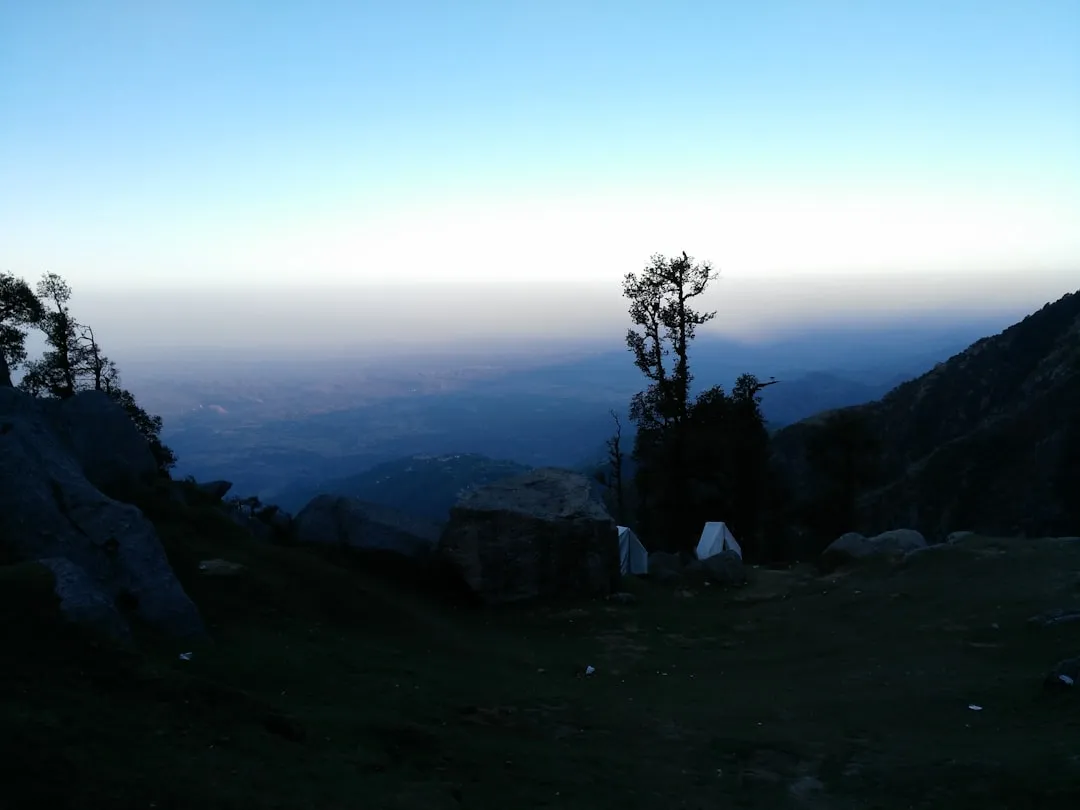
Triund Trek - A Himalayan Gem Near McLeod Ganj
The Triund Trek is a popular and relatively accessible day hike located in the Kangra district of Himachal Pradesh, India. It offers breathtaking panoramic views of the snow-capped Dhauladhar mountain range and the lush green valleys below. Known for its stunning natural beauty and moderate difficulty, Triund has become a favourite destination for trekkers, backpackers, and nature enthusiasts seeking a quick escape into the Himalayas. The trek is typically completed in a single day, making it an ideal option for those with limited time who still wish to experience the magic of the mountains. The journey itself is as rewarding as the destination, with the trail winding through oak, deodar, and rhododendron forests, offering glimpses of local wildlife and vibrant flora.
- Distance: 9.0 km one-way
- Elevation Gain: 1100 m
- Duration: 4-5 hours (one way)
- Season: March-June and September-November
- Difficulty: Moderate
- Base Town: McLeod Ganj
- Trailhead: Dharamkot
- Highest Point: Triund (approx. 2,875 m)
- Accommodation: Camping available at Triund (basic tents and sleeping bags for rent)
- Permits: No specific permits required for the trek itself, but registration may be necessary at the forest check post.
Overview
The Triund Trek is a quintessential Himalayan experience, offering a perfect blend of natural beauty, moderate challenge, and accessibility. Starting from the charming hill station of McLeod Ganj, the trek ascends through diverse landscapes, gradually revealing the majestic Dhauladhar range. The trail is well-defined for most of its length, making it suitable for beginners with a reasonable level of fitness. As you climb, the dense forests give way to open meadows, and the views become increasingly spectacular. The final ascent to Triund is a rewarding climb, culminating in a vast, flat meadow that serves as a natural amphitheatre, offering unparalleled 360-degree views of the surrounding peaks.
The Dhauladhar range, often referred to as the "White Mountains," forms a dramatic backdrop to Triund. Their snow-clad peaks, especially visible during the clear months, create a breathtaking vista that changes with the light throughout the day. The trek is particularly popular during the spring and autumn seasons when the weather is pleasant, and the skies are clear. During these times, the meadows at Triund are dotted with colourful wildflowers, adding to the scenic charm.
Triund itself is a high-altitude meadow situated at approximately 2,875 metres above sea level. It's a popular spot for overnight camping, allowing trekkers to witness the magical spectacle of the stars in the clear mountain sky and the sunrise painting the Dhauladhar peaks in hues of orange and gold. The journey to Triund is not just about reaching a destination; it's about immersing oneself in the serene environment, breathing in the crisp mountain air, and experiencing the tranquility that only the Himalayas can offer.
History and Cultural Context
The region around McLeod Ganj and the Triund trek route has a rich history intertwined with the local Gaddi shepherd community and the spiritual significance of the Himalayas. For centuries, the Gaddi people have used these higher pastures for grazing their sheep and goats, traversing the same trails that trekkers now follow. The Triund meadow itself has likely served as a resting point and grazing ground for these nomadic communities for generations.
The Dhauladhar range has always held a sacred status in local folklore and religious beliefs. The imposing white peaks are often associated with deities and spiritual power, drawing pilgrims and ascetics to the region for centuries. The presence of numerous monasteries and temples in McLeod Ganj, the seat of His Holiness the Dalai Lama and the Tibetan government-in-exile, further adds to the spiritual aura of the area.
In more recent times, with the rise of tourism in Himachal Pradesh, Triund has gained popularity as an accessible trekking destination. Its proximity to McLeod Ganj, a major tourist hub, has made it a convenient choice for both domestic and international travellers. While the trek is now a popular recreational activity, it retains its connection to the traditional use of the land by the local communities, offering a glimpse into a way of life that has persisted for centuries amidst the grandeur of the Himalayas.
Seasonal Highlights and Weather Reality
The Triund Trek is best enjoyed during specific times of the year, each offering a unique experience:
Spring (March to June): This is arguably the most popular season for the Triund Trek. The weather is pleasant, with temperatures ranging from 10°C to 25°C. The snow from winter begins to melt, and the rhododendron and oak forests burst into bloom, painting the landscape in vibrant colours. The skies are generally clear, offering excellent views of the Dhauladhar range. However, this is also the peak tourist season, so expect more crowds on the trail and at Triund.
Autumn (September to November): Following the monsoon season, autumn brings clear skies and crisp air, making it another ideal time for the trek. The post-monsoon landscape is fresh and green, and the temperatures are cool and comfortable, typically ranging from 8°C to 20°C. The views of the Dhauladhar peaks are exceptionally clear during this period. The crowds are generally less than in spring, offering a more serene experience.
Monsoon (July to August): While the monsoon season brings lush greenery and fewer crowds, it also presents significant challenges. Heavy rainfall can make the trails slippery and prone to landslides. Visibility can be poor, obscuring the mountain views. For these reasons, trekking during the monsoon is generally not recommended unless you are an experienced trekker prepared for adverse conditions.
Winter (December to February): Winter transforms Triund into a snow-covered wonderland. The landscape is serene and beautiful, with snow-capped peaks and a blanket of white. However, temperatures can drop significantly, often below freezing (0°C to 10°C), and heavy snowfall can make the trek difficult and potentially dangerous. Access to Triund may be restricted due to snow, and specialised winter trekking gear and experience are essential. For most casual trekkers, winter is best avoided.
Recommended Itinerary
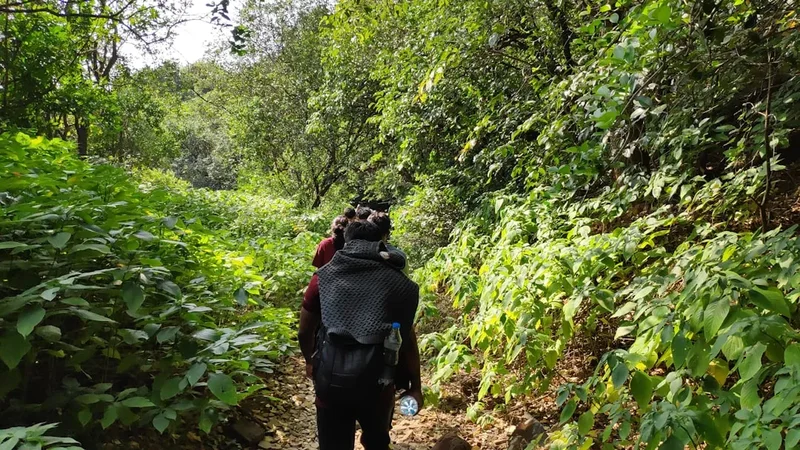
Triund Trek - Day Hike Itinerary
Early Morning (Approx. 7:00 AM - 8:00 AM): Start from McLeod Ganj/Dharamkot
- Begin your day by having a hearty breakfast in McLeod Ganj or Dharamkot.
- Take a taxi or auto-rickshaw from McLeod Ganj to Dharamkot, which is the actual starting point of the trek. The road to Dharamkot is generally good.
- Ensure you have all your essentials packed, including water, snacks, and appropriate clothing.
- Briefly register at the forest check post if required.
Morning (Approx. 8:00 AM - 12:00 PM): Ascent through Forests
- The trek begins from Dharamkot, with the initial part of the trail passing through charming villages and then entering dense oak and deodar forests.
- The path is relatively steep in sections, gaining elevation steadily.
- You will pass through small tea stalls and dhabas at Gallu Devi Temple and other points, offering opportunities for rest and refreshments.
- Enjoy the sights and sounds of the forest, with opportunities to spot local birdlife.
- The air becomes cooler and fresher as you ascend.
Midday (Approx. 12:00 PM - 2:00 PM): Reaching Triund Meadow
- The forest cover gradually thins out, opening up to expansive meadows.
- The first glimpse of the majestic Dhauladhar range will appear, offering stunning panoramic views.
- Continue the ascent towards the main Triund meadow.
- Arrive at Triund (approx. 2,875 m), a vast, flat meadow offering breathtaking 360-degree views of the snow-capped Dhauladhar peaks.
- Spend time exploring the meadow, taking photographs, and soaking in the incredible scenery.
Afternoon (Approx. 2:00 PM - 4:00 PM): Lunch and Relaxation at Triund
- Enjoy a packed lunch or purchase food from the small dhabas/cafes located at Triund. These typically serve simple meals like Maggi noodles, dal-rice, and tea.
- Relax and admire the unparalleled views of the mountains.
- If you choose to camp overnight, this is when you would set up your tent or rent one from the local vendors.
Late Afternoon (Approx. 4:00 PM onwards): Descent or Overnight Stay
- For Day Hikers: Begin your descent back to Dharamkot. The descent is generally quicker but can be hard on the knees. Take care on the slippery sections.
- For Overnight Campers: Enjoy the sunset over the Dhauladhar range, followed by stargazing in the clear night sky. Dinner will be at one of the dhabas.
Important Notes:
- Carry sufficient water and snacks, although small shops are available along the route.
- Wear comfortable trekking shoes with good grip.
- Dress in layers, as the weather can change quickly.
- Sunscreen, sunglasses, and a hat are essential, even on cloudy days.
- Carry a basic first-aid kit.
- Mobile network coverage can be intermittent on the trail.
Planning and Bookings
Book Your Trip
Everything you need to plan your journey
Accommodation
Find places to stay near McLeod Ganj
Flights
Search flights to McLeod Ganj
Essential Preparation
The Triund Trek is a day hike, but proper preparation is still crucial for an enjoyable and safe experience. The closest major city is Dharamshala, with McLeod Ganj being the immediate base town. McLeod Ganj is easily accessible by road from major cities like Delhi, Chandigarh, and Shimla. The nearest airport is Gaggal Airport (DHM), approximately 1 hour by taxi from McLeod Ganj. From McLeod Ganj, you can take a taxi or auto-rickshaw to Dharamkot, which is the starting point of the trek. Limited parking is available in Dharamkot, so it's advisable to arrange transport in advance or use local taxis.
Fitness is a key consideration. While the trek is rated moderate, the significant elevation gain of 1100 metres over 9 km requires a reasonable level of cardiovascular fitness and stamina. It is advisable to engage in regular physical activity, such as brisk walking, jogging, or stair climbing, in the weeks leading up to the trek. Acclimatisation is also important; spending a day or two in McLeod Ganj (altitude approx. 1,700 m) before undertaking the trek can help your body adjust to the altitude.
Trail Accommodation
This is a day hike requiring no overnight accommodation on the trail itself. However, Triund meadow is a popular spot for overnight camping. Basic tents and sleeping bags can be rented from local vendors at Triund. These typically include a simple dome tent and a sleeping bag. Facilities at Triund are very basic, consisting of a few small dhabas (eateries) that serve simple meals and hot beverages. There are no formal hotel accommodations or campsites in the traditional sense. Toilet facilities are rudimentary. If planning to camp, it is advisable to carry your own sleeping bag for hygiene and warmth, even if renting a tent.
Required Gear
- Trekking Boots: Sturdy, waterproof trekking boots with good ankle support and excellent grip are essential. Ensure they are well broken-in to prevent blisters.
- Backpack: A comfortable daypack (20-30 litres) to carry essentials like water, snacks, a first-aid kit, and extra clothing.
- Clothing:
- Moisture-wicking base layers (synthetic or merino wool).
- Insulating mid-layer (fleece jacket or down vest).
- Waterproof and windproof outer jacket (Gore-Tex or similar).
- Comfortable trekking trousers (quick-drying material).
- Warm hat and gloves (even in warmer months, evenings can be cool at altitude).
- Navigation: While the trail is generally well-marked, a map of the area or a reliable GPS device/app on your phone is recommended. Ensure your phone is fully charged and consider carrying a power bank.
- Safety Gear: A basic first-aid kit including bandages, antiseptic wipes, pain relievers, blister treatment, and any personal medications. A head torch or flashlight is useful if you plan to stay for sunset or camp overnight.
What to Bring
- Water: Carry at least 1.5 to 2 litres of water per person. Refill options are available at tea stalls along the route, but it's wise to start with ample supply. Water purification tablets or a filter can be a backup.
- Food: High-energy snacks such as nuts, dried fruits, energy bars, and chocolate. A packed lunch is recommended if you prefer to have a specific meal.
- Sun Protection: High SPF sunscreen, sunglasses, and a wide-brimmed hat or cap to protect against strong UV rays at higher altitudes.
- Toiletries: Hand sanitiser, wet wipes, and any personal hygiene items. Toilet paper is essential as facilities are basic.
- Personal Items: Camera, power bank for electronic devices, identification, and a small amount of cash for purchases at tea stalls or for renting camping gear if staying overnight.
- Insect Repellent: While not as prevalent as in some other Himalayan treks, insect repellent can be useful, especially during warmer months.
Permits
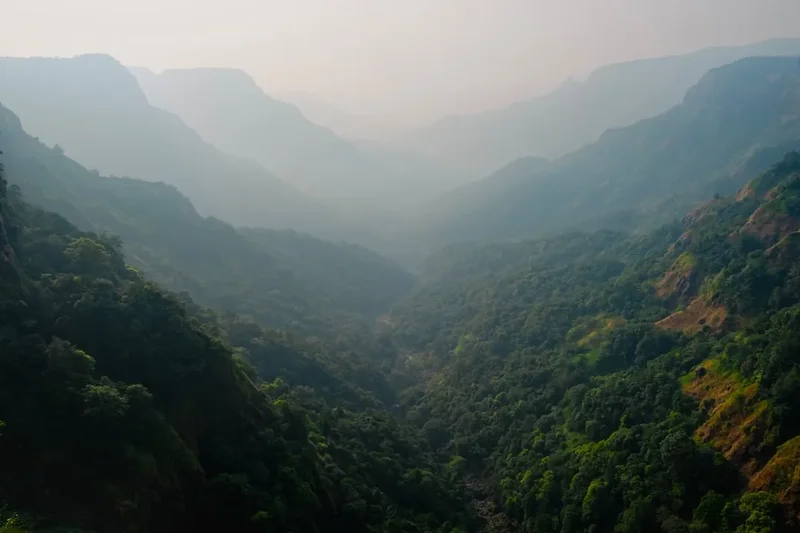
For the Triund Trek itself, no specific permits are required for Indian nationals or foreign tourists. The trail is part of the natural landscape and is generally open to all. However, there is a forest check post located near Dharamkot or Gallu Devi Temple where trekkers may be asked to register their names and details. This is primarily for record-keeping and safety purposes, allowing authorities to have an idea of the number of people on the trail.
If you plan to camp overnight at Triund, there might be a nominal fee charged by the local authorities or the tent vendors for camping. This fee usually covers the basic maintenance of the area and the services provided by the local vendors. It is advisable to carry some cash for these potential charges, as card payments are not accepted in this remote location.
Important Considerations:
- Registration: Always check with local authorities or your accommodation in McLeod Ganj about any current registration requirements at the check post.
- Camping Fees: If camping, inquire about any applicable fees for pitching a tent or renting equipment.
- Environmental Regulations: While no specific permits are needed, it is crucial to adhere to all environmental regulations. This includes not littering, not disturbing wildlife, and respecting the natural beauty of the area.
- Group Size: For larger groups, it might be prudent to inform local tourism offices or the forest department in advance, although this is not a mandatory requirement for Triund.
Other Activities in the Area
The region surrounding McLeod Ganj and the Triund Trek offers a variety of activities for visitors:
- Explore McLeod Ganj: Visit the Tsuglagkhang Complex, the official residence of His Holiness the Dalai Lama, including the main temple, museum, and library. Wander through the vibrant markets, sample Tibetan cuisine, and soak in the unique spiritual atmosphere.
- Dharamkot Exploration: This charming village, the starting point of the Triund trek, is also worth exploring. It offers a more laid-back vibe than McLeod Ganj, with yoga centres, meditation retreats, and small cafes.
- Bhagsu Falls: A short trek from McLeod Ganj, Bhagsu Falls is a popular spot for a refreshing dip in the natural pool beneath the waterfall. The nearby Bhagsunath Temple is also a significant pilgrimage site.
- Naddi Viewpoint: Located a short drive or a pleasant walk from McLeod Ganj, Naddi offers stunning sunset views over the Kangra Valley and the Dhauladhar range.
- Dal Lake: Not to be confused with the famous Dal Lake in Kashmir, this small, picturesque lake near McLeod Ganj is surrounded by deodar trees and offers a peaceful retreat.
- Trekking to Indrahar Pass: For experienced trekkers, the more challenging Indrahar Pass trek starts from McLeod Ganj and offers spectacular alpine scenery. This is a multi-day trek requiring significant preparation and fitness.
- Tibetan Institute of Performing Arts (TIPA): Witness traditional Tibetan music and dance performances, preserving and promoting Tibetan cultural heritage.
- Local Cuisine: Indulge in authentic Tibetan dishes like momos, thukpa, and butter tea, as well as Himachali specialties.
Safety and Conditions
Pre-Trek Checks:
- Weather Forecast: Always check the local weather forecast for McLeod Ganj and the Triund region before you start your trek. MetService or similar weather apps can provide mountain-specific forecasts.
- Trail Conditions: Inquire locally about the current trail conditions, especially if trekking during or immediately after the monsoon season or during winter. Landslides or heavy snowfall can make sections of the trail hazardous.
- Health: Ensure you are in good physical condition. If you have any pre-existing health conditions, consult your doctor before undertaking the trek.
Altitude Sickness: While Triund is at a moderate altitude (2,875 m), altitude sickness (Acute Mountain Sickness - AMS) can still affect some individuals, especially if ascending too quickly. Symptoms include headache, nausea, dizziness, and fatigue. If symptoms appear, descend immediately. Spending a day in McLeod Ganj to acclimatise before the trek is highly recommended.
Trail Hazards:
- Slippery Sections: The trail can be steep and slippery, especially after rain or if there is frost. Wear appropriate footwear with good grip and tread carefully.
- Loose Rocks: Be mindful of loose rocks, particularly on steeper ascents and descents.
- Weather Changes: Mountain weather can change rapidly. Be prepared for sudden shifts in temperature, wind, and precipitation. Carry layers of clothing.
Wildlife: While encounters are rare, be aware of local wildlife. Do not approach or feed any animals you may see. The region is home to various bird species, and occasionally monkeys or other small mammals.
Communication: Mobile network coverage can be unreliable on the trail. Inform someone about your trekking plans, including your expected return time. Consider carrying a fully charged power bank.
Emergency Contacts: Keep a list of emergency contact numbers, including local police, ambulance services, and your accommodation provider.
Overnight Camping Safety: If camping overnight at Triund, ensure your tent is securely pitched. Be aware of your surroundings and keep valuables safe. The dhabas at Triund can provide a sense of community and safety in the evenings.
Side Trips and Points of Interest
Gallu Devi Temple: Located about halfway up the trek, this small, ancient temple dedicated to Goddess Gallu is a significant landmark. It's a popular resting spot for trekkers, and many stop here for a brief moment of reflection or to enjoy the views. The area around the temple is often adorned with prayer flags.
Snowline Cafe: Situated a bit further up from the main Triund meadow, the Snowline Cafe offers a more secluded experience and even more spectacular views, especially of the peaks directly above Triund. It's a good spot for those who want to trek a little further and enjoy a quieter setting. The trek to Snowline Cafe is an extension of the main Triund trail.
Laka Glacier: For the more adventurous and well-prepared trekkers, a further hike from Triund or Snowline Cafe can lead to the Laka Glacier. This is a more challenging excursion, requiring good fitness and potentially a guide, especially if there is snow. The views of the glacier and the surrounding high-altitude terrain are stunning.
Sunset and Sunrise Views: Triund meadow is renowned for its spectacular sunset and sunrise. The way the light plays on the Dhauladhar peaks, painting them in shades of orange, pink, and gold, is a truly unforgettable experience. If camping overnight, witnessing these celestial displays is a major highlight.
Stargazing: Away from the light pollution of cities, the night sky at Triund is incredibly clear and filled with stars. On a moonless night, the Milky Way is often visible, offering a breathtaking celestial panorama.
Leave No Trace
The Triund Trek, while popular, passes through pristine natural environments. It is crucial for all visitors to practice Leave No Trace principles to preserve the beauty and ecological integrity of the area for future generations. The fragile Himalayan ecosystem is easily impacted by human activity.
Your responsibility as a trekker:
- Pack It In, Pack It Out: Carry out all your trash, including food wrappers, plastic bottles, and any other waste. Do not leave anything behind, even organic waste like fruit peels, as they take a long time to decompose in the mountain environment and can attract unwanted wildlife.
- Stay on the Trail: Stick to the marked paths to avoid damaging vegetation and causing erosion. Venturing off-trail can disturb sensitive plant life and wildlife habitats.
- Dispose of Waste Properly: Use designated waste bins where available. If not, carry your waste back down to McLeod Ganj or Dharamkot for proper disposal.
- Respect Wildlife: Observe wildlife from a distance and never feed them. Feeding animals can alter their natural behaviour and make them dependent on human food, which is often unhealthy for them.
- Minimise Campfire Impacts: If camping overnight, use established fire rings if available and permitted. Be extremely cautious with fires, as they can easily spread in dry conditions and damage the environment. It is often better to use portable stoves for cooking.
- Leave What You Find: Do not take rocks, plants, or any natural objects from the environment. Leave them for others to enjoy and for the ecosystem to thrive.
- Be Considerate of Other Visitors: Keep noise levels down, especially in natural areas and if camping overnight. Respect the peace and tranquility of the mountains.
By adhering to these principles, you help ensure that the Triund Trek remains a beautiful and sustainable destination.