
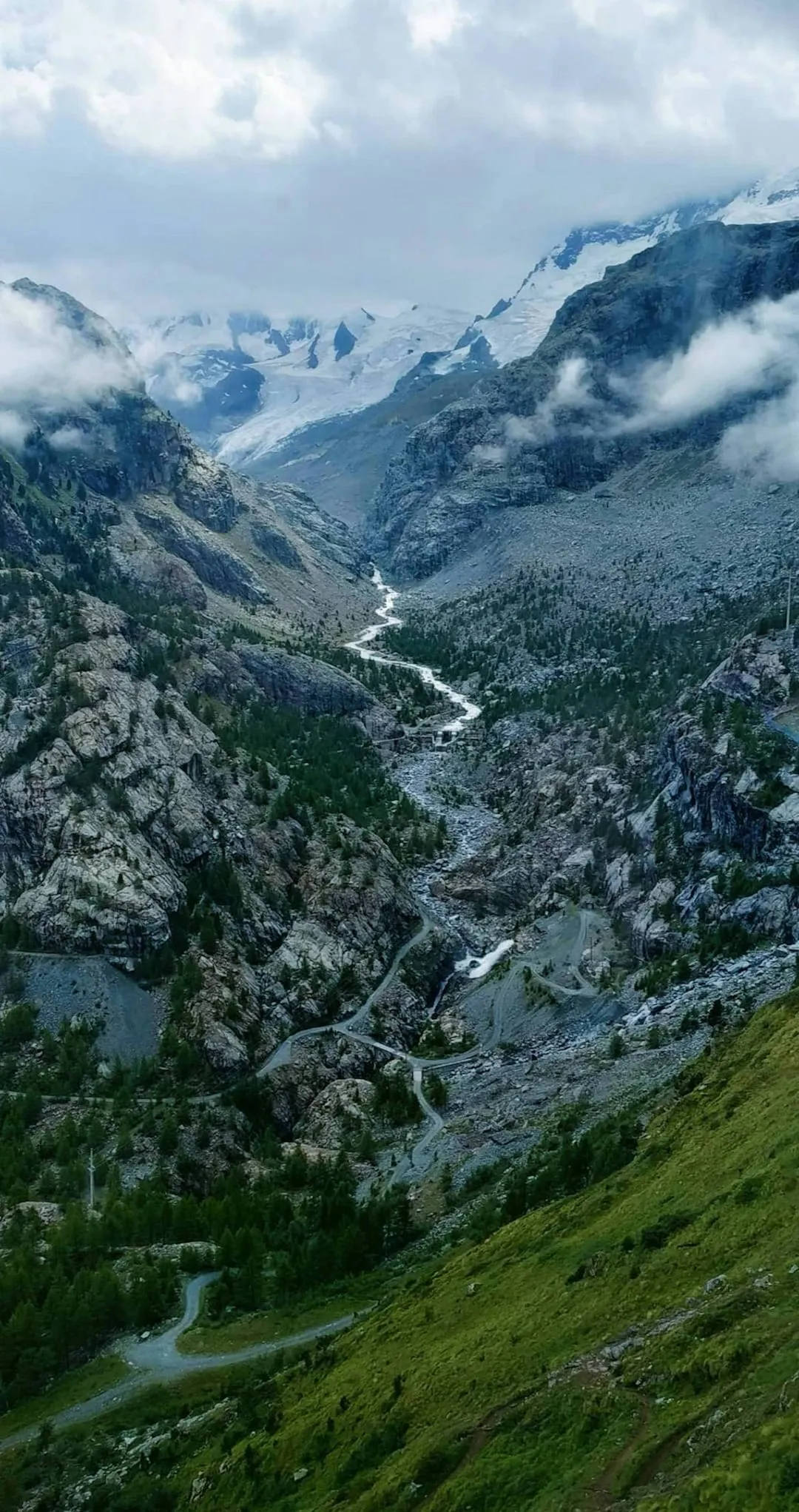
Trift Bridge Hike - A Swiss Alpine Adventure
The Trift Bridge Hike is a spectacular day walk in the Swiss Alps, renowned for its dramatic suspension bridge and breathtaking mountain scenery. Located near Innertkirchen in the Bernese Oberland, this trail offers an exhilarating experience for hikers seeking stunning vistas and a touch of adventure. The journey begins with a scenic gondola ride up to the Trift Glacier area, followed by a well-maintained path leading to the impressive Trift Bridge, one of the longest pedestrian suspension bridges in the Alps. This hike is a perfect blend of natural beauty, engineering marvel, and accessible alpine exploration, making it a must-do for visitors to the region.
- Distance: 4.6 km (round trip from Triftbahn middle station)
- Elevation Gain: 546 m
- Duration: 3-5 hours (including time at the bridge)
- Difficulty: Moderate
- Best Time: June to October (when snow-free and bridge is open)
- Closest Town: Innertkirchen, Switzerland
- Trailhead Access: Triftbahn gondola from Meiringen/Innertkirchen
- Permits: No permits required for the hike itself. Gondola ticket required.
Overview
The Trift Bridge Hike is a quintessential Swiss alpine experience, offering a relatively short but intensely rewarding day walk. The adventure commences with a ride on the Triftbahn, a charming gondola that ascends steeply from the valley floor, providing increasingly spectacular views of the surrounding mountains and the Trift Glacier. This initial ascent is crucial, as it significantly reduces the overall hiking time and effort, allowing more time to enjoy the destination. Upon disembarking at the middle station, the trail begins its steady climb towards the Trift Bridge.
The path is well-constructed and maintained, winding through alpine meadows dotted with wildflowers in summer and offering panoramic views of the rugged peaks and the receding Trift Glacier. As you approach the bridge, the anticipation builds. The Trift Bridge itself is an engineering marvel, a long, narrow suspension bridge spanning a deep gorge. Walking across it is an unforgettable experience; the bridge sways gently, and the views down into the gorge and across to the glacier are simply awe-inspiring. The sheer scale of the landscape, combined with the thrill of crossing the bridge, makes this hike a highlight for many visitors.
The trail continues beyond the bridge for those wishing to explore further, offering opportunities to get closer to the Trift Glacier or to ascend to higher viewpoints. However, the bridge itself is the primary attraction and a sufficient destination for many. The return journey follows the same path, allowing for a different perspective on the scenery. The moderate difficulty level makes it accessible to most reasonably fit hikers, and the relatively short distance means it can be comfortably completed within half a day, leaving ample time for other activities in the region.
History and Context
The Trift Bridge and the surrounding area have a history intertwined with the exploration and utilisation of the Swiss Alps. The Trift Glacier, like many in the Alps, has been receding significantly over the past century due to climate change. This retreat has exposed the dramatic gorge and created the need for a bridge to maintain access to the glacier and the higher alpine routes.
The original Trift Bridge was constructed in 2004 by the Swiss Alpine Club (SAC) to provide safe access to the SAC's Trift Hut, which sits at a higher elevation. The bridge was designed to be a spectacular feature in itself, a testament to modern engineering in a wild alpine setting. Its popularity quickly grew, transforming it from a functional access route into a major tourist attraction. The initial bridge was replaced in 2009 with a longer, more robust structure to better accommodate the increasing number of visitors and to ensure continued safe access as the glacier continued to retreat.
The Triftbahn gondola, which serves as the primary access to the trailhead, was also a significant undertaking, built to make this remote and stunning area more accessible to a wider range of people. Its construction reflects a broader trend in the Alps of developing infrastructure that balances tourism with the preservation of the natural environment. The history of the Trift Bridge is thus a story of adaptation to environmental change, innovative engineering, and the enduring appeal of the high alpine landscape.
Seasonal Highlights and Weather Considerations
The Trift Bridge Hike is a seasonal attraction, primarily accessible during the warmer months when the snow has melted and the bridge is safe to cross. The optimal period for this hike is from June to October.
June: Early June can still see lingering snow at higher elevations, and the Triftbahn may not yet be operating at full capacity or may have restricted hours. Wildflowers begin to bloom, and the landscape is fresh and vibrant. The air is crisp, and crowds are generally smaller.
July & August: These are the peak summer months. The weather is typically warmer, and the entire trail is usually snow-free. Wildflowers are in full bloom, creating a colourful spectacle. This is also the busiest period, so expect more people on the trail and at the bridge. The Triftbahn operates with its longest hours. However, summer can also bring afternoon thunderstorms, so starting early is advisable.
September: Autumn brings a different kind of beauty to the Alps. The crowds thin out, and the air becomes cooler and clearer. The larch trees in the surrounding forests may begin to turn golden, offering stunning photographic opportunities. The weather can be more stable, but early snowfalls are possible towards the end of the month.
October: The early part of October can still be suitable for hiking, especially if the weather remains mild. However, the risk of snow increases significantly, and the Triftbahn may reduce its operating hours or close for the season. It is crucial to check the operating status of the gondola and the trail conditions before planning a visit in October.
Weather: Alpine weather is notoriously unpredictable. Even in summer, conditions can change rapidly. Be prepared for sunshine, rain, wind, and potentially even snow, especially at higher elevations. Temperatures can vary significantly throughout the day and with altitude. Always check the local weather forecast before you go and be prepared with appropriate clothing layers.
Recommended Itinerary
Trift Bridge Day Hike Itinerary
Early Morning: Travel to Triftbahn Valley Station
- Depart from your accommodation in Innertkirchen or Meiringen.
- Drive or take public transport to the Triftbahn valley station.
- Purchase your Triftbahn tickets.
Morning: Ascent via Triftbahn Gondola
- Board the Triftbahn gondola.
- Enjoy the scenic 8-minute ride up the mountain.
- Marvel at the increasingly dramatic views of the Gadmen Valley and the surrounding peaks.
- Arrive at the Triftbahn middle station (altitude approx. 1,300 m).
Late Morning: Hike to Trift Bridge
- Begin the hike from the middle station.
- Follow the well-marked trail (signposted "Triftbrücke").
- The path ascends steadily through alpine meadows and rocky terrain.
- Distance: Approximately 2.3 km one way.
- Elevation Gain: Approximately 546 m.
- Time: 1.5–2 hours one way.
- Key Waypoints: Trailhead at Triftbahn station, various viewpoints overlooking the valley, the first glimpses of the Trift Bridge.
Midday: Experience the Trift Bridge
- Arrive at the Trift Bridge.
- Spend time walking across the 100-metre long suspension bridge.
- Take in the breathtaking panoramic views of the Trift Glacier, the gorge below, and the surrounding mountains.
- Allow ample time for photos and to simply soak in the atmosphere.
- Consider a short exploration towards the Trift Hut for even higher views (optional, adds time).
Afternoon: Return Hike and Descent
- Begin the descent back towards the Triftbahn middle station.
- The return journey offers a different perspective on the landscape.
- Time: 1–1.5 hours.
- Descend via the Triftbahn gondola back to the valley station.
Late Afternoon: Return to Accommodation
- Continue your journey back to your accommodation or explore other attractions in the area.
Important Notes:
- The Triftbahn operates seasonally; check their official website for exact dates and times.
- The bridge can be closed in adverse weather conditions (high winds, snow, ice).
- Wear sturdy hiking boots and bring layers of clothing.
- Carry water and snacks, as facilities are limited at the bridge.
Planning and Bookings
Book Your Trip
Everything you need to plan your journey
Accommodation
Find places to stay near Innertkirchen
Flights
Search flights to Innertkirchen
Essential Preparation
The Trift Bridge Hike is a popular day excursion, and planning is key to a smooth experience. The primary logistical element is the Triftbahn gondola, which provides access to the trailhead. It is advisable to check the operating schedule and purchase tickets in advance, especially during peak season, to avoid disappointment. The closest major town is Meiringen, which offers a good base with various accommodation options, restaurants, and shops. Innertkirchen is closer to the Triftbahn valley station and also provides amenities. Ensure you have appropriate footwear and clothing for alpine conditions, as the weather can change rapidly. The hike itself is moderately challenging due to the elevation gain, so a reasonable level of fitness is recommended.
Trail Accommodation
This is a day hike requiring no overnight accommodation. The Triftbahn gondola provides access to the trailhead, and the hike is completed within a single day. For those wishing to extend their alpine experience, the Swiss Alpine Club (SAC) operates the Trift Hut (Trifthütte SAC) at a higher elevation, accessible via a further hike from the Trift Bridge. Accommodation at the Trift Hut requires advance booking through the SAC website and is typically available from late June to mid-October. The hut offers basic dormitory-style accommodation and meals, and is a popular destination for mountaineers and serious hikers.
Required Gear
- Sturdy hiking boots: Waterproof and with good ankle support are essential for the uneven terrain.
- Waterproof jacket and trousers: Alpine weather can be unpredictable; be prepared for rain and wind.
- Warm layers: Fleece or down jacket, and a hat and gloves, as temperatures can drop significantly, especially at higher altitudes or in windy conditions.
- Backpack: A comfortable daypack (20-30 litres) to carry essentials.
- Sun protection: High SPF sunscreen, sunglasses, and a wide-brimmed hat, as the sun's rays are intense at altitude.
- Navigation: While the trail is well-marked, a map or GPS device is always a good precaution.
- First-aid kit: Including blister treatment, pain relievers, and any personal medications.
What to Bring
- Water: Carry at least 1.5-2 litres of water per person. Refill points are scarce.
- Food: Pack sufficient snacks and a packed lunch. There are no food services directly on the trail or at the bridge itself, though the Trift Hut offers meals if booked in advance.
- Camera: To capture the stunning scenery and the impressive bridge.
- Insect repellent: Especially useful during summer months, though generally less of an issue than in some other alpine regions.
- Cash: For purchasing gondola tickets and any potential small purchases, as card facilities may not always be available.
- Trekking poles: Recommended for the ascent and descent, to reduce strain on knees.
Permits
No specific permits are required to hike to the Trift Bridge. The trail is part of the public hiking network in Switzerland. However, access to the trailhead is via the Triftbahn gondola, and a ticket is required for this ascent and descent. It is highly recommended to check the operating schedule and pricing for the Triftbahn in advance, as it is seasonal and subject to weather conditions. Tickets can typically be purchased at the valley station.
Triftbahn Ticket Information:
- Prices vary for adults, children, and concessions.
- A round-trip ticket is usually the most economical option.
- Check the official Triftbahn website for current pricing and operating dates.
Trift Hut (Optional Overnight):
- If you plan to stay overnight at the Trift Hut (SAC Hut), advance booking is mandatory.
- Bookings are made through the Swiss Alpine Club (SAC) website.
- Hut fees apply and vary for SAC members and non-members.
Other Activities in the Area
The region around Innertkirchen and Meiringen offers a wealth of activities for visitors:
- Aare Gorge (Aareschlucht): A spectacular natural gorge carved by the Aare River, accessible via a well-maintained walkway. It's a fascinating geological wonder located very close to Meiringen.
- Reichenbach Falls: Famous as the site of Sherlock Holmes's dramatic confrontation with Professor Moriarty. A funicular railway takes you to the top for impressive views.
- Ballenberg Swiss Open-Air Museum: Located near Brienz, this museum showcases traditional Swiss rural life with over 100 reconstructed historic buildings from all over Switzerland.
- Lake Brienz: A stunning turquoise lake offering opportunities for boat trips, swimming, and enjoying the lakeside scenery.
- Hiking in the Haslital Valley: Numerous other hiking trails exist in the surrounding valleys, catering to various fitness levels and interests, from gentle valley walks to more challenging mountain routes.
- Mountain Biking: The region offers trails for mountain bikers of all abilities.
- Paragliding: For the adventurous, tandem paragliding flights offer unparalleled aerial views of the Alps.
Safety and Conditions
Trail Conditions: The trail to the Trift Bridge is generally well-maintained and marked. However, it involves significant elevation gain and can be rocky and uneven in places. Always wear appropriate footwear.
Weather: Alpine weather is highly variable. Be prepared for sudden changes, including rain, strong winds, and temperature drops, even in summer. Check the weather forecast before you go and be ready to turn back if conditions deteriorate. Hypothermia is a risk if you get wet and cold.
Triftbahn Operation: The Triftbahn is seasonal and can be closed due to technical issues or adverse weather. Always check its operational status and hours before your visit.
Trift Bridge: The suspension bridge can be closed in high winds or icy conditions. Respect any closure signs. While the bridge is engineered to be safe, it does sway, which can be unnerving for some. Walk across calmly and steadily.
Altitude: The hike reaches an altitude of approximately 1,850 metres. While not extremely high, some individuals may experience mild altitude effects. Stay hydrated and listen to your body.
Emergency: In case of an emergency, contact Swiss Rescue on 144. Mobile phone reception can be patchy in the mountains, so consider carrying a fully charged phone and a power bank. Inform someone of your hiking plans and expected return time.
Wildlife: You may encounter local wildlife such as marmots or chamois. Observe them from a distance and do not feed them.
Side Trips and Points of Interest
Trift Glacier Viewpoint: While the bridge offers spectacular views of the Trift Glacier, a short extension of the trail beyond the bridge leads to closer viewpoints of the glacier's snout. This offers a more intimate perspective on the ice formation and the effects of glacial retreat. The path towards the Trift Hut (SAC Hut) provides excellent vantage points.
Trift Hut (Trifthütte SAC): For those with more time and energy, continuing the hike to the Trift Hut is a rewarding option. The hut is perched at a higher elevation (2,334 m) and offers even more expansive views of the surrounding peaks and the glacier. The hike to the hut from the bridge adds significant elevation gain and time but provides a true alpine experience. The hut itself is a charming base for mountaineers and hikers.
Gadmen Valley Views: Throughout the hike, numerous points offer stunning vistas of the Gadmen Valley below. These viewpoints are excellent for photography and appreciating the scale of the alpine landscape. The contrast between the lush green valley floor and the rugged, rocky peaks is particularly striking.
Alpine Flora and Fauna: During the summer months, the alpine meadows along the trail are often carpeted with a variety of wildflowers. Keep an eye out for local wildlife such as marmots, chamois, and various bird species. The unique alpine ecosystem is a point of interest in itself.
Leave No Trace
The Trift Bridge Hike traverses a sensitive alpine environment. Adhering to Leave No Trace principles is crucial to preserving its natural beauty and ecological integrity for future visitors.
- Plan Ahead and Prepare: Check weather forecasts, trail conditions, and the Triftbahn operating status before your visit. Know your limits and choose a hike that suits your abilities.
- Travel and Camp on Durable Surfaces: Stick to the marked trails. Avoid walking on fragile vegetation, especially alpine meadows, which can take years to recover from damage.
- Dispose of Waste Properly: Pack out everything you pack in, including all food scraps, wrappers, and any other litter. There are no bins on the trail or at the bridge. Use designated toilet facilities at the Triftbahn station or the Trift Hut if you go that far.
- Leave What You Find: Do not remove any natural objects, such as rocks, flowers, or plants. Take only photographs and memories.
- Minimize Campfire Impacts: Campfires are not permitted on this day hike.
- Respect Wildlife: Observe animals from a distance. Do not feed them, as it can harm their health and alter their natural behaviours.
- Be Considerate of Other Visitors: Keep noise levels down, yield to others on narrow sections of the trail, and be courteous to fellow hikers.
By following these principles, you help ensure that the Trift Bridge Hike remains a pristine and enjoyable experience for everyone.
 Switzerland