
Trenta Valley Traverse
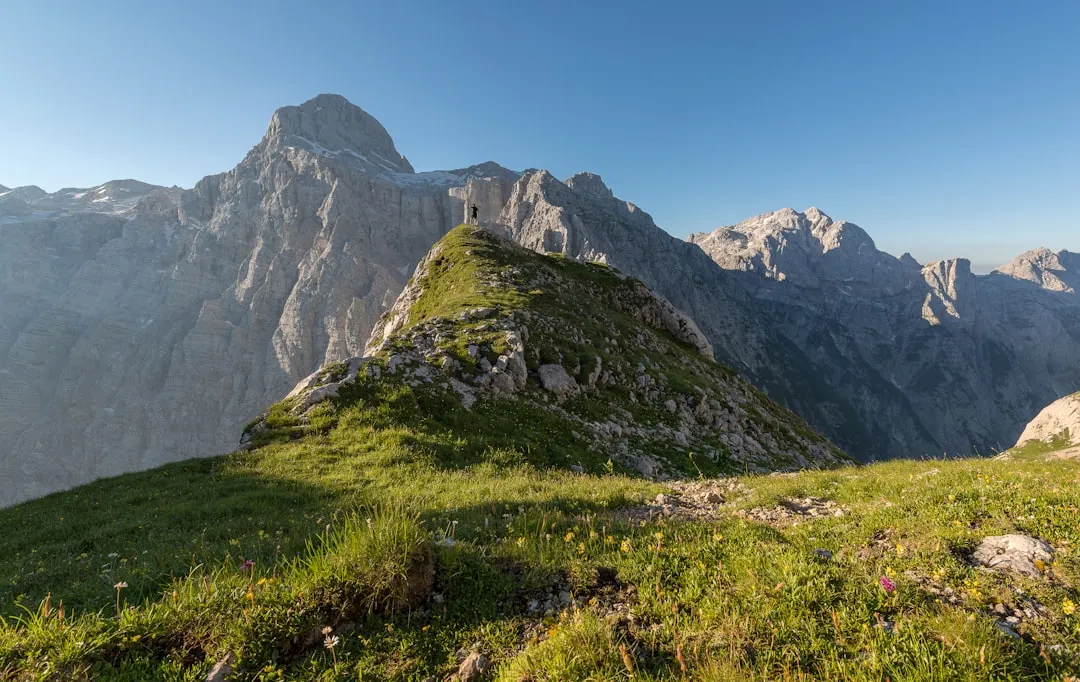
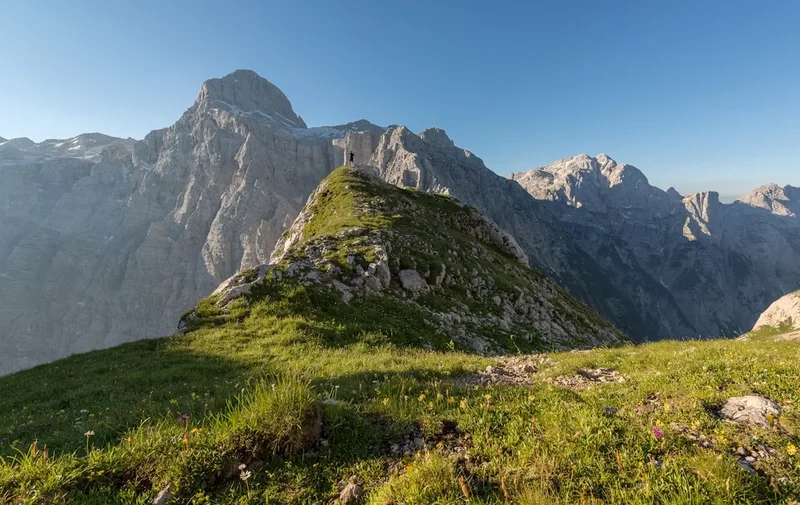
The Trenta Valley Traverse is a challenging multi-day trek through the heart of the Julian Alps in Slovenia, offering a profound immersion into alpine wilderness. This route winds through dramatic glacial valleys, past turquoise lakes, over rugged mountain passes, and through ancient forests, showcasing the raw beauty and untamed spirit of Triglav National Park. It is a journey that demands physical resilience and rewards with unparalleled vistas and a deep connection to nature.
- Distance: 55.0 km
- Duration: 4-5 days
- Elevation Gain: 3500 m
- Difficulty: Challenging
- Best Time: July to September
- Closest City: Kranjska Gora
- Trailhead Access: Nearest airport: Ljubljana (LJU). From Ljubljana, take a bus to Kranjska Gora, then another bus to Trenta (Dom Trenta). By car: Drive to Trenta via Vršič Pass (seasonal closure). Parking available at Dom Trenta. No permits needed at the trailhead itself, but check Triglav National Park regulations.
- Coordinates: 46.3773, 13.7448
Overview
The Trenta Valley Traverse is a demanding yet incredibly rewarding expedition for experienced hikers seeking the wilder side of the Julian Alps. This route is not for the faint-hearted; it involves significant elevation gains and descents, often on steep and rocky terrain, and requires a good level of fitness and navigational skill. The traverse typically begins in the picturesque Trenta Valley, a glacial wonderland carved by the Soča River, and ascends through diverse landscapes, from lush alpine meadows dotted with wildflowers to stark, rocky scree slopes and high mountain passes offering panoramic views of the surrounding peaks, including Slovenia's highest, Mount Triglav.
The journey is characterised by its remoteness and the sheer scale of the natural environment. Hikers will encounter a variety of alpine flora and fauna, and the air is often filled with the sound of rushing streams and the calls of mountain birds. The trail passes by several mountain huts (koče), which provide essential refuges, offering basic accommodation and sustenance, and serving as vital social hubs for trekkers. These huts are strategically located to break up the challenging stages and offer opportunities to rest and refuel amidst breathtaking scenery.
The Trenta Valley itself is a place of immense natural beauty, known for its crystal-clear Soča River, which flows with an almost unbelievable turquoise hue. The valley floor is a tapestry of green pastures and dense forests, gradually giving way to the rugged, imposing peaks of the Julian Alps as one ascends. The traverse offers a true sense of adventure, a chance to disconnect from the everyday and reconnect with the primal forces of nature. It is a journey that tests one's limits while simultaneously offering moments of profound peace and awe-inspiring beauty.
History and Cultural Context
The Trenta Valley and the surrounding Julian Alps have a rich history, shaped by both natural forces and human endeavour. For centuries, these valleys served as vital routes for shepherds, hunters, and traders traversing the formidable mountain ranges. The traditional way of life in these alpine regions was one of resilience and deep connection to the land, with communities relying on subsistence farming and animal husbandry.
The area's strategic importance also led to its involvement in historical conflicts. During World War I, the Isonzo Front (which ran through the Trenta Valley and beyond) was one of the most brutal and costly theatres of the war. The remnants of this conflict, such as old fortifications and trenches, can still be found in some areas, serving as poignant reminders of the past. The valley was also a significant area during World War II, with partisan resistance movements operating in the rugged terrain.
In more recent times, the Trenta Valley has become a focal point for conservation efforts. The establishment of Triglav National Park in 1961, and its expansion in 1981, was a crucial step in protecting the unique natural heritage of the Julian Alps. The park, named after Mount Triglav, Slovenia's highest peak, is a testament to the country's commitment to preserving its natural landscapes for future generations. The Trenta Valley, with its exceptional biodiversity and dramatic glacial features, is a core area within this protected zone. The development of hiking trails and mountain huts has facilitated access for trekkers, allowing them to experience the grandeur of the Alps while adhering to strict environmental guidelines.
Seasonal Highlights and Weather Reality
The Trenta Valley Traverse is a summer trek, with the prime hiking season running from July to September. During these months, the weather is generally more stable, and the mountain passes are typically free of snow, making the trails accessible and safer for hikers.
July: This month marks the beginning of the high alpine season. Wildflowers are in full bloom, creating vibrant carpets of colour across the alpine meadows. The days are long, offering ample daylight for hiking. However, thunderstorms can be frequent in the afternoons, so starting early is always advisable. Temperatures can range from cool in the mornings and evenings to pleasantly warm during the day at lower altitudes, but can be significantly colder at higher elevations.
August: August is often considered the peak of the summer season. The weather can be very stable, with warm, sunny days. This is an excellent time for enjoying the panoramic views from the mountain passes. However, it is also the busiest month for hikers, and mountain huts can be crowded. Afternoon thunderstorms remain a possibility, so vigilance is key.
September: September offers a beautiful transition into autumn. The crowds begin to thin, and the landscape takes on a golden hue as the leaves change colour. The weather can still be excellent, with crisp, clear days and cool, refreshing nights. However, the risk of early snowfalls on the higher passes increases as the month progresses, so checking forecasts diligently is essential. The days are shorter, meaning hikers need to be mindful of daylight hours.
Weather Reality: It is crucial to understand that alpine weather is notoriously unpredictable. Even during the summer months, conditions can change rapidly. Hikers should be prepared for all types of weather, including rain, strong winds, fog, and even snow, especially at higher altitudes. Hypothermia is a risk even in summer if one is caught unprepared in adverse conditions. Always check the mountain weather forecast before setting out and be prepared to alter your plans if necessary.
Recommended Itinerary
4-Day Trenta Valley Traverse Itinerary
Day 1: Dom Trenta to Koča pri Triglavskih jezerih (Triglav Lakes Hut)
- Distance: 12 km
- Elevation gain: 1200 m
- Time: 5–7 hours
- Start at Dom Trenta, the information centre for Triglav National Park.
- Begin the ascent through dense beech forests, following well-marked trails.
- The path gradually steepens, offering glimpses of the Trenta Valley below.
- Pass through alpine meadows as you gain altitude.
- Arrive at Koča pri Triglavskih jezerih, situated near the stunning Triglav Lakes.
- Settle into the hut and explore the immediate vicinity of the lakes.
Day 2: Koča pri Triglavskih jezerih to Koča na Doliču (Dolič Hut)
- Distance: 10 km
- Elevation gain: 800 m
- Time: 4–6 hours
- Continue your journey through the heart of the Triglav Lakes National Park.
- The trail traverses a high alpine plateau, offering spectacular views of the surrounding peaks.
- Pass by several more of the iconic Triglav Lakes, each with its unique charm.
- The terrain becomes more rugged and rocky as you approach the Dolič Pass.
- Arrive at Koča na Doliču, a hut located at a strategic point for further ascents.
- Enjoy the vast mountain panoramas from the hut's location.
Day 3: Koča na Doliču to Dom Planika pod Triglavom (Dom Planika Hut)
- Distance: 8 km
- Elevation gain: 700 m
- Time: 4–5 hours
- This day is dedicated to reaching the vicinity of Mount Triglav.
- The trail ascends towards the Planika plateau, a popular base for summiting Triglav.
- The landscape becomes increasingly alpine and exposed.
- Arrive at Dom Planika pod Triglavom, a large and well-equipped mountain hut.
- From here, you have the option to attempt the summit of Mount Triglav (requires additional time and equipment, see 'Other Activities').
- Rest and prepare for the final day's descent.
Day 4: Dom Planika pod Triglavom to Bohinj (via Kredarica Hut and Radešče)
- Distance: 25 km
- Elevation gain: 300 m (net), significant ups and downs
- Time: 8–10 hours
- Begin with an early start, descending from Dom Planika.
- Option to visit Kredarica Hut (Triglav's highest hut) for incredible views.
- Descend through the Radešče valley, a long and scenic route.
- The trail gradually leads you down towards the Bohinj region.
- Arrive at Lake Bohinj, a stunning glacial lake.
- From Bohinj, you can arrange transport back to Kranjska Gora or continue your travels.
- This is a long descent day, requiring stamina and careful footing.
Alternative 5-Day Itinerary:
For a more relaxed pace, consider adding an extra day. This could involve spending more time exploring the Triglav Lakes, or breaking the long descent on Day 4 into two shorter days, perhaps staying at a hut lower down the valley.
Important Notes:
- Mountain huts require booking in advance, especially during peak season.
- Carry sufficient water or a purification method, as water sources can be scarce at higher altitudes.
- Be prepared for rapidly changing weather conditions.
- Carry a map, compass, and GPS device, and know how to use them.
- Inform someone of your hiking plans and expected return time.
Planning and Bookings
Book Your Trip
Everything you need to plan your journey
Accommodation
Find places to stay near Kranjska Gora
Flights
Search flights to Kranjska Gora
Essential Preparation
The Trenta Valley Traverse is a serious undertaking that requires meticulous planning. Given its challenging nature and remote alpine environment, thorough preparation is paramount. This includes assessing your physical fitness, understanding the logistical requirements, and making necessary bookings well in advance.
Fitness: This trek involves significant daily elevation gains and descents, often on steep and uneven terrain. Hikers should have a high level of cardiovascular fitness and muscular endurance. Regular training that includes hiking with a weighted backpack, hill climbing, and strength training for legs and core is highly recommended. Familiarity with scrambling and navigating in mountainous terrain is also beneficial.
Logistics: The primary gateway town for this traverse is Kranjska Gora. It is accessible by bus from Ljubljana, Slovenia's capital. From Kranjska Gora, local buses or taxis can take you to the Trenta Valley (Dom Trenta), the typical starting point. For the end of the trek, the Bohinj region offers transport links back to major towns and cities. It is advisable to book accommodation in Kranjska Gora before and after your trek, and to research bus schedules in advance, as they can be infrequent, especially outside the peak summer season.
Booking Coordination: Mountain huts (koče) along the route are operated by various alpine clubs and require advance booking, particularly during the July-September period. Failure to book can result in being turned away, as huts have limited capacity. It is essential to coordinate your itinerary with hut availability. Consider booking through the websites of the relevant alpine clubs (e.g., PZS - Planinska zveza Slovenije).
Trail Accommodation
Accommodation on the Trenta Valley Traverse is provided by mountain huts (koče). These are typically basic but functional refuges offering a place to sleep, eat, and shelter from the elements. They are usually staffed during the main hiking season (July-September).
Hut Facilities:
- Sleeping: Dormitory-style rooms with bunk beds. You will need to bring your own sleeping bag liner or lightweight sleeping bag.
- Food: Huts usually offer hearty meals (breakfast, lunch, dinner) and drinks for purchase. It is advisable to bring some of your own snacks and high-energy food for lunches and emergencies.
- Water: Fresh water is generally available from natural springs near the huts, but it is always recommended to treat it (filter or purification tablets) or boil it.
- Toilets: Basic toilet facilities are provided.
- Common Areas: Huts have common rooms where hikers can socialise, eat, and relax.
What's NOT Provided:
- Bedding (sheets, blankets, pillows) – a sleeping bag liner is essential.
- Cooking equipment or fuel – you cannot cook your own food in the huts.
- Electricity for charging devices – bring a power bank.
- Showers – some huts may have cold showers, but this is not guaranteed.
- Wi-Fi or mobile signal – expect limited to no connectivity.
Booking Requirements: Advance booking is mandatory, especially for popular huts like Koča pri Triglavskih jezerih and Dom Planika. Bookings can usually be made online through the websites of the respective alpine clubs or the PZS (Planinska zveza Slovenije). Prices vary but expect to pay approximately €25-€40 per person per night for a dorm bed.
Seasonal Availability: Huts are generally open from late June to mid-September. Outside these dates, they may be unstaffed or have limited facilities, and the trails can be dangerous due to snow and ice.
Required Gear
- Sturdy Hiking Boots: Waterproof, broken-in hiking boots with good ankle support are essential for navigating rocky and uneven terrain.
- Waterproof Jacket and Trousers: Lightweight, breathable, and fully waterproof outer layers are crucial for protection against rain and wind.
- Warm Layers: A fleece jacket or insulated jacket, thermal base layers (merino wool or synthetic), and a warm hat and gloves are necessary, as temperatures can drop significantly at higher altitudes, even in summer.
- Backpack: A comfortable, well-fitting backpack of 40-60 litres capacity, with a rain cover.
- Navigation Tools: A detailed topographic map of the Julian Alps, a compass, and a GPS device or smartphone with offline maps. Ensure you know how to use them.
- Head Torch: With spare batteries, for use in huts and for early morning starts or late finishes.
- First-Aid Kit: Comprehensive kit including blister treatment, pain relievers, antiseptic wipes, bandages, and any personal medications.
- Sun Protection: High SPF sunscreen, sunglasses, and a wide-brimmed hat. The sun can be intense at altitude.
- Trekking Poles: Highly recommended for reducing strain on knees during descents and providing stability on uneven ground.
What to Bring
- Food: High-energy snacks (nuts, dried fruit, energy bars), and sufficient food for lunches each day. While huts offer meals, having your own supplies for midday is practical.
- Water Treatment: A water filter or purification tablets are essential, as you will be relying on natural water sources.
- Sleeping Bag Liner: A lightweight sleeping bag liner or a very light sleeping bag is required for hygiene and warmth in the huts.
- Toiletries: Biodegradable soap, toothbrush, toothpaste, toilet paper, hand sanitiser.
- Personal Items: Camera, power bank for charging electronics, book or journal for downtime.
- Cash: Some huts may not accept credit cards, so carry sufficient Euros for meals, drinks, and accommodation.
- Duct Tape: Invaluable for quick repairs to gear.
- Small Towel: A quick-drying microfibre towel.
Permits
For the Trenta Valley Traverse itself, no specific permits are required to hike the trails. However, the entire route lies within Triglav National Park, which has regulations in place to protect its natural environment. While there are no entry fees for the park or specific trail permits for day hikers, it is essential to be aware of and adhere to the park's rules and guidelines.
Triglav National Park Regulations:
- Respect Nature: Do not disturb wildlife, pick wildflowers, or remove any natural items from the park.
- Waste Disposal: Pack out all your rubbish. Do not leave any waste behind.
- Campfires: Open fires are strictly prohibited within the national park.
- Marked Trails: Stay on marked trails to prevent erosion and protect fragile alpine vegetation.
- Respect Huts: Follow the rules and guidelines of the mountain huts you stay in.
Mountain Hut Bookings: As mentioned in the Planning section, while no park permit is needed, booking accommodation in the mountain huts is essential. These bookings are managed by the respective alpine clubs that operate the huts. It is highly recommended to book these well in advance, especially if you plan to hike during the peak season (July and August).
Mount Triglav Summit: If you plan to attempt the summit of Mount Triglav (which is an optional but popular addition to this traverse), there are no specific permits required for the climb itself. However, the routes to the summit are via ferrata (protected climbing routes) and require appropriate safety equipment (helmet, harness, via ferrata set) and experience. The huts near the summit (Dom Planika and Kredarica) also require advance booking.
General Advice: Always check the official website of Triglav National Park and the Planinska zveza Slovenije (PZS) for the most up-to-date information regarding park regulations and hut booking procedures before your trip.
Other Activities in the Area
Beyond the core Trenta Valley Traverse, the region offers a wealth of activities for nature enthusiasts and adventurers:
- Climbing Mount Triglav: The iconic symbol of Slovenia, Mount Triglav (2,864 m) is a must-do for many visitors. The ascent from Dom Planika or Kredarica Hut is challenging, involving via ferrata sections, and requires proper equipment and experience. The views from the summit are unparalleled.
- Exploring the Soča River: The emerald-green Soča River is famous for its stunning colour and is a hub for adventure sports. Activities include white-water rafting, kayaking, canyoning, and fly-fishing. The Trenta Valley is an excellent starting point for many of these excursions.
- Hiking to other peaks: Numerous other hiking trails branch off from the main traverse, leading to various peaks and viewpoints within Triglav National Park, such as Škrlatica or Mangart.
- Visiting the Alpinarium Juliana: Located in the Trenta Valley, this botanical garden showcases the diverse alpine flora of the Julian Alps, offering a fascinating insight into the region's plant life.
- Discovering the Great Soča Gorge (Velika Korita Soče): A spectacular natural phenomenon where the Soča River has carved a narrow, deep gorge through the rock. It's a short, accessible walk from the main road.
- Relaxing by Lake Bohinj: At the end of the traverse, Lake Bohinj offers a serene environment for swimming, kayaking, paddleboarding, or simply enjoying the tranquil scenery. The Vogel cable car provides panoramic views of the lake and surrounding mountains.
- Visiting the Boka Waterfall: One of Slovenia's most powerful waterfalls, Boka plunges dramatically from a cliff face. It's accessible via a short hike from the road.
Safety and Conditions
Weather: Alpine weather is highly unpredictable. Be prepared for rapid changes, including sudden storms, strong winds, fog, and temperature drops. Always check the mountain weather forecast (e.g., from ARSO - Slovenian Environment Agency or local sources) before and during your trek. Start your days early to avoid afternoon thunderstorms.
Terrain: The trails can be steep, rocky, and exposed. Proper footwear with good grip is essential. Sections of the route may involve scrambling, and if attempting Mount Triglav, via ferrata equipment and knowledge are mandatory. Be aware of loose scree and potential rockfall, especially on steeper ascents and descents.
Navigation: While trails are generally well-marked, it is crucial to carry and know how to use a map and compass. Visibility can drop to near zero in fog, making navigation difficult. GPS devices or smartphones with offline maps are valuable aids but should not be relied upon solely.
Water: Natural water sources are available, but it is strongly recommended to treat all water (filter, boil, or use purification tablets) to prevent waterborne illnesses.
Altitude: While not extremely high, the altitude can affect some individuals. Be aware of the symptoms of altitude sickness and descend if they worsen. Acclimatise gradually by taking it easy on the first day.
Communication: Mobile phone reception is unreliable in the mountains. Consider carrying a personal locator beacon (PLB) or satellite messenger for emergencies, especially if hiking solo or in remote areas.
Emergency Contacts: The general emergency number in Slovenia is 112. Know the contact details for the mountain rescue service (Gorska reševalna služba Slovenije - GRS) and the local alpine clubs operating the huts.
Hut Safety: Follow the rules of the mountain huts. Be mindful of noise, especially during sleeping hours. Ensure you have adequate lighting if moving around after dark.
Wildlife: While encounters are rare, be aware of potential wildlife such as chamois, ibex, and marmots. Do not feed or approach wild animals.
Insurance: Ensure you have adequate travel insurance that covers hiking at altitude and potential mountain rescue costs.
Side Trips and Points of Interest
Triglav Lakes (Triglavska jezera): The chain of seven glacial lakes near Koča pri Triglavskih jezerih is a highlight of the traverse. Each lake has its own character and beauty, nestled within dramatic alpine cirques. Taking time to explore the shores and surrounding viewpoints is highly recommended.
Mount Triglav Summit (2,864 m): For experienced and well-equipped hikers, the ascent of Slovenia's highest peak is an unforgettable experience. The routes from Dom Planika and Kredarica Hut are challenging via ferrata climbs, offering incredible 360-degree views from the summit. This typically requires an extra day or a very early start and late finish on Day 4.
Kredarica Hut (2,515 m): Located just below the summit of Triglav, Kredarica is the highest mountain hut in Slovenia. It offers spectacular views and is a key waypoint for summit attempts. Even if not summiting, a visit can be rewarding for the vistas.
The Great Soča Gorge (Velika Korita Soče): A short detour from the main road in the Trenta Valley, this natural wonder showcases the power of the Soča River as it has carved a narrow, deep gorge. Accessible via a well-maintained path.
Alpinarium Juliana: A botanical garden in the Trenta Valley dedicated to the alpine flora of the Julian Alps. It's a peaceful place to learn about the diverse plant life of the region.
Boka Waterfall: One of Slovenia's most impressive waterfalls, Boka cascades dramatically from a high cliff face. It's a relatively short hike to a viewpoint, offering a powerful display of nature's force.
Leave No Trace
The Trenta Valley Traverse takes you through the pristine environment of Triglav National Park, a UNESCO World Heritage site. It is imperative that all hikers adhere to Leave No Trace principles to preserve this fragile ecosystem for future generations.
Plan Ahead and Prepare: Research the trail, understand the conditions, and be prepared for all weather. Book accommodation in advance. Know the park regulations.
Travel and Camp on Durable Surfaces: Stick to marked trails. Avoid walking on vegetation, especially alpine meadows which are easily damaged. Use designated campsites or huts; do not wild camp.
Dispose of Waste Properly: Pack out everything you pack in, including all food scraps, wrappers, and toilet paper. Use designated toilet facilities at huts. If no facilities are available, dig a cathole at least 60 metres away from water sources, trails, and campsites.
Leave What You Find: Do not take any natural souvenirs (rocks, flowers, plants). Leave the landscape as you found it.
Minimize Campfire Impacts: Campfires are prohibited in Triglav National Park. Use a portable stove for cooking.
Respect Wildlife: Observe wildlife from a distance. Never feed animals, as it can harm their health and alter their natural behaviour.
Be Considerate of Other Visitors: Keep noise levels down, especially in huts and on trails. Yield to other hikers when necessary. Respect the peace and tranquility of the mountains.
By following these principles, you help ensure that the Trenta Valley Traverse remains a wild and beautiful experience for all.
 USA
USA