
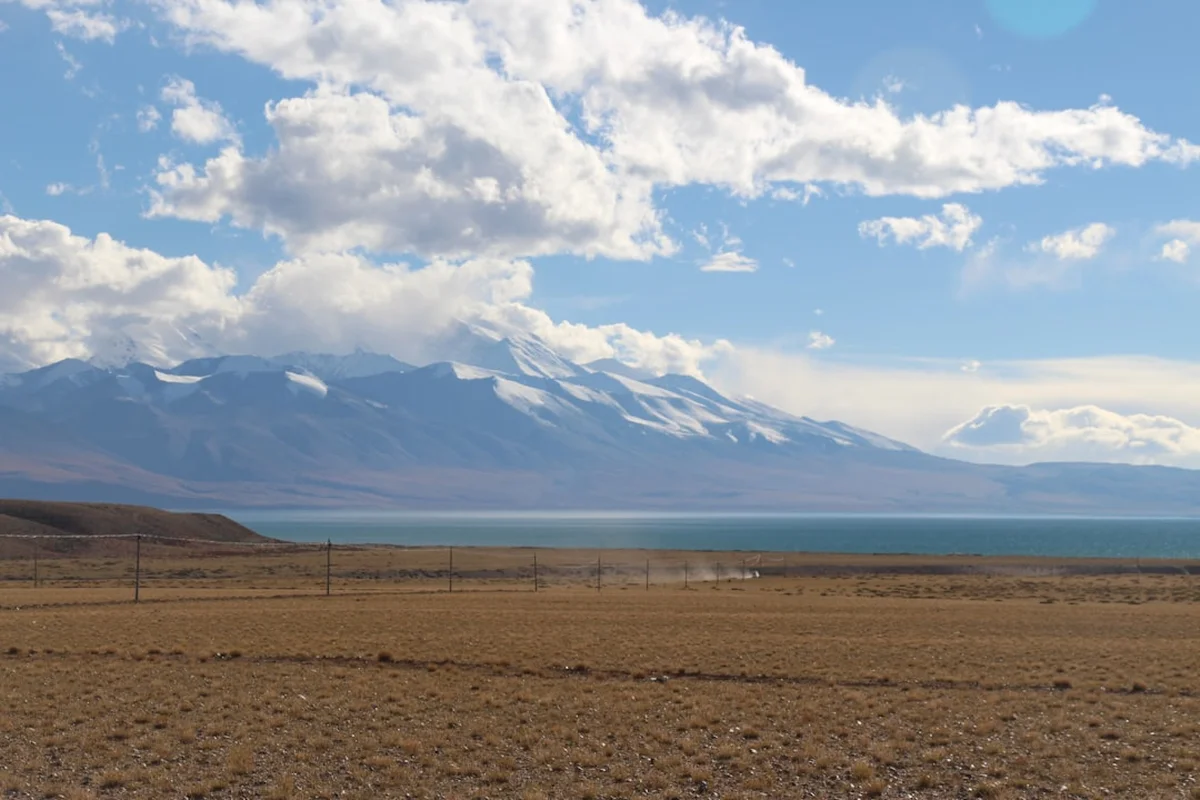
Trek to Mount Kailash - The Sacred Pilgrimage
The trek to Mount Kailash is not merely a physical journey but a profound spiritual pilgrimage, undertaken by millions of devout Hindus, Buddhists, Jains, and Bön followers each year. Located in the remote Ngari Prefecture of Tibet, Mount Kailash is revered as the centre of the universe and the abode of deities. The most common and sacred pilgrimage route is the Kora (circumambulation) around the base of the mountain, a challenging yet deeply rewarding circuit that tests both physical endurance and spiritual resolve. This 52-kilometre trek, typically completed over three days, traverses high-altitude desert landscapes, crosses a formidable mountain pass, and offers unparalleled views of the sacred peak. It is a journey into the heart of Tibetan Buddhism and a testament to the enduring power of faith.
- Distance: 52.0 km (Kora)
- Duration: 3 days / 2 nights (typical Kora)
- Season: May to October (best weather window)
- Base Town: Darchen (altitude 4,575 m)
- Highest Point: Drolma La Pass (5,630 m)
- Elevation Gain: Approximately 1,200 m (cumulative)
- Difficulty: Challenging (due to altitude and terrain)
- Access: Requires travel to Lhasa, then overland to Darchen (2-3 days)
Overview
The Mount Kailash Kora is an experience that transcends the ordinary. The pilgrimage begins in Darchen, a small settlement that serves as the gateway to the sacred mountain. From here, pilgrims embark on a clockwise circuit, a ritual known as a Kora, which is believed to cleanse sins and bring spiritual merit. The trail winds through starkly beautiful high-altitude desert, with the imposing, snow-capped pyramid of Mount Kailash dominating the horizon. The landscape is vast and austere, punctuated by prayer flags fluttering in the wind, mani stones carved with sacred mantras, and the occasional yak caravan.
The trek is divided into three main stages, each with its unique challenges and spiritual significance. Day one involves a relatively gentle ascent to Dirapuk Monastery, offering close-up views of Kailash's north face. Day two is the most arduous, culminating in the crossing of the Drolma La Pass, the highest point of the Kora. This pass is adorned with prayer flags and cairns, marking a place of profound spiritual energy. The descent from the pass leads towards Zutulpuk Monastery. Day three completes the circuit, returning to Darchen, with a final opportunity to absorb the sacred aura of the mountain.
The altitude is a significant factor throughout the trek. Reaching over 5,600 metres at Drolma La Pass, the air is thin, and acclimatisation is crucial. The weather can be unpredictable, with sunshine, wind, snow, and rain all possible within a single day. Despite these challenges, the spiritual draw of Mount Kailash and the sense of accomplishment upon completing the Kora make it a life-changing journey for many.
History and Cultural Context
Mount Kailash holds immense religious significance across multiple faiths. In Hinduism, it is considered the abode of Lord Shiva and his consort Parvati. It is believed that Shiva meditates at the summit, and the mountain itself is a representation of Mount Meru, the cosmic axis of the universe. For Buddhists, Kailash is the centre of the world, where the Buddha Demchog resides. In Jainism, it is the site where their first Tirthankara, Rishabhanatha, attained enlightenment. The Bön religion, indigenous to Tibet, also regards Kailash as a sacred site, believing it to be the soul of their country.
The practice of circumambulating Mount Kailash, the Kora, has been a central ritual for centuries. Pilgrims undertake this arduous journey to accumulate merit, purify negative karma, and seek spiritual liberation. The Kora is not just a physical act but a meditative practice, with many pilgrims chanting mantras, prostrating themselves along the route, or even completing the circuit in a single, monumental effort that can take weeks. The journey is often undertaken during auspicious periods, such as the Saga Dawa festival, which commemorates the birth, enlightenment, and parinirvana of Buddha.
The region surrounding Mount Kailash has historically been a crossroads of cultures and trade routes. However, due to its remote location and political complexities, access for foreigners has often been restricted. The modern pilgrimage route has evolved over centuries, with monasteries and resting places established along the way to support the flow of devotees. The Kora remains a powerful symbol of devotion and a testament to the enduring spiritual traditions of the Himalayas.
Seasonal Highlights and Weather Reality
The pilgrimage season for Mount Kailash typically runs from May to October, offering the most favourable weather conditions for this high-altitude trek. During these months, the days are generally longer and warmer, and the chances of heavy snowfall on the Drolma La Pass are reduced.
Spring (May-June): This is an excellent time to undertake the Kora. The weather is usually clear and sunny, with temperatures gradually warming. The landscape begins to thaw, and the first signs of life emerge. However, nights can still be very cold, and occasional snow showers are possible, especially at higher elevations. The crowds are generally smaller than in peak summer.
Summer (July-August): This is the peak pilgrimage season. The weather is generally warmer, and the days are long. However, this is also the monsoon season in the Himalayas, meaning there is a higher chance of rain and cloud cover, which can obscure views of Mount Kailash. Sandflies can also be present in Darchen and lower sections of the trail. Despite the potential for rain, the spiritual energy is at its highest during this period, attracting the largest number of pilgrims.
Autumn (September-October): This is arguably the best time for the Kora. The monsoon rains have usually subsided, leaving behind clear skies and crisp air. The autumn colours can be stunning, and the views of Mount Kailash are often spectacular. Temperatures begin to drop, especially at night, and frost is common. By late October, the weather can become significantly colder, and snow can start to fall, making the pass impassable.
Winter (November-April): The pilgrimage is generally not recommended during these months due to extreme cold, heavy snowfall, and impassable conditions on the Drolma La Pass. The region is largely cut off, and travel is extremely difficult and dangerous. Only the most experienced and determined pilgrims, often locals, might attempt parts of the Kora during this period.
Recommended Itinerary
3-Day Mount Kailash Kora Itinerary
Day 1: Darchen to Dirapuk Monastery
- Distance: Approximately 10 km
- Elevation gain: Approximately 400 m
- Time: 4–5 hours
- Start from Darchen (4,575 m)
- The trail is relatively flat initially, following the Lhachu River valley
- Pass through prayer flag-strewn areas and small stupas
- Views of the north face of Mount Kailash become increasingly prominent
- Arrive at Dirapuk Monastery (4,900 m)
- Overnight stay in basic guesthouse or monastery accommodation
- This day is crucial for acclimatisation; walk at a slow, steady pace
- The proximity to Kailash's north face is awe-inspiring
Day 2: Dirapuk Monastery to Zutulpuk Monastery via Drolma La Pass
- Distance: Approximately 18 km
- Elevation gain: Approximately 730 m to Drolma La Pass, 600 m descent
- Time: 7–9 hours
- The most challenging day of the Kora
- Steep, sustained climb to Drolma La Pass (5,630 m)
- The pass is adorned with countless prayer flags, mani stones, and symbolic offerings
- Take time to rest, acclimatise, and absorb the spiritual atmosphere
- Descend from the pass into the valley of the Great Compassion
- Pass by the sacred Lake Gauri Kund (also known as Parvati Lake)
- Continue descent towards Zutulpuk Monastery (4,750 m)
- Overnight stay in basic guesthouse or monastery accommodation
- This day tests physical endurance and mental fortitude
Day 3: Zutulpuk Monastery to Darchen
- Distance: Approximately 24 km
- Elevation loss: Approximately 200 m
- Time: 6–8 hours
- The longest day, but mostly downhill or flat
- The trail follows the valley of the Karma River
- Pass through several small villages and monasteries
- Views of Kailash's east and south faces
- The final stretch back to Darchen
- Completion of the sacred Kora
- Opportunity for rest and reflection in Darchen
Important Notes:
- This itinerary is a guideline; actual timings can vary based on weather, group pace, and acclimatisation.
- Accommodation in Dirapuk and Zutulpuk is very basic, often shared dormitories with limited facilities.
- Yaks can be hired to carry luggage between campsites, which is highly recommended due to the altitude.
- Carry sufficient water and snacks, as facilities are sparse along the route.
- Respect all religious customs and traditions observed by fellow pilgrims.
Planning and Bookings
Book Your Trip
Everything you need to plan your journey
Accommodation
Find places to stay near Darchen
Flights
Search flights to Darchen
Essential Preparation
Embarking on the Mount Kailash Kora requires meticulous planning, primarily due to its remote location and the need for special permits. Foreign travellers cannot undertake this pilgrimage independently; it must be arranged through a registered Tibetan travel agency. This agency will handle all necessary permits, including the Tibet Travel Permit, Alien's Travel Permit, and potentially others depending on your nationality and entry point.
Logistics: The journey typically begins in mainland China (e.g., Chengdu, Beijing, Shanghai) or Kathmandu, Nepal. From these points, you will fly or take a train to Lhasa, Tibet. From Lhasa, the journey to Darchen, the base town for the Kora, is a multi-day overland trip (approximately 2-3 days) by private vehicle or shared bus. This overland journey itself is an adventure, traversing high-altitude plateaus and offering glimpses of Tibetan life.
Acclimatisation: Given the extreme altitude (Darchen is at 4,575 m and Drolma La Pass reaches 5,630 m), proper acclimatisation is paramount. It is highly recommended to spend at least 2-3 days in Lhasa (3,650 m) before travelling to Darchen to allow your body to adjust to the lower oxygen levels. Rushing the ascent significantly increases the risk of altitude sickness.
Base Town: Darchen is the primary base town for the Kailash Kora. It is a small, functional settlement with basic guesthouses, teahouses, and shops catering to pilgrims. Facilities are rudimentary, and amenities are limited. It is essential to manage expectations regarding comfort and luxury.
Trail Accommodation
Accommodation along the Mount Kailash Kora is extremely basic and primarily consists of simple guesthouses or monastery lodges. There are no luxury lodges or campsites in the traditional sense. The focus is on providing shelter and a place to rest for pilgrims.
Guesthouses/Monasteries:
- Dirapuk Monastery: Offers basic dormitory-style accommodation. Rooms are often shared with multiple pilgrims. Facilities are minimal, with shared squat toilets and no running hot water. Sleeping bags are essential.
- Zutulpuk Monastery: Similar to Dirapuk, providing basic dormitory beds. Facilities are rudimentary.
- Darchen: The base town offers slightly better, though still basic, guesthouses. These may have private rooms (still very simple) and shared bathrooms.
Booking Requirements: Accommodation is typically arranged as part of your tour package by the Tibetan travel agency. You do not book these independently. The agency will ensure you have a place to stay each night of the Kora.
Facilities Provided:
- A bed or bunk in a shared dormitory.
- Basic shelter from the elements.
- Access to shared, often unheated, toilet facilities.
What's NOT Provided:
- Bedding (sleeping bags are mandatory)
- Hot water for showers (rarely available, and if so, often at an extra cost)
- Electricity for charging devices (bring power banks)
- Heating (rooms can be very cold, especially at night)
- Food (meals are usually arranged separately or purchased at teahouses along the route)
- Private bathrooms or en-suite facilities
Seasonal Availability: The guesthouses and monasteries operate primarily during the pilgrimage season (May to October). Outside this season, they may be closed or offer extremely limited services.
Costs: Accommodation costs are typically included in the overall tour package price. If purchased separately (which is rare for foreigners), expect very low costs, but the quality will reflect this.
Required Gear
- Sturdy Hiking Boots: Waterproof, well-worn-in boots with good ankle support are essential for the varied terrain and potential for snow and ice.
- Waterproof and Windproof Outerwear: A high-quality jacket and trousers are crucial. The weather can change rapidly, with strong winds and precipitation common.
- Warm Layers: Multiple insulating layers (fleece, down jacket) are necessary. Temperatures can drop significantly, especially at night and on the Drolma La Pass.
- Sleeping Bag: A warm, 4-season sleeping bag (rated to at least -15°C or lower) is non-negotiable, as huts are unheated and very basic.
- Backpack: A comfortable daypack (30-40 litres) for carrying essentials during the day's trek. A larger duffel bag or backpack (60-70 litres) for your main luggage, which can be carried by a yak or vehicle.
- Head Torch: With spare batteries, as there is no electricity in the accommodation.
- Sun Protection: High SPF sunscreen, lip balm with SPF, sunglasses, and a wide-brimmed hat. The sun is intense at high altitudes, even on cloudy days.
- First-Aid Kit: Including personal medications, blister treatment, pain relievers, and altitude sickness medication (consult your doctor).
- Trekking Poles: Highly recommended for stability on ascents and descents, and to reduce strain on knees.
What to Bring
- Food and Snacks: While some basic teahouses offer food along the route, it's advisable to carry high-energy snacks (nuts, dried fruit, energy bars) and some supplementary food. Ensure you have enough for the entire trek.
- Water Bottles/Hydration Reservoir: Carry at least 2-3 litres of water capacity.
- Water Purification: Water purification tablets or a filter are essential, as you will be refilling from streams.
- Toiletries: Biodegradable soap, toothbrush, toothpaste, hand sanitiser, wet wipes, and toilet paper.
- Personal Medications: Any prescription medications you require, plus any over-the-counter remedies for common ailments.
- Power Bank: For charging electronic devices, as electricity is scarce.
- Camera and Spare Batteries/Memory Cards: To capture the incredible scenery and spiritual moments.
- Small Towel: Quick-drying travel towel.
- Cash: Local currency (Chinese Yuan) for purchasing snacks, drinks, and hiring yaks. ATMs are not available on the Kora route.
- Duct Tape: Invaluable for quick repairs to gear.
- Small Notebook and Pen: For journaling or recording thoughts.
Permits
Undertaking the Mount Kailash Kora as a foreign national requires a series of permits, which are strictly controlled by the Chinese government. Independent travel is not permitted; you must book your pilgrimage through a registered Tibetan travel agency. This agency will handle the application and procurement of all necessary permits on your behalf.
Key Permits Required:
- Tibet Travel Permit (TTP): This is the primary permit required for all foreign travellers entering Tibet. It is issued by the Tibet Tourism Bureau and must be applied for in advance through your travel agency.
- Alien's Travel Permit (ATP): This permit is required for travel outside of Lhasa, including the journey to Mount Kailash. It is typically applied for in Lhasa.
- Military Permit: Depending on your nationality and the specific route, a military permit may also be required for certain areas near the border.
- Chinese Visa: You will need a valid Chinese visa to enter China, from where you will travel to Tibet.
Application Process:
- Timing: Permit applications should be submitted at least 4-6 weeks in advance of your planned travel date. The process can take time, and last-minute applications are often not possible.
- Documentation: You will need to provide copies of your passport (valid for at least six months beyond your stay), visa, and passport-sized photographs. Your travel agency will guide you on the exact requirements.
- Group Travel: Foreign travellers must travel in groups of at least five people. If you are travelling solo or in a smaller group, your agency will likely group you with other travellers to meet this requirement.
- Escort: You will be accompanied by a licensed Tibetan guide throughout your journey in Tibet.
Important Considerations:
- Permit regulations can change without notice. Always consult with your travel agency for the most up-to-date information.
- The cost of permits is usually included in the tour package price.
- Ensure your passport details are accurate on all permit applications. Any discrepancies can lead to significant problems.
Other Activities in the Area
While the Mount Kailash Kora is the primary focus for most visitors, the surrounding region offers other significant spiritual and natural attractions:
- Lake Manasarovar: Located near Darchen, Lake Manasarovar is another sacred lake revered by Hindus, Buddhists, Jains, and Bön followers. It is considered one of the highest freshwater lakes in the world. Many pilgrims perform a shorter Kora around Lake Manasarovar, which is less strenuous than the Kailash Kora and can be completed in a day or two. The lake is known for its pristine beauty and spiritual aura.
- Gugé Kingdom Ruins: For those with extra time and interest in history, the ancient ruins of the Gugé Kingdom, located to the west of Mount Kailash, are a fascinating destination. These ruins, including the Tholing Monastery, offer a glimpse into a once-powerful kingdom that played a significant role in the spread of Buddhism in Tibet.
- Chiu Monastery: Perched dramatically on a cliff overlooking Lake Manasarovar, Chiu Monastery offers stunning panoramic views of the lake and Mount Kailash. It is a peaceful place for meditation and reflection.
- Exploring Darchen: The small town of Darchen itself serves as a hub for pilgrims. Spending time here allows for observation of the diverse array of pilgrims from different traditions, the vibrant atmosphere of devotion, and the purchase of local handicrafts and religious items.
- Yak Safari: In and around Darchen, it is possible to arrange short yak rides, offering a traditional way to experience the high-altitude landscape and interact with the local culture.
Safety and Conditions
Altitude Sickness: This is the most significant risk associated with the Mount Kailash Kora. Symptoms can include headache, nausea, dizziness, fatigue, and shortness of breath. Proper acclimatisation is the best prevention. If symptoms worsen, descend immediately. Consult your doctor about preventative medication like Diamox (Acetazolamide).
Weather: The weather at high altitudes is unpredictable and can change rapidly. Be prepared for extreme cold, strong winds, snow, and rain, even during the summer months. Temperatures can drop well below freezing, especially at night and on the Drolma La Pass.
Terrain: The Kora involves walking on uneven, rocky, and sometimes steep trails. The Drolma La Pass is a challenging ascent and descent. Trekking poles are highly recommended for stability.
Sanitation and Hygiene: Facilities are very basic. It is crucial to maintain good hygiene to prevent illness. Use hand sanitiser frequently, especially before eating. Ensure water is purified.
Food and Water: While teahouses offer food, the quality and hygiene can vary. Carry your own snacks and supplementary food. Always purify or boil water before drinking.
Communication: Mobile phone reception is unreliable and often non-existent along the Kora route. Your guide will have a satellite phone for emergencies.
Emergency Procedures: In case of a medical emergency, your guide will be responsible for initiating evacuation procedures. This may involve hiring a yak or arranging for a vehicle. Travel insurance that covers high-altitude trekking and emergency evacuation is essential.
Respect for Local Customs: The Kora is a sacred pilgrimage. Dress modestly, be respectful of religious sites and practices, and avoid loud behaviour. Always walk the Kora in a clockwise direction.
Side Trips and Points of Interest
Drolma La Pass (5,630 m): The spiritual and physical apex of the Kora. This high mountain pass is adorned with thousands of prayer flags, cairns, and symbolic offerings left by pilgrims. The views from the pass, when clear, are breathtaking, offering a panoramic vista of the surrounding peaks and the sacred Mount Kailash. It is a place of immense spiritual energy and a significant achievement for any pilgrim.
Lake Gauri Kund (Parvati Lake): Located just below the Drolma La Pass on the descent, this small, turquoise lake is considered sacred by Hindus, who believe it to be the bathing spot of Goddess Parvati. It is a place of serene beauty and deep spiritual significance.
Chiu Monastery: Perched dramatically on a rocky outcrop overlooking Lake Manasarovar, Chiu Monastery offers spectacular views of the lake and Mount Kailash. It is a peaceful and picturesque spot for contemplation and photography, and a worthwhile detour for those with time.
Tholing Monastery: While a significant detour from the immediate Kailash region, Tholing Monastery is one of the oldest and most important Buddhist monasteries in Tibet, located in the former Gugé Kingdom. It houses ancient murals and statues and offers a deep dive into Tibetan Buddhist art and history.
Yak Caravans: Observing and interacting with the local yak herders and their caravans is a unique cultural experience. Yaks are essential for transporting goods and luggage along the Kora, and their presence is an integral part of the pilgrimage landscape.
Leave No Trace
The Mount Kailash Kora is a sacred pilgrimage route, and preserving its pristine environment and spiritual sanctity is paramount. As a visitor, you play a crucial role in upholding the principles of Leave No Trace.
Pack It In, Pack It Out: This is the golden rule. Carry out all your rubbish, including food wrappers, plastic bottles, and any other waste. Do not leave anything behind, especially in sensitive natural areas or religious sites.
Dispose of Waste Properly: Use designated waste disposal facilities where available. If not, carry your waste back to Darchen or your next point of civilisation. Avoid burying waste, as it can contaminate the soil and water.
Respect Wildlife: Observe wildlife from a distance and never feed them. Feeding animals can disrupt their natural behaviours and diets, and can lead to dependency or aggression.
Stay on the Trail: Stick to the marked paths to avoid damaging fragile vegetation and to prevent erosion. The high-altitude environment is easily damaged and slow to recover.
Minimise Campfire Impacts: Campfires are generally not permitted or advisable on the Kora due to the scarcity of fuel and the risk of environmental damage. Use a portable stove for cooking.
Be Considerate of Other Visitors: The Kora is a spiritual journey for many. Maintain a respectful and quiet demeanour, especially at religious sites. Avoid playing loud music or disturbing the peace.
Respect Religious Sites: Mount Kailash and its surrounding monasteries are deeply sacred. Be mindful of local customs and traditions. Do not touch or disturb religious artefacts, and always ask permission before taking photographs of people or inside monasteries.
Water Sources: Use water purification methods to treat water from streams. Avoid contaminating water sources with soap or waste. Wash yourself and your dishes at least 10 metres away from any water source.