
Avalanche Lake via Trail of the Cedars
The Avalanche Lake trail, accessed via the enchanting Trail of the Cedars, is a quintessential day hike within Glacier National Park, Montana, USA. This popular route offers a captivating journey through a diverse range of ecosystems, from the ancient, moss-draped cedar forest to the dramatic alpine cirque cradling Avalanche Lake. It's a relatively short but rewarding walk, suitable for most fitness levels, that delivers spectacular scenery, including towering waterfalls, lush vegetation, and the breathtaking grandeur of the surrounding mountains. The trail's accessibility and the sheer beauty of its destination make it one of the park's most beloved day walks, promising an unforgettable immersion into the wild heart of the Northern Rockies.
- Distance: 9.5 km (round trip)
- Elevation Gain: 256 m
- Duration: 2–4 hours
- Difficulty: Moderate
- Best Time: June to September
- Closest City: Columbia Falls, Montana
- Trailhead Access: Via Going-to-the-Sun Road; parking fills extremely early.
- Permits: No specific permits required for day hiking; park entrance fee applies.
Overview
The Avalanche Lake trail is a masterclass in showcasing the diverse natural beauty of Glacier National Park within a manageable day hike. The journey begins on the Trail of the Cedars, a universally accessible boardwalk that meanders through an ancient forest of western red cedar and western hemlock. These colossal trees, some centuries old, create a cathedral-like atmosphere, their branches draped with moss and ferns, filtering the sunlight into a soft, ethereal glow. The air is cool and damp, carrying the scent of rich earth and decaying wood, a testament to the forest's enduring life cycle.
As the trail progresses, it transitions from the boardwalk to a more traditional dirt path, gradually ascending alongside Avalanche Creek. The sound of rushing water becomes a constant companion, growing louder as the creek cascades over rocks and plunges down small waterfalls. The vegetation shifts, with more deciduous trees and a vibrant understory of wildflowers appearing as the elevation increases. The trail offers several viewpoints overlooking the churning creek and the dramatic gorge it has carved over millennia.
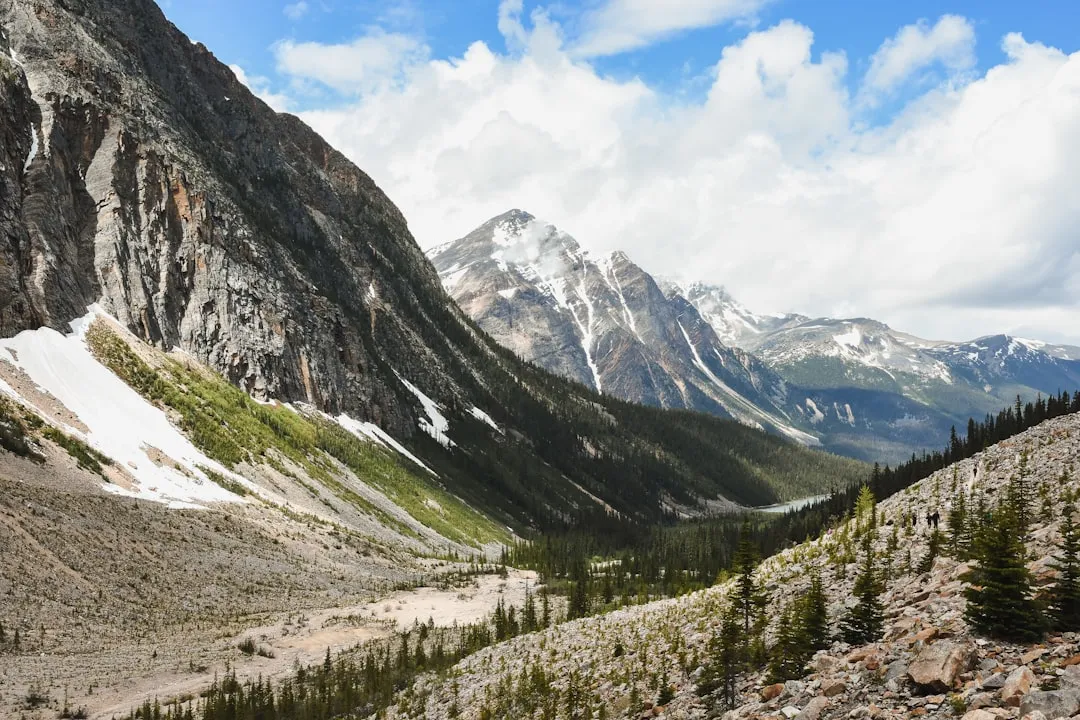
The final push to Avalanche Lake involves a steeper climb, but the reward is immense. The trail opens up into a stunning alpine basin, a natural amphitheatre carved by glaciers. Avalanche Lake sits serenely at the base of sheer, towering cliffs, fed by a series of spectacular waterfalls that tumble down the mountainsides. These "weeping walls" are particularly impressive after recent rain or snowmelt, creating a breathtaking spectacle of cascading water against the rugged rock faces. The lake itself, often a striking turquoise or emerald colour depending on the light and sediment, reflects the dramatic peaks surrounding it, including Reynolds Mountain and Mount Cannon. The sheer scale and raw beauty of this glacial cirque provide a profound sense of awe and accomplishment for hikers.
This hike is popular for good reason: it offers a significant scenic payoff for a moderate effort, showcasing the park's iconic cedar forests and glacial landscapes. It's an ideal introduction to the wonders of Glacier National Park for families, casual hikers, and those seeking a memorable wilderness experience without the commitment of a multi-day trek.
History and Cultural Context
The land that now comprises Glacier National Park has a rich and complex history, deeply intertwined with the Indigenous peoples who have inhabited this region for millennia. For thousands of years, the Salish, Kootenai, and Blackfeet tribes, among others, utilized the valleys and mountains of this area for hunting, gathering, and spiritual practices. The Trail of the Cedars and the path leading to Avalanche Lake would have been part of ancestral travel routes, offering access to resources and sacred sites. The towering cedars themselves hold cultural significance, valued for their durability and versatility in traditional crafts and shelter construction.
The modern history of the area began with European-American exploration and settlement in the late 19th and early 20th centuries. The discovery of valuable mineral resources and the burgeoning interest in tourism led to the establishment of Glacier National Park in 1910. The construction of the Going-to-the-Sun Road, a monumental engineering feat completed in 1932, opened up the park's interior to a wider audience, making trails like Avalanche Lake more accessible.
The Trail of the Cedars itself has a history of preservation and accessibility. Originally a more rugged path, it was developed into an accessible boardwalk in the mid-20th century to allow visitors of all abilities to experience the majesty of the old-growth forest. This thoughtful development ensures that the ancient cedars and the unique ecosystem they support can be appreciated by everyone.
The name "Avalanche Lake" speaks to the powerful natural forces that have shaped this landscape. The steep cirque walls are prone to avalanches, particularly during the winter and spring months, which have contributed to the dramatic, sculpted terrain and the formation of the lake over geological time. The trail serves as a window into this dynamic geological past, allowing visitors to witness the ongoing processes of erosion, glaciation, and forest regeneration.
Seasonal Highlights and Weather Reality
The Avalanche Lake trail is typically accessible and at its most enjoyable from June through September. During these months, the weather is generally more favourable for hiking, and the park's infrastructure, including the Going-to-the-Sun Road, is fully operational.
Spring (Late May to June): As the snow begins to melt, the Trail of the Cedars becomes accessible, often with some lingering snow patches. The forest floor bursts with new life, and wildflowers start to bloom. Avalanche Lake itself may still be partially frozen in early June, and the waterfalls will be at their most powerful due to snowmelt. However, weather can be unpredictable, with late snowfalls and rain showers common. The Going-to-the-Sun Road typically opens in late June, so check its status before planning a trip.
Summer (July to August): This is peak season for Avalanche Lake. The weather is usually warm and sunny, ideal for hiking. The waterfalls are still impressive, though perhaps less voluminous than in early summer. Wildflowers are abundant, and the forest is lush and green. However, this is also the busiest time, and parking at the trailhead can be extremely challenging. Expect crowds on the trail.
Autumn (September to Early October): The fall colours in the surrounding mountains can be spectacular, offering a different kind of beauty. The crowds begin to thin, making for a more peaceful hiking experience. The weather can be crisp and cool, with a higher chance of rain or early snow. The Going-to-the-Sun Road usually closes in mid-October due to snow, so check its status if planning a late-season hike.
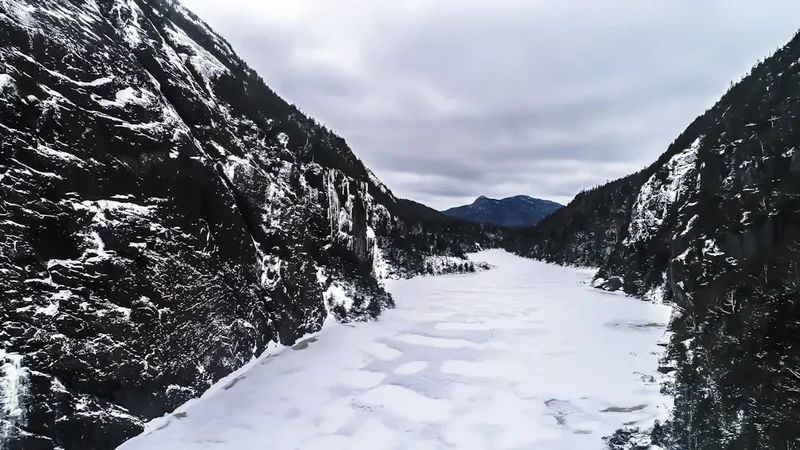
Winter (November to April): The Avalanche Lake trail is generally inaccessible and dangerous during winter due to heavy snowfall, avalanche risk, and the closure of the Going-to-the-Sun Road. The Trail of the Cedars may be accessible for snowshoeing or cross-country skiing, but reaching Avalanche Lake is not feasible or recommended for most.
Weather Considerations: Glacier National Park is known for its rapidly changing weather. Even on a sunny summer day, temperatures can drop significantly at higher elevations, and afternoon thunderstorms are common. Always be prepared for a range of conditions, including rain, wind, and cooler temperatures, regardless of the season.
Recommended Itinerary
Day Hike: Trail of the Cedars to Avalanche Lake
Early Morning (Approx. 7:00 AM - 8:00 AM): Arrival and Trailhead Start
- Arrive at the Avalanche Lake trailhead parking area as early as possible. Parking is extremely limited and fills up quickly, often before 9:00 AM, especially during peak season.
- Ensure you have your park entrance pass ready.
- Begin your hike on the Trail of the Cedars, a 1 km accessible boardwalk loop. Take your time to absorb the ancient forest atmosphere.
Morning (Approx. 8:00 AM - 9:30 AM): Trail of the Cedars and Ascent Begins
- Complete the Trail of the Cedars loop and continue onto the main Avalanche Lake trail.
- The trail is well-maintained but begins a steady, moderate ascent.
- Enjoy the sights and sounds of Avalanche Creek as it rushes alongside the path.
- Pass several smaller cascades and viewpoints offering glimpses of the gorge.
Midday (Approx. 9:30 AM - 11:00 AM): Reaching Avalanche Lake
- Continue the climb, which becomes a bit steeper in the final section.
- The trees begin to thin, offering glimpses of the surrounding peaks.
- Arrive at Avalanche Lake. Spend ample time exploring the shoreline, taking photographs, and enjoying the magnificent views of the waterfalls and the glacial cirque.
- Look for the "weeping walls" – the numerous waterfalls cascading down the sheer cliffs.
Afternoon (Approx. 11:00 AM - 1:00 PM): Return Journey
- Begin your descent back towards the trailhead. The downhill can be quicker but requires attention to footing.
- Re-enter the Trail of the Cedars for a final appreciation of the ancient forest.
- Return to the parking area.
Post-Hike:
- Consider visiting other nearby attractions along the Going-to-the-Sun Road, such as Lake McDonald Lodge or Logan Pass, if time and road access permit.
Important Notes:
- Arrive extremely early to secure parking. Consider using the park's shuttle system if available and convenient.
- Carry plenty of water and snacks.
- Wear sturdy, comfortable hiking shoes.
- Be prepared for changing weather conditions.
- Bear spray is recommended, and know how to use it.
- This is a popular trail; expect to encounter other hikers.
Planning and Bookings
Book Your Trip
Everything you need to plan your journey
Accommodation
Find places to stay near Columbia Falls
Flights
Search flights to Columbia Falls
Essential Preparation
Planning your visit to Avalanche Lake is crucial, primarily due to the popularity of Glacier National Park and the limited access via the Going-to-the-Sun Road. The park operates on a vehicle reservation system during peak season (typically late May through early September) for the Going-to-the-Sun Road corridor. You will need to secure a vehicle reservation in addition to your park entrance pass to access the Avalanche Lake trailhead during these times. Check the official Glacier National Park website for the most up-to-date information on reservation requirements, dates, and times.
The closest major airport is Glacier Park International Airport (FCA) near Kalispell, Montana, approximately a 30-minute drive from the west entrance of the park. Columbia Falls is the nearest town with amenities, offering lodging, dining, and outdoor gear shops. For those driving, be aware that the Going-to-the-Sun Road is a narrow, winding mountain road with limited pull-offs and parking. Arriving at the Avalanche Lake trailhead before 8:00 AM is highly recommended, especially during summer, to secure parking. If parking is full, you may need to wait for others to leave or consider using the park's shuttle system, which can be a convenient alternative.
Trail Accommodation
This is a day hike requiring no overnight accommodation. Visitors typically stay in lodging outside the park in nearby towns such as Columbia Falls, Whitefish, or Kalispell, or within the park at lodges like Lake McDonald Lodge or Apgar Village Lodge, which require advance booking. Camping is also available at various campgrounds within and around the park, also requiring reservations.
Required Gear
- Hiking Boots: Sturdy, broken-in hiking boots with good ankle support are essential for navigating the trail's uneven terrain.
- Waterproof Jacket: Weather can change rapidly in the mountains. A waterproof and windproof jacket is crucial for protection against rain and wind.
- Layers of Clothing: Dress in layers, including moisture-wicking base layers, an insulating mid-layer (fleece or down), and an outer shell. Avoid cotton, as it retains moisture and can lead to hypothermia.
- Backpack: A comfortable daypack (20-30 litres) to carry essentials.
- Navigation: While the trail is well-marked, a map of the park and trail, or a reliable GPS device/app, is always recommended.
- Safety Gear: A basic first-aid kit, including blister treatment, pain relievers, and any personal medications. Bear spray is highly recommended for protection against encounters with grizzly bears and black bears. Know how to use it.
What to Bring
- Water: Carry at least 1-2 litres of water per person. Water sources are available along the trail, but purification (filter or tablets) is recommended if you plan to refill.
- Food: High-energy snacks such as trail mix, energy bars, fruit, and sandwiches are essential for sustained energy.
- Sun Protection: Sunscreen (SPF 30 or higher), sunglasses, and a wide-brimmed hat are important, as the sun can be intense, especially at higher elevations and near the lake.
- Insect Repellent: Mosquitoes and biting flies can be present, especially near water.
- Camera: To capture the stunning scenery.
- Binoculars: For wildlife viewing or observing distant peaks.
- Trekking Poles (Optional): Can provide stability and reduce strain on knees, especially during the descent.
- Park Pass and Vehicle Reservation: Ensure you have the necessary permits and reservations for park entry and the Going-to-the-Sun Road.
Permits
For day hiking to Avalanche Lake, no specific trail permit is required beyond the standard Glacier National Park entrance fee. However, access to the Going-to-the-Sun Road, which leads to the Avalanche Lake trailhead, is managed by a vehicle reservation system during the peak season (typically late May through early September). This system is in place to manage congestion and improve the visitor experience.
Vehicle Reservations:
- When: Required for entry into the Going-to-the-Sun Road corridor during specified dates and times.
- How: Reservations are released in two phases: an initial release several months in advance and a second release a few days before the reservation date. These reservations are highly sought after and can be obtained through Recreation.gov.
- Cost: There is a small fee associated with obtaining the vehicle reservation itself, in addition to the park entrance fee.
- Alternatives: If you are staying at lodging within the Going-to-the-Sun Road corridor (e.g., Lake McDonald Lodge), your lodging confirmation may serve as your vehicle reservation for a specific period. Check the park's official website for details.
Park Entrance Fee: A standard entrance fee is required for all visitors entering Glacier National Park. This fee is valid for seven days and can be purchased at park entrance stations or online in advance.
Shuttle System: Glacier National Park operates a free shuttle system along the Going-to-the-Sun Road during the summer months. If you are unable to secure a vehicle reservation or prefer not to drive, the shuttle can be an excellent way to access the Avalanche Lake trailhead. The shuttle stops at the Avalanche Creek Campground, which is a short walk from the trailhead.
Important Note: Always check the official Glacier National Park website (nps.gov/glac) for the most current information regarding vehicle reservations, road status, and any other required permits or fees. Requirements can change annually.
Other Activities in the Area
Glacier National Park offers a wealth of activities beyond the Avalanche Lake hike, allowing visitors to fully immerse themselves in the park's stunning natural beauty:
- Lake McDonald: The largest lake in the park, offering opportunities for boat tours, kayaking, paddleboarding, and simply enjoying the scenic views from the shore. The historic Lake McDonald Lodge is a popular destination.
- Logan Pass: The highest point on the Going-to-the-Sun Road, offering spectacular panoramic views and access to popular hiking trails such as the Highline Trail and the Hidden Lake Overlook. Be prepared for crowds and potential wildlife sightings.
- Many Glacier: Known for its dramatic scenery, turquoise lakes, and abundant wildlife, Many Glacier offers excellent hiking opportunities, including trails to Grinnell Glacier and Iceberg Lake. Boat tours across Swiftcurrent Lake and Josephine Lake are also available.
- St. Mary Lake: Located on the east side of the park, this large lake offers stunning views of the surrounding mountains, including the iconic Wild Goose Island. Hiking trails such as the Siyeh Pass Trail and the St. Mary Falls Trail are accessible from this area.
- Wildlife Viewing: Glacier National Park is home to a diverse array of wildlife, including grizzly bears, black bears, mountain goats, bighorn sheep, elk, and moose. Keep a safe distance and never feed wild animals.
- Scenic Drives: The Going-to-the-Sun Road is a world-renowned scenic drive, but other roads like the North Fork Road and the Chief Mountain International Highway also offer breathtaking vistas.
- Ranger Programs: The park offers a variety of interpretive programs led by park rangers, including guided walks, evening talks, and campfire programs, which can enhance your understanding and appreciation of the park's natural and cultural history.
Safety and Conditions
Bear Safety: Glacier National Park is bear country. Both grizzly bears and black bears inhabit the park. Always carry bear spray and know how to use it. Hike in groups, make noise (talk, sing, clap) to avoid surprising bears, and be aware of your surroundings. Store food properly and never leave it unattended. Check the park's bear safety guidelines before your visit.
Trail Conditions: While Avalanche Lake is a popular and generally well-maintained trail, conditions can vary. Snow can linger on the trail well into June, especially at higher elevations. Check the official Glacier National Park website for current trail conditions and any closures before you go. Be prepared for muddy sections, especially after rain.
Weather: Mountain weather is unpredictable. Be prepared for sudden changes, including rain, wind, and cooler temperatures, even on a sunny day. Thunderstorms are common in the afternoons during summer; if you hear thunder, descend immediately to a lower elevation and seek safe shelter away from exposed ridges and tall trees.
Water: While Avalanche Creek and Lake are sources of water, it is always recommended to treat water from natural sources using a water filter or purification tablets to avoid waterborne illnesses.
Altitude: The trailhead is at an elevation of approximately 1,000 metres, and Avalanche Lake is around 1,250 metres. While not extremely high, be aware of potential effects of altitude and stay hydrated.
Crowds: Avalanche Lake is one of the most popular hikes in the park. Expect to encounter many other hikers, especially during peak season. Patience and courtesy are appreciated.
Emergency: Cell phone service is unreliable within the park. In case of an emergency, locate a park ranger or use a satellite communication device if you have one. Know the location of emergency call boxes if available.
Side Trips and Points of Interest
Trail of the Cedars: This accessible 1 km boardwalk loop is the starting point for the Avalanche Lake hike and is a destination in itself. It winds through a magnificent old-growth forest of western red cedar and western hemlock, some of which are hundreds of years old. The towering trees, draped in moss and ferns, create a serene and almost mystical atmosphere. Interpretive signs along the boardwalk provide information about the forest's ecology and history. It's a perfect introduction to the park's diverse ecosystems and is suitable for visitors with mobility challenges.
Avalanche Gorge: As you begin the ascent from the Trail of the Cedars, the path follows Avalanche Creek through a narrow, sculpted gorge. The sheer rock walls, carved by the relentless power of water over thousands of years, are a dramatic sight. Several viewpoints offer opportunities to observe the churning water as it cascades over smooth, polished rocks. The sound of the rushing water is a constant, invigorating presence.
The "Weeping Walls" at Avalanche Lake: The most striking feature upon reaching Avalanche Lake is the series of numerous waterfalls cascading down the sheer, towering cliffs that form the back of the glacial cirque. These are often referred to as "weeping walls" and are particularly impressive in early summer when snowmelt is at its peak. The sight of water tumbling down hundreds of metres against the backdrop of rugged mountains is truly spectacular and a photographer's dream.
Reynolds Mountain and Mount Cannon: These prominent peaks frame the Avalanche Lake basin, their imposing presence adding to the dramatic scenery. Their steep, rugged slopes are a testament to the glacial forces that shaped this landscape.
Leave No Trace
Practicing Leave No Trace principles is paramount when visiting Avalanche Lake and Glacier National Park to preserve its pristine beauty and delicate ecosystems for future generations. The popularity of this trail means that adherence to these principles is crucial.
- Plan Ahead and Prepare: Research trail conditions, weather forecasts, and any park regulations before your visit. Know the requirements for vehicle reservations and park entry.
- Travel and Camp on Durable Surfaces: Stay on the marked trails and boardwalks. The Trail of the Cedars boardwalk is designed to protect the fragile forest floor. Venturing off-trail can damage vegetation and disturb wildlife habitats.
- Dispose of Waste Properly: Pack out everything you pack in, including all trash, food scraps, and wrappers. Use designated restrooms or pack out human waste if necessary. Do not bury or burn trash.
- Leave What You Find: Do not remove any natural objects, such as rocks, plants, or wildflowers. Take only photographs and memories.
- Minimize Campfire Impacts: Campfires are not permitted on this day hike. If you are camping elsewhere in the park, use established fire rings and follow all fire restrictions.
- Respect Wildlife: Observe wildlife from a distance. Never feed animals, as this can harm their health, alter their natural behaviours, and put you at risk. Store food securely.
- Be Considerate of Other Visitors: Keep noise levels down, yield to other hikers, and maintain a respectful distance. The goal is to enjoy the natural environment without disturbing others.
By following these principles, you help ensure that the magic of Avalanche Lake and Glacier National Park can be experienced by all, now and in the future.
 USA
USA