
Tour de la Vallée d'Ossau - A Pyrenean Traverse
The Tour de la Vallée d'Ossau is a challenging multi-day trek through the heart of the French Pyrenees, offering a profound immersion into the wild landscapes and rich cultural heritage of the Ossau Valley. This route winds through dramatic mountain scenery, past crystal-clear lakes, over high mountain passes, and through charming traditional villages. It's a journey that demands physical resilience and rewards with unparalleled views and a deep connection to the natural world.
- Distance: 65.0 km
- Duration: 4-6 days
- Season: June to September
- Difficulty: Challenging
- Highest point: Approximately 2,500 metres
- Starting Point: Gabas
- Ending Point: Laruns
- Closest City: Pau
Overview
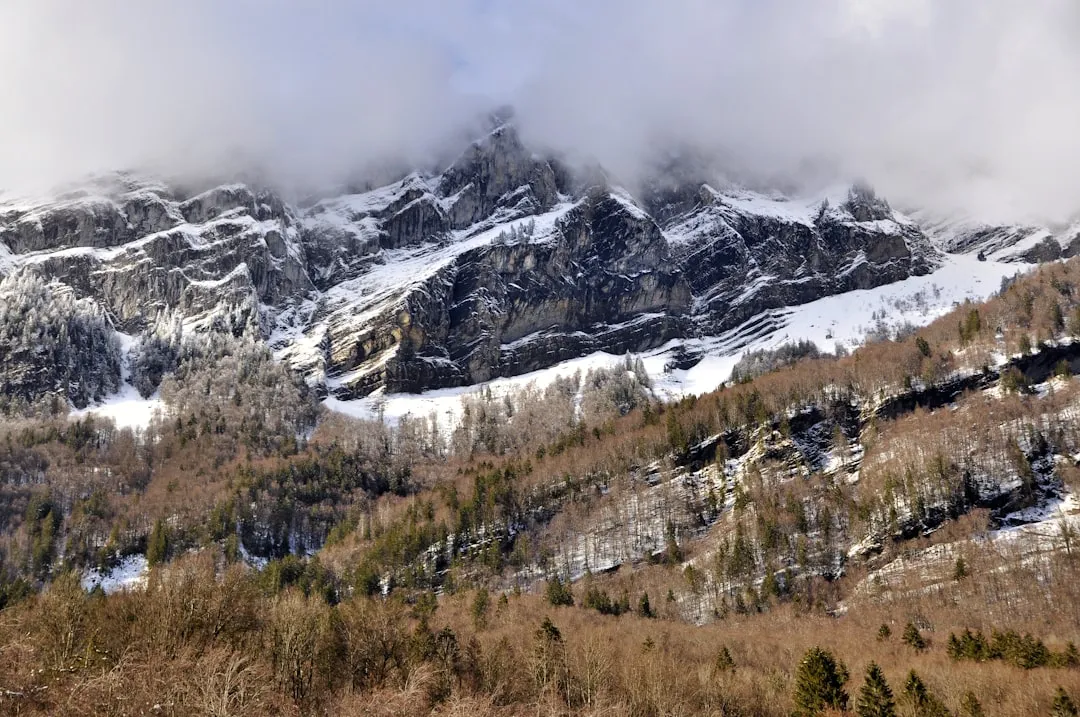
The Tour de la Vallée d'Ossau is a spectacular circuit that showcases the diverse beauty of the Ossau Valley in the French Pyrenees National Park. This trek is not for the faint-hearted; it involves significant elevation gain and loss, often on rugged terrain, making it a true test of endurance and navigation skills. The route typically begins in the small village of Gabas and culminates in Laruns, traversing a landscape sculpted by glaciers and time.
Hikers will experience a dramatic shift in scenery as they ascend from the verdant lower valleys, dotted with traditional Béarnaise architecture, to the stark, alpine environments of the high peaks. Expect to encounter pristine mountain lakes reflecting the surrounding granite summits, vast meadows carpeted with wildflowers in early summer, and the raw, untamed beauty of the high Pyrenean wilderness. The trail often follows ancient shepherd paths, offering a glimpse into the region's long history of pastoralism.
The challenge of the Tour de la Vallée d'Ossau lies in its demanding ascents and descents, often on steep, rocky paths. However, the rewards are immense. Each high pass crossed reveals breathtaking panoramas, and the sense of accomplishment upon completing the trek is substantial. This is a journey for experienced hikers seeking an authentic mountain adventure, far from the crowds, where the silence is broken only by the wind, the bleating of sheep, or the call of a marmot.
History and Cultural Context
The Ossau Valley has a long and storied history, deeply intertwined with the pastoral traditions of the Pyrenees. For centuries, shepherds have guided their flocks across these mountains, following ancient routes that form the basis of the modern trekking paths. The Béarnaise culture, with its unique architecture, language, and customs, is a prominent feature of the valley, particularly in villages like Laruns and Gabas, where stone houses with distinctive slate roofs and wooden balconies speak of a rich heritage.
The region's strategic location has also played a role in its history, with passes like the Col d'Iouste serving as ancient transit routes. The development of tourism in the late 19th and early 20th centuries saw the establishment of mountain refuges and the formalisation of some of these trails, making them accessible to a wider audience of hikers and mountaineers.
The establishment of the Parc National des Pyrénées in 1967 has been crucial in preserving the natural beauty and biodiversity of the Ossau Valley. This protected status ensures that the wild landscapes, the diverse flora and fauna, and the traditional way of life are safeguarded for future generations. The Tour de la Vallée d'Ossau allows trekkers to connect with this living history, walking through landscapes that have been shaped by both nature and human endeavour for millennia.
Seasonal Highlights and Weather Reality
The best time to undertake the Tour de la Vallée d'Ossau is generally from June to September. During these months, the weather is typically more stable, and the snow has receded from the higher passes, making the trails accessible and safer.
June: The early summer offers a spectacular display of wildflowers in the lower and mid-altitudes. Snow may still linger on the highest passes, particularly on north-facing slopes, and some higher refuges might not yet be fully operational. Days are long, providing ample time for hiking.
July and August: These are the peak months for hiking. The weather is generally warm and sunny, though afternoon thunderstorms are common and can develop rapidly. The mountain pastures are vibrant, and wildlife is often more active. This is also the busiest period, so accommodation in refuges should be booked well in advance.
September: Autumn brings crisp air, clear skies, and stunning autumnal colours to the landscape. The crowds thin out, offering a more tranquil experience. However, the days are shorter, and the first snowfalls can occur at higher elevations towards the end of the month. Temperatures can drop significantly at night.
Weather Considerations: The Pyrenees are known for their unpredictable mountain weather. Even in summer, conditions can change rapidly. Hikers must be prepared for all eventualities, including strong winds, heavy rain, fog, and sudden drops in temperature, especially at higher altitudes. Snow can persist on passes well into July in some years.
Recommended Itinerary
4-Day Tour de la Vallée d'Ossau Itinerary (Challenging Pace)
Day 1: Gabas to Refuge d'Ayous
- Distance: Approximately 15 km
- Elevation gain: Approximately 1,000 m
- Time: 5–7 hours
- Start in Gabas, a picturesque village at the valley floor.
- Ascend through forests and then open mountain pastures.
- Pass the Lac de Bious-Artigues, a beautiful reservoir.
- Continue the climb towards the Refuge d'Ayous, situated near the stunning Lac d'Ayous.
- The iconic view of the Pic du Midi d'Ossau reflected in the lake is a highlight.
- Overnight at Refuge d'Ayous.
Day 2: Refuge d'Ayous to Refuge de Pombie
- Distance: Approximately 12 km
- Elevation gain: Approximately 700 m
- Elevation loss: Approximately 500 m
- Time: 5–6 hours
- Descend from Refuge d'Ayous towards the GR10 path.
- Traverse high mountain terrain, with potential for snow patches early in the season.
- Cross the Col d'Iouste (approx. 2,400 m), offering panoramic views.
- Descend towards the Refuge de Pombie, located in a dramatic cirque beneath the Pic du Midi d'Ossau.
- Overnight at Refuge de Pombie.
Day 3: Refuge de Pombie to Refuge de la Frêche
- Distance: Approximately 18 km
- Elevation gain: Approximately 800 m
- Elevation loss: Approximately 1,000 m
- Time: 6–8 hours
- A challenging day involving significant ascents and descents.
- Ascend towards the Col de Peyreget or a similar high pass, depending on route choice and conditions.
- Descend through varied terrain, potentially passing other mountain lakes.
- The route leads towards the area of the Refuge de la Frêche.
- Overnight at Refuge de la Frêche.
Day 4: Refuge de la Frêche to Laruns
- Distance: Approximately 20 km
- Elevation gain: Approximately 400 m
- Elevation loss: Approximately 1,200 m
- Time: 6–7 hours
- Begin the final descent back towards the valley floor.
- The trail winds through forests and meadows, gradually losing altitude.
- Pass through or near smaller hamlets before reaching the larger town of Laruns.
- Arrive in Laruns, marking the end of the trek.
Alternative 5-6 Day Itinerary: For a more relaxed pace, consider breaking down the longer days or incorporating rest days. For example, Day 2 could be split into two shorter days, or an extra day could be added to explore the area around the Pic du Midi d'Ossau more thoroughly.
Important Notes:
- This itinerary is a suggestion and may need to be adapted based on weather conditions, snow levels, and personal fitness.
- Accommodation in mountain refuges must be booked in advance, especially during peak season.
- Carry sufficient water and food, as resupply points are limited between refuges.
- Navigation skills are essential, as some sections may be poorly marked or obscured by snow.
Planning and Bookings
Book Your Trip
Everything you need to plan your journey
Accommodation
Find places to stay near Pau
Flights
Search flights to Pau
Essential Preparation
The Tour de la Vallée d'Ossau is a demanding trek that requires thorough preparation. Hikers should be in excellent physical condition, with experience in multi-day hiking and navigating challenging mountain terrain. It is crucial to have a good level of fitness, including the ability to carry a pack for extended periods and ascend significant elevation gains.
Logistics: The nearest major city is Pau. From Pau, you can take a train or bus to Oloron-Sainte-Marie, and then a bus to Laruns. From Laruns, local transport or a taxi can take you to Gabas, the typical starting point. Alternatively, driving from Pau to Gabas takes approximately 1 hour. Parking is available in Gabas but can be limited during peak season. For the end of the trek in Laruns, arrangements may need to be made for vehicle retrieval if you drove to Gabas, or you can use public transport to return to Pau.
Base Town/City Information: Laruns is the main town in the Ossau Valley and serves as a good base for pre- or post-trek activities. It offers a range of accommodation, restaurants, and shops. Pau is a larger city with more extensive services, including an airport (Pau Pyrénées Airport - PUF) and major transport links.
Trail Accommodation
Accommodation along the Tour de la Vallée d'Ossau primarily consists of mountain refuges (refuges de montagne) and, in some villages, gîtes d'étape or small hotels. Camping is generally permitted in designated areas or wild camping may be tolerated in remote locations away from protected zones, but it's essential to check local regulations.
Refuges: These are typically basic but functional mountain huts offering dormitory-style accommodation and often meals. They are usually staffed during the hiking season (June-September).
- Booking Requirements: Essential to book well in advance, especially for July and August. Contact refuges directly or through national park services.
- Facilities Provided: Dormitory beds with blankets, communal dining area, often a simple breakfast and dinner service (additional cost), basic toilet facilities.
- What's NOT Provided: Sleeping bags (a liner is usually mandatory), toiletries, personal items, cooking equipment (unless specified), electricity for charging devices (limited availability in some refuges).
- Seasonal Availability: Generally open from June to September/October, depending on the specific refuge and snow conditions.
- Costs: Varies, but expect approximately €30-€60 per night for a dormitory bed, with meals costing extra.
Gîtes d'étape/Hotels: Available in villages like Laruns and Gabas, offering more conventional accommodation.
Campsites: Limited, but some may exist in the vicinity of villages or designated areas. Wild camping regulations should be strictly adhered to.
Required Gear
- Sturdy Hiking Boots: Waterproof, broken-in, with good ankle support.
- Backpack: 40-60 litre capacity, with a rain cover.
- Waterproof Jacket and Trousers: Essential for protection against rain and wind.
- Warm Layers: Fleece jacket, thermal base layers (merino wool or synthetic).
- Hat and Gloves: Even in summer, temperatures can drop significantly at altitude.
- Sleeping Bag Liner: Mandatory for use in mountain refuges.
- Head Torch: With spare batteries, for use in refuges and for early morning starts.
- Navigation Tools: Map of the area (e.g., IGN 1:25,000 scale), compass, and GPS device or smartphone with offline maps.
- First-Aid Kit: Including blister treatment, pain relievers, antiseptic wipes, and any personal medications.
- Sun Protection: High SPF sunscreen, sunglasses, and a wide-brimmed hat.
- Trekking Poles: Highly recommended for steep ascents and descents, reducing strain on knees.
What to Bring
- Food: Sufficient high-energy snacks and lunches for each day. Some refuges offer meals, but it's wise to carry your own provisions.
- Water Bottles/Hydration Reservoir: Capacity for at least 2 litres per person.
- Water Purification Method: Filter or purification tablets, as water sources may not always be potable.
- Toiletries: Biodegradable soap, toothbrush, toothpaste, small towel, hand sanitiser.
- Personal Items: Camera, power bank for electronics, book or journal.
- Cash: For refuges and small villages where card payments may not be accepted.
- Insect Repellent: Especially for lower altitudes and evenings.
- Duct Tape and Repair Kit: For minor gear repairs.
Permits
For hiking the Tour de la Vallée d'Ossau, no specific permits are generally required for independent trekkers, provided you are staying in designated refuges or following standard wild camping regulations where permitted. The trail passes through the Parc National des Pyrénées, which has regulations in place to protect the environment.
Key Regulations to Note:
- Refuge Bookings: While not a permit, booking accommodation in mountain refuges is essential and effectively controls access to these facilities. Bookings should be made directly with the refuge management well in advance, particularly during the peak season (July and August).
- Wild Camping: Wild camping is generally discouraged or prohibited within the core zones of the National Park. However, in more remote areas and at higher altitudes, it may be tolerated under strict "Leave No Trace" principles, provided you are well away from water sources, trails, and villages, and leave no trace of your presence. Always check with local park authorities or tourist offices for the most up-to-date regulations regarding wild camping in specific areas.
- Fires: Open fires are strictly prohibited within the National Park.
- Waste Disposal: All litter must be carried out.
National Park Entry: Entry into the Parc National des Pyrénées itself does not require a permit for day hiking or multi-day trekking on established trails. However, adherence to park rules is mandatory.
Information Sources: For the most accurate and current information on regulations, it is advisable to consult the official website of the Parc National des Pyrénées or contact local tourist information offices in towns like Laruns or Gabas.
Other Activities in the Area
The Ossau Valley and its surroundings offer a wealth of activities for those looking to extend their stay or explore beyond the trekking route:
- Pic du Midi d'Ossau Ascent: For experienced mountaineers with appropriate gear and skills, the iconic Pic du Midi d'Ossau (2,884 m) is a challenging but rewarding climb, offering unparalleled views. This is a serious undertaking requiring technical climbing ability.
- Lake Exploration: Beyond Lac d'Ayous and Lac de Bious-Artigues, numerous other mountain lakes (lacs) dot the landscape, offering opportunities for scenic walks and photography.
- Village Exploration: Spend time in Laruns, a charming market town with a rich history, traditional architecture, and local crafts. Explore its weekly market for regional produce and specialities.
- Thermal Baths: The nearby spa town of Eaux-Bonnes offers thermal baths and wellness treatments, a perfect way to relax after a strenuous trek.
- Cycling: The Col d'Aubisque and Col du Soulor, famous Tour de France climbs, are accessible from the Ossau Valley and offer challenging cycling routes with spectacular mountain scenery.
- Wildlife Watching: The Parc National des Pyrénées is home to diverse wildlife, including marmots, chamois, vultures, and potentially even bears. Keep an eye out during your hikes.
- Canyoning and Via Ferrata: Several operators in the region offer guided canyoning and via ferrata excursions for adrenaline seekers.
Safety and Conditions
Pre-Trip Checks:
- Weather Forecast: Always check the mountain weather forecast for the Pyrenees before and during your trek. Websites like Météo-France provide detailed regional forecasts. Be prepared for rapid changes.
- Trail Conditions: Inquire about current trail conditions, especially early in the season when snow can linger on high passes. Local tourist offices or refuge wardens are excellent sources of information.
- Emergency Contacts: Save emergency numbers for the French mountain rescue (Secours en Montagne) and local authorities.
Altitude and Weather:
- Altitude Sickness: While the highest points on this trek are not extreme, be aware of the symptoms of altitude sickness (headache, nausea, dizziness) and descend if symptoms worsen.
- Hypothermia: Even in summer, temperatures at altitude can drop significantly, especially with wind and rain. Dress in layers and carry waterproof and windproof outer shells.
- Thunderstorms: Afternoon thunderstorms are common in the Pyrenees during summer. Avoid exposed ridges and summits during storms. Seek shelter in a refuge or a safe, low-lying area.
Navigation:
- Marked Trails: Many sections of the Tour de la Vallée d'Ossau follow well-marked GR (Grande Randonnée) paths, but some sections may be less clearly defined, especially at higher altitudes or in poor visibility.
- Map and Compass: Always carry a detailed map and compass, and know how to use them. A GPS device or smartphone with offline maps is a valuable supplement.
- Visibility: Fog and cloud can descend rapidly, reducing visibility to a few metres. In such conditions, it is crucial to be able to navigate by compass and map.
Terrain:
- Steep and Rocky: Expect steep ascents and descents on rocky, uneven terrain. Trekking poles are highly recommended to aid balance and reduce impact on joints.
- River Crossings: Some routes may involve stream or river crossings, which can be hazardous after heavy rain. Assess the safety of any crossing carefully.
Wildlife: While generally not aggressive, be aware of local wildlife. Keep a safe distance from chamois and marmots. Never feed wild animals.
Insurance: Ensure you have adequate travel insurance that covers mountain rescue and medical evacuation.
Side Trips and Points of Interest
Pic du Midi d'Ossau: While not a side trip for most trekkers on the standard circuit, the imposing Pic du Midi d'Ossau (2,884 m) dominates the skyline and is a major landmark. For experienced mountaineers, it offers a challenging ascent with incredible views. Even from the trail, its distinctive shape is a constant, awe-inspiring presence.
Lac d'Ayous: This stunning mountain lake is a highlight of the trek, particularly for its iconic reflection of the Pic du Midi d'Ossau on calm days. The Refuge d'Ayous is situated beside it, making it a perfect spot for a lunch break or an overnight stay.
Lac de Bious-Artigues: A larger reservoir lake encountered on the approach to the higher mountain terrain. It's a beautiful spot for a rest and offers lovely views of the surrounding peaks.
Col d'Iouste: This high mountain pass (around 2,400 m) is a significant point on the trek, offering expansive panoramic views across the Pyrenean range. It's a testament to the scale of the landscape you are traversing.
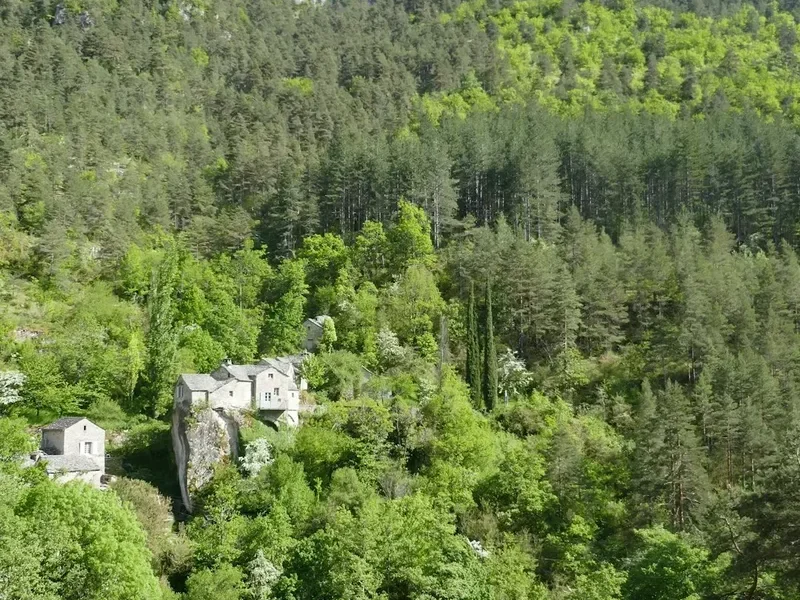
Traditional Béarnaise Villages: Towns like Laruns and Gabas are points of interest in themselves, showcasing the unique architecture, culture, and history of the Ossau Valley. The stone houses, slate roofs, and the general atmosphere provide a cultural counterpoint to the wild mountain scenery.
Flora and Fauna: The Ossau Valley is rich in biodiversity. Keep an eye out for diverse alpine flowers, especially in early summer, and various mountain animals such as marmots, chamois, and a variety of bird species, including raptors.
Leave No Trace
The Tour de la Vallée d'Ossau traverses a protected natural environment within the Parc National des Pyrénées. Adhering to Leave No Trace principles is paramount to preserving this fragile ecosystem for future generations and ensuring a positive experience for all visitors.
Your responsibility as a hiker:
- Plan Ahead and Prepare: Understand the route, weather conditions, and regulations before you go. Pack appropriately and be prepared for self-sufficiency.
- Travel and Camp on Durable Surfaces: Stick to marked trails to avoid damaging vegetation. If camping, choose established sites or durable surfaces away from water sources and sensitive areas.
- Dispose of Waste Properly: Pack out everything you pack in, including all food scraps, wrappers, and toilet paper. Use designated toilet facilities in refuges or dig catholes at least 60 metres away from water, trails, and campsites.
- Leave What You Find: Do not remove plants, rocks, or any natural or cultural objects.
- Minimize Campfire Impacts: Campfires are prohibited in the Parc National des Pyrénées. Use a lightweight stove for cooking.
- Respect Wildlife: Observe wildlife from a distance. Never feed animals, as it can harm their health and alter their natural behaviour.
- Be Considerate of Other Visitors: Keep noise levels down, yield to others on the trail, and respect the tranquility of the mountain environment.
By following these principles, you help to ensure that the Tour de la Vallée d'Ossau remains a wild and beautiful place for everyone to enjoy.
 France