
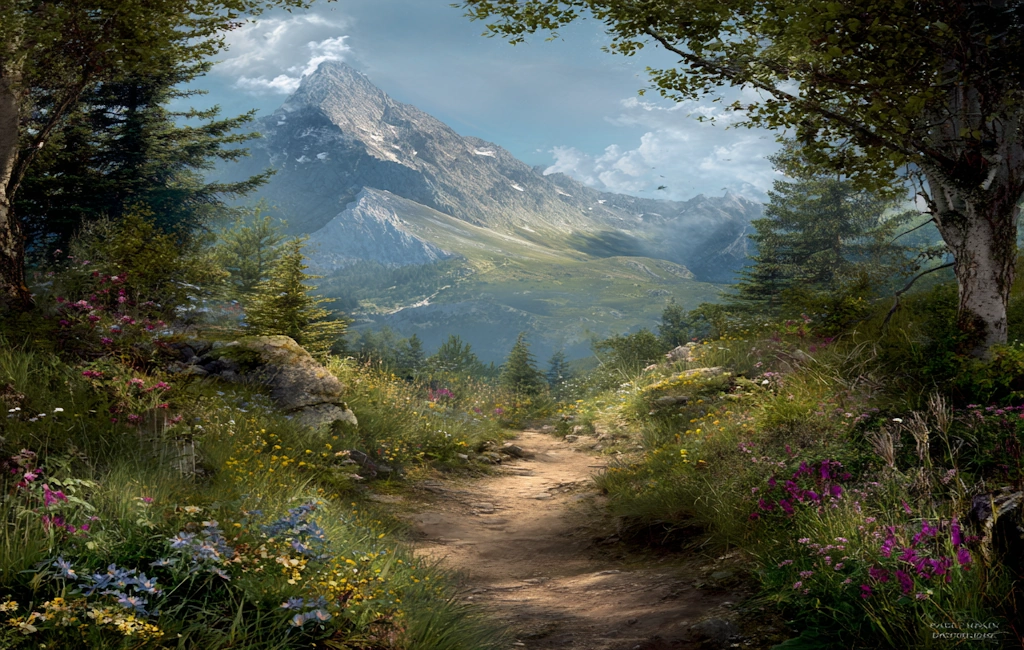
Tour du Mont Ruan - Alpine Majesty in the French Alps
The Tour du Mont Ruan is a challenging multi-day trek encircling the majestic Mont Ruan massif in the heart of the French Alps. This 55-kilometre circuit offers a profound immersion into high-alpine landscapes, traversing rugged mountain passes, traversing vast glacial cirques, and descending into verdant valleys dotted with traditional mountain villages. Unlike its more famous neighbours, the Tour du Mont Ruan provides a more intimate and less crowded experience, allowing walkers to connect deeply with the raw beauty and formidable power of the alpine environment. The route is characterised by significant elevation gains and descents, demanding a good level of fitness and sure-footedness, but the rewards are immense: panoramic vistas of snow-capped peaks, encounters with diverse alpine flora and fauna, and the satisfaction of completing a truly demanding mountain traverse.
- Distance: 55.0 km one-way
- Duration: 4–5 days
- Season: July to September (summer months)
- Difficulty: Challenging
- Highest point: Col de la Fenêtre (approx. 2,500 m)
- Base town: Samoëns
- Accommodation: Mountain refuges and gîtes d'étape
- Direction: Typically walked clockwise, but can be reversed
Overview
The Tour du Mont Ruan is a testament to the untamed beauty of the French Alps, offering a more rugged and less commercialised alternative to some of the region's more popular circuits. This trek is not for the faint-hearted; it is a demanding journey that requires robust physical conditioning and a keen sense of adventure. The trail winds through a dramatic spectrum of alpine scenery, from the lush, flower-strewn meadows of lower altitudes to the stark, rocky terrain of high mountain passes. Each day presents a new challenge and a fresh perspective, with the imposing presence of Mont Ruan (3,053 m) serving as a constant, awe-inspiring landmark.
The route is designed to showcase the diverse geological and ecological features of the region. Walkers will traverse ancient glacial valleys, sculpted by ice over millennia, and ascend to high cols that offer breathtaking 360-degree views of the surrounding mountain ranges. The descent into secluded valleys often reveals charming alpine hamlets, where traditional stone buildings and grazing livestock paint a picture of a life lived in harmony with the mountains. The air is crisp and clean, carrying the scent of pine and wild herbs, and the silence is broken only by the distant chime of cowbells or the cry of a marmot.
The Tour du Mont Ruan is a journey that tests both body and spirit. It demands respect for the mountain environment, requiring careful planning and preparation. However, for those who embrace the challenge, the rewards are unparalleled: a deep sense of accomplishment, a profound connection with nature, and memories of alpine grandeur that will last a lifetime. The trail's relative obscurity means that while challenging, it offers a more authentic and intimate alpine experience, free from the overwhelming crowds often found on more famous routes.
History and Cultural Context
The region surrounding Mont Ruan has a rich history intertwined with pastoralism, mining, and early mountaineering. For centuries, these high pastures were vital for summer grazing, with shepherds and their flocks migrating seasonally to the 'alpages' (mountain pastures). This transhumance practice shaped the landscape, with the construction of stone shelters and the development of trails to access these remote areas. The legacy of this pastoral heritage can still be seen in the traditional architecture of the mountain refuges and the presence of grazing animals along the route.
The area also holds a history of mineral extraction. While not as prominent as in some other Alpine regions, evidence of past mining activities can be found, hinting at the resourcefulness of communities who sought their fortune in the mountains. These historical endeavours have left their mark on the terrain, with remnants of old paths and structures occasionally encountered by trekkers.
The ascent of Mont Ruan itself and the exploration of its surrounding peaks began in earnest during the golden age of alpinism in the 19th century. Early explorers and mountaineers were drawn to the challenge and the allure of conquering these formidable summits. While the Tour du Mont Ruan is not a technical climb, it follows in the footsteps of these pioneers, traversing routes that were once considered remote and challenging expeditions. The establishment of mountain refuges along the route facilitated access for a wider range of adventurers, transforming these challenging traverses into accessible, albeit still demanding, multi-day treks.
Today, the Tour du Mont Ruan represents a harmonious blend of natural beauty and human history. It offers a glimpse into the traditional alpine way of life while providing a challenging and rewarding trekking experience that honours the spirit of exploration that has long defined the Alps.
Seasonal Highlights and Weather Reality
The optimal season for tackling the Tour du Mont Ruan is during the summer months, from July to September. During this period, the snow typically recedes from the higher passes, making the trails accessible and the weather generally more stable.
July: The beginning of the summer season often sees wildflowers in full bloom, carpeting the alpine meadows with vibrant colours. The days are long, providing ample daylight for hiking. However, early July can still present lingering snow patches on shaded slopes or at higher elevations, and mountain weather can be unpredictable, with the possibility of late-season snowfalls or thunderstorms.
August: This is generally considered the peak of the summer season. The trails are usually clear of snow, and the weather is often at its most settled, though afternoon thunderstorms remain a possibility. The refuges are fully operational, and the atmosphere is lively with fellow trekkers. This is also the busiest month, so booking accommodation in advance is highly recommended.
September: As autumn approaches, the landscape begins to transform. The foliage in the valleys turns to beautiful shades of gold and red, offering a different kind of scenic beauty. The air becomes crisper, and the crowds begin to thin. While the weather can be more variable in September, with a higher chance of cooler temperatures and earlier frosts, clear days can offer spectacular views with crisp, clear air. Snowfall on the highest passes becomes a more significant risk as the month progresses.
Weather Considerations: Alpine weather is notoriously fickle. Even during the summer months, conditions can change rapidly. Expect a wide range of temperatures, from warm and pleasant in the valleys to near-freezing at higher altitudes, especially at night or on exposed passes. Rain, fog, and strong winds are common. It is crucial to be prepared for all eventualities, carrying appropriate layers and waterproof gear. Thunderstorms, particularly in the afternoons, are a significant hazard and can develop quickly. Always check the mountain forecast before setting out each day and be prepared to alter your plans if necessary.
Recommended Itinerary
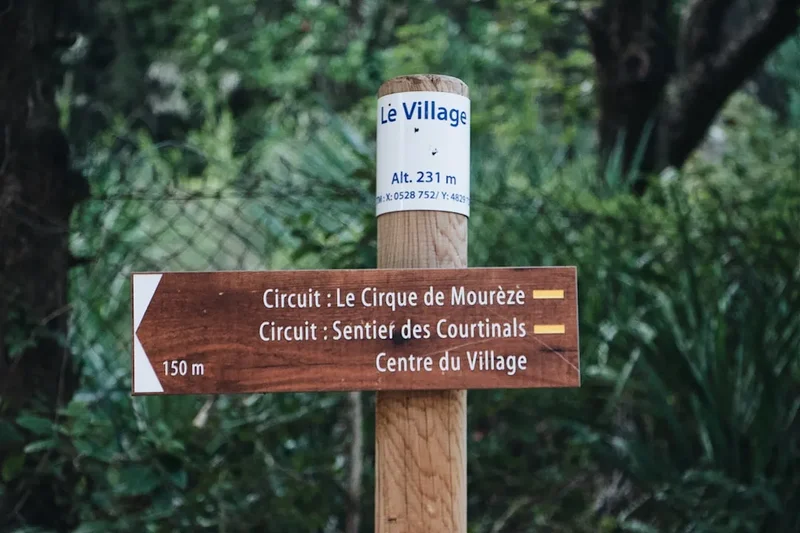
4-Day Tour du Mont Ruan Itinerary (Clockwise)
Day 1: Samoëns to Refuge de la Golèse
- Distance: 12 km
- Elevation gain: 1,200 m
- Time: 5–6 hours
- Start in Samoëns village centre
- Ascend through forests and alpine pastures towards the Col de la Golèse
- Pass by traditional mountain farms and grazing livestock
- Arrive at Refuge de la Golèse (1,660 m), offering stunning views of the surrounding peaks
- Settle in and enjoy the alpine atmosphere
Day 2: Refuge de la Golèse to Refuge de la Vogealle
- Distance: 15 km
- Elevation gain: 1,000 m, Elevation loss: 700 m
- Time: 6–7 hours
- Cross the Col de la Golèse (1,776 m) into Switzerland briefly
- Descend into the Swiss valley towards the Lac de Montriond
- Ascend towards the French side again, aiming for the Refuge de la Vogealle (1,950 m)
- This day involves significant ascents and descents, traversing varied terrain
- The refuge is situated in a beautiful high-alpine setting
Day 3: Refuge de la Vogealle to Refuge de la Pierre à Bérard
- Distance: 14 km
- Elevation gain: 900 m, Elevation loss: 800 m
- Time: 6–7 hours
- Ascend towards the Col de la Fenêtre (approx. 2,500 m), the highest point of the trek
- Enjoy panoramic views from the pass, potentially seeing Mont Blanc in the distance
- Descend into the valley leading to the Refuge de la Pierre à Bérard (1,924 m)
- This day is physically demanding due to the high pass crossing
- The refuge is known for its welcoming atmosphere and hearty meals
Day 4: Refuge de la Pierre à Bérard to Samoëns
- Distance: 14 km
- Elevation loss: 1,100 m
- Time: 4–5 hours
- Descend from the refuge through forests and meadows
- Follow the Giffre river valley back towards Samoëns
- Pass through charming hamlets and enjoy the final views of the mountains
- Arrive back in Samoëns village, completing the circuit
Alternative 5-Day Itinerary: For a more relaxed pace, consider splitting Day 2 or Day 3 into shorter segments, allowing more time for exploration or rest at the refuges.
Important Notes:
- Bookings for mountain refuges are essential, especially during peak season (July-August).
- The itinerary is a guideline; actual timings can vary significantly based on weather, fitness, and trail conditions.
- Always check the weather forecast before each day's hike.
- Carry sufficient water and food, as resupply points are limited between refuges.
Planning and Bookings
Book Your Trip
Everything you need to plan your journey
Accommodation
Find places to stay near Samoëns
Flights
Search flights to Samoëns
Essential Preparation
The Tour du Mont Ruan is a challenging trek that requires thorough preparation. Before embarking on this adventure, ensure you have a good level of physical fitness. Regular cardiovascular exercise, including hiking with a weighted backpack and hill training, is highly recommended. Familiarise yourself with map reading and navigation skills, as mobile phone reception can be intermittent in the mountains.
The closest major city with an international airport is Geneva (GVA). From Geneva, you can take a train or bus to Cluses, which is the nearest major town to Samoëns. From Cluses, a local bus service connects to Samoëns. If driving, the A40 motorway provides good access to the region, with parking available in Samoëns. It is advisable to arrive in Samoëns at least one day prior to starting your trek to finalise any last-minute preparations, purchase supplies, and acclimatise to the altitude.
Trail Accommodation
The Tour du Mont Ruan primarily utilises a network of mountain refuges (refuges de montagne) and gîtes d'étape. These provide basic but comfortable accommodation for trekkers.
Refuge Facilities:
- Dormitory-style sleeping quarters with bunk beds and mattresses. You will need to bring your own sleeping bag liner.
- Communal dining areas where meals are served.
- Often have basic toilet facilities (sometimes composting toilets) and sometimes shared washrooms.
- Some refuges may have limited charging facilities for electronic devices, but this should not be relied upon.
- Hot meals and drinks are typically available for purchase.
What's NOT Provided:
- Bed linen (sheets, duvets) – a sleeping bag liner is mandatory.
- Towels.
- Personal toiletries.
- Cooking equipment or food supplies (unless you are on a full-board package).
Booking Requirements:
- Bookings are essential, particularly during the peak season (July and August). It is advisable to book several months in advance.
- Contact individual refuges directly to make reservations. Websites for each refuge are usually available online.
- Payment is typically required upon booking or upon arrival.
Seasonal Availability: Refuges are generally open from June/July to September/October, depending on the specific refuge and snow conditions. Outside these months, they are typically closed and inaccessible.
Costs: Prices vary per refuge but expect to pay approximately €40-€70 per person per night for half-board (dinner, bed, breakfast). Dormitory beds alone are cheaper.
This is a multi-day hike requiring overnight accommodation in mountain refuges.
Required Gear
- Sturdy hiking boots: Waterproof, well broken-in, with good ankle support.
- Waterproof and windproof jacket: Gore-Tex or similar, with a hood.
- Waterproof overtrousers: Essential for protection against rain and wind.
- Warm layers: Fleece jacket or down vest, thermal base layers (merino wool or synthetic).
- Hiking trousers: Quick-drying and comfortable.
- Backpack: 40-55 litre capacity, with a rain cover.
- Sleeping bag liner: Mandatory for use in refuges.
- Head torch: With spare batteries, for use in dormitories and around the refuge at night.
- First-aid kit: Including blister treatment, pain relievers, antiseptic wipes, bandages, and any personal medications.
- Navigation tools: Map of the area (e.g., IGN 1:25,000 scale), compass, and a GPS device or smartphone with offline maps.
- Sun protection: High SPF sunscreen, sunglasses, and a wide-brimmed hat or cap.
- Insect repellent: Especially for mosquitoes and biting flies, which can be present in summer.
What to Bring
- Food and water: Carry sufficient snacks and energy bars for each day's hike. Refuges provide meals, but it's wise to have extra supplies. Carry at least 1.5-2 litres of water per person, with purification tablets or a filter as a backup.
- Water bottles or hydration reservoir.
- Personal toiletries: Toothbrush, toothpaste, biodegradable soap, small towel.
- Camera and spare batteries/power bank.
- Trekking poles: Highly recommended for steep ascents and descents, reducing strain on knees.
- Cash: Many refuges do not accept credit cards, so carry sufficient Euros for accommodation, meals, and drinks.
- Personal identification and any necessary travel documents.
- Small backpack or daypack for essentials if you opt for a 5-day itinerary and leave main pack at a refuge.
- Book or journal for downtime.
Permits
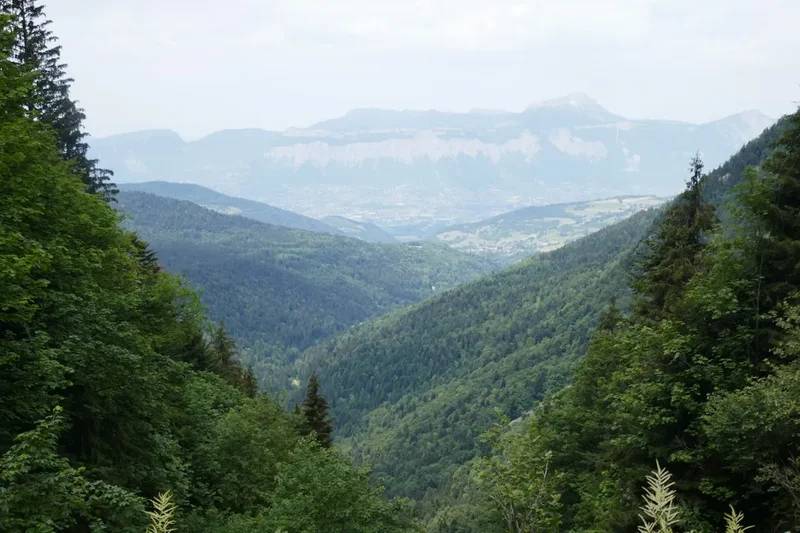
For the Tour du Mont Ruan, no specific permits are generally required for hiking the trails or staying in the mountain refuges, provided you have made reservations. The trails are part of the public domain in France and Switzerland (for a brief section). However, it is crucial to understand that while access to the trails is free, accommodation in the mountain refuges is not. You must book your stays in advance, and payment is required for each night spent in a refuge.
Booking Refuges:
- Direct Contact: The most common method is to contact each refuge individually. Most refuges have a website or a dedicated booking portal where you can check availability and make reservations. Search for "[Refuge Name] réservation" online.
- Peak Season Demand: During July and August, refuges can fill up quickly, sometimes months in advance. It is highly recommended to book your entire itinerary as soon as your dates are confirmed.
- Flexibility: If your preferred dates are unavailable, be prepared to be flexible with your itinerary or consider alternative routes.
- Cancellation Policies: Familiarise yourself with the cancellation policies of each refuge, as these can vary.
Important Considerations:
- No Wild Camping: Wild camping is generally not permitted in the French and Swiss Alps, especially within national parks or protected areas. Stick to designated accommodation.
- Trail Etiquette: While no permits are needed for the trail itself, always practice good trail etiquette, respect the environment, and follow the principles of Leave No Trace.
The primary requirement for this trek is securing your accommodation in the mountain refuges. Without confirmed bookings, your trek may be impossible to complete as planned.
Other Activities in the Area
The region around Samoëns and the Tour du Mont Ruan offers a wealth of activities for those looking to extend their stay or enjoy a rest day:
- Exploring Samoëns: This charming alpine village is a designated "Village Fleuri" (flowered village) and boasts a beautiful medieval centre, a lively market (Thursdays), and the stunning Grand Massif Express cable car offering panoramic views and access to hiking trails.
- Via Ferrata: Several via ferrata routes are available in the vicinity, offering a thrilling way to experience the cliffs and rock faces with fixed cables, ladders, and bridges.
- Mountain Biking: The Grand Massif area has extensive mountain biking trails for all skill levels, from gentle forest paths to challenging downhill runs.
- Paragliding: Experience the Alps from a bird's-eye view with tandem paragliding flights from nearby peaks, offering spectacular vistas of Mont Blanc and the surrounding valleys.
- Rock Climbing: The area offers numerous opportunities for rock climbing, with established routes for various abilities.
- Lake Activities: Nearby lakes, such as Lac de Montriond, offer opportunities for swimming, paddleboarding, and enjoying the lakeside scenery.
- Day Hikes: Numerous shorter day hikes branch off the main Tour du Mont Ruan route, allowing for exploration of specific valleys, waterfalls, or viewpoints.
- Cultural Visits: Explore local museums, churches, and historical sites in Samoëns and surrounding villages to learn about the region's heritage.
Safety and Conditions
Pre-Departure Checks:
- Weather Forecast: Always check the most up-to-date mountain weather forecast (e.g., Météo-France for France, MeteoSwiss for Switzerland) before and during your trek. Conditions can change rapidly in the Alps.
- Trail Conditions: Inquire at the tourist office in Samoëns or at the first refuge about current trail conditions, especially regarding snow cover on passes early or late in the season.
- Emergency Contacts: Save local emergency numbers (e.g., 112 in Europe) on your phone. Inform someone of your itinerary and expected return date.
Alpine Hazards:
- Altitude: While not extremely high, the passes can reach around 2,500 metres. Be aware of the symptoms of altitude sickness (headache, nausea, dizziness) and descend if symptoms worsen.
- Weather: Rapidly changing weather is a significant risk. Be prepared for sun, rain, wind, fog, and even snow, regardless of the season. Hypothermia is a real danger if you get wet and cold.
- Thunderstorms: Afternoon thunderstorms are common in summer. Avoid exposed ridges and high passes during electrical storms. Start your day early to minimise exposure.
- Terrain: The trails can be steep, rocky, and uneven. Loose scree and rocky sections require careful footing. Trekking poles are highly recommended to aid balance and reduce impact.
- Water Crossings: Some sections may involve crossing streams or small rivers. Assess the depth and flow carefully, especially after heavy rain.
Refuge Safety:
- Respect Rules: Adhere to the rules and guidelines set by refuge wardens.
- Fire Safety: Be extremely cautious with any open flames. Most refuges have strict fire regulations.
- Hygiene: Maintain good hygiene to prevent the spread of illness, especially in dormitory settings.
Personal Locator Beacon (PLB): For remote treks, consider carrying a PLB or satellite messenger for emergency communication in areas with no mobile signal.
Travel Insurance: Ensure your travel insurance covers mountain activities, including potential helicopter rescue, which can be very expensive.
Side Trips and Points of Interest
Col de la Fenêtre (approx. 2,500 m): This is the highest point on the standard Tour du Mont Ruan itinerary and offers truly spectacular panoramic views. On a clear day, you can often see the Mont Blanc massif in the distance, along with a vast expanse of the French and Swiss Alps. It's a perfect spot for a well-deserved break and photography.
Lac de Montriond: While not directly on the main circuit, a slight detour on Day 2 can lead you towards this beautiful Swiss lake. It's a picturesque spot for a picnic or a moment of quiet reflection amidst the alpine scenery.
Traditional Alpine Pastures (Alpages): Throughout the trek, you will pass through traditional alpine pastures where cows, sheep, and goats graze. The sound of cowbells is a quintessential alpine experience. Observe the traditional stone shelters (mazots) and learn about the history of pastoralism in the region.
Flora and Fauna: Keep an eye out for the diverse alpine flora, including gentians, edelweiss (though rare), and various wildflowers. Marmots are common at higher altitudes, and you might also spot chamois or ibex. Birdlife includes eagles and various smaller alpine species.
Views of Mont Ruan (3,053 m): The trek is named after this prominent peak. While the standard route doesn't ascend Mont Ruan itself, you will have numerous opportunities to admire its imposing presence from various vantage points throughout the circuit.
Gorges du Giffre: On the final descent back towards Samoëns, the trail may pass near or offer views of the Gorges du Giffre, a dramatic canyon carved by the Giffre river, showcasing the erosive power of water.
Leave No Trace
The Tour du Mont Ruan traverses a fragile alpine environment. Adhering to Leave No Trace principles is paramount to preserving its beauty and ecological integrity for future generations. These principles are not just guidelines; they are essential for responsible mountain travel.
Your responsibility as a walker:
- Plan Ahead and Prepare: Research your route, understand the conditions, and pack appropriately. Know the regulations regarding camping and fires.
- Travel and Camp on Durable Surfaces: Stick to marked trails to avoid damaging vegetation. When resting, use established viewpoints or rocky areas. Wild camping is generally prohibited in this region; use designated refuges.
- Dispose of Waste Properly: Pack out everything you pack in, including all food scraps, wrappers, and any other litter. Use designated toilet facilities in refuges. If caught short in the backcountry, dig a cathole at least 60 metres away from water sources, trails, and campsites. Pack out all toilet paper.
- Leave What You Find: Do not disturb or remove natural objects such as rocks, plants, or flowers. Take only photographs and memories.
- Minimise Campfire Impacts: Campfires are generally not permitted in the high alpine environment due to the risk of wildfires and the slow regeneration of vegetation. Use a portable stove for cooking.
- Respect Wildlife: Observe wildlife from a distance. Never feed animals, as this can disrupt their natural behaviours and diets, and can be harmful to their health.
- Be Considerate of Other Visitors: Keep noise levels down, especially in refuges and natural areas. Yield to uphill hikers. Respect the peace and tranquility of the mountains.
By following these principles, you contribute to the preservation of the Tour du Mont Ruan's pristine alpine character, ensuring that its rugged beauty remains for all to enjoy.
 France