
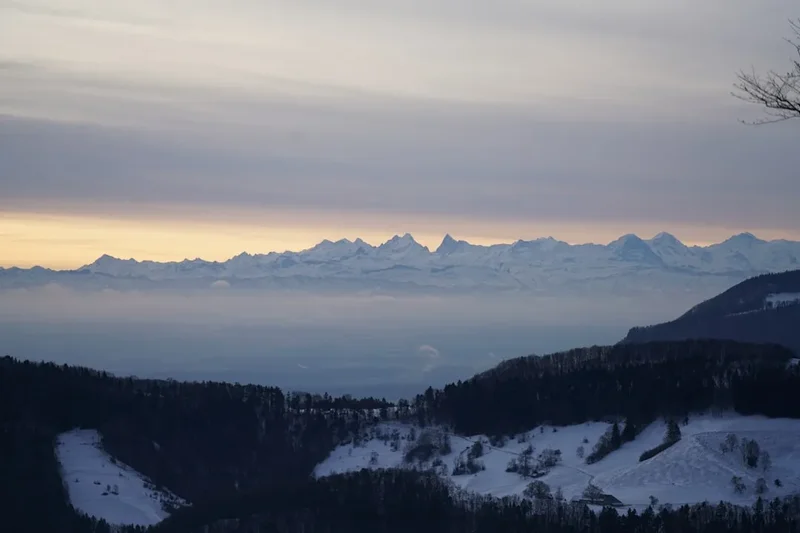
Tour du Mont Fort: A Swiss Alpine Adventure
The Tour du Mont Fort is a spectacular multi-day trek in the Swiss Alps, offering breathtaking vistas of iconic peaks, including the Matterhorn and Mont Blanc. This challenging route winds through the Valais region, renowned for its dramatic landscapes, charming alpine villages, and well-maintained trails. Designed for experienced hikers, the Tour du Mont Fort promises an immersive alpine experience, combining rugged ascents, exhilarating descents, and serene high-altitude pastures. It's a journey that tests your endurance while rewarding you with unparalleled natural beauty and a profound sense of accomplishment.
- Distance: 56.0 km
- Elevation Gain: 4,500 m
- Duration: 4–6 days
- Difficulty: Challenging
- Best Time: July to September
- Closest City: Martigny
- Trailhead Access: Nearest airport: Geneva (GVA). Take a train to Martigny, then a bus to Verbier (trailhead). Driving: Follow signs to Verbier. Road conditions are generally good. Parking available in Verbier (fees may apply). GPS: 46.0907, 7.2474. No permits required.
Overview
The Tour du Mont Fort is a circular route that showcases the diverse beauty of the Swiss Alps. Starting and ending in the popular resort town of Verbier, the trek takes you through a variety of terrains, from lush green valleys and flower-filled meadows to rocky mountain passes and glacial landscapes. The trail is characterised by significant elevation changes, demanding a good level of fitness and stamina. Each day presents new challenges and rewards, with panoramic views that are simply unforgettable.
The route is meticulously marked, typical of Swiss hiking trails, ensuring navigation is straightforward for those accustomed to mountain environments. However, the sheer scale of the ascents and descents, coupled with the high altitude, classifies this as a challenging trek. Hikers will traverse high mountain passes, cross alpine streams, and potentially encounter snow even in mid-summer at the highest points. The accommodation options along the way range from comfortable mountain huts (cabanes) to charming hotels in small villages, offering a welcome respite after a day of strenuous hiking.
The Tour du Mont Fort is more than just a physical challenge; it's an opportunity to connect with the raw power and serene beauty of the Alps. The air is crisp and clean, the silence broken only by the sound of cowbells or the distant cry of a marmot. The ever-present backdrop of snow-capped peaks, including the majestic Matterhorn visible on clear days, provides a constant reminder of the grandeur of the alpine world. This trek is ideal for those seeking an authentic mountain experience, away from the crowds, and who are prepared for the rigours of high-altitude trekking.
History and Cultural Context
The Valais region, where the Tour du Mont Fort is situated, has a rich history deeply intertwined with transhumance—the seasonal migration of livestock between summer pastures in the mountains and winter quarters in the valleys. For centuries, these routes were vital for the survival of alpine communities, and many of the trails used today follow ancient paths trodden by shepherds and their flocks.
The development of tourism in the Alps during the 19th century transformed these traditional routes into hiking trails. Mountaineering and trekking gained popularity, attracting adventurers and nature lovers from across Europe. The construction of mountain huts (cabanes) provided essential shelter and sustenance for these early explorers, laying the groundwork for the extensive network of trails and accommodations that exist today.
Verbier, the starting and ending point of the Tour du Mont Fort, has evolved from a quiet farming village into a world-renowned ski resort and summer hiking destination. Its transformation reflects the broader economic and social changes in the Alps, where traditional livelihoods have increasingly been supplemented by tourism. Despite its modern development, Verbier and the surrounding valleys retain a strong connection to their alpine heritage, evident in the architecture, local traditions, and the enduring practice of alpine farming.
The trails themselves are a testament to the ingenuity of past generations who carved paths through challenging terrain to connect communities and access vital resources. Walking the Tour du Mont Fort offers a glimpse into this history, allowing hikers to appreciate the enduring relationship between humans and the alpine environment.
Seasonal Highlights and Weather Reality
The optimal season for hiking the Tour du Mont Mont Fort is from July to September. During these months, the weather is generally more stable, and the trails are typically free of snow, especially at lower and mid-altitudes. The alpine meadows are in full bloom, creating a vibrant tapestry of colours, and the days are long, providing ample time for hiking.
July: The start of the summer season. Wildflowers are abundant, and the mountain pastures are lush. However, there can still be lingering snow at higher elevations, particularly on north-facing slopes. The weather can be unpredictable, with a possibility of afternoon thunderstorms.
August: Often considered the peak of the summer season. The weather is typically warm and sunny, though thunderstorms remain a possibility. This is a popular time for both hikers and other outdoor enthusiasts, so trails and huts may be busier.
September: Offers crisp, clear air and stunning autumn colours in the lower valleys. The crowds begin to thin, and the weather can be very stable. However, the days are shorter, and the first snowfalls can occur at higher altitudes towards the end of the month. Mountain huts may begin to reduce their operating hours or close towards the end of September.
Weather Considerations: Alpine weather is notoriously changeable. Even during the summer months, hikers should be prepared for a wide range of conditions, including strong winds, rain, fog, and sudden drops in temperature. Snow can fall at any time of year at higher elevations. It is crucial to check the weather forecast daily and be prepared to adjust your plans accordingly.
Recommended Itinerary
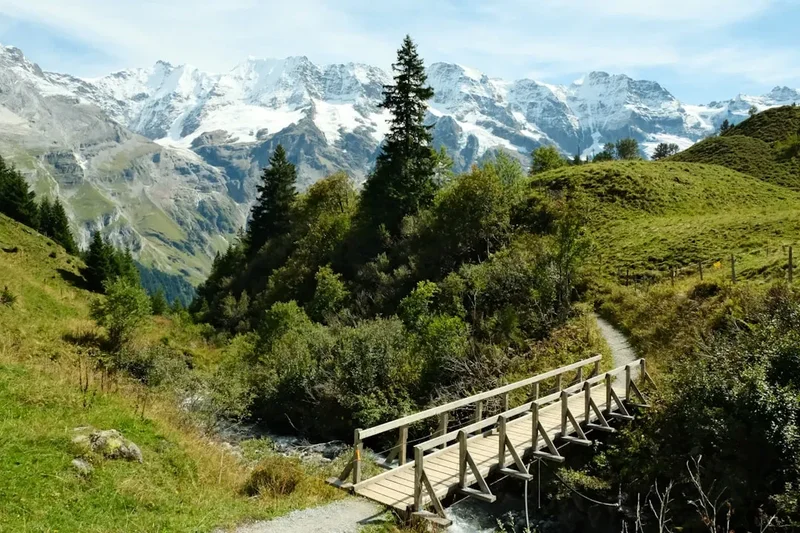
4-Day Tour du Mont Fort Itinerary
Day 1: Verbier to Cabane de Mont Fort
- Distance: 12.0 km
- Elevation Gain: 1,200 m
- Time: 4–5 hours
- Start in Verbier (1,531 m)
- Ascend via the Savoleyres cable car to reduce initial climb, or hike directly from Verbier
- Trail winds through alpine pastures and rocky terrain
- Pass through the hamlet of La Chaux
- Arrive at Cabane de Mont Fort (2,457 m), a well-equipped mountain hut
- Stunning views of the Grand Combin massif
- This day focuses on gaining significant altitude to reach the high mountain environment
Day 2: Cabane de Mont Fort to Cabane de Prafleuri
- Distance: 15.0 km
- Elevation Gain: 800 m, Elevation Loss: 700 m
- Time: 5–6 hours
- Traverse high alpine terrain with spectacular views
- Cross the Col des Roux (2,804 m)
- Descend towards the Lac des Dix, a large reservoir
- Follow the dam wall and then ascend towards Cabane de Prafleuri (2,657 m)
- The landscape becomes more rugged and remote
- This day involves significant traversing and offers dramatic views of the surrounding peaks
Day 3: Cabane de Prafleuri to Cabane des Dix
- Distance: 10.0 km
- Elevation Gain: 600 m, Elevation Loss: 500 m
- Time: 3–4 hours
- A shorter day allowing for exploration or rest
- Ascend towards the Col des Roux again, but this time take a different path
- Descend towards the Barrage de la Grande Dixence, one of the world's tallest gravity dams
- Cross the dam and ascend to Cabane des Dix (2,928 m)
- This hut offers incredible views of Mont Blanc de Cheilon
- The highlight is crossing the impressive Grande Dixence dam
Day 4: Cabane des Dix to Verbier
- Distance: 19.0 km
- Elevation Gain: 1,000 m, Elevation Loss: 1,500 m
- Time: 7–8 hours
- The longest and most challenging day
- Ascend to the Col de Riedmatten (2,919 m) or the more challenging Pas de Chèvres (2,855 m) with its ladders
- Descend through the Val d'Hérémence
- Continue through alpine meadows and forests
- Rejoin the trails leading back towards Verbier
- This day requires good stamina and a head for heights, especially if choosing Pas de Chèvres
Alternative/Extended Itinerary (5-6 Days):
- Day 1: Verbier to Cabane de Mont Fort
- Day 2: Cabane de Mont Fort to Cabane de Louvie (via Grand Lac de Louvie)
- Day 3: Cabane de Louvie to Cabane de Prafleuri
- Day 4: Cabane de Prafleuri to Cabane des Dix
- Day 5: Cabane des Dix to Verbier
- This extended version allows for a more relaxed pace and exploration of additional scenic spots like the Grand Lac de Louvie.
Important Notes:
- Hut bookings are essential, especially during peak season.
- The Pas de Chèvres route on Day 4 involves steep ladders and exposed sections; an alternative route via Col de Riedmatten is available but longer.
- Weather can change rapidly; always check forecasts and be prepared for alpine conditions.
- Carry sufficient water or a purification method, as water sources can be scarce at higher altitudes.
- This is a challenging trek requiring good physical fitness and hiking experience.
Planning and Bookings
Book Your Trip
Everything you need to plan your journey
Accommodation
Find places to stay near Martigny
Flights
Search flights to Martigny
Essential Preparation
The Tour du Mont Fort is a demanding trek that requires thorough preparation. Begin by assessing your fitness level; this route involves significant daily ascents and descents, often over rocky and uneven terrain. Aim for a consistent training regimen that includes hiking with a weighted pack, cardiovascular exercises, and strength training, particularly for your legs and core.
Logistics are key. Verbier is the primary access point and offers a range of accommodation options before and after your trek. It is well-connected by public transport. If driving, be aware of parking availability and costs in Verbier. It is advisable to book your mountain huts well in advance, especially if travelling during July or August, as they can fill up quickly. Familiarise yourself with the route using detailed maps and consider downloading offline maps to your device. Inform someone of your itinerary and expected return date.
Trail Accommodation
The Tour du Mont Fort primarily utilises a network of Swiss Alpine Club (SAC) mountain huts (cabanes) and some private mountain hotels. These offer a rustic yet comfortable experience, providing basic amenities for hikers.
Cabane de Mont Fort (2,457 m):
- Booking Requirements: Essential to book in advance, especially during peak season. Contact the hut directly or via the SAC website.
- Facilities Provided: Dormitory-style sleeping quarters with mattresses and blankets, communal dining area, basic WC facilities, often a warden on duty. Some may offer limited charging facilities.
- What's NOT Provided: Bed linen (bring a sleeping bag liner), towels, toiletries, cooking equipment, food (meals are typically available for purchase).
- Seasonal Availability: Generally open from mid-June to mid-September, depending on snow conditions.
- Costs: Expect around CHF 60-80 per person per night for half-board (dinner and breakfast).
Cabane de Prafleuri (2,657 m):
- Booking Requirements: Essential to book in advance.
- Facilities Provided: Similar to Cabane de Mont Fort – dormitories, communal area, WC.
- What's NOT Provided: Bed linen, towels, toiletries, cooking equipment, food.
- Seasonal Availability: Typically open from mid-June to mid-September.
- Costs: Similar to Cabane de Mont Fort, CHF 60-80 per person for half-board.
Cabane des Dix (2,928 m):
- Booking Requirements: Essential to book in advance.
- Facilities Provided: Dormitories, dining area, WC. This hut is at a higher altitude and can be colder.
- What's NOT Provided: Bed linen, towels, toiletries, cooking equipment, food.
- Seasonal Availability: Typically open from mid-June to mid-September.
- Costs: Similar to other huts, CHF 60-80 per person for half-board.
Other Accommodation: Some stages may pass through or near villages with hotels or guesthouses (e.g., in the Val d'Hérémence), offering more conventional accommodation. These also require advance booking.
Required Gear
- Sturdy hiking boots: Waterproof, with good ankle support and a well-worn sole.
- Waterproof and windproof jacket: Essential for protection against sudden weather changes.
- Waterproof overtrousers: To keep your legs dry in rain.
- Warm layers: Fleece jacket or down vest, thermal base layers (merino wool or synthetic).
- Hat and gloves: Even in summer, temperatures can drop significantly at altitude.
- Sun hat and sunglasses: For protection against strong alpine sun.
- Backpack: 40-55 litre capacity, comfortable with a good hip belt.
- Backpack rain cover: To protect your gear.
- Head torch: With spare batteries, for use in huts and early morning starts.
- First-aid kit: Including blister treatment, pain relievers, antiseptic wipes, and any personal medications.
- Navigation tools: Detailed topographic map of the area, compass, and a GPS device or smartphone with offline maps.
- Trekking poles: Highly recommended for stability on ascents and descents, and to reduce strain on knees.
- Sleeping bag liner: Required in most mountain huts.
What to Bring
- Food: While huts offer meals, carry high-energy snacks (nuts, dried fruit, energy bars) for lunches and in between meals.
- Water bottles or hydration reservoir: Capacity of at least 2 litres per person.
- Water purification tablets or filter: As a backup, though water from streams is generally potable at higher altitudes.
- Personal toiletries: Biodegradable soap, toothbrush, toothpaste, small towel.
- Sunscreen: High SPF (30-50+).
- Insect repellent: For protection against mosquitoes and flies, especially near water.
- Camera: To capture the stunning scenery.
- Power bank: For charging electronic devices, as charging facilities in huts can be limited.
- Cash: For hut fees, meals, and any small purchases, as card payment facilities may not always be available.
- Duct tape and cord: For emergency repairs.
- Small knife or multi-tool.
Permits
No specific permits are required to hike the Tour du Mont Fort. The trails are part of the public hiking network in Switzerland. However, access to certain cable cars or lifts, if used to shorten stages, will require purchasing tickets.
Mountain Hut Bookings: While no permits are needed for the trail itself, booking accommodation in the mountain huts (cabanes) is highly recommended, and often essential, especially during the main hiking season (July to September). Huts have limited capacity, and popular ones can be fully booked weeks or months in advance. It is advisable to book directly with the hut or through the Swiss Alpine Club (SAC) website.
Cable Car Tickets: If you choose to use cable cars or lifts to access or descend from certain points (e.g., the Savoleyres lift from Verbier), you will need to purchase tickets for these services. Prices vary depending on the route and operator. Consider purchasing a multi-day pass if you plan to use lifts extensively.
National Park Regulations: While the Tour du Mont Fort does not pass through a strictly protected national park in the same way as some other alpine regions, it is important to adhere to general Swiss hiking etiquette and environmental regulations. This includes staying on marked trails, not disturbing wildlife, and packing out all rubbish.
Other Activities in the Area
The region surrounding Verbier and the Tour du Mont Fort offers a wealth of activities for outdoor enthusiasts:
- Mountain Biking: Verbier is a world-class destination for mountain biking, with numerous trails catering to all skill levels.
- Paragliding: Experience the Alps from a bird's-eye view with tandem paragliding flights from Verbier.
- Via Ferrata: For those seeking a more adventurous challenge, there are several via ferrata routes in the vicinity, offering a protected climbing experience.
- Rock Climbing: The area boasts numerous climbing spots, from single-pitch crags to multi-pitch routes.
- Exploring Villages: Visit charming nearby villages such as Nendaz, Siviez, and La Tzoumaz, each offering its own unique character and local culture.
- Thermal Baths: Relax and rejuvenate at the nearby Les Bains de Saillon or the Leukerbad Therme.
- Scenic Drives: Explore the wider Valais region by car, taking in the vineyards, historic towns, and dramatic mountain scenery.
- Photography: The landscape provides endless opportunities for photographers, from grand vistas to intimate details of alpine flora and fauna.
Safety and Conditions
Pre-Trip Checks:
- Weather Forecast: Always check the latest mountain weather forecast from MeteoSwiss or other reliable sources before and during your trek. Be prepared for rapid changes.
- Trail Conditions: Inquire at local tourist offices or hut wardens about current trail conditions, especially regarding snow at higher passes early or late in the season.
- Route Familiarisation: Study your maps and route descriptions thoroughly. Understand the key waypoints, potential hazards, and bailout options.
- Inform Someone: Leave your detailed itinerary with a trusted person, including your expected return time.
On the Trail:
- Altitude Sickness: While not as common on this route as on much higher treks, be aware of the symptoms of altitude sickness (headache, nausea, dizziness). Ascend gradually and stay hydrated.
- Terrain Hazards: Be cautious on steep, rocky, or scree-covered sections. Use trekking poles for stability. The Pas de Chèvres on Day 4 involves exposed ladders and requires a good head for heights.
- Water Crossings: Streams can be swollen after heavy rain or snowmelt. Assess crossings carefully before attempting.
- Wildlife: Maintain a safe distance from any wildlife encountered. Marmots and ibex are common sights.
- Emergency Contacts: Know the emergency numbers for Switzerland (144 for ambulance, 112 for general emergency). Consider carrying a personal locator beacon (PLB) for remote areas.
Hut Safety:
- Follow Warden Instructions: Adhere to any rules or guidelines provided by the hut warden.
- Fire Safety: Be mindful of any cooking or heating facilities.
- Noise Levels: Respect other hikers' need for rest, especially in dormitories.
General Advice:
- Stay Hydrated: Drink plenty of water throughout the day.
- Pace Yourself: Hike at a sustainable pace, taking regular breaks.
- Carry Enough Food: Ensure you have sufficient high-energy snacks.
- Respect the Environment: Follow Leave No Trace principles.
Side Trips and Points of Interest
Pas de Chèvres (Goat's Pass): A dramatic and exhilarating section on Day 4 of the trek. This route involves ascending and descending steep rock faces using a series of well-maintained ladders. It offers a thrilling experience and spectacular views, but it is not for the faint-hearted or those with a severe fear of heights. An alternative, less exposed route via the Col de Riedmatten is available.
Grande Dixence Dam: One of the world's tallest gravity dams, this colossal structure is an engineering marvel. Crossing the dam on Day 3 provides a unique perspective on human achievement against the backdrop of immense natural forces. Guided tours of the dam are often available.
Lac des Dix: A large, artificial reservoir that plays a crucial role in Switzerland's hydroelectric power generation. The trail follows its shores for a significant portion, offering striking blue waters set against rugged mountain scenery.
Mont Blanc de Cheilon: This impressive glacier-clad peak dominates the views from Cabane des Dix. While not directly summited on this trek, its presence is a constant reminder of the glaciated nature of the high Alps.
Alpine Flora and Fauna: Keep an eye out for the diverse plant life, including numerous species of wildflowers in the alpine meadows during summer. You may also spot marmots, chamois, ibex, and various bird species.
Panoramic Views: Almost every stage of the Tour du Mont Fort offers breathtaking panoramic views. Key viewpoints include the Col des Roux, the area around Cabane de Mont Fort, and the approaches to the high passes.
Leave No Trace
The principles of Leave No Trace are paramount when hiking in sensitive alpine environments like the Tour du Mont Fort region. Adhering to these guidelines ensures the preservation of the natural beauty and ecological integrity of the area for future generations.
Plan Ahead and Prepare: Research your route, understand the terrain and weather, and pack appropriately. Book accommodation in advance to avoid disappointment and overcrowding.
Travel and Camp on Durable Surfaces: Stick to marked trails to avoid damaging fragile vegetation. In the unlikely event of needing to camp (though not recommended on this route due to hut availability), choose established sites or durable surfaces like rock or gravel.
Dispose of Waste Properly: Pack out everything you pack in, including all food scraps, wrappers, and toilet paper. Use designated toilet facilities in huts. If no facilities are available, dig a cathole at least 60 metres away from water sources, trails, and campsites.
Leave What You Find: Do not remove or disturb natural objects such as rocks, plants, or flowers. Take only photographs and memories.
Minimize Campfire Impacts: Campfires are generally not permitted in alpine regions and are not necessary when staying in huts. If you must use a stove, ensure it is a lightweight, portable one and use it on a durable surface.
Respect Wildlife: Observe wildlife from a distance. Never feed animals, as this can disrupt their natural behaviours and diets, and can be harmful to their health.
Be Considerate of Other Visitors: Keep noise levels down, especially in huts and on trails. Yield to uphill hikers. Respect the peaceful nature of the alpine environment.
 Switzerland