
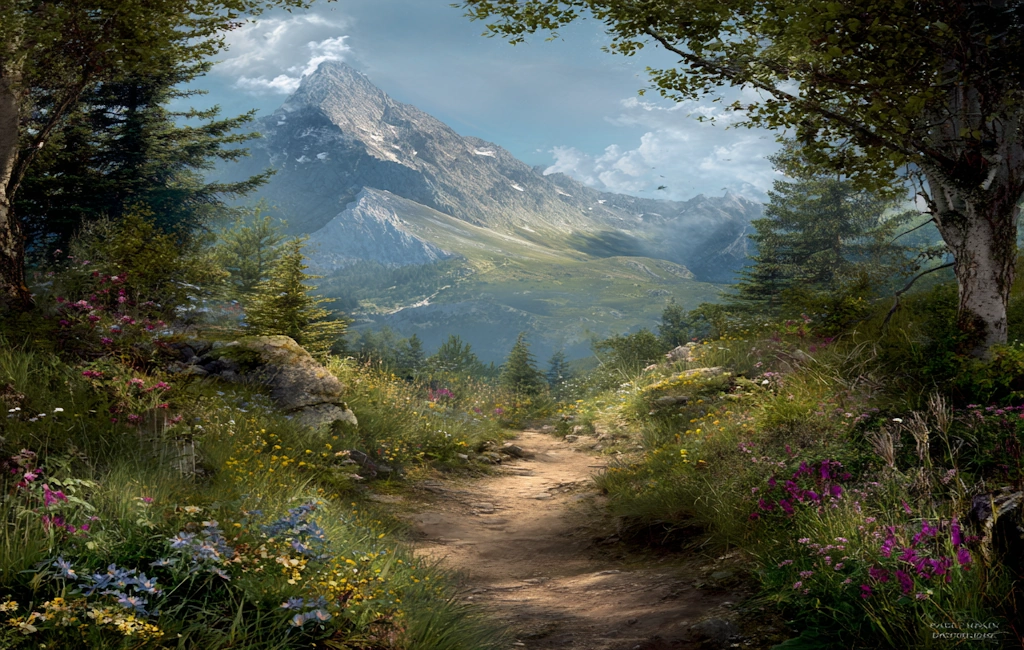
Tour des Fiz - A High-Altitude Alpine Traverse
The Tour des Fiz is a challenging multi-day trek in the heart of the French Alps, specifically within the Haute-Savoie region, near the iconic resort town of Chamonix. This demanding circuit circumnavigates the imposing limestone massif of the Fiz, offering a spectacular journey through rugged alpine landscapes, high mountain pastures, and dramatic glacial cirques. It is a route that tests endurance and navigation skills, rewarding walkers with breathtaking panoramas of Mont Blanc, the Aravis range, and the surrounding peaks of the Chablais and Swiss Alps.
The trail is characterised by its significant elevation gains and losses, often involving steep, exposed sections and rocky terrain. Hikers will traverse a variety of environments, from lush green valleys dotted with traditional mountain huts (refuges) to barren, rocky slopes and high alpine passes. The Tour des Fiz is not for the faint-hearted; it requires a good level of fitness, sure-footedness, and a head for heights. However, for those prepared to embrace the challenge, the experience is immensely rewarding, offering a true immersion into the wild beauty of the French Alps.
- Distance: Approximately 75 km
- Duration: 6–7 days
- Elevation Gain: Approximately 5,000 metres
- Difficulty: Challenging
- Best Season: Mid-June to mid-September (snow-free passes and open refuges)
- Closest Major Town: Chamonix-Mont-Blanc
- Trailhead Access: Passy-Plaine-Joux
- Permits: No specific permits required for hiking; refuges require booking.
Overview
The Tour des Fiz is a circumnavigation of the dramatic limestone peaks of the Fiz massif, a geological marvel that stands as a striking contrast to the granite giants of the Mont Blanc range. This trek is a true alpine adventure, demanding a robust physical condition and a keen sense of direction. The route is designed to showcase the diverse beauty of the region, moving from verdant valleys and flower-filled meadows to stark, rocky cirques and high mountain passes that offer expansive, awe-inspiring vistas.
The trail's character is defined by its verticality. Expect sustained climbs that lead to exhilarating descents, often on narrow, sometimes exposed paths. The limestone geology of the Fiz creates a unique landscape, with dramatic cliffs, deep ravines, and karstic features. The route frequently passes by or over high mountain refuges, which serve as vital resting points and accommodation for multi-day trekkers. These refuges are often situated in breathtaking locations, providing not only shelter but also opportunities to experience the camaraderie of fellow hikers and the hospitality of the mountain communities.
The Tour des Fiz is typically undertaken in a counter-clockwise direction, starting from Passy-Plaine-Joux. This allows for a gradual introduction to the terrain before tackling the more challenging sections. The journey will take you through a variety of microclimates and ecosystems, from the dense forests of the lower slopes to the alpine meadows teeming with wildflowers in summer, and finally to the barren, windswept heights of the passes. The views are a constant reward, with the majestic Mont Blanc massif often dominating the horizon, providing a stunning backdrop to this demanding yet unforgettable alpine trek.
History and Cultural Context
The region surrounding the Tour des Fiz has a rich history intertwined with pastoralism, mountaineering, and early tourism. For centuries, the high pastures (alpages) have been used for grazing livestock, particularly cows and sheep, a tradition that continues to shape the landscape and culture of the area. The existence of mountain refuges along the route is a testament to the development of mountaineering and hiking as popular pastimes, particularly from the late 19th and early 20th centuries onwards.
The development of the Tour des Fiz as a defined trek is more recent, evolving from a network of ancient shepherd's paths, military routes, and early mountaineering trails. The construction of refuges, often by local alpine clubs or private individuals, facilitated longer and more ambitious traverses of the massif. These refuges, such as the Refuge de la Portala, Refuge de Sales, and Refuge de la Pointe Percée, have become integral to the experience, offering a glimpse into the life of mountain guardians and providing essential services to trekkers.
The area's proximity to Chamonix, a global centre for mountaineering and alpinism, has also influenced its accessibility and popularity. While the Tour des Fiz itself is less technically demanding than some of the high-alpine routes in the Mont Blanc range, it offers a similarly wild and dramatic mountain experience. The limestone geology of the Fiz massif also holds scientific interest, showcasing unique geological formations and a distinct flora and fauna adapted to these specific conditions.
Seasonal Highlights and Weather Reality
The prime season for hiking the Tour des Fiz is from mid-June to mid-September. During this period, the snow generally recedes from the higher passes, and the mountain refuges are typically open and staffed.
Late June to July: This is often considered the most beautiful time for the trek. The alpine meadows are bursting with wildflowers, creating a vibrant carpet of colour against the dramatic mountain backdrop. The days are long, offering ample daylight for hiking. However, there can still be lingering snow patches on shaded north-facing slopes, and early summer storms are not uncommon.
August: This is the peak of the summer season, with warm temperatures and generally stable weather. The wildflowers may have passed their peak, but the landscape remains stunning. August is also the busiest month, so booking accommodation in refuges well in advance is crucial. Sandflies can sometimes be present, though generally less of an issue than in some other alpine regions.
September: The autumn colours begin to appear in the lower valleys, offering a different kind of beauty. The air is often crisp and clear, providing excellent visibility. The crowds thin out considerably, making for a more tranquil experience. However, the days are shorter, and the weather can become more unpredictable, with the first snowfalls possible at higher elevations towards the end of the month. Refuges may begin to close towards the end of September.
Weather Considerations: The Alps are notorious for rapidly changing weather. Even in summer, you can experience sunshine, heavy rain, thunderstorms, hail, and even snow within a single day, especially at higher altitudes. Temperatures can fluctuate significantly between day and night and with altitude. It is essential to be prepared for all conditions.
Recommended Itinerary
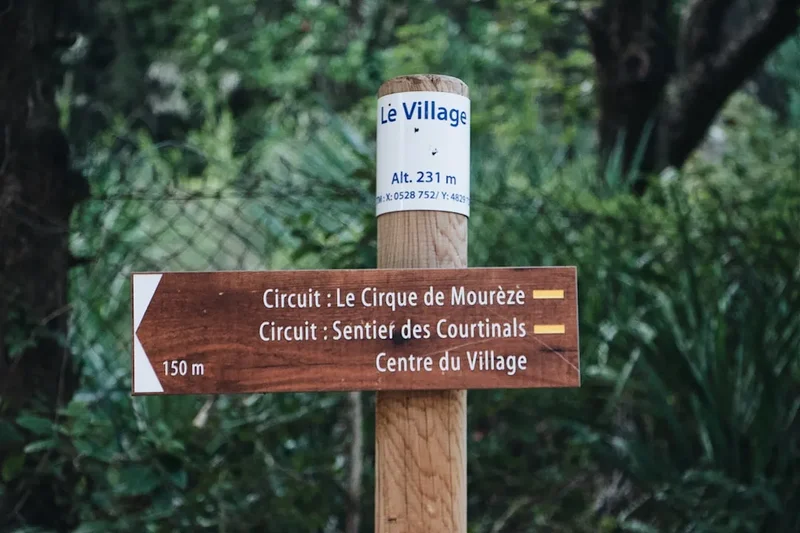
6-Day Tour des Fiz Itinerary (Counter-Clockwise)
Day 1: Passy-Plaine-Joux to Refuge de Sales
- Distance: Approximately 12 km
- Elevation Gain: Approximately 1,000 m
- Time: 4–5 hours
- Start at Passy-Plaine-Joux (1,250 m)
- Ascend through forests and then open pastures
- Pass the Cascade de la Salles
- Arrive at Refuge de Sales (1,877 m)
- This day provides a good introduction to the trek's elevation gain and the beauty of the alpine meadows.
Day 2: Refuge de Sales to Refuge de la Portala
- Distance: Approximately 10 km
- Elevation Gain: Approximately 700 m
- Elevation Loss: Approximately 400 m
- Time: 4–5 hours
- Cross the impressive Cirque du Fer-à-Cheval
- Pass through the Col de la Portala (2,152 m)
- Arrive at Refuge de la Portala (1,970 m)
- A day of dramatic landscapes, with the imposing limestone cliffs of the Fiz massif dominating the views.
Day 3: Refuge de la Portala to Refuge de la Pointe Percée
- Distance: Approximately 13 km
- Elevation Gain: Approximately 900 m
- Elevation Loss: Approximately 600 m
- Time: 5–6 hours
- Ascend towards the Col de la Pointe Percée (2,400 m)
- Descend towards the refuge
- Arrive at Refuge de la Pointe Percée (2,170 m)
- This day involves significant altitude gain and offers panoramic views.
Day 4: Refuge de la Pointe Percée to Refuge de la Vogealle
- Distance: Approximately 15 km
- Elevation Gain: Approximately 700 m
- Elevation Loss: Approximately 800 m
- Time: 5–6 hours
- Descend into the valley and then ascend towards the Vogealle area
- Arrive at Refuge de la Vogealle (1,950 m)
- A day of varied terrain, moving between high pastures and more sheltered valleys.
Day 5: Refuge de la Vogealle to Refuge de Moëde d'Arpette (Switzerland)
- Distance: Approximately 12 km
- Elevation Gain: Approximately 600 m
- Elevation Loss: Approximately 500 m
- Time: 4–5 hours
- Cross the border into Switzerland
- Arrive at Refuge de Moëde d'Arpette (1,800 m)
- This day offers a change of scenery as you enter the Swiss Alps, with potentially different flora and fauna.
Day 6: Refuge de Moëde d'Arpette to Champex-Lac (Switzerland) and return to Passy
- Distance: Approximately 10 km (to Champex-Lac)
- Elevation Loss: Approximately 300 m
- Time: 3–4 hours (to Champex-Lac)
- Descend to the charming village of Champex-Lac
- From Champex-Lac, take public transport (bus) back towards the French border and then to Passy. This may involve multiple changes and can take several hours.
- Alternatively, arrange a taxi or private transfer from Champex-Lac back to Passy.
- This final day concludes the trek with a descent to a picturesque Swiss village before returning to the starting point.
Note: This itinerary is a suggestion and can be adapted based on fitness levels, weather conditions, and personal preferences. Some may prefer to extend the trek to 7 days for a more relaxed pace or to explore additional side routes.
Planning and Bookings
Book Your Trip
Everything you need to plan your journey
Accommodation
Find places to stay near Chamonix
Flights
Search flights to Chamonix
Essential Preparation
The Tour des Fiz is a serious undertaking that requires thorough preparation. Begin by assessing your fitness level; this trek involves significant daily elevation changes and long hours of walking over challenging terrain. It is recommended to have experience with multi-day hikes and to be comfortable with exposed sections and heights. Training should include hill walking with a loaded pack, focusing on building stamina and leg strength.
Logistics are key. The nearest major transport hub is Geneva (GVA) in Switzerland, from which you can travel by train or bus to Chamonix-Mont-Blanc. From Chamonix, local buses or taxis can take you to Passy-Plaine-Joux, the primary trailhead. Alternatively, if arriving by car, there is parking available in Passy, though it may be limited during peak season.
Accommodation in the mountain refuges is mandatory for multi-day treks and must be booked well in advance, especially during July and August. Refuges typically offer half-board (dinner and breakfast), which is highly recommended for convenience and nutrition. Ensure you have a reliable way to contact refuges for bookings, as internet access can be sporadic.
Trail Accommodation
The Tour des Fiz relies on a network of mountain refuges (huts) that provide essential accommodation and sustenance for trekkers. These refuges are typically open from mid-June to mid-September.
Refuge Facilities:
- Dormitory-style sleeping quarters with bunk beds and mattresses.
- Blankets are usually provided, but a sleeping bag liner is mandatory for hygiene.
- Communal dining areas for meals.
- Some refuges offer limited charging facilities for electronic devices, but this should not be relied upon.
- Toilets (often basic, sometimes composting) and washbasins. Showers may be available at some refuges but are often cold or have limited availability.
- Water is typically available from natural springs or taps; treatment is recommended.
What's NOT Provided:
- Personal toiletries (biodegradable soap is recommended).
- Towels.
- Cooking equipment or food supplies (unless you opt for half-board).
- Electricity for extensive charging.
- Wi-Fi or mobile phone signal (highly unreliable in most locations).
Booking Requirements:
- Reservations are essential, especially during peak season (July-August). Bookings can usually be made by phone or email directly with each refuge.
- Half-board (dinner and breakfast) is the standard option and is highly recommended.
- Cancellation policies vary by refuge; check these when booking.
- Costs vary but expect approximately €50-€70 per person per night for half-board.
Example Refuges on the Tour des Fiz:
- Refuge de Sales (1,877 m)
- Refuge de la Portala (1,970 m)
- Refuge de la Pointe Percée (2,170 m)
- Refuge de la Vogealle (1,950 m)
- Refuge de Moëde d'Arpette (1,800 m - Switzerland)
Required Gear
- Sturdy hiking boots: Waterproof, with good ankle support and a well-worn sole.
- Backpack: 40-60 litre capacity, with a rain cover.
- Waterproof and windproof jacket: Gore-Tex or similar, with taped seams.
- Waterproof overtrousers: Essential for protection against rain and wind.
- Warm layers: Fleece jacket or down vest, thermal base layers (merino wool or synthetic).
- Hat: Warm hat for cold evenings and a sun hat for protection.
- Gloves: Lightweight and warm gloves.
- Head torch: With spare batteries, for navigating refuges at night or early morning starts.
- First-aid kit: Including blister treatment, pain relievers, antiseptic wipes, bandages, and any personal medications.
- Sunscreen: High SPF, as the sun is intense at altitude.
- Sunglasses: Essential for protecting eyes from glare.
- Navigation tools: Map of the area (e.g., IGN 1:25,000 scale), compass, and a GPS device or smartphone with offline maps.
- Trekking poles: Highly recommended for stability and reducing strain on knees during ascents and descents.
- Sleeping bag liner: Mandatory for hygiene in refuges.
What to Bring
- Food: While refuges offer meals, carry plenty of high-energy snacks (nuts, dried fruit, energy bars) for lunches and in between meals.
- Water bottles or hydration reservoir: Capacity for at least 2 litres per person. Water treatment tablets or a filter are advisable.
- Toiletries: Biodegradable soap, toothbrush, toothpaste, small quick-dry towel, hand sanitiser.
- Personal items: Camera, power bank for electronics, book or journal, insect repellent (especially for lower altitudes and evenings).
- Cash: For purchases in refuges or villages, as card payment facilities can be limited. Euros are used in France, Swiss Francs in Switzerland.
- Identification: Passport or ID card.
- Small backpack or daypack: For shorter excursions from refuges or for carrying essentials during the day.
Permits
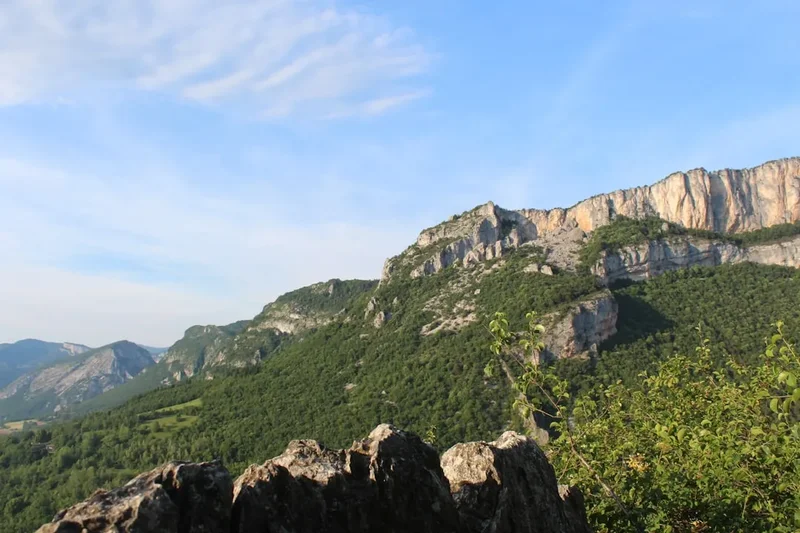
For the Tour des Fiz itself, no specific hiking permits are required. The trails are generally part of the public domain or managed by local authorities and alpine clubs. However, access to the mountain refuges requires advance booking and payment for accommodation and meals.
Refuge Bookings:
- Advance Reservation: It is crucial to book your accommodation in each refuge well in advance, especially if you plan to hike during the peak season (July and August). Many refuges have limited capacity.
- Booking Methods: Reservations are typically made by telephone or email directly with each refuge. Some may have online booking systems, but this is less common for smaller, more remote refuges.
- Contact Information: You will need to research the contact details for each specific refuge on your planned itinerary. Websites like the Club Alpin Français (CAF) or local tourism offices can provide this information.
- Half-Board: Most refuges offer a "demi-pension" (half-board) option, which includes dinner and breakfast. This is the most convenient and recommended way to stay.
- Payment: Payment is usually made upon arrival at the refuge, though some may require a deposit or pre-payment. Be prepared to pay in Euros for French refuges and Swiss Francs for Swiss refuges. Cash is often preferred or required.
National Park Regulations: While no specific permits are needed for hiking, always adhere to local regulations regarding camping (generally not permitted outside designated areas), fires, and waste disposal. Respect the natural environment and wildlife.
Other Activities in the Area
The region around the Tour des Fiz offers a wealth of activities for those looking to extend their stay or explore beyond the main trek:
- Chamonix-Mont-Blanc: As the adventure capital of the Alps, Chamonix offers numerous attractions, including the Aiguille du Midi cable car for unparalleled views of Mont Blanc, the Mer de Glace glacier, and a vibrant town centre with shops, restaurants, and museums.
- Via Ferrata: Several via ferrata routes are available in the vicinity, offering a thrilling way to experience the cliffs and rock faces with the aid of steel cables and ladders.
- Rock Climbing: The limestone cliffs of the Fiz massif and the granite of the Mont Blanc range provide world-class climbing opportunities for all levels.
- Mountain Biking: Numerous trails cater to mountain bikers, from gentle forest paths to challenging downhill runs.
- Paragliding and Hang Gliding: Take to the skies for a bird's-eye view of the stunning alpine scenery.
- Lake Geneva (Lac Léman): A day trip to the shores of Lake Geneva offers a different landscape, with charming towns and water-based activities.
- Local Villages: Explore the traditional Savoyard villages surrounding Passy and Chamonix, such as Les Houches or Argentière, to experience local culture and cuisine.
- Thermal Baths: The thermal baths in the area offer a relaxing way to unwind after a strenuous hike.
Safety and Conditions
Weather: Alpine weather is notoriously unpredictable. Be prepared for rapid changes, including thunderstorms, heavy rain, strong winds, and even snow, especially at higher altitudes. Always check the mountain forecast before setting out each day and be ready to alter your plans if conditions deteriorate.
Terrain: The Tour des Fiz involves steep ascents and descents, rocky paths, scree slopes, and some exposed sections. Good footwear with excellent grip is essential. Trekking poles can significantly improve stability and reduce the impact on your joints.
Altitude: While the Tour des Fiz does not reach extreme altitudes, some passes can exceed 2,400 metres. Be aware of the symptoms of altitude sickness, although it is less common on this trek than on higher mountain expeditions. Ensure you are well-hydrated and acclimatised.
Navigation: While the main trails are generally well-marked, it is crucial to carry a detailed map and compass and know how to use them. GPS devices or smartphone apps with offline maps are valuable additions, but always have a backup. Fog or snow can obscure trails, making navigation challenging.
Refuge Safety: Follow the instructions of the refuge wardens. Be mindful of noise levels, especially during sleeping hours. Ensure you have your sleeping bag liner and any personal items organised to minimise disruption to others.
Emergency Contacts: Know the emergency numbers for France (112) and Switzerland (144). Carry a fully charged mobile phone, though signal coverage is often limited in the mountains. Consider carrying a personal locator beacon (PLB) for remote areas.
Water: Always treat water from natural sources before drinking, even if it appears clear. Refuges provide potable water, but it's wise to carry purification methods as a backup.
Wildlife: While large predators are rare, be aware of potential encounters with chamois, ibex, marmots, and various bird species. Do not feed wild animals.
Side Trips and Points of Interest
Cascade de la Salles: Located on the first day's ascent from Passy-Plaine-Joux, this impressive waterfall is a beautiful natural feature and a good spot for a short break.
Cirque du Fer-à-Cheval: This vast, horseshoe-shaped valley is a highlight of the trek, with towering limestone cliffs and numerous smaller waterfalls cascading down its walls. It offers a dramatic and awe-inspiring landscape.
Col de la Portala (2,152 m): This pass offers spectacular panoramic views of the surrounding Fiz massif and the valleys below. It's a key point on the route and a great spot for photos.
Col de la Pointe Percée (2,400 m): The highest point on this suggested itinerary, this pass provides breathtaking vistas. The Pointe Percée itself is the highest peak in the Fiz range and a challenging climb for experienced mountaineers.
Champex-Lac: The charming Swiss village at the end of the trek is a picturesque destination with a beautiful lake, offering a pleasant contrast to the rugged mountain terrain. It's a good place to relax and enjoy the alpine atmosphere before returning to France.
Local Flora and Fauna: Keep an eye out for the diverse alpine flora, especially in the meadows during early summer, and for wildlife such as chamois, ibex, and marmots.
Leave No Trace
The Tour des Fiz traverses a fragile alpine environment. Adhering to Leave No Trace principles is paramount to preserving its beauty and ecological integrity for future generations.
- Plan Ahead and Prepare: Research your route, understand the conditions, and book accommodation in advance. Pack appropriately for all weather.
- Travel and Camp on Durable Surfaces: Stick to marked trails to avoid damaging vegetation. In refuges, use designated sleeping areas. Wild camping is generally not permitted in this region.
- Dispose of Waste Properly: Pack out everything you pack in, including all food scraps, wrappers, and toilet paper. Use designated waste disposal facilities in villages and refuges.
- Leave What You Find: Do not disturb or remove any natural objects, plants, or historical artefacts.
- Minimise Campfire Impacts: Campfires are generally prohibited in alpine areas due to the risk of wildfires and damage to fragile ecosystems. Use portable stoves for cooking.
- Respect Wildlife: Observe animals from a distance and never feed them. Feeding wildlife can alter their natural behaviour and diet, leading to health problems.
- Be Considerate of Other Visitors: Keep noise levels down, especially in refuges. Yield to uphill hikers. Respect the peace and tranquility of the mountains.
By following these principles, you contribute to the conservation of the stunning alpine landscapes of the Tour des Fiz.
 France