
Tour de Belle-Île - A Breton Coastal Gem
The Tour de Belle-Île is a spectacular coastal circuit encircling the largest island in Brittany, France. This 82-kilometre trail offers a captivating journey through diverse landscapes, from dramatic cliffs and hidden coves to sandy beaches and charming fishing villages. It's a relatively accessible yet rewarding trek, perfect for those seeking a blend of natural beauty, maritime heritage, and a taste of island life. The trail is well-marked and maintained, making it suitable for a range of abilities, though its undulating terrain and occasional steep ascents demand a moderate level of fitness. The island's unique microclimate and rich history add further layers to this unforgettable walking experience.
- Distance: 82.0 km one-way
- Duration: 4-6 days
- Season: May-September (ideal); April and October possible with caution
- Difficulty: Moderate
- Highest point: Varies, but significant elevation changes occur along cliff tops
- Closest City: Quiberon (for ferry access)
- Trailhead Access: Ferry from Quiberon to Le Palais (Belle-Île)
- Permits: No permits required for hiking
Overview
The Tour de Belle-Île is a circular route that showcases the island's multifaceted character. Starting and ending in the main port town of Le Palais, the trail guides walkers along a breathtaking coastline, revealing a tapestry of geological wonders and human history. The western and northern coasts are particularly dramatic, featuring towering granite cliffs sculpted by the relentless Atlantic winds and waves. Here, you'll encounter iconic landmarks like the Pointe des Poulains, a windswept promontory with a lighthouse and the former residence of writer Sarah Bernhardt, and the Citadel of Vauban, a formidable fortress guarding Le Palais. The southern and eastern sections offer a gentler experience, with stretches of sandy beaches, sheltered bays, and more pastoral landscapes dotted with small hamlets and agricultural fields.
The trail's moderate difficulty stems from its constant undulation. While there are no extreme ascents, the path frequently climbs and descends along cliff edges, requiring steady footing and a good level of stamina. The total elevation gain of 1500 metres is distributed across the entire route, meaning each day presents a series of smaller climbs and descents rather than one major challenge. The path itself varies from well-trodden coastal tracks and paved sections to sandy paths and rocky scrambles in places. Navigation is generally straightforward, with clear signage and the sea as a constant, reliable guide.
Belle-Île's charm lies not only in its natural beauty but also in its rich cultural heritage. The island has been inhabited for millennia, with evidence of prehistoric settlements and a history intertwined with fishing, seafaring, and even military significance. Walking the Tour de Belle-Île offers a chance to immerse yourself in this heritage, passing by ancient dolmens, picturesque lighthouses, and the imposing Vauban Citadel. The island's vibrant artistic community, inspired by its dramatic scenery, is also evident in local galleries and craft shops found in the villages along the route.
History and Cultural Context
Belle-Île, meaning "Beautiful Island," has a long and varied history. Archaeological evidence suggests human settlement dating back to the Neolithic period, with megalithic sites such as the Grand Dolmen de Kergoualc'h bearing testament to its ancient past. For centuries, the island's strategic location in the Bay of Biscay made it a valuable maritime outpost and a target for various powers.
During the Middle Ages, Belle-Île was a vital stronghold for Breton fishermen and sailors. Its importance grew significantly in the 17th century when King Louis XIV, advised by his military engineer Sébastien Le Prestre de Vauban, ordered the construction of a formidable citadel at Le Palais. This imposing fortress, designed to defend the island and its strategic harbour, remains a dominant feature of the landscape and a major historical monument. The citadel's construction transformed Le Palais into a key naval base and significantly influenced the island's development.
In the 18th and 19th centuries, Belle-Île continued to play a role in maritime trade and defence. The construction of lighthouses, such as the iconic Phare de Goulphar, became essential for guiding ships through the treacherous waters surrounding the island. The island also attracted artists and writers, drawn by its wild beauty and dramatic light. Perhaps the most famous resident was the celebrated actress Sarah Bernhardt, who purchased the Pointe des Poulains and built a villa there in the late 19th century, further cementing the island's artistic allure.
The 20th century saw Belle-Île experience periods of occupation and liberation during World War II, leaving behind remnants of coastal defences. Today, the island thrives on tourism, preserving its natural heritage and historical sites while maintaining its distinct Breton identity. The Tour de Belle-Île trail allows walkers to trace this rich history, passing through landscapes that have witnessed centuries of human endeavour and natural change.
Seasonal Highlights and Weather Reality
The best time to walk the Tour de Belle-Île is generally from May to September, when the weather is most favourable for coastal hiking. During these months, the days are longer, and the temperatures are mild, typically ranging from 15°C to 25°C. The island's flora is in full bloom, adding vibrant colours to the already stunning scenery.
Spring (April-May): The shoulder seasons offer a quieter experience with fewer crowds. Wildflowers begin to appear, and the air is fresh. However, the weather can be unpredictable, with a higher chance of rain and cooler temperatures. May is often considered ideal, balancing pleasant weather with fewer visitors.
Summer (June-August): This is the peak tourist season, with the warmest weather and longest daylight hours. The sea is at its most inviting for swimming, and the island buzzes with activity. However, accommodation and ferry services can be busy, and booking in advance is essential. The coastal paths can be exposed, so sun protection is crucial.
Autumn (September-October): September often provides a continuation of pleasant summer weather, with the added bonus of fewer tourists. The colours of the landscape can be beautiful, and the sea remains relatively warm. By October, the weather becomes more unpredictable, with increased chances of rain and wind, and some tourist facilities may begin to close.
Winter (November-March): While the island is accessible year-round, winter is not ideal for the Tour de Belle-Île. The weather is often cold, wet, and windy, with short daylight hours. Many accommodations and restaurants may be closed, and the coastal paths can be challenging and potentially hazardous due to rough seas and strong winds. However, for experienced hikers seeking solitude and dramatic, wild seascapes, winter can offer a unique, albeit demanding, experience.
Recommended Itinerary
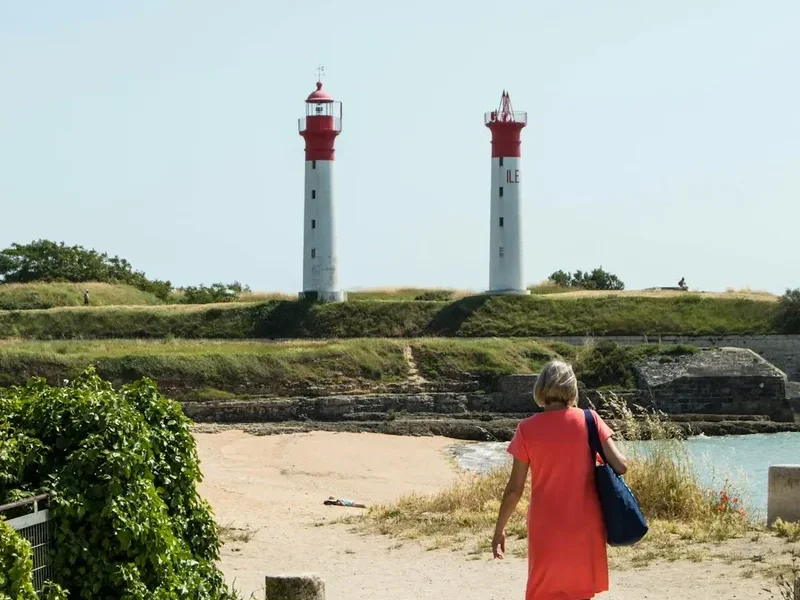
4-Day Tour de Belle-Île Itinerary
Day 1: Le Palais to Sauzon
- Distance: 18.0 km
- Elevation gain: Approx. 300 m
- Time: 5–6 hours
- Start at Le Palais port, explore the Citadel of Vauban briefly
- Follow the coastal path north, passing through charming hamlets
- Ascend to the dramatic cliffs of the north coast
- Pass the Phare de Goulphar (Goulphar Lighthouse)
- Continue towards the picturesque fishing village of Sauzon
- Arrive in Sauzon, known for its colourful houses and sheltered harbour
- Accommodation in Sauzon
Day 2: Sauzon to Port-Coton / Pointe des Poulains area
- Distance: 16.0 km
- Elevation gain: Approx. 250 m
- Time: 4–5 hours
- Depart Sauzon, continuing along the rugged northern coastline
- Explore the iconic Needles of Port-Coton (Aiguilles de Port-Coton)
- Visit the Pointe des Poulains, with its lighthouse and Sarah Bernhardt's villa
- Enjoy panoramic views of the Atlantic Ocean
- Find accommodation in the vicinity of Port-Coton or nearby hamlets
Day 3: Port-Coton area to Locmaria
- Distance: 20.0 km
- Elevation gain: Approx. 400 m
- Time: 6–7 hours
- Head west along the wild western coast
- Pass through varied terrain, including heathland and rocky outcrops
- Descend towards the southern tip of the island
- Reach the charming village of Locmaria, known for its ancient church and artisanal products
- Explore the surroundings of Locmaria
- Accommodation in Locmaria
Day 4: Locmaria to Le Palais
- Distance: 28.0 km
- Elevation gain: Approx. 550 m
- Time: 8–9 hours
- The longest day, traversing the southern and eastern coasts
- Pass through sandy beaches and sheltered bays
- Encounter more pastoral landscapes and agricultural land
- Follow the coast back towards the island's capital
- Arrive back at Le Palais port, completing the circuit
- Option to split this day into two for a more relaxed pace, staying overnight in a village like Bangor or Kervoyal.
Alternative 5 or 6-Day Itinerary:
- Day 1: Le Palais to Sauzon (18 km)
- Day 2: Sauzon to Pointe des Poulains (16 km)
- Day 3: Pointe des Poulains to Bangor (18 km)
- Day 4: Bangor to Locmaria (15 km)
- Day 5: Locmaria to Le Palais (28 km)
- This allows for more time to explore villages, relax on beaches, and enjoy the scenery without long daily distances.
Important Notes:
- Accommodation should be booked in advance, especially during peak season.
- Ferry schedules from Quiberon to Le Palais should be checked and booked.
- The trail is generally well-marked, but a map and compass or GPS device are recommended.
- Carry sufficient water and snacks, as facilities can be sparse between villages.
- Be prepared for changeable weather conditions.
Planning and Bookings
Book Your Trip
Everything you need to plan your journey
Accommodation
Find places to stay near Quiberon
Flights
Search flights to Quiberon
Essential Preparation
The Tour de Belle-Île is a moderately challenging coastal trek that requires thoughtful planning. Begin by determining your preferred duration, typically 4 to 6 days, which will influence your daily mileage and accommodation choices. Research ferry schedules from Quiberon to Le Palais, as these are the primary means of accessing the island. Book your ferry tickets and accommodation well in advance, particularly if travelling during the summer months (June to August), as Belle-Île is a popular destination. Familiarise yourself with the trail route using maps or a reliable GPS device, and ensure you have a way to navigate should signage be unclear or weather obscure the path. Consider the best time of year to visit, balancing pleasant weather with crowd levels. For those arriving from further afield, Nantes Atlantique Airport (NTE) is the closest major airport. From Nantes, take a train to Auray, then a local bus or taxi to Quiberon for the ferry crossing. Parking is available in Quiberon and Le Palais, but can be costly.
Trail Accommodation
Accommodation options on Belle-Île are varied, ranging from hotels and guesthouses to campsites and chambres d'hôtes (bed and breakfasts). There are no designated "huts" in the wilderness sense as found on some other long-distance trails; instead, you will be staying in established villages and towns.
Types of Accommodation:
- Hotels: Available in Le Palais, Sauzon, and other larger villages, offering varying levels of comfort and amenities.
- Chambres d'hôtes: A popular choice for experiencing local hospitality, often providing breakfast and insights into island life.
- Gîtes d'étape / Holiday Rentals: Self-catering cottages or apartments can be a good option for groups or longer stays.
- Campsites: Several campsites are located around the island, offering pitches for tents and sometimes mobile homes. These are ideal for budget travellers and those who enjoy a closer connection to nature.
Booking Requirements: Booking accommodation in advance is highly recommended, especially during the peak season (July and August). Many establishments are small and fill up quickly. Websites like Booking.com, Gîtes de France, and local tourist office sites are useful resources.
Facilities Provided: Varies by establishment. Hotels and guesthouses typically provide bedding, towels, and private bathrooms. Campsites offer basic facilities such as toilets, showers, and sometimes communal kitchens.
What's NOT Provided: Unless specified, assume no meals other than breakfast (for chambres d'hôtes/hotels), no cooking equipment (for hotel rooms), and no personal toiletries beyond basic soap. Campsites may not provide cooking facilities.
Seasonal Availability: Most accommodation operates from spring through autumn. Some establishments may close during the winter months (November to March). Campsites are generally open from April/May to September/October.
Costs: Prices vary significantly. Expect to pay approximately €60-€120 per night for a double room in a hotel or chambre d'hôte, and €15-€30 per night for a pitch at a campsite.
Note: This is a trail requiring overnight accommodation in villages and towns, not wilderness camping or designated trail shelters.
Required Gear
- Sturdy walking boots: Waterproof and well broken-in, with good ankle support for uneven coastal terrain.
- Waterproof jacket: Essential for protection against rain and wind, even in summer. Look for breathable materials.
- Waterproof overtrousers: To keep your lower half dry during downpours.
- Backpack: A comfortable daypack (25-35 litres) is sufficient for daily hikes, or a larger pack (40-50 litres) if carrying all your gear between accommodations. A rain cover is advisable.
- Navigation tools: A detailed map of Belle-Île, a compass, and/or a GPS device or smartphone with offline maps.
- First-aid kit: Including blister plasters, antiseptic wipes, pain relievers, bandages, and any personal medications.
- Sun protection: High SPF sunscreen, a wide-brimmed hat, and sunglasses.
- Head torch: Useful for early mornings, evenings, or if staying in basic accommodation.
- Walking poles: Optional but recommended for stability on descents and ascents, and to reduce strain on knees.
What to Bring
- Clothing: Layers are key. Bring moisture-wicking base layers (merino wool or synthetic), insulating mid-layers (fleece or down jacket), and comfortable walking trousers. Include a few changes of socks.
- Food and Water: Carry plenty of water (at least 1.5-2 litres per person per day). While villages offer opportunities to resupply, there can be long stretches between them. Pack high-energy snacks like nuts, dried fruit, energy bars, and sandwiches for lunches.
- Toiletries: Biodegradable soap, toothbrush, toothpaste, hand sanitiser, and any personal hygiene items. Consider insect repellent, especially for evenings.
- Personal items: Mobile phone and charger, power bank, camera, book, and any personal comfort items.
- Money: Euros in cash are advisable, as not all smaller establishments accept credit cards.
- Reusable water bottle or hydration reservoir.
- Small towel: Quick-drying microfibre towels are ideal.
Permits
No specific permits are required to hike the Tour de Belle-Île. The coastal paths are public rights of way, and access to the island itself is via regular ferry services. However, it is essential to book your accommodation and ferry tickets in advance, particularly during the peak tourist season (June to August) and on weekends. Ferry services operate from Quiberon, with connections from Auray train station. Accommodation options range from hotels and guesthouses to campsites and holiday rentals, and these should be secured well ahead of your travel dates to avoid disappointment.
Key Booking Considerations:
- Ferry Tickets: Book round-trip ferry tickets from Quiberon to Le Palais. Companies like Compagnie Océane operate these services. Check their schedules and book online or by phone.
- Accommodation: Reserve your lodging in the villages along the route (Le Palais, Sauzon, Locmaria, etc.). Options include hotels, chambres d'hôtes, gîtes, and campsites.
- Timing: The trail is best enjoyed between May and September. Outside these months, weather can be unpredictable, and some services may be reduced.
Other Activities in the Area
Beyond the main coastal trail, Belle-Île offers a wealth of activities to enhance your visit:
- Explore Le Palais Citadel: A UNESCO World Heritage site designed by Vauban, this impressive fortress offers historical insights and panoramic views of the harbour.
- Visit the Phare de Goulphar: Climb to the top of this striking lighthouse for breathtaking views of the island's western coast.
- Discover Sarah Bernhardt's Villa at Pointe des Poulains: Explore the former residence of the legendary actress and enjoy the dramatic scenery of this windswept promontory.
- Relax on the Beaches: Belle-Île boasts numerous beautiful beaches, including Plage de Bordard, Plage de Port-Blanc, and Plage de Donnant, perfect for swimming, sunbathing, or simply enjoying the coastal atmosphere.
- Kayaking and Water Sports: Enjoy sea kayaking, paddleboarding, or sailing in the sheltered bays and along the coast.
- Cycling: Rent a bicycle and explore the island's interior roads and quieter paths.
- Visit Local Markets: Experience the vibrant local culture by visiting the weekly markets in Le Palais and other villages, offering fresh produce, seafood, and artisanal crafts.
- Discover Megalithic Sites: Seek out ancient dolmens and menhirs scattered across the island, such as the Grand Dolmen de Kergoualc'h.
- Art Galleries and Craft Shops: Belle-Île has a thriving artistic community; browse local galleries for paintings, sculptures, and handmade crafts.
Safety and Conditions
Trail Conditions: The Tour de Belle-Île is generally well-maintained and clearly signposted. However, coastal paths can be uneven, rocky, and exposed. Be prepared for steep ascents and descents, especially along the cliff tops. In wet weather, some sections may become slippery.
Weather: The Atlantic weather can change rapidly. Be prepared for strong winds, rain, and sunshine, sometimes all in the same day. Check the weather forecast before setting out each morning and carry appropriate gear. Hypothermia is a risk even in milder temperatures if you get wet and cold.
Navigation: While the trail is marked, it is advisable to carry a map and compass or a GPS device. Familiarise yourself with the route and be aware of your surroundings. Mobile phone signal can be intermittent in some areas.
Water and Food: Carry sufficient water (at least 1.5-2 litres per person) and high-energy snacks. While villages offer opportunities to resupply, there can be long stretches between them, particularly on the western and southern coasts.
Tides: Be aware of tidal patterns, especially if walking on beaches or near low-lying coastal areas. Consult local tide tables if necessary.
Emergency: The European emergency number is 112. Carry a fully charged mobile phone. Inform someone of your hiking plans and expected return time.
Respect the Environment: Stay on marked paths to protect fragile coastal vegetation. Do not disturb wildlife. Pack out all litter.
Sea Safety: If engaging in water activities, be aware of currents and sea conditions. Only swim at designated beaches and be mindful of the flags indicating safety levels.
Side Trips and Points of Interest
The Needles of Port-Coton (Aiguilles de Port-Coton): These striking granite sea stacks, immortalised by Impressionist painter Claude Monet, are a must-see. Located off the western coast, they are a dramatic testament to the erosive power of the Atlantic. The viewpoint offers spectacular photo opportunities, especially at sunrise or sunset.
Pointe des Poulains and Sarah Bernhardt's Villa: This windswept promontory on the northwestern tip of the island is home to a picturesque lighthouse and the former villa of the renowned actress Sarah Bernhardt. The site offers stunning views and a glimpse into the island's artistic past. The surrounding area is also rich in prehistoric sites.
Citadel of Vauban, Le Palais: While not a side trip in the traditional sense, dedicating time to explore this magnificent 17th-century fortress is highly recommended. Its impressive architecture and historical significance provide a deep dive into Belle-Île's strategic past.
Grand Dolmen de Kergoualc'h: This impressive Neolithic burial chamber, located near Locmaria, is one of the island's most significant megalithic monuments. It offers a tangible connection to the island's ancient inhabitants.
Beaches: Belle-Île is dotted with beautiful beaches. Detouring to spend time at Plage de Bordard, Plage de Port-Blanc, or Plage de Donnant offers opportunities for relaxation, swimming, or simply enjoying the coastal scenery.
Leave No Trace
The Tour de Belle-Île traverses a beautiful and ecologically sensitive coastal environment. Adhering to Leave No Trace principles ensures that this natural heritage is preserved for future generations and that the island's unique character remains intact.
Plan Ahead and Prepare: Research the trail, weather, and local conditions. Pack appropriately to minimise your impact. Consider travelling outside peak season to reduce pressure on resources.
Travel and Camp on Durable Surfaces: Stick to marked trails. Avoid walking on fragile vegetation, especially coastal heath and dune systems. If camping (where permitted and available), use designated campsites.
Dispose of Waste Properly: Pack out everything you pack in, including all food scraps, wrappers, and any other litter. Use designated bins in villages. If no bins are available, carry your waste until you find one.
Leave What You Find: Do not take souvenirs such as rocks, plants, or historical artefacts. Leave the island as you found it.
Minimise Campfire Impacts: Campfires are generally not permitted on the trail or beaches. If camping at a designated site with facilities, use existing fire rings and be aware of local fire restrictions.
Respect Wildlife: Observe wildlife from a distance. Do not feed animals, as this can disrupt their natural behaviour and diet. Be mindful of nesting birds and marine life.
Be Considerate of Other Visitors: Keep noise levels down, especially in villages and natural areas. Yield to other walkers on narrow paths. Respect the local culture and traditions.
 France