
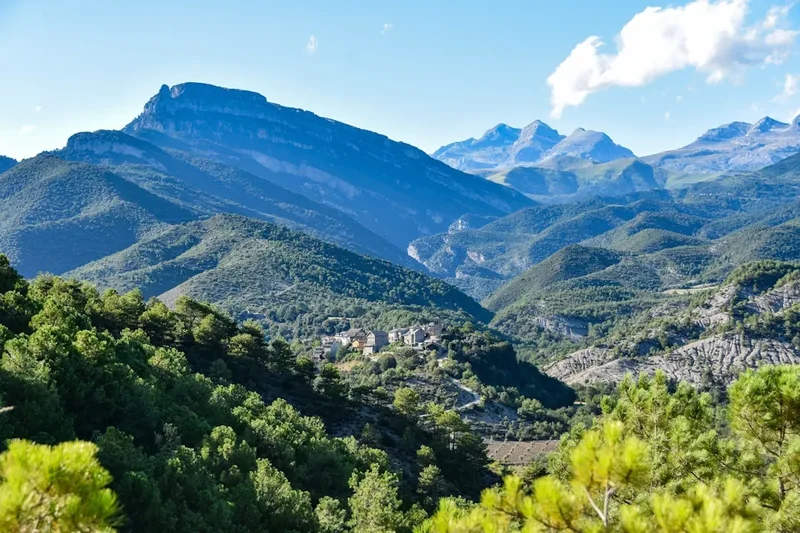
Torrent de Pareis - A Dramatic Canyon Descent
The Torrent de Pareis is not a traditional hiking trail but a challenging, multi-day canyoning adventure that plunges through the heart of Mallorca's Serra de Tramuntana mountain range. This spectacular gorge, carved over millennia by water, offers a unique and demanding experience for experienced adventurers. The route involves scrambling over boulders, navigating steep descents, abseiling down waterfalls, and swimming through crystal-clear pools. It is a journey that tests physical endurance, technical skill, and mental fortitude, rewarding those who undertake it with unparalleled natural beauty and a profound sense of accomplishment. Access is limited and requires careful planning, often involving boat transfers or challenging mountain roads, making it a true expedition into the wild.
- Distance: Approximately 8.0 km (canyon section)
- Elevation Gain: Approximately 800 m (descent)
- Duration: 6-8 hours (canyon section); can be extended with approach/exit
- Season: Spring and Autumn (April-May, September-October)
- Difficulty: Very Challenging (Canyoning Grade 3/4)
- Closest City: Sóller, Mallorca, Spain
- Trailhead Access: Requires significant logistical planning; typically involves a boat trip to Sa Calobra or a drive down the winding road to the Torrent de Pareis parking area.
- Permits: No specific permits required for the canyon itself, but access to certain areas or guided tours may have regulations.
Overview
The Torrent de Pareis is a geological marvel, a deep, narrow gorge that cuts through the rugged limestone of the Serra de Tramuntana mountains, eventually emptying into the Mediterranean Sea at the picturesque cove of Sa Calobra. The "walk" is actually a descent through this dramatic natural watercourse, a route that is dry for most of the year but can transform into a raging torrent after heavy rainfall. This duality is central to its character: a serene, sun-dappled canyon one day, a dangerous, water-filled chasm the next.
The journey begins high in the mountains, often with an approach via the challenging road to Sa Calobra or a boat trip from Port de Sóller. From the starting point, the descent is relentless. Hikers and canyoners navigate a labyrinth of enormous boulders, smooth rock faces, and narrow passages. The scale of the gorge is immense, with sheer cliffs rising hundreds of metres on either side, often so close that they block out the sky. Sunlight filters down in dramatic shafts, illuminating the turquoise waters of the pools and the vibrant green of the ferns and mosses clinging to the damp rock.
Key features of the descent include numerous waterfalls, some of which require abseiling (rappelling) with ropes and specialised equipment. Natural swimming pools, carved by the water's erosive power, offer refreshing breaks and opportunities to marvel at the clarity of the water. The final section leads to the iconic beach of Sa Calobra, where the canyon opens up to the sea, providing a dramatic and memorable conclusion to the adventure. Due to its challenging nature and the potential for flash floods, the Torrent de Pareis is best undertaken with experienced guides or by those with proven canyoning and navigation skills.
History and Cultural Context
The Torrent de Pareis has been a natural feature of Mallorca for millennia, its formation a testament to the relentless power of water and erosion over geological time. For centuries, the local Mallorcan population would have known of the gorge, likely using it as a seasonal route or a source of water. However, its accessibility and recognition as a significant natural attraction are more recent developments.
The construction of the road to Sa Calobra in the early 20th century was a monumental engineering feat, involving numerous hairpin bends and tunnels carved through the mountains. This road, completed in 1932, finally opened up the remote Sa Calobra bay and the entrance to the Torrent de Pareis to a wider audience. Before this, access was primarily by sea, with local fishermen and traders using the cove as a sheltered landing spot.
The Torrent de Pareis gained popularity as a destination for adventurous hikers and, later, canyoners. Its challenging nature meant it was initially explored by a select few. Over time, with the development of canyoning as a sport and the availability of guided tours, it has become one of Europe's most famous and sought-after canyoning routes. The surrounding Serra de Tramuntana mountains, a UNESCO World Heritage site, are steeped in agricultural history, with ancient dry-stone walls, terraces, and olive groves testament to centuries of human interaction with this rugged landscape. The Torrent de Pareis itself, however, remains a wild and untamed natural wonder, its history primarily written by water and rock.
Seasonal Highlights and Weather Reality
The Torrent de Pareis is highly dependent on weather conditions, making its seasonal suitability critical for safety and enjoyment. The best time to attempt the descent is during the spring and autumn months.
Spring (April-May): This is an ideal period. The weather is generally mild, and the water levels in the gorge are usually manageable. The landscape is often lush and green, with wildflowers blooming on the higher slopes. Temperatures are pleasant for hiking and swimming, typically ranging from 15-25°C. However, spring can also bring unpredictable rainfall, so constant monitoring of weather forecasts is essential.
Autumn (September-October): Similar to spring, autumn offers favourable conditions. The intense summer heat has subsided, making the descent more comfortable. The water is still warm enough for swimming, and the colours of the landscape can be beautiful. Rainfall can increase towards the end of autumn, so early October is generally preferred over late October or November.
Summer (June-August): While the weather is typically dry and sunny, summer is generally not the best time for the Torrent de Pareis. The gorge can become extremely hot, making the physical exertion more challenging. More importantly, the lack of significant rainfall means the canyon can be very dry, potentially reducing the experience of water features. However, the primary safety concern in summer is the risk of sudden, intense thunderstorms, which can cause flash floods and make the gorge impassable and extremely dangerous. If thunderstorms are forecast, the descent must be abandoned.
Winter (November-March): The Torrent de Pareis is generally considered unsafe and inaccessible during winter. Heavy rainfall is common, leading to the gorge becoming a dangerous, fast-flowing river. Flash floods are a significant risk, and temperatures can be cold, making prolonged immersion in water hazardous. Access roads may also be affected by weather.
Crucial Weather Consideration: The most significant danger is flash flooding. Even if the weather appears clear at the start of the descent, heavy rain in the mountains upstream can cause water levels to rise dramatically and rapidly. It is imperative to check the weather forecast for the entire catchment area, not just the immediate vicinity of Sa Calobra.
Recommended Itinerary
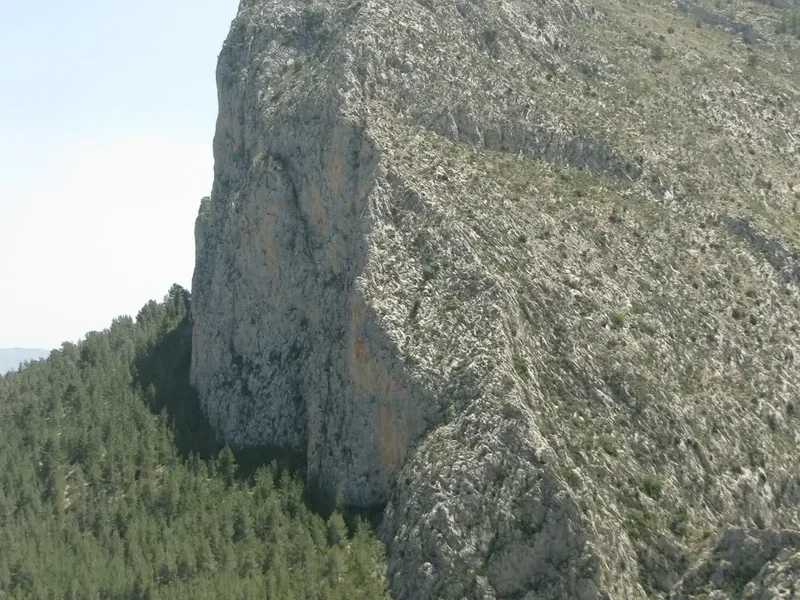
Torrent de Pareis Canyoning Descent (Day Trip)
Approach Options:
- Option 1: Boat Transfer to Sa Calobra
- Start: Port de Sóller
- Travel: Scenic boat trip (approx. 30-45 minutes) to Sa Calobra cove.
- Benefit: Avoids the challenging mountain road, offers stunning coastal views.
- Logistics: Requires booking boat tickets in advance, especially during peak season.
- Option 2: Drive to Sa Calobra
- Start: Sóller
- Travel: Drive the famous MA-2141 road, known for its 60+ hairpin bends and the "Tie Knot" (Nus de sa Corbata) bridge.
- Parking: Limited parking available near the Torrent de Pareis entrance at Sa Calobra (fee may apply).
- Challenge: The road is narrow, winding, and can be busy.
The Descent (Approx. 6-8 hours):
- Early Morning (Approx. 9:00 AM): Arrive at Sa Calobra. If arriving by boat, you'll disembark directly at the cove. If driving, park and walk towards the canyon entrance, which is clearly marked. Meet your guide if on a guided tour.
- Morning (Approx. 9:30 AM - 12:00 PM): Begin the ascent into the gorge. This initial section involves walking over large boulders and navigating the dry riverbed. The canyon walls begin to close in, creating a dramatic atmosphere. You'll encounter smaller cascades and pools.
- Midday (Approx. 12:00 PM - 2:00 PM): Reach the more challenging sections. This is where abseiling (rappelling) may be required for steeper drops and waterfalls. Swimming through larger pools is also part of the experience. Lunch break amidst the stunning scenery.
- Afternoon (Approx. 2:00 PM - 4:00 PM): Continue the descent. The canyon may open up slightly in places, offering glimpses of the sky, before narrowing again. The final approach to the sea involves navigating the last series of pools and rock formations.
- Late Afternoon (Approx. 4:00 PM onwards): Emerge at the beach of Sa Calobra. Celebrate the completion of the descent.
Exit Options:
- Option 1: Boat Transfer back to Port de Sóller
- Logistics: Pre-booked boat tickets are essential.
- Benefit: Relaxing end to the day, enjoying coastal views.
- Option 2: Drive back up the MA-2141 road
- Logistics: Requires driving the challenging road in reverse.
- Consideration: Can be tiring after a long day of canyoning.
Important Notes:
- This is a challenging adventure requiring good physical fitness and a head for heights.
- Canyoning equipment (wetsuit, harness, helmet, ropes, etc.) is essential and usually provided by guided tour operators.
- Waterproof bags are crucial for protecting electronics and personal items.
- Always check weather forecasts and river conditions before starting. Never attempt the descent if there is any risk of rain or flash floods.
- Going with a qualified guide is highly recommended for safety and to enhance the experience.
Planning and Bookings
Book Your Trip
Everything you need to plan your journey
Accommodation
Find places to stay near Sóller
Flights
Search flights to Sóller
Essential Preparation
The Torrent de Pareis is not a casual day hike; it's a serious adventure that demands meticulous planning. The primary logistical challenge is accessing the start and end points, which are remote and require specific transport arrangements. The most common starting point is Sa Calobra, which can be reached either by a scenic but challenging drive down the winding MA-2141 road from Sóller or by a boat trip from Port de Sóller. The boat trip is often preferred for its ease and spectacular coastal views, but it requires pre-booking, especially during peak tourist seasons. If driving, be prepared for a slow, winding journey with limited parking at Sa Calobra, which can fill up quickly. Base towns like Sóller or Port de Sóller offer a range of accommodation, from budget hostels to boutique hotels, and are good starting points for arranging transport and supplies. It is crucial to have a reliable way to exit Sa Calobra after the descent, typically by pre-booking a return boat trip.
Trail Accommodation
This is a day hike requiring no overnight accommodation.
Required Gear
- Canyoning Boots: Sturdy, well-gripping boots with good ankle support are essential for navigating slippery rocks and uneven terrain.
- Wetsuit: A full-length wetsuit (typically 3-5mm neoprene) is crucial for warmth and protection against abrasions. Water temperatures can be cool, especially in spring and autumn.
- Helmet: A climbing or canyoning helmet is mandatory for protection against falling rocks and impacts.
- Harness: A climbing or canyoning harness with a belay device and carabiners is required for abseiling.
- Rope: A dynamic climbing rope (typically 50-60 metres) is necessary for abseiling down waterfalls.
- Dry Bag: A robust, waterproof dry bag (e.g., 20-30 litre capacity) is essential to protect personal items, food, and electronics.
- First Aid Kit: A comprehensive kit including blister treatment, bandages, antiseptic wipes, pain relievers, and any personal medications.
- Navigation Tools: While the route is generally well-defined by the gorge itself, a waterproof map of the area and a compass or GPS device are advisable, especially for the approach and exit.
- Gloves: Neoprene or climbing gloves can provide extra grip and protection for hands during abseiling and scrambling.
What to Bring
- Food: High-energy snacks and a packed lunch that can withstand moisture. Items like energy bars, nuts, dried fruit, and sandwiches are suitable.
- Water: Sufficient water for the duration of the descent (at least 1-2 litres per person). While there are pools, the water may not always be potable without treatment, and it's best to carry your own supply.
- Water Treatment: Water purification tablets or a filter can be a backup, but carrying sufficient water is the primary strategy.
- Toiletries: Sunscreen (high SPF), lip balm with SPF, and any personal hygiene items. Biodegradable soap is recommended if washing.
- Clothing: Quick-drying synthetic clothing to wear under the wetsuit. A base layer can add warmth.
- Towel: A quick-drying travel towel for after the descent.
- Change of Clothes: Dry clothes to change into after exiting the gorge.
- Footwear for driving/boat: Comfortable shoes for before and after the canyoning.
- Camera/Phone: In a waterproof case or dry bag.
- Cash: For parking fees, boat tickets, or any small purchases in Sa Calobra.
Permits
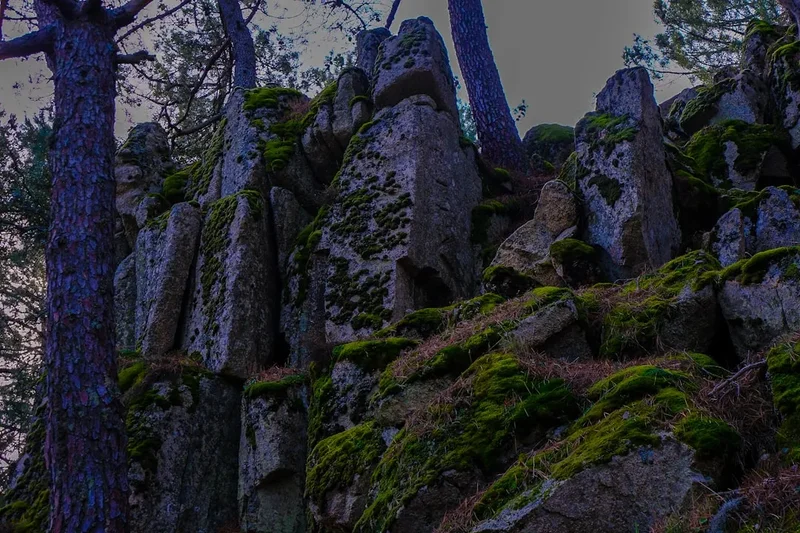
The Torrent de Pareis itself does not require specific permits for individuals or groups to descend, provided they are equipped and experienced for canyoning. However, it is crucial to understand that the surrounding Serra de Tramuntana is a UNESCO World Heritage site, and certain regulations may apply to access or activities within protected areas. The primary considerations for undertaking the Torrent de Pareis are:
- Safety and Equipment: While no permit is needed, undertaking this descent without the correct canyoning equipment (wetsuit, helmet, harness, ropes, etc.) and the necessary skills is extremely dangerous and strongly discouraged.
- Guided Tours: If you are not an experienced canyoner, booking a guided tour with a reputable local operator is highly recommended. These operators will ensure you have the correct equipment, provide expert guidance, and manage the safety aspects of the descent. They may have their own booking procedures and fees.
- Access Restrictions: In rare circumstances, due to extreme weather warnings (especially the risk of flash floods), authorities may temporarily close access to the gorge. It is essential to check local conditions and any official advisories before your planned descent.
- Parking: Parking at Sa Calobra can be limited and may incur a fee. There are no permits required for parking, but availability can be an issue, especially during peak season.
The emphasis for the Torrent de Pareis is on personal responsibility, preparedness, and adherence to safety protocols rather than formal permit acquisition.
Other Activities in the Area
The region surrounding the Torrent de Pareis and Sa Calobra offers a wealth of activities for those looking to extend their stay or explore beyond the canyon:
- Explore Sa Calobra: After your descent, take time to relax on the beach at Sa Calobra, swim in the Mediterranean, and enjoy the unique setting where the gorge meets the sea.
- Boat Trip to Cala Tuent: From Sa Calobra, you can take a short boat trip to the quieter and equally beautiful Cala Tuent, another stunning cove with a small beach and a few restaurants.
- Hiking in Serra de Tramuntana: The mountains surrounding the gorge offer numerous hiking trails. The GR221 (Dry Stone Route) passes through the region, providing opportunities for multi-day treks or shorter day hikes with spectacular views.
- Visit Sóller and Port de Sóller: These charming towns are the gateway to the Torrent de Pareis. Explore Sóller's historic centre, its beautiful main square, and the Sant Bartomeu church. Port de Sóller offers a picturesque harbour, a promenade, and boat trips along the coast.
- Ride the Sóller Train: A historic wooden train runs between Palma and Sóller, offering a scenic journey through orange groves and mountains.
- Cycling: The winding roads of the Serra de Tramuntana are popular with cyclists, though the road to Sa Calobra is particularly challenging.
- Kayaking and Paddleboarding: Explore the coastline around Port de Sóller or Sa Calobra by kayak or paddleboard, discovering hidden coves and enjoying the clear waters.
Safety and Conditions
Flash Flood Risk: This is the single most critical safety consideration for the Torrent de Pareis. The gorge is a natural watercourse that can transform into a dangerous, fast-flowing river with little warning if heavy rain occurs in the mountains upstream. Even a distant thunderstorm can send a surge of water down the canyon. Always check the weather forecast for the entire catchment area, not just Sa Calobra. If there is any chance of rain, do not attempt the descent. Experienced guides will monitor conditions closely and will cancel the trip if there is any doubt.
Canyoning Skills and Equipment: The Torrent de Pareis is a technically demanding canyon. It requires proficiency in abseiling, scrambling over large boulders, swimming in potentially deep pools, and navigating narrow, slippery passages. Ensure you have the correct, well-maintained canyoning equipment, including a wetsuit, helmet, harness, ropes, and appropriate footwear. If you are not an experienced canyoner, it is imperative to go with a qualified and reputable guide.
Physical Fitness: The descent is physically demanding. It involves several hours of continuous movement, often over difficult terrain, with significant elevation loss. A good level of cardiovascular fitness and strength is required. Be prepared for strenuous scrambling and swimming.
Hypothermia: Even in warmer months, prolonged immersion in water and the shaded environment of the gorge can lead to hypothermia. Wearing a suitable wetsuit is essential. If you start to feel excessively cold, communicate this to your guide or group members immediately.
Navigation: While the gorge is a natural channel, it's easy to get disoriented. Ensure you have a way to navigate, especially during the approach and exit phases. If using a guide, they will handle navigation.
Communication: Mobile phone signal is generally non-existent within the gorge. Ensure you have a plan for communication before and after the descent. Personal Locator Beacons (PLBs) can be a valuable safety tool for remote adventures.
Access Road (MA-2141): If driving to Sa Calobra, be aware that the road is extremely narrow, winding, and has many hairpin bends. It is not suitable for large vehicles or inexperienced drivers. Parking is limited and can be expensive.
Emergency Procedures: Familiarise yourself with basic emergency procedures and ensure your guide (if applicable) has a clear emergency plan. Carry a whistle for signalling.
Side Trips and Points of Interest
Sa Calobra Beach and Cove: The dramatic exit point of the Torrent de Pareis is a stunning natural cove. The beach is a mix of sand and pebbles, and the clear turquoise waters are inviting. It's a perfect place to relax and recover after the challenging descent. The iconic "Port de Sa Calobra" is a small harbour carved into the rock face.
The "Tie Knot" (Nus de sa Corbata): If you drive to Sa Calobra, you will encounter this famous engineering marvel on the MA-2141 road. It's a unique bridge that loops over itself, allowing the road to descend the steep mountain. It's a remarkable sight and a testament to the ingenuity required to build access to this remote location.
Cala Tuent: A short boat trip or a hike from Sa Calobra leads to Cala Tuent, a more secluded and tranquil bay. It offers a different perspective of the coastline and is a good spot for swimming and enjoying the natural beauty without the crowds of Sa Calobra.
The "Tunnel" to the Beach: At Sa Calobra, a short, man-made tunnel carved through the rock leads from the road/parking area directly to the main beach and the mouth of the Torrent de Pareis. It's a fascinating piece of infrastructure that highlights the effort to make this area accessible.
Views from the MA-2141 Road: Even if you opt for the boat trip, the drive to Sa Calobra offers breathtaking panoramic views of the Serra de Tramuntana mountains and the Mediterranean coastline. Numerous viewpoints allow you to stop and admire the dramatic landscape.
Leave No Trace
The Torrent de Pareis is a pristine natural environment, and it is crucial for all visitors to practice Leave No Trace principles to preserve its beauty and ecological integrity. As a natural watercourse, it is particularly sensitive to pollution and disturbance.
- Pack It In, Pack It Out: This is the golden rule. Carry out everything you carry in, including all food wrappers, packaging, and any other waste. Do not leave anything behind in the gorge.
- Dispose of Waste Properly: There are no bins within the gorge. Ensure all waste is secured in your dry bag and disposed of responsibly once you have exited the canyon and returned to civilisation.
- Minimize Campfire Impacts: Campfires are not permitted within the gorge. If camping in the wider Serra de Tramuntana area, follow all regulations regarding fires.
- Respect Wildlife: Observe wildlife from a distance and do not feed any animals. The gorge ecosystem supports various plant and animal life, which should be left undisturbed.
- Leave What You Find: Do not take any natural objects (rocks, plants, etc.) from the gorge. Leave the environment as you found it for others to enjoy.
- Travel and Camp on Durable Surfaces: When approaching or exiting the gorge, stick to established paths and avoid trampling fragile vegetation.
- Be Considerate of Other Visitors: While the Torrent de Pareis is an adventure, it is also a popular destination. Keep noise levels down, especially in the more confined sections of the gorge, and be mindful of others sharing the space.
- Water Protection: Avoid using soaps or detergents directly in the water pools. If you need to wash, do so well away from water sources and use biodegradable products sparingly.
By adhering to these principles, you help ensure that the Torrent de Pareis remains a spectacular and wild place for generations to come.
Useful Links
- Mallorca Best Guide - Torrent de Pareis Canyoning
- <a href="https://www.seemallorca.com/activities/torrent-de-pareis-canyoning-tour-1000000000000000000000000000000000000000000000000000000000000000000000000000000000000000000000000000000000000000000000000000000000000000000000000000000000000000000000000000000000000000000000000000000000000000000000000000000000000000000000000000000000000000000000000000000000000000000000000000000000000000000000000000000000000000000000000000000000000000000000000000000000000000000000000000000000000000000000000000000000000000000000000000000000000000000000000000000000000000000000000000000000000000000000000000000000000000000000000000000000000000000000000000000000000000000000000000000000000000000000000000000000000000000000000000000000000000000000000000000000000000000000000000000000000000000000000000000000000000000000000000000000000000000000000000000000000000000000000000000000000000000000000000000000000000000000000000000000000000000000000000000000000000000000000000000000000000000000000000000000000000000000000000000000000000000000000000000000000000000000000000000000000000000000000000000000000000000000000000000000000000000000000000000000000000000000000000000000000000000000000000000000000000000000000000000000000000000000000000000000000000000000000000000000000000000000000000000000000000000000000000000000000000000000000000000000000000000000000000000000000000000000000000000000000000000000000000000000000000000000000000000000000000000000000000000000000000000000000000000000000000000000000000000000000000000000000000000000000000000000000000000000000000000000000000000000000000000000000000000000000000000000000000000000000000000000000000000000000000000000000000000000000000000000000000000000000000000000000000000000000000000000000000000000000000000000000000000000000000000000000000000000000000000000000000000000000000000000000000000000000000000000000000000000000000000000000000000000000000000000000000000000000000000000000000000000000000000000000000000000000000000000000000000000000000000000000000000000000000000000000000000000000000000000000000000000000000000000000000000000000000000000000000000000000000000000000000000000000000000000000000000000000000000000000000000000000000000000000000000000000000000000000000000000000000000000000000000000000000000000000000000000000000000000000000000000000000000000000000000000000000000000000000000000000000000000000000000000000000000000000000000000000000000000000000000000000000000000000000000000000000000000000000000000000000000000000000000000000000000000000000000000000000000000000000000000000000000000000000000000000000000000000000000000000000000000000000000000000000000000000000000000000000000000000000000000000000000000000000000000000000000000000000000000000000000000000000000000000000000000000000000000000000000000000000000000000000000000000000000000000000000000000000000000000000000000000000000000000000000000000000000000000000000000000000000000000000000000000000000000000000000000000000000000000000000000000000000000000000000000000000000000000000000000000000000000000000000000000000000000000000000000000000000000000000000000000000000000000000000000000000000000000000000000000000000000000000000000000000000000000000000000000000000000000000000000000000000000000000000000000000000000000000000000000000000000000000000000000000000000000000000000000000000000000000000000000000000000000000000000000000000000000000000000000000000000000000000000000000000000000000000000000000000000000000000000000000000000000000000000000000000000000000000000000000000000000000000000000000000000000000000000000000000000000000000000000000000000000000000000000000000000000000000000000000000000000000000000000000000000000000000000000000000000000000000000000000000000000000000000000000000000000000000000000000000000000000000000000000000000000000000000000000000000000000000000000000000000000000000000000000000000000000000000000000000000000000000000000000000000000000000000000000000000000000000000000000000000000000000000000000000000000000000000000000000000000000000000000000000000000000000000000000000000000000000000000000000000000000000000000000000000000000000000000000000000000000000000000000000000000000000000000000000000000000000000000000000000000000000000000000000000000000000000000000000000000000000000000000000000000000000000000000000000000000000000000000000000000000000000000000000000000000000000000000000000000000000000000000000000000000000000000000000000000000000000000000000000000000000000000000000000000000000000000000000000000000000000000000000000000000000000000000000000000000000000000000000000000000000000000000000000000000000000000000000000000000000000000000000000000000000000000000000000000000000000000000000000000000000000000000000000000000000000000000000000000000000000000000000000000000000000000000000000000000000000000000000000000000000000000000000000000000000000000000000000000000000000000000000000000000000000000000000000000000000000000000000000000000000000000000000000000000000000000000000000000000000000000000000000000000000000000000000000000000000000000000000000000000000000000000000000000000000000000000000000000000000000000000000000000000000000000000000000000000000000000000000000000000000000000000000000000000000000000000000000000000000000000000000000000000000000000000000000000000000000000000000000000000000000000000000000000000000000000000000000000000000000000000000000000000000000000000000000000000000000000000000000000000000000000000000000000000000000000000000000000000000000000000000000000000000000000000000000000000000000000000000000000000000000000000000000000000000000000000000000000000000000000000000000000000000000000000000000000000000000000000000000000000000000000000000000000000000000000000000000000000000000000000000000000000000000000000000000000000000000000000000000000000000000000000000000000000000000000000000000000000000000000000000000000000000000000000000000000000000000000000000000000000000000000000000000000000000000000000000000000000000000000000000000000000000000000000000000000000000000000000000000000000000000000000000000000000000000000000000000000000000000000000000000000000000000000000000000000000000000000000000000000000000000000000000000000000000000000000000000000000000000000000000000000000000000000000000000000000000000000000000000000000000000000000000000000000000000000000000000000000000000000000000000000000000000000000000000000000000000000000000000000000000000000000000000000000000000000000000000000000000000000000000000000000000000000000000000000000000000000000000000000000000000000000000000000000000000000000000000000000000000000000000000000000000000000000000000000000000000000000000000000000000000000000000000000000000000000000000000000000000000000000000000000000000000000000000000000000000000000000000000000000000000000000000000000000000000000000000000000000000000000000000000000000000000000000000000000000000000000000000000000000000000000000000000000000000000000000000000000000000000000000000000000000000000000000000000000000000000000000000000000000000000000000000000000000000000000000000000000000000000000000000000000000000000000000000000000000000000000000000000000000000000000000000000000000000000000000000000000000000000000000000000000000000000000000000000000000000000000000000000000000000000000000000000000000000000000000000000000000000000000000000000000000000000000000000000000000000000000000000000000000000000000000000000000000000000000000000000000000000000000000000000000000000000000000000000000000000000000000000000000000000000000000000000000000000000000000000000000000000000000000000000000000000000000000000000000000000000000000000000000000000000000000000000000000000000000000000000000000000000000000000000000000000000000000000000000000000000000000000000000000000000000000000000000000000000000000000000000000000000000000000000000000000000000000000000000000000000000000000000000000000000000000000000000000000000000000000000000000000000000000000000000000000000000000000000000000000000000000000000000000000000000000000000000000000000000000000000000000000000000000000000000000000000000000000000000000000000000000000000000000000000000000000000000000000000000000000000000000000000000000000000000000000000000000000000000000000000000000000000000000000000000000000000000000000000000000000000000000000000000000000000000000000000000000000000000000000000000000000000000000000000000000000000000000000000000000000000000000000000000000000000000000000000000000000000000000000000000000000000000000000000000000000000000000000000000000000000000000000000000000000000000000000000000000000000000000000000000000000000000000000000000000000000000000000000000000000000000000000000000000000000000000000000000000000000000000000000000000000000000000000000000000000000000000000000000000000000000000000000000000000000000000000000000000000000000000000000000000000000000000000000000000000000000000000000000000000000000000000000000000000000000000000000000000000000000000000000000000000000000000000000000000000000000000000000000000000000000000000000000000000000000000000000000000000000000000000000000000000000000000000000000000000000000000000000000000000000000000000000000000000000000000000000000000000000000000000000000000000000000000000000000000000000000000000000000000000000000000000000000000000000000000000000000000000000000000000000000000000000000000000000000000000000000000000000000000000000000000000000000000000000000000000000000000000000000000000000000000000000000000000000000000000000000000000000000000000000000000000000000000000000000000000000000000000000000000000000000000000000000000000000000000000000000000000000000000000000000000000000000000000000000000000000000000000000000000000000000000000000000000000000000000000000000000000000000000000000000000000000000000000000000000000000000000000000000000000000000000000000000000000000000000000000000000000000000000000000000000000000000000000000000000000000000000000000000000000000000000000000000000000000000000000000000000000000000000000000000000000000000000000000000000000000000000000000000000000000000000000000000000000000000000000000000000000000000000000000000000000000000000000000000000000000000000000000000000000000000000000000000000000000000000000000000000000000000000000000000000000000000000000000000000000000000000000000000000000000000000000000000000000000000000000000000000000000000000000000000000000000000000000000000000000000000000000000000000000000000000000000000000000000000000000000000000000000000000000000000000000000000000000000000000000000000000000000000000000000000000000000000000000000000000000000000000000000000000000000000000000000000000000000000000000000000000000000000000000000000000000000000000000000000000000000000000000000000000000000000000000000000000000000000000000000000000000000000000000