
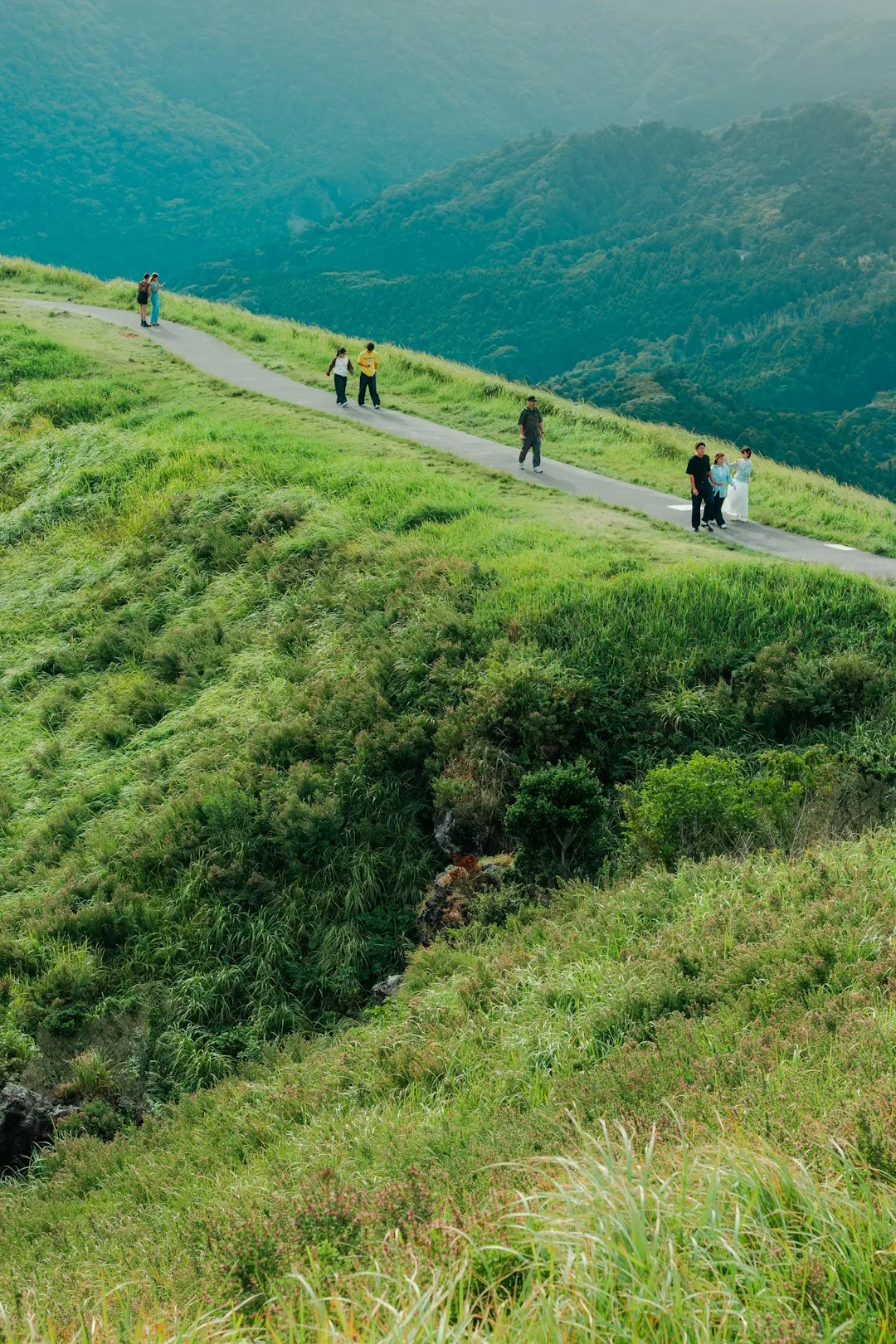
Togakushi Trail Network
The Togakushi Trail Network, nestled in the northern Japanese Alps near Nagano, offers a captivating blend of natural beauty, Shinto spiritualism, and historical intrigue. This network of trails is not a single, linear trek but rather a collection of interconnected paths that lead through ancient cedar forests, past sacred shrines, and to panoramic mountain vistas. The most renowned section, the Togakushi Shrine approach, is a pilgrimage route lined with towering, centuries-old sugi (Japanese cedar) trees, creating an atmosphere of profound peace and reverence. While the entire network can be explored over several days, many visitors focus on the iconic shrine path, which can be completed as a rewarding day walk or integrated into a longer exploration of the region's cultural and natural wonders.
- Distance: Up to 20.0 km (network total, day hike focus ~5 km)
- Duration: 6-8 hours (for comprehensive network exploration)
- Season: May-October (best for clear trails and pleasant temperatures)
- Huts: Limited basic accommodation available in the village; no huts on the main trail network.
- Highest point: Varies by route, main shrine approach ~1,200 m
- Daily walkers: No daily limit, but can be busy during peak seasons.
- Direction: Flexible, network allows for various loop and out-and-back options.
Overview
The Togakushi Trail Network is a journey into the heart of Japan's spiritual landscape. The primary draw is the path leading to Togakushi Okusha (Upper Shrine), one of the three major shrines of Togakushi. This iconic route is an avenue of immense, moss-covered cedar trees, some estimated to be over 800 years old. Walking beneath this living canopy is an almost otherworldly experience, a natural cathedral that inspires awe and contemplation. The air is cool and damp, carrying the scent of pine and damp earth, and the only sounds are the rustling of leaves, the chirping of birds, and the distant murmur of streams.
Beyond the famous cedar avenue, the network expands to include trails connecting the three Togakushi shrines: Okusha (Upper), Chūsha (Middle), and Hokusha (Lower). Each shrine possesses its own unique character and history, and the trails between them offer varied terrain, from gentle forest paths to more challenging ascents. The landscape is characterised by dense forests, clear mountain streams, and, from higher vantage points, sweeping views of the surrounding Nagano basin and the distant peaks of the Japanese Alps. The region is also known for its unique Togakushi soba noodles, a culinary highlight that complements the hiking experience.
While the main shrine approach is a relatively short and accessible walk, the broader network provides opportunities for longer, more immersive hikes. These can involve exploring smaller temples, discovering hidden waterfalls, and ascending to viewpoints that offer breathtaking panoramas. The Togakushi area is a place where nature and spirituality are deeply intertwined, offering a tranquil escape and a profound connection to Japan's ancient traditions.
History and Cultural Context
The history of Togakushi is deeply rooted in Japanese mythology and the development of Shintoism. The name "Togakushi" (戸隠) translates to "hidden door," a reference to the legend of the sun goddess Amaterasu. According to myth, Amaterasu hid herself in a cave, plunging the world into darkness. The other gods devised a plan to lure her out, and when she emerged, Ame-no-Uzume-no-Mikoto performed a lively dance. The god Ame-no-Tajikarao-no-Mikoto then threw a large rock, sealing the cave and creating a "hidden door" that became Mount Togakushi. This rock is said to be enshrined at Togakushi Okusha.
The Togakushi shrines themselves are believed to have been founded in the early Heian period (794–1185 AD). They were historically associated with the Tendai and Shingon schools of Buddhism, as well as Shinto practices, reflecting the syncretic religious landscape of ancient Japan. Togakushi became a significant centre for mountain asceticism (Shugendō) and was a place of pilgrimage for centuries. The trails that connect the shrines were once vital routes for monks, pilgrims, and local villagers.
The region also has a connection to the ninja, or shinobi, of feudal Japan. Togakushi is considered one of the birthplaces of the Togakure-ryū (戸隠流) school of ninjutsu, a martial art that incorporated espionage, infiltration, and unconventional warfare. While the direct historical evidence linking the ninja to the specific trails is debated, the mystique of the hidden mountain and its secretive inhabitants adds another layer to the area's allure. The dense forests and rugged terrain would have provided an ideal training ground and hiding place for such practitioners.
In more recent times, Togakushi has become a popular destination for both domestic and international tourists seeking a spiritual and natural experience. The preservation of the ancient cedar avenue and the ongoing maintenance of the shrine complexes have ensured that the area retains its unique historical and cultural significance.
Seasonal Highlights and Weather Reality
The Togakushi Trail Network experiences distinct seasonal changes, each offering a unique perspective on the landscape.
Spring (May-June): This is a beautiful time to visit as the snow melts and the forests begin to awaken. New green foliage emerges, and the air is fresh and crisp. The cedar avenue is particularly striking with its vibrant green. Wildflowers begin to bloom, adding splashes of colour to the forest floor. Temperatures are generally mild, making for comfortable hiking. However, higher elevations may still have lingering snow in early spring, and occasional late frosts can occur.
Summer (July-August): Summer brings warm temperatures and lush greenery. The forests are at their most vibrant, and the trails are fully accessible. This is the peak tourist season, so expect more visitors, especially on weekends and holidays. The weather can be humid, and afternoon thunderstorms are possible, so carrying rain gear is advisable. The Togakushi soba noodle season is in full swing, offering a delicious local treat.
Autumn (September-October): Autumn is arguably the most spectacular season for visiting Togakushi. The deciduous trees surrounding the cedar avenue and on the higher trails transform into a breathtaking display of red, orange, and yellow foliage. The crisp air and clear skies provide excellent visibility for mountain views. The cooler temperatures are ideal for hiking. This is a very popular time for leaf-peeping, so expect crowds, particularly in October.
Winter (November-April): Winter transforms Togakushi into a snow-covered wonderland. The cedar avenue is still accessible, but the trails can be covered in deep snow, requiring snowshoes or skis. The atmosphere is serene and magical, with the ancient trees dusted in white. However, many facilities, including some restaurants and shops, may close during the winter months. The weather can be extremely cold, with heavy snowfall, and access to some of the more remote trails may be limited or impossible. For those seeking a quiet, snowy experience, winter can be rewarding, but proper winter gear and preparedness are essential.
Recommended Itinerary
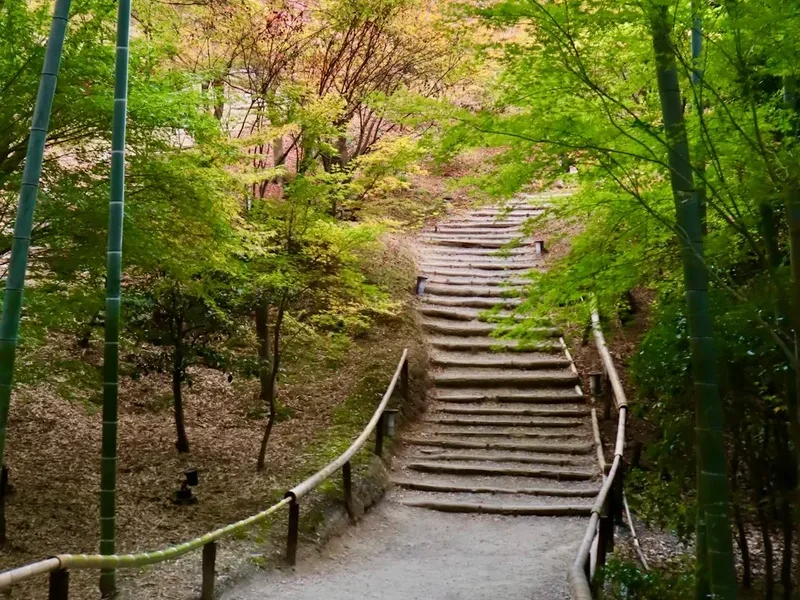
Togakushi Trail Network - Day Hike Focus
Morning: Arrival and Togakushi Okusha (Upper Shrine) Approach
- 8:00 AM - 9:00 AM: Travel to Togakushi
- Nearest airport: Narita (NRT) or Haneda (HND) to Nagano. From Nagano Station, take the Alpico Kogen Bus (route 70) to Togakushi Okusha Iriguchi (奥社入口) bus stop (~1 hour). Limited parking is available if driving.
- 9:00 AM - 10:30 AM: Begin the walk up the iconic cedar avenue to Togakushi Okusha.
- This section is approximately 2 km and takes about 30-45 minutes of steady walking.
- The path is well-maintained and paved in parts, leading through a dense forest of ancient sugi trees, some over 800 years old.
- Experience the profound sense of peace and reverence as you walk beneath the towering canopy.
- Arrive at Togakushi Okusha, the upper shrine, dedicated to Ame-no-Tajikarao-no-Mikoto. Explore the shrine grounds and the legendary "hidden door" rock.
Midday: Togakushi Chūsha (Middle Shrine) and Lunch
- 10:30 AM - 12:00 PM: Descend from Okusha and walk to Togakushi Chūsha (Middle Shrine).
- This section of the trail is approximately 2 km and takes about 30-40 minutes.
- The path continues through forest, offering a slightly different character than the Okusha approach.
- Arrive at Togakushi Chūsha, the main shrine, dedicated to Ame-no-Uzume-no-Mikoto. This is the most visited shrine and features a beautiful main hall and a sacred ancient cedar tree.
- 12:00 PM - 1:30 PM: Lunch in Togakushi Village.
- Numerous restaurants near Chūsha offer the local specialty, Togakushi soba noodles. Enjoy this delicious and refreshing dish.
Afternoon: Togakushi Hokusha (Lower Shrine) and Optional Exploration
- 1:30 PM - 3:00 PM: Walk or take a short bus ride to Togakushi Hokusha (Lower Shrine).
- The walk between Chūsha and Hokusha is approximately 3 km and takes about 45-60 minutes. Alternatively, local buses run between the shrine areas.
- Hokusha is dedicated to Ame-no-Koyane-no-Mikoto and is known for its tranquil atmosphere and connection to the legendary origins of ninjutsu.
- 3:00 PM onwards: Optional exploration or return to Nagano.
- Depending on your interest and time, you can explore other points of interest in the Togakushi area, such as the Togakushi Folk Museum or the Togakushi Ski Resort area for different views.
- Return to the bus stop for your journey back to Nagano Station.
Alternative/Extended Itinerary (for the full network):
- Day 1: Arrive in Nagano, travel to Togakushi village, check into accommodation. Explore Togakushi Chūsha and Hokusha.
- Day 2: Hike the full Togakushi Okusha cedar avenue, explore the shrine. Consider extending the hike to other trails in the network, such as the path to Mount Kagamigaike for panoramic views. Return to Nagano.
Important Notes:
- Wear comfortable walking shoes or hiking boots.
- Carry water and snacks, especially if venturing beyond the main shrine paths.
- Check bus schedules in advance, as they can be infrequent, especially outside peak season.
- Be prepared for changing weather conditions, particularly in spring and autumn.
Planning and Bookings
Book Your Trip
Everything you need to plan your journey
Accommodation
Find places to stay near Nagano
Flights
Search flights to Nagano
Essential Preparation
The Togakushi Trail Network is relatively accessible, with Nagano City serving as the primary gateway. Planning your trip involves understanding transportation options, accommodation, and the best time to visit. Nagano City offers a wide range of accommodation, from budget hostels to comfortable hotels, and is well-connected by the Shinkansen (bullet train) to Tokyo and other major Japanese cities. From Nagano Station, the Alpico Kogen Bus (route 70) is the most convenient way to reach the Togakushi area. It's advisable to check bus timetables in advance, as services can be less frequent on weekdays or outside of peak tourist seasons. If driving, there is limited parking available at the main trailheads, particularly near Togakushi Okusha and Chūsha.
Trail Accommodation
This is a day hike requiring no overnight accommodation on the trails themselves. However, the Togakushi area offers various lodging options for those wishing to stay overnight and explore the network more extensively:
- Minshuku and Ryokan: Traditional Japanese inns offering a unique cultural experience. These are typically found in Togakushi village and offer tatami mat rooms, futon bedding, and often include traditional Japanese meals (breakfast and dinner). Booking in advance is highly recommended, especially during peak seasons.
- Hotels and Guesthouses: More modern accommodation options are available in Nagano City, providing a convenient base for day trips to Togakushi. Some smaller guesthouses may also be found closer to the Togakushi area.
- Campsites: Limited camping facilities may be available in the wider Togakushi region, particularly in designated campgrounds during the warmer months. These are generally basic and require self-sufficiency.
Facilities Provided: Varies by accommodation type. Traditional inns often provide meals, futons, and communal bathing facilities (onsen). Hotels offer standard amenities like private bathrooms and Wi-Fi.
What's NOT Provided: Trail-specific gear like sleeping bags or cooking equipment is not relevant as this is a day hike network. Personal toiletries and clothing are the responsibility of the visitor.
Seasonal Availability: Most accommodation in Togakushi village operates year-round, though some may have reduced services or closures during the deep winter months (January-February). Nagano City offers year-round accommodation.
Costs: Minshuku and Ryokan can range from ¥8,000 to ¥20,000+ per person per night, often including meals. Hotels in Nagano City vary widely based on star rating and location.
Required Gear
- Footwear: Comfortable walking shoes or sturdy hiking boots with good grip are essential. Trails can be uneven, especially off the main cedar avenue.
- Clothing: Layers are key. Bring moisture-wicking base layers, a warm mid-layer (fleece or down jacket), and a waterproof and windproof outer shell. Temperatures can vary significantly between the village and higher elevations, and can change rapidly.
- Navigation: While the main shrine paths are well-marked, a map of the wider Togakushi network is recommended if planning longer hikes. A compass or GPS device is advisable for exploring less-travelled routes. A smartphone with offline maps downloaded is also useful.
- Safety Gear: A basic first-aid kit including plasters, antiseptic wipes, pain relievers, and any personal medications. A head torch or small flashlight is useful if you plan to be out late or explore any darker areas.
- Sun Protection: Sunscreen, sunglasses, and a hat are important, especially during summer and autumn, as the sun can be intense at higher altitudes.
What to Bring
- Food and Water: Carry sufficient water for your hike. While there are restaurants and shops in Togakushi village, they are not always conveniently located along the trails. Pack snacks like energy bars, fruit, or nuts.
- Toiletries: Personal items such as toothbrush, toothpaste, biodegradable soap, and hand sanitiser. Toilet paper is not always available in public restrooms, so carrying a small roll is a good idea.
- Backpack: A comfortable daypack (20-30 litres) to carry your essentials.
- Insect Repellent: Especially important during summer months to ward off mosquitoes and other biting insects.
- Camera: To capture the stunning scenery and ancient trees.
- Cash: While many establishments in Nagano City accept cards, smaller shops, restaurants, and bus fares in Togakushi may be cash-only.
- Rain Gear: A lightweight, packable waterproof jacket and trousers are essential, as rain can occur unexpectedly.
Permits
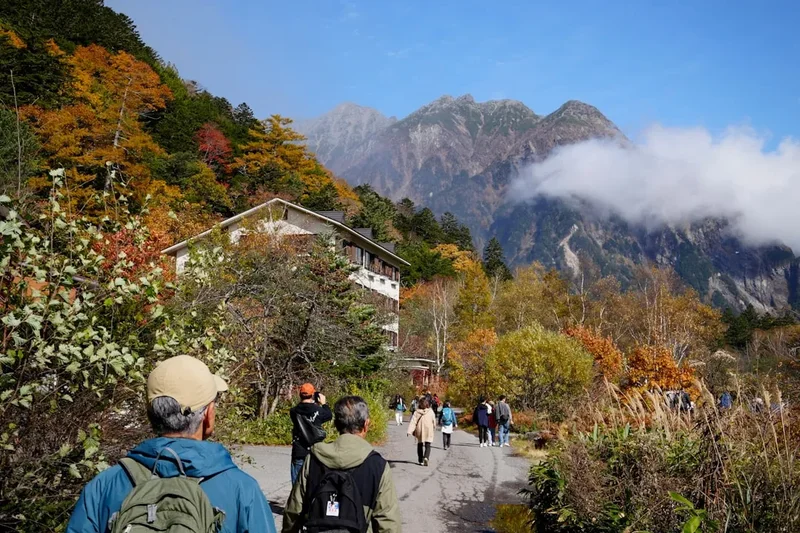
No specific permits are required to walk the Togakushi Trail Network, including the popular cedar avenue leading to Togakushi Okusha. Access to the shrines themselves may involve small entrance fees for specific areas or museums, but the trails are generally open to the public without charge.
Shrine Entrance Fees:
- Togakushi Okusha: Generally free to access the main shrine grounds.
- Togakushi Chūsha: Generally free to access the main shrine grounds.
- Togakushi Hokusha: Generally free to access the main shrine grounds.
- Togakushi Folk Museum: A small entrance fee applies (typically around ¥500-¥700).
- Togakushi Ninja Museum: A small entrance fee applies (typically around ¥800-¥1,000).
Parking Fees: If you are driving, there may be nominal parking fees at designated lots near the main shrine entrances, particularly during peak seasons.
Bus Fares: The Alpico Kogen Bus from Nagano to Togakushi operates on a fare system. It is advisable to have cash on hand for bus tickets, as card payment facilities may not always be available.
Accommodation: If you choose to stay in a minshuku or ryokan, the cost will be per night and typically includes meals. Booking in advance is strongly recommended.
Other Activities in the Area
The Togakushi region offers a variety of activities beyond hiking, enriching your visit:
- Togakushi Soba Making Experience: Learn the art of making the region's famous soba noodles from scratch. Several local restaurants and cultural centres offer hands-on workshops.
- Togakushi Folk Museum: Discover the local history, culture, and traditions of the Togakushi area, including exhibits on Shintoism, ninjutsu, and rural life.
- Togakushi Ninja Museum: Delve into the world of the shinobi. This museum features exhibits on ninjutsu techniques, weaponry, and the history of the Togakure-ryū school. It often includes interactive elements and demonstrations.
- Mount Kagamigaike: For those seeking more challenging hikes, Mount Kagamigaike offers stunning panoramic views of the Togakushi mountain range and the surrounding valleys. The reflection of Mount Togakushi in the lake (Kagamigaike) is particularly beautiful on calm days.
- Togakushi Ski Resort: While primarily a winter destination, the resort area offers walking trails and scenic views during the warmer months.
- Onsen (Hot Springs): Relax and rejuvenate in a traditional Japanese hot spring. Some local inns and public bathhouses offer onsen facilities.
- Local Cuisine: Beyond soba, sample other regional specialties such as wild mountain vegetables (sansai) and local sake.
Safety and Conditions
Trail Conditions: The main cedar avenue to Togakushi Okusha is well-maintained and generally easy to navigate. However, trails branching off to other shrines or higher peaks can be steeper, uneven, and may be covered in leaf litter or mud, especially after rain. In winter, snow and ice can make trails treacherous, requiring appropriate winter gear and experience.
Weather: Mountain weather can change rapidly. Be prepared for sudden shifts in temperature, wind, and precipitation, even during summer. Always check the weather forecast before you set out and carry appropriate layers and rain gear.
Wildlife: While large dangerous animals are rare in this area, be aware of smaller wildlife. Insects like mosquitoes and flies can be prevalent during warmer months, so insect repellent is recommended. Bears are not common in the immediate vicinity of the shrines but can be present in more remote mountain areas; it's always wise to be aware of your surroundings.
Navigation: The primary shrine paths are clearly signposted. However, if you plan to explore less-travelled routes, ensure you have a reliable map and compass or GPS device, and know how to use them. Inform someone of your hiking plans and expected return time.
Emergency Services: In case of an emergency, contact local authorities. Mobile phone reception can be spotty in some areas, particularly within dense forest or at higher elevations. It is advisable to carry a fully charged mobile phone and consider a portable power bank.
Cultural Etiquette: When visiting shrines, it is important to be respectful. Observe signage regarding photography, dress modestly, and follow any instructions for purification rituals (e.g., washing hands and mouth at the temizuya). Remove your shoes before entering shrine buildings where indicated.
Side Trips and Points of Interest
Togakushi Okusha Cedar Avenue: This is the undisputed highlight and a must-see. The path is lined with approximately 500 ancient sugi trees, some estimated to be over 800 years old. Walking through this natural cathedral, with sunlight filtering through the dense canopy and moss covering the ancient trunks, is a profoundly spiritual experience. The sheer scale and age of these trees create an atmosphere of timelessness and reverence.
Togakushi Okusha (Upper Shrine): The shrine itself is dedicated to Ame-no-Tajikarao-no-Mikoto, the god who is said to have thrown the rock that sealed the sun goddess Amaterasu in her cave. The shrine complex is set amidst the cedar forest and features a sacred rock, believed to be the "hidden door" from the legend. The atmosphere here is one of deep tranquility and ancient power.
Togakushi Chūsha (Middle Shrine): This is the main shrine of Togakushi and is dedicated to Ame-no-Uzume-no-Mikoto, the goddess of dawn and revelry. It is known for its beautiful main hall and a magnificent ancient cedar tree, known as the "Kusunoki" (camphor tree), which is said to be over 1,000 years old and is a sacred object of worship.
Togakushi Hokusha (Lower Shrine): Dedicated to Ame-no-Koyane-no-Mikoto, the god of wisdom and eloquence, Hokusha is associated with the legendary origins of ninjutsu. The shrine is set in a peaceful location and offers a different, more subdued atmosphere compared to the other two shrines. It's a good starting or ending point for exploring the wider network.
Mount Kagamigaike: For those with more time and energy, a hike to Mount Kagamigaike offers spectacular panoramic views. The lake itself, when calm, provides a stunning reflection of Mount Togakushi, creating a picturesque scene. This hike involves more strenuous uphill walking but rewards with breathtaking vistas.
Leave No Trace
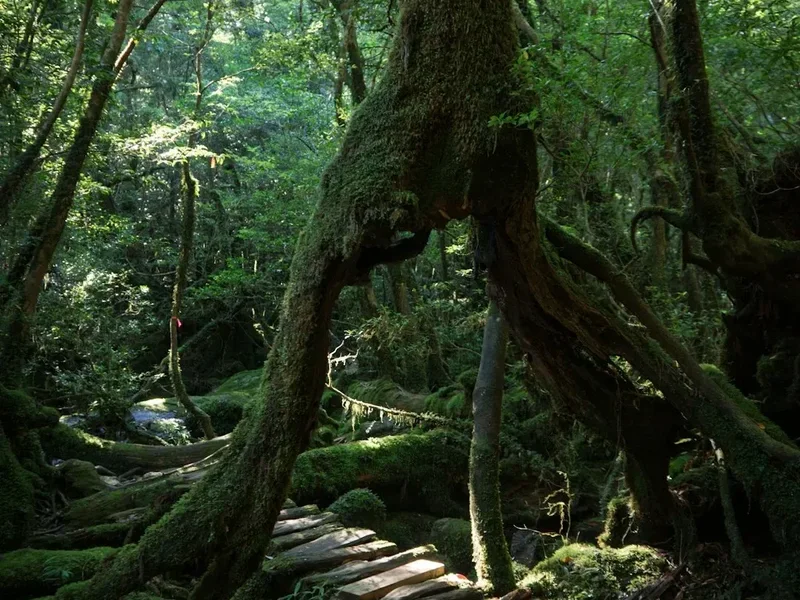
The Togakushi Trail Network, particularly the ancient cedar avenue, is a place of immense natural and cultural significance. Preserving its beauty and spiritual atmosphere for future generations is paramount. Adhering to Leave No Trace principles ensures that visitors can continue to experience the magic of this sacred landscape.
Plan Ahead and Prepare: Research the trails, check weather forecasts, and understand the local customs and etiquette before your visit. Pack appropriately for the conditions.
Travel and Camp on Durable Surfaces: Stick to marked trails, especially the cedar avenue, to avoid damaging fragile vegetation and ancient tree roots. Avoid creating new paths or shortcuts.
Dispose of Waste Properly: Pack out everything you pack in. This includes all food scraps, wrappers, and any other litter. Use designated bins where available, but be prepared to carry your rubbish back to Nagano if necessary. Use toilet facilities where provided; if not available, dig a cathole at least 60 metres away from water sources, trails, and campsites.
Leave What You Find: Do not remove any natural items such as rocks, plants, or historical artefacts. Take only photographs and memories.
Minimise Campfire Impacts: Campfires are generally not permitted on the trails or near the shrines. If camping in designated areas, use established fire rings and ensure fires are completely extinguished.
Respect Wildlife: Observe wildlife from a distance and never feed animals. Feeding them can alter their natural behaviour and diet, and can be harmful to their health.
Be Considerate of Other Visitors: Keep noise levels down, especially in the serene cedar avenue and at the shrines. Allow others to enjoy the peace and quiet. Yield to uphill hikers and be courteous to fellow travellers.
 Japan
Japan