
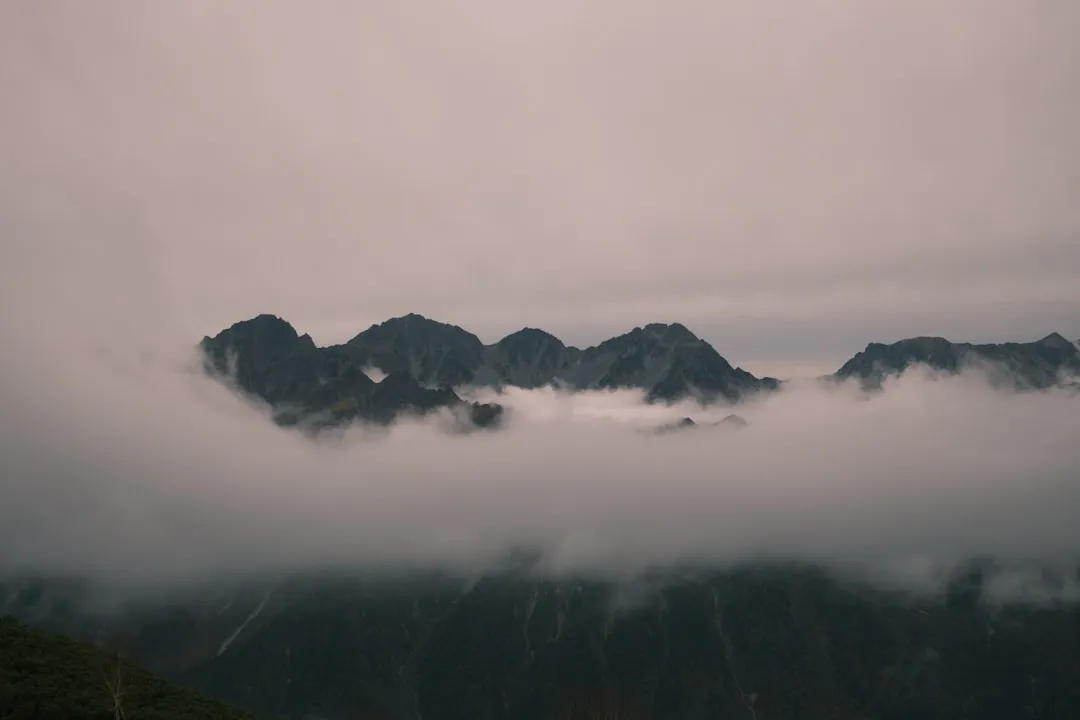
Todoroki Valley Trail - Tokyo's Urban Oasis
The Todoroki Valley Trail offers a surprising escape from the urban sprawl of Tokyo, presenting a tranquil natural sanctuary just a short train ride from the city centre. This compact yet captivating walk winds through a lush, verdant gorge carved by the Yazawa River, providing a refreshing contrast to the surrounding metropolitan landscape. It's a perfect destination for a short, accessible nature break, allowing visitors to experience the beauty of a natural ravine, complete with waterfalls, streams, and a serene atmosphere, all within the confines of Japan's bustling capital. The trail is ideal for those seeking a brief immersion in nature without venturing far from the city's amenities.
- Distance: 1.2 km one-way
- Duration: 1–2 hours
- Season: Year-round, with Spring and Autumn offering particularly pleasant conditions
- Difficulty: Easy
- Closest City: Tokyo
- Trailhead Access: Take the Tokyu Oimachi Line to Todoroki Station. A short 5-minute walk from the station leads to the valley entrance. Limited parking is available near the station.
- Permits: No permits are required for this walk.
Overview
The Todoroki Valley Trail is a testament to nature's resilience and beauty, even within a densely populated urban environment. This short, accessible walk is a hidden gem, offering a peaceful retreat into a miniature gorge. The trail follows the Yazawa River, which has sculpted a narrow, tree-lined ravine that feels a world away from the nearby city streets. As you descend into the valley, the sounds of traffic fade, replaced by the gentle murmur of the river, the rustling of leaves, and the calls of birds.
The path itself is well-maintained and easy to navigate, making it suitable for all ages and fitness levels. It meanders alongside the river, crossing it occasionally via small bridges. The vegetation is lush and varied, with a dense canopy of trees providing shade during warmer months and vibrant colours in autumn. The highlight for many is the Todoroki Fudo Temple, nestled within the valley, and the small, picturesque waterfall that gives the valley its name.
While the distance is short, the experience is rich. The trail provides a sense of discovery, with unexpected viewpoints and tranquil spots to pause and reflect. It’s a place where you can appreciate the simple beauty of a natural landscape, observe local flora and fauna, and enjoy a moment of calm before returning to the urban hustle. The valley's accessibility makes it a popular choice for local residents and tourists alike seeking a quick nature fix.
History and Cultural Context
Todoroki Valley has a history intertwined with the spiritual and natural heritage of the area. The valley's name, "Todoroki," meaning "roaring" or "thundering," is believed to refer to the sound of the waterfall and the river, especially after heavy rain. For centuries, this natural gorge has provided a place of solace and natural beauty.
The most significant cultural landmark within the valley is the Todoroki Fudo Temple (Todoroki Fudōson), a Buddhist temple dedicated to Fudo Myoo, one of the Five Wisdom Kings in Esoteric Buddhism. The temple's origins are somewhat obscure, but it has been a place of worship and pilgrimage for a considerable time, drawing visitors seeking spiritual comfort and blessings. The temple's location within the serene valley adds to its mystical and peaceful atmosphere.
In more recent history, the recognition of Todoroki Valley as a valuable natural space within Tokyo has grown. Efforts have been made to preserve its unique ecosystem and make it accessible to the public for recreation and relaxation. The development of the walking trail has ensured that this natural haven can be enjoyed by a wider audience, offering a glimpse into a more natural Japan that exists even within its most developed urban centres. The valley serves as a reminder of the importance of preserving green spaces within cities, providing ecological benefits and a vital connection to nature for urban dwellers.
Seasonal Highlights and Weather Reality
Todoroki Valley is a beautiful destination throughout the year, each season offering its own unique charm and experience.
Spring (March–May): This is a particularly delightful time to visit. The valley bursts into life with fresh green foliage, and cherry blossoms (sakura) may be seen in the surrounding areas, adding a touch of delicate pink to the landscape. The weather is generally mild and pleasant, making it ideal for walking. The river flows gently, and the air is crisp and invigorating.
Summer (June–August): The valley is at its most lush and verdant during summer. The dense canopy provides ample shade, making it a welcome respite from the heat and humidity of Tokyo. The sound of the river is more pronounced, and the waterfalls are often at their most impressive after summer rains. However, this is also the season for sandflies and mosquitoes, so insect repellent is highly recommended.
Autumn (September–November): Autumn is arguably the most visually stunning season for Todoroki Valley. The leaves of the deciduous trees transform into a vibrant palette of reds, oranges, and yellows, creating a breathtaking spectacle. The cooler temperatures and clear skies make for perfect walking conditions. The contrast between the colourful foliage and the evergreen trees is particularly striking.
Winter (December–February): While the foliage is less vibrant, winter offers a different kind of beauty. The bare branches of the trees create intricate patterns against the sky, and the valley can have a serene, almost ethereal quality. The air is cold and crisp, and the waterfalls may partially freeze, creating delicate ice formations. It's a quieter time to visit, offering a peaceful experience with fewer crowds.
Weather: Tokyo experiences a temperate climate with four distinct seasons. Summers are hot and humid, while winters are cool and dry. Spring and autumn are generally mild and pleasant. The valley itself can be slightly cooler than the surrounding city due to the shade and the presence of water. Visitors should always check the weather forecast before their visit and dress accordingly, bringing rain gear if necessary, as showers can occur at any time of year.
Recommended Itinerary
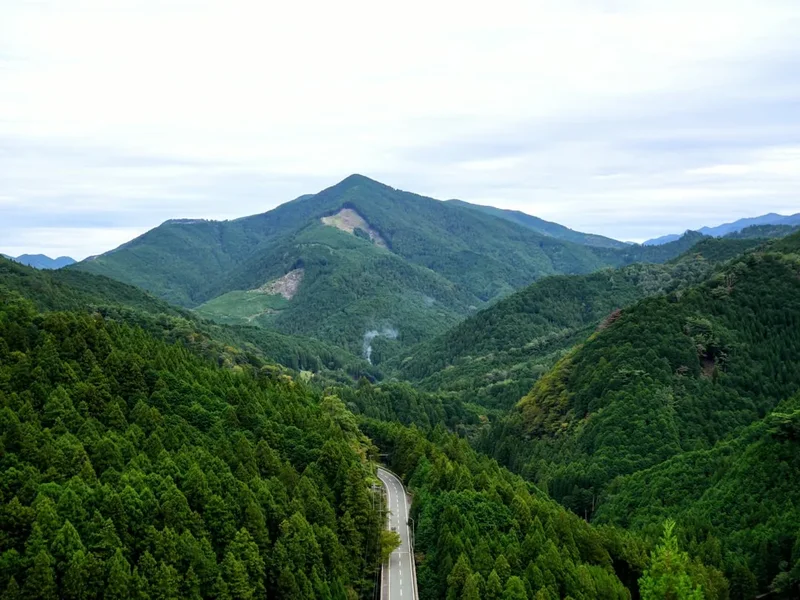
Todoroki Valley Trail - Day Walk Itinerary
Early Morning (Approx. 9:00 AM): Arrival and Descent
- Travel via the Tokyu Oimachi Line to Todoroki Station.
- Exit Todoroki Station and follow the clear signage directing you towards Todoroki Valley (approx. 5-minute walk).
- Locate the main entrance to the valley, typically marked by a distinctive gate or signage.
- Begin your descent into the valley via the well-maintained steps or pathways.
- Notice the immediate change in atmosphere as the urban sounds recede and the natural environment takes over.
Morning (Approx. 9:30 AM - 11:00 AM): Exploring the Gorge
- Follow the main trail that winds alongside the Yazawa River.
- Admire the lush vegetation, including a variety of trees, ferns, and mosses.
- Cross the river via picturesque small bridges, offering different perspectives of the gorge.
- Listen to the gentle sounds of the flowing water and the calls of local birdlife.
- Keep an eye out for the small, charming waterfalls that contribute to the valley's "roaring" name.
- Continue towards the central area of the valley where the Todoroki Fudo Temple is located.
Midday (Approx. 11:00 AM - 12:00 PM): Todoroki Fudo Temple and Waterfall
- Arrive at the vicinity of the Todoroki Fudo Temple.
- Explore the temple grounds, observing its architecture and serene atmosphere.
- Locate the main waterfall, the namesake of Todoroki Valley. While not a massive cascade, it is a beautiful and tranquil feature of the gorge.
- Take time to sit and appreciate the peaceful ambiance of this central point in the valley.
- Consider a brief rest at one of the benches or resting spots available.
Afternoon (Approx. 12:00 PM - 1:00 PM): Return Journey and Ascent
- Begin your return journey along the same trail, or explore any minor offshoots if available and safe.
- Enjoy the valley from a different perspective as you retrace your steps.
- Ascend from the valley floor back towards Todoroki Station.
- The ascent is generally gentle and well-managed with steps and pathways.
- Upon exiting the valley, you can explore the immediate vicinity of Todoroki Station or head back towards central Tokyo.
Optional Extensions:
- Enjoy a picnic lunch within the designated areas of the valley (if permitted and available).
- Visit local cafes or restaurants near Todoroki Station for refreshments or a meal.
- Combine your visit with other nearby attractions in Setagaya Ward.
Planning and Bookings
Book Your Trip
Everything you need to plan your journey
Accommodation
Find places to stay near Tokyo
Flights
Search flights to Tokyo
Essential Preparation
The Todoroki Valley Trail is a straightforward day walk, requiring minimal complex planning. The primary logistical consideration is transportation to and from Todoroki Station. As it is a popular local spot, especially on weekends, arriving earlier in the day can offer a more tranquil experience. The trail is short, so no extensive physical preparation is typically needed, but comfortable walking shoes are essential.
Base Town/City Information: The closest major hub is Tokyo itself. Todoroki Station is served by the Tokyu Oimachi Line, which connects to other major train lines within the Tokyo metropolitan area, making it easily accessible from most parts of the city. There are no specific "base towns" required for this short excursion; visitors can easily access it as a day trip from their accommodation in Tokyo.
Trail Accommodation
This is a day hike requiring no overnight accommodation.
Required Gear
- Comfortable walking shoes or trainers: The trail is well-maintained but involves steps and uneven surfaces.
- Lightweight backpack: To carry essentials.
- Waterproof jacket: For unpredictable weather, especially during spring and summer.
- Sun protection: Hat, sunglasses, and sunscreen, particularly for spring and summer visits.
- Insect repellent: Highly recommended during warmer months (late spring through summer) to ward off mosquitoes and sandflies.
What to Bring
- Water bottle: Stay hydrated, especially during warmer months.
- Snacks: For energy during your walk.
- Camera: To capture the natural beauty of the valley.
- Small first-aid kit: For minor scrapes or blisters.
- Hand sanitiser: For hygiene, especially before and after visiting the temple or eating.
- Cash: For any small purchases at local shops or temple offerings, though many places accept cards.
Permits
No permits are required to access or walk the Todoroki Valley Trail. Entry to the valley and the surrounding park area is free and open to the public.
Other Activities in the Area
While Todoroki Valley itself is a compact natural area, the surrounding Setagaya Ward and the broader Tokyo metropolitan area offer numerous other activities and points of interest:
- Todoroki Fudo Temple: Spend more time exploring the temple grounds, which are a significant cultural and spiritual site within the valley.
- Setagaya Park: A larger urban park located a short distance from Todoroki Valley, offering playgrounds, a small zoo, a rose garden, and sports facilities.
- Jiyugaoka: A fashionable neighbourhood known for its trendy boutiques, cafes, bakeries, and stylish atmosphere. It's a great place for shopping and people-watching.
- Ghibli Museum (Mitaka): For fans of Studio Ghibli animation, the museum is a must-visit, though tickets must be booked well in advance. It's accessible via train from nearby stations.
- Shimokitazawa: A bohemian district famous for its vintage clothing stores, independent boutiques, live music venues, and quirky cafes.
- Tokyo Metropolitan Theatre (Ikebukuro): For those interested in performing arts, this venue hosts a variety of theatrical productions, concerts, and exhibitions.
- Shibuya Crossing and Hachiko Statue: Experience the iconic scramble crossing and pay homage to the loyal dog Hachiko in one of Tokyo's most vibrant districts.
Safety and Conditions
Trail Conditions: The Todoroki Valley Trail is generally well-maintained and safe for walking. The paths are paved or covered with gravel, and steps are clearly defined. However, after heavy rain, some sections may become slippery, so caution is advised.
Weather: Tokyo experiences a temperate climate. Summers can be hot and humid, while winters are cool. Spring and autumn offer pleasant temperatures. Always check the weather forecast before your visit. Bring appropriate clothing and rain gear if necessary.
Insect Bites: During the warmer months (late spring to summer), mosquitoes and sandflies can be present in the valley. It is advisable to bring insect repellent to prevent bites.
Footwear: Wear comfortable walking shoes or trainers. Avoid high heels or open-toed sandals, as the terrain can be uneven in places and involves steps.
Hydration and Snacks: While the walk is short, it's always a good idea to carry water, especially during warmer weather. There are limited facilities within the valley itself, so bringing snacks is also recommended.
Temple Etiquette: When visiting Todoroki Fudo Temple, please be respectful of the religious site. Observe any posted signs regarding photography or behaviour.
Emergency Contacts: In case of an emergency, have your mobile phone readily available. The general emergency number in Japan is 110 for police and 119 for fire and ambulance services.
Side Trips and Points of Interest
Todoroki Waterfall: The namesake of the valley, this is a small but picturesque waterfall located near the Todoroki Fudo Temple. It's a tranquil spot that embodies the serene atmosphere of the gorge. While not a dramatic cascade, its charm lies in its integration with the temple and the surrounding natural beauty.
Todoroki Fudo Temple: This Buddhist temple is a significant cultural landmark within the valley. Its peaceful grounds offer a spiritual respite, and the temple architecture itself is worth observing. Visitors can experience a moment of quiet contemplation amidst the natural surroundings.
Yazawa River: The river is the lifeblood of the valley, carving the gorge and sustaining its lush vegetation. Following its course provides the primary experience of the trail, with its gentle flow, small rapids, and the sound of running water creating a soothing ambiance.
Footbridges: Several charming footbridges cross the Yazawa River, offering varied viewpoints of the valley and the water. These bridges are not just functional but also add to the aesthetic appeal of the trail, providing excellent photo opportunities.
Surrounding Park Areas: While the main trail is short, the valley is part of a larger park system. Exploring the immediate vicinity can reveal additional small paths, resting spots, and viewpoints that enhance the overall experience.
Leave No Trace
Todoroki Valley is a precious natural space within Tokyo, and it's vital for all visitors to practice Leave No Trace principles to help preserve its beauty and ecological integrity for future generations.
Pack It In, Pack It Out: Carry out all litter, including food wrappers, drink containers, and any other waste you generate. Do not leave anything behind in the valley.
Stay on Marked Trails: Stick to the designated paths and boardwalks. Venturing off-trail can damage fragile vegetation, disturb wildlife, and contribute to erosion.
Respect Wildlife: Observe any wildlife from a distance. Do not feed the animals, as this can disrupt their natural behaviours and diets. This includes birds and any small creatures you might encounter.
Dispose of Waste Properly: Use the designated bins if available, or take your waste home with you. If using the temple facilities, ensure you follow any specific waste disposal guidelines.
Minimise Impact: Keep noise levels down to preserve the peaceful atmosphere of the valley. Avoid loud music or shouting, allowing everyone to enjoy the natural sounds.
Leave What You Find: Do not take any natural items, such as plants, rocks, or flowers, from the valley. Leave them for others to enjoy and for the ecosystem to thrive.
By adhering to these simple principles, you contribute to the ongoing preservation of Todoroki Valley as a tranquil natural retreat within the urban landscape.
 Japan
Japan