
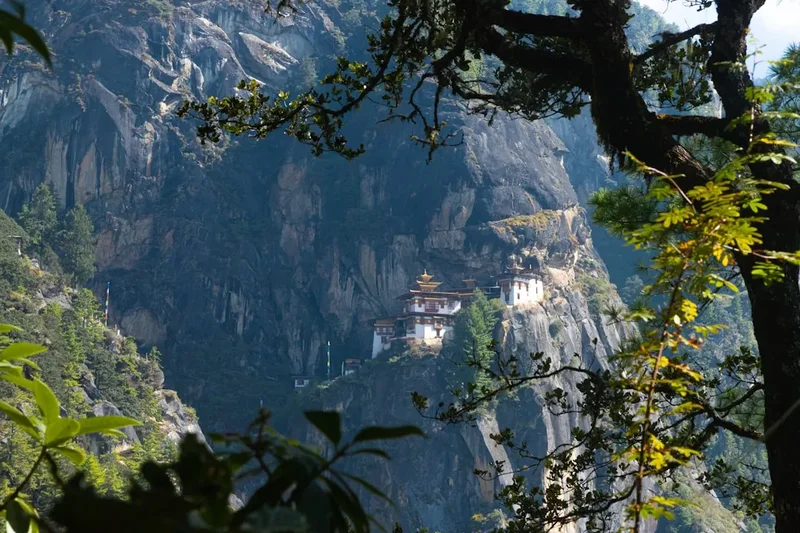
Tiger's Nest Trek - Paro Taktsang
The Tiger's Nest Trek, officially known as Paro Taktsang, is Bhutan's most iconic and spiritually significant pilgrimage site. Perched precariously on a sheer cliff face 900 metres above the Paro Valley floor, this sacred monastery is a breathtaking testament to faith, architecture, and human endeavour. The trek itself is a moderate day walk, offering stunning panoramic views of the surrounding Himalayan landscape and the verdant Paro Valley. It's a journey that combines physical exertion with profound cultural immersion, culminating in the awe-inspiring sight of the monastery clinging to the mountainside. The air is crisp, the scenery is dramatic, and the spiritual resonance of the site is palpable, making it an unforgettable experience for any visitor to Bhutan.
- Distance: 10.0 km (round trip)
- Elevation Gain: 900 m
- Duration: 4-6 hours (walking time)
- Difficulty: Moderate
- Best Time: October to December, March to May (clear skies, pleasant temperatures)
- Closest City: Paro
- Trailhead Access: Nearest airport: Paro International Airport. Taxi is the most convenient option from the airport/Paro town (approx. 30 mins). Road conditions are generally good. Parking available near the trailhead. No specific trail permits required for the hike itself, but a valid Bhutan visa is mandatory for entry into the country.
- Coordinates: 27.5088, 89.3644
Overview
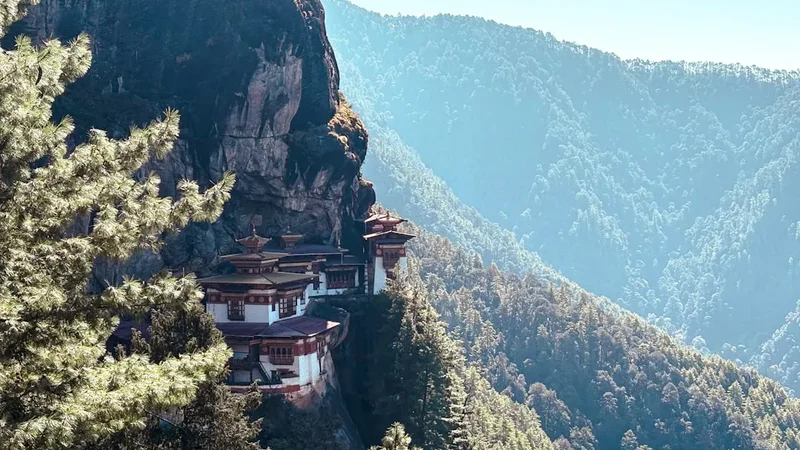
The ascent to Paro Taktsang (Tiger's Nest Monastery) is more than just a hike; it's a spiritual pilgrimage and a visual spectacle. The trail begins at the Taktsang Base Camp, where ponies can be hired for the initial steep section up to the cafeteria, approximately one-third of the way. From there, the path becomes a series of stone steps and inclines, winding through fragrant pine forests adorned with prayer flags that flutter in the mountain breeze. As you ascend, the air thins, and the views of the Paro Valley unfold dramatically below. The monastery itself, a cluster of white buildings with golden roofs, appears to defy gravity, clinging to a sheer granite cliff face. Legend states that Guru Rinpoche (Padmasambhava) flew to this site on the back of a tigress in the 8th century and meditated here for three years, three months, three weeks, three days, and three hours, thus establishing Buddhism in Bhutan. The monastery complex consists of several temples, each housing sacred relics and ancient murals, offering a glimpse into Bhutanese Buddhist art and architecture. The final approach involves a steep climb down to a waterfall and then a final ascent of stone steps to the monastery entrance, a challenging but immensely rewarding final push.
The trek is popular with both local pilgrims and international tourists, creating a vibrant atmosphere. You'll encounter monks in their maroon robes, local families on their spiritual journey, and fellow travellers, all sharing in the experience. The sound of chanting, the scent of incense, and the visual splendour of the monastery against the backdrop of the Himalayas create a truly immersive and sensory experience. The moderate difficulty level makes it accessible to most reasonably fit individuals, though the altitude and the steep final ascent require a good level of stamina. The journey is as much about the internal reflection and spiritual connection as it is about the external beauty of the landscape and the architectural marvel of Taktsang.
History and Cultural Context
The history of Paro Taktsang is deeply intertwined with the introduction of Buddhism to Bhutan. The site is believed to be sacred because Guru Rinpoche, also known as Guru Padmasambhava, meditated here in the 8th century. According to legend, he arrived on the back of a tigress from Bumthang, hence the name "Taktsang," meaning "Tiger's Nest." His meditation in the cave is considered a pivotal moment in the establishment of Vajrayana Buddhism in the kingdom. The first temple at Taktsang was built in the 17th century by Gyaltshen Tenzin Rabgye, the fifth Desi (temporal ruler) of Bhutan, to commemorate Guru Rinpoche's visit. The current structure, however, is largely a reconstruction following a devastating fire in 1998, meticulously restored to its original glory using traditional Bhutanese architectural techniques and materials.
The monastery has since served as a vital centre for Buddhist learning and practice. It is one of the most important pilgrimage sites for Bhutanese Buddhists, who undertake the arduous trek to offer prayers and seek blessings. The complex comprises four main temples and numerous residential buildings, all built into the cliff face. The temples house exquisite murals, statues of Buddhist deities, and sacred texts, offering a rich tapestry of Bhutanese religious art and history. The architectural style is distinctly Bhutanese, characterised by intricate woodwork, colourful paintings, and the distinctive tiered roofs. The strategic location, seemingly inaccessible, adds to its mystique and spiritual significance, symbolising the triumph of faith over seemingly insurmountable obstacles. The restoration efforts after the 1998 fire were a testament to the enduring importance of Taktsang to the Bhutanese people and their commitment to preserving their cultural heritage.
Seasonal Highlights and Weather Reality
The Tiger's Nest Trek is accessible year-round, but certain seasons offer a more pleasant and visually rewarding experience. The best times to visit are during the spring (March to May) and autumn (October to December).
Spring (March to May): This period marks the beginning of the warmer season. The weather is generally clear and pleasant, with temperatures ranging from 10°C to 20°C. The rhododendrons and other wildflowers bloom, adding vibrant colours to the landscape. The skies are typically blue, offering excellent visibility for panoramic views of the Himalayas. This is an ideal time for hiking and photography.
Summer (June to August): Summer in Bhutan is the monsoon season. While the rain can be heavy, it often comes in short bursts, usually in the afternoons. The rain nourishes the lush green landscape, making the valley appear exceptionally vibrant. However, heavy rainfall can reduce visibility and make the trails slippery. Temperatures are warmer, typically between 15°C and 25°C. Despite the rain, the monastery is still accessible, and the dramatic cloud formations can add a unique atmosphere.
Autumn (October to December): This is arguably the most popular season for visiting Bhutan. The skies are exceptionally clear, offering breathtaking views of the snow-capped peaks. The weather is crisp and cool, with temperatures ranging from 5°C to 15°C. The autumn foliage adds a beautiful golden hue to the forests. This season is perfect for trekking and enjoying the stunning vistas without the humidity of summer or the chill of winter.
Winter (January to February): Winter can be cold, with temperatures dropping below freezing, especially at higher altitudes. Snowfall is possible, though it rarely accumulates significantly at the monastery site itself. The days are short, and the air can be quite chilly. However, winter offers a unique serenity, with fewer crowds and clear, crisp air. The snow-dusted landscape can be incredibly picturesque. If visiting in winter, warm clothing is essential.
Recommended Itinerary
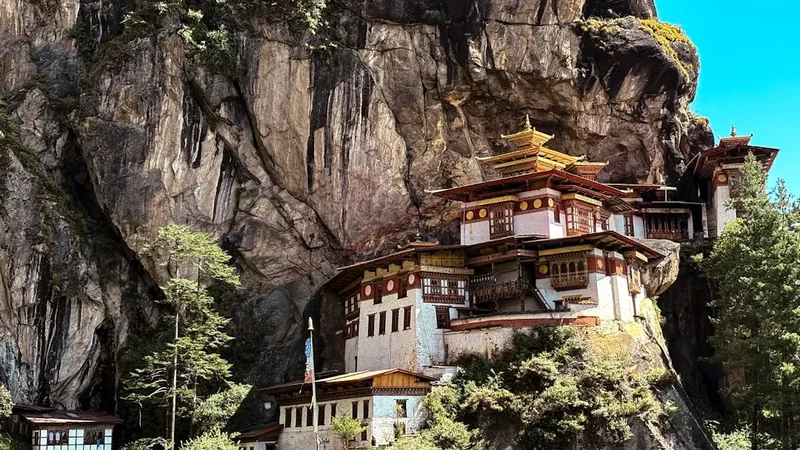
Tiger's Nest Trek - Day Walk Itinerary
Early Morning (Approx. 8:00 AM - 9:00 AM): Departure from Paro Town
- Begin your day with breakfast in Paro town.
- Arrange for a taxi or private vehicle to take you to the Taktsang Base Camp trailhead. The drive takes approximately 30 minutes and offers scenic views of the Paro Valley.
- Ensure you have your visa permit and any necessary identification ready.
Morning (Approx. 9:00 AM - 11:00 AM): Ascent to the Cafeteria
- Arrive at the Taktsang Base Camp. You will see the trailhead and the option to hire ponies for the initial ascent.
- The first section of the trail is steep and rocky. Hiring a pony can save your legs for the remainder of the hike, especially if you are not accustomed to steep ascents or high altitudes. The pony ride covers roughly one-third of the total distance to the monastery.
- The path winds through a fragrant pine forest, with prayer flags adorning the trees.
- Reach the Taktsang Cafeteria, a popular rest stop offering refreshments and excellent views of the monastery perched on the cliff face opposite. This is an ideal spot for a break and to take your first clear photographs.
Midday (Approx. 11:00 AM - 1:00 PM): Trek to the Monastery Entrance
- From the cafeteria, the trail becomes a series of stone steps and inclines.
- The path continues through the forest, offering increasingly spectacular views of Paro Taktsang.
- You will pass numerous prayer flags and small stupas along the way.
- The final approach involves a steep descent to a small waterfall and then a challenging climb up a long flight of stone steps directly to the monastery's entrance.
- Take your time, pace yourself, and enjoy the dramatic scenery.
Afternoon (Approx. 1:00 PM - 3:00 PM): Exploration of Paro Taktsang
- Arrive at the monastery. You will need to leave your shoes, bags, and cameras at the entrance (photography is not permitted inside the temples).
- Explore the various temples within the complex, including the main shrine dedicated to Guru Rinpoche.
- Admire the ancient murals, statues, and the sacred cave where Guru Rinpoche meditated.
- Take time to soak in the spiritual atmosphere and the incredible views from the monastery's balconies.
- Engage with the monks and learn about the monastery's history and significance.
Late Afternoon (Approx. 3:00 PM - 5:00 PM): Descent and Return to Paro
- Begin your descent back down the trail. The descent can be as taxing on the knees as the ascent was on the legs.
- You can choose to walk down or take a pony for part of the way if available and desired.
- Return to the Taktsang Base Camp.
- Take a taxi or your pre-arranged vehicle back to Paro town.
- Enjoy a well-deserved dinner and reflect on your incredible journey to the Tiger's Nest.
Important Notes:
- Wear comfortable walking shoes with good grip.
- Dress in layers, as temperatures can change throughout the day.
- Carry water and snacks, although refreshments are available at the cafeteria.
- Respect the religious nature of the site; dress modestly (shoulders and knees covered).
- Photography is prohibited inside the monastery.
- Ponies are available for hire for the ascent up to the cafeteria, but not for the entire trek.
Planning and Bookings
Book Your Trip
Everything you need to plan your journey
Accommodation
Find places to stay near Paro
Flights
Search flights to Paro
Essential Preparation
Visiting the Tiger's Nest Monastery requires careful planning, primarily concerning your entry into Bhutan and your logistics within the country. All tourists (except Indian, Bangladeshi, and Maldivian nationals) must obtain a visa in advance through a registered Bhutanese tour operator. The visa fee is typically USD 40. The tour operator will arrange your accommodation, transportation, guide, and meals. The trek to Tiger's Nest is usually included as part of a standard Bhutanese itinerary. Ensure your tour package covers the taxi fare to the trailhead and any entrance fees (though typically included in tour packages). It's advisable to book your Bhutan tour well in advance, especially during peak seasons (spring and autumn), to secure your preferred dates and accommodation. Familiarise yourself with Bhutan's unique tourism policy, which mandates a minimum daily package rate for most nationalities, covering accommodation, meals, guide services, and internal transport.
Trail Accommodation
This is a day hike requiring no overnight accommodation. The trek to Paro Taktsang is a single-day excursion from Paro town. There are no huts, lodges, or campsites along the trail itself. However, there is a cafeteria located approximately one-third of the way up the mountain, offering refreshments, snacks, and basic meals. This cafeteria provides a welcome resting point with excellent views of the monastery. For overnight stays, visitors typically base themselves in hotels or guesthouses in Paro town, which offer a range of options from budget-friendly to luxury accommodations.
Required Gear
- Sturdy walking boots: Waterproof and with good ankle support and grip are essential for the rocky and often steep terrain.
- Comfortable clothing: Lightweight, breathable layers are recommended. Avoid overly tight clothing.
- Waterproof jacket: Essential, especially during the monsoon season (June-August) or for unpredictable mountain weather.
- Sun protection: A wide-brimmed hat or cap, sunglasses, and high SPF sunscreen are crucial due to the altitude and sun intensity.
- Backpack: A small daypack (20-30 litres) to carry water, snacks, camera, and personal items.
- First-aid kit: Basic supplies including blister plasters, pain relievers, antiseptic wipes, and any personal medications.
- Camera: To capture the stunning scenery and the monastery (note: photography is prohibited inside the monastery).
- Walking poles: Optional but highly recommended, especially for the descent, to reduce strain on knees.
What to Bring
- Water: Carry at least 1-2 litres of water per person. Refill stations are not readily available on the trail, though the cafeteria offers drinks.
- Snacks: Energy bars, nuts, dried fruit, or other high-energy snacks to keep you fuelled during the hike.
- Toiletries: Hand sanitiser, tissues, and any personal hygiene items.
- Cash: Bhutanese Ngultrum (BTN) or Indian Rupees (INR) for purchasing refreshments at the cafeteria, hiring a pony, or for any small purchases. Credit card facilities are generally not available on the trail.
- Visa and identification: Ensure you have your Bhutan visa permit and passport readily accessible.
- Modest clothing: When visiting religious sites like Tiger's Nest, it is important to dress respectfully. This means covering your shoulders and knees.
Permits
For most international visitors, a visa is mandatory for entry into Bhutan. This visa must be applied for in advance through a licensed Bhutanese tour operator. The visa fee is typically USD 40 per person. The tour operator will handle the visa application process on your behalf. For Indian, Bangladeshi, and Maldivian nationals, the visa requirements differ, and they may not need to pay the daily Sustainable Development Fee (SDF) or the visa fee, but still require an entry permit. The trek to Paro Taktsang itself does not require a separate trail permit beyond the general entry visa/permit for Bhutan. However, there might be a small entrance fee to the monastery complex, which is usually included in the tour package. It is essential to confirm all entry requirements and fees with your chosen tour operator well in advance of your travel dates.
Other Activities in the Area
Paro offers a wealth of cultural and natural attractions beyond the Tiger's Nest Trek:
- Paro Dzong (Rinpung Dzong): A magnificent fortress-monastery that serves as the administrative seat of the Paro district. Its impressive architecture and historical significance make it a must-visit.
- National Museum of Bhutan: Housed in the Ta Dzong (watchtower) above Paro Dzong, this museum displays a rich collection of Bhutanese artefacts, including thangkas, masks, weapons, and traditional costumes, offering insights into the country's history and culture.
- Kyichu Lhakhang: One of the oldest and most sacred temples in Bhutan, believed to have been built in the 7th century. It's a place of serene beauty and spiritual significance.
- Drukgyel Dzong: The ruins of a historic fortress that once defended against Tibetan invasions. It offers panoramic views of the valley and the sacred mountain Jomolhari on a clear day.
- Archery Matches: If your visit coincides with a local festival or competition, you might witness Bhutan's national sport, archery, played with traditional bows and arrows.
- Bhutanese Cuisine: Explore local restaurants in Paro town to sample authentic Bhutanese dishes, such as Ema Datshi (chillies and cheese), Phaksha Paa (pork with red chillies), and Kewa Datshi (potatoes and cheese).
- Handicraft Shopping: Browse local markets for traditional Bhutanese handicrafts, including textiles, thangkas, wooden masks, and jewellery.
Safety and Conditions
Altitude Sickness: The Tiger's Nest Monastery is located at an altitude of approximately 3,120 metres (3,121 m). While the trek is a day hike, altitude sickness can still be a concern for some individuals. Symptoms include headache, nausea, dizziness, and fatigue. It is advisable to acclimatise in Paro (altitude approx. 2,200 metres) for at least one day before undertaking the trek. Stay hydrated, avoid alcohol and strenuous activity on your first day, and ascend gradually. If symptoms persist or worsen, descend immediately.
Trail Conditions: The trail is generally well-maintained but can be steep and uneven, with many stone steps. It can become slippery, especially after rain or during the monsoon season. Wear appropriate footwear with good grip. The path is clearly marked, but it's always wise to be aware of your surroundings.
Weather: Mountain weather can be unpredictable. Be prepared for changes in temperature and potential rain, even outside the monsoon season. Check the weather forecast before you set out and dress in layers.
Hydration and Nutrition: Carry sufficient water and high-energy snacks. The cafeteria offers refreshments, but it's best to be self-sufficient. Dehydration can exacerbate altitude sickness symptoms.
Ponies: Ponies are available for hire for the initial ascent to the cafeteria. They are a good option for those who want to conserve energy for the final climb. Ensure the pony and rider are experienced and that you are comfortable with the arrangement. The ride is not for the entire duration of the trek.
Respectful Conduct: As you are visiting a sacred religious site, it is important to behave respectfully. Dress modestly, avoid loud noises, and refrain from smoking or consuming alcohol within the monastery complex. Photography is not permitted inside the temples.
Emergency Contacts: Your tour guide will be your primary point of contact in case of an emergency. Ensure you have their contact details and know how to reach them. Emergency services in remote areas of Bhutan may have longer response times.
Side Trips and Points of Interest
Taktsang Cafeteria: Located about one-third of the way up the trail, this cafeteria offers a crucial resting point and a spectacular vantage point for photographs of the Tiger's Nest Monastery. It's a great place to enjoy a cup of tea or coffee and a snack while taking in the breathtaking views.
The Waterfall: Just before the final steep ascent to the monastery, the trail descends to a small waterfall. This picturesque spot is a good place to pause, listen to the sound of the water, and prepare for the final climb. The descent to the waterfall and the subsequent climb up the stone steps are often considered the most challenging part of the trek.
Prayer Flags: The entire trail is adorned with colourful prayer flags, which are believed to carry prayers and blessings on the wind. Their vibrant presence adds to the spiritual atmosphere of the trek and provides excellent photographic opportunities.
Sacred Cave: Within the Paro Taktsang complex, the most sacred site is the cave where Guru Rinpoche is said to have meditated. While access to the inner sanctum may be restricted, the presence of this deeply revered spot is palpable.
Views of the Paro Valley: As you ascend, the trail offers increasingly expansive views of the Paro Valley. On clear days, you can see the winding river, terraced fields, and traditional Bhutanese farmhouses spread out below, providing a beautiful contrast to the rugged mountain landscape.
Leave No Trace
The Tiger's Nest Monastery and its surrounding environment are considered sacred and are vital to Bhutan's cultural and natural heritage. Practising Leave No Trace principles is paramount to preserving this special place for future generations.
- Pack It In, Pack It Out: Carry out all your rubbish, including food wrappers, plastic bottles, and any other waste. Do not leave anything behind on the trail or at the monastery.
- Stay on the Trail: Stick to the designated paths to avoid damaging fragile vegetation and to prevent erosion. The trails are well-marked, so there is no need to stray.
- Respect Wildlife: Observe any wildlife from a distance and do not feed them. Bhutan has a strong conservation ethic, and it's important to maintain the natural habitat.
- Dispose of Waste Properly: Use designated bins where available, or carry your waste back to Paro town for disposal. Avoid burying waste, as it can contaminate the soil and water.
- Minimise Impact: Walk quietly and avoid loud noises that could disturb the peace of the monastery and the natural environment.
- Respect Cultural Norms: Dress modestly when visiting the monastery, covering shoulders and knees. Be mindful of local customs and traditions.
- Use Toilets Responsibly: If facilities are available, use them. Otherwise, be prepared to carry out all waste.
By adhering to these principles, you contribute to the preservation of this unique cultural and natural treasure.