
Tiger Leaping Gorge - A Journey Through One of the World's Deepest Canyons
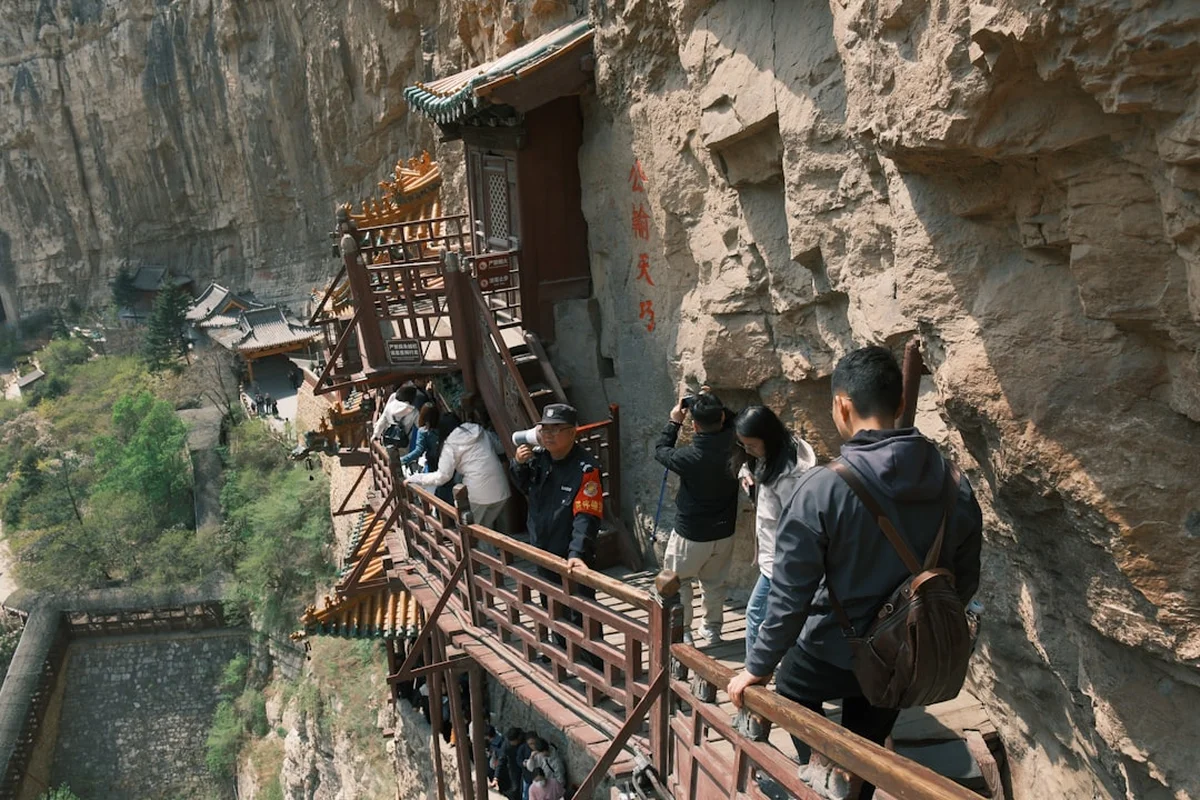
Tiger Leaping Gorge (Hutiao Xia) is a contender for the title of the world’s deepest river canyon, a geological marvel carved by the relentless force of the Jinsha River—the primary headwater of the mighty Yangtze. Located in the Yunnan province of Southwest China, this 22-kilometre-long chasm is flanked by two of the region's most iconic massifs: the Jade Dragon Snow Mountain (Yulong Xue Shan) to the east, peaking at 5,596 metres, and the Haba Snow Mountain (Haba Xue Shan) to the west, rising to 5,396 metres. The vertical drop from the mountain summits to the churning river below exceeds 3,700 metres, creating a landscape of staggering verticality and raw power. The "High Trail" offers a challenging multi-day trek that traverses the upper reaches of the gorge, providing walkers with a bird's-eye view of the white-water rapids and the sheer limestone cliffs that define this UNESCO World Heritage site. This is not merely a hike; it is a passage through the heart of Naxi culture, a test of physical endurance on the infamous "28 Bends," and a front-row seat to one of nature's most dramatic displays of erosion and tectonic force.
- Distance: 22.0 km (High Trail)
- Duration: 2 days / 1 night
- Season: October to May (dry season is optimal for safety and visibility)
- Accommodation: Local Naxi guesthouses (Naxi Family, Tea Horse, Halfway, Tina's)
- Highest point: Top of the 28 Bends (approx. 2,670 m)
- Elevation Gain: 1,600 m total ascent
- Difficulty: Challenging (steep ascents, narrow paths, and significant vertical exposure)
Overview
The Tiger Leaping Gorge experience is defined by its dramatic scale and the stark contrast between the tranquil alpine villages and the violent energy of the Jinsha River. The gorge is divided into three distinct sections: the Upper, Middle, and Lower Gorge. While a paved road (the "Low Road") runs along the riverbank for tour buses, the "High Trail" is the domain of the trekker. This trail winds along the Haba Snow Mountain side of the canyon, offering a perspective that the road-bound tourists never see. The path is often narrow, etched into the side of cliffs, and requires a steady head for heights, particularly in sections where the mountain drops away precipitously toward the river hundreds of metres below.
The trek typically begins in the town of Qiaotou and concludes at Tina’s Guesthouse in the Middle Gorge. Along the way, the landscape shifts from terraced farmland and pine forests to rugged limestone crags and cascading waterfalls. The geological history of the gorge is visible in every fold of the rock; the area is part of the Three Parallel Rivers of Yunnan Protected Areas, where the Yangtze, Mekong, and Salween rivers run nearly parallel through deep mountain trenches. The sheer walls of the gorge are a testament to the tectonic uplift of the Tibetan Plateau and the erosive power of the river, which narrows to just 30 metres at its tightest point—the legendary spot where a tiger is said to have leaped across the water to escape a hunter.
For the modern walker, the gorge offers a unique blend of wilderness and hospitality. The Naxi people, an ethnic minority with a rich history and a unique pictographic script (Dongba), have inhabited these mountains for centuries. The guesthouses along the High Trail are more than just places to sleep; they are cultural hubs where trekkers from around the world share stories over yak butter tea and Naxi pancakes. The rhythm of the trek is dictated by the sun and the terrain, with the first day focusing on the arduous climb out of the valley and the second day offering a spectacular traverse across the cliff faces before descending back to the river's edge.
History and Cultural Context
The history of Tiger Leaping Gorge is inextricably linked to the Ancient Tea Horse Road (Chamadao), a network of caravan paths that once connected the tea-growing regions of Yunnan and Sichuan with the high-altitude markets of Tibet and India. For over a thousand years, mule trains laden with compressed tea bricks traversed these treacherous mountain passes, returning with sturdy Tibetan horses. While the main branch of the Tea Horse Road passed through nearby Lijiang and Shangri-La, the gorge served as a vital, albeit dangerous, corridor for local trade and movement between the Naxi and Tibetan cultural spheres.
The Naxi people are the traditional custodians of this land. Their culture is a fascinating blend of indigenous beliefs, Tibetan Buddhism, and Han Chinese influences. Central to Naxi identity is the Dongba religion, which is led by shamans and utilises the only living pictographic writing system in the world. Many of the villages you pass through, such as Nuoyu and Yacha, have been home to Naxi families for generations, their lives traditionally revolving around high-altitude agriculture—growing maize, wheat, and walnuts—and animal husbandry. The arrival of international trekkers in the 1980s and 90s transformed the local economy, leading to the establishment of the guesthouses that now provide the infrastructure for the High Trail.
The name "Tiger Leaping Gorge" (Hutiao Xia) stems from a local legend. It is said that a tiger, pursued by a hunter, reached the narrowest point of the Jinsha River. With a single, Herculean leap, the tiger cleared the 30-metre gap, landing on a massive boulder in the centre of the rapids (now known as Tiger Leaping Rock) and then jumping to the safety of the opposite bank. This story is immortalised in statues and folklore throughout the region, symbolising the wild and untameable spirit of the canyon. Today, the gorge is a protected area, recognised by UNESCO for its outstanding natural beauty and its importance as a sanctuary for rare flora and fauna, including the elusive snow leopard and the Yunnan snub-nosed monkey, which inhabit the higher, more remote reaches of the surrounding mountains.
Want more background? Read extended notes on history and cultural context → Learn more
Seasonal Highlights and Weather Reality
The climate in Tiger Leaping Gorge is influenced by its high altitude and the seasonal monsoon patterns of Southwest China. Choosing the right time to visit is crucial for both safety and the quality of the views.
Dry Season (October to May): This is the most popular and safest time to trek. From October to December, the skies are typically crystal clear, offering the best views of the snow-capped peaks of Jade Dragon Snow Mountain. The air is crisp, and the risk of landslides is at its lowest. Winter (January to February) can be cold, with temperatures dropping below freezing at night, but the days are often sunny and pleasant for walking. Spring (March to May) sees the blooming of wild rhododendrons and azaleas along the trail, adding vibrant splashes of colour to the limestone landscape.
Wet Season (June to September): This period coincides with the East Asian Monsoon. While the gorge is lush and the waterfalls are at their most spectacular, trekking during the wet season carries significant risks. Heavy rain can trigger landslides and rockfalls, which frequently block both the High Trail and the Low Road. The "28 Bends" can become dangerously slippery, and clouds often obscure the mountain views. If you choose to trek during this time, you must be prepared for sudden trail closures and exercise extreme caution. The Jinsha River, however, is at its most ferocious during these months, with the water volume increasing dramatically, creating a deafening roar that echoes through the canyon.
Weather Reality: Regardless of the season, weather in the gorge can be unpredictable. Mountain microclimates mean that a sunny morning in Qiaotou can turn into a windy, overcast afternoon on the High Trail. Wind is a constant factor, especially in the afternoons, when gusts can be strong enough to buffet walkers on exposed sections of the path. Always check local forecasts in Lijiang or Shangri-La before setting out, and be prepared for rapid temperature shifts as you move between sun and shade.
Recommended Itinerary
2-Day Tiger Leaping Gorge High Trail Itinerary
Day 1: Qiaotou to Halfway Guesthouse
- Distance: 14 km
- Elevation gain: 1,100 m
- Time: 6–8 hours
- Start at the Qiaotou checkpoint (purchase entrance ticket)
- Initial climb on a paved road before transitioning to the dirt High Trail
- Pass through Naxi Family Guesthouse (ideal for an early lunch)
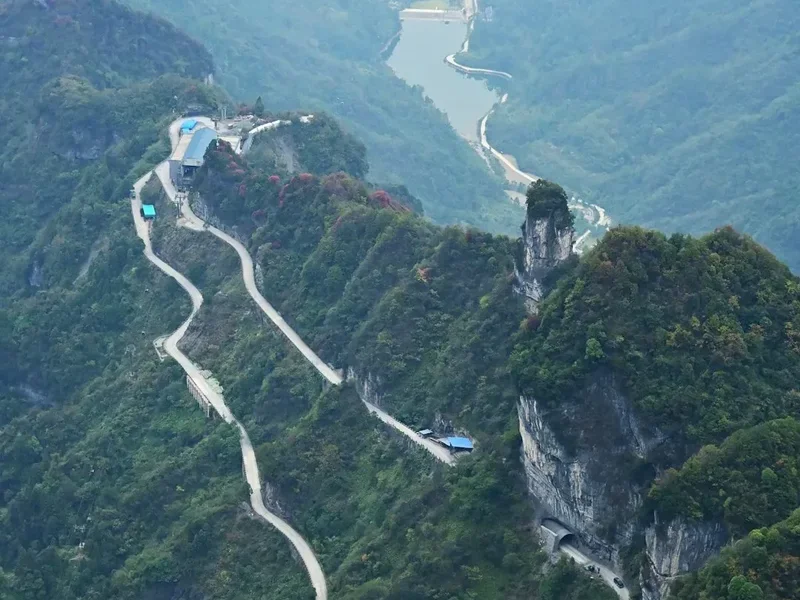
- Conquer the "28 Bends"—a series of steep, demanding switchbacks that gain significant elevation
- Reach the summit of the bends (2,670 m) for panoramic views of the Upper Gorge
- Follow the undulating trail through pine forests and past local homesteads
- Pass Tea Horse Guesthouse (another popular rest or overnight spot)
- Continue along the cliffside path with spectacular views of Jade Dragon Snow Mountain across the river
- Arrive at Halfway Guesthouse, famous for its "Toilet with a View" and large terrace overlooking the peaks
- Evening spent watching the sunset light up the granite faces of the mountains
Day 2: Halfway Guesthouse to Tina's and Middle Gorge
- Distance: 8 km (plus optional 3–4 km for Middle Gorge descent)
- Elevation: 500 m descent (plus 300 m descent/ascent for river access)
- Time: 4–6 hours
- Depart Halfway Guesthouse on a relatively flat trail etched into the cliffside
- Pass through several small waterfalls that cascade over the trail (can be slippery)
- Navigate the "Guanyin Waterfall" section, where the path narrows significantly
- Begin the long, steep descent toward the Middle Gorge
- Arrive at Tina’s Guesthouse, the primary transport hub for the trek
- OPTIONAL: Descend from Tina's to the river's edge (Middle Tiger Leaping Gorge)
- Choose between the "Teacher Zhang’s Path" or the "Sky Ladder" for the descent to the river
- Stand beside the roaring Jinsha River and the Middle Tiger Leaping Rock
- Climb back up to the road (approx. 1–1.5 hours of strenuous ascent)
- Catch the afternoon bus (usually 3:30 PM) from Tina's to Lijiang or Shangri-La
Important Notes:
- The "28 Bends" are the most physically taxing part of the trek; pace yourself and stay hydrated
- Luggage can be sent ahead from Qiaotou to Tina's Guesthouse via van for a small fee
- The descent to the river from Tina's is optional and requires an additional local fee (paid to the families who maintain the paths)
- Trail conditions can change rapidly after rain; always ask guesthouse owners for the latest updates
- The path is well-marked with yellow paint and signs, but basic navigation skills are required
Planning and Bookings
Book Your Trip
Everything you need to plan your journey
Accommodation
Find places to stay near Lijiang
Flights
Search flights to Lijiang
Essential Preparation
Trekking Tiger Leaping Gorge requires a moderate to high level of fitness, primarily due to the steepness of the initial ascent and the uneven nature of the trail. While the total distance is relatively short (22 km), the elevation gain and the technicality of the path make it more strenuous than a typical valley walk. Preparation should focus on cardiovascular endurance and leg strength. If you are not accustomed to hiking with a pack, consider using the luggage transport service available at the trailhead.
Lijiang is the most common base for the trek. It is a major tourist hub with an international airport and high-speed rail connections. Most trekkers leave their main luggage at their hostel or hotel in Lijiang and take only a small daypack for the two-day trek. From Lijiang, buses depart daily from the main bus station to Qiaotou (the start of the gorge). The journey takes approximately 2 to 3 hours. Alternatively, private cars can be arranged. It is essential to carry enough Chinese Yuan (CNY) in cash, as many guesthouses in the gorge do not accept international credit cards, and mobile payment (WeChat/Alipay) can be spotty due to signal issues.
Trail Accommodation
Accommodation in Tiger Leaping Gorge consists of privately-run guesthouses. These are generally simple but comfortable, offering a mix of private rooms with en-suite bathrooms and cheaper dormitory beds. Most guesthouses have on-site restaurants serving a variety of Naxi, Chinese, and Western dishes.
Key Guesthouses:
- Naxi Family Guesthouse: Located about 2 hours from Qiaotou. A traditional courtyard house with a friendly atmosphere. Excellent for lunch or a first-night stop if starting late.
- Tea Horse Guesthouse: Situated after the 28 Bends. Offers great views and is a popular alternative to Halfway Guesthouse for those who want a quieter stay.
- Halfway Guesthouse: The most famous stop on the trail. Known for its massive balcony and spectacular views of the Jade Dragon Snow Mountain. Facilities are basic but the location is unbeatable.
- Tina’s Guesthouse: Located at the end of the High Trail on the Low Road. This is the main hub for buses and the starting point for the descent to the Middle Gorge.
Facilities Provided:
- Electric blankets (essential in winter)
- Hot showers (usually solar-powered, so best taken in the afternoon)
- WiFi (available in common areas, though often slow)
- Bottled water and snacks for purchase
- Basic toiletries (sometimes provided, but better to bring your own)
Booking Requirements: During peak season (October and May), it is advisable to book a day or two in advance via phone or Chinese booking apps (like Trip.com), though walk-ins are often accommodated. Costs range from 40–60 CNY for a dorm bed to 150–300 CNY for a private room.
Required Gear
- Hiking boots: Sturdy boots with good ankle support and grip are essential. The trail is rocky, and the descent to the river is very steep.
- Rain shell: A lightweight, breathable waterproof jacket (Gore-Tex or similar) for sudden mountain showers.
- Insulating layers: A fleece or down jacket, especially for the evenings and early mornings when temperatures drop.
- Sun protection: A wide-brimmed hat, high-SPF sunscreen, and sunglasses. The UV radiation at this altitude is intense.
- Daypack: A 20–30L pack is sufficient if you are sending your main luggage ahead.
- Trekking poles: Highly recommended for the 28 Bends and the steep descent to Tina's to save your knees.
- Head torch: Essential for navigating guesthouses at night or if you are delayed on the trail.
What to Bring
- Cash (CNY): Bring more than you think you need for guesthouses, meals, and the various small fees for river access.
- Water treatment: While bottled water is available, a reusable bottle with a filter (like a LifeStraw or Sawyer Squeeze) is more environmentally friendly.
- Snacks: Energy bars, nuts, and dried fruit. While guesthouses sell food, having your own supplies for the 28 Bends is helpful.
- Personal First Aid: Blister pads (Compeed), ibuprofen, rehydration salts, and any personal medications.
- Toiletries: Toothbrush, biodegradable soap, and a quick-dry travel towel.
- Power bank: To keep your phone and camera charged, as power outages can occur in the gorge.
- Toilet paper: Most guesthouses provide it, but it is always wise to have a backup roll.
Permits
Unlike many high-altitude treks in China, Tiger Leaping Gorge does not require a specific trekking permit for international visitors. However, you must pay an entrance fee to the Tiger Leaping Gorge Scenic Area. This is done at the ticket office in Qiaotou before you begin the trek.
Entrance Fee Details:
- Standard Adult Ticket: 45–65 CNY (prices can fluctuate seasonally).
- Student Discount: 50% off with a valid International Student Identity Card (ISIC).
- The ticket is valid for the duration of your stay in the gorge. Keep it safe, as you may be asked to show it at various checkpoints or when entering the river access paths.
Additional Local Fees:
- The paths leading from the Low Road down to the river in the Middle Gorge (such as Teacher Zhang’s Path and the Sky Ladder) are maintained by local Naxi families. They charge a small maintenance fee, usually 10–15 CNY per person, to use these trails. These fees are separate from the main entrance ticket and must be paid in cash directly to the families.
- If you choose to use the "Sky Ladder" (a near-vertical ladder bolted to the cliff face), there may be an additional small charge.
Logistics and Transport:
- Buses: Daily buses run from Lijiang Bus Station to Qiaotou starting around 8:00 AM. You can also catch buses heading toward Shangri-La and ask to be dropped off at Qiaotou.
- Return Transport: From Tina’s Guesthouse, buses depart for Lijiang and Shangri-La at approximately 3:30 PM daily. It is highly recommended to book your seat on this bus as soon as you arrive at Tina's (or even the day before via your guesthouse) as they fill up quickly.
- Luggage Service: For approximately 50 CNY per bag, you can have your large luggage transported from the Qiaotou ticket office to Tina’s Guesthouse, allowing you to trek with only a light daypack.
Other Activities in the Area
The region surrounding Tiger Leaping Gorge is rich in cultural and natural attractions. Consider these additions to your itinerary:
- Lijiang Old Town (Dayan): A UNESCO World Heritage site famous for its ancient cobblestone streets, canals, and traditional Naxi architecture. While very touristy, the Black Dragon Pool offers iconic views of Jade Dragon Snow Mountain.
- Jade Dragon Snow Mountain: For those who want to get even higher, a cable car takes visitors to a glacier park at 4,506 metres. The "Impression Lijiang" outdoor performance, directed by Zhang Yimou, is also held at the base of the mountain.
- Baisha Village: A quieter alternative to Lijiang, Baisha is known for its ancient murals and traditional Naxi embroidery schools. It offers a more authentic glimpse into local life.
- Shangri-La (Zhongdian): Located a few hours north of the gorge, this Tibetan town features the massive Songzanlin Monastery (often called the "Little Potala Palace") and the stunning Pudacuo National Park.
- Shaxi Ancient Town: A well-preserved stop on the Tea Horse Road located between Lijiang and Dali. It is much quieter than Lijiang and offers a peaceful atmosphere and beautiful Friday market.
- First Bend of the Yangtze: Located near the town of Shigu, this is where the Yangtze River makes a dramatic 180-degree turn. It is a site of great historical and geographical significance.
Safety and Conditions
Pre-Departure Checks:
- Check the weather forecast specifically for the Lijiang/Hutiao Xia region. Avoid trekking if heavy rain is predicted.
- Inform your hostel or hotel in Lijiang of your trekking plans and expected return date.
- Ensure your travel insurance covers trekking at altitudes up to 3,000 metres and includes emergency evacuation.
- Verify that the trail is open; local authorities may close the High Trail during periods of extreme weather or after significant landslides.
Terrain Hazards: The High Trail is generally well-maintained but features several sections with significant exposure. The path can be narrow, with a sheer drop on one side. Walkers with a severe fear of heights may find these sections challenging. Loose scree and gravel are common, especially on the descent to Tina's, making slips a genuine risk. The "28 Bends" are physically exhausting; heat exhaustion and dehydration are risks during the warmer months. Take frequent breaks and carry at least 2 litres of water.
Landslides and Rockfalls: This is the primary safety concern in Tiger Leaping Gorge. The steep limestone walls are geologically active, and heavy rain can easily dislodge rocks. If you see or hear falling rocks, move quickly to a sheltered area if possible, or move away from the cliff face. Do not attempt the trek during or immediately after heavy monsoon rains.
Altitude: While the trek does not reach the extreme altitudes of the Tibetan Plateau, the highest point is around 2,670 metres. Most people will not experience altitude sickness, but you may feel short of breath more easily. If you are coming directly from sea level, spending a day or two in Lijiang (2,400 m) to acclimatise is a good idea.
Animals: You will likely encounter mules and goats on the trail. Always stand on the "mountain side" of the trail (away from the cliff edge) when letting animals pass to avoid being accidentally bumped off the path.
Side Trips and Points of Interest
The 28 Bends: While technically part of the main trail, this section is a landmark in its own right. These switchbacks are the ultimate test of a trekker's resolve. Local Naxi women often wait at the bottom with horses, offering rides to exhausted hikers for a fee. Reaching the summit provides a profound sense of achievement and the first truly expansive view of the entire Upper Gorge.
The Middle Gorge Descent: From Tina’s Guesthouse, the descent to the river is highly recommended for those with remaining energy. This is where you truly feel the power of the Jinsha River. The "Sky Ladder" is a famous feature here—a series of vertical metal ladders that provide a shortcut back up the cliff. It is not for the faint-hearted, but it is a memorable experience. The "Middle Tiger Leaping Rock" in the centre of the river is a fantastic spot for photography, surrounded by crashing white water.
Walnut Garden: Located further down the road from Tina's, this village is nestled among ancient walnut groves. It is a quieter alternative to the busier guesthouses and offers several beautiful walks through the lower reaches of the gorge. Sean’s Guesthouse is a legendary establishment here, run by one of the original pioneers of trekking in the gorge.
Guanyin Waterfall: On the second day of the High Trail, you will pass several waterfalls. The Guanyin Waterfall is particularly beautiful, with water veiling the trail. In the wet season, you may get a light spray as you pass, which is refreshing in the heat but requires careful footing on the wet rocks.
Leave No Trace
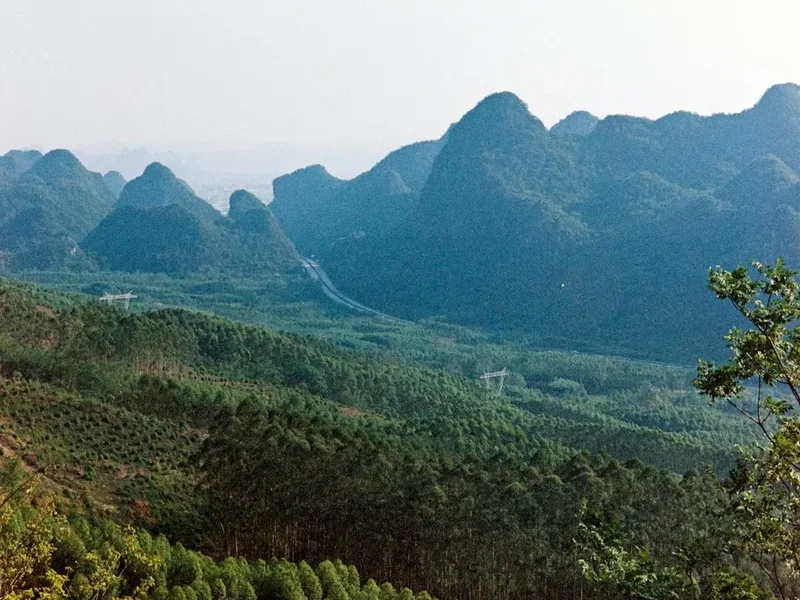
Tiger Leaping Gorge is a fragile ecosystem under increasing pressure from tourism. As a trekker, it is your responsibility to minimise your impact on this spectacular landscape and respect the local communities that call it home.
Leave No Trace Principles:
- Pack it in, pack it out: There is no formal waste management system on the High Trail. Carry all your rubbish, including fruit peels and cigarette butts, back to the guesthouses or, better yet, back to Lijiang.
- Stay on the trail: Cutting switchbacks causes erosion and damages the fragile mountain soil. Stick to the established path marked with yellow paint.
- Respect local culture: Ask permission before taking photos of local people or their homes. Remember that you are walking through working farmland and private property.
- Conserve water: Water is a precious resource in the mountains. Keep showers short and avoid using excessive amounts of soap or shampoo, especially near natural water sources.
- Do not feed wildlife: Feeding animals disrupts their natural diet and can make them aggressive toward humans.
- Minimise noise: Let the sounds of the river and the wind dominate. Avoid playing loud music, which can disturb both wildlife and other trekkers seeking solitude.
By following these principles, you help ensure that Tiger Leaping Gorge remains a pristine and majestic destination for future generations of walkers and a sustainable home for the Naxi people.