
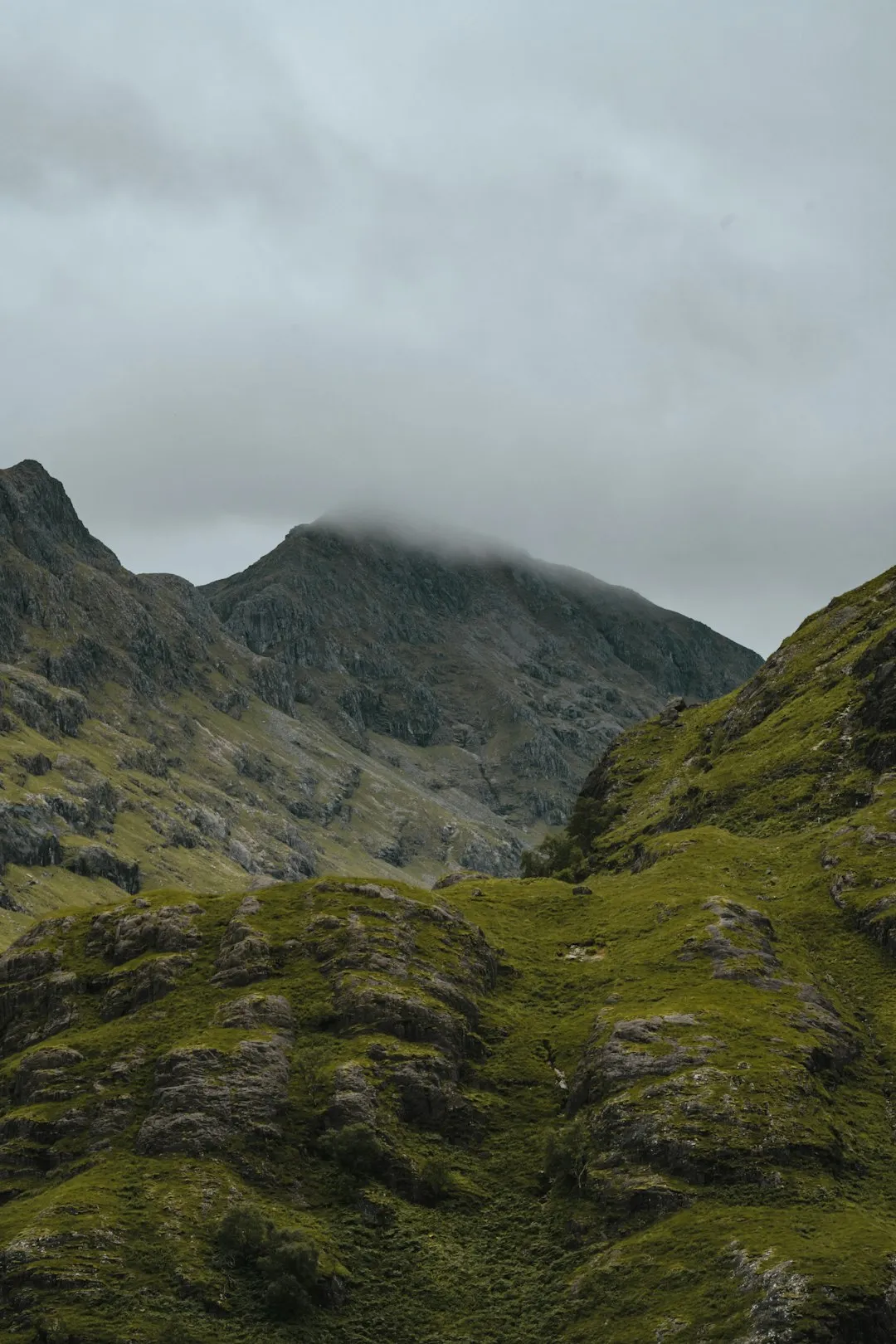
The Three Peaks Challenge
The Three Peaks Challenge is a gruelling, single-day endurance event that tests the mettle of even the most seasoned hikers and runners. This iconic Scottish challenge involves summiting three of Scotland's most formidable mountains: Ben Nevis, the UK's highest peak; Ben Macdui, the second highest; and Cairn Gorm, the third highest. The route is not a marked trail in the conventional sense but a demanding traverse across rugged, often pathless, mountain terrain. It requires exceptional fitness, advanced navigation skills, and a deep understanding of mountain weather, which can change with alarming speed in the Cairngorms. This is a true test of human endurance, pushing participants to their physical and mental limits within a 24-hour timeframe.
- Distance: 42.0 km
- Elevation Gain: 3,000 m
- Duration: 24 hours (target)
- Season: April–October (best conditions)
- Difficulty: Very Challenging
- Start/End: Near Glen Nevis (Ben Nevis)
- Closest City: Fort William
Overview
The Three Peaks Challenge is a formidable undertaking, often completed as a race or a personal endurance test. The route typically begins with the ascent of Ben Nevis from Glen Nevis, followed by a descent and traverse across the desolate, boulder-strewn plateau to reach Ben Macdui. The journey then continues across the high plateau to Cairn Gorm, before a final descent back towards the Aviemore area or a pre-arranged pickup point. The terrain is unforgiving, featuring vast expanses of rough moorland, scree slopes, boggy sections, and exposed ridges. Navigation is paramount, especially in poor visibility, where the featureless plateau can become disorienting and dangerous.
The sheer scale of the elevation gain (3,000 metres) over such a distance is significant, comparable to climbing Mont Blanc multiple times. Participants must contend with the psychological challenge of sustained effort, the physical toll of constant ascents and descents, and the ever-present threat of adverse weather. The Cairngorms are notorious for their harsh conditions, including high winds, driving rain, fog, and even snow, regardless of the season. The challenge is not merely about covering the distance but about maintaining a pace and managing resources effectively to complete the route within the tight 24-hour window.
This challenge is a true test of mountaincraft. It demands not only physical stamina but also mental fortitude, strategic planning, and the ability to make critical decisions under pressure. The reward for those who succeed is immense: the satisfaction of conquering three of Scotland's most iconic mountains and the profound sense of accomplishment that comes from pushing personal boundaries.
History and Cultural Context
The concept of linking Scotland's highest peaks for an endurance challenge has evolved over decades, driven by the spirit of adventure and the desire to test human limits against the grandeur of the Scottish Highlands. While not a single, officially established historical route like some long-distance paths, the Three Peaks Challenge has become a recognised feat of endurance, particularly within the fell running and mountain marathon communities.
The individual mountains themselves have a rich history. Ben Nevis, standing sentinel over Fort William, has been a focal point for climbers and tourists for over a century. Its summit plateau, once home to an observatory, offers panoramic views on clear days. Ben Macdui, the highest point in the Cairngorms National Park, is a vast, remote mountain with a desolate, almost lunar landscape on its summit plateau. Its name is thought to derive from the Gaelic 'Beinn a' Mhaigh Duibh', meaning 'Mountain of the Black Plain'. Cairn Gorm, the third highest, is also a significant peak, known for its ski resort and its distinctive summit plateau, which can be a challenging environment in itself.
The challenge as a multi-peak, single-day event gained traction as organised mountain races and endurance events became more popular. Early iterations likely involved informal challenges between friends and local athletes. Over time, the route has become more defined, with participants often using established paths for the initial ascent of Ben Nevis and the final descent from Cairn Gorm, but the traverse between the peaks often involves navigating across open, pathless moorland. The challenge embodies the spirit of Scottish hillwalking and fell running – a pursuit that respects the wildness of the landscape and demands self-reliance and skill.
Seasonal Highlights and Weather Reality
The optimal period for undertaking the Three Peaks Challenge is generally from April to October. During these months, daylight hours are longer, and the likelihood of encountering deep snow and ice on the higher sections is reduced, although not entirely eliminated, particularly in early spring and late autumn.
Spring (April–May): Offers longer daylight hours, and the landscape begins to awaken. However, snow can still linger on the higher slopes of Ben Nevis and Cairn Gorm, and the plateau between Ben Nevis and Ben Macdui can hold snow patches, making navigation more challenging. Temperatures can still be low, and the weather can be highly unpredictable, with a significant risk of wind, rain, and even sleet.
Summer (June–August): Provides the longest daylight hours, which is a significant advantage for a 24-hour challenge. The weather is generally milder, but Fiordland's notorious rainfall is still a constant threat. Midges and other biting insects can be a significant nuisance, particularly in the glens and lower-lying areas, and even on the higher plateaus during calm, humid conditions. The terrain can be boggy after prolonged wet spells.
Autumn (September–October): Can offer spectacular colours in the glens and crisp, clear days. However, daylight hours begin to shorten, and the risk of early winter conditions, including snow, ice, and severe gales, increases significantly. The weather becomes more volatile, and temperatures drop considerably, especially at night and on the exposed summits.
Winter (November–March): The Three Peaks Challenge is generally not undertaken during winter months due to extreme weather conditions, deep snow, ice, avalanche risk, and very short daylight hours. Attempting the route in winter requires advanced winter mountaineering skills, specialised equipment (ice axe, crampons), and a thorough understanding of avalanche hazards. It is considered an entirely different and significantly more dangerous undertaking.
Weather Reality: Regardless of the season, participants must be prepared for all conditions. The mountain weather in Scotland is notoriously fickle. High winds can make walking extremely difficult and dangerous, especially on exposed ridges. Heavy rain can lead to rapid temperature drops and hypothermia. Fog can descend rapidly, reducing visibility to mere metres and making navigation extremely challenging. The plateau between the peaks is particularly exposed and can feel like a different climate zone entirely.
Recommended Itinerary
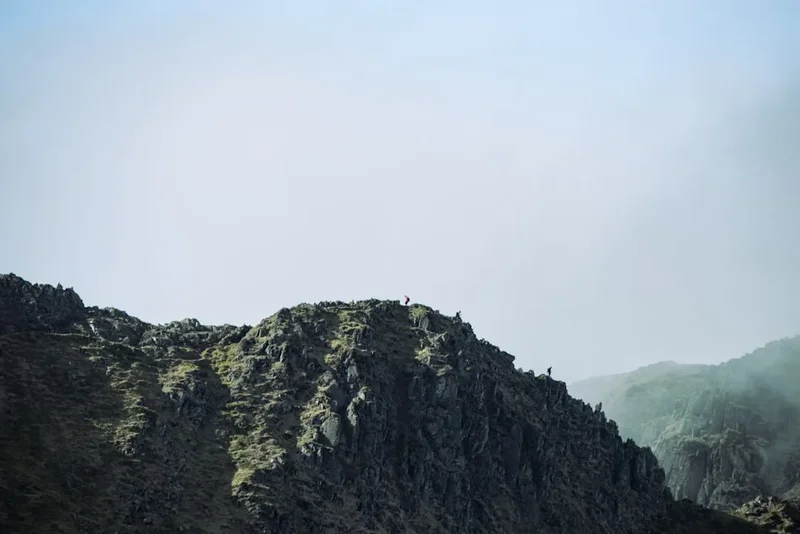
The Three Peaks Challenge: A Sample Itinerary (24-Hour Target)
Phase 1: Ben Nevis Ascent and Descent
- Early Morning (e.g., 06:00): Start from the Glen Nevis Visitor Centre or a designated parking area. Begin ascent of Ben Nevis via the Mountain Path (Pony Track).
- Morning (e.g., 09:00–10:00): Reach the summit of Ben Nevis (1,345 m). Take a brief break for photos and to check conditions.
- Late Morning (e.g., 10:00–13:00): Descend Ben Nevis via the Mountain Path. Aim for an efficient descent to conserve energy.
- Midday (e.g., 13:00): Arrive back at the base. Quick refuel and rehydration. Prepare for the traverse to Ben Macdui.
Phase 2: Traverse to Ben Macdui
- Afternoon (e.g., 13:00–18:00): This is the most challenging navigation section. The route typically heads east/north-east across the high plateau.
- Key Waypoints: This section is largely pathless and requires careful navigation using map, compass, and GPS. Potential landmarks or checkpoints might include the Allt a' Mhuilinn, the northern slopes of Carn Mor Dearg, and the vast, boulder-strewn plateau of the Cairngorms.
- Late Afternoon/Early Evening (e.g., 18:00–20:00): Reach the summit of Ben Macdui (1,309 m). This is a significant achievement, often marked by a cairn.
Phase 3: Traverse to Cairn Gorm
- Evening (e.g., 20:00–23:00): Continue the traverse across the Cairngorm plateau towards Cairn Gorm. This section can be particularly disorienting in low light or fog.
- Key Waypoints: Navigation is critical. The route may pass near Lochan Uaine or follow contours to avoid boggy ground.
- Late Evening/Night (e.g., 23:00–01:00): Reach the summit of Cairn Gorm (1,245 m).
Phase 4: Descent from Cairn Gorm
- Night (e.g., 01:00–04:00): Descend Cairn Gorm. The most common descent route is towards the ski centre car park or a pre-arranged pickup point. This descent can be steep and rocky.
- Early Morning (e.g., 04:00–06:00): Complete the challenge, reaching the designated finish point.
Important Considerations:
- This itinerary is a guideline; actual timings will vary significantly based on fitness, weather, and navigation success.
- Support crews are essential for this challenge, providing food, water, and navigation assistance at key points.
- The traverse sections between peaks are often the most time-consuming and technically demanding.
- Night navigation skills are crucial for completing the challenge within 24 hours.
- Always check the weather forecast and be prepared to turn back if conditions deteriorate.
Planning and Bookings
Book Your Trip
Everything you need to plan your journey
Accommodation
Find places to stay near Fort William
Flights
Search flights to Fort William
Essential Preparation
The Three Peaks Challenge is an extreme endurance event that requires meticulous planning and preparation. Physical fitness is paramount; participants should have a solid base of cardiovascular fitness and experience in long-distance hiking or running, ideally in mountainous terrain. Training should include back-to-back long days, hill repeats, and carrying a weighted pack to simulate race conditions. Navigation skills are non-negotiable. Participants must be proficient in map reading, compass use, and GPS device operation, especially in poor visibility. Familiarity with the terrain, particularly the pathless sections of the Cairngorms plateau, is highly recommended. Pre-event reconnaissance of key sections can be invaluable. Logistics are complex: arranging transport to the start, a support crew for the duration of the challenge, and transport from the finish is critical. The support crew plays a vital role in providing sustenance, morale, and potentially navigation assistance. Fort William is the primary base town for Ben Nevis, offering a range of accommodation, gear shops, and amenities. Aviemore is the closest major town to the Cairngorms, serving as a hub for Ben Macdui and Cairn Gorm, with extensive facilities.
Trail Accommodation
This is a day hike requiring no overnight accommodation.
Required Gear
- Footwear: Sturdy, waterproof hiking boots with good ankle support, well broken-in. Trail running shoes may be suitable for experienced runners with excellent ankle strength and if conditions are dry and well-trodden.
- Clothing: Layering system is essential.
- Base layers (merino wool or synthetic)
- Mid-layers (fleece or insulated jacket)
- Waterproof and windproof outer shell (jacket and trousers with taped seams)
- Warm hat and gloves (even in summer)
- Spare warm layers
- Navigation:
- Map of the area (Ordnance Survey Landranger or Explorer series)
- Compass
- GPS device or smartphone with reliable GPS and mapping app (e.g., OS Maps, ViewRanger) with pre-downloaded maps
- Power bank for electronic devices
- Safety Gear:
- First aid kit (comprehensive, including blister treatment, pain relief, bandages, antiseptic wipes)
- Head torch with spare batteries (essential for night navigation)
- Emergency shelter (e.g., bivy bag or emergency blanket)
- Whistle
- Mobile phone (note that signal is unreliable in many areas)
- Personal Locator Beacon (PLB) or satellite messenger is highly recommended
- Other Essentials:
- Backpack (30-50 litre capacity) with rain cover
- Trekking poles (highly recommended for ascents and descents)
What to Bring
- Food: High-energy, easily digestible food for the entire duration. This includes:
- Energy bars and gels
- Dried fruit and nuts
- Sandwiches or wraps
- Sweets for quick sugar boosts
- Electrolyte drinks or tablets
- Hot drinks in a thermos (optional, but can be morale-boosting)
- Water: Sufficient water carrying capacity (e.g., hydration bladder or bottles). Water sources are available on the route, but purification (filter or tablets) is essential.
- Toiletries:
- Sunscreen (SPF 30+)
- Lip balm with SPF
- Small towel
- Hand sanitiser
- Any personal medications
- Miscellaneous:
- Sunglasses
- Camera (optional)
- Duct tape (for gear repairs)
- Small amount of cash for emergencies
Permits
For the Three Peaks Challenge itself, there are no specific permits required to hike the mountains. The routes traverse public land, primarily within the Cairngorms National Park and on land managed by Forestry and Land Scotland or private estates. However, it is crucial to be aware of any local regulations or access restrictions that may apply, particularly if using specific start or finish points or if traversing private land. Always respect the countryside code and any signage.
Important Considerations:
- National Park Regulations: While no specific hiking permit is needed, visitors are expected to adhere to the principles of the Scottish Outdoor Access Code, which grants responsible access to most land.
- Event Organisers: If participating in an organised event or race, the organisers will handle any necessary permissions or notifications with landowners or relevant authorities.
- Wild Camping: If planning to camp overnight (which is not part of the standard 24-hour challenge), wild camping is permitted in Scotland under the Scottish Outdoor Access Code, but with specific responsibilities. Campers must leave no trace, avoid disturbing wildlife or livestock, and camp away from roads and buildings. However, for the 24-hour challenge, overnight camping is not part of the itinerary.
- Parking: Parking at popular trailheads, such as the Ben Nevis Visitor Centre or the Cairngorm Mountain ski centre, may be subject to charges or have limited capacity. Arrive early or consider alternative arrangements.
Other Activities in the Area
The areas surrounding the Three Peaks Challenge offer a wealth of activities for those looking to extend their stay or recover after their epic undertaking:
- Fort William: Explore the "Outdoor Capital of the UK." Visit the West Highland Museum, take a scenic steam train journey on the Jacobite Steam Train (famous as the "Hogwarts Express"), or enjoy local pubs and restaurants.
- Nevis Range Mountain Resort: Accessible via a gondola from near Fort William, offering stunning views and walking trails.
- Glencoe: A short drive south of Fort William, Glencoe is a valley of dramatic beauty, steeped in history, with numerous walking and climbing opportunities.
- Aviemore: A bustling hub for outdoor activities in the Cairngorms. Options include:
- Cairngorms National Park: Numerous walking trails for all abilities, from gentle forest walks to more challenging mountain routes.
- Loch Morlich: A beautiful freshwater loch with a sandy beach, offering watersports and scenic walks.
- Rothiemurchus Estate: Offers a wide range of outdoor activities including cycling, archery, and wildlife watching.
- Highland Wildlife Park: See native Scottish wildlife and endangered animals from around the world.
- Whisky Distilleries: The Speyside region, not far from Aviemore, is world-renowned for its whisky distilleries, offering tours and tastings.
Safety and Conditions
Pre-Departure Checks:
- Weather Forecast: Always check the most up-to-date mountain weather forecast for Ben Nevis and the Cairngorms (e.g., Met Office Mountain Forecast, MWIS). Be prepared for rapid changes and severe conditions.
- Route Planning: Thoroughly plan your route, including potential bail-out points and emergency contact information. Share your plan with a reliable contact who will raise the alarm if you do not check in.
- Equipment Check: Ensure all gear is in good working order, especially navigation equipment and waterproofs.
Mountain Hazards:
- Navigation: The plateau between the peaks is vast, featureless, and can be extremely disorienting in fog, heavy rain, or snow. Poor navigation is a leading cause of incidents.
- Weather: Conditions can change rapidly. Hypothermia is a serious risk, even in summer, due to wind chill, rain, and exertion. High winds can make walking difficult and dangerous.
- Terrain: The ground is often rough, boggy, and rocky. Scree slopes can be unstable.
- Water Crossings: Rivers and burns can become swollen and dangerous after heavy rain.
- Daylight Hours: In winter, daylight is very limited, making night navigation essential and increasing the risk of getting caught out after dark.
Emergency Procedures:
- Contacting Emergency Services: In the UK, dial 999 or 112 and ask for Police, then Mountain Rescue. Be prepared to give your exact location (grid reference if possible), the nature of the emergency, and the number of people involved.
- If Lost: Stay calm. Try to retrace your steps. If unable to do so, stay put, use your whistle (three short blasts is a common distress signal), and deploy your emergency shelter.
- If Injured: Administer first aid as best you can. Keep the casualty warm and dry. If possible, send for help or use a PLB/satellite messenger.
Support Crew Responsibilities: A well-briefed support crew is vital. They should be aware of the planned route, estimated timings, and emergency procedures. They should carry appropriate safety gear and be able to provide assistance at designated checkpoints.
Insurance: It is highly recommended to have personal accident insurance that covers mountain rescue and emergency evacuation.
Side Trips and Points of Interest
While the Three Peaks Challenge is a demanding objective in itself, the surrounding areas offer numerous points of interest and potential short side trips for those with time and energy:
Ben Nevis Summit Area:
- The Summit Cairn: The highest point in the UK, marked by a large cairn.
- The Old Observatory: The ruins of the former meteorological observatory, a historical landmark on the summit plateau.
- Views: On a clear day, the panoramic views from the summit are spectacular, stretching across the Scottish Highlands, including the Great Glen, Loch Linnhe, and the Inner Hebrides.
Cairngorms Plateau:
- The Cairngorm Plateau: The vast, exposed, and often desolate plateau itself is a point of interest, offering a unique, almost lunar landscape.
- Lochan Uaine (The Green Lochan): A short detour from a common route between Ben Macdui and Cairn Gorm, this vividly coloured lochan is a popular spot. Legend says fairies wash their clothes in it.
- The Northern Corries: The dramatic, steep-sided corries on the northern flanks of Cairn Gorm offer impressive mountain scenery and are popular with climbers and skiers.
- The Cairngorm Mountain Ski Centre: While the challenge itself might avoid the immediate vicinity of the ski infrastructure, the area is a significant landmark and offers facilities.
Glen Nevis:
- Steall Falls: A spectacular waterfall accessible via a short, but sometimes challenging, walk from the end of the road in Glen Nevis. It involves crossing a wire bridge, adding an element of adventure. This could be a worthwhile detour before or after the main challenge if time permits.
- The Nevis Gorge: The dramatic gorge carved by the River Nevis offers impressive scenery and a sense of the raw power of nature.
Between Peaks:
- Carn Mor Dearg: The adjacent peak to Ben Nevis, offering a more challenging ridge traverse (the Carn Mor Dearg Arête) for experienced mountaineers. This is a significant detour and not part of the standard Three Peaks Challenge route.
- The Lairig Ghru: A major mountain pass that runs through the heart of the Cairngorms. While not directly on the typical Three Peaks route, it is a significant geographical feature and a classic long-distance walk in its own right.
Leave No Trace
The Three Peaks Challenge takes participants through some of Scotland's most wild and beautiful landscapes, including the UK's highest mountains and the vast Cairngorms National Park. It is imperative that all participants adhere to the principles of Leave No Trace to minimise their impact on this fragile environment.
Your responsibility as a participant:
- Plan Ahead and Prepare: Understand the terrain, weather, and potential hazards. Know the Scottish Outdoor Access Code.
- Travel and Camp on Durable Surfaces: Stick to established paths where they exist. On the open plateau, walk on rock, gravel, or dry grass to avoid damaging fragile vegetation and creating new erosion paths. Avoid walking on mossy or boggy ground unless necessary.
- Dispose of Waste Properly: Pack out everything you pack in. This includes all food scraps, wrappers, tissues, and any other litter. Use designated bins at start/finish points if available, but never assume they will be empty or accessible.
- Leave What You Find: Do not disturb or remove any natural or historical features. Take only photographs, leave only footprints.
- Minimise Campfire Impacts: Campfires are generally not appropriate for a 24-hour challenge and are discouraged in the mountains due to the risk of wildfires and damage to vegetation. If camping overnight (outside the challenge), use a lightweight stove for cooking.
- Respect Wildlife: Observe wildlife from a distance. Do not feed any animals, including birds. Be aware of ground-nesting birds during breeding seasons.
- Be Considerate of Other Visitors: Keep noise levels down, especially during night sections. Yield to other walkers and runners. Be mindful of the impact your presence has on the wilderness experience of others.
The mountains are a shared resource. By practising Leave No Trace principles, you help preserve these magnificent landscapes for future generations of adventurers.
Useful Links
- Ordnance Survey Maps (Explorer & Landranger Series)
- Met Office Mountain Weather Forecast - Ben Nevis
- Mountain Weather Information Service (MWIS) - Cairngorms
- Scottish Outdoor Access Code
- Cairngorms National Park - Walking Information
- Visit Fort William & Glencoe
- Visit Scotland - Cairngorms Activities