
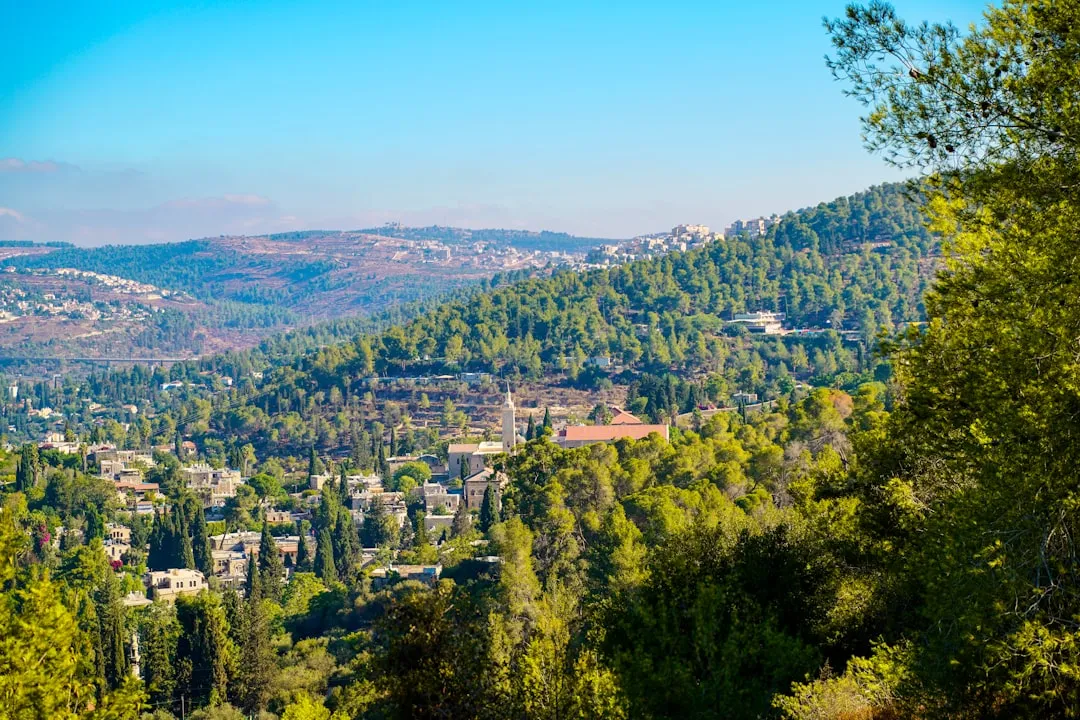
The Jesus Trail - A Journey Through the Heart of the Galilee
The Jesus Trail is a 65-kilometre pilgrimage and hiking route in the Galilee region of Israel that connects important sites from the life of Jesus with the stunning natural beauty and diverse cultural heritage of the Holy Land. Beginning in the ancient, winding alleys of Nazareth and culminating at the serene shores of the Sea of Galilee in Capernaum, this trail offers a profound physical and spiritual odyssey. Unlike traditional bus tours that whisk visitors between isolated monuments, the Jesus Trail invites walkers to experience the landscape at a human pace—traversing olive groves, limestone ridges, fertile valleys, and historic villages that have remained inhabited for millennia. It is a route that bridges the gap between ancient scripture and modern reality, providing a mosaic of encounters with Jewish, Christian, Muslim, and Druze communities along the way.
The trail is designed to be accessible yet challenging, winding through the rugged terrain of the Lower Galilee. It reaches its dramatic climax at the cliffs of Mount Arbel, offering a panoramic vista of the entire lake region before descending to the water's edge. Whether approached as a religious pilgrimage, a historical exploration, or a wilderness adventure, the Jesus Trail provides an unparalleled perspective on a region that has shaped the course of human history. The path is marked with orange stripes (sometimes with a white border) and is meticulously maintained to ensure that hikers can focus on the transformative nature of the journey rather than just the logistics of navigation. In a land often defined by its borders and divisions, the Jesus Trail stands as a testament to the shared beauty of the earth and the enduring power of a simple walk through the hills.
- Distance: 65.0 km point-to-point
- Duration: 4–6 days
- Season: October to May (avoiding the intense summer heat)
- Accommodation: Guesthouses, kibbutz hotels, and campsites
- Highest point: Mount Arbel (181 m above sea level, but with a dramatic 400 m drop to the Sea of Galilee)
- Difficulty: Moderate (requires reasonable fitness for rocky ascents and descents)
- Direction: Typically walked West to East (Nazareth to Capernaum)
Overview
The Jesus Trail is more than just a hiking path; it is a curated experience of the Galilee’s multifaceted identity. Established in 2007 by Maoz Inon, an Israeli entrepreneur, and David Landis, an American hiking specialist, the trail was envisioned as a way to promote sustainable tourism and cultural exchange. It follows a logic of "slow travel," encouraging hikers to linger in villages like Cana and Magdala, to share tea with local residents, and to contemplate the parables of the New Testament within the very environment that inspired them. The landscape is a shifting tapestry of basalt rock, lush agricultural plains, and Mediterranean scrubland, punctuated by the vibrant colours of seasonal wildflowers such as the Galilee iris and the scarlet anemone.
The route is strategically designed to include sites of immense historical and religious significance. From the Basilica of the Annunciation in Nazareth to the ruins of the 4th-century synagogue in Capernaum, the trail acts as a thread connecting the dots of the "Jesus Ministry." However, it also incorporates secular landmarks of equal fascination, such as the Roman city of Zippori (Sepphoris) with its world-renowned mosaics, and the Horns of Hattin, the site of the pivotal 1187 battle between the Crusader Kingdom of Jerusalem and the forces of Saladin. This layering of history—Biblical, Roman, Byzantine, Crusader, Ottoman, and modern—ensures that every kilometre walked is a lesson in the complexity of the Levant.
Physically, the trail presents a moderate challenge. While the total elevation gain of 1,200 metres is spread over several days, certain sections require careful footwork. The descent from the Arbel cliffs, for instance, involves using fixed metal cables and handholds, providing a touch of adrenaline to the otherwise pastoral journey. The climate plays a significant role in the experience; the Galilee is remarkably green and fertile compared to the arid south of Israel, but the sun remains a formidable presence. Walking the Jesus Trail is an exercise in endurance, mindfulness, and cultural immersion, offering a rare opportunity to step out of the modern world and into a landscape that feels both timeless and urgently alive.
History and Cultural Context
The history of the Jesus Trail is inextricably linked to the ancient routes that once crisscrossed the Roman province of Judea. During the first century, the Galilee was a bustling hub of trade and agriculture, connected by a network of roads that allowed for the movement of goods, soldiers, and ideas. The trail utilises portions of these ancient paths, including sections of the "Way of the Sea" (Via Maris), which linked Egypt with Mesopotamia. By walking these routes, modern hikers are literally treading on the stones of history, following the same topographical logic that guided travellers two thousand years ago.
Culturally, the Galilee has always been a melting pot. In the time of Jesus, it was a region where Jewish traditions met Hellenistic and Roman influences. Today, that diversity is reflected in the communities the trail passes through. Nazareth, the starting point, is the largest Arab city in Israel, with a vibrant mix of Christian and Muslim residents. As the trail moves eastward, it passes through Jewish kibbutzim (collective communities), the Druze village of Nebi Shu'eib—home to the holiest shrine in the Druze faith—and Arab villages like Cana (Kafr Kanna). This cultural richness is one of the trail's greatest assets, offering hikers the chance to experience the legendary hospitality of the Middle East across different faiths and traditions.
The modern development of the trail itself is a story of peace-building and social entrepreneurship. When Maoz Inon and David Landis began mapping the route, their goal was to create an infrastructure that would benefit local economies and foster understanding between different groups. They worked with local municipalities, religious leaders, and environmental organisations to ensure the trail was both respectful of the land and welcoming to visitors. The result is a trail that is not only a physical path but a social bridge. The "Jesus Trail Passport," which hikers can have stamped at various points, is a symbol of this interconnectedness, encouraging engagement with the people who call this historic landscape home.
Want more background? Read extended notes on history and cultural context → Learn more
Seasonal Highlights and Weather Reality
The Galilee experiences a Mediterranean climate, which dictates the optimal windows for hiking. Unlike the desert regions to the south, this area receives significant rainfall during the winter months, resulting in a lush, green landscape that is at its most beautiful in the spring. However, the timing of your trek is crucial to ensure safety and comfort.
Spring (February to April): This is undoubtedly the peak season for the Jesus Trail. The hills are carpeted in a spectacular array of wildflowers, and the temperatures are mild, typically ranging from 15°C to 25°C. The air is crisp, and the visibility from viewpoints like Mount Arbel is often exceptional. This is also the time when the local streams and springs are at their fullest. However, this is also the busiest time on the trail, so booking accommodation in advance is essential.
Autumn (October to November): As the intense heat of summer fades, autumn offers another excellent window for hiking. The landscape is drier and more golden, but the temperatures are comfortable for long days on the trail. This season coincides with the olive harvest, a culturally significant time in the Galilee. Hikers may see families gathered in the groves, beating the trees and collecting the fruit, providing a unique insight into local agricultural traditions.
Winter (December to January): Hiking in winter is possible but requires flexibility. While temperatures are generally cool (8°C to 18°C), the region can experience heavy rainstorms that turn the trail's limestone paths into slippery mud. Flash floods are a risk in narrow wadis (valleys). If you choose to hike in winter, ensure you have high-quality waterproof gear and be prepared to take a "rest day" in a guesthouse if a major storm front moves through.
Summer (June to September): Hiking the Jesus Trail in summer is strongly discouraged. Temperatures regularly exceed 35°C, and the humidity in the Jordan Valley and around the Sea of Galilee can be oppressive. The risk of heatstroke and severe dehydration is high, and the landscape loses much of its vibrant colour, becoming parched and dusty. Most guesthouses and trail services see a significant drop in activity during these months for good reason.
Recommended Itinerary
4-Day Jesus Trail Itinerary
Day 1: Nazareth to Cana
- Distance: 15 km
- Elevation gain: 400 m
- Time: 5–6 hours
- Start at the Basilica of the Annunciation in the heart of Nazareth
- Navigate the narrow stairs and alleys of the Old City, climbing toward the Salesian Church of Jesus the Adolescent for a panoramic view
- Exit the city and enter the forested hills of the Zippori National Park
- Explore the extensive Roman and Byzantine ruins of Zippori (Sepphoris), including the "Mona Lisa of the Galilee" mosaic
- Continue through olive groves and agricultural fields to the village of Cana (Kafr Kanna)
- Visit the Wedding Church, traditionally associated with the miracle of turning water into wine
- Overnight in a local guesthouse in Cana
Day 2: Cana to Kibbutz Lavi
- Distance: 14 km
- Elevation gain: 350 m
- Time: 4–5 hours
- Depart Cana, climbing through pine forests and Mediterranean scrub
- Pass through the Roman-era ruins of Mash'had and the traditional tomb of the prophet Jonah
- The trail opens up into wide agricultural plains, offering views of the surrounding Galilee hills
- Cross the Golani Junction (a major historical and modern transport hub)
- Arrive at Kibbutz Lavi, a religious Jewish communal farm known for its high-quality furniture manufacturing and hospitality
- Experience the unique atmosphere of kibbutz life and enjoy a communal dinner
- Overnight at the Kibbutz Lavi Hotel or nearby guesthouse
Day 3: Kibbutz Lavi to Moshav Arbel via the Horns of Hattin
- Distance: 16 km
- Elevation gain: 250 m
- Time: 6–7 hours
- Walk through the fields of the kibbutz toward the extinct volcano known as the Horns of Hattin
- Ascend the "Horns" for a 360-degree view and explore the site of the 1187 Battle of Hattin
- Descend into the valley to visit Nebi Shu'eib, the sacred shrine of the Druze people (modest dress required)
- Follow the ancient Roman road that once connected the coast to the Sea of Galilee
- Pass through the ruins of the medieval village of Hittin
- Arrive at Moshav Arbel, a small agricultural community perched near the edge of the Arbel cliffs
- Overnight in a "Zimmer" (Israeli-style cabin) or guesthouse in Arbel
Day 4: Moshav Arbel to Capernaum
- Distance: 17 km
- Elevation: 150 m gain, 400 m descent
- Time: 7–8 hours
- Enter the Arbel National Park and walk to the cliff's edge for the trail's most iconic view of the Sea of Galilee
- Descend the steep cliff face using fixed cables and ladders (challenging but rewarding)
- Pass the ancient cave fortress built into the limestone walls
- Reach the valley floor and walk through the Wadi Hamam (Valley of the Doves)
- Follow the shoreline of the Sea of Galilee (Lake Kinneret) northward
- Visit the archaeological site of Magdala, the home of Mary Magdalene
- Pass the Church of the Multiplication of the Loaves and Fish at Tabgha
- Ascend briefly to the Mount of Beatitudes, the traditional site of the Sermon on the Mount
- Finish the journey at the ruins of Capernaum (the "Town of Jesus")
- Take a bus or taxi back to Nazareth or Tiberias
Important Notes:
- The trail is well-marked, but carrying a physical map or GPS track is highly recommended
- Water sources are available in villages, but you must carry at least 3 litres per day
- Modest dress (covering shoulders and knees) is required for entry into all religious sites
- Check the opening hours for national parks (Zippori and Arbel) as they close in the late afternoon
- The descent from Arbel can be bypassed via a road route if you have a fear of heights or if conditions are wet
Planning and Bookings
Book Your Trip
Everything you need to plan your journey
Accommodation
Find places to stay near Nazareth
Flights
Search flights to Nazareth
Essential Preparation
Preparation for the Jesus Trail involves both physical conditioning and logistical coordination. While the trail is not an extreme wilderness trek, the rocky terrain and elevation changes require a baseline level of fitness. Hikers should be comfortable walking 15–20 kilometres per day for several consecutive days. It is highly recommended to spend at least one full day in Nazareth before starting the trail to explore the city's historical sites and acclimatise to the local environment. Nazareth is well-connected to Tel Aviv and Haifa by public bus, making it an easy starting point for international travellers.
Booking coordination is key, especially during the peak spring season. While it is possible to "wing it" with camping, the true Jesus Trail experience often involves staying in local guesthouses. These provide not only a bed but also a deep dive into local culture and cuisine. Many hikers choose to use a luggage transfer service, which allows them to walk with only a daypack while their main bags are moved between accommodations. This service must be arranged in advance through local operators or the Jesus Trail headquarters in Nazareth.
Trail Accommodation
The Jesus Trail offers a variety of accommodation options, ranging from budget-friendly hostels to mid-range hotels and unique communal stays. Because the trail passes through inhabited areas, you are never far from a comfortable bed.
Types of Accommodation:
- Nazareth: Numerous boutique guesthouses and hostels in the Old City (e.g., Fauzi Azar Inn). These often feature historic Ottoman-era architecture.
- Cana: Local family-run guesthouses that offer a personal touch and traditional home-cooked meals.
- Kibbutz Lavi: A hotel located within a religious Jewish kibbutz. It offers a unique insight into communal living and follows strict Kosher dietary laws.
- Moshav Arbel: "Zimmers" (private cabins) are popular here, offering a more secluded and luxurious experience.
- Camping: There are designated campsites in Zippori National Park and Arbel National Park. Wild camping is generally discouraged and often illegal in nature reserves.
Facilities and Costs:
- Guesthouses typically provide linens, towels, and breakfast. Many also offer packed lunches for the trail.
- Costs vary: Hostels (NZ$40–60 per night), Guesthouses (NZ$120–180 per night), Kibbutz Hotel (NZ$250+ per night).
- WiFi is widely available in most accommodations, but mobile signal can be spotty in deep valleys.
- During Shabbat (Friday evening to Saturday evening), some Jewish-run accommodations (like Kibbutz Lavi) may have restricted check-in times and limited services.
Required Gear
- Hiking Boots: Sturdy, mid-cut boots with good ankle support are essential for the rocky limestone paths and the Arbel descent. Ensure they are well broken-in.
- Daypack: A 20–30L pack with a good harness system if using luggage transfer; 50–60L if carrying all your gear.
- Sun Protection: A wide-brimmed hat, high-SPF sunscreen, and quality sunglasses are non-negotiable in the Middle Eastern sun.
- Clothing: Lightweight, moisture-wicking fabrics. Long trousers are recommended to protect against thorny brush and for modesty at religious sites.
- Modesty Kit: A lightweight scarf or sarong to cover shoulders or legs when entering churches, mosques, or synagogues.
- Navigation: A physical trail map (available in Nazareth) and a GPS app with offline maps (e.g., Gaia GPS or AllTrails).
- First Aid: Blister kits (Compeed), antiseptic wipes, rehydration salts, and any personal medications.
What to Bring
- Water Capacity: At least two 1.5-litre bottles or a 3-litre hydration bladder. You must be able to carry enough water for a full day in the sun.
- Food and Snacks: High-energy snacks like dates, nuts, and energy bars. While you can buy lunch in some villages, having a backup is vital.
- Water Treatment: While tap water in Israel is generally safe to drink, a portable filter (like a Sawyer Squeeze) is useful if you need to refill from springs or in rural areas.
- Power Bank: To keep your phone and GPS charged, as you will likely be taking many photos and using navigation apps.
- Toiletries: Biodegradable soap, wet wipes, and hand sanitiser. Public toilets are available in national parks but rare on the trail itself.
- Cash: Israeli Shekels (ILS) for small purchases in villages, as some smaller shops and guesthouses may not accept international credit cards.
- Journal and Pen: Many hikers find the Jesus Trail to be a reflective journey and appreciate having a place to record their thoughts.
Permits
One of the most appealing aspects of the Jesus Trail is its accessibility; there are no permits required to walk the trail itself. The path is open to the public and free to access. However, because the trail passes through several National Parks and protected areas, there are specific entry fees and regulations you must be aware of to avoid fines and ensure the conservation of the sites.
National Park Entry Fees:
- Zippori National Park: Approximately 28 ILS (NZ$12) per adult. This fee covers access to the archaeological site and the trail sections within the park boundaries.
- Arbel National Park: Approximately 22 ILS (NZ$10) per adult. This is required to access the cliff-top viewpoints and the managed descent path.
- Capernaum: A small entry fee (approx. 5–10 ILS) is charged by the religious authorities who manage the archaeological site and the church.
Important Regulations:
- Opening Hours: National Parks in Israel typically open at 8:00 AM and close at 4:00 PM (winter) or 5:00 PM (summer). You must ensure you enter and exit these areas within these windows.
- Nature Reserves: In areas designated as nature reserves, you must stay strictly on the marked trails. Picking flowers or disturbing wildlife is strictly prohibited.
- Group Permits: If you are organising a large group (typically 20+ people), it is a courtesy (and sometimes a requirement) to notify the Israel Nature and Parks Authority in advance.
- Shabbat Closures: While the trail remains open, some services, including park offices and public transport, may be closed or limited from Friday afternoon until Saturday evening. Plan your logistics accordingly.
The Jesus Trail Passport: While not a legal permit, the Jesus Trail Passport is a popular document that hikers can purchase at the Fauzi Azar Inn in Nazareth. It allows you to collect stamps at various points along the route, serving as a wonderful memento of your journey and sometimes offering small discounts at participating guesthouses.
Other Activities in the Area
The Galilee is a region rich in experiences that complement a hiking trip. Consider adding a few days to your itinerary to explore these nearby attractions:
- Sea of Galilee Boat Ride: From Tiberias or Ginosar, you can take a traditional wooden boat out onto the lake. It provides a peaceful perspective on the shoreline you just walked and is particularly beautiful at sunset.
- The "Jesus Boat" Museum: Located at Kibbutz Ginosar, this museum houses a well-preserved fishing boat from the 1st century, discovered in the mud of the lake during a drought in 1986.
- Tiberias Hot Springs: After four days of walking, soak your tired muscles in the natural thermal baths of Hamat Tiberias, which have been used for their healing properties since Roman times.
- Nazareth Culinary Tour: Nazareth is famous for its food. Take a guided tour of the spice market, sample authentic hummus and falafel, and don't miss the legendary knafeh (a sweet cheese pastry) at local bakeries.
- Mount Tabor: A short taxi or bus ride from the trail, Mount Tabor is the traditional site of the Transfiguration. You can hike to the summit or take a shuttle to visit the stunning Basilica of the Transfiguration.
- Safed (Tzfat): One of Israel's four holy cities, Safed is the centre of Jewish mysticism (Kabbalah). Its blue-painted alleys, ancient synagogues, and artist colony make for a fascinating day trip.
Safety and Conditions
Pre-Departure Checks:
- Check the local weather forecast specifically for the Lower Galilee and the Jordan Valley, as temperatures can vary significantly between the two.
- Ensure your mobile phone is fully charged and you have the contact details for your evening's accommodation.
- Inform someone of your daily itinerary, especially if hiking solo.
- Check for any local "Trail Alerts" on the official Jesus Trail website or at the visitor centre in Nazareth.
Terrain and Physical Hazards: The Jesus Trail is generally safe, but the terrain can be unforgiving. The limestone rocks are often sharp and can become incredibly slippery when wet. The descent from Mount Arbel is the most technical section; it is steep and requires the use of fixed metal handholds. If you have a severe fear of heights or are hiking in rainy conditions, use the alternative road route to reach the valley floor. Be wary of thorny vegetation (like the "Christ's Thorn" jujube tree) which can snag clothing and scratch skin.
Heat and Hydration: Dehydration and heat exhaustion are the primary safety concerns. Even in the "cool" months, the sun is intense. You must drink water proactively—do not wait until you are thirsty. Wear a hat and use sunblock. If you begin to feel dizzy, nauseous, or stop sweating, find shade immediately, drink water with rehydration salts, and do not continue until you feel recovered.
Wildlife and Flora: While most wildlife will avoid humans, be aware of your surroundings. Wild boars are common in the Galilee but are generally shy. Snakes, including the Palestinian Viper, exist in the region; never put your hands or feet where you cannot see, and stay on the marked path. Scorpions may hide under rocks or in boots left outside overnight—always shake out your footwear before putting it on.
Security and Local Context: Israel is a complex region, but the Galilee is generally very safe for tourists. The Jesus Trail passes through peaceful, welcoming communities. However, always stay informed about the broader political situation. Stick to the marked trail and avoid entering military firing zones (which are clearly marked with yellow signs, though none are directly on the main Jesus Trail route). Respect local customs, especially regarding dress and photography in religious areas.
Side Trips and Points of Interest
Zippori (Sepphoris) National Park: Located on Day 1, this is much more than a quick stop. Once the capital of the Galilee, Zippori is an archaeological treasure trove. The "Mona Lisa of the Galilee" is a stunning floor mosaic in a Roman villa, but the site also features a Roman theatre, a Crusader fortress, and an intricate ancient water system that you can walk through. Allow at least 2 hours to explore this site fully.
The Horns of Hattin: This twin-peaked extinct volcano is the site of one of the most consequential battles in history. In 1187, Saladin defeated the Crusader army here, leading to the Muslim reconquest of Jerusalem. Walking across the saddle between the "horns," you can imagine the heat and thirst that plagued the Crusader knights. The views from the top, looking down toward the Sea of Galilee and the Arbel cliffs, are some of the best on the trail.
Nebi Shu'eib: Nestled in the valley below the Horns of Hattin, this is the holiest site for the Druze community, believed to be the tomb of the prophet Jethro (Moses' father-in-law). The complex is a beautiful example of modern Druze architecture, featuring white domes and peaceful courtyards. Visitors are welcome but must dress very modestly (no shorts, shoulders covered) and remove shoes before entering the shrine area.
Magdala: Located on the shores of the Sea of Galilee, this site was only recently excavated (starting in 2009). It contains the ruins of a 1st-century synagogue—one of only a few found in Israel from that period—where it is highly likely that Jesus would have taught. The site also features a modern chapel, "Duc In Altum," with stunning artwork and a boat-shaped altar overlooking the lake.
Mount of Beatitudes: A short climb from the lakeside path on Day 4 leads to this tranquil garden and octagonal church. The site commemorates the Sermon on the Mount. The gardens offer a quiet place for reflection, with "windows" in the hedges framing perfect views of the Sea of Galilee. It is a popular spot for pilgrims to gather and read the Beatitudes aloud.
Leave No Trace
The Galilee is a region of immense ecological and historical value. As a hiker on the Jesus Trail, you are a guest in a landscape that is both a home to local people and a sanctuary for wildlife. Practising Leave No Trace principles is essential to ensure the trail remains a viable and beautiful resource for years to come.
Your responsibility as a walker:
- Pack it in, pack it out: Carry all your rubbish with you until you reach a village or national park with proper disposal facilities. This includes organic waste like orange peels and apple cores, which decompose slowly in the arid soil and can harm local wildlife.
- Respect the Water: The Sea of Galilee is Israel's primary freshwater source. Never use soap or detergents in the lake or in the springs and streams along the trail.
- Stay on the Path: The Galilee's ecosystem is fragile. Stepping off the trail can crush rare wildflowers and contribute to soil erosion, especially on the steep slopes of Mount Arbel.
- Respect Private Property: Much of the trail passes through agricultural land. Do not pick fruit from orchards or disturb livestock. Always close gates behind you.
- Be Considerate of Others: The Jesus Trail is a place of pilgrimage for many. Keep noise levels down, especially near religious sites and in the quiet valleys.
- Fire Safety: Wildfires are a major risk in the dry Mediterranean scrub. Never light open fires on the trail. Use a contained camping stove only in designated areas.
By walking with respect and mindfulness, you contribute to the preservation of the Galilee’s unique heritage. Leave only footprints, take only photographs, and carry the spirit of the journey with you.