
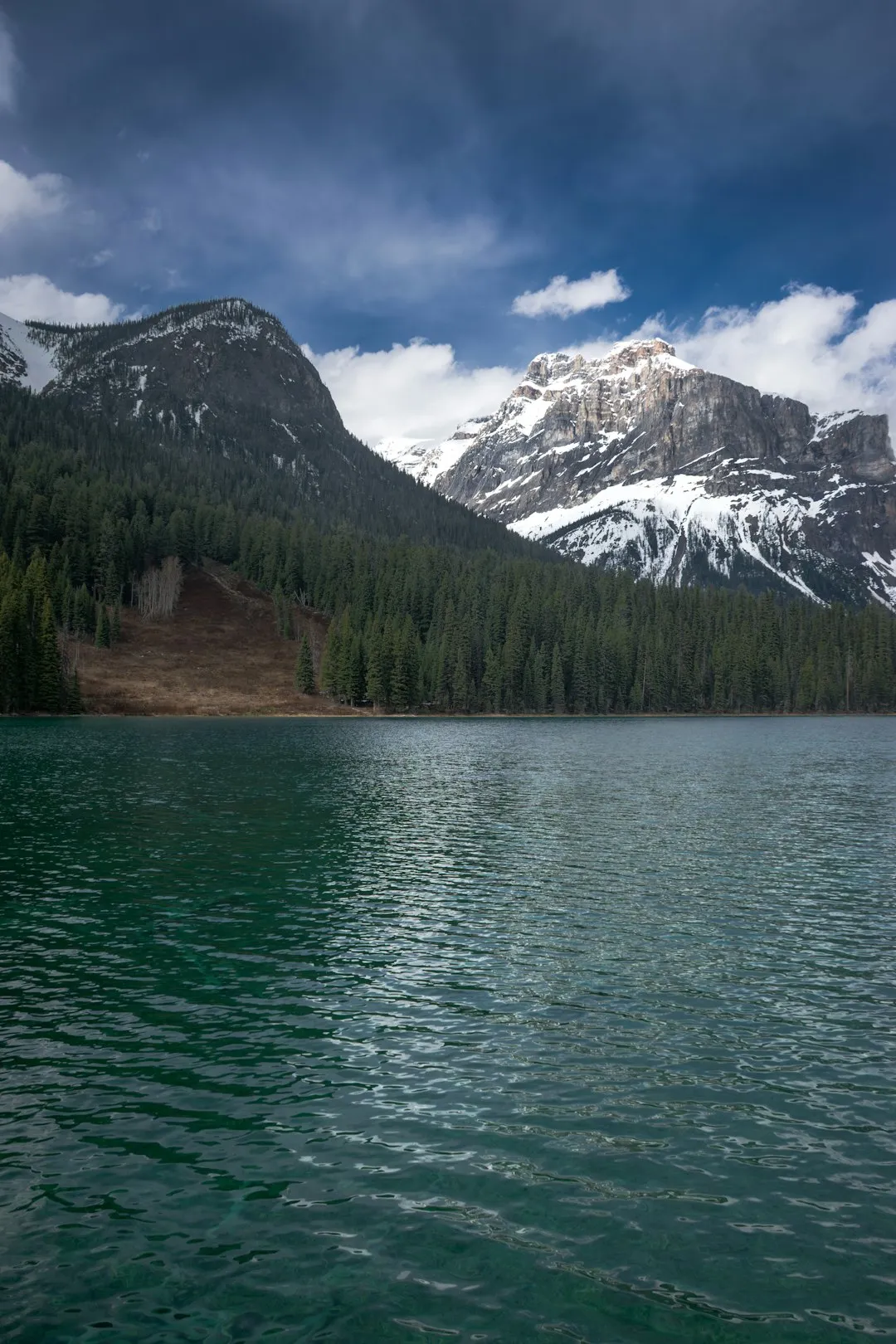
The Crack Trail - Killarney Provincial Park
The Crack Trail is a popular and rewarding day hike located within the stunning Killarney Provincial Park in Ontario, Canada. This moderate trail offers a fantastic introduction to the park's rugged Canadian Shield landscape, characterized by granite outcrops, dense forests, and the dramatic geological feature that gives the trail its name. The Crack itself is a deep, narrow gorge, a testament to ancient glacial forces that carved through the bedrock. The trail winds its way through a diverse environment, providing scenic vistas and a sense of wilderness immersion without requiring an overnight commitment.
- Distance: 6.5 km (return)
- Elevation Gain: 300 m
- Duration: 3 hours (approximate)
- Season: May to October
- Difficulty: Moderate
- Closest City: Killarney, Ontario
- Trailhead Access: Killarney Provincial Park, Hwy 637
- Permits: Day-use permit required
Overview
The Crack Trail is a quintessential Killarney Provincial Park experience, showcasing the park's unique geological beauty and diverse ecosystems. The hike begins with a relatively gentle ascent through mixed forest, gradually introducing hikers to the undulating terrain of the Canadian Shield. As the trail progresses, the landscape opens up, revealing expansive views of granite domes, shimmering lakes, and the dense boreal forest that blankets the region. The highlight of the hike is undoubtedly "The Crack," a dramatic, narrow fissure in the bedrock, often filled with water and surrounded by sheer rock walls. This geological marvel is a powerful reminder of the immense forces that shaped this land millions of years ago.
The trail is well-maintained but can be challenging in sections due to its rocky nature and elevation changes. Hikers will encounter a variety of terrain, from soft forest floor to exposed granite slabs. The moderate difficulty level makes it accessible to most reasonably fit individuals, though sturdy footwear is essential. The 300 metres of elevation gain are distributed throughout the hike, with some steeper sections that require careful footing. The total distance of 6.5 km means it can be completed in a few hours, making it an ideal day trip for those visiting Killarney Provincial Park.
The surrounding environment is rich in flora and fauna. Hikers may spot various species of wildflowers, mosses, and lichens clinging to the rocks, as well as a diverse array of trees including pine, spruce, and birch. Birdsong is a constant companion, and with a bit of luck, one might glimpse deer or other woodland creatures. The presence of numerous small lakes and streams adds to the scenic beauty and provides opportunities for quiet contemplation amidst the wilderness.
History and Cultural Context
Killarney Provincial Park, and the land upon which The Crack Trail is situated, holds deep historical and cultural significance. For millennia, this region was the traditional territory of the Anishinaabek people, including the Ojibwe and Odawa First Nations. They utilized the abundant natural resources for sustenance, shelter, and trade, navigating the intricate network of lakes and rivers that characterize the area. The granite formations and the unique geological features, such as The Crack itself, were likely observed and understood within their rich cultural and spiritual frameworks.
The arrival of European settlers in the 19th century brought significant changes. The area became known for its rich mineral deposits, particularly quartz and feldspar, leading to mining activities. The town of Killarney, established as a fishing and trading post, grew in importance. The rugged beauty of the landscape, however, began to attract artists and naturalists. In the mid-20th century, a concerted effort by artists like the Group of Seven, particularly A.Y. Jackson and Franklin Carmichael, who were inspired by the park's distinctive scenery, played a crucial role in advocating for its protection. Their iconic paintings brought the unique light and landscapes of Killarney to national attention, fostering a desire to preserve this pristine wilderness.
The establishment of Killarney Provincial Park in 1964 was a direct result of these conservation efforts. The park was designed to protect the unique ecosystems of the Georgian Bay coast and the interior granite uplands. The Crack Trail, as a designated hiking route, allows visitors to experience firsthand the geological wonders and the natural beauty that inspired both Indigenous peoples and Canadian artists for centuries. The trail's name itself is a direct reference to the powerful geological processes that shaped the land, a story etched into the very rock.
Seasonal Highlights and Weather Reality
The Crack Trail is best experienced during the warmer months, from May through October. Each season offers a distinct perspective on the park's natural beauty.
Spring (May - June): As the snow melts, the landscape awakens. Wildflowers begin to bloom, and the forests turn a vibrant green. The air is fresh, and the trails are generally less crowded. However, early spring can still bring cool temperatures, and some sections of the trail might be damp or muddy. The water levels in The Crack may be higher due to snowmelt, making it a dramatic sight.
Summer (July - August): This is the peak season for hiking in Killarney Provincial Park. The weather is typically warm and sunny, ideal for exploring the trails and enjoying the lake views. The forest is in full leaf, providing ample shade. However, summer also brings the highest number of visitors, and the trail can be busy, especially on weekends. Sandflies and mosquitoes can be present, so insect repellent is recommended. The Crack will likely have lower water levels, allowing for closer inspection of the gorge.
Autumn (September - October): Autumn is a spectacular time to visit The Crack Trail. The deciduous trees transform into a breathtaking display of reds, oranges, and yellows, creating a stunning contrast against the evergreen pines and the blue skies. The air is crisp and cool, and the insect population significantly decreases. This season offers excellent hiking conditions and fewer crowds than summer. The granite rocks can be particularly striking against the colourful foliage.
Weather Considerations: While the summer months offer the most predictable weather, Killarney Provincial Park can experience sudden changes. Afternoon thunderstorms are common, and temperatures can fluctuate. It is always advisable to check the weather forecast before heading out and to be prepared for a range of conditions, including rain and cooler temperatures, even in summer. The granite surfaces can become very slippery when wet, so caution is paramount.
Recommended Itinerary
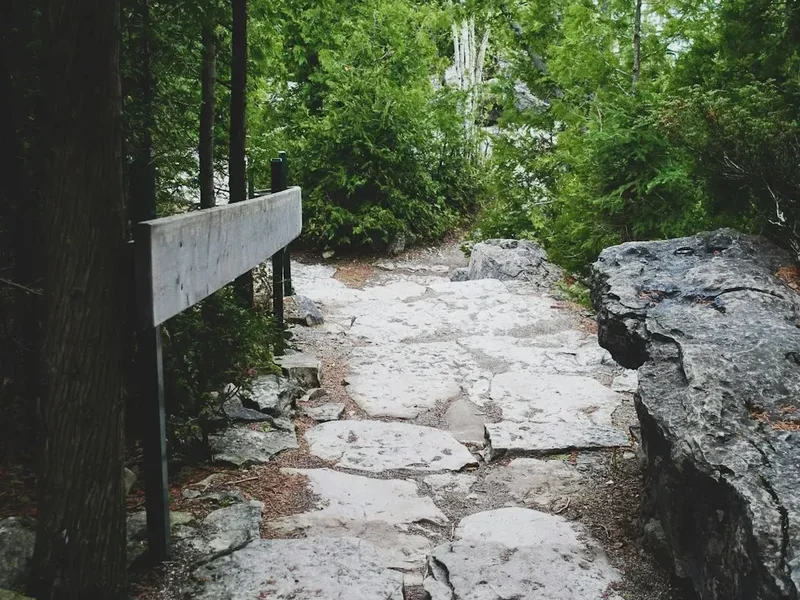
The Crack Trail - Day Hike Itinerary
Early Morning (Approx. 8:00 AM - 9:00 AM): Arrival and Trailhead Preparation
- Arrive at Killarney Provincial Park's main entrance.
- Complete any necessary check-in procedures and obtain your day-use permit.
- Drive along Highway 637 towards the designated parking area for The Crack Trail. The road is paved but can be narrow and winding.
- Park your vehicle and locate the trailhead.
- Ensure you have all your gear, water, and snacks readily accessible.
- Apply sunscreen and insect repellent.
Morning (Approx. 9:00 AM - 11:00 AM): Ascent Through Forest and Granite
- Begin the hike from the trailhead.
- The initial section of the trail is a moderate ascent through a mixed forest of pine, spruce, and birch.
- The path is well-marked, but the terrain is rocky and uneven, requiring attention to foot placement.
- You will start to encounter the characteristic granite outcrops of the Canadian Shield.
- The elevation gain begins to become more noticeable as you climb higher.
- Enjoy the sounds of the forest and the fresh, clean air.
Midday (Approx. 11:00 AM - 12:30 PM): Reaching The Crack and Exploration
- The trail leads you to the main attraction: The Crack.
- This is a deep, narrow gorge carved into the bedrock by ancient glacial activity.
- Observe the sheer rock walls and the water flowing at the bottom of the fissure.
- Take time to appreciate the geological significance and the raw power of nature that created this feature.
- There are viewpoints and safe areas to observe The Crack. Exercise caution near the edges.
- This is an excellent spot for photos and a break.
Afternoon (Approx. 12:30 PM - 2:30 PM): Return Journey and Reflection
- Begin your descent back towards the trailhead.
- The return journey offers different perspectives of the landscape you traversed on the way up.
- Pay attention to your footing, especially on the downhill sections, as the granite can be slippery when wet.
- Continue through the forest, enjoying the final stretches of the hike.
- Arrive back at the parking area.
- Take time to stretch and rehydrate.
Late Afternoon (Approx. 2:30 PM onwards): Post-Hike Activities
- Consider visiting the Killarney Provincial Park Visitor Centre for more information about the park's natural and cultural history.
- Explore the town of Killarney, perhaps enjoying a meal at a local restaurant or visiting the harbour.
- If time permits, consider a short visit to a nearby lake or viewpoint within the park.
Important Notes:
- This is a day hike; no overnight accommodation is required.
- Carry sufficient water (at least 1-2 litres per person) and high-energy snacks.
- Wear sturdy, closed-toe hiking boots with good ankle support.
- Dress in layers, as weather can change quickly.
- Bring insect repellent, especially during warmer months.
- A map of the park and trail is recommended, though the trail is generally well-marked.
- Inform someone of your hiking plans and expected return time.
Planning and Bookings
Book Your Trip
Everything you need to plan your journey
Accommodation
Find places to stay near Killarney
Flights
Search flights to Killarney
Essential Preparation
Planning your visit to Killarney Provincial Park and The Crack Trail is straightforward but requires attention to detail. The closest major city is Sudbury, which is approximately a 2-hour drive away. From Sudbury, you will take Highway 17 West and then Highway 637 East directly to the park entrance. The road into the park is paved but can be narrow and winding, so drive with caution. Killarney Provincial Park is a popular destination, especially during the summer months and on weekends. It is advisable to plan your visit during the week if possible to avoid larger crowds. Ensure your vehicle is in good condition for the drive. The park offers various accommodation options, from rustic campsites to backcountry sites, but for The Crack Trail, which is a day hike, you will likely be staying in nearby Killarney town or a campground within the park.
Trail Accommodation
This is a day hike requiring no overnight accommodation.
Required Gear
- Hiking Boots: Sturdy, waterproof hiking boots with good ankle support are essential due to the rocky and uneven terrain. Ensure they are well broken-in to prevent blisters.
- Backpack: A comfortable daypack (20-30 litres) to carry your essentials.
- Waterproof Jacket: A lightweight, waterproof and windproof jacket is recommended, as weather can change rapidly in the park.
- Navigation: A trail map of Killarney Provincial Park and The Crack Trail. While the trail is generally well-marked, it's always wise to have a map. A compass or GPS device can be a useful backup.
- First Aid Kit: A basic first aid kit including bandages, antiseptic wipes, pain relievers, blister treatment, and any personal medications.
- Headlamp/Torch: Although a day hike, a headlamp or torch with spare batteries is always a good safety precaution in case of unexpected delays.
- Sun Protection: Sunscreen (SPF 30 or higher), sunglasses, and a wide-brimmed hat to protect against the sun, especially when exposed on granite.
What to Bring
- Water: Carry at least 1-2 litres of water per person. There are no potable water sources along the trail.
- Food: High-energy snacks such as trail mix, energy bars, fruit, and sandwiches. Pack enough for your planned duration and a little extra in case of delays.
- Insect Repellent: Essential, especially during the warmer months (June-August), to ward off mosquitoes and black flies. Look for products containing DEET or picaridin.
- Toiletries: Hand sanitizer, biodegradable toilet paper (if needed, though facilities are available at the trailhead), and any personal hygiene items.
- Camera: To capture the stunning scenery and geological features.
- Trekking Poles (Optional): Can be helpful for stability on the rocky terrain and for reducing strain on knees during descents.
- Trash Bag: To pack out all your waste, including food scraps and wrappers.
Permits
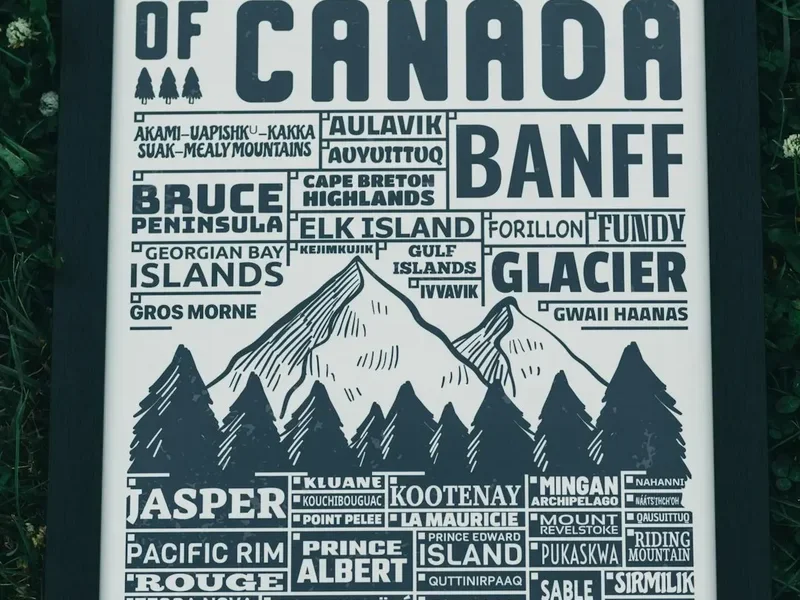
To hike The Crack Trail, you will need a day-use permit for Killarney Provincial Park. These permits are required for all visitors entering the park for day use. It is highly recommended to book your day-use permit in advance, especially if you plan to visit during peak season (summer months) or on a weekend. Bookings can typically be made online through the Ontario Parks reservation system.
Booking Process:
- Visit the Ontario Parks website (ontarioparks.com).
- Navigate to the Killarney Provincial Park page.
- Select the "Day Use" option and choose your desired date.
- If available, you can reserve your permit. It is advisable to book as far in advance as possible, particularly for popular dates.
- If you are unable to book online in advance, you may be able to obtain a permit in person at the park's main gate or visitor centre upon arrival, but availability is not guaranteed.
Permit Costs: The cost of a day-use permit varies but is generally an affordable fee per vehicle or per person. Check the official Ontario Parks website for the most current pricing information.
Park Entry: Upon arrival at the park, you will need to present your confirmed day-use permit. The park staff will direct you to the appropriate parking area for The Crack Trail trailhead.
Other Considerations: While The Crack Trail itself does not require a separate permit beyond the park's day-use permit, if you plan to engage in activities like backcountry camping or canoe tripping within Killarney Provincial Park, separate camping permits and reservations will be necessary. For this day hike, focus solely on securing your day-use permit.
Other Activities in the Area
Killarney Provincial Park and its surroundings offer a wealth of activities for visitors looking to extend their stay or explore beyond The Crack Trail:
- Canoeing and Kayaking: Killarney is renowned for its pristine lakes and the rugged coastline of Georgian Bay. Numerous lakes within the park, such as George Lake, Freeland Lake, and the numerous smaller lakes accessible via portages, are ideal for paddling. Georgian Bay offers a more challenging but incredibly rewarding experience with its clear waters, granite islands, and unique geological formations. Canoe and kayak rentals are often available at the park or in the town of Killarney.
- Backcountry Camping: For those seeking a more immersive wilderness experience, Killarney offers an extensive backcountry camping network. This involves paddling or hiking to remote campsites, providing unparalleled solitude and access to untouched natural beauty. Reservations are essential for backcountry sites.
- Swimming: On warm summer days, the lakes within the park provide refreshing opportunities for swimming. George Lake, with its sandy beach, is a popular spot.
- Fishing: The lakes and rivers in and around Killarney Provincial Park are home to various fish species, including lake trout, bass, and pike. Anglers will need to obtain a valid Ontario fishing license.
- Photography: The park's dramatic landscapes, unique light, and vibrant colours, especially during autumn, make it a paradise for photographers. The Group of Seven artists famously captured the essence of Killarney, and visitors can find endless inspiration.
- Exploring the Town of Killarney: The charming town of Killarney offers a glimpse into the region's maritime history. Visit the harbour, enjoy fresh fish and chips at a local eatery, or browse the shops. The Killarney Lighthouse provides scenic views of the bay.
- Chikanishing Creek Trail: Another excellent day hike within the park, this trail offers a different perspective of the Georgian Bay coastline, featuring rugged granite shores, windswept pines, and stunning lake vistas.
- The La Cloche Mountains: While not directly accessible via a single trail, the distinctive white quartzite ridges of the La Cloche Mountains form the backbone of the park's landscape and are visible from many vantage points.
Safety and Conditions
Trail Conditions: The Crack Trail is generally well-maintained, but its rocky nature means that conditions can vary. After rain, the granite surfaces can become very slippery, increasing the risk of falls. It is advisable to check with park staff or the visitor centre for any specific trail alerts or closures before you set out. The trail can also be exposed in sections, so be prepared for sun and wind.
Weather: Killarney Provincial Park experiences a continental climate with distinct seasons. Summer days can be warm to hot, but temperatures can drop significantly in the evenings and during thunderstorms. Spring and autumn can be cool, with a possibility of frost or even early snow in late autumn. Always check the weather forecast before your hike and be prepared for sudden changes. Thunderstorms can develop quickly, and it is advisable to descend from exposed areas like granite ridges if lightning is present.
Wildlife: While black bears are present in the park, encounters are rare. It is important to be bear aware: store food properly, make noise while hiking to avoid surprising animals, and never feed wildlife. Other common wildlife includes deer, various bird species, and smaller mammals. Be respectful of all wildlife.
Insects: Mosquitoes and black flies can be prevalent, particularly from late spring through summer. Carrying effective insect repellent and wearing long sleeves and pants can help mitigate discomfort. Tucking your trousers into your socks can also provide an extra layer of protection.
Navigation: The Crack Trail is a marked trail, but it is always wise to carry a map and compass or GPS device. Ensure you know how to use them. Inform someone of your hiking plans, including your intended route and expected return time.
Water and Food: Carry sufficient water and high-energy snacks. There are no facilities for refilling water bottles or purchasing food along the trail. Dehydration and lack of energy can quickly turn a pleasant hike into a difficult experience.
Emergency Services: In case of an emergency, contact park staff immediately. Cell phone reception can be spotty within the park, so do not rely solely on your mobile phone for communication. Consider carrying a satellite communication device for remote areas or if you are venturing into the backcountry.
Side Trips and Points of Interest
The Crack Gorge: The primary point of interest and the namesake of the trail. This deep, narrow fissure in the granite bedrock is a dramatic geological feature, likely formed by glacial erosion and subsequent faulting. The sheer rock walls and the water at the bottom create a striking visual. It's a perfect spot for photography and contemplation of the immense geological forces that shaped the landscape.
Granite Outcrops and Vistas: As you ascend, the trail traverses extensive areas of exposed granite. These formations offer panoramic views of the surrounding Killarney Provincial Park landscape, including shimmering lakes, dense forests, and the distant La Cloche Mountains. These open areas are excellent for taking breaks and appreciating the vastness of the wilderness.
Mixed Forest Ecosystems: The trail winds through a variety of forest types, including pine, spruce, birch, and maple. This diversity supports a rich array of plant and animal life. Keep an eye out for different species of wildflowers, mosses, lichens, and fungi, especially in the shaded, damp areas.
Lake Views: While the trail doesn't directly follow a lake for its entirety, glimpses of the park's numerous lakes can be seen from higher elevations. These tranquil bodies of water add to the scenic beauty and offer a sense of the park's aquatic network.
Geological Formations: Beyond The Crack itself, the entire trail is an opportunity to observe the unique geology of the Canadian Shield. Look for glacial erratics (large boulders transported by glaciers), polished rock surfaces, and the distinctive white quartzite of the La Cloche Mountains visible in the distance.
Leave No Trace
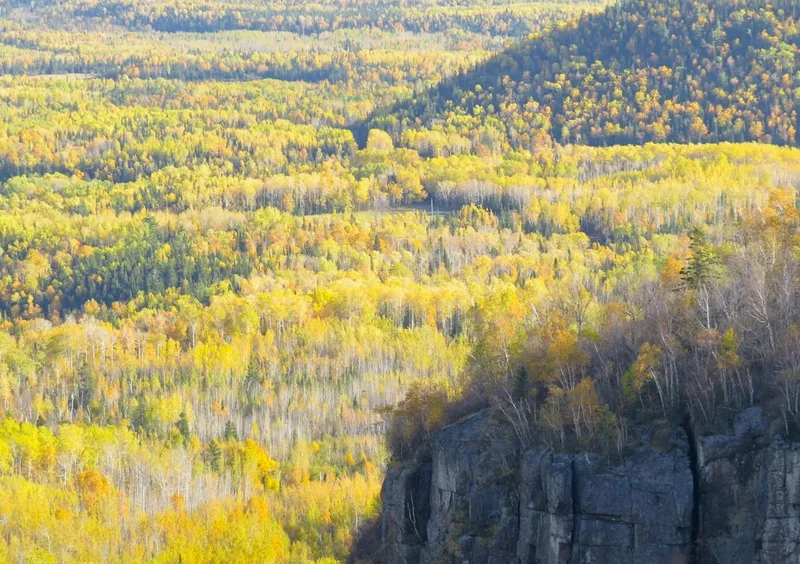
The Crack Trail, like all natural areas, is a fragile environment that requires responsible stewardship. Adhering to Leave No Trace principles ensures that the beauty and ecological integrity of Killarney Provincial Park are preserved for future generations. These principles are fundamental to minimizing your impact and enjoying the wilderness responsibly.
Plan Ahead and Prepare: Before your hike, familiarize yourself with park regulations, check trail conditions, and be aware of weather forecasts. Pack appropriate gear and sufficient food and water to avoid relying on natural resources. Inform someone of your plans.
Travel and Camp on Durable Surfaces: Stick to the marked trail at all times. Avoid walking on vegetation, especially mosses and lichens, which are slow to recover. The granite surfaces are durable, but avoid creating new paths or shortcuts.
Dispose of Waste Properly: Pack out everything you pack in. This includes all food scraps, wrappers, and any other litter. Use the designated waste receptacles at the trailhead or carry your trash back with you. Do not bury or burn trash.
Leave What You Find: Resist the temptation to take natural souvenirs such as rocks, plants, or artifacts. Leave them for others to enjoy and to maintain the natural ecosystem.
Minimize Campfire Impacts: As this is a day hike, campfires are not applicable. However, if you were camping, you would use established fire rings and keep fires small.
Respect Wildlife: Observe wildlife from a distance and never feed them. Feeding animals can disrupt their natural behaviours, diets, and expose them to diseases. Store food securely.
Be Considerate of Other Visitors: Keep noise levels down, yield to other hikers, and maintain a respectful attitude. The goal is to enjoy the natural environment without disturbing others' experiences.
By following these principles, you contribute to the preservation of Killarney Provincial Park's natural beauty and ensure that The Crack Trail remains a pristine destination for all.
Useful Links
- Ontario Parks - Killarney Provincial Park (Official)
- Ontario Parks - Reservations (Day Use & Camping)
- Killarney Provincial Park - Trail Information
- Killarney Provincial Park - Visitor Centre
- Killarney Provincial Park - Canoeing and Kayaking
- Killarney Provincial Park - Fishing
- Killarney Provincial Park - Wildlife
 Canada