
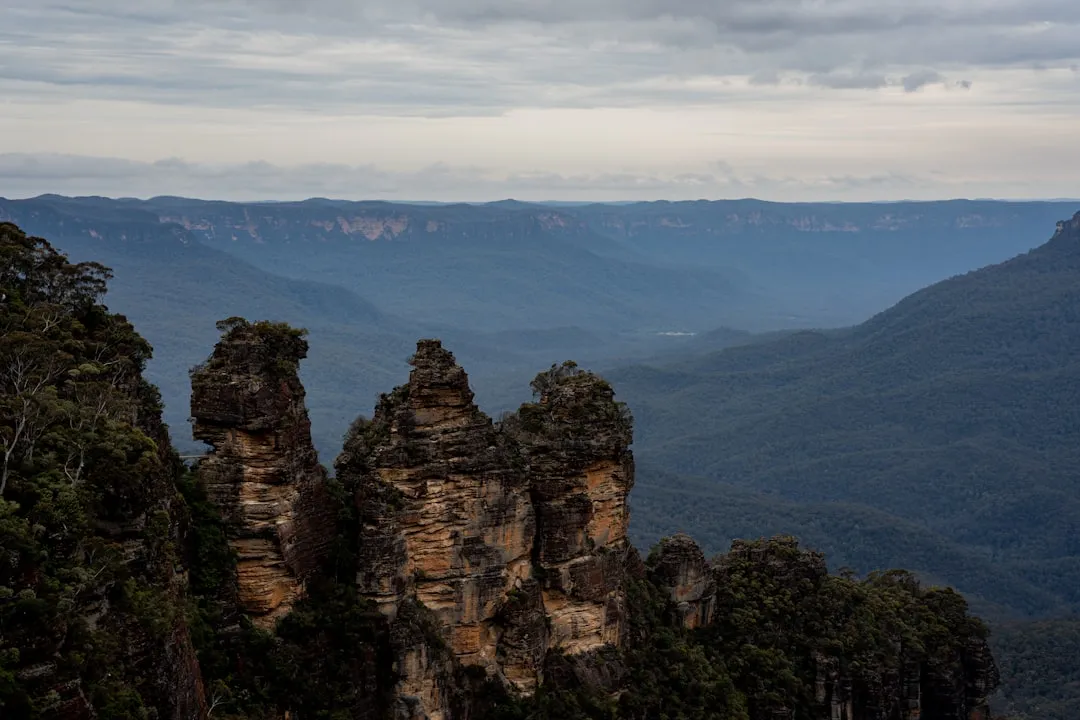
The Castle Track - A Rugged Alpine Adventure
The Castle Track is a challenging multi-day walk located in the remote wilderness of the Australian Alps, offering a true test of endurance and navigation skills. This 34-kilometre journey traverses rugged alpine terrain, ascending to dramatic peaks and descending into secluded valleys, providing a profound sense of isolation and accomplishment. It is a route for experienced hikers seeking an authentic wilderness experience, far from the well-trodden paths. The track winds through diverse landscapes, from subalpine woodlands to exposed, windswept ridges, showcasing the raw beauty and formidable nature of the Australian high country.
- Distance: 34.0 km one-way
- Duration: 2-3 days
- Season: Autumn and Spring (March-May & September-November)
- Huts: Basic shelters available, but self-sufficiency is paramount
- Highest point: Approximately 1,800 m
- Daily walkers: Minimal, due to remoteness and difficulty
- Direction: Typically walked from Long Gully Campground to the vicinity of Mount Kosciuszko, or vice versa.
Overview
The Castle Track is not for the faint-hearted. It demands a high level of fitness, excellent navigation abilities, and a comprehensive understanding of alpine conditions. The trail is often poorly marked, requiring constant attention to map and compass, and can be subject to rapid weather changes, including snow, high winds, and fog, even outside of winter. The reward for this challenge is unparalleled: breathtaking panoramic views from exposed ridgelines, the solitude of vast alpine landscapes, and the satisfaction of completing a demanding wilderness trek.
The track begins its ascent from the Long Gully Campground, gradually climbing through eucalyptus forests before breaking out into more open subalpine heathlands. As the elevation increases, the vegetation becomes sparser, giving way to rocky outcrops and scree slopes. The route often follows faint animal tracks or cairned routes, demanding careful observation. Key landmarks include prominent rock formations and saddle points that offer brief respites and strategic points for navigation checks.
The highest points of the track offer expansive views across the surrounding mountain ranges, a sea of peaks stretching to the horizon. Descending from these heights, the track leads into sheltered valleys, often featuring alpine streams and hardy alpine flora. The remoteness of the Castle Track means that encounters with other hikers are rare, amplifying the feeling of being truly immersed in nature. This is a journey that tests both physical and mental fortitude, offering a deeply rewarding experience for those who are well-prepared and respect the power of the alpine environment.
History and Cultural Context
The high country of Australia has a long and rich history, deeply intertwined with the Aboriginal peoples who have traversed these lands for millennia. The Ngarigo people, among others, have a profound cultural and spiritual connection to the Snowy Mountains region, utilising its resources seasonally and maintaining ancestral pathways through the ranges. The rugged terrain of the Castle Track area would have been a significant part of their traditional territories, offering sustenance and spiritual significance.
European exploration and settlement in the Snowy Mountains began in the mid-19th century, driven by the pursuit of pastoral leases for sheep grazing. The challenging terrain meant that access was difficult, and the high country remained largely wild and untamed for many years. Early explorers and stockmen, known as "snow-gum drovers" or "roos," would have navigated these areas using rudimentary maps and their intimate knowledge of the land. The development of the Snowy Mountains Hydro-Electric Scheme in the mid-20th century brought increased access and infrastructure to parts of the region, but many areas, including the Castle Track, remained relatively remote.
The Castle Track itself, as a defined walking route, likely emerged from these early exploration and pastoralist pathways. It represents a route that has been used and refined over time by those seeking to traverse the high country. Its challenging nature and remoteness mean it has not been subject to the same level of formalisation as some of the more popular national park tracks. Today, it stands as a testament to the enduring allure of the Australian Alps, offering a glimpse into the rugged past and a challenging adventure for modern-day hikers.
Seasonal Highlights and Weather Reality
The Castle Track is a true alpine environment, and its character changes dramatically with the seasons. Each period offers unique challenges and rewards, but also necessitates different preparation and expectations.
Autumn (March-May): This is often considered the prime season for the Castle Track. The weather tends to be more stable than in summer, with cooler temperatures and less risk of thunderstorms. The eucalyptus forests begin to display subtle autumn colours, and the air is crisp and clear. However, the nights can be cold, and early snowfalls are possible, especially towards the end of May. The track is generally free of snow, but icy patches can form in shaded areas.
Spring (September-November): Spring brings a resurgence of life to the alpine landscape. Wildflowers begin to bloom, and the snow melts, revealing the track. However, spring weather can be highly unpredictable. Snowmelt can lead to swollen creeks and boggy conditions, and late snowstorms are not uncommon, particularly at higher elevations. Navigation can be challenging if the track is still partially covered in snow. Temperatures can fluctuate significantly, with warm days followed by freezing nights.
Summer (December-February): While seemingly ideal, summer in the Australian Alps can bring its own set of challenges. While days can be warm and pleasant, the afternoons are prone to sudden, violent thunderstorms. These storms can bring heavy rain, hail, lightning, and a rapid drop in temperature, creating dangerous conditions. The track itself is usually clear of snow, but the risk of flash flooding in valleys and gullies is present after heavy rainfall. Sandflies can also be a nuisance during warmer months.
Winter (June-August): The Castle Track is generally considered impassable and extremely dangerous during winter due to heavy snow cover, ice, and extreme cold. Avalanche risk is high. This season is strictly for experienced mountaineers with appropriate winter gear and skills. For most walkers, winter is a time to admire the alpine landscape from afar.
Recommended Itinerary
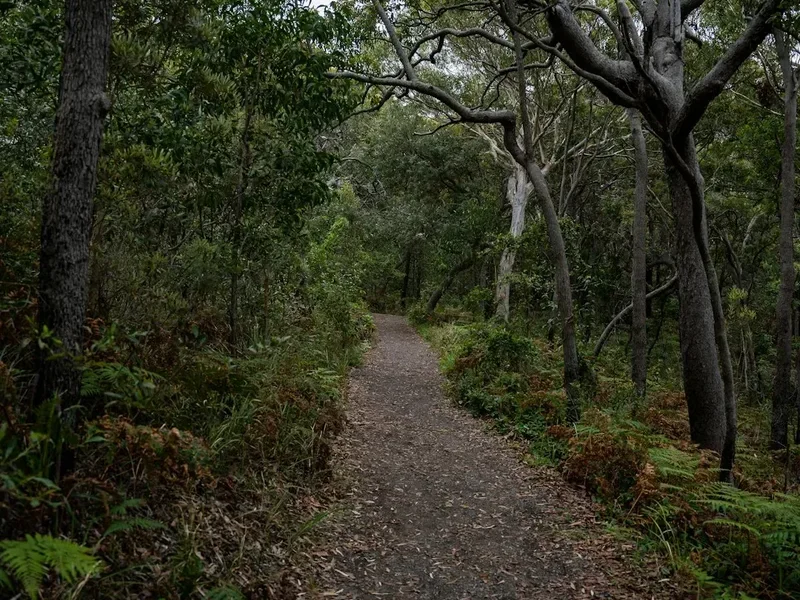
2-3 Day Castle Track Itinerary
Day 1: Long Gully Campground to Castle Saddle Shelter
- Distance: Approximately 12-15 km
- Elevation gain: Approximately 600-800 m
- Time: 5-7 hours
- Start at Long Gully Campground, following the initial track through eucalyptus forest.
- The track gradually ascends, becoming steeper as you leave the tree line.
- Navigation becomes more critical as the trail becomes less defined. Look for cairns and faint paths.
- Pass through subalpine heath and rocky outcrops.
- Arrive at Castle Saddle Shelter, a basic overnight refuge.
- Set up camp near the shelter if preferred, ensuring you are self-sufficient.
- Enjoy the expansive views as the sun begins to set over the surrounding ranges.
Day 2: Castle Saddle Shelter to Mount Kosciuszko vicinity (or return)
- Distance: Approximately 15-19 km (depending on route and return)
- Elevation gain/loss: Variable, with significant ascents and descents
- Time: 6-9 hours
- Option A (Continue to Kosciuszko vicinity):
- Continue traversing the ridgeline, aiming for prominent peaks and saddles.
- This section requires strong navigation skills and awareness of weather conditions.
- The terrain is exposed and can be challenging underfoot.
- Reach the vicinity of Mount Kosciuszko, potentially linking with established walking tracks.
- From here, you can descend via more established routes or retrace your steps.
- Option B (Return to Long Gully Campground):
- Retrace your steps from Castle Saddle Shelter back to Long Gully Campground.
- This option is recommended for those with less time or seeking a less demanding trek.
- The descent can be faster but requires careful footing.
Day 3 (Optional): Extended exploration or return
- If you chose Option A on Day 2 and are not returning to Long Gully, Day 3 can be used for further exploration or a more leisurely descent via alternative routes if available and planned.
- Alternatively, if you opted for a shorter Day 2, Day 3 can be used for a more relaxed return journey, allowing for photography or enjoying the alpine environment.
Important Notes:
- This itinerary is a guideline; actual timings and distances may vary significantly based on weather, fitness, and navigation.
- Always carry a map, compass, and GPS device, and know how to use them.
- Be prepared for all weather conditions, including snow, rain, wind, and fog.
- Carry sufficient food, water, and shelter for the duration of your trip, as facilities are minimal.
- Inform someone of your itinerary and expected return time.
Planning and Bookings
Book Your Trip
Everything you need to plan your journey
Accommodation
Find places to stay near Batemans Bay
Flights
Search flights to Batemans Bay
Essential Preparation
The Castle Track is a remote and challenging wilderness walk. Thorough preparation is paramount. Before embarking, ensure you have a high level of physical fitness, as the terrain is steep and often rough. Develop and practice your navigation skills using a map, compass, and GPS device; mobile phone reception is unreliable to non-existent in most areas. Familiarise yourself with the route and potential hazards. Inform a reliable contact of your detailed itinerary, including your expected start and end times, and check in with them upon your safe return. Base town information is limited; the nearest significant town with services is Jindabyne, which is a considerable drive from the Long Gully Campground access point. Ensure your vehicle is suitable for unsealed roads, and consider a 4WD if conditions are expected to be poor. Check the NSW National Parks and Wildlife Service (NPWS) website for any alerts or closures affecting the area.
Trail Accommodation
Accommodation on the Castle Track is extremely basic and requires a high degree of self-sufficiency. There are no formal huts or campsites in the same vein as more popular national parks. The primary form of shelter is the Castle Saddle Shelter, a rudimentary structure offering basic protection from the elements. Walkers should be prepared to camp, carrying a tent, sleeping mat, and sleeping bag suitable for alpine conditions. Wild camping is permitted in designated areas, but always follow Leave No Trace principles. Ensure you are equipped to be entirely self-sufficient, as no facilities are provided.
Hut/Shelter Facilities:
- Castle Saddle Shelter: A basic, unserviced structure providing minimal protection from wind and rain. Likely a simple roof and possibly three walls.
- No sleeping bags, mattresses, or bedding provided.
- No cooking facilities, water supply, or toilets.
What's NOT Provided:
- All food and cooking equipment.
- Water treatment supplies.
- Toilet facilities.
- Heating or electricity.
- Mobile phone reception.
Seasonal Availability: The shelter is available year-round, but access and conditions vary drastically. Winter conditions make the area extremely hazardous and likely impassable for most.
Costs: No booking or fees are typically associated with using the basic shelter or wild camping in this remote area, but always check current NPWS regulations.
Required Gear
- Sturdy, waterproof hiking boots with good ankle support, well broken-in.
- Waterproof and windproof jacket and overtrousers (Gore-Tex or similar).
- Warm layers: thermal base layers (merino wool recommended), fleece or down mid-layer, warm hat, and gloves.
- Sleeping bag rated for sub-zero temperatures (e.g., -5°C comfort rating).
- Sleeping mat for insulation and comfort.
- Backpack (50-70 litres) with a rain cover.
- Navigation tools: topographic map of the area, compass, and a reliable GPS device or smartphone with offline maps and power bank.
- First-aid kit: comprehensive, including blister treatment, pain relief, bandages, antiseptic wipes, and any personal medications.
- Head torch with spare batteries.
- Sun protection: high SPF sunscreen, sunglasses, wide-brimmed hat.
- Insect repellent (especially for warmer months).
- Emergency shelter: lightweight bivvy bag or emergency blanket.
What to Bring
- Food: Sufficient high-energy, non-perishable food for the entire duration of your trip, plus extra for emergencies. Plan for at least 3 days' worth.
- Water: Water bottles or a hydration reservoir. A water filter or purification tablets are essential, as water sources may be unreliable or contaminated.
- Cooking equipment: Lightweight stove, fuel, pot, mug, bowl, and eating utensils.
- Toiletries: Biodegradable soap, toothbrush, toothpaste, toilet paper, trowel for burying human waste (well away from water sources), hand sanitiser.
- Personal items: Camera, notebook, pen, book for downtime.
- Repair kit: Duct tape, cordage, safety pins, needle and thread.
- Whistle for signalling in emergencies.
- Cash: For any unexpected needs in nearby towns.
Permits
The Castle Track is located within a national park, and while specific permits for the track itself are generally not required for independent hikers, you must adhere to the regulations of the relevant national park authority, typically NSW National Parks and Wildlife Service (NPWS). It is crucial to check the NPWS website for the most up-to-date information regarding park access, camping regulations, and any potential fire bans or track closures. While no specific booking system exists for the Castle Track due to its remote nature and basic facilities, it is always advisable to register your trip with NPWS if a formal system is in place for the area.
Key considerations:
- Park Entry Fees: Depending on the specific access point and park management, there may be vehicle entry fees. Check the NPWS website for current fees.
- Camping: While formal campsites are absent, wild camping is generally permitted in designated areas away from water sources and tracks, adhering to Leave No Trace principles. Always confirm current camping regulations with NPWS.
- Fire Restrictions: Alpine areas are highly susceptible to bushfires. Strict fire bans are often in place, especially during warmer months. Always check current fire danger ratings and restrictions before and during your trip. If fires are permitted, use designated fire rings where available and ensure fires are completely extinguished.
- Track Alerts: NPWS regularly updates alerts for national parks regarding track conditions, closures due to weather events (snow, floods, landslides), or fire danger. It is your responsibility to check these alerts before and during your trip.
Booking Strategy: For this type of remote track, the "booking" is primarily about self-registration and informing authorities of your plans. There is no competitive booking system like for more popular multi-day walks.
Other Activities in the Area
The region surrounding the Castle Track offers a wealth of activities for those looking to extend their alpine adventure:
- Mount Kosciuszko Summit Walk: If your Castle Track journey doesn't take you to the summit, the well-maintained path from Charlotte Pass or Thredbo provides an accessible way to reach the highest point in mainland Australia.
- Thredbo Alpine Village: A popular ski resort in winter, Thredbo offers a range of activities year-round, including scenic chairlift rides, hiking trails, mountain biking, and dining options.
- Jindabyne: This lakeside town is a hub for outdoor activities, including water sports on Lake Jindabyne, fishing, and serves as a gateway to many of the surrounding national parks and trails.
- Backcountry skiing and snowboarding: During winter months, the Snowy Mountains offer extensive opportunities for experienced backcountry enthusiasts.
- Horse riding: Guided horse riding tours are available in some areas, offering a different perspective on the alpine landscape.
- Exploring the Snowy Mountains Highway: Enjoy scenic drives with numerous lookouts and picnic spots offering stunning views of the mountain ranges.
- Fishing: Lake Jindabyne and various alpine streams offer opportunities for trout fishing.
Safety and Conditions
Pre-Departure Checks:
- Weather: Obtain the latest alpine weather forecast from the Bureau of Meteorology (BOM) or a reliable weather service. Pay close attention to wind speed, temperature, precipitation, and visibility forecasts. Alpine weather can change with extreme rapidity.
- Track Conditions: Check the NSW National Parks and Wildlife Service (NPWS) website for any alerts, track closures, or reported hazards. Conditions can change due to snow, ice, heavy rain, or bushfires.
- Fire Danger: Check the NSW Rural Fire Service (RFS) website for the current fire danger rating. If the rating is "High" or above, consider postponing your trip.
- Inform Someone: Always leave a detailed itinerary with a trusted person, including your planned route, expected departure and return times, and emergency contact information.
Alpine Hazards:
- Hypothermia: Temperatures can drop significantly, especially at night and at higher elevations. Even on warm days, wind chill can be a major factor. Ensure you have adequate warm clothing and shelter.
- Navigation: The Castle Track is often poorly marked and can be difficult to follow, especially in fog, rain, or snow. Carry and know how to use a map, compass, and GPS. Do not rely solely on electronic devices.
- Flash Flooding: Heavy rainfall can cause creeks and gullies to flood rapidly. Avoid crossing swollen waterways and be aware of potential flash flood zones.
- Lightning: Thunderstorms are common in the Australian Alps, particularly during summer. Avoid exposed ridgelines and high points during storms. Seek shelter in a vehicle or a substantial building if possible.
- Snow and Ice: Even outside of winter, snow can persist in shaded areas and at higher elevations well into spring. Ice can make steep sections treacherous.
- Wildlife: While generally not a major threat, be aware of snakes during warmer months and kangaroos or wallabies that may be encountered.
Self-Sufficiency: This track requires complete self-sufficiency. Carry all necessary food, water, shelter, and safety equipment. Do not expect to find any facilities or assistance along the route.
Emergency Contact: In a genuine emergency, call Triple Zero (000). If you have a Personal Locator Beacon (PLB) or satellite phone, use it to contact emergency services.
Side Trips and Points of Interest
Castle Saddle: The saddle itself is a significant landmark, often offering a break in the terrain and a strategic point for navigation. Depending on the exact route taken, it may provide expansive views across the surrounding alpine country.
Prominent Peaks and Ridges: The Castle Track is designed to traverse the high country, meaning it will likely pass near or over several significant peaks and along dramatic ridgelines. These offer opportunities for breathtaking panoramic views, especially on clear days. Identifying these peaks using a map and compass can enhance the experience.
Alpine Streams and Waterfalls: While not as dramatic as those in Fiordland, the alpine streams and occasional waterfalls encountered along the track are vital water sources and add to the rugged beauty of the landscape. Be aware that these can become powerful torrents after heavy rain.
Unique Alpine Flora and Fauna: The Castle Track passes through diverse alpine and subalpine environments, offering chances to observe unique Australian alpine plants, such as hardy grasses, wildflowers, and stunted snow gums. Keep an eye out for native wildlife, including kangaroos, wallabies, and various bird species.
Views towards Mount Kosciuszko: Depending on the specific route and your Day 2 objective, you will likely gain views of Mount Kosciuszko and the surrounding Main Range. This provides a sense of scale and context for your journey within the broader Australian Alps.
Leave No Trace
The Castle Track traverses a fragile alpine environment. Adhering to Leave No Trace principles is not just recommended; it is essential for preserving this wilderness for future generations. The Australian Alps are a unique and sensitive ecosystem, and even small impacts can have long-lasting consequences.
Your responsibility as a walker:
- Plan Ahead and Prepare: Understand the terrain, weather, and regulations. Pack appropriately and be prepared for self-sufficiency.
- Travel and Camp on Durable Surfaces: Stick to established paths where they exist. If camping, choose established campsites or durable surfaces like rock or dry grass, well away from water sources. Avoid trampling fragile vegetation.
- Dispose of Waste Properly: Pack out everything you pack in, including all food scraps, wrappers, and toilet paper. Bury human waste at least 100 metres from water sources, camp sites, and tracks, and at least 15 cm deep.
- Leave What You Find: Do not remove or disturb natural objects, plants, or cultural artifacts.
- Minimise Campfire Impacts: Use a lightweight stove for cooking. If fires are permitted and necessary, use existing fire rings and keep fires small. Ensure fires are completely extinguished before leaving.
- Respect Wildlife: Observe wildlife from a distance. Never feed animals, as it can disrupt their natural behaviours and diets.
- Be Considerate of Other Visitors: Keep noise levels down and yield to other walkers. The remoteness of this track is part of its appeal; respect the solitude of others.
By following these principles, you help ensure that the Castle Track remains a wild and beautiful place for everyone to experience.
 Australia