
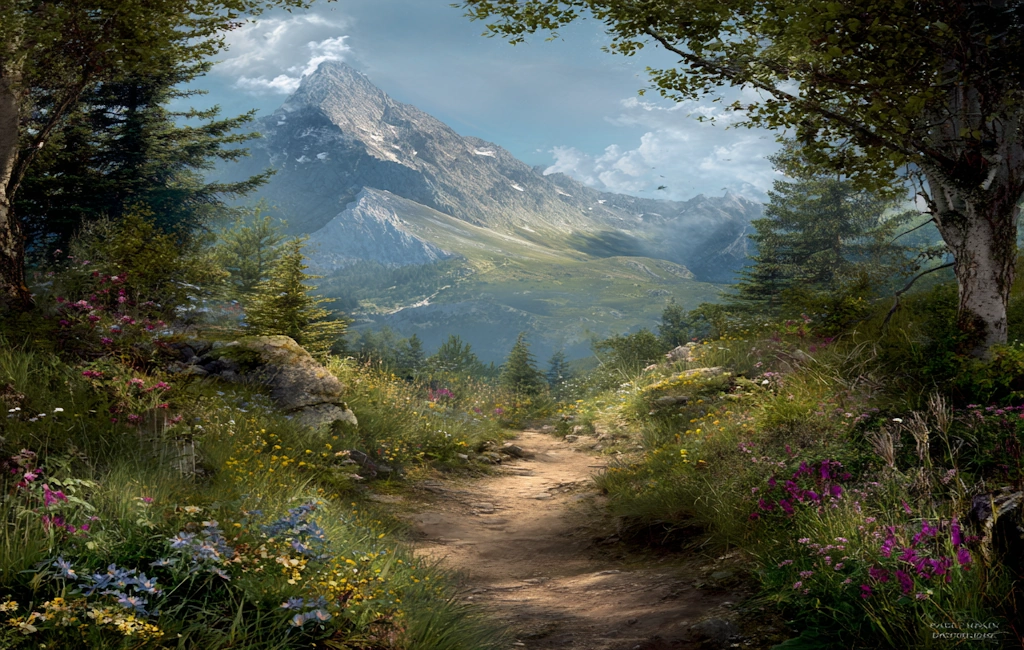
Teton Crest Trail - A High Alpine Traverse
The Teton Crest Trail (TCT) is a premier thru-hiking route in the United States, traversing the rugged spine of the Teton Range in Grand Teton National Park, Wyoming. This iconic trail offers an unparalleled high-alpine experience, weaving through dramatic cirques, past pristine alpine lakes, and over windswept passes with breathtaking views of the jagged Teton peaks. It is a challenging yet immensely rewarding journey for experienced backpackers seeking solitude and spectacular mountain scenery.
- Distance: 64.4 km (64.4 km) one-way
- Duration: 3-5 days
- Season: Late July to Mid-September (snow-dependent)
- Huts/Shelters: None (backcountry camping required)
- Highest point: Static Peak Divide (approx. 3,475 m / 3,474 m)
- Daily walkers: No daily limit, but backcountry permits are required and limited
- Direction: Typically hiked from north to south (Teton Pass to String Lake) or south to north (String Lake to Teton Pass), though variations exist. This description follows the common north-to-south route.
Overview
The Teton Crest Trail is a true wilderness experience, a challenging trek that demands self-sufficiency and a high level of fitness. Unlike many national park trails, the TCT is not a manicured path; it is a rugged, often steep, and exposed route that follows the crest of the Teton Range. The trail traverses a landscape sculpted by glaciers, featuring granite spires that pierce the sky, vast alpine meadows carpeted with wildflowers in season, and turquoise lakes that reflect the dramatic peaks above.
The trail's defining characteristic is its elevation. Much of the TCT lies above 2,700 metres (2,743 m), offering constant, awe-inspiring views of the Teton massif. Hikers will encounter numerous passes, each presenting a unique perspective of the range. The southern section, in particular, is known for its dramatic granite formations and challenging terrain. The TCT is not a loop trail; it requires logistical planning for transportation to and from its endpoints.
Wildlife is abundant in this high-alpine environment. Hikers may encounter elk, moose, mule deer, marmots, pikas, and a variety of bird species. Black bears and grizzly bears are also present, necessitating proper food storage and bear safety precautions. The Teton Crest Trail is a journey into the heart of the American West's most iconic mountain range, offering a profound connection with nature and a true test of endurance.
History and Cultural Context
The Teton Range has a long and rich history, shaped by both natural forces and human endeavour. Indigenous peoples, including the Shoshone, Bannock, and Crow tribes, utilized the valleys and passes of the Teton region for thousands of years, hunting game and gathering resources. The dramatic peaks were seen as sacred places, imbued with spiritual significance.
European-American exploration of the Tetons began in the mid-19th century. Fur trappers and explorers like Jedediah Smith were among the first to document the region. However, it was the striking, jagged peaks that captured the imagination of artists and adventurers. In the early 20th century, figures like John D. Rockefeller Jr. played a pivotal role in preserving this magnificent landscape, eventually leading to the establishment of Grand Teton National Park in 1929 and its expansion in 1950 to include the valley floor.
The Teton Crest Trail itself evolved over time, with early routes established by prospectors, hunters, and mountaineers. The modern trail is a combination of established paths and routes that have been refined by the National Park Service and the U.S. Forest Service. The trail's development reflects a growing appreciation for the Teton Range's unique geological features and its value as a wilderness area. Today, the TCT is a celebrated thru-hike, attracting hikers from around the world who come to experience its raw beauty and challenging terrain.
Seasonal Highlights and Weather Reality
The Teton Crest Trail is a high-alpine route, and its accessibility is dictated by snow conditions. The primary hiking season is relatively short, typically running from late July through mid-September.
Late July to August: This is generally the prime hiking window. Snow has usually melted from the higher passes, and wildflowers are in full bloom in the alpine meadows. Days are long, offering ample daylight for hiking. However, afternoon thunderstorms are common and can be severe, bringing lightning, heavy rain, and hail. Temperatures can fluctuate significantly, with warm days and cold nights.
September: The autumn colours begin to appear in the lower elevations, and the crowds thin out. The weather can be more stable, with clearer skies, but daytime temperatures are cooler, and nighttime frosts are more frequent. Snow can begin to fall at higher elevations by late September, potentially making the trail impassable.
Snow Conditions: Snow can linger on the trail well into July, especially on north-facing slopes and at higher elevations. Early season hikers (early July) should be prepared for significant snow travel, potentially requiring ice axes and crampons. Conversely, early snow in September can abruptly end the hiking season. Always check current trail conditions before your trip.
Weather: The Teton Range is notorious for its rapidly changing weather. Hikers must be prepared for all conditions, including sun, wind, rain, hail, and even snow, often within the same day. Afternoon thunderstorms are a daily occurrence during the summer months and can pose a serious risk due to lightning and flash floods.
Recommended Itinerary
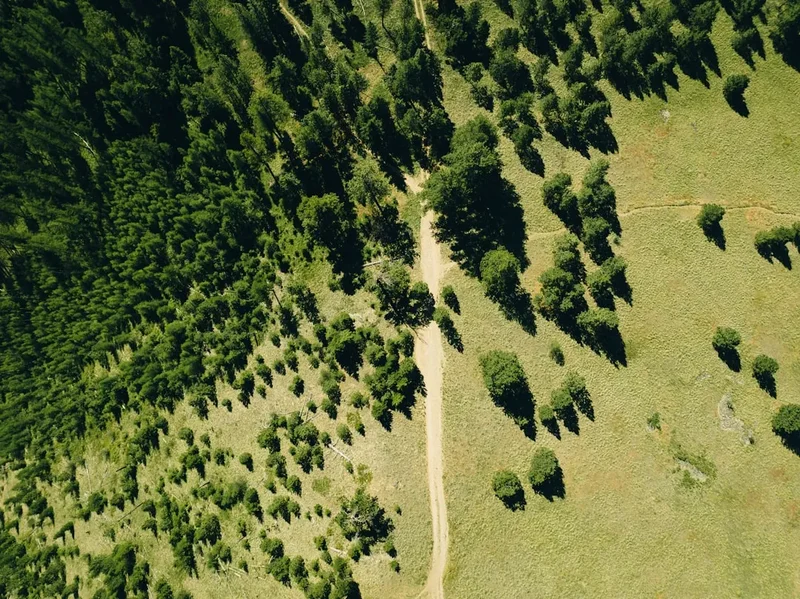
North to South: Teton Crest Trail (64.4 km)
Day 1: String Lake Trailhead to North Fork Cascade Canyon
- Distance: 14.5 km
- Elevation gain: 914 m
- Time: 6–8 hours
- Start at String Lake Trailhead, a popular access point in the northern part of Grand Teton National Park.
- Hike north along the Jenny Lake Trail, then ascend into Cascade Canyon.
- The trail climbs steadily through dense forest, offering glimpses of the Teton peaks.
- Pass Hidden Falls and Inspiration Point (optional short detours).
- Continue up Cascade Canyon, a classic glacial valley.
- Camp in the North Fork Cascade Canyon area, a designated backcountry camping zone.
- This day focuses on gaining elevation and entering the heart of the Teton wilderness.
Day 2: North Fork Cascade Canyon to South Fork Cascade Canyon (or further)
- Distance: 12.9 km
- Elevation gain: 610 m
- Time: 5–7 hours
- Continue ascending Cascade Canyon towards the divide.
- Reach the stunning Lake Solitude, a jewel nestled beneath the towering peaks.
- The trail then begins its ascent towards Paintbrush Divide.
- Option to camp in South Fork Cascade Canyon or push further towards Paintbrush Canyon depending on energy and conditions.
- This day offers spectacular views of the central Tetons and the approach to the high passes.
Day 3: South Fork Cascade Canyon to Death Canyon Shelf
- Distance: 16.1 km
- Elevation gain: 762 m
- Time: 7–9 hours
- Ascend to Paintbrush Divide (approx. 3,139 m / 3,138 m), the highest point on the TCT.
- Descend into Paintbrush Canyon, a dramatic and rugged landscape.
- The trail can be steep and exposed in sections.
- Continue south, traversing towards Death Canyon Shelf.
- Camp on Death Canyon Shelf, a broad, scenic plateau offering expansive views.
- This is a challenging day with significant elevation changes and exposure.
Day 4: Death Canyon Shelf to Static Peak Divide
- Distance: 10.5 km
- Elevation gain: 610 m
- Time: 4–6 hours
- Hike south along Death Canyon Shelf, enjoying panoramic views.
- Ascend towards Static Peak Divide (approx. 3,475 m / 3,474 m), the highest point on the TCT.
- The terrain becomes increasingly rugged and rocky.
- Camp near Static Peak Divide, offering incredible sunset and sunrise opportunities.
- This day is characterized by high-altitude hiking and stunning, unobstructed views.
Day 5: Static Peak Divide to Teton Pass Trailhead
- Distance: 10.5 km
- Elevation loss: 1,219 m
- Time: 4–5 hours
- Begin the long descent from Static Peak Divide.
- The trail winds down through forests and meadows towards Teton Pass.
- The descent can be steep and challenging on the knees.
- End at the Teton Pass Trailhead, where transportation can be arranged.
- This final day offers a gradual return to lower elevations and the completion of the thru-hike.
Important Notes:
- This itinerary is a suggestion and can be modified based on fitness, weather, and permit availability.
- Backcountry permits are mandatory for all overnight stays and must be reserved in advance.
- Water sources are generally plentiful, but treatment is always recommended.
- Bear safety protocols are essential.
- Be prepared for significant elevation changes and exposure.
Planning and Bookings
Book Your Trip
Everything you need to plan your journey
Accommodation
Find places to stay near Jackson
Flights
Search flights to Jackson
Essential Preparation
The Teton Crest Trail is a serious undertaking that requires meticulous planning. The primary challenge is securing backcountry permits, as designated campsites are limited and highly sought after. Permits are issued through a lottery system and a first-come, first-served reservation window, both managed by Grand Teton National Park and the U.S. Forest Service (for sections outside the park). It is crucial to understand the permit application process and deadlines well in advance of your planned hike.
Logistics for transportation are also critical. The TCT is a point-to-point hike, meaning you will need to arrange transport between the trailhead at String Lake (or another northern access point) and Teton Pass (or another southern exit point). This typically involves pre-arranged shuttle services, taxis, or coordinating with friends or family. Allow ample time for travel to and from the trailheads, as well as for potential delays due to weather or road conditions.
The closest major city with an airport is Jackson, Wyoming. Jackson Hole Airport (JAC) is located approximately 20-30 minutes from the southern end of the Teton Range. From Jackson, you can rent a car, hire a taxi, or utilize shuttle services to reach trailheads or accommodations. Jackson offers a full range of services, including outdoor gear shops, grocery stores, restaurants, and lodging.
Trail Accommodation
The Teton Crest Trail does not have established huts or lodges. All overnight stays require camping in designated backcountry campsites. These campsites are dispersed throughout the Teton Range and are managed by Grand Teton National Park and the Bridger-Teton National Forest.
Backcountry Campsites:
- Designated Zones: Campsites are located within specific backcountry zones, each with a limited number of available spots.
- Permit Required: A backcountry permit is mandatory for all overnight stays and must be obtained in advance. Permits specify your camping zones for each night.
- Facilities: Campsites are primitive. They typically offer a flat area for pitching a tent and may have a bear-resistant food storage locker or a designated area for hanging food bags. There are no other facilities such as toilets, water spigots, or shelters. Hikers must be entirely self-sufficient.
- What's NOT Provided: No sleeping structures, cooking facilities, water, or waste disposal services are provided. Hikers must carry all their gear, food, and water treatment supplies.
- Seasonal Availability: Campsites are generally accessible from late July to mid-September, depending on snowmelt and early snowfall.
- Costs: Permit fees vary. Grand Teton National Park charges a per-person, per-night fee for backcountry permits. The U.S. Forest Service also has associated fees. Expect costs to be in the range of $20-$35 per person per night, depending on the managing agency and specific location.
Important Note: Wild camping outside of designated zones is strictly prohibited and carries significant penalties.
Required Gear
- Backpacking tent - lightweight, durable, and waterproof, suitable for alpine conditions.
- Sleeping bag - rated for temperatures as low as -5°C (-6°C) or colder, as nights can be frigid at high altitudes.
- Sleeping pad - for insulation and comfort.
- Backpacking pack - 50-70 litre capacity, with a comfortable suspension system and rain cover.
- Hiking boots - sturdy, waterproof, and well broken-in, with good ankle support.
- Trekking poles - highly recommended for stability on steep ascents and descents, and for reducing strain on knees.
- Navigation tools - detailed topographic maps of the Teton Range, a compass, and a GPS device or smartphone with downloaded offline maps. Knowledge of how to use them is essential.
- Headlamp or flashlight - with extra batteries.
- First-aid kit - comprehensive, including blister treatment, pain relievers, antiseptic wipes, bandages, and any personal medications.
- Sun protection - high SPF sunscreen, sunglasses, and a wide-brimmed hat. The sun is intense at high altitudes.
- Insect repellent - effective against mosquitoes and biting flies, which can be prevalent.
- Water filter or purification tablets - essential for treating all water sources.
- Bear canister or bear-resistant food bag - mandatory for storing all food, toiletries, and scented items.
- Water bottles or hydration reservoir - at least 3-4 litres capacity.
What to Bring
- Food - lightweight, high-calorie backpacking meals, snacks, and energy bars for the duration of your trip. Plan for 3-5 days.
- Cooking stove and fuel - lightweight backpacking stove and sufficient fuel.
- Cookware and utensils - pot, mug, spoon/fork.
- Toiletries - toothbrush, toothpaste, biodegradable soap, small towel, toilet paper, trowel for digging catholes (if not using designated latrines).
- Trash bags - to pack out all waste, including food scraps and packaging.
- Clothing layers - moisture-wicking base layers (synthetic or merino wool), insulating mid-layers (fleece or down jacket), and a waterproof and windproof outer shell (jacket and trousers). Avoid cotton.
- Warm hat and gloves - even in summer, temperatures can drop significantly at night and at higher elevations.
- Camp shoes (optional) - lightweight sandals or trainers for around camp.
- Camera and extra batteries/power bank.
- Personal identification and emergency contact information.
- Cash - for potential shuttle services or unexpected needs.
Permits
Securing a backcountry permit is the most critical step in planning a Teton Crest Trail thru-hike. Permits are required for all overnight stays in the backcountry of Grand Teton National Park and the Bridger-Teton National Forest. The process involves a combination of advance reservations and walk-up permits.
Advance Reservations (Lottery System):
- Grand Teton National Park: A portion of permits are allocated through a lottery system managed by Recreation.gov. The lottery typically opens in early January for the upcoming summer season. You will need to specify your desired entry and exit trailheads, dates, and camping zones.
- Bridger-Teton National Forest: Permits for sections of the TCT outside the national park are managed by the U.S. Forest Service. These may also involve a reservation system or a lottery, depending on the ranger district.
First-Come, First-Served (Walk-up) Permits:
- A limited number of permits are available on a walk-up basis for those who do not secure advance reservations. These can be obtained in person at Grand Teton National Park's Jenny Lake Ranger Station or the Colter Bay Visitor centre, and at relevant U.S. Forest Service ranger stations.
- Walk-up permits are highly competitive, especially for popular routes like the Teton Crest Trail. It is advisable to arrive at the ranger station very early on the day you wish to begin your hike, or the day before to queue.
Permit Costs:
- Grand Teton National Park: Approximately $35 per permit, plus a per-person, per-night fee (around $15 per person per night).
- Bridger-Teton National Forest: Fees vary by ranger district but are generally comparable.
Important Considerations:
- Flexibility: Be prepared to be flexible with your dates and camping zones. Popular areas fill up quickly.
- Group Size: Permits often have limits on group size (typically 6-10 people).
- Bear Safety: All permit holders must be familiar with and adhere to bear safety regulations, including proper food storage.
- Trailhead Access: Ensure you have arranged transportation to your chosen trailhead and from your exit point.
Other Activities in the Area
While the Teton Crest Trail is the main attraction, the surrounding area offers a wealth of other activities for those looking to extend their stay or explore before or after their hike:
- Day Hiking: Numerous shorter trails offer spectacular views without the commitment of a thru-hike. Popular options include hikes to Inspiration Point, Hidden Falls, Amphitheater Lake, and Surprise Lake from the Jenny Lake area.
- Mountaineering and Climbing: The Teton Range is a world-renowned climbing destination. Guided ascents of peaks like the Grand Teton are available for experienced climbers.
- Wildlife Viewing: Grand Teton National Park is teeming with wildlife. Drive the scenic park roads, especially during dawn and dusk, to spot elk, moose, bison, pronghorn, and bears. Oxbow Bend and Mormon Row are prime viewing locations.
- Scenic Drives: The Teton Park Road and Signal Mountain Summit Road offer breathtaking vistas of the Teton Range and the valley floor.
- Boating and Kayaking: Jenny Lake, String Lake, and Leigh Lake are popular for non-motorized boating. Motorized boating is permitted on Jackson Lake.
- Fishing: The Snake River and various lakes in the park offer excellent fishing opportunities.
- Ranger Programs: Grand Teton National Park offers a variety of educational programs led by park rangers, including guided walks, evening talks, and campfire programs.
- Jackson Town: Explore the charming town of Jackson, known for its Western-themed architecture, art galleries, boutiques, and restaurants.
Safety and Conditions
Pre-Departure Checks:
- Weather Forecast: Always check the most up-to-date mountain weather forecast for the Teton Range from sources like the National Weather Service or NOAA. Be prepared for rapid changes.
- Trail Conditions: Contact Grand Teton National Park or the relevant U.S. Forest Service ranger station for current trail conditions, snow levels, and any reported hazards. Trail conditions can change rapidly due to weather.
- Permit Verification: Ensure your backcountry permit is in order and that you understand the regulations for your specific camping zones.
- Emergency Plan: Leave a detailed itinerary with a trusted contact, including your planned route, expected return date, and emergency contact information.
Alpine Hazards:
- Altitude Sickness: The Teton Crest Trail is at high elevation. Acclimatise properly by spending a day or two at moderate altitude (e.g., Jackson) before starting your hike. Be aware of the symptoms of altitude sickness (headache, nausea, dizziness) and descend if symptoms worsen.
- Lightning: Afternoon thunderstorms are common and dangerous. Start your hikes early in the day to avoid being caught above treeline during a storm. Seek shelter in a low-lying area or dense forest if lightning is present. Never shelter under a lone tree.
- Exposure: The trail is often exposed to sun, wind, and rapidly changing temperatures. Hypothermia is a risk even in summer. Always carry and wear appropriate layers.
- Steep and Rocky Terrain: Many sections of the trail are steep, rocky, and uneven. Use trekking poles for stability and watch your footing carefully to prevent falls and ankle injuries.
- Water Crossings: While most streams are fordable, snowmelt can cause them to swell. Be cautious when crossing, especially early in the season.
Wildlife Safety:
- Bears: Black bears and grizzly bears inhabit the Teton Range. Carry bear spray and know how to use it. Store all food, scented items, and trash properly in bear-resistant containers or by hanging them correctly. Make noise while hiking to avoid surprising bears.
- Other Wildlife: Maintain a safe distance from all wildlife, including elk, moose, and bison. Never feed wild animals.
Communication: Cell phone service is unreliable to non-existent along most of the Teton Crest Trail. Consider carrying a satellite communication device (e.g., SPOT, inReach) for emergencies.
Travel insurance is strongly recommended to cover potential medical emergencies, evacuation, and trip cancellations.
Side Trips and Points of Interest
The Teton Crest Trail is renowned for its numerous opportunities for spectacular side trips, allowing hikers to explore the dramatic alpine scenery in greater detail:
Paintbrush Divide: While part of the main TCT route for many itineraries, the ascent to Paintbrush Divide (approx. 3,139 m / 3,138 m) offers unparalleled panoramic views of the central Teton peaks, including the Grand Teton, Mount Moran, and the Cathedral Group. The descent into Paintbrush Canyon is equally dramatic, with rugged terrain and stunning alpine lakes.
Lake Solitude: A breathtakingly beautiful alpine lake nestled in Cascade Canyon, just below the ascent to Paintbrush Divide. Its crystal-clear waters perfectly reflect the surrounding granite spires, making it a photographer's paradise. A short detour from the main trail leads to its shores.
Amphitheater Lake: Accessible via a strenuous but rewarding day hike from the Jenny Lake area (or as a side trip from the TCT), Amphitheater Lake sits in a dramatic glacial cirque beneath the towering peaks of the Grand Teton and Mount Owen. The views are spectacular.
Static Peak Divide: The highest point on the Teton Crest Trail (approx. 3,475 m / 3,474 m). The summit offers 360-degree views of the entire Teton Range, the Jackson Hole valley, and beyond. It's a challenging but immensely rewarding destination for those seeking the ultimate Teton vista.
Death Canyon Shelf: A broad, relatively flat plateau offering expansive views of Death Canyon and the surrounding peaks. It's a popular camping area and a great spot to witness the grandeur of the Tetons.
Static Peak: For experienced mountaineers, a scramble or climb to the summit of Static Peak (3,475 m / 3,474 m) offers an even higher perspective and a true alpine challenge.
Inspiration Point and Hidden Falls: Located near the Jenny Lake trailhead, these popular short detours offer iconic views of Jenny Lake and a powerful waterfall cascading down the canyon wall. They are easily accessible and a great introduction to the Teton's beauty.
Leave No Trace
The Teton Crest Trail traverses a fragile alpine environment that is susceptible to human impact. Adhering to Leave No Trace principles is paramount to preserving this wilderness for future generations.
Your responsibility as a hiker:
- Plan Ahead and Prepare: Research the trail, understand regulations, and be prepared for all conditions. Secure necessary permits well in advance.
- Travel and Camp on Durable Surfaces: Stick to established trails and camp in designated backcountry sites. Avoid trampling vegetation, especially in meadows and around water sources.
- Dispose of Waste Properly: Pack out everything you pack in, including all food scraps, wrappers, and toilet paper. Use designated backcountry toilets where available, or dig catholes at least 60 metres (60 m) away from water, trails, and campsites.
- Leave What You Find: Do not remove or disturb natural objects, plants, or cultural artifacts.
- Minimize Campfire Impacts: Campfires are often prohibited in the Teton backcountry due to high fire danger and fragile ecosystems. If permitted, use existing fire rings and ensure fires are completely extinguished.
- Respect Wildlife: Observe wildlife from a distance. Never feed animals, as this can alter their natural behaviour and make them dependent on humans. Store food properly to prevent attracting animals.
- Be Considerate of Other Visitors: Keep noise levels down, yield to other hikers, and maintain a respectful distance.
The Teton Crest Trail is a place of profound natural beauty and solitude. By practising Leave No Trace principles, you help ensure that this experience remains pristine for all who follow.
 USA
USA