
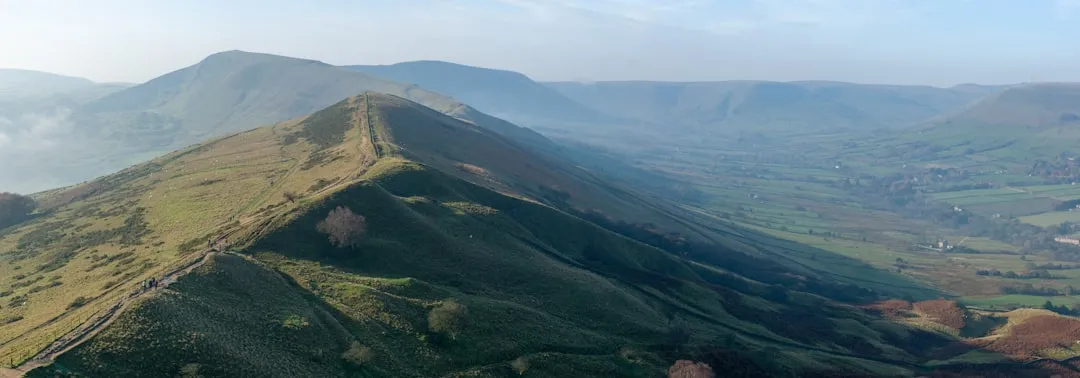
Tennyson Down Trail
Tennyson Down Trail is a captivating coastal walk on the western tip of the Isle of Wight, offering breathtaking panoramic views of the English Channel and the dramatic chalk cliffs. This moderate trail, stretching approximately 7.0 km, is renowned for its stunning natural beauty, rich history, and the iconic Tennyson Monument that stands sentinel over the landscape. It's a perfect destination for a half-day excursion, combining invigorating fresh air with a glimpse into the island's past and its literary connections.
- Distance: 7.0 km one-way
- Elevation gain: 200 m
- Duration: 2-3 hours
- Difficulty: Moderate
- Best time to visit: April to October
- Closest town: Freshwater
- Trailhead access: Tennyson Down Car Park (SZ308855)
- Permits: Not required
Overview
The Tennyson Down Trail is a quintessential example of the Isle of Wight's wild and beautiful western coastline. The walk begins from the Tennyson Down Car Park, a convenient starting point that immediately immerses you in the expansive, rolling chalk downs. As you ascend, the landscape opens up, revealing sweeping vistas of the Solent and the English Channel. The path is generally well-maintained, though it can be uneven and exposed in places, characteristic of a chalk downland environment.
The trail's moderate difficulty stems from the consistent, though not overly steep, elevation gain. The 200 metres of ascent are spread across the 7.0 km, making for a steady climb that rewards walkers with increasingly spectacular views. The dominant feature of the downs is the chalk grassland, dotted with wildflowers in spring and summer, and home to a variety of birdlife. The air is often filled with the scent of wild herbs and the sound of the sea breeze.
A significant landmark along the route is the Tennyson Monument, a striking granite obelisk erected in memory of the celebrated Victorian poet Alfred, Lord Tennyson, who lived at nearby Farringford House. The monument offers a perfect spot to rest, take in the 360-degree views, and contemplate the poet's connection to this inspiring landscape. From here, the trail continues towards the dramatic Atherfield Cliffs, offering a more rugged and wilder perspective before looping back or returning the way you came.
The trail is particularly popular during the warmer months, from April to October, when the weather is generally more favourable for coastal walking. However, even outside these months, the downs offer a stark and beautiful experience, though visitors should be prepared for more challenging weather conditions, including wind and rain.
History and Cultural Context
Tennyson Down has a history deeply intertwined with the natural landscape and literary heritage of the Isle of Wight. The downs themselves have been shaped by millennia of grazing and erosion, creating the distinctive rolling chalk hills that characterise the area. For centuries, these downs would have been grazed by sheep, a practice that helped maintain the unique chalk grassland ecosystem, rich in biodiversity.
The most prominent historical and cultural connection is to Alfred, Lord Tennyson. The Poet Laureate lived at Farringford House, just a short distance from the downs, from 1853 until his death in 1892. He found immense inspiration in the surrounding landscape, and the dramatic coastal scenery of the Isle of Wight, particularly the views from Tennyson Down, is believed to have influenced some of his most famous works. The downs provided him with a place for contemplation and inspiration, a sanctuary from the demands of his public life.
In 1897, a granite obelisk was erected on the highest point of the downs to commemorate Tennyson. This monument, visible from miles around, has become a focal point for visitors and a symbol of the poet's enduring legacy. The monument itself is a testament to the respect and admiration held for Tennyson, and it draws many visitors who wish to connect with his spirit and the landscape that so profoundly moved him.
Beyond its literary connections, the area has also played a role in coastal defence and observation throughout history, given its strategic position overlooking the English Channel. While the primary draw today is the natural beauty and literary heritage, the underlying landscape holds echoes of past human activity, from ancient grazing practices to more recent military significance.
Seasonal Highlights and Weather Reality
The Tennyson Down Trail offers a different experience throughout the year, each season bringing its own unique charm and challenges.
Spring (April-May): This is a beautiful time to visit as the downs come alive with colour. Wildflowers, including cowslips, bluebells, and orchids, begin to bloom, creating a vibrant carpet across the landscape. The weather is often mild, though still unpredictable, with a good chance of sunny days interspersed with showers. The birdlife is particularly active during this period.
Summer (June-August): The peak season for visitors. The downs are typically at their most lush, and the weather is generally warmer, offering the best conditions for enjoying the panoramic sea views. However, this is also the busiest time, and the trail can be crowded. Sandflies can be present, especially on warmer, still days near the coast. Long daylight hours allow for extended exploration.
Autumn (September-October): A wonderful time for walking, with fewer crowds and often crisp, clear days. The colours of the landscape begin to change, with golden hues appearing on the grass. The sea can be particularly dramatic, and the air is fresh and invigorating. The risk of stronger winds and rain increases as the season progresses.
Winter (November-March): The downs take on a stark, dramatic beauty in winter. While the weather can be harsh, with strong winds and rain being common, the clear, crisp days offer spectacular views and a sense of solitude. The exposed nature of the trail means visitors must be well-prepared for the elements. This season is best suited for experienced walkers who are comfortable with challenging conditions.
Weather Reality: The Isle of Wight, particularly its western coast, is exposed to prevailing winds from the Atlantic. This means that even in summer, conditions can change rapidly. Visitors should always be prepared for wind, rain, and cooler temperatures, regardless of the season. Waterproof and windproof clothing is essential year-round.
Recommended Itinerary
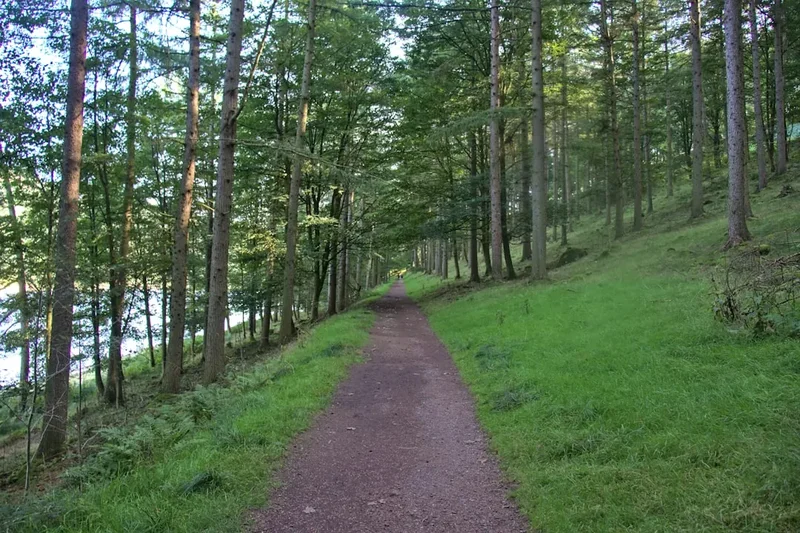
Tennyson Down Trail - A Moderate Coastal Walk
This itinerary assumes a start from the Tennyson Down Car Park and a return walk, covering the main highlights of the trail.
Morning (Approx. 9:30 AM - 12:30 PM): Ascent and Monument Visit
- Start: Tennyson Down Car Park (SZ308855)
- Route: Begin by heading east from the car park, following the clear path that ascends gently onto the downs.
- Elevation Gain: Gradual climb of approximately 100 metres over the first 2-3 km.
- Key Waypoints:
- Follow the main track across the open downland.
- Keep an eye out for the distinctive chalk grassland flora and fauna.
- The path is generally well-defined, but can be uneven in places.
- Mid-Morning: Tennyson Monument (Approx. 11:00 AM)
- Reach the prominent Tennyson Monument.
- Spend time exploring the monument and enjoying the 360-degree panoramic views.
- This is an excellent spot for photographs and a rest break.
- Views extend across the English Channel, towards Dorset, and over the Isle of Wight's western coast.
Midday (Approx. 12:30 PM - 2:00 PM): Coastal Path and Atherfield Cliffs
- Route: Continue east from the monument, following the path that leads towards the coast. The terrain becomes more rugged as you approach the cliffs.
- Elevation Change: The path may involve some short, steeper descents and ascents as it navigates the contours of the land towards the cliff edge.
- Key Waypoints:
- Follow the coastal path, keeping a safe distance from the cliff edge.
- Observe the dramatic Atherfield Cliffs, known for their geological interest and erosion patterns.
- Listen to the sounds of the waves crashing against the shore below.
- This section offers a wilder, more exposed experience.
- Lunch Break: Find a sheltered spot along the cliff path or near the monument for a picnic lunch.
Afternoon (Approx. 2:00 PM - 3:30 PM): Return Journey
- Route: Retrace your steps back towards the Tennyson Down Car Park.
- Elevation Change: The return journey will involve a gradual descent back to the car park.
- Key Waypoints:
- Enjoy the changing light and perspectives on the downs as you walk back.
- Reflect on the expansive views and the historical significance of the area.
- The path remains clear and well-trodden for the return.
- End: Arrive back at Tennyson Down Car Park.
Optional Extensions:
- For a longer walk, consider extending your route further along the coastal path towards Compton Bay or exploring the footpaths around Farringford Estate (check for public access).
- A visit to the nearby village of Freshwater offers amenities such as cafes and shops.
Important Notes:
- Wear sturdy walking shoes or boots, as the terrain can be uneven.
- Carry water and snacks, especially during warmer months.
- Be prepared for changeable weather; waterproofs are recommended year-round.
- Respect the natural environment and stay on marked paths.
- Keep dogs on leads, especially near livestock and cliff edges.
Planning and Bookings
Book Your Trip
Everything you need to plan your journey
Accommodation
Find places to stay near Freshwater
Flights
Search flights to Freshwater
Essential Preparation
The Tennyson Down Trail is a relatively straightforward walk, but essential preparation ensures a more enjoyable and safe experience. Given its proximity to Freshwater, the nearest town, logistical planning is minimal. Freshwater offers basic amenities, including a few shops and places to eat, which can be useful before or after your walk. For more extensive services, the larger towns of Yarmouth or Newport are within driving distance.
Fitness Requirements: The trail is classified as moderate due to the 200 metres of elevation gain spread over 7.0 km. This requires a reasonable level of fitness, particularly for those unaccustomed to walking on undulating terrain. The path can be uneven and exposed, so good balance and stamina are beneficial. The walk typically takes 2-3 hours, allowing for stops to admire the views.
Logistics: Access to the trailhead is primarily by car. The Tennyson Down Car Park is well-signposted and located off the B3399 road near Freshwater. Public transport options are limited; local bus services may reach Freshwater, but walking from the village to the trailhead would add significant distance. For those travelling from the mainland, the nearest ferry ports are Cowes and Fishbourne. From these ports, you would need to arrange onward travel to Freshwater.
Base Town/City Information: Freshwater is the closest settlement to Tennyson Down. It's a small village with essential amenities. For a wider range of accommodation, dining, and shopping options, consider staying in Yarmouth (a picturesque harbour town) or Newport (the island's capital). Southampton is the nearest major city on the mainland, from which ferry services to the Isle of Wight depart.
Trail Accommodation
This is a day hike requiring no overnight accommodation. The Tennyson Down Trail is typically walked as a single excursion, with visitors returning to their accommodation in Freshwater, Yarmouth, Newport, or other locations on the Isle of Wight.
Required Gear
- Footwear: Sturdy walking boots or robust trail shoes with good grip are essential. The chalky terrain can be slippery when wet, and the path is uneven.
- Clothing: Layers are key. A moisture-wicking base layer, an insulating mid-layer (fleece or wool), and a waterproof and windproof outer jacket are highly recommended. Even on a sunny day, the exposed nature of the downs means the wind can be significant.
- Headwear: A sun hat or cap for protection from the sun, and a warm hat or beanie for cooler, windy conditions.
- Navigation: While the main path is generally clear, a map of the area or a reliable GPS device/app is advisable, especially if you plan to explore off the main route or in poor visibility. A compass can also be useful.
- Safety Gear: A basic first-aid kit including plasters, antiseptic wipes, and any personal medication. A mobile phone for emergencies (though signal can be intermittent). A whistle can be useful for signalling.
What to Bring
- Food and Drink: Plenty of water is crucial, especially during warmer months. Pack high-energy snacks such as fruit, nuts, or energy bars. A packed lunch is ideal for enjoying the views.
- Sun Protection: High SPF sunscreen, sunglasses, and lip balm are essential, as the sun's rays can be intense on the open downs, even on cooler days.
- Insect Repellent: While not usually a major issue, sandflies can be present, particularly in sheltered spots or near the coast during warmer weather.
- Backpack: A comfortable day pack (20-30 litres) to carry your essentials.
- Camera: To capture the stunning scenery.
- Binoculars: For spotting wildlife or distant landmarks.
- Toiletries: Hand sanitiser and any personal items.
Permits
No permits are required to walk the Tennyson Down Trail. Access to the downs and the coastal path is free and open to the public. The Tennyson Down Car Park is managed by the National Trust, and while parking is generally free for National Trust members, there may be a charge for non-members. It is advisable to check current parking charges before your visit.
The trail is part of the Isle of Wight's extensive network of public footpaths and bridleways, managed to ensure public access while protecting the natural environment. The open nature of the downs means that walkers can explore freely within the designated areas, respecting any signage regarding livestock or sensitive habitats.
Other Activities in the Area
The western end of the Isle of Wight offers a wealth of activities and attractions to complement your walk on Tennyson Down:
- Compton Bay: A beautiful sandy beach known for its fossil hunting opportunities and dramatic cliff formations. It's a popular spot for surfing and kite-surfing.
- Farringford House: The former home of Alfred, Lord Tennyson, now a hotel and museum. Visitors can explore the house and gardens, which are steeped in literary history.
- Freshwater Bay: A charming bay with a shingle beach, popular for swimming and watersports. It features distinctive chalk stacks and caves.
- The Needles: The iconic chalk stacks and lighthouse at the westernmost point of the island. Accessible by boat trips from Alum Bay or by walking from nearby viewpoints.
- Dimbola Lodge: The former home of photographer Julia Margaret Cameron, now a museum dedicated to her work and the Victorian artistic community of the area.
- Isle of Wight Coastal Path: The Tennyson Down Trail is a section of this longer, 100 km path that circumnavigates the island, offering numerous other walking opportunities.
- Yarmouth: A historic harbour town with a medieval castle, independent shops, and excellent seafood restaurants.
Safety and Conditions
Weather: The most significant safety consideration on Tennyson Down is the weather. The downs are very exposed, and conditions can change rapidly. Always check the local weather forecast before you set out. Be prepared for strong winds, rain, and cooler temperatures, even in summer. Hypothermia is a risk if you get wet and cold without adequate protection.
Terrain: The path is generally well-maintained but can be uneven, rocky, and slippery, especially after rain. Sturdy footwear with good ankle support is crucial. Be mindful of the cliff edges; maintain a safe distance, especially in windy conditions, and keep children and pets under close supervision.
Livestock: Sheep are often grazed on the downs. Keep dogs under control at all times to avoid disturbing or harming the animals. Close any gates you pass through to keep livestock contained.
Navigation: While the main route is straightforward, visibility can be significantly reduced in fog or heavy rain. Carry a map and compass, or a reliable GPS device, and know how to use them. Inform someone of your walking plans and expected return time.
Emergency Services: In case of an emergency, dial 999 or 112 and ask for the Coastguard (if near the coast) or Police. Mobile phone signal can be intermittent on the downs, so be prepared for this.
Sun Protection: Even on cloudy days, the sun's UV rays can be strong, especially when reflected off the chalk. Use sunscreen, wear a hat, and sunglasses.
Side Trips and Points of Interest
Tennyson Monument: This striking granite obelisk, erected in 1897, is the primary landmark on Tennyson Down. It commemorates the life and work of Alfred, Lord Tennyson, the Poet Laureate, who lived nearby. The monument offers a fantastic vantage point for panoramic views across the English Channel, towards Dorset, and over the rolling chalk downs of the Isle of Wight. It's an ideal spot for a rest, a picnic, and to absorb the historical and literary significance of the location.
Atherfield Cliffs: As the trail progresses east from the monument, it approaches the dramatic Atherfield Cliffs. These are part of the island's impressive coastline, characterised by their chalk composition and the ongoing process of erosion by the sea. The views from the cliff tops are spectacular, offering a sense of the raw power of nature. It's important to maintain a safe distance from the cliff edge, as they can be unstable.
Chalk Grassland Flora: The downs are a habitat for a variety of chalk grassland plants, which are particularly beautiful in spring and early summer. Look out for species such as cowslips, orchids, eyebright, and thyme. The diverse plant life supports a range of insects, including butterflies.
Birdwatching: The open downland and coastal environment attract various bird species. Keep an eye out for birds of prey soaring overhead, such as kestrels, and seabirds along the coast. Skylarks are also common in this habitat.
Views towards the Needles: On a clear day, from the higher points of Tennyson Down, you can often see the iconic chalk stacks of The Needles in the distance, marking the westernmost tip of the Isle of Wight. This provides a sense of the island's dramatic geological formations.
Leave No Trace

The Tennyson Down Trail traverses a beautiful and ecologically sensitive chalk grassland environment. Adhering to Leave No Trace principles is crucial to preserve its natural beauty and biodiversity for future visitors and wildlife.
Stay on the Path: The chalk grassland is fragile and can be easily damaged by foot traffic. Stick to the marked trails to avoid trampling delicate vegetation and causing erosion. This is especially important on the downs where the ground cover is sparse.
Dispose of Waste Properly: Pack out everything you pack in. This includes all litter, food scraps, and anything else you bring with you. There are no bins on the downs, so you must carry your waste until you can dispose of it responsibly. Use the toilet facilities in Freshwater or other nearby villages; do not leave waste on the downs.
Respect Wildlife: Observe wildlife from a distance and do not disturb or feed the animals. Sheep are often grazed on the downs, so keep dogs under close control to prevent them from chasing or harming the livestock. Avoid disturbing nesting birds.
Leave What You Find: Do not take any natural souvenirs, such as flowers, rocks, or fossils, from the downs or the cliffs. Leave the landscape as you found it for others to enjoy.
Be Considerate of Others: Keep noise levels down to allow everyone to enjoy the peace and tranquility of the downs. Yield to other walkers, especially on narrower sections of the path.
By following these principles, you help ensure that Tennyson Down remains a pristine and enjoyable natural space.