
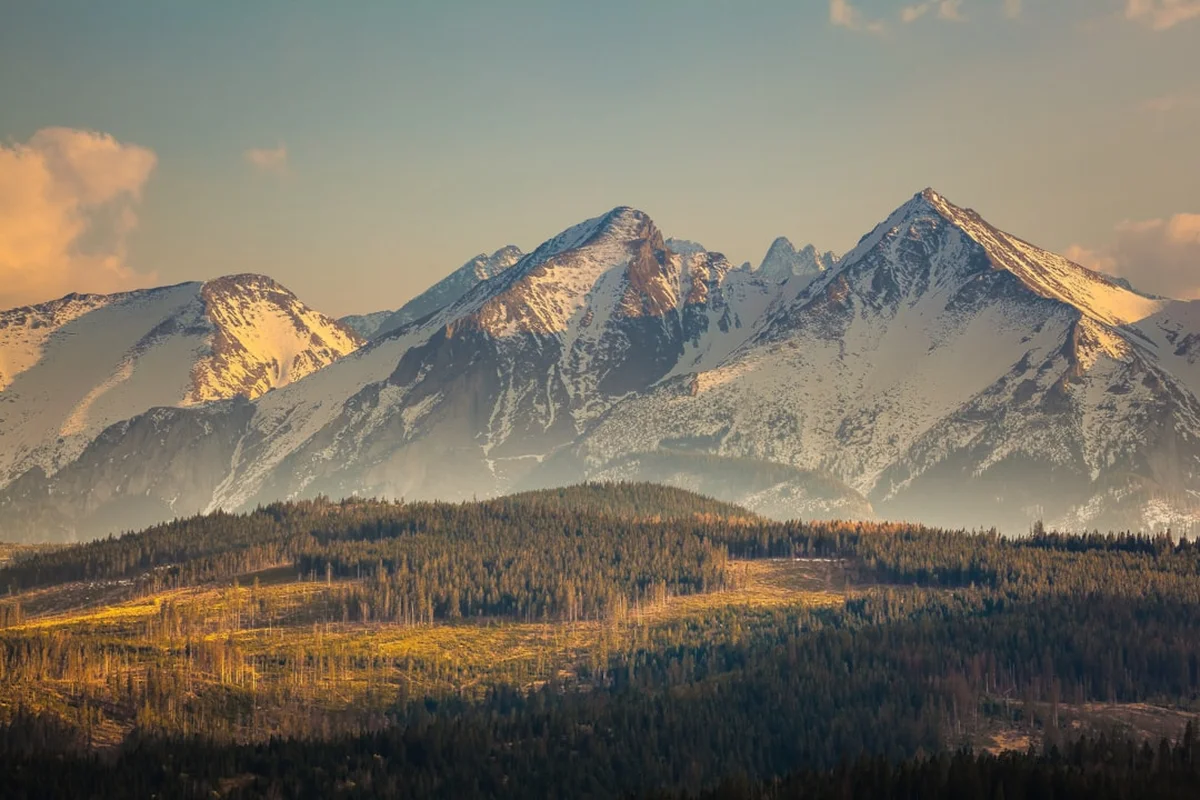
Tatra Mountains Traverse - The Roof of Poland and Slovakia
The Tatra Mountains Traverse is the ultimate high-altitude trekking experience in Central Europe, a demanding 70.0 km journey that crosses the jagged granite spine of the Tatra range, straddling the border between Poland and Slovakia. Known as the "smallest high mountains in the world," the Tatras pack an incredible density of alpine scenery into a relatively compact area, featuring razor-sharp ridges, deep glacial cirques, and over 100 shimmering emerald lakes. This traverse is not a single marked trail but a curated sequence of historic paths that link the most spectacular mountain huts (schroniska in Polish, chata in Slovak) across both nations. Starting in the vibrant mountain hub of Zakopane and concluding in the Slovak resort of Tatranská Lomnica, the route involves a staggering 5,000 metres of elevation gain, crossing high mountain passes that often require the use of fixed steel chains and ladders. It is a journey through the heart of two National Parks—Tatrzański Park Narodowy (TPN) and Tatranský národný park (TANAP)—where the wilderness remains raw, the weather is unpredictable, and the cultural heritage of the highlanders (Górale) adds a unique depth to every step of the climb.
- Distance: 70.0 km point-to-point
- Duration: 7–10 days
- Season: July–September (summer season; snow can persist on high passes until late June)
- Accommodation: Mountain huts (mandatory booking; wild camping is strictly prohibited)
- Highest point: Rysy (2,501 m) - the highest peak in Poland
- Difficulty: Very Challenging (requires high fitness, sure-footedness, and comfort with significant exposure)
- Direction: Recommended West to East (Zakopane, Poland to Tatranská Lomnica, Slovakia)
Overview
The Tatra Mountains Traverse is a masterclass in alpine contrast. The range is geologically divided into two distinct sections: the Western Tatras, characterised by rounded, grassy peaks and vast ridges, and the High Tatras, a formidable world of jagged granite, vertical walls, and glacial lakes. This traverse focuses primarily on the High Tatras, where the terrain is at its most dramatic and demanding. The route is designed to test the endurance of even seasoned trekkers, with daily stages that frequently involve steep ascents of 800 to 1,000 metres, followed by technical descents over loose scree and rock slabs. The presence of fixed chains (łańcuchy) on sections like the Zawrat pass or the ascent of Rysy adds an element of scrambling that elevates this from a standard hike to a genuine mountain adventure.
What sets the Tatras apart is the sheer verticality of the landscape. Unlike the sprawling massifs of the Alps, the Tatras rise abruptly from the surrounding basins, creating a sense of immense scale despite the range's small footprint. Walkers will find themselves transitioning from lush spruce and fir forests into the dwarf pine zone (kosodrzewina), before emerging into a high-alpine desert of rock and ice. The lakes, such as Morskie Oko (Eye of the Sea) and Dolina Pięciu Stawów Polskich (Valley of the Five Polish Lakes), are world-renowned for their clarity and the way they reflect the surrounding peaks like polished mirrors. In the Slovak section, the Tatranská Magistrála—a historic stone-paved trail—winds along the southern flanks of the range, offering sweeping views of the Poprad basin and the Low Tatras in the distance.
This is a landscape defined by its fierce independence and cultural pride. The Tatras have inspired generations of poets, painters, and mountaineers. The mountain huts along the route are more than just places to sleep; they are historic institutions, some dating back over a century, where the atmosphere is thick with the smell of traditional soups and the camaraderie of tired hikers. Whether you are navigating the mist-shrouded ridges of the Polish side or the vast, sun-drenched valleys of Slovakia, the Tatra Mountains Traverse offers a profound connection to the wild heart of Europe.
History and Cultural Context
The history of the Tatra Mountains is inextricably linked to the birth of modern mountaineering and tourism in Central Europe. For centuries, the mountains were the domain of shepherds, miners, and outlaws (zbójnicy), whose legends still permeate the local folklore. The "discovery" of the Tatras for science and recreation began in the late 18th and early 19th centuries, led by figures such as Stanisław Staszic, who performed the first recorded scientific explorations of the range. However, it was Dr Tytus Chałubiński, a Warsaw physician, who is credited with "opening" the Tatras to the wider public in the 1870s. He organised legendary "trips to the mountains" accompanied by highlander guides and musicians, blending exploration with cultural celebration.
The cultural heart of the Polish Tatras is Zakopane, which evolved from a small shepherd village into a cultural mecca at the turn of the 20th century. The "Zakopane Style" of architecture, developed by Stanisław Witkiewicz, sought to create a national Polish aesthetic based on the traditional building techniques of the Górale (highlanders). This style is still visible today in the intricate wood carvings and steep-roofed villas that dot the town and the mountain valleys. On the Slovak side, the development was more focused on grand spa hotels and sanatoriums, reflecting the Austro-Hungarian influence of the time, creating a fascinating architectural contrast across the border.
The establishment of the National Parks—TANAP in Slovakia (1949) and TPN in Poland (1954)—marked a turning point in the protection of this fragile ecosystem. The parks were created to safeguard the unique flora and fauna, including the Tatra chamois and the Tatra marmot, both of which are endemic subspecies. The mountains also played a strategic role during World War II, serving as a corridor for couriers of the Polish resistance who braved the high passes to maintain contact with the government-in-exile. Today, the Tatras are a symbol of national pride for both Poles and Slovaks, and the traverse represents a modern celebration of the friendship and shared heritage between the two nations.
Want more background? Read extended notes on history and cultural context → Learn more
Seasonal Highlights and Weather Reality
The window for completing the full Tatra Mountains Traverse is relatively narrow, dictated by the presence of snow on the high passes. While the lower valleys are accessible year-round, the technical sections of the traverse require dry rock and stable conditions.
Summer (July–August): This is the peak season and the most reliable time for the traverse. The weather is generally warm, with temperatures in the valleys reaching 20–25°C, though it remains significantly cooler at altitude. This is also the season of the "Tatra storms"—violent afternoon thunderstorms that can develop with terrifying speed. Hikers must aim to be off the high ridges and passes by early afternoon to avoid lightning strikes. July is the wettest month, while August often brings more stable, clear days.
Autumn (September–early October): Many experienced hikers consider September the best month for the Tatras. The summer crowds dissipate, the air becomes exceptionally clear, and the dwarf pines and alpine grasses turn shades of gold and copper. The risk of afternoon thunderstorms decreases, though the days are shorter and night-time temperatures can drop below freezing. Early snowfalls can occur in October, potentially closing the higher passes.
Winter and Spring (November–June): During this period, the Tatra Mountains Traverse becomes a serious mountaineering undertaking. In Slovakia, most high-altitude trails (above the huts) are officially closed from 1 November to 14 June to protect the environment and ensure safety. In Poland, trails remain open, but require ice axes, crampons, and avalanche rescue equipment. The "spring" season in the High Tatras often lasts until late June, with snow patches lingering on north-facing slopes and in narrow gullies, making passes like Zawrat or Rysy dangerous without proper winter gear.
Recommended Itinerary
8-Day Tatra Mountains Traverse Itinerary
Day 1: Kuźnice to Murowaniec Hut
- Distance: 7 km
- Elevation gain: 600 m
- Time: 3–4 hours
- Start at Kuźnice (accessible by bus from Zakopane centre)
- Ascend via the yellow trail through Dolina Jaworzynka or the blue trail via Skupniów Upłaz
- Arrive at Schronisko Murowaniec in Hala Gąsienicowa
- Explore the nearby Czarny Staw Gąsienicowy lake in the evening
- The hut is a massive stone structure, famous for its atmosphere and proximity to the High Tatras' most technical peaks
Day 2: Murowaniec to Valley of the Five Polish Lakes via Zawrat
- Distance: 10 km
- Elevation gain: 950 m
- Time: 6–7 hours
- A challenging day involving the first technical pass
- Ascend to Zawrat (2,158 m) using fixed chains on the final section
- Spectacular views of the Orla Perć ridge
- Descend into Dolina Pięciu Stawów Polskich (Valley of the Five Polish Lakes)
- Stay at Schronisko w Dolinie Pięciu Stawów Polskich, the highest hut in Poland
Day 3: Five Lakes to Morskie Oko via Szpiglasowa Przełęcz
- Distance: 8 km
- Elevation gain: 500 m
- Time: 4–5 hours
- Ascend the "Ceprostrada" trail to Szpiglasowa Przełęcz (2,110 m)
- Optional quick scramble to Szpiglasowy Wierch for 360-degree views
- Descend to the world-famous Morskie Oko lake
- Stay at Schronisko nad Morskim Okiem, the most historic hut in the range
- Evening views of the Mięguszowiecki peaks reflecting in the lake are unparalleled
Day 4: Morskie Oko to Popradské Pleso (Slovakia) via Rysy
- Distance: 12 km
- Elevation gain: 1,100 m
- Time: 8–9 hours
- The "Queen Stage" of the traverse, crossing the international border
- Long, steep ascent to Rysy (2,501 m) using extensive chain sections
- Cross into Slovakia and descend past Chata pod Rysmi (the highest hut in the Tatras)
- Continue descent to the beautiful Popradské Pleso lake
- Stay at Horský Hotel Popradské Pleso
Day 5: Popradské Pleso to Sliezsky Dom
- Distance: 10 km
- Elevation gain: 600 m
- Time: 5–6 hours
- Join the Tatranská Magistrála, the famous red-marked traverse trail
- Ascend to Ostrva (1,984 m) for a bird's-eye view of the Mengusovská valley
- Follow the rocky balcony trail under the massive walls of Gerlachovský štít
- Arrive at Sliezsky Dom, located at the base of the highest peak in the Carpathians
Day 6: Sliezsky Dom to Téryho Chata
- Distance: 9 km
- Elevation gain: 800 m
- Time: 6–7 hours
- Continue along the Magistrála to Hrebienok
- Ascend the Malá Studená dolina (Small Cold Valley)
- Climb the "Great Slope" to reach Téryho Chata (2,015 m)
- The hut is surrounded by five alpine lakes and dramatic granite spires
- This is one of the most isolated and atmospheric stays on the Slovak side
Day 7: Téryho Chata to Zelené Pleso via Priečne Sedlo
- Distance: 8 km
- Elevation gain: 400 m
- Time: 5–6 hours
- Cross the technical Priečne Sedlo (2,352 m) using chains (one-way traffic rules apply)
- Descend into the Veľká Studená dolina and then cross over to the Skalnaté Pleso area
- Final descent to Chata pri Zelenom plese (Hut by the Green Lake)
- The setting of this hut is often cited as the most beautiful in the entire Tatra range
Day 8: Zelené Pleso to Tatranská Lomnica
- Distance: 6 km
- Elevation gain: 100 m (mostly descent)
- Time: 3 hours
- A gentle concluding walk through the forest and dwarf pines
- Follow the yellow or blue trails down to the resort town of Tatranská Lomnica
- Celebrate the completion of the traverse with a traditional Slovak meal
- Easy train or bus connections back to Poprad or Zakopane
Planning and Bookings
Book Your Trip
Everything you need to plan your journey
Accommodation
Find places to stay near Zakopane
Flights
Search flights to Zakopane
Essential Preparation
The Tatra Mountains Traverse requires meticulous logistical planning, primarily due to the extreme popularity of the mountain huts. Unlike many alpine regions where you can turn up and find a bed, the Tatras operate at near-total capacity throughout the summer. You should aim to book your accommodation at least 4–6 months in advance for weekend stays, and 2–3 months for midweek. Fitness is a critical factor; you will be carrying a multi-day pack over terrain that is often steep, rocky, and exposed. Training should focus on cardiovascular endurance and leg strength, ideally with weighted pack hikes.
Zakopane is the primary base for the Polish side. It is a large town with full services, including numerous outdoor equipment stores (ideal for last-minute gear), supermarkets, and a wide range of accommodation from hostels to luxury hotels. On the Slovak side, Poprad is the main transport hub, while the "settlements" of Starý Smokovec and Tatranská Lomnica provide direct access to the trails. It is highly recommended to spend at least one night in Zakopane before starting to acclimatise and check the latest mountain weather reports at the TPN visitor centre.
Trail Accommodation
Accommodation on the traverse consists of mountain huts (Schroniska in Poland, Chaty in Slovakia). These vary from historic wooden structures to more modern mountain hotels.
Hut Facilities:
- Dormitory-style rooms (usually 4 to 12 beds) with mattresses
- Blankets are usually provided, but a lightweight sleeping bag liner is mandatory for hygiene
- Common dining rooms serving hot meals (Bigos, Żurek, dumplings in Poland; Parené buchty, Fried cheese in Slovakia)
- Cold and sometimes hot water (showers often require a small fee or token)
- Electricity for charging devices (often limited to specific hours or locations)
- Boiling water for tea is usually available for free or a small fee
What Huts Don't Provide:
- Towels or toiletries
- Private rooms (very rare and must be booked a year in advance)
- WiFi (signal is non-existent in many high-altitude huts)
- Quiet (huts are social and can be noisy until the 10:00 PM "night silence" begins)
Booking and Costs:
- Poland: Bookings are made directly with each hut via email or their website. Costs range from 60–120 PLN per night.
- Slovakia: Bookings are made via email or phone. Costs range from 25–45 EUR per night.
- Emergency "Floor" Sleeping: In Poland, huts are legally required to provide shelter to anyone who arrives before nightfall and has no other option. This usually means sleeping on a foam mat on the dining room floor. This is an emergency measure and should not be planned for. Slovakia does not have this same legal requirement.
Required Gear
- Hiking boots: High-cut, waterproof boots with a stiff sole (Vibram or similar) are essential for the rocky terrain.
- Technical clothing: Layering system including moisture-wicking base layers, a fleece or down mid-layer, and a high-quality hardshell jacket.
- Helmet: Strongly recommended for sections like Rysy or Priečne Sedlo due to the risk of rockfall from hikers above.
- Backpack: 35–50 litre capacity with a proper suspension system and rain cover.
- Navigation: Detailed 1:25,000 topographic maps of the Polish and Slovak Tatras. A compass and a GPS-enabled smartphone with offline maps (e.g., Mapy.cz) are vital.
- First aid kit: Including blister plasters (Compeed), antiseptic wipes, and any personal medications.
- Head torch: Essential for early starts and navigating huts at night.
What to Bring
- Water treatment: While hut water is generally safe, a filter (like a Sawyer Squeeze) or purification tablets are useful for refilling from streams.
- Cash: Many huts do not accept cards, or the connection is unreliable. Carry both Polish Złoty (PLN) and Euros (EUR).
- Sun protection: High-factor sunscreen, lip balm with SPF, and polarised sunglasses (the glare from granite and snow patches is intense).
- Food and snacks: While huts serve meals, carry high-energy snacks (nuts, chocolate, energy bars) for the trail.
- Lightweight towel: Microfibre towels save space and dry quickly.
- Power bank: To ensure your phone/GPS remains charged throughout the traverse.
- Gloves: Lightweight gardening or cycling gloves are excellent for handling the cold steel chains on the passes.
Permits
The Tatra Mountains Traverse does not require a single "permit" in the way some North American or Himalayan trails do. However, there are specific entry fees and regulations that must be followed to ensure the conservation of the National Parks.
National Park Entry Fees:
- Poland (TPN): An entry fee is required to enter the park. As of 2024, this is approximately 9 PLN per day. You can purchase multi-day passes at the entry gates in Kuźnice or online via the TPN website or mobile apps like SkyCash.
- Slovakia (TANAP): There is currently no daily entry fee for hikers entering the Slovak National Park, though this is subject to change. However, you are required to have mountain rescue insurance (see Safety section).
Regulations and Restrictions:
- Strict Trail Adherence: You must stay on the marked trails at all times. Off-trail hiking is strictly prohibited and carries heavy fines.
- No Camping: Wild camping is forbidden in both National Parks. You must stay in the designated mountain huts.
- Night Hiking: In Poland, hiking after dusk is prohibited from 1 March to 30 November to protect wildlife.
- Border Crossing: Since both Poland and Slovakia are in the Schengen Area, you can freely cross the border on the mountain ridges (such as at Rysy or Kasprovy Wierch), but you must carry a valid ID card or passport.
Other Activities in the Area
The regions surrounding the Tatras offer a wealth of cultural and recreational opportunities for those looking to extend their stay:
- Thermal Baths: After a week of trekking, the thermal pools at Bukowina Tatrzańska, Białka Tatrzańska, or Chochołów in Poland, and AquaCity Poprad in Slovakia, offer the perfect recovery.
- Zakopane Cultural Tour: Visit the Tatra Museum, the historic cemetery at Pęksowy Brzyzek, and the various "Zakopane Style" villas designed by Witkiewicz.
- Kasprowy Wierch Cable Car: For a less strenuous view of the High Tatras, take the historic cable car from Kuźnice to the summit of Kasprowy Wierch (1,987 m).
- Dunajec River Rafting: Located in the nearby Pieniny National Park, traditional wooden raft trips down the Dunajec Gorge offer a spectacular perspective on the limestone cliffs.
- Spiš Castle: A UNESCO World Heritage site in Slovakia, this is one of the largest castle complexes in Central Europe, located about an hour's drive from Poprad.
- Belianska Cave: The only cave in the Tatras open to the public, featuring stunning dripstone formations and underground lakes.
Safety and Conditions
Mountain Rescue Services: The Tatras are patrolled by two world-class rescue organisations: TOPR (Tatra Volunteer Search and Rescue) in Poland and HZS (Mountain Rescue Service) in Slovakia. In Poland, rescue services are currently free of charge. In Slovakia, however, hikers are legally responsible for the costs of their rescue. It is mandatory to have specific mountain rescue insurance when hiking on the Slovak side. This can be purchased for a few Euros per day online or at local tourist offices.
Weather Hazards: The most significant danger in the Tatras is the weather. Afternoon thunderstorms are common in summer; if you hear thunder or see dark clouds gathering, descend from ridges immediately. Lightning strikes on the metal chains are a frequent cause of accidents. Hypothermia is a risk even in summer, as temperatures can drop to near zero during storms. Always check the forecast at topr.pl or hzs.sk before setting out.
Technical Terrain: Many sections of the traverse involve "chains" (łańcuchy). These are fixed steel cables used for security on steep rock. While they do not require climbing gear, they do require a steady head for heights and good grip. If you are uncomfortable with exposure, some sections like the ascent of Rysy from the Polish side or the Priečne Sedlo pass may be overwhelming. Always maintain three points of contact and be patient with other hikers.
Wildlife: The Tatras are home to brown bears. While attacks are extremely rare, you should make noise when walking through dense forest and never leave food or rubbish outside. If you encounter a bear, stay calm, do not run, and back away slowly.
Side Trips and Points of Interest
Orla Perć (The Eagle's Path): For those with advanced mountain experience and no fear of heights, the Orla Perć is the most famous and difficult ridge trail in the Tatras. It runs from Zawrat to Krzyżne. It is not part of the standard traverse due to its extreme technicality, but it can be accessed as a day trip from Murowaniec or the Five Lakes hut. It features vertical ladders, deep chasms, and continuous exposure.
Morskie Oko and Czarny Staw pod Rysami: Morskie Oko is often voted one of the most beautiful lakes in the world. A short, steep climb above it leads to Czarny Staw pod Rysami (Black Lake under Rysy), which sits in a dramatic glacial cirque. The reflection of the surrounding 1,000-metre walls in the dark water is a highlight of the Polish side.
Chata pod Rysmi: The highest mountain hut in the Tatras (2,250 m) is famous for its quirky atmosphere and its "scenic toilet," which features a glass wall overlooking the abyss. The hut is supplied entirely by "sherpas"—porters who carry up to 100 kg of supplies on their backs. It is a fantastic place to stop for tea after summiting Rysy.
Gerlachovský štít: The highest peak in the entire Carpathian range (2,655 m) is visible for much of the Slovak section of the traverse. While it cannot be climbed via a marked trail, it is possible to summit with a certified mountain guide. This is a popular "rest day" activity for those with the budget and energy.
Leave No Trace
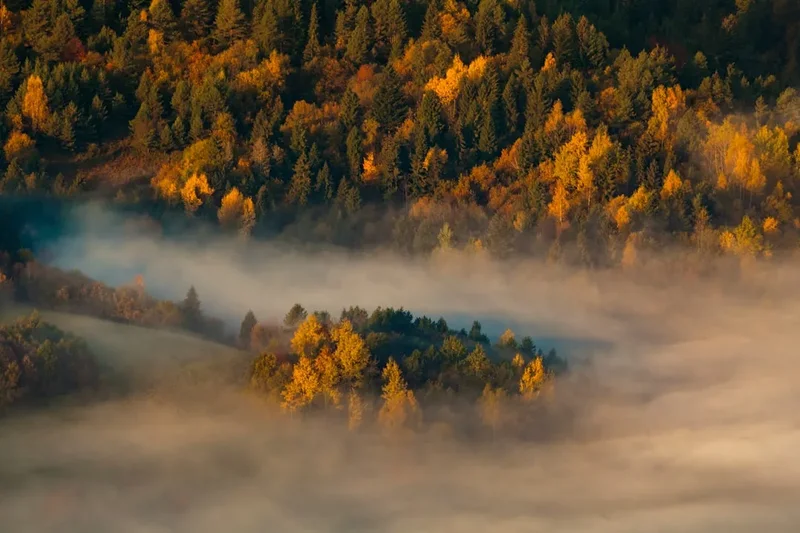
The Tatra Mountains are a small range facing immense tourist pressure, with millions of visitors annually. Practising Leave No Trace principles is essential to ensure the survival of this unique alpine environment.
Core Principles for the Tatras:
- Pack it in, pack it out: There are no rubbish bins on the trails or at the huts (except for small bins in dining areas). You must carry all your waste back down to the towns.
- Respect the Water: Do not wash yourself or your dishes in the alpine lakes. The ecosystems of these high-altitude lakes are extremely fragile and sensitive to chemicals and nutrients.
- Protect the Flora: Do not pick flowers or disturb the dwarf pines. Many species, such as the Tatra Edelweiss, are rare and protected.
- Wildlife Distance: Observe chamois and marmots from a distance. Never feed them, as this habituates them to humans and can lead to their death.
- Human Waste: Use the toilets at the mountain huts. If you are caught between huts, move at least 50 metres from the trail and water sources, and bury waste in a "cathole" or pack out toilet paper.
 Norway
 New Zealand