
Overland Track (Day Section) - A Gateway to the Tasmanian Wilderness
The Overland Track is Australia's most famous multi-day bushwalk, but for those with limited time or those seeking a taste of the alpine grandeur without the commitment of a 65-kilometre trek, the day section from Ronny Creek to Marion's Lookout offers an unparalleled experience. Located within the Cradle Mountain-Lake St Clair National Park, part of the Tasmanian Wilderness World Heritage Area, this 10-kilometre return journey traverses some of the most spectacular and geologically significant landscapes in the Southern Hemisphere. From the button grass moorlands of Ronny Creek, where wombats are frequently sighted, to the dramatic dolerite peaks that define the skyline, this walk provides a condensed version of the Overland Track's diverse ecosystems. It is a journey through ancient rainforests, past glacial tarns, and up to a vantage point that offers a breathtaking panorama of Cradle Mountain and Dove Lake. This section of the track is meticulously maintained, yet it retains the raw, untamed character that makes the Tasmanian highlands both beautiful and formidable. Whether you are an experienced hiker or a casual walker with a good level of fitness, this day section serves as a profound introduction to a landscape that has remained largely unchanged for millennia.
- Distance: 10.0 km return
- Duration: 4–6 hours
- Elevation Gain: 400 m
- Difficulty: Moderate (includes steep sections and uneven terrain)
- Best Time: November to April (warmer months with longer daylight)
- Closest City: Launceston (approx. 2.5 hours drive)
- Trailhead: Ronny Creek (accessible via shuttle bus from the Visitor Centre)
- Highest Point: Marion's Lookout (1,223 m)
Overview
The day section of the Overland Track is a masterclass in ecological diversity. The walk begins at Ronny Creek, an area characterised by vast expanses of buttongrass (Gymnoschoenus sphaerocephalus) and meandering boardwalks designed to protect the fragile peat soils. This initial stretch is famous for its resident population of common wombats, which can often be seen grazing near the path in the early morning or late afternoon. As the trail leaves the valley floor, it begins a steady ascent through a variety of vegetation zones, each reflecting the harsh alpine conditions and the unique evolutionary history of Tasmania. You will encounter ancient pencil pines (Athrotaxis cupressoides), which can live for over a thousand years, and the iconic deciduous beech or fagus (Nothofagus gunnii), Australia's only cold-climate deciduous tree, which turns brilliant shades of gold and rust in late autumn.
The geology of the region is equally compelling. The landscape is dominated by Jurassic dolerite, a volcanic rock that cooled slowly beneath the earth's surface to form the characteristic hexagonal columns seen on the face of Cradle Mountain. Glaciation has also left an indelible mark, carving deep U-shaped valleys and leaving behind a series of "paternoster" lakes, such as Crater Lake and Lake Whitehead. The ascent to Marion's Lookout is the physical highlight of the walk, involving a steep climb that is rewarded with one of the most photographed views in Australia. From this height, the scale of the wilderness becomes apparent: the jagged silhouette of Cradle Mountain looms to the south, while the deep blue waters of Dove Lake and Crater Lake sit nestled in the glacial basins below. This is a landscape that demands respect; the weather can change with startling rapidity, transforming a sunny morning into a sub-alpine blizzard within minutes. However, it is this very volatility that gives the Tasmanian highlands their ethereal, ever-shifting beauty.
Walking this section of the Overland Track is not merely a physical exercise; it is an immersion into a world of silence and scale. The air is some of the cleanest on the planet, and the silence is broken only by the trickle of mountain streams or the call of a black currawong. For many, this day walk is a transformative experience, providing a deep sense of connection to the natural world and a profound appreciation for the conservation efforts that have preserved this wilderness for future generations.
History and Cultural Context
The history of the Overland Track and the Cradle Mountain region is a rich tapestry of Indigenous heritage, European exploration, and a passionate movement for conservation. For at least 35,000 years, the Palawa (Tasmanian Aboriginal) people have been the traditional custodians of this land. The Big River, North, and North West nations utilised the high country during the warmer months, following seasonal pathways to hunt wallaby and collect plant resources. The landscape is imbued with their stories and spiritual connection, and evidence of their presence—such as stone tools and rock shelters—can still be found throughout the region. The Palawa people managed the land through controlled burning, which helped maintain the open buttongrass plains that hikers traverse today at Ronny Creek.
European involvement in the area began in the early 19th century with surveyors and prospectors. In 1827, Joseph Fossey, a surveyor for the Van Diemen’s Land Company, named Cradle Mountain for its distinctive shape. However, it was not until the early 20th century that the area's potential for recreation and conservation was truly realised. Gustav Weindorfer, an Austrian-born botanist, and his Tasmanian wife, Kate Cowle, are the central figures in the modern history of the park. After climbing Cradle Mountain in 1910, Gustav famously declared, "This must be a National Park for the people for all time. It is magnificent, and people must know about it and enjoy it." The Weindorfers built a rustic lodge, Waldheim (meaning "forest home"), in 1912 and began hosting visitors, effectively birthing the local tourism industry. Their tireless advocacy led to the area being declared a scenic reserve in 1922, which eventually became the Cradle Mountain-Lake St Clair National Park.
The Overland Track itself was pioneered by Bert Nichols, a local trapper and guide, who in 1931 blazed a route from Cradle Mountain to Lake St Clair. His route followed the high ground to avoid the dense scrub of the valleys, and it quickly gained popularity among adventurous walkers. During the Great Depression, the track was further developed by government-funded labour, with huts and bridges being constructed to make the journey more accessible. Today, the track is managed by the Tasmania Parks and Wildlife Service, which balances the high demand for access with the critical need to protect the fragile alpine environment. The inclusion of the area in the Tasmanian Wilderness World Heritage Area in 1982 recognised its outstanding universal value, ensuring that the vision of the Weindorfers—a park for the people for all time—remains a reality.
Want more background? Read extended notes on history and cultural context → Learn more
Seasonal Highlights and Weather Reality
The Tasmanian highlands are notorious for their unpredictable weather, and the Overland Track is no exception. It is entirely possible to experience four seasons in a single day, regardless of the time of year. Understanding the seasonal nuances is essential for a safe and enjoyable walk.
Summer (December to February): This is the most popular time to visit. Days are long, with daylight lasting until 9:00 PM or later, and temperatures are generally mild, ranging from 10°C to 20°C. However, even in mid-summer, temperatures can drop below freezing at night, and snow is not uncommon. This is the peak flowering season for many alpine plants, including the spectacular Tasmanian waratah (Telopea truncata) and various species of orchids and daisies.
Autumn (March to May): Many locals consider this the best time to walk. The weather is often more stable, with crisp, clear days and cool nights. The highlight of autumn is the "Turning of the Fagus" in late April and early May. The deciduous beech (Nothofagus gunnii) turns from green to brilliant gold and deep red, carpeting the hillsides in autumn colours. This is a unique Australian phenomenon and attracts photographers from around the world.
Winter (June to August): Winter transforms the landscape into a white wonderland. The track is often covered in deep snow, and the lakes may freeze over. Walking during this time requires advanced navigation skills, snowshoes or crampons, and high-quality cold-weather gear. Daylight hours are short, and the risk of hypothermia is significant. However, for the well-prepared, the solitude and the stark beauty of the snow-covered peaks are incomparable.
Spring (September to November): Spring is a time of transition. The snow begins to melt, feeding the waterfalls and making the rivers roar. The weather is particularly volatile during this period, with frequent rain and strong winds. However, the park comes alive with new growth, and the sight of wombats with their joeys in the buttongrass plains is a common spring highlight. Be prepared for wet and muddy conditions on the lower sections of the track.
Recommended Itinerary
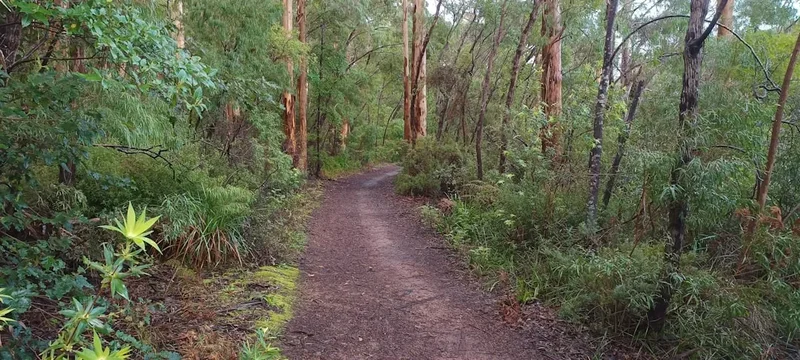
Overland Track Day Section: Ronny Creek to Marion's Lookout
Phase 1: Ronny Creek to Crater Falls
- Distance: 2.5 km
- Time: 45–60 minutes
- Start at the Ronny Creek car park (shuttle bus stop).
- Follow the well-maintained boardwalk across the buttongrass moorlands.
- Keep a keen eye out for wombats; they are most active in the early morning.
- Cross the bridge over Ronny Creek and begin a gentle ascent into the forest.
- The vegetation shifts from open plains to cool temperate rainforest dominated by myrtle beech and sassafras.
- Arrive at Crater Falls, a beautiful tiered waterfall that is particularly impressive after rain.
Phase 2: Crater Falls to Crater Lake
- Distance: 1.5 km
- Time: 30–45 minutes
- The trail steepens as it climbs alongside the creek.
- The forest begins to thin, revealing views back towards the valley.
- Reach the edge of Crater Lake, a deep, dark glacial tarn surrounded by 200-metre high cliffs.
- Pass the historic "Boat Shed" at the northern end of the lake, a popular spot for photographs.
- The path follows the western shore of the lake, offering glimpses of the dramatic dolerite walls.
Phase 3: The Ascent to Marion's Lookout
- Distance: 1.0 km
- Elevation Gain: 200 m
- Time: 45–60 minutes
- This is the most challenging part of the walk. The trail climbs steeply away from Crater Lake.
- Sections of the path are quite rocky and may require the use of hands for balance.
- There is a short section with a fixed chain to assist walkers over a particularly steep and exposed rock face.
- As you gain height, the views expand to include the surrounding peaks and the distant plateau.
- Reach the summit of Marion's Lookout (1,223 m).
Phase 4: Marion's Lookout Summit and Return
- Time: 1.5–2 hours (return)
- Spend time at the lookout to soak in the 360-degree views. Cradle Mountain is directly ahead, with Dove Lake and Lake Wilks visible below.
- On a clear day, you can see as far as Barn Bluff to the south and the Bass Strait to the north.
- For the return journey, you have two main options:
- Option A: Retrace your steps back to Ronny Creek via Crater Lake (easiest navigation).
- Option B: Descend via the Wombat Pool track. This route passes the picturesque Wombat Pool and Lake Lilla before connecting back to the Dove Lake circuit or Ronny Creek.
- Ensure you allow enough time to catch the last shuttle bus from either Ronny Creek or Dove Lake.
Important Notes:
- The shuttle bus is the primary means of access; check the current timetable at the Visitor Centre.
- The weather at Marion's Lookout is significantly colder and windier than at the trailhead.
- Stay on the marked tracks to protect the fragile alpine vegetation.
- Carry at least 2 litres of water per person, as there are no treated water sources on the trail.
Planning and Bookings
Book Your Trip
Everything you need to plan your journey
Accommodation
Find places to stay near Launceston
Flights
Search flights to Launceston
Essential Preparation
While this is a day walk, it should not be underestimated. The Tasmanian alpine environment is serious, and preparation is key to safety. Before leaving Launceston or your base town, ensure you have checked the latest weather forecast specifically for Cradle Mountain. The Bureau of Meteorology (BOM) provides a dedicated alpine forecast that is more accurate for the high country than general regional forecasts.
Physical fitness is important. While the 10-kilometre distance is manageable for most, the 400-metre elevation gain and the steep, rocky nature of the ascent to Marion's Lookout require a moderate level of cardiovascular health and stable footing. If you have knee or ankle issues, trekking poles are highly recommended for the descent. Logistics-wise, you should aim to arrive at the Cradle Mountain Visitor Centre early in the morning (before 9:00 AM) to secure a parking spot and purchase your National Park Pass. The shuttle bus system is efficient, but queues can be long during peak summer months and school holidays.
Trail Accommodation
This is a day hike requiring no overnight accommodation on the trail itself. Camping is strictly prohibited along this section of the Overland Track for day walkers; the huts located further along the track (such as Kitchen Hut) are for emergency use or for registered multi-day hikers only.
However, there are numerous accommodation options near the park entrance and in the surrounding area:
- Cradle Mountain Lodge: High-end accommodation located just outside the park boundary, offering luxury cabins and fine dining.
- Discovery Parks - Cradle Mountain: Offers a range of options from powered campsites and backpacker dorms to self-contained cottages. Located directly opposite the Visitor Centre.
- Waldheim Cabins: Managed by the Parks and Wildlife Service, these basic, rustic cabins are located inside the park near Ronny Creek. They must be booked well in advance and provide a more immersive wilderness experience.
- Nearby Towns: Sheffield (the "Town of Murals") and Mole Creek offer various B&Bs and motels within a 60-90 minute drive of the trailhead.
Required Gear
- Footwear: Sturdy hiking boots with good ankle support and a deep tread pattern. The track can be slippery when wet, and the rocky sections require stable footing.
- Waterproof Jacket: A high-quality, breathable waterproof shell (e.g., Gore-Tex) with a hood. This is essential even if the sky is clear at the start.
- Insulating Layers: A fleece or woollen mid-layer. Avoid cotton, as it retains moisture and loses its insulating properties when wet.
- Pants: Quick-drying hiking trousers. Avoid denim jeans, which become heavy and cold when wet.
- Headwear: A warm beanie and a sun hat. The alpine sun is intense, but the wind at the lookout can be freezing.
- Gloves: Lightweight thermal gloves, especially useful in the shoulder seasons or winter.
- Backpack: A 20–30 litre day pack with a waterproof liner or rain cover.
- Navigation: A physical map of the Cradle Mountain-Lake St Clair National Park and a compass (and the knowledge of how to use them). While the track is well-marked, visibility can drop to near zero in cloud.
What to Bring
- Water: At least 2 litres per person. Do not rely on drinking from streams, as they may contain pathogens like Giardia.
- Food: High-energy snacks (nuts, dried fruit, chocolate) and a substantial lunch. There are no food outlets once you leave the Visitor Centre area.
- Sun Protection: SPF 50+ sunscreen and sunglasses. The UV radiation is significantly higher at altitude.
- First Aid Kit: Including blister pads, antiseptic wipes, bandages, and any personal medications.
- Emergency Whistle: Often built into the chest strap of modern backpacks.
- Mobile Phone: With a fully charged battery and an offline map app (e.g., AllTrails or Gaia GPS). Note that signal is intermittent and cannot be relied upon for emergencies.
- Personal Locator Beacon (PLB): Highly recommended for any solo walkers or those heading out in marginal weather. These can be hired from the Visitor Centre for a small fee.
- Trash Bags: To carry out all your waste, including organic scraps like apple cores and orange peels.
Permits
To walk any part of the Overland Track, including the day section, you must hold a valid Tasmania National Parks Pass. This pass is essential for all visitors to Tasmania's national parks and the revenue generated goes directly towards the maintenance of tracks, facilities, and conservation efforts. Unlike the full multi-day Overland Track, the day section does not require a specific "Overland Track Permit" or a booking in advance, provided you are not staying overnight in the park's huts.
Types of National Park Passes:
- Daily Pass: Valid for up to 24 hours in a single park. Cost is approximately $45 per vehicle (up to 8 people) or $22 per person if travelling by bus/shuttle.
- Holiday Pass: Valid for up to two months and covers entry into all Tasmanian national parks. This is the best value for most tourists. Cost is approximately $80 per vehicle.
- Annual Pass: For frequent visitors, an annual pass covers all parks for 12 months.
How to Purchase: Passes can be purchased online via the Tasmania Parks and Wildlife Service website, at the Cradle Mountain Visitor Centre, or at most major Tasmanian tourism information centres. You must display the pass on your vehicle's dashboard if parking at the Visitor Centre, or carry the receipt with you if using the shuttle bus.
Shuttle Bus Logistics: During the peak season (typically September to May), private vehicle access to the Dove Lake and Ronny Creek roads is restricted during the hours the shuttle bus is operating. You must park your car at the Visitor Centre and use the shuttle bus. The cost of the shuttle bus is included in your National Park Pass. The buses run frequently (every 15–20 minutes) and stop at the Interpretation Centre, Snake Creek, Ronny Creek, and Dove Lake. Always check the time of the last bus before starting your walk; if you miss it, you face a long and potentially dangerous walk back to the Visitor Centre along the road.
Other Activities in the Area
The Cradle Mountain region offers a wealth of experiences beyond the main Overland Track. If you have extra time, consider these activities:
- Dove Lake Circuit: A world-class 6-kilometre walk that circles the base of Cradle Mountain. It is mostly flat and offers iconic views of the mountain reflected in the lake.
- Enchanted Walk: A short, 20-minute easy walk near the park entrance, perfect for families and those looking for a gentle introduction to the rainforest.
- Cradle Mountain Canyoning: For the adventurous, several operators offer canyoning trips through the spectacular Lost World Canyon or Dove Canyon, involving swimming, sliding, and abseiling.
- Devils @ Cradle: A wildlife conservation facility located near the park entrance. It offers the chance to see Tasmanian Devils and Quolls up close and learn about the efforts to save the devils from the facial tumour disease.
- Helicopter Tours: For a truly unique perspective, scenic flights provide an aerial view of the entire Overland Track, the rugged West Coast, and the remote peaks of the Southwest Wilderness.
- Stargazing: Due to the lack of light pollution, the night skies at Cradle Mountain are spectacular. On a clear night, the Milky Way is vividly visible, and if you are lucky, you might even see the Aurora Australis (Southern Lights).
Safety and Conditions
Weather Awareness: The single greatest danger in the Tasmanian highlands is the weather. Hypothermia is a year-round risk. Even if the forecast is for a sunny day, you must carry full waterproof and thermal gear. If clouds begin to lower and the wind picks up, do not hesitate to turn back. The section between Crater Lake and Marion's Lookout is particularly exposed to the prevailing westerly winds, which can be powerful enough to knock a person off their feet.
Navigation and Visibility: While the track is well-defined, "whiteout" conditions can occur when low cloud or snow reduces visibility to a few metres. In these conditions, it is easy to become disoriented and wander off the track. If visibility drops, stay on the path. If you lose the path, stop immediately, seek shelter, and wait for the weather to clear. Do not attempt to "shortcut" through the scrub, as the vegetation is incredibly dense and the terrain is riddled with hidden holes and steep drops.
Wildlife Encounters:
- Wombats: While they look cuddly, wombats are wild animals and can be defensive if they feel cornered. Maintain a respectful distance (at least 2 metres) and never attempt to touch or feed them.
- Snakes: Tasmania is home to three species of snakes: the Tiger Snake, Lowland Copperhead, and White-lipped Snake. All are venomous. They are generally shy and will move away if they hear you coming. Watch where you step, especially in sunny spots on the track. If you encounter a snake, stop, remain calm, and allow it to move away.
- Leeches: Common in the damp rainforest sections. While harmless, they can be unpleasant. Wearing long trousers and gaiters can help prevent them from attaching to your skin.
Emergency Procedures: In the event of an emergency, dial 000. Note that mobile reception is very poor in the park. If you have a PLB, activate it only in a life-threatening situation. If you are injured and cannot walk, stay on the track; other hikers or park rangers are likely to find you. Always tell someone your intended route and expected return time before you set off.
Water Safety: The water in the lakes and streams may look pristine, but it can carry pathogens. Always treat water by boiling, filtering, or using chemical purification tablets before drinking. Dehydration can occur even in cold weather, so ensure you drink regularly.
Side Trips and Points of Interest
Kitchen Hut: Located about 15–20 minutes beyond Marion's Lookout on the face of Cradle Mountain, this historic two-story hut serves as an emergency shelter. It is a fascinating piece of hiking history and provides a good turnaround point for those who want to get a little closer to the mountain without attempting the summit. Note that you cannot stay overnight here unless it is a genuine emergency.
Wombat Pool: A small, serene alpine tarn located on the alternative return route from Marion's Lookout. It is surrounded by ancient pencil pines and is a perfect spot for a quiet break away from the main crowds. The water is often perfectly still, creating beautiful reflections of the surrounding vegetation.
The Boat Shed: Situated on the northern shore of Crater Lake, this iconic wooden structure was built in the 1940s. It is one of the most photographed landmarks in the park and provides a sense of the early days of tourism in the region. It is a great spot to stop and appreciate the sheer scale of the cliffs rising above the lake.
Marion's Lookout Summit: While the lookout itself is the destination, take the time to explore the small plateau at the top. There are several different vantage points that offer slightly different perspectives of the landscape. Look for the "paternoster" lakes—a series of glacial lakes connected by a single stream, resembling the beads of a rosary.
Fagus Spotting: If visiting in late April, the slopes around Crater Lake and the ascent to Marion's Lookout are some of the best places to see the deciduous beech (Nothofagus gunnii) in its full autumnal glory. The contrast between the golden leaves and the dark dolerite rock is spectacular.
Leave No Trace
The Tasmanian Wilderness World Heritage Area is one of the last true wildernesses on Earth. Its beauty is matched only by its fragility. As a visitor, you have a responsibility to minimise your impact so that future generations can enjoy the park in the same pristine state. Please follow the seven principles of Leave No Trace:
- Plan Ahead and Prepare: Know the regulations and special concerns for the area. Prepare for extreme weather, hazards, and emergencies.
- Travel and Camp on Durable Surfaces: Stay on the marked tracks and boardwalks. The alpine soils are extremely thin and a single footstep can destroy plants that have taken decades to grow. Do not create new tracks or "social trails."
- Dispose of Waste Properly: Pack it in, pack it out. This includes all rubbish, food scraps, and hygiene products. Use the toilets provided at the Visitor Centre or Ronny Creek before you start. If you must go on the trail, bury solid human waste in a hole 15–20 cm deep at least 100 metres from water, tracks, and campsites.
- Leave What You Find: Preserve the past: examine, but do not touch, cultural or historic structures and artefacts. Leave rocks, plants, and other natural objects as you find them. Do not build rock cairns.
- Minimise Campfire Impacts: Campfires are strictly prohibited in the Cradle Mountain-Lake St Clair National Park. Use a lightweight stove for cooking if necessary.
- Respect Wildlife: Observe wildlife from a distance. Do not follow or approach them. Never feed animals. Feeding wildlife damages their health, alters natural behaviours, and exposes them to predators and other dangers.
- Be Considerate of Your Hosts and Other Visitors: Respect other visitors and protect the quality of their experience. Be courteous. Yield to other users on the trail. Let nature's sounds prevail; avoid loud voices and noises.
By following these principles, you help ensure that the "magnificent" park Gustav Weindorfer envisioned remains a sanctuary for both wildlife and people for all time.
 Australia