
Tarsar Marsar Trek - Kashmir's Alpine Jewels
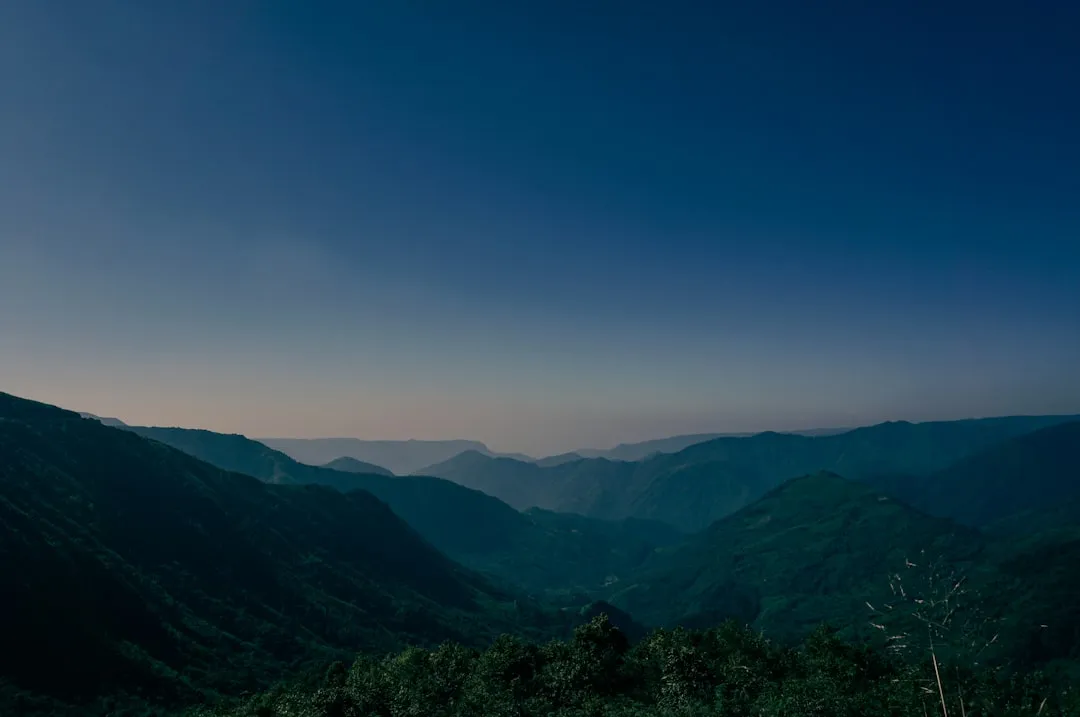
The Tarsar Marsar Trek is a captivating journey through the heart of Kashmir's pristine alpine wilderness, renowned for its twin emerald lakes, Tarsar and Marsar, that lie in close proximity yet are separated by a mountain ridge. This moderate-difficulty trek offers a spectacular introduction to the Himalayan landscapes of the region, weaving through lush meadows, pine forests, and across high mountain passes. It's a trek that balances challenging ascents with serene beauty, making it a favourite for trekkers seeking a less crowded yet equally breathtaking Himalayan experience.
- Distance: 35.0 km
- Duration: 6-7 days
- Season: July to September
- Difficulty: Moderate
- Highest point: Approximately 4,000 metres
- Closest City: Srinagar
- Trailhead Access: Nearest airport: Srinagar (SXR). Take a taxi or pre-booked car from Srinagar to Shitkadi/Sonamarg (approx. 3-4 hours). Road conditions are generally good but can be affected by weather. Parking available in Sonamarg. Permits are required; obtain them in Srinagar before travel. Contact local tour operators for details.
- Coordinates: 34.2200, 75.0500
Overview
The Tarsar Marsar Trek is a quintessential Himalayan adventure, offering a glimpse into the raw, untamed beauty of Kashmir. The trek begins from the picturesque town of Sonamarg, often called the "Meadow of Gold," and gradually ascends through diverse terrains. The initial days involve walking through dense pine forests and across rolling meadows dotted with wildflowers, gradually gaining altitude. The landscape opens up as you approach the higher reaches, revealing panoramic views of snow-capped peaks and vast valleys.
The highlight of the trek is undoubtedly the sight of the twin lakes, Tarsar and Marsar. Tarsar, a stunning lake of turquoise blue, is shaped like a sleeping woman, while Marsar, a deep sapphire blue, lies a short distance away, separated by a rocky ridge. The trek offers opportunities to camp beside these pristine lakes, allowing trekkers to soak in the serene atmosphere and witness the changing colours of the water and sky at sunrise and sunset. The moderate difficulty level makes it accessible to a wide range of trekkers, provided they have a reasonable level of fitness.
Beyond the lakes, the trek traverses high-altitude passes, offering breathtaking vistas of the surrounding Himalayan ranges. The journey is as much about the cultural immersion as it is about the natural beauty. You'll encounter nomadic shepherds (Gujjars) with their flocks of sheep and goats, offering a unique insight into their traditional way of life. The crisp mountain air, the silence broken only by the sounds of nature, and the sheer scale of the landscape combine to create an unforgettable trekking experience.
History and Cultural Context
The region through which the Tarsar Marsar Trek passes has a rich history intertwined with the ancient Silk Route and the cultural tapestry of Kashmir. Sonamarg, the starting point, has historically been a crucial stopover for traders and travellers journeying between India and Central Asia. Its strategic location meant it was a melting pot of cultures, ideas, and goods, contributing to the vibrant heritage of the Kashmir Valley.
The nomadic communities, particularly the Gujjar and Bakerwal people, have traversed these mountains for centuries, following traditional migratory routes with their livestock. Their seasonal movement between the lower valleys in winter and the high alpine meadows in summer is a practice deeply rooted in the region's ecology and economy. The Tarsar Marsar region, with its abundant pastures, has been a vital summer grazing ground for these communities. Their presence adds a unique human dimension to the trek, offering glimpses into a way of life that has remained largely unchanged for generations.
While not as historically documented as some other major Himalayan treks, the Tarsar Marsar region has been a cherished destination for local shepherds and adventurers for decades. The discovery and popularisation of the twin lakes as a trekking destination are relatively recent, gaining traction in the late 20th century as adventure tourism began to develop in Kashmir. The trek's appeal lies in its relatively untouched natural beauty and the opportunity to experience the authentic Himalayan wilderness away from the more commercialised routes.
Seasonal Highlights and Weather Reality
The Tarsar Marsar Trek is best undertaken during the summer months when the weather is most favourable and the landscape is at its most vibrant. The trekking season typically runs from July to September.
July: This is the beginning of the prime trekking season. The snow from the winter months has largely melted, revealing lush green meadows carpeted with wildflowers. The weather is generally pleasant, with clear mornings and occasional afternoon showers. The days are long, providing ample time for trekking and exploration. The twin lakes are usually at their most stunning during this month.
August: August is considered the peak season for the Tarsar Marsar Trek. The weather remains stable, and the meadows are in full bloom. The temperatures are moderate, making for comfortable trekking conditions. This is an excellent time to witness the vibrant colours of the landscape and enjoy clear views of the surrounding peaks. The presence of nomadic shepherds and their camps is also more prominent during this month.
September: As the season begins to wind down, September offers a different kind of beauty. The autumn colours start to appear in the foliage, painting the landscape in shades of gold and brown. The weather is typically crisp and clear, with colder nights. While the wildflowers may have faded, the clear skies offer excellent panoramic views of the Himalayas. The crowds also tend to be thinner in September, offering a more serene experience.
Weather Considerations: While these months offer the best conditions, mountain weather is notoriously unpredictable. Trekkers should always be prepared for sudden changes, including rain, strong winds, and a significant drop in temperature, especially at higher altitudes and during the night. Snowfall can occur even in summer at higher passes. It is crucial to pack appropriate gear for all types of weather.
Recommended Itinerary
6-Day Tarsar Marsar Trek Itinerary
Day 1: Arrival in Srinagar & Transfer to Sonamarg
- Distance: Approx. 80 km
- Time: 3-4 hours drive
- Arrive at Srinagar Airport (SXR)
- Meet your guide and driver
- Scenic drive to Sonamarg
- Check into your hotel/guesthouse in Sonamarg
- Rest and acclimatise to the altitude (approx. 2,700 metres)
- Briefing about the trek
Day 2: Sonamarg to Shoktari (Base Camp)
- Distance: Approx. 12 km
- Time: 5-6 hours
- Post-breakfast, drive to Shitkadi (near Sonamarg)
- Begin trek from Shitkadi
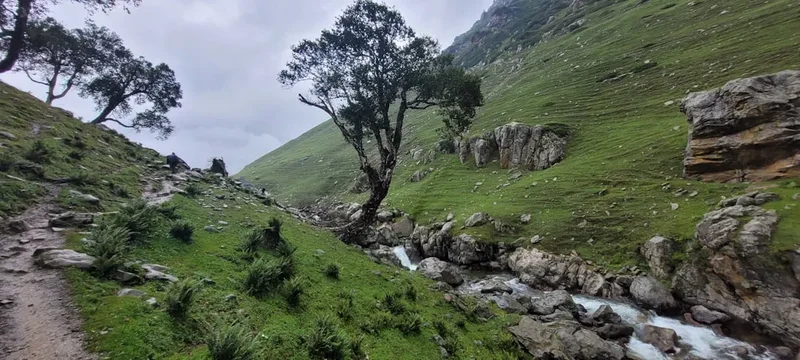
- The trail ascends gradually through pine forests and meadows
- Cross the Sindh River via a bridge
- Reach Shoktari, a beautiful campsite by a stream
- Set up camp and relax
Day 3: Shoktari to Tarsar Lake
- Distance: Approx. 10 km
- Time: 6-7 hours
- Trek through open meadows and undulating terrain
- The trail offers stunning views of the surrounding peaks
- Ascend towards the Tarsar Lake
- Reach the breathtaking Tarsar Lake (approx. 3,700 metres)
- Set up camp near the lake
- Explore the vicinity of the lake
Day 4: Tarsar Lake to Marsar Lake (via Sundersar)
- Distance: Approx. 8 km
- Time: 4-5 hours
- After breakfast, trek towards Sundersar
- Continue to the ridge separating Tarsar and Marsar lakes
- Descend to the campsite near Marsar Lake (approx. 3,800 metres)
- Marsar Lake is known for its deep blue colour
- Enjoy the serene beauty of the twin lakes
Day 5: Marsar Lake to Homwas
- Distance: Approx. 14 km
- Time: 6-7 hours
- Begin descent from Marsar Lake
- Trek back through meadows and forests
- Pass through the campsite at Homwas
- Continue descending towards the valley floor
- Set up camp at Homwas
Day 6: Homwas to Sonamarg & Departure
- Distance: Approx. 10 km
- Time: 4-5 hours
- Final day of trekking
- Descend to Shitkadi/Sonamarg
- Board your vehicle for the drive back to Srinagar
- Arrive in Srinagar by evening
- End of the Tarsar Marsar Trek
Note: This itinerary is a suggestion and can be modified based on group fitness, weather conditions, and specific preferences. An extra day can be added for acclimatisation or to spend more time at the lakes.
Planning and Bookings
Book Your Trip
Everything you need to plan your journey
Accommodation
Find places to stay near Srinagar
Flights
Search flights to Srinagar
Essential Preparation
The Tarsar Marsar Trek requires careful planning, especially concerning logistics and acclimatisation. Given its location in Kashmir, it's advisable to book your trek through a reputable local tour operator. They will handle permits, transportation from Srinagar, accommodation in Sonamarg, and camping arrangements during the trek. Ensure your chosen operator is experienced and has good reviews.
Fitness: This is a moderate-difficulty trek. A good level of cardiovascular fitness is essential. Regular aerobic exercises like running, cycling, or brisk walking for at least 4-6 weeks prior to the trek will be beneficial. Include some uphill walking in your training to simulate the trail conditions. The highest altitude reached is around 4,000 metres, so acclimatisation is key. Ensure you have no pre-existing medical conditions that could be exacerbated by high altitude.
Logistics: The nearest major city with an airport is Srinagar. From Srinagar, you will need to arrange transport to Sonamarg, the base town for the trek. This typically takes 3-4 hours by road. It is recommended to spend at least one night in Sonamarg to acclimatise before starting the trek. Ensure all your travel arrangements to and from Srinagar are confirmed well in advance.
Base Town/City Information: Sonamarg is a beautiful hill station situated at an altitude of approximately 2,700 metres. It offers basic amenities, including guesthouses, hotels, restaurants, and local markets. It serves as the primary staging point for the Tarsar Marsar Trek. Srinagar, the capital of Jammu and Kashmir, is a major city with all modern facilities, including an international airport, a wide range of accommodation, and essential services.
Trail Accommodation
The Tarsar Marsar Trek involves camping for the majority of the duration. There are no permanent lodges or established guesthouses along the trekking route itself. Accommodation is provided in tents at designated campsites.
Campsites:
- Shoktari (Base Camp): A popular camping spot, often situated near a stream, offering a relatively flat area for tents.
- Tarsar Lake: Camps are usually set up a safe distance from the lake's edge, offering stunning views of the lake and surrounding mountains.
- Marsar Lake: Similar to Tarsar, camping is done in proximity to the lake, providing a serene environment.
- Homwas: A campsite located on the descent route, often in a meadow area.
Booking Requirements: Accommodation is arranged by the tour operator. They will provide tents, sleeping bags, and sleeping mats. You do not need to book these independently if you are trekking with a group.
Facilities Provided:
- Tents (usually 2-3 person sharing)
- Sleeping bags
- Sleeping mats
- Campsite setup (kitchen tent, dining tent if organised by operator)
- Basic toilet facilities (pit toilets or portable toilets at some organised camps)
What's NOT Provided:
- Hot showers
- Electricity for charging devices (carry power banks)
- Individual tents (unless specifically requested and arranged)
- Pillows (you can use a stuff sack with clothes)
Seasonal Availability: Camping is available throughout the trekking season (July to September). Outside this period, heavy snowfall makes the region inaccessible and dangerous.
Costs: The cost of accommodation (tents, sleeping gear) is typically included in the overall trek package price quoted by tour operators.
Required Gear
- Trekking Boots: Waterproof, sturdy, ankle-supporting trekking boots. Ensure they are well broken-in to prevent blisters.
- Backpack: A comfortable trekking backpack (40-60 litres) with a rain cover.
- Clothing Layers:
- Base Layers: Thermal tops and bottoms (merino wool or synthetic).
- Mid Layers: Fleece jacket or down jacket for insulation.
- Outer Layer: Waterproof and windproof jacket and trousers (Gore-Tex or similar).
- Headwear: Warm beanie or woollen hat, and a sun hat or cap for protection from the sun.
- Gloves: Warm, waterproof gloves or mittens.
- Socks: Several pairs of woollen or synthetic trekking socks.
- Headlamp/Torch: With extra batteries. Essential for navigating in the dark and for use inside the tent.
- Sunglasses: High-quality sunglasses with UV protection.
- First-Aid Kit: Personal medications, blister treatment, pain relievers, antiseptic wipes, bandages, and any other essentials.
- Navigation: While guides will navigate, a personal compass and map can be useful for experienced trekkers. A GPS device or smartphone with offline maps is also recommended.
- Trekking Poles: Highly recommended for stability and reducing strain on knees, especially during descents.
- Water Bottles/Hydration Reservoir: At least 2 litres capacity.
- Water Purification: Water filter or purification tablets are essential as stream water needs to be treated.
What to Bring
- Food: While tour operators provide meals, carry high-energy snacks like nuts, dried fruits, energy bars, and chocolate for consumption during the trek.
- Toiletries: Biodegradable soap, toothbrush, toothpaste, sunscreen (SPF 50+), lip balm with SPF, hand sanitiser, and wet wipes.
- Personal Items: Camera, power bank for charging electronics, book or journal, small towel.
- Documents: Identification (ID card/passport), permits, and any other necessary travel documents. Keep them in a waterproof pouch.
- Cash: Carry sufficient Indian Rupees for personal expenses, tips, and any emergency purchases. ATMs are not available on the trek.
- Insect Repellent: Especially important for protection against mosquitoes and other biting insects, particularly at lower altitudes and campsites.
- Duffel Bag: If your operator provides porters, you may be given a weight limit for your duffel bag.
- Small Daypack: For carrying essentials like water, snacks, camera, and rain gear during daily treks.
Permits
For the Tarsar Marsar Trek, permits are generally required for entry into the protected areas and national parks. These permits are typically arranged by the local tour operators as part of the trek package. It is crucial to confirm with your operator whether permits are included in their service and what documentation you need to provide.
Permit Requirements:
- Inner Line Permit (ILP): For foreign nationals and sometimes for Indian citizens travelling to certain border areas of Jammu and Kashmir, an Inner Line Permit might be required. This permit is usually obtained from the District Magistrate's office or through designated authorities in Srinagar or Jammu. Your tour operator will guide you on this and assist in obtaining it.
- Forest/National Park Entry Fees: There may be nominal entry fees for accessing the national park or forest areas where the trek takes place. These are usually covered by the tour operator.
Obtaining Permits:
- Tour Operator Assistance: The most straightforward way to obtain permits is through your chosen trekking agency. They are familiar with the procedures and requirements and will handle the application process on your behalf. You will likely need to provide copies of your identification documents (passport for foreigners, ID card for Indian citizens) and passport-sized photographs.
- Srinagar: If you are arranging permits independently, you will need to visit the relevant government offices in Srinagar. This can be time-consuming and may require multiple visits. It is highly recommended to have your tour operator handle this aspect.
- Before Travel: It is advisable to confirm the permit requirements and the process well in advance of your travel date. Some permits may take a few days to process.
Documentation: Ensure you carry copies of all your permits and identification documents with you throughout the trek. It is also a good idea to have digital copies stored on your phone or cloud storage.
Other Activities in the Area
While the Tarsar Marsar Trek is the primary attraction, the region around Sonamarg and Srinagar offers several other activities and points of interest:
- Sonamarg Exploration: Beyond the trek's start, Sonamarg itself is worth exploring. Visit the Thajiwas Glacier (accessible by pony ride), enjoy the scenic beauty of the Sindh River, or simply relax and soak in the mountain atmosphere.
- Srinagar City Tour: Before or after your trek, dedicate time to explore Srinagar. Visit the iconic Dal Lake, enjoy a shikara ride on its serene waters, explore the Mughal Gardens (Shalimar Bagh, Nishat Bagh, Chashme Shahi), and wander through the old city's bustling bazaars.
- Gulmarg Day Trip: If time permits, a day trip to Gulmarg, known as the "Meadow of Flowers," is highly recommended. It's famous for its scenic beauty and the Gulmarg Gondola, one of the highest cable car rides in the world, offering spectacular views of the Himalayas.
- Pahalgam Excursion: Another beautiful valley in Kashmir, Pahalgam offers opportunities for trekking, horse riding, and visiting places like Aru Valley, Betaab Valley, and Chandanwari.
- Local Cuisine: Indulge in the rich and flavourful Kashmiri cuisine. Try local delicacies like Wazwan (a multi-course meal), Rogan Josh, Gushtaba, and the famous Kashmiri Kahwa (saffron and cardamom tea).
- Shopping: Srinagar is renowned for its handicrafts. Shop for Pashmina shawls, wooden carvings, papier-mâché items, and saffron.
Safety and Conditions
Altitude Sickness (AMS): The Tarsar Marsar Trek reaches altitudes of up to 4,000 metres. Altitude sickness is a significant risk. Proper acclimatisation is crucial. Ascend gradually, stay hydrated, avoid alcohol and smoking, and listen to your body. If you experience symptoms like headache, nausea, dizziness, or fatigue, inform your guide immediately. They may recommend descending or resting.
Weather: Mountain weather is unpredictable. Be prepared for sudden changes, including rain, strong winds, and a significant drop in temperature, especially at higher altitudes and during the night. Snowfall can occur even in summer. Always carry waterproof and windproof gear, and warm layers.
Trail Conditions: The trails can be uneven, rocky, and steep in places. There may be stream crossings and sections with loose scree. Trekking poles are highly recommended for stability and to reduce strain on your knees. Ensure your trekking boots are well-fitted and provide good ankle support.
Water: While water sources are generally available along the trek, it is essential to purify all drinking water using a filter or purification tablets. Do not drink untreated water from streams or rivers.
Communication: Mobile phone network coverage is limited to non-existent on most parts of the trek. Inform your family and friends about your itinerary and expected return date. Tour operators often carry satellite phones for emergencies.
Guides and Support Staff: Always trek with experienced local guides and support staff. They are knowledgeable about the terrain, weather patterns, and emergency procedures. They will also be equipped with a first-aid kit and potentially a satellite communication device.
Emergency Evacuation: In case of a serious medical emergency, evacuation might be necessary. This can be challenging and expensive in remote mountain areas. Ensure you have adequate travel insurance that covers high-altitude trekking and emergency helicopter evacuation.
Wildlife: While encounters are rare, be aware of local wildlife. Do not approach or feed any animals. Store your food properly to avoid attracting them to your campsite.
Side Trips and Points of Interest
Tarsar Lake Exploration: Spend ample time around Tarsar Lake. Its unique shape and vibrant colours are mesmerising. Early mornings and late evenings offer the best light for photography and experiencing the tranquility of the lake. You can walk along its shores and admire the surrounding peaks.
Ridge Walk between Tarsar and Marsar: The walk along the ridge separating the two lakes is a highlight. It offers breathtaking panoramic views of both lakes and the vast Himalayan landscape. This is an excellent spot for photography and to appreciate the scale of the region.
Marsar Lake Views: Marsar Lake, though often less visited than Tarsar, is equally beautiful with its deep sapphire hue. The campsite near Marsar provides a serene environment to relax and enjoy the alpine solitude.
Nomadic Settlements: During the trekking season, you are likely to encounter temporary settlements of Gujjar and Bakerwal shepherds. Observing their traditional lifestyle, their interaction with the landscape, and their herds of sheep and goats can be a fascinating cultural experience. Always approach them with respect and seek permission before taking photographs.
Thajiwas Glacier (Sonamarg): If you have an extra day in Sonamarg before or after the trek, a visit to the Thajiwas Glacier is recommended. It's a relatively short excursion, often done on horseback, and offers a glimpse of glacial landscapes close to the town.
Leave No Trace
The Tarsar Marsar region is a pristine natural environment, and it is crucial for all trekkers to adhere to Leave No Trace principles to preserve its beauty for future generations. The fragile alpine ecosystem is easily damaged, and responsible behaviour is paramount.
Plan Ahead and Prepare: Understand the regulations and special concerns for the area. Book with reputable operators who practice LNT. Pack appropriately to prevent the need for unexpected supplies or waste generation.
Travel and Camp on Durable Surfaces: Stick to the established trails to avoid damaging vegetation. Camp in designated campsites or on durable surfaces like rock, gravel, or dry grass. Avoid camping on fragile meadows or near water sources.
Dispose of Waste Properly: Pack out everything you pack in, including all trash, food scraps, and even biodegradable items like fruit peels. Use designated toilet facilities or dig catholes 6-8 inches deep, at least 60 m (about 70 steps) away from water, trails, and campsites. Pack out all toilet paper.
Leave What You Find: Do not remove or disturb natural objects, plants, or cultural artifacts. Take only photographs and memories.
Minimise Campfire Impacts: Campfires are generally discouraged or prohibited in high-altitude trekking areas due to the risk of environmental damage and fire. Use a portable stove for cooking instead.
Respect Wildlife: Observe wildlife from a distance. Never feed animals, as it disrupts their natural behaviours and diets. Store food securely to prevent attracting animals to your campsite.
Be Considerate of Other Visitors: Respect the solitude and experience of others. Keep noise levels down, especially at campsites and during early mornings or late evenings. Yield to other trekkers on narrow trails.