

Mount Field Tarn Shelf Circuit
The Mount Field Tarn Shelf Circuit is a captivating day walk located in the heart of Tasmania's Central Highlands, offering a superb introduction to the unique alpine and subalpine environments of the region. This circuit showcases a diverse landscape, from the tranquil waters of Lake Field and its surrounding tarns to the rugged beauty of the surrounding peaks. It's a journey that rewards walkers with stunning vistas, a sense of remoteness, and the chance to experience Tasmania's pristine wilderness without the commitment of an overnight trek. The trail is well-defined for much of its length, making it accessible to those with moderate fitness and a desire for a substantial day's adventure.
- Distance: 11.0 km
- Elevation Gain: 650 m
- Duration: 4-6 hours
- Difficulty: Moderate
- Best Time: December to March (Summer)
- Closest City: Hobart
- Trailhead Access: From Hobart, drive approx. 1.5 hrs (89km) west via Lyell Hwy (A10) and Lake Dobson Rd. Road can be winding and icy in winter. Ample parking at Lake Dobson Carpark. No permits required for day hikes, but park entry fees apply.
- Coordinates: -42.6867, 146.6367
Overview
The Mount Field Tarn Shelf Circuit is a circular route that begins at the picturesque Lake Dobson, a popular starting point for many walks in the Mount Field National Park. The trail immediately immerses you in a world of ancient rainforest, dominated by towering myrtle beech, sassafras, and celery-top pine, often draped in vibrant mosses and lichens. As the ascent begins, the vegetation gradually transitions to a more open subalpine environment, characterised by hardy shrubs, cushion plants, and the distinctive pandani.
The circuit's namesake, the "Tarn Shelf," is a high plateau dotted with numerous small, glacial lakes (tarns). These tranquil bodies of water, often reflecting the surrounding peaks and sky, provide moments of serene beauty and excellent opportunities for photography. The trail navigates around and between these tarns, offering ever-changing perspectives of the alpine landscape. The highest point of the circuit provides panoramic views across the Central Highlands, a vast expanse of rugged mountains, lakes, and wilderness.
The descent follows a different path, often taking you through more open heathland and scree slopes before rejoining the rainforest and eventually returning to Lake Dobson. The moderate difficulty stems from the significant elevation gain and the uneven terrain in sections, particularly on the higher plateau. However, the well-maintained path and the relatively short distance make it a rewarding day hike for those seeking a genuine taste of Tasmania's alpine interior.
History and Cultural Context
The Central Highlands of Tasmania have a long and rich history, stretching back thousands of years to the Aboriginal peoples who inhabited and traversed these lands. For the Tasmanian Aboriginal community, this region holds deep cultural and spiritual significance, with evidence of seasonal occupation and resource gathering found throughout the highlands. The landscape itself is a living testament to their connection with the land, a heritage that predates European settlement by millennia.
European exploration and settlement in the Central Highlands began in earnest in the 19th century, driven by pastoralism, mining, and later, hydroelectric power development. The area around Mount Field, including Lake Dobson, became a focus for recreation and conservation efforts. Mount Field National Park was established in 1916, making it one of Tasmania's oldest national parks. The development of walking tracks, including the circuit you will experience, was a gradual process, often undertaken by dedicated volunteers and park rangers to facilitate access and enjoyment of the natural beauty.
The name "Tarn Shelf" itself reflects the geological history of the region. These high-altitude lakes are remnants of glacial activity from past ice ages, carved into the bedrock by immense ice sheets. The circuit offers a tangible connection to this geological past, with the landscape sculpted by forces that operated on a grand scale over vast periods of time. The ongoing management of Mount Field National Park by Tasmania Parks and Wildlife Service ensures that this unique environment is preserved for future generations, balancing recreational access with ecological conservation.
Seasonal Highlights and Weather Reality
The Mount Field Tarn Shelf Circuit is best enjoyed during the warmer months, from December to March, which constitute the Tasmanian summer. During this period, the weather is generally more stable, and the days are longer, providing ample time for the hike. The subalpine flora is often in bloom, adding splashes of colour to the landscape, and the tarns are at their most inviting.
Summer (December to March): This is the prime season. Expect mild to warm temperatures, though alpine conditions can still prevail. Days are long, allowing for a leisurely pace. However, even in summer, the weather in the highlands can change rapidly. Be prepared for sunshine, wind, rain, and even a dusting of snow on higher elevations. Sandflies can be present, especially near water sources, so insect repellent is advisable.
Autumn (April to May): The colours of the deciduous trees in the rainforest sections can be spectacular, with vibrant yellows and oranges. The air is crisp, and the crowds are thinner. However, temperatures begin to drop, and the possibility of early snow increases, especially towards the end of autumn. Days are shorter, requiring an earlier start.
Winter (June to August): This season is generally not recommended for this circuit unless you are an experienced winter hiker with appropriate gear and knowledge. Snowfall is common, and the track can be obscured or impassable. Lake Dobson Road may be subject to closures due to ice and snow. The tarns will likely be frozen over.
Spring (September to November): While the snow begins to melt, the landscape can be wet and boggy. The rainforest flora will be emerging, and the alpine wildflowers start to appear. However, unpredictable weather remains a significant factor, and some sections of the track may still be challenging due to lingering snow or mud.
Weather Reality: Regardless of the season, always check the weather forecast before you go. The Central Highlands are known for their changeable weather. Be prepared for all conditions, including wind, rain, and cold, even on a sunny day. Layering clothing is essential.
Recommended Itinerary
Mount Field Tarn Shelf Circuit - Day Walk Itinerary
Early Morning: Departure from Hobart
- Depart Hobart and drive west towards Mount Field National Park (approx. 1.5 hours).
- Enjoy the scenic drive as you transition from coastal plains to rolling hills and eventually the rugged terrain of the highlands.
- The Lyell Highway (A10) is the main route, followed by the turn-off onto Lake Dobson Road.
Morning: Arrival and Trailhead Start
- Arrive at the Lake Dobson Carpark.
- Take time to prepare your gear, use the facilities, and admire the serene beauty of Lake Dobson.
- Begin the circuit by heading towards the eastern side of Lake Dobson, following the signs for the Tarn Shelf Circuit.
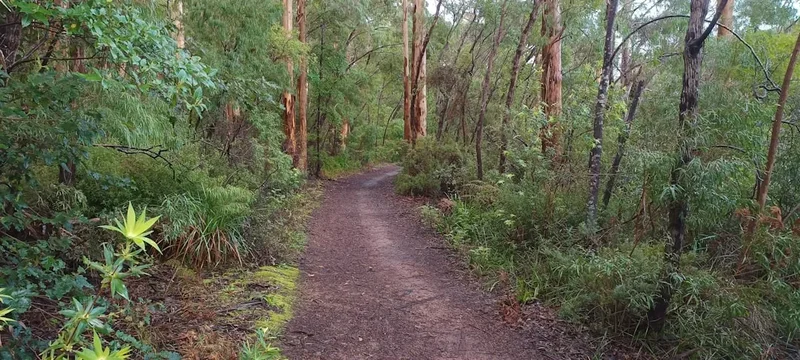
- The initial section of the walk is through dense, temperate rainforest.
Late Morning: Rainforest Ascent and Transition
- The trail begins to climb steadily through the rainforest.
- Observe the diverse flora: ancient myrtle beech, sassafras, ferns, and mosses.
- Listen to the sounds of the forest – birdsong, trickling water, and the rustle of leaves.
- As you gain elevation, the forest canopy begins to thin, and the vegetation starts to change.
Midday: Reaching the Tarn Shelf
Afternoon: Circuit Exploration and Descent
- Continue to navigate the Tarn Shelf, passing by numerous tarns.
- The highest point of the circuit offers commanding 360-degree views.
- Begin the descent, which may involve steeper sections and rocky terrain.
- The path will lead you back towards the treeline and into different forest types.
- Enjoy the changing perspectives as you make your way back towards Lake Dobson.
Late Afternoon: Return to Lake Dobson
- Complete the circuit, returning to the Lake Dobson Carpark.
- Reflect on the diverse landscapes and the rewarding experience of the hike.
- Consider a brief stop at the lake for a final moment of tranquility before your drive back to Hobart.
Important Notes:
- This is a day walk; no overnight accommodation is required.
- The road to Lake Dobson can be winding and may be icy in cooler months; check conditions if travelling outside of summer.
- Park entry fees apply; check Tasmania Parks and Wildlife Service for current details.
- Carry sufficient water and food for the entire duration of the walk.
- Be prepared for rapidly changing weather conditions.
Planning and Bookings
Book Your Trip
Everything you need to plan your journey
Accommodation
Find places to stay near Hobart
Flights
Search flights to Hobart
Essential Preparation
The Mount Field Tarn Shelf Circuit is a day walk, meaning no overnight bookings are required. However, essential preparation still involves ensuring you have the right logistics and knowledge for a safe and enjoyable experience. The closest major city and logistical hub is Hobart, which is approximately 1.5 hours' drive from the trailhead at Lake Dobson. Hobart offers a full range of services, including accommodation, supermarkets for purchasing food and supplies, outdoor gear shops, and fuel stations. It is advisable to stock up on all necessary items in Hobart before heading to the national park.
The drive to Lake Dobson involves travelling along the Lyell Highway (A10) and then turning onto Lake Dobson Road. This road is sealed for a significant portion but can become unsealed and winding closer to the lake. It is also prone to ice and snow during winter and early spring, so checking road conditions, especially if travelling outside of peak summer, is crucial. Ample parking is available at the Lake Dobson Carpark, which serves as the trailhead for this circuit and other walks in the area.
Trail Accommodation
This is a day hike requiring no overnight accommodation.
Required Gear
- Sturdy hiking boots: Waterproof and with good ankle support are essential for navigating uneven terrain and potential wet conditions.
- Waterproof and windproof jacket: The weather in the Central Highlands can change very quickly. A reliable outer shell is crucial.
- Warm layers: Including a fleece or insulated jacket. Even in summer, temperatures can drop significantly, especially at higher elevations.
- Hat and gloves: For warmth and sun protection.
- Backpack: A comfortable daypack (20-30 litres) to carry your essentials.
- Navigation tools: A map of Mount Field National Park, a compass, and/or a GPS device or reliable navigation app on your phone. While the track is generally well-marked, it's wise to be prepared.
- First-aid kit: Including blister treatment, pain relievers, antiseptic wipes, and any personal medications.
- Sun protection: Sunscreen, sunglasses, and a wide-brimmed hat. The sun can be intense at higher altitudes.
- Insect repellent: Especially important during warmer months to ward off sandflies.
What to Bring
- Sufficient water: At least 1.5-2 litres per person. There are no reliable water sources for refilling on the circuit, and water from tarns should be treated if consumed.
- Food: High-energy snacks and a packed lunch. Consider items that are easy to eat on the go.
- Water treatment method: If you plan to use water from natural sources (not recommended for this circuit), carry a filter or purification tablets.
- Toilet paper and a small trowel: For emergencies, and a bag to pack out used toilet paper. Follow Leave No Trace principles for waste disposal.
- Mobile phone: Fully charged, for emergency use. Note that reception can be patchy in the park.
- Camera: To capture the stunning scenery.
- Trekking poles: Optional, but can be helpful for stability on ascents and descents, especially on rocky or slippery sections.
Permits
No specific permits are required for day walks on the Mount Field Tarn Shelf Circuit. However, Mount Field National Park does have an entry fee. These fees contribute to the conservation and maintenance of the park's infrastructure, including walking tracks, visitor facilities, and conservation programs.
Park Entry Fees:
- Fees are typically per vehicle and can be purchased at self-registration stations located at park entrances or online via the Tasmania Parks and Wildlife Service website.
- It is advisable to check the official Tasmania Parks and Wildlife Service website for the most up-to-date information on fees and payment methods before your visit.
- Annual passes are also available for frequent visitors to Tasmanian National Parks.
Booking Requirements:
- As this is a day walk, there are no booking requirements for the track itself.
- However, if you plan to visit during peak holiday periods or weekends, arriving early is recommended to secure parking, especially at the popular Lake Dobson Carpark.
Important Considerations:
- Always carry your park entry receipt with you, as rangers may conduct checks.
- Familiarise yourself with the park's regulations, including fire restrictions, waste disposal, and wildlife interaction guidelines.
Other Activities in the Area
Mount Field National Park and its surrounds offer a variety of other activities for visitors:
- Russell Falls: A short, easy walk from the main visitor centre leads to the spectacular Russell Falls, one of Tasmania's most iconic waterfalls. It's a must-see and easily accessible.
- Tall Trees Walk: Another accessible walk that takes you through a grove of magnificent giant trees, including the impressive King Billy Pine.
- Lake Dobson: Enjoy the serene beauty of Lake Dobson itself. You can paddle a canoe or kayak (rentals may be available seasonally), or simply relax by the water's edge.
- Mount Field West: For a more challenging day hike, consider the ascent of Mount Field West, which offers stunning alpine views.
- Styx Valley: Known as the "Valley of the Giants," this area is home to some of the tallest hardwood trees in the world. It's a short drive from Mount Field and offers a different, but equally impressive, forest experience.
- Central Highlands Lakes: The broader Central Highlands region is dotted with numerous lakes popular for fishing, boating, and scenic drives.
- Cradle Mountain-Lake St Clair National Park: While a longer drive, this iconic park offers world-renowned multi-day treks like the Overland Track and numerous day walks.
Safety and Conditions
Pre-Departure Checks:
- Weather Forecast: Always check the Bureau of Meteorology (BOM) forecast for the Mount Field area and the Central Highlands before you depart. Pay close attention to wind speed, precipitation, and temperature.
- Park Alerts: Visit the Tasmania Parks and Wildlife Service website for any current alerts, track closures, or fire bans affecting Mount Field National Park.
- Road Conditions: If travelling outside of peak summer, check the Tasmania Traffic website or call relevant authorities for updates on Lake Dobson Road conditions, especially regarding ice or snow.
On the Trail:
- Navigation: While the Tarn Shelf Circuit is generally well-marked, the open plateau can be disorienting in poor visibility. Carry a map and compass and know how to use them. Offline map apps on your phone are also useful.
- Weather Changes: Be prepared for rapid weather shifts. Hypothermia is a risk even in summer if you get wet and cold. Always carry adequate warm and waterproof clothing.
- Terrain: The track can be uneven, rocky, and slippery, especially after rain. Wear appropriate footwear and take your time.
- Water: Carry sufficient water. Do not drink untreated water from tarns or streams.
- Sandflies: These biting insects can be prevalent, particularly near water and during warmer, still conditions. Use effective insect repellent.
- Wildlife: Observe wildlife from a distance and do not feed any animals. Be aware of snakes, though they are generally not aggressive and will avoid contact if given space.
- Communication: Mobile phone reception can be unreliable within the park. Consider carrying a Personal Locator Beacon (PLB) for emergencies, especially if hiking alone.
- Emergency Contact: Inform someone of your hiking plans, including your intended route and expected return time.
Emergency Services: In case of an emergency, contact Tasmania Police on 131 444 or Triple Zero (000) if life is in immediate danger. The nearest ranger station or visitor centre can also provide assistance.
Side Trips and Points of Interest
Lake Dobson: The starting and ending point of the circuit, Lake Dobson is a beautiful glacial lake surrounded by rainforest. The historic boatshed on the lake is a picturesque landmark and a popular spot for photography. The lake itself offers opportunities for quiet contemplation and enjoying the reflections of the surrounding mountains.
Pandani and Cushion Plants: As you ascend onto the Tarn Shelf, keep an eye out for the distinctive pandani, a striking plant with a thick, woody stem and a rosette of strap-like leaves. You'll also encounter various species of cushion plants, which form dense, rounded mounds of foliage adapted to the harsh alpine environment.
Glacial Landforms: The Tarn Shelf itself is a testament to past glacial activity. The numerous tarns are glacial cirques or kettle lakes, carved out by ice and filled with water. The surrounding landscape bears the marks of glacial erosion, with smoothed rock surfaces and U-shaped valleys visible in the distance.
Panoramic Views: The highest points of the circuit offer breathtaking 360-degree views across the Central Highlands. On a clear day, you can see a vast expanse of rugged peaks, rolling hills, and distant lakes, providing a true sense of the scale and wildness of Tasmania's interior.
Rainforest Flora: The initial section of the walk through the rainforest is a point of interest in itself. The ancient myrtle beech, sassafras, and celery-top pine, often covered in a thick carpet of mosses, lichens, and ferns, create a magical, almost prehistoric atmosphere.
Leave No Trace
The Mount Field Tarn Shelf Circuit traverses a sensitive alpine and subalpine environment. Adhering to Leave No Trace principles is crucial to preserving its natural beauty and ecological integrity for future visitors and for the health of the ecosystem itself.
Your responsibility as a walker:
- Plan Ahead and Prepare: Know the weather forecast, carry appropriate gear, and be aware of park regulations.
- Travel and Camp on Durable Surfaces: Stick to the marked track at all times. The vegetation on the alpine plateau is fragile and slow-growing. Avoid creating new paths or walking on delicate plants.
- Dispose of Waste Properly: Pack out everything you pack in, including all food scraps, wrappers, and any other litter. Use designated toilet facilities where available, or if caught short in the bush, dig a cathole at least 10 metres away from water sources and the track, and bury human waste. Pack out used toilet paper.
- Leave What You Find: Do not remove plants, rocks, or any other natural objects. Take only photographs and memories.
- Minimise Campfire Impacts: Campfires are generally not permitted in Mount Field National Park, especially on day walks. If permitted in designated areas for overnight stays (not applicable here), use existing fire rings and ensure fires are completely extinguished.
- Respect Wildlife: Observe animals from a distance and never feed them. Feeding wildlife can harm their health, alter their natural behaviours, and expose them to danger.
- Be Considerate of Other Visitors: Keep noise levels down, yield to other walkers on narrow sections of the track, and be mindful of the impact your presence has on the experience of others.
By following these principles, you help ensure that the Mount Field Tarn Shelf Circuit remains a pristine and enjoyable experience for everyone.
 Australia