
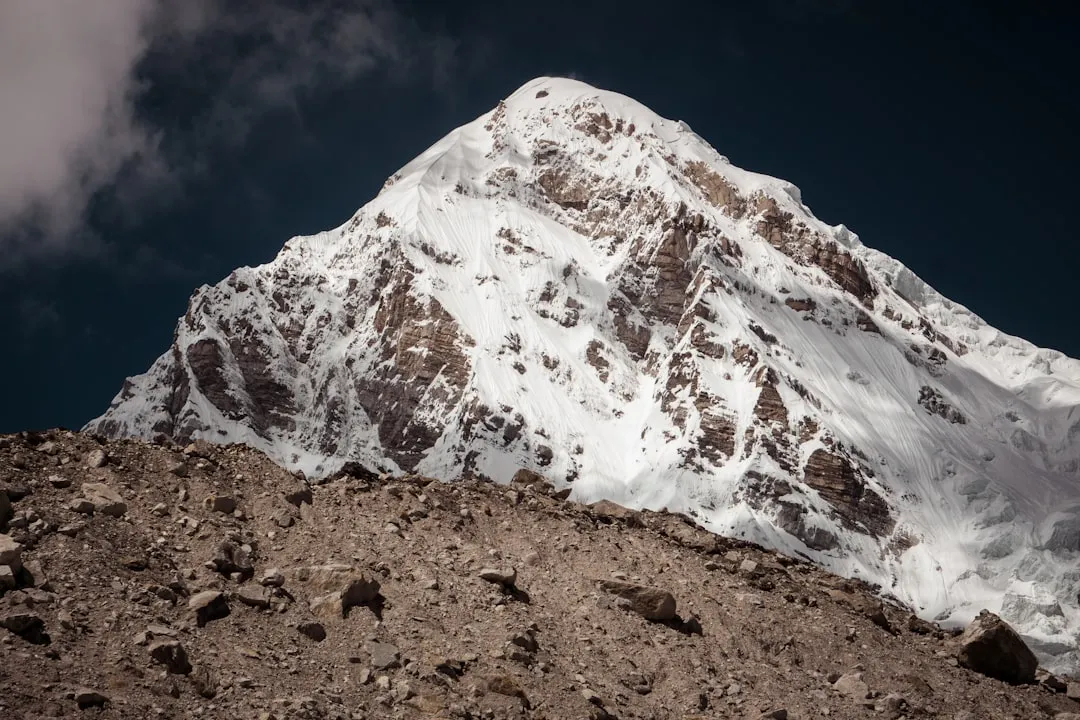
Tarebhir Hike - A Glimpse of the Himalayas
The Tarebhir Hike is a rewarding day walk offering spectacular panoramic views of the Kathmandu Valley and the distant Himalayan ranges. Located just north of the bustling capital city, this trail provides a refreshing escape into nature, showcasing Nepal's diverse landscapes and rich cultural heritage. It's an accessible adventure for those seeking a moderate challenge and breathtaking vistas without venturing far from urban amenities.
- Distance: 8.0 km one-way
- Elevation gain: 600 m
- Duration: 4-5 hours (round trip)
- Season: October to November and March to May
- Difficulty: Moderate
- Closest City: Kathmandu
- Trailhead Access: Budhanilkantha, Kathmandu
- Permits: Not required
Overview
The Tarebhir Hike is a journey that begins with a short drive from Kathmandu to the sacred site of Budhanilkantha, famous for its colossal reclining Vishnu statue. From here, the trail ascends steadily through terraced fields and small villages, gradually climbing towards the Tarebhir ridge. The path is well-trodden, indicating its popularity among locals and visitors alike. As you gain altitude, the urban sprawl of Kathmandu begins to shrink below, replaced by increasingly expansive views of the valley floor and the surrounding hills.
The ascent is characterised by a mix of natural beauty and rural life. You'll pass through rhododendron forests, especially vibrant in spring, and catch glimpses of local farming practices. The air grows cooler and fresher with every metre climbed. The moderate difficulty means it's achievable for most individuals with a reasonable level of fitness, making it an ideal day trip for families or groups.
The summit, or the highest point of the ridge, offers a truly magnificent reward. On a clear day, the vista stretches across the entire Kathmandu Valley, with the ancient cities of Patan and Bhaktapur visible in the distance. Beyond the valley, the majestic snow-capped peaks of the Himalayas, including Langtang Lirung and Ganesh Himal, form a breathtaking backdrop. This panoramic spectacle is the highlight of the Tarebhir Hike, providing a profound sense of accomplishment and a deep appreciation for Nepal's natural grandeur.
The descent follows a similar path, allowing for reflection on the journey and the stunning scenery. The Tarebhir Hike is more than just a physical exertion; it's an immersion into the serene beauty of the Nepalese countryside, a cultural encounter with rural life, and a visual feast of Himalayan majesty.
History and Cultural Context
The region surrounding Tarebhir, particularly the area around Budhanilkantha, holds significant historical and religious importance. Budhanilkantha itself is a sacred pilgrimage site, home to a massive stone sculpture of Lord Vishnu reclining on a bed of serpents, believed to date back to the 7th century. This ancient statue draws devotees from across Nepal and India, making the starting point of the hike a place of deep spiritual resonance.
The trails leading up to Tarebhir have likely been used for centuries by local villagers for agricultural purposes, herding, and as pathways connecting different settlements. The name "Tarebhir" itself, roughly translating to "rocky cliff" or "rocky ridge," suggests a landscape that has long been a prominent feature of the local topography. While not a historically significant trade route or a site of major battles, the area has been a quiet witness to the ebb and flow of life in the Kathmandu Valley for generations.
The hike's popularity as a recreational activity is a more recent phenomenon, driven by increased interest in ecotourism and outdoor pursuits within Nepal. As Kathmandu has grown, so has the desire among its residents and visitors for accessible natural escapes. Tarebhir offers this, providing a relatively short but impactful journey that connects people with the natural environment and the distant, awe-inspiring Himalayas.
The cultural context of the hike is deeply intertwined with the spiritual significance of Budhanilkantha and the agrarian lifestyle of the villages encountered along the lower slopes. The presence of small stupas or prayer flags along the route also hints at the Buddhist influences present in the region, adding another layer to the cultural tapestry of the hike.
Seasonal Highlights and Weather Reality
The Tarebhir Hike is best enjoyed during specific times of the year when the weather is most favourable for trekking and offers the clearest views. The prime seasons align with Nepal's most pleasant climatic periods.
Autumn (October to November): This is arguably the best time to undertake the Tarebhir Hike. Following the monsoon season, the skies are typically clear and blue, offering excellent visibility of the Himalayan peaks. The air is crisp and cool, making the ascent comfortable. Temperatures are generally mild, ranging from 10°C to 20°C. The landscape is lush and green after the rains, and the overall experience is one of serene beauty and comfortable trekking conditions.
Spring (March to May): Spring is another excellent season for this hike. The weather is warm and pleasant, with temperatures ranging from 15°C to 25°C. This is also the season when rhododendrons, Nepal's national flower, are in full bloom, adding vibrant splashes of colour to the forests along the trail, particularly at higher elevations. While visibility of the distant Himalayas can sometimes be affected by haze, the overall experience is still very rewarding.
Monsoon Season (June to September): This period is generally not recommended for the Tarebhir Hike. Heavy rainfall is frequent, leading to slippery and muddy trails, reduced visibility, and a significantly increased risk of landslides. The mountain views are often obscured by clouds and mist, diminishing the primary reward of the hike. While the landscape is incredibly green and lush, the practical challenges and lack of clear vistas make it a less ideal time for trekking.
Winter (December to February): Winter can be a viable option, especially in the early part of the season. The days are usually sunny and clear, offering excellent mountain views. However, mornings and evenings can be quite cold, with temperatures potentially dropping to near freezing (0°C to 10°C). Frost may be present on the trails in the early morning. While less crowded than autumn or spring, it requires warmer clothing and preparation for colder conditions.
Weather Reality: Even during the best seasons, mountain weather can be unpredictable. While Kathmandu Valley might be clear, higher elevations can experience sudden changes. It's always advisable to check the weather forecast before setting out and to be prepared for cooler temperatures and potential light rain, even on a sunny day.
Recommended Itinerary
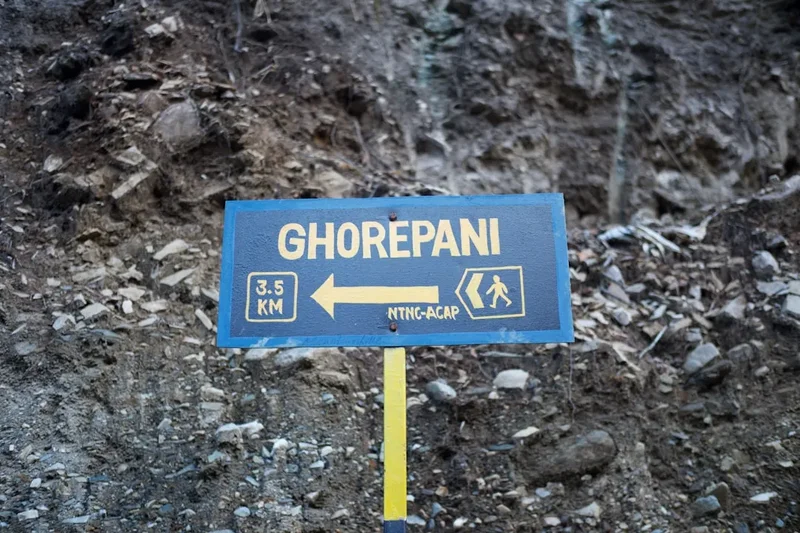
Tarebhir Hike - Day Walk Itinerary
Early Morning (7:00 AM - 8:00 AM): Departure from Kathmandu
- Arrange a taxi or private vehicle from your accommodation in Kathmandu.
- Travel to Budhanilkantha, the starting point of the hike.
- The journey typically takes 30-45 minutes, depending on traffic.
- Brief stop at Budhanilkantha to see the reclining Vishnu statue (optional, but recommended).
Morning (8:00 AM - 11:00 AM): Ascent to Tarebhir Ridge
- Begin the hike from Budhanilkantha.
- The initial section involves walking through local villages and terraced fields.
- The trail gradually steepens as you enter forested areas.
- Pass through rhododendron forests (especially vibrant in spring).
- Enjoy increasingly expansive views of the Kathmandu Valley below.
- The path is generally well-defined but can be steep in sections.
- Aim to reach a significant viewpoint or the main ridge by late morning.
Midday (11:00 AM - 1:00 PM): Summit Views and Lunch
- Reach the highest point of the Tarebhir ridge.
- Spend time admiring the 360-degree panoramic views of the Kathmandu Valley.
- On clear days, spot the distant Himalayan peaks like Langtang Lirung and Ganesh Himal.
- Enjoy a packed lunch amidst the stunning scenery.
- Take photographs and soak in the serene atmosphere.
Afternoon (1:00 PM - 3:00 PM): Descent to Budhanilkantha
- Begin the descent back towards Budhanilkantha.
- The descent can be quicker but requires careful footing, especially on steeper sections.
- Enjoy the changing perspectives of the valley as you walk down.
- Pass through the same villages and forests encountered on the ascent.
Late Afternoon (3:00 PM onwards): Return to Kathmandu
- Arrive back at the trailhead in Budhanilkantha.
- Arrange for your taxi or vehicle to take you back to your accommodation in Kathmandu.
- The return journey typically takes 30-45 minutes.
- Relax and reflect on your day's adventure.
Important Notes:
- This is a day hike; no overnight accommodation is required.
- Carry sufficient water and snacks, as facilities on the trail are limited.
- Wear comfortable hiking shoes and layered clothing.
- Check the weather forecast before you go.
- Be prepared for a moderate level of physical exertion.
Planning and Bookings
Book Your Trip
Everything you need to plan your journey
Accommodation
Find places to stay near Kathmandu
Flights
Search flights to Kathmandu
Essential Preparation
The Tarebhir Hike is a day walk, simplifying many logistical concerns compared to multi-day treks. However, proper preparation is still key to a successful and enjoyable experience. The closest major city is Kathmandu, which serves as the primary gateway for all travellers. Ensure you have comfortable accommodation booked in Kathmandu before and after your hike. Transportation to the trailhead is straightforward; taxis and private vehicles are readily available. For those on a budget, local buses can also reach Budhanilkantha, though they may be more crowded and less direct. It's advisable to confirm your transport arrangements the day before your hike. Given it's a day trip, no specific booking coordination for accommodation on the trail is necessary. The focus should be on personal fitness and packing appropriately.
Trail Accommodation
This is a day hike requiring no overnight accommodation.
Required Gear
- Hiking Boots: Sturdy, broken-in hiking boots with good ankle support are essential for navigating the varied terrain, which can be steep and uneven.
- Daypack: A comfortable daypack (20-30 litres) to carry your essentials, water, snacks, and extra clothing layers.
- Waterproof Jacket: A lightweight, waterproof and windproof jacket is recommended, as weather can change quickly in the hills.
- Sun Protection: A wide-brimmed hat or cap, sunglasses, and high SPF sunscreen are crucial, especially during sunny months, as there is limited shade on the upper parts of the trail.
- Navigation: While the trail is generally well-marked, a map of the area or a GPS device/app on your phone can be useful for orientation, especially if you plan to explore slightly off the main path.
- First Aid Kit: A basic first aid kit including plasters, antiseptic wipes, pain relievers, and any personal medications.
- Head Torch: Although a day hike, carrying a small head torch with spare batteries is always a good safety precaution in case of unexpected delays.
What to Bring
- Water: Carry at least 1.5 to 2 litres of water per person. Refillable bottles are encouraged.
- Food: Pack a substantial packed lunch, energy bars, and snacks. There are no reliable food vendors along the trail itself.
- Toiletries: Hand sanitiser, wet wipes, and any personal hygiene items.
- Camera: To capture the stunning panoramic views.
- Insect Repellent: Particularly useful during warmer months to ward off mosquitoes and other biting insects.
- Trekking Poles: Optional, but can be beneficial for stability and reducing strain on knees during the ascent and descent.
- Cash: A small amount of Nepalese Rupees for any local purchases or in case of needing a taxi for a longer distance.
Permits
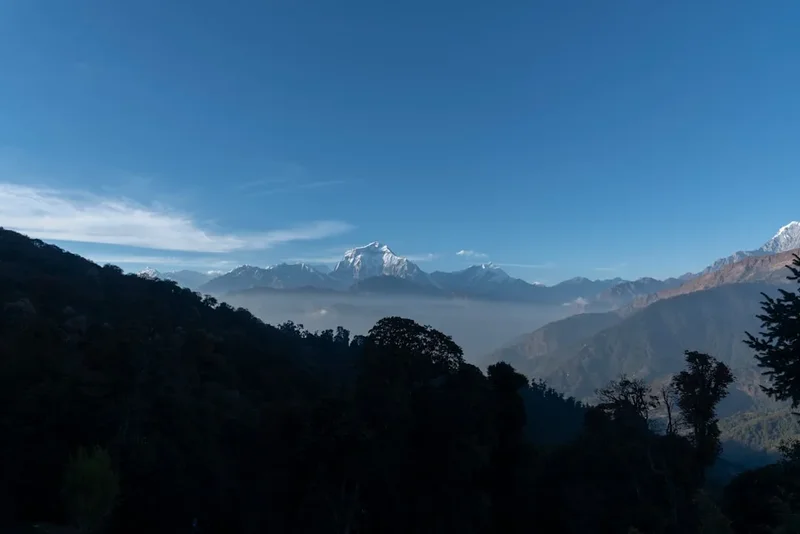
No specific permits are required for the Tarebhir Hike. As it is a day walk within a generally accessible area and not part of a protected national park requiring entry fees, trekkers can undertake this hike without needing to obtain any special permits or passes. This makes it a convenient and spontaneous option for visitors to Kathmandu.
However, it is always advisable to stay informed about any local regulations or advisories that may be in place. While unlikely for this particular trail, local authorities can sometimes implement temporary restrictions for safety or environmental reasons. Checking with your accommodation provider or a local trekking agency in Kathmandu before your hike is a good practice for any outdoor activity.
Other Activities in the Area
Beyond the Tarebhir Hike itself, the vicinity of Kathmandu offers a wealth of cultural, historical, and natural attractions:
- Budhanilkantha Temple: Explore the sacred site at the trailhead, home to the impressive reclining Vishnu statue. It's a significant pilgrimage destination and offers a glimpse into Hindu religious practices.
- Kathmandu Valley UNESCO World Heritage Sites: Dedicate time to visiting the ancient royal cities of Kathmandu (Durbar Square), Patan (Lalitpur), and Bhaktapur. Each boasts intricate temples, palaces, and traditional architecture.
- Swayambhunath Stupa (Monkey Temple): A prominent Buddhist pilgrimage site offering panoramic views of Kathmandu city.
- Boudhanath Stupa: One of the largest stupas in Nepal and a centre of Tibetan Buddhism.
- Pashupatinath Temple: A sacred Hindu temple complex on the banks of the Bagmati River, a significant site for cremations and religious ceremonies.
- Nagarkot: For more extensive Himalayan views, consider a day trip or overnight stay in Nagarkot, a hill station east of Kathmandu known for its sunrise and sunset vistas over the Himalayas.
- Local Markets: Immerse yourself in the vibrant atmosphere of local markets in Kathmandu, Thamel, or the ancient city centres for souvenirs, handicrafts, and local produce.
- Cooking Classes: Learn to prepare traditional Nepalese dishes like Dal Bhat.
Safety and Conditions
Trail Conditions: The Tarebhir Hike is generally considered moderate. The trail is mostly well-defined, but can be steep and rocky in places. During the monsoon season (June-September), trails can become muddy and slippery, increasing the risk of falls. Outside of the monsoon, conditions are usually good.
Weather: Mountain weather can change rapidly. Even on clear days, temperatures can drop significantly, and sudden rain showers are possible. Always check the weather forecast before you depart and be prepared with appropriate clothing layers.
Altitude: While the Tarebhir Hike does not reach extreme altitudes, the elevation gain of 600 metres can still be noticeable. It's advisable to stay hydrated and walk at a comfortable pace. If you experience symptoms of altitude sickness (headache, nausea, dizziness), descend immediately.
Hydration and Nutrition: Carry ample water (at least 1.5-2 litres per person) and high-energy snacks. There are no reliable facilities for purchasing food or water along the trail.
Navigation: The main trail is generally clear, but it's wise to have a map or GPS device as a backup, especially if you plan to deviate or if visibility is poor.
Communication: Mobile phone reception can be intermittent along the trail. Inform someone of your hiking plans, including your expected return time.
Local Etiquette: Be respectful of local customs and traditions. Dress modestly when passing through villages and temples. Ask permission before taking photographs of people.
Emergency Contacts: Have the contact details for your accommodation in Kathmandu and local emergency services readily available.
Side Trips and Points of Interest
Budhanilkantha Temple: Before or after your hike, take time to visit the magnificent Budhanilkantha Temple. The colossal stone statue of Lord Vishnu, carved from a single block of black basalt, is a masterpiece of Nepalese art and a deeply revered religious site. The peaceful temple grounds offer a serene start or end to your day.
Local Villages: As you ascend, you'll pass through small, traditional Nepalese villages. These offer a glimpse into rural life, with terraced fields, stone houses, and local farming practices. Observing the daily routines of the villagers can be a fascinating part of the experience.
Panoramic Viewpoints: The trail itself offers numerous natural viewpoints along the ascent and at the ridge. These are ideal spots to pause, rest, and soak in the expansive vistas of the Kathmandu Valley, including the sprawling city, surrounding hills, and, on clear days, the distant Himalayan giants. Each viewpoint offers a slightly different perspective, making the journey as much about the evolving scenery as the destination.
Rhododendron Forests: If hiking during the spring season (March-May), you will likely encounter vibrant rhododendron forests. These iconic trees, Nepal's national flower, bloom in spectacular shades of red, pink, and white, adding a magical dimension to the hike.
Leave No Trace
The Tarebhir Hike traverses beautiful natural landscapes and passes through local communities. Practising Leave No Trace principles ensures that this environment remains pristine for future visitors and that the local culture is respected.
Plan Ahead and Prepare: Understand the trail conditions, weather, and local customs before you go. Pack appropriately to avoid needing to leave anything behind.
Travel and Camp on Durable Surfaces: Stick to the established trail. Avoid cutting switchbacks or walking on fragile vegetation, especially in forested areas or near the ridge.
Dispose of Waste Properly: Pack out everything you pack in. This includes all food scraps, wrappers, and any other litter. Use designated waste bins if available in Budhanilkantha, or carry your rubbish back to Kathmandu.
Leave What You Find: Do not disturb or remove any natural objects, such as rocks, plants, or flowers. Respect historical and cultural sites; do not deface them.
Minimise Campfire Impacts: Not applicable for this day hike, as camping is not permitted.
Respect Wildlife: Observe wildlife from a distance. Do not feed any animals you encounter, as this can disrupt their natural behaviour and diet.
Be Considerate of Other Visitors: Keep noise levels down, especially when passing through villages. Yield to uphill hikers. Be courteous and friendly.
By adhering to these principles, you help preserve the natural beauty and cultural integrity of the Tarebhir region.
 Nepal
Nepal