
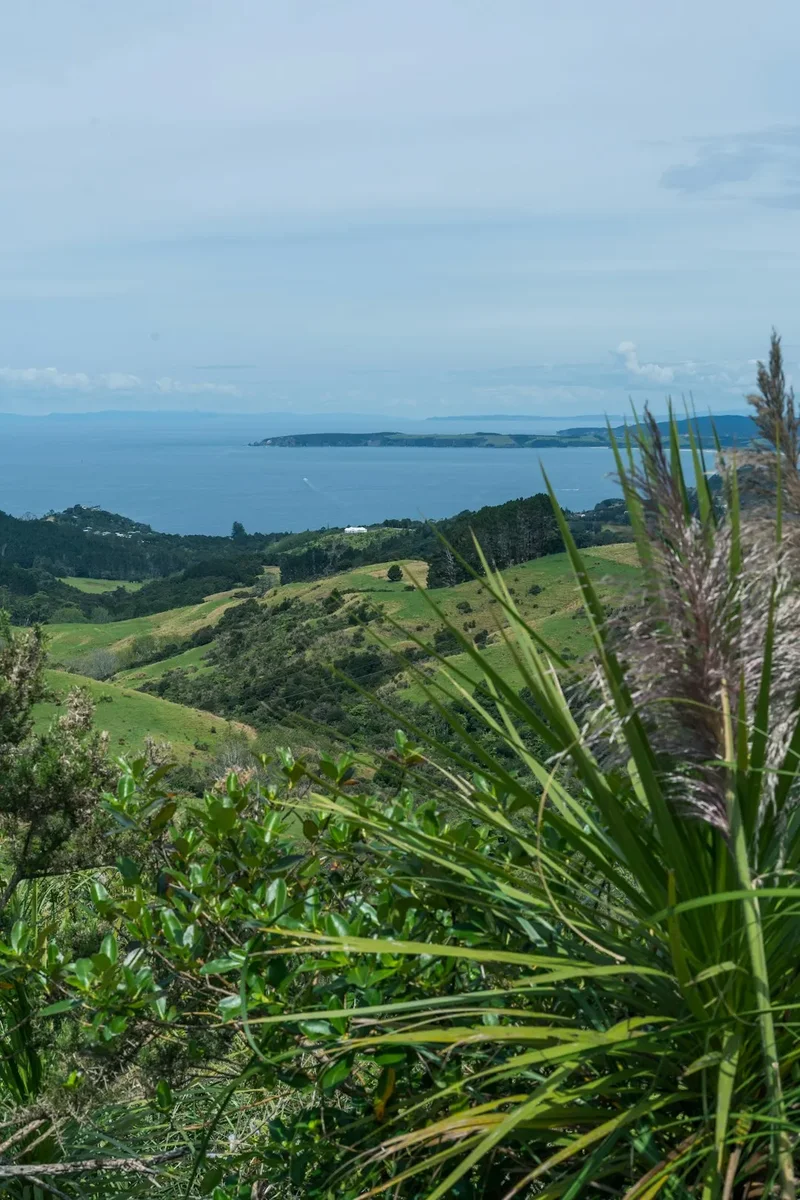
Taranaki Pouakai Crossing
The Taranaki Pouakai Crossing is a challenging and rewarding day walk located on the slopes of Mount Taranaki in Egmont National Park, New Zealand. This route offers a spectacular journey through diverse landscapes, from lush native forest to alpine tussock and volcanic terrain, culminating in breathtaking views of the surrounding region and the Tasman Sea. It is a single-direction traverse, typically walked from North Egmont to Dawson Falls, or vice versa, and is renowned for its dramatic scenery and the opportunity to experience the unique environment of an active volcano.
- Distance: 19.5 km
- Duration: 8–12 hours
- Season: October to April (summer months for best conditions)
- Difficulty: Challenging
- Elevation Gain: 1435 m
- Highest Point: ~1400 m (near Pouakai Trig)
- Start/End Points: North Egmont Visitor Centre to Dawson Falls Visitor Centre (or reverse)
- Closest City: New Plymouth
Overview
The Taranaki Pouakai Crossing is a substantial day hike that demands a good level of fitness and preparedness. The trail winds its way across the northern slopes of Mount Taranaki, offering a constantly evolving panorama. Starting from the North Egmont Visitor Centre, the initial section ascends through dense, moss-laden beech forest, a classic West Coast rainforest experience. As you gain altitude, the forest gradually gives way to subalpine shrubland and then open tussock fields, providing increasingly expansive views.
A significant highlight of the crossing is the Pouakai Trig, a prominent landmark offering unparalleled vistas. From here, on a clear day, you can see the North Island's west coast stretching out towards the Tasman Sea, the cone of Mount Ruapehu in the distance, and the intricate network of valleys and ridges that make up the Taranaki landscape. The trail then descends towards Dawson Falls, a beautiful waterfall that marks the end of the main crossing. The descent can be steep and is often on well-formed but sometimes uneven tracks, requiring careful footing.
The weather on Mount Taranaki can change with extreme rapidity. It is not uncommon to experience sunshine, rain, fog, and even snow on the same day, regardless of the season. This unpredictability adds to the challenge and requires walkers to be equipped for all conditions. The volcanic nature of the mountain means the terrain is varied, with some sections featuring rocky scree and others smooth, well-trodden paths. The Pouakai Crossing is a true test of endurance and a magnificent way to immerse yourself in the wild beauty of Taranaki.
History and Cultural Context
Mount Taranaki, also known as Mount Egmont, holds deep cultural significance for Māori, particularly for the Taranaki iwi (tribes). The mountain is considered a sacred ancestor, a tapu (sacred) place with a rich history of mythology and spiritual connection. Legends tell of Taranaki's love for Pihanga, a mountain in the central North Island, and his subsequent battle with Tongariro, which led to his exile to the west coast, forming the mountain we see today. The surrounding parkland is steeped in stories of iwi territorial disputes, traditional hunting grounds, and the use of the mountain's resources.
European settlement in the Taranaki region began in the mid-19th century, leading to conflict and land alienation. The establishment of Egmont National Park in 1900 was a significant step in preserving the mountain's unique natural environment. The park was New Zealand's first national park, a testament to the foresight of early conservationists and the growing recognition of the ecological and aesthetic value of the mountain.
The trails on Mount Taranaki have evolved over time, from early Māori tracks to routes established by surveyors and early European settlers. The North Egmont and Dawson Falls areas have long been focal points for visitors, with visitor centres and basic accommodation facilities developed to support tourism and recreation. The Pouakai Crossing, as a defined day walk, represents a modern interpretation of traversing the mountain's slopes, linking key points of interest and offering a comprehensive experience of its diverse ecosystems. The ongoing management of the park by the Department of Conservation (DOC) aims to balance recreational access with the protection of its natural and cultural heritage.
Seasonal Highlights and Weather Reality
The Taranaki Pouakai Crossing is best undertaken during the warmer months, from October to April. This period generally offers more stable weather patterns, longer daylight hours, and less risk of snow and ice on the higher sections of the track.
Summer (December to February): This is the most popular time to walk the crossing. Days are longest, and the vegetation is at its most vibrant. However, summer also brings the highest risk of sandflies, particularly in the lower, forested sections. Weather can still be unpredictable, with sudden rain showers and fog common.
Spring (October to November): The mountain begins to shed its winter snow, and alpine flowers start to bloom. The weather can be more variable than in summer, with a higher chance of encountering residual snow or ice on higher sections, especially early in the season. Daylight hours are increasing, making for pleasant walking conditions.
Autumn (March to April): This is a beautiful time to walk, with the changing colours of the beech forest providing a stunning spectacle. The weather is often more settled than in spring, and sandfly activity typically decreases. However, daylight hours are shortening, and the risk of early snowfalls on the higher reaches increases towards the end of April.
Winter (May to September): The Taranaki Pouakai Crossing is generally not recommended for day walkers during winter. The mountain is often covered in snow and ice, requiring specialised mountaineering equipment, navigation skills, and experience in winter conditions. Avalanche risk is also a significant concern. The trails can be difficult to follow, and conditions can deteriorate rapidly, posing serious safety risks.
Weather is the dominant factor on Mount Taranaki. Regardless of the season, always check the MetService mountain forecast and DOC alerts before setting out. Be prepared for rapid changes, including strong winds, heavy rain, fog, and cold temperatures, even on a seemingly clear day.
Recommended Itinerary
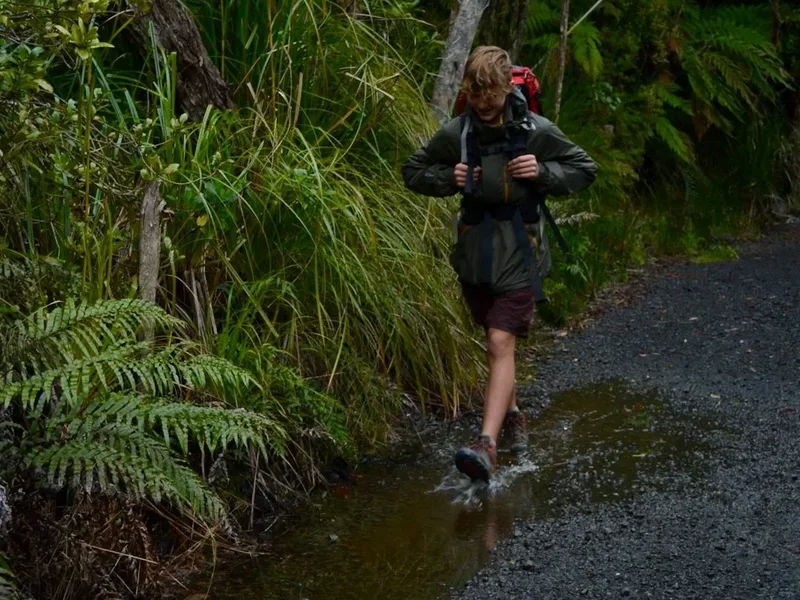
Taranaki Pouakai Crossing - Day Walk Itinerary
Start: North Egmont Visitor Centre
- Early Morning (approx. 7:00 AM - 8:00 AM): Arrive at North Egmont Visitor Centre. Final gear check, fill water bottles, and check the weather board. Begin the walk.
- Morning (approx. 8:00 AM - 12:00 PM): Ascend through the North Egmont forest. The initial section follows the Tahurangi Track, which soon joins the Pouakai Track. This part of the walk is characterised by dense, moss-covered beech forest, boardwalks over boggy sections, and a steady climb.
- Midday (approx. 12:00 PM - 2:00 PM): Emerge from the forest into subalpine shrubland and then open tussock. Reach the Pouakai Trig (approx. 1400m). This is an ideal spot for a lunch break, offering panoramic views of the surrounding landscape, including the Tasman Sea, Mount Ruapehu, and the Taranaki coastline.
- Afternoon (approx. 2:00 PM - 5:00 PM): Begin the descent towards Dawson Falls. The track can be steep and rocky in places. You will pass through tussock, shrubland, and eventually re-enter beech forest.
- Late Afternoon (approx. 5:00 PM - 7:00 PM): Arrive at Dawson Falls Visitor Centre. The walk concludes here. Take time to admire Dawson Falls, one of the most accessible and impressive waterfalls in the park.
Alternative Start: Dawson Falls Visitor Centre
- Early Morning (approx. 7:00 AM - 8:00 AM): Arrive at Dawson Falls Visitor Centre. Final gear check and begin the ascent.
- Morning (approx. 8:00 AM - 12:00 PM): Ascend through forest and shrubland towards the Pouakai Trig. This section involves a significant climb.
- Midday (approx. 12:00 PM - 2:00 PM): Reach Pouakai Trig for lunch and enjoy the expansive views.
- Afternoon (approx. 2:00 PM - 6:00 PM): Descend through open tussock and then into the dense beech forest towards North Egmont Visitor Centre. This descent can be challenging on the knees.
- Late Afternoon/Early Evening (approx. 6:00 PM - 8:00 PM): Arrive at North Egmont Visitor Centre.
Important Considerations:
- This is a challenging day hike requiring good fitness.
- Start early to allow ample time and avoid walking in the dark.
- Carry sufficient water and food, as there are no facilities along the route.
- Be prepared for rapidly changing weather conditions.
- The track is well-marked but can be rough and steep in sections.
- Consider arranging transport for a one-way crossing (e.g., taxi or pre-booked shuttle).
Planning and Bookings
Book Your Trip
Everything you need to plan your journey
Accommodation
Find places to stay near New Plymouth
Flights
Search flights to New Plymouth
Essential Preparation
The Taranaki Pouakai Crossing is a significant undertaking that requires thorough preparation. Given its challenging nature and the potential for rapidly changing weather, fitness is paramount. Ensure you are comfortable walking for 8-12 hours with substantial elevation gain and loss. Familiarise yourself with the route using maps and guidebooks. As this is a day walk, accommodation is not a factor on the trail itself, but planning your transport to and from the trailheads is crucial. New Plymouth is the closest city and offers a full range of services, including accommodation, gear shops, and transport options. North Egmont Visitor Centre and Dawson Falls Visitor Centre are the primary access points. It is highly recommended to arrange transport for a one-way crossing, as walking back to your starting point is not feasible within a single day. Consider booking a shuttle service or taxi in advance, especially during peak season.
Trail Accommodation
This is a day hike requiring no overnight accommodation.
Required Gear
- Sturdy hiking boots: Waterproof and well broken-in, with good ankle support.
- Waterproof and windproof jacket: Essential for protection against rain and wind.
- Waterproof overtrousers: To keep your legs dry in wet conditions.
- Warm layers: Including a fleece or wool mid-layer and thermal base layers. Avoid cotton.
- Hat and gloves: Even in summer, the higher altitudes can be cold.
- Navigation tools: A map of Egmont National Park, a compass, and a GPS device or smartphone with offline maps. Mobile phone reception can be unreliable.
- Head torch: With spare batteries, in case of unexpected delays or if starting/finishing in low light.
- First-aid kit: Including blister treatment, pain relievers, bandages, and any personal medications.
- Sun protection: Sunscreen, sunglasses, and a wide-brimmed hat. The sun can be intense at higher altitudes.
- Insect repellent: Particularly for sandflies, which can be prevalent in forested areas.
What to Bring
- Sufficient food: High-energy snacks, sandwiches, and meals for an 8-12 hour hike. There are no food services on the track.
- Plenty of water: Carry at least 2-3 litres per person. Water sources are available but should be treated (filter or purification tablets).
- Water treatment method: Filter or purification tablets.
- Backpack: A comfortable day pack (25-35 litres) to carry all your gear.
- Trekking poles: Highly recommended for stability on steep ascents and descents.
- Emergency shelter: A lightweight emergency blanket or bivvy bag.
- Whistle: For signalling in emergencies.
- Toilet paper and a small trowel: For burying human waste if away from designated facilities (follow Leave No Trace principles).
- Rubbish bag: To pack out all your litter.
Permits
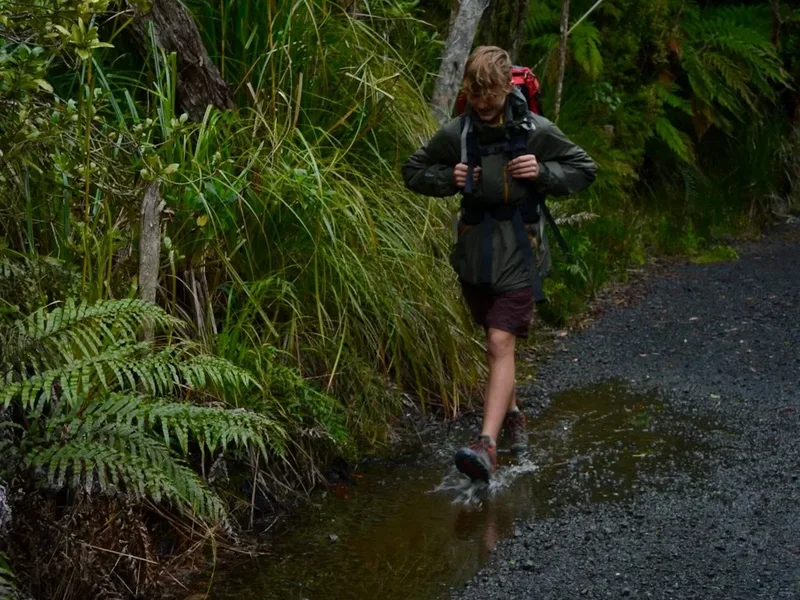
No specific permits are required for day walking the Taranaki Pouakai Crossing. Egmont National Park is managed by the Department of Conservation (DOC), and standard park access rules apply. However, it is always advisable to check the DOC website for any current alerts, track closures, or specific conditions that may affect your planned walk. This is particularly important for Mount Taranaki, where weather can lead to sudden track closures for safety reasons.
Key points regarding access:
- Park Entry: Entry to Egmont National Park is free.
- Track Conditions: Always check the DOC website for the latest track status and weather forecasts. Conditions can change rapidly, and sections of the track may be closed due to weather, maintenance, or safety concerns.
- Volcanic Activity: While Mount Taranaki is an active volcano, the risk of an immediate eruption is very low. However, it is wise to be aware of any official advisories from GNS Science or DOC regarding volcanic activity.
- Booking: No booking is required for day walks.
Other Activities in the Area
The region surrounding Mount Taranaki offers a wealth of activities for visitors:
- Exploring Dawson Falls: Spend time at the base of Dawson Falls, a magnificent 183-metre cascade. The short walk to the falls is accessible and offers stunning views.
- Visiting North Egmont Visitor Centre: Learn about the mountain's geology, flora, fauna, and Māori legends. The centre provides valuable information and displays.
- Short Walks: Egmont National Park has numerous shorter walks suitable for all fitness levels, such as the Kamahi Loop Track, the Wilkies Pools Walk, and the Veronica Loop Track, all offering different perspectives of the mountain's diverse ecosystems.
- Climbing Mount Taranaki Summit: For experienced and well-equipped hikers, the summit track offers a challenging ascent to the peak (requires a full day and excellent conditions).
- Taranaki Coastal Drive: Explore the scenic coastline, visit charming towns like Opunake, and enjoy the rugged beauty of the Tasman Sea.
- New Plymouth City: Discover the city's vibrant arts scene, visit the Govett-Brewster Art Gallery/Len Lye Centre, stroll through Pukekura Park, and enjoy local cafes and restaurants.
- Taranaki Maunga Cultural Experiences: Engage with local Māori culture through guided tours or cultural centres to learn more about the mountain's significance.
Safety and Conditions
Pre-Departure Checks:
- Weather Forecast: Always check the MetService mountain forecast for Mount Taranaki (specifically the Egmont National Park area) before you depart. Be prepared for rapid changes.
- DOC Alerts: Visit the Department of Conservation (DOC) website for Egmont National Park for any track alerts, closures, or warnings.
- Road Conditions: Ensure the roads to North Egmont and Dawson Falls are open and clear.
- Inform Someone: Let a reliable person know your intended route, start time, and expected finish time.
On the Trail:
- Weather Changes: Be prepared for sudden shifts in weather. Fog can descend rapidly, reducing visibility to near zero. Wind can be strong, and temperatures can drop significantly at higher altitudes. Hypothermia is a real risk.
- Navigation: The track is generally well-marked, but in poor visibility, it can be difficult to follow. Carry a map and compass and know how to use them. A GPS device or smartphone with offline maps is also highly recommended.
- Terrain: The track is challenging, with steep ascents and descents, rocky sections, and potentially slippery surfaces, especially after rain. Wear appropriate footwear and use trekking poles for stability.
- Water: Carry sufficient water and a method for treating water from streams if needed.
- Sandflies: Sandflies can be a nuisance, especially in the forested areas during warmer months. Use insect repellent and wear long sleeves and trousers when stationary.
- Emergency: In case of an emergency, use your whistle (three short blasts) or mobile phone if you have reception. The emergency number in New Zealand is 111.
- Respect the Mountain: Mount Taranaki is an active volcano and a sacred place. Stay on marked tracks to protect the fragile environment and respect its cultural significance.
Side Trips and Points of Interest
Dawson Falls: While the end point of the crossing, Dawson Falls itself is a significant attraction. The 183-metre waterfall is one of the most spectacular in the region. A short, well-maintained track leads to viewing platforms at the base, allowing you to appreciate its grandeur and the surrounding lush forest.
Wilkies Pools: Located on the track between North Egmont and Dawson Falls, Wilkies Pools is a series of small, crystal-clear pools formed by the river. On a warm day, it's a refreshing spot to pause, though swimming is not recommended due to the cold water and potential currents.
Pouakai Trig: This is a key landmark and a natural stopping point for lunch. The 360-degree views from the trig are exceptional on a clear day, offering a comprehensive perspective of the Taranaki region, including the coastline, the central plateau volcanoes, and the intricate volcanic landscape of the mountain itself.
Taranaki Summit Track (for experienced hikers): While not part of the Pouakai Crossing itself, the summit track branches off from the main route. For those with the time, fitness, and appropriate gear, ascending to the summit offers an even more profound experience of the mountain's scale and beauty. This is a serious undertaking requiring excellent conditions and mountaineering experience.
North Egmont Visitor Centre: More than just a starting point, the visitor centre provides context to the walk. Exhibits detail the mountain's natural and cultural history, helping walkers appreciate the environment they are traversing.
Leave No Trace
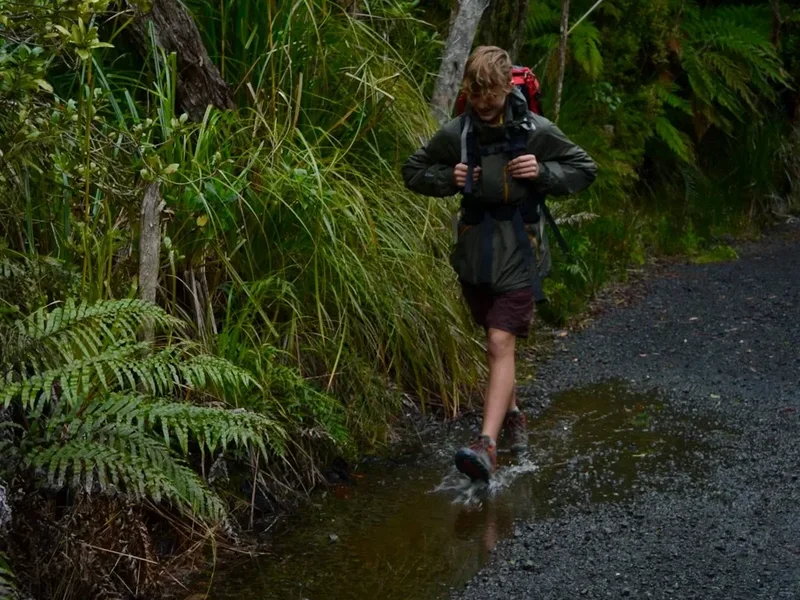
The Taranaki Pouakai Crossing traverses a sensitive volcanic and forest ecosystem within Egmont National Park. Adhering to Leave No Trace principles is crucial to preserving this environment for future generations and respecting its cultural heritage.
Your responsibility as a walker:
- Plan Ahead and Prepare: Know the route, check weather conditions, and pack appropriately.
- Travel and Camp on Durable Surfaces: Stick to the marked tracks. Avoid walking on fragile vegetation, especially alpine tussock and mosses, which can take years to recover.
- Dispose of Waste Properly: Pack out everything you pack in, including all food scraps, wrappers, and toilet paper. Use designated toilets where available, or bury human waste at least 10 cm deep and 200 metres away from water sources, tracks, and campsites.
- Leave What You Find: Do not remove any natural objects, such as rocks, plants, or cultural artefacts.
- Minimise Campfire Impacts: Campfires are not permitted on this day walk.
- Respect Wildlife: Observe wildlife from a distance and never feed them. This includes the native birds and insects you may encounter.
- Be Considerate of Other Visitors: Keep noise levels down, yield to uphill walkers, and be courteous to fellow hikers.
By following these principles, you help ensure that the Taranaki Pouakai Crossing remains a pristine and enjoyable experience for everyone.
 New Zealand