
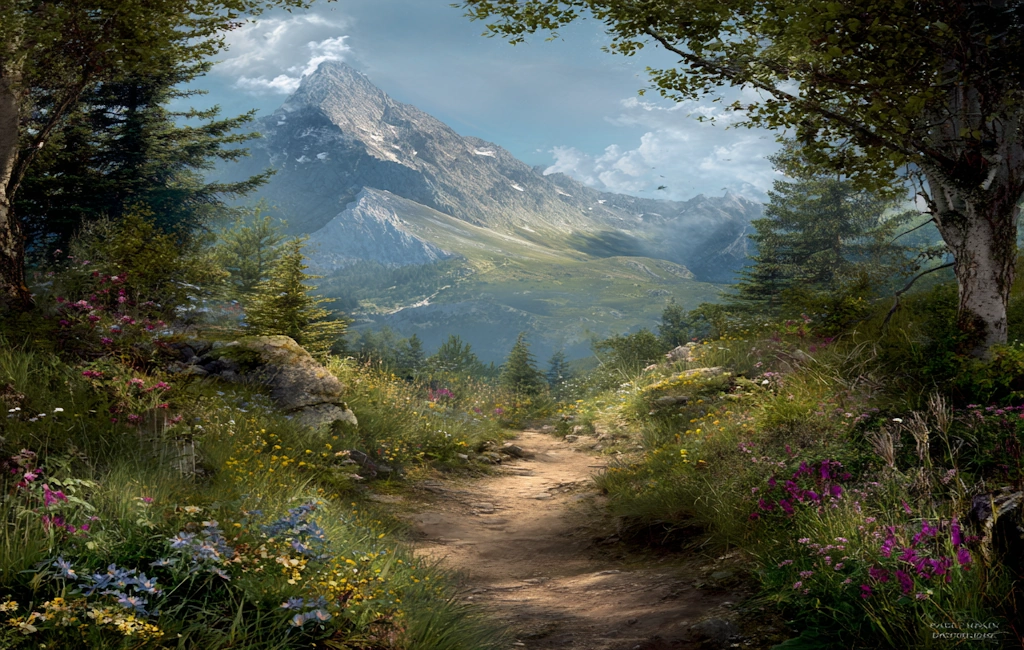
Taranaki Falls Track
The Taranaki Falls Track is a popular and accessible day walk located in the Tongariro National Park, New Zealand. This relatively short loop offers a fantastic introduction to the unique volcanic landscapes of the central North Island, showcasing a diverse range of geological features, from tussock-covered plains to native forest and, of course, the impressive Taranaki Falls themselves. It's an ideal option for families, casual walkers, and those seeking a rewarding experience without a significant time commitment. The track is well-maintained and clearly marked, making navigation straightforward.
- Distance: 6.0 km loop
- Duration: 2 hours
- Elevation Gain: 210 m
- Difficulty: Easy
- Best Time: Year-round, weather permitting
- Closest City: Taupo
- Trailhead Access: Nearest city: Taupo. Drive south on State Highway 47 towards Whakapapa. Turn right onto Ngauruhoe Place, then left onto Scoria Lane. Follow signs to the Taranaki Falls carpark. Ample parking available. No permits required. Road is sealed. GPS: -39.2178, 175.5585
Overview
The Taranaki Falls Track is a captivating loop that encapsulates the diverse beauty of Tongariro National Park. Starting from the Taranaki Falls Carpark, the trail initially meanders through open tussock grasslands, offering expansive views of the surrounding volcanic cones, including Mount Ruapehu, Mount Ngauruhoe, and Mount Tongariro. This section of the walk is exposed, so be prepared for wind and sun, especially during warmer months.
As the track progresses, it transitions into a lush native forest, primarily featuring beech trees. This change in scenery provides a welcome contrast and a sense of immersion in a different environment. The forest section is often cooler and more sheltered, with a rich undergrowth of ferns and mosses. The highlight of the walk is undoubtedly Taranaki Falls, a magnificent waterfall that plunges over a 20-metre-high cliff face of andesite lava flow. The falls are fed by the Waihohonu Stream, which originates from the snowfields of Mount Ngauruhoe.
The loop design means you experience different perspectives of the landscape. The return leg often follows a slightly different path, sometimes offering more open views or a different forest character. The track is generally well-formed, with some gentle inclines and descents. The total elevation gain of 210 metres is spread out, making it manageable for most fitness levels. The 2-hour duration allows ample time to enjoy the scenery, take photographs, and appreciate the natural wonders of this volcanic region.
The Taranaki Falls Track is a testament to the geological forces that have shaped this part of New Zealand. The lava flow that forms the waterfall is a tangible reminder of the volcanic activity that continues to define the landscape. The surrounding vegetation has adapted to the unique soil conditions, creating a vibrant ecosystem that thrives in this dramatic setting.
History and Cultural Context
Tongariro National Park, and the area surrounding Taranaki Falls, holds deep cultural significance for the Māori people, particularly the iwi of Ngāti Tūwharetoa and Te Ātihaunui-a-Pāpārangi. The volcanic peaks are considered sacred ancestral mountains, imbued with spiritual power and history. For centuries, Māori have traversed these lands for hunting, gathering, and spiritual purposes. The volcanic landscape itself is seen as a living entity, a source of life and power.
The Taranaki Falls themselves are a natural wonder that has likely been a point of interest for Māori for generations. While specific historical accounts directly detailing the falls might be scarce in public records, their presence within a landscape of such profound cultural importance suggests they have always been a notable feature. The Waihohonu Stream, which feeds the falls, would have been a vital water source and a pathway through the terrain.
The establishment of Tongariro National Park in 1887, as New Zealand's first national park, was a significant step in preserving this unique environment. The park was gifted to the nation by Te Heuheu Tukino IV, paramount chief of Ngāti Tūwharetoa, with the vision of protecting its sacred peaks and natural beauty for all New Zealanders and future generations. This act of guardianship underscores the enduring connection between the land and its indigenous people.
The development of walking tracks, including the Taranaki Falls Track, has made this landscape accessible to a wider audience. While the track itself is a relatively modern development for recreational purposes, it follows routes that have been known and used for centuries. The andesite lava flow that forms the waterfall is a geological record of past volcanic eruptions, a natural history that complements the human history of the region.
Seasonal Highlights and Weather Reality
The Taranaki Falls Track is a year-round destination, offering different experiences depending on the season. However, it's crucial to remember that this is a volcanic alpine environment, and weather can change rapidly at any time of year.
Spring (September–November): The landscape begins to awaken after winter. Snow may still be present on the higher peaks, offering a dramatic backdrop. The tussock grasslands might show early signs of greening, and native alpine flowers can start to bloom. Days are getting longer, but the weather can still be unpredictable, with potential for late snowfalls or strong winds.
Summer (December–February): This is generally the most popular time to visit due to longer daylight hours and typically milder weather. The tussock is dry and golden, and the forest is lush and green. However, summer can also bring periods of intense sun, heat, and increased sandfly activity. Thunderstorms are also a possibility, so always be prepared for sudden downpours.
Autumn (March–May): Autumn offers a spectacular display of colour, particularly in the beech forest, with leaves turning shades of gold, red, and brown. The air is often crisp and clear, providing excellent visibility of the volcanic peaks. The weather can be settled, but cooler temperatures and the possibility of early snow on higher ground should be considered.
Winter (June–August): The Taranaki Falls Track can still be walked in winter, but it requires careful preparation. Snow and ice can cover sections of the track, especially in shaded areas and at higher elevations. The waterfalls may be partially frozen, creating a unique and beautiful spectacle. Warm, waterproof clothing, sturdy footwear, and potentially micro-spikes or crampons are essential. The surrounding mountains will be snow-capped, offering stunning vistas.
Weather Considerations: Regardless of the season, always check the weather forecast before you go. Conditions in Tongariro National Park can be harsh and change with little warning. Wind, rain, snow, and fog are common. Be prepared for all eventualities, even on a short day walk.
Recommended Itinerary
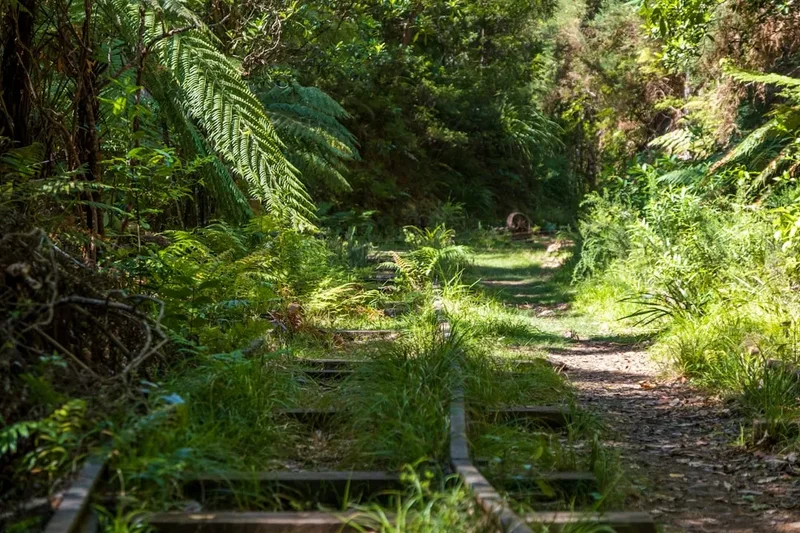
Taranaki Falls Track - Day Walk Itinerary
Early Morning (Approx. 9:00 AM): Arrival and Start
- Arrive at the Taranaki Falls Carpark.
- Ensure you have checked the weather forecast and are prepared for the conditions.
- Begin the walk by heading east from the carpark, following the well-marked track.
- Initial section traverses open tussock land with views of Mount Ngauruhoe and Mount Ruapehu.
Morning (Approx. 9:30 AM - 10:30 AM): Forest Transition and Falls Approach
- The track gradually descends and enters the native beech forest.
- Enjoy the cooler, shaded environment and the sounds of the forest.
- Follow the signs towards Taranaki Falls.
- The Waihohonu Stream will become audible as you approach the falls.
Midday (Approx. 10:30 AM - 11:30 AM): Taranaki Falls and Viewing Platform
- Arrive at Taranaki Falls.
- Spend time admiring the waterfall as it cascades over the andesite lava flow.
- Utilise the designated viewing platform for the best vantage points and photo opportunities.
- Observe the Waihohonu Stream as it flows away from the falls.
- Take a break, perhaps enjoy a snack, and soak in the atmosphere.
Afternoon (Approx. 11:30 AM - 1:00 PM): Return Loop and Carpark
- Continue on the loop track, which will take you back towards the carpark.
- This section may offer different perspectives of the surrounding landscape or forest.
- The track is generally well-maintained and easy to follow.
- Ascend gently back towards the Taranaki Falls Carpark.
- Complete the loop walk.
Post-Walk:
- Return to your vehicle at the Taranaki Falls Carpark.
- Consider visiting other nearby attractions in Tongariro National Park, such as the Whakapapa Village or other shorter walks.
Important Notes:
- This is a loop track, so no backtracking is required.
- The track is well-signposted.
- Wear sturdy walking shoes or boots.
- Carry water and snacks, especially during warmer months.
- Be prepared for changing weather conditions.
- Allow extra time for photography and enjoying the scenery.
Planning and Bookings
Book Your Trip
Everything you need to plan your journey
Accommodation
Find places to stay near Taupo
Flights
Search flights to Taupo
Essential Preparation
The Taranaki Falls Track is a straightforward day walk, making preparation relatively simple. The closest major town and logistical hub is Taupo, approximately a 1-hour drive north of the Whakapapa Village turn-off. Taupo offers a full range of services, including accommodation, supermarkets, outdoor gear shops, and fuel stations. Whakapapa Village itself has limited facilities, including a visitor centre, a lodge, and a café, but it's advisable to stock up on supplies before arriving at the trailhead.
The road to the Taranaki Falls Carpark is sealed and well-maintained, accessible by standard vehicles. There are no specific booking requirements for this track, and no permits are needed for day walking. However, it is essential to check the weather forecast for the Tongariro National Park region before you depart, as conditions can change rapidly. The Department of Conservation (DOC) website is an excellent resource for current track conditions and weather advisories.
Trail Accommodation
This is a day hike requiring no overnight accommodation.
Required Gear
- Footwear: Sturdy walking shoes or hiking boots with good grip are recommended. Ensure they are comfortable and broken in.
- Clothing: Wear layers. A moisture-wicking base layer, an insulating mid-layer (fleece or down jacket), and a waterproof and windproof outer shell are essential. Even on a warm day, temperatures can drop quickly in the alpine environment.
- Headwear: A warm hat or beanie for cooler conditions and a sun hat for protection from the sun.
- Gloves: Lightweight gloves can be useful for cooler days or windy conditions.
- Navigation: While the track is well-marked, a map of the area or a reliable GPS device/app is always a good idea, especially if you plan to explore any side routes or if visibility is poor.
- Safety Gear: A basic first-aid kit, including blister treatment, pain relievers, and any personal medications. A head torch with spare batteries is advisable, even for a day walk, in case of unexpected delays.
What to Bring
- Water: Carry at least 1-2 litres of water per person. There are no reliable water sources along the track for refilling, and stream water should be treated if consumed.
- Food: Pack sufficient snacks and a packed lunch. Energy bars, fruit, nuts, and sandwiches are good options.
- Sun Protection: High SPF sunscreen, sunglasses, and lip balm are crucial, as the sun can be intense at higher altitudes, even on cloudy days.
- Insect Repellent: Sandflies can be present, particularly during warmer months and in shaded, damp areas.
- Backpack: A small daypack (15-25 litres) to carry your essentials.
- Camera: To capture the stunning volcanic landscapes and the waterfall.
- Trekking Poles (Optional): Can provide extra stability and reduce strain on knees, especially on descents.
Permits
No permits are required for walking the Taranaki Falls Track. This is a public day walk within Tongariro National Park, and access is free for all visitors.
While no specific permits are needed for the track itself, it is important to be aware of the general regulations within Tongariro National Park. These include:
- Respecting the environment: Stay on marked tracks to protect fragile vegetation and prevent erosion.
- No fires: Open fires are prohibited in the park.
- Waste disposal: Pack out all rubbish, including food scraps and toilet paper.
- Respecting cultural sites: The volcanic peaks are sacred to Māori. Be mindful of their cultural significance and avoid disturbing any culturally sensitive areas.
- Camping: Overnight camping is restricted to designated campsites. The Taranaki Falls Track is a day walk and does not have camping facilities.
For any specific activities that might require permits, such as commercial guiding or organised events, it is advisable to contact the Department of Conservation (DOC) directly.
Other Activities in the Area
Tongariro National Park offers a wealth of activities for visitors, making it a destination for more than just a single day walk. Here are some popular options:
- Tongariro Alpine Crossing: Widely regarded as one of the world's best one-day hikes, this 19.4 km trek traverses a dramatic volcanic landscape, passing emerald lakes, steaming vents, and offering breathtaking views. It requires a good level of fitness and preparation.
- Mount Ruapehu Summit (Summit Road and Chairlifts): During the ski season, you can access higher elevations via chairlifts on Mount Ruapehu. Outside of ski season, the Summit Road (weather permitting) offers access to higher viewpoints and shorter walks.
- Whakapapa Village: Explore the historic Chateau Tongariro Hotel, visit the Tongariro National Park Visitor Centre for information and displays, and enjoy the amenities in the village.
- Short Walks: Several other short walks are available in the Whakapapa area, including the Tawhai Falls Track (Gollum's Pool from Lord of the Rings), the Ridge Track, and the Silica Rapids Track.
- Volcanic Plateau Scenic Drive: The drive from Taupo towards Whakapapa offers stunning views of the volcanic plateau and surrounding mountains.
- Skiing and Snowboarding: During winter, Mount Ruapehu is a popular destination for skiing and snowboarding at the Tūroa and Whakapapa ski fields.
- Stargazing: The dark skies of the Volcanic Plateau offer excellent opportunities for stargazing, away from light pollution.
Safety and Conditions
Weather: The most significant safety consideration for the Taranaki Falls Track is the unpredictable alpine weather. Conditions can change rapidly, with strong winds, rain, fog, and even snow possible at any time of year. Always check the MetService mountain forecast for Tongariro National Park before you set out and be prepared to turn back if conditions deteriorate.
Track Conditions: The Taranaki Falls Track is generally well-maintained and easy to follow. However, after heavy rain, sections may become muddy or slippery. In winter, snow and ice can make the track hazardous, particularly in shaded areas. If you are walking in winter, ensure you have appropriate footwear and traction devices (e.g., micro-spikes).
Volcanic Activity: Tongariro National Park is an active volcanic area. While major eruptions are rare, minor activity such as steam vents and geothermal areas are present. Stay on marked tracks and do not venture into restricted areas. The Department of Conservation (DOC) monitors volcanic activity, and any significant risks will be communicated through track alerts.
Hydration and Nutrition: Carry sufficient water and snacks. Dehydration and fatigue can impair judgment and increase the risk of accidents. There are no facilities for purchasing food or water along the track.
Navigation: While the track is well-marked, it's always wise to carry a map or use a GPS device, especially if visibility is poor due to fog or cloud. Inform someone of your plans, including your intended route and expected return time.
First Aid: Carry a basic first-aid kit and know how to use it. Be prepared to deal with minor injuries such as blisters, cuts, and sprains.
Sandflies: Sandflies can be present, particularly during warmer months. They are most active in damp, sheltered areas and during dawn and dusk. Wearing long sleeves and trousers and using insect repellent can help mitigate bites.
Emergency Contact: In case of an emergency, dial 111 and ask for Police or Ambulance. If you have a personal locator beacon (PLB), activate it.
Side Trips and Points of Interest
While the Taranaki Falls Track is a rewarding walk in itself, several points of interest and potential side trips enhance the experience:
Taranaki Falls: The primary attraction. This impressive waterfall cascades over a 20-metre-high andesite lava flow, a direct result of past volcanic activity. The viewing platform provides excellent vantage points to appreciate its power and beauty. The Waihohonu Stream, which feeds the falls, originates from the snowfields of Mount Ngauruhoe, adding to the waterfall's mystique.
Andesite Lava Flow: The geological formation that creates the waterfall is a significant point of interest. This dark, rugged rock is a tangible reminder of the volcanic forces that shaped the landscape. Observing its texture and the way the water carves through it offers a glimpse into geological time.
Waihohonu Stream: The stream itself is a feature, winding its way through the landscape. Its journey from the high volcanic slopes to the falls is a vital part of the ecosystem. You'll hear its murmur long before you see the falls.
Volcanic Cones: Throughout the walk, particularly in the open tussock sections, you are treated to panoramic views of the Tongariro National Park's iconic volcanic peaks. Mount Ngauruhoe (often referred to as Mount Doom from The Lord of the Rings), Mount Ruapehu (New Zealand's highest active volcano), and Mount Tongariro are all visible, offering a constant reminder of the region's dramatic geological heritage.
Native Forest: The transition from open tussock land to dense beech forest provides a distinct change in environment. The forest floor is often carpeted with mosses and ferns, creating a cool, damp, and atmospheric setting. Keep an eye out for native birdlife.
Tawhai Falls (Optional Detour): If you have extra time and energy, a short detour to Tawhai Falls (also known as Gollum's Pool from The Lord of the Rings) is possible. This involves a short walk from the main road near Whakapapa Village and offers a different, though smaller, waterfall experience.
Leave No Trace
The Taranaki Falls Track, like all natural areas, benefits immensely from visitors adhering to Leave No Trace principles. These guidelines help preserve the delicate volcanic environment and ensure its beauty is maintained for future generations.
1. Plan Ahead and Prepare: Before you go, check the weather forecast and track conditions. Know the route and carry appropriate gear. This walk is short, but being prepared for alpine weather is crucial.
2. Travel and Camp on Durable Surfaces: Stick to the marked track at all times. The tussock grasslands and forest floor are fragile ecosystems. Venturing off-track can cause erosion and damage vegetation that takes years to recover.
3. Dispose of Waste Properly: Pack it in, pack it out. This includes all food scraps, wrappers, and any other rubbish you generate. There are no bins along the track. Use the toilets provided at the carpark, and if caught short in the wilderness, bury human waste at least 10 cm deep and 200 metres away from water sources, tracks, and campsites.
4. Leave What You Find: Do not take rocks, plants, or any other natural objects. Leave them for others to enjoy and for the ecosystem to thrive.
5. Minimize Campfire Impacts: Campfires are not permitted on the Taranaki Falls Track or in most of Tongariro National Park. Use a portable stove if you need to cook.
6. Respect Wildlife: Observe wildlife from a distance. Do not feed birds or any other animals. Feeding them can disrupt their natural behaviours and diets, and can be harmful.
7. Be Considerate of Other Visitors: Keep noise levels down, especially in natural settings. Yield to other walkers on narrow sections of the track. Allow others to enjoy the peace and quiet of the natural environment.
By following these principles, you contribute to the preservation of Tongariro National Park's unique volcanic landscapes and ensure a positive experience for everyone.
 New Zealand