
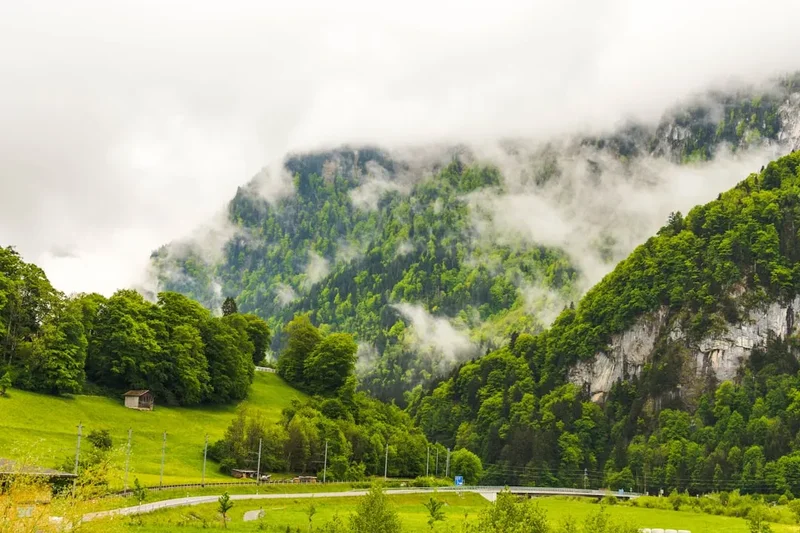
Taney Lake Trail - A Swiss Alpine Gem
The Taney Lake Trail (Lac de Taney) is a picturesque day walk nestled in the Swiss Alps, offering stunning panoramic views and a tranquil alpine lake experience. Located in the canton of Valais, this trail is accessible from the charming village of Miex and provides a rewarding escape into nature for hikers of moderate fitness. The route winds through alpine meadows dotted with wildflowers, ascends to the serene Taney Lake, and culminates in breathtaking vistas of the surrounding mountain ranges, including views towards France and Italy. It's a perfect destination for those seeking a taste of the Swiss Alps without the commitment of a multi-day trek.
- Distance: 14.5 km return
- Duration: 5-6 hours
- Season: June to October
- Difficulty: Moderate
- Elevation Gain: 650 m
- Highest Point: Approximately 1,700 m (at Taney Lake)
- Closest City: Montreux
- Trailhead Access: From Miex village
- Permits: Not required
Overview
The Taney Lake Trail is a classic example of a rewarding alpine day hike. It begins with a gentle ascent from the vicinity of Miex, gradually gaining altitude through rolling pastures that transition into more rugged mountain terrain. The path is well-maintained, though it can be steep in sections, demanding a reasonable level of cardiovascular fitness and sturdy footwear. As you climb, the landscape opens up, revealing expansive views of the Chablais Alps. The highlight of the hike is undoubtedly Lac de Taney, a beautiful, clear alpine lake situated at an elevation of around 1,700 metres. The lake is often surrounded by grazing cows, adding to the idyllic Swiss pastoral scene. The reflection of the surrounding peaks in the still waters of the lake is a sight to behold. Several small mountain huts or 'auberges' are typically found near the lake, offering refreshments and a place to rest. The return journey follows a similar path, allowing for a different perspective on the scenery as you descend.
The trail's moderate difficulty makes it accessible to a wide range of hikers, provided they are prepared for the elevation gain and the potential for variable mountain weather. The best time to undertake this hike is during the summer months, from June to October, when the snow has melted, the wildflowers are in bloom, and the mountain huts are generally open. The journey to the trailhead itself is part of the experience, involving a scenic drive or bus journey from Montreux, followed by a short hike to the actual starting point of the main trail. This combination of accessible wilderness, stunning natural beauty, and traditional alpine charm makes the Taney Lake Trail a highly recommended day excursion in the Swiss Alps.
History and Cultural Context
The region surrounding Taney Lake has a long history of human interaction, primarily linked to alpine agriculture and pastoralism. For centuries, the high pastures around the lake have been used for grazing livestock, particularly cattle, during the summer months. This practice, known as 'transhumance', is a cornerstone of traditional alpine life in Switzerland and has shaped the landscape and culture of the area. The presence of grazing animals today is a direct continuation of this ancient tradition.
The trails themselves have likely evolved from ancient shepherd paths and routes used for transporting goods and accessing remote pastures. While not as historically significant as some of the major pilgrimage routes or trade paths of the Alps, these trails represent the everyday routes of rural communities that have lived in harmony with the mountain environment for generations. The small 'auberges' or mountain huts near the lake often have a history tied to providing shelter and sustenance for these farmers, shepherds, and early travellers. They serve as living reminders of the practical needs and hospitality that have characterised alpine life.
The development of tourism in the late 19th and early 20th centuries gradually transformed these working paths into recreational trails. As Switzerland became a destination for mountaineering and hiking, areas like Taney Lake, with their accessible beauty and stunning views, gained popularity. Today, the trail is maintained by local authorities and hiking associations, ensuring its accessibility while preserving its natural and cultural heritage. The continued use of the pastures for grazing reinforces the living connection between the trail and the traditional alpine way of life.
Seasonal Highlights and Weather Reality
The Taney Lake Trail is best enjoyed during the warmer months when the alpine environment is most accessible and vibrant. The period from June to October offers the most favourable conditions for hiking.
Spring (May to early June): While the lower slopes may be clear of snow, the higher reaches of the trail, including Lac de Taney itself, can still be snow-covered. Wildflowers begin to emerge in the lower meadows, but access to the lake might be limited or require snowshoes. The mountain huts may not yet be fully operational.
Summer (July to August): This is peak season for the Taney Lake Trail. The meadows are typically carpeted with a spectacular array of wildflowers, creating a colourful and fragrant landscape. The weather is generally warm and stable, though afternoon thunderstorms are common in the mountains. The lake is at its most inviting, and the mountain huts are usually open, offering refreshments and meals. This is also the busiest time for the trail.
Autumn (September to October): The autumn months offer a different kind of beauty. The foliage in the surrounding forests begins to change colour, creating a stunning display of reds, oranges, and yellows. The air is crisp and clear, offering excellent visibility for panoramic views. The crowds thin out considerably, providing a more tranquil hiking experience. However, the weather can become more unpredictable, with the possibility of early snowfalls, especially in late October. Mountain huts may begin to close towards the end of October.
Winter (November to April): The Taney Lake Trail is generally inaccessible during winter due to heavy snowfall. The area is covered in deep snow, making hiking impossible without advanced winter mountaineering skills and equipment. The trail is often used for cross-country skiing or snowshoeing by locals, but it is not recommended for general hiking.
Weather Considerations: Mountain weather is notoriously changeable. Even in summer, conditions can shift rapidly from warm sunshine to cold rain, fog, or even hail. It is crucial to check the weather forecast before setting out and to be prepared for all eventualities with appropriate clothing and gear.
Recommended Itinerary
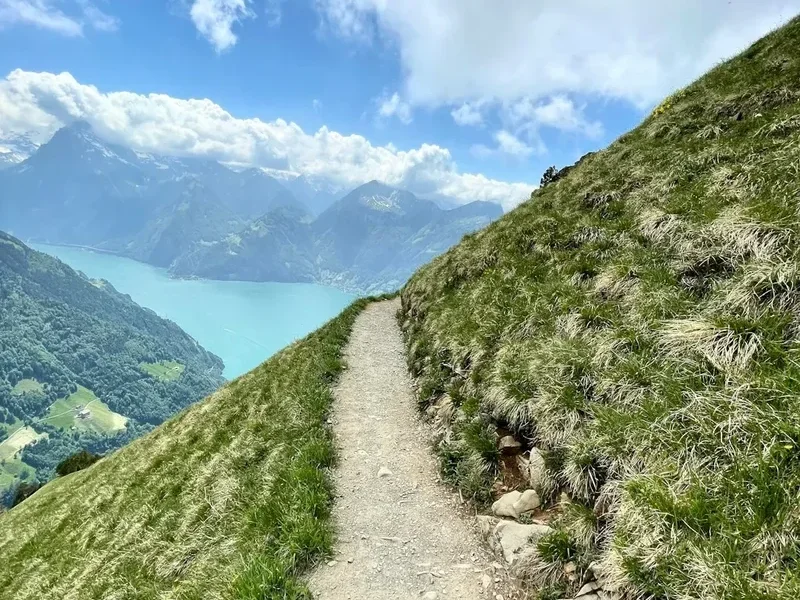
Day Hike: Taney Lake Trail
Early Morning: Travel to Miex
- Depart from Montreux via public transport (train to Villeneuve, then bus 162 towards Miex) or private vehicle.
- The journey offers scenic views of Lake Geneva and the surrounding vineyards.
- Aim to arrive in Miex by 9:00 AM to allow ample time for the hike and return journey.
Morning: Hike to Lac de Taney
- Start the hike from the vicinity of Miex village. Follow the well-marked signs for "Lac de Taney".
- The initial section involves a steady ascent through alpine pastures and light woodland.
- Distance: Approximately 7-8 km to the lake.
- Elevation Gain: Approximately 650 m.
- Time: 2.5–3.5 hours.
- Key Waypoints: Transition from village outskirts to mountain trails, passing through meadows with grazing cows.
Midday: Explore Lac de Taney
- Arrive at the picturesque Lac de Taney.
- Enjoy the stunning reflections of the surrounding mountains in the clear water.
- Take a break at one of the local 'auberges' for a traditional Swiss lunch or refreshments.
- Spend time relaxing by the lake, taking photographs, and soaking in the alpine atmosphere.
- Optional: Short walks around the lake or to nearby viewpoints.
Afternoon: Descent and Return
- Begin the descent back towards Miex.
- Distance: Approximately 7-8 km.
- Elevation Loss: Approximately 650 m.
- Time: 2–2.5 hours.
- Key Waypoints: Follow the marked descent path, enjoying the changing perspectives of the landscape.
- Arrive back in Miex, where you can catch the bus back to Villeneuve and then the train to Montreux.
Important Notes:
- Wear sturdy hiking boots with good ankle support.
- Carry sufficient water and snacks, although refreshments are available at the lake.
- Check the weather forecast before you go and be prepared for rapid changes.
- Sun protection (hat, sunglasses, sunscreen) is essential, even on cloudy days.
- The trail can be steep in places; pace yourself and take breaks as needed.
Planning and Bookings
Book Your Trip
Everything you need to plan your journey
Accommodation
Find places to stay near Montreux
Flights
Search flights to Montreux
Essential Preparation
The Taney Lake Trail is a popular day hike, and while it doesn't require the extensive pre-booking of multi-day treks, proper preparation is key to a successful and enjoyable experience. The closest major city and transport hub is Montreux, located on the shores of Lake Geneva. From Montreux, you will need to make your way to the small village of Miex, which serves as the primary access point for the trail. This typically involves a combination of train and bus travel. Ensure you have a reliable way to reach Miex, as public transport schedules can be infrequent, especially on weekends or outside peak season. It's advisable to check the latest public transport timetables in advance. For those travelling by car, parking availability in Miex can be limited, so arriving early is recommended. Familiarise yourself with the trail's distance and elevation gain to gauge your fitness level. While no permits are required, understanding the trail's difficulty and the potential for changing mountain weather is crucial for safety.
Trail Accommodation
This is a day hike requiring no overnight accommodation. Hikers typically start from Miex, complete the round trip to Lac de Taney, and return to Miex within the same day. There are usually one or two 'auberges' or mountain huts located near Lac de Taney that offer refreshments, meals, and sometimes basic accommodation for those who wish to stay overnight. However, for the standard day hike, no specific trail accommodation booking is necessary. If you intend to stay overnight at the lake, it is highly recommended to contact these establishments directly to inquire about availability and make reservations, especially during the peak summer season.
Required Gear
- Hiking Boots: Sturdy, waterproof hiking boots with good ankle support are essential for navigating the uneven terrain and potential for slippery sections.
- Waterproof Jacket: A lightweight, breathable waterproof jacket is crucial, as mountain weather can change rapidly, bringing rain or wind.
- Waterproof Overtrousers: Recommended for protection against rain and wind, especially if the forecast is uncertain.
- Backpack: A comfortable daypack (20-30 litres) to carry essentials.
- Navigation: A map of the area and a compass, or a reliable GPS device/smartphone with offline maps. While the trail is generally well-marked, it's always wise to have backup navigation tools.
- First Aid Kit: A basic first aid kit including plasters, antiseptic wipes, pain relievers, and any personal medications.
- Head Torch: Essential in case of unexpected delays, ensuring you can navigate safely if you are out after dark.
- Sun Protection: High SPF sunscreen, sunglasses, and a wide-brimmed hat are vital due to the increased UV exposure at higher altitudes.
What to Bring
- Food: Pack enough high-energy snacks and a packed lunch. While there are huts near the lake, it's wise to have your own provisions.
- Water: Carry at least 1.5-2 litres of water per person. There may be opportunities to refill water bottles at the huts, but it's best to confirm this or carry purification tablets as a backup.
- Clothing Layers: Bring several layers of clothing, including a moisture-wicking base layer, an insulating mid-layer (fleece or down jacket), and your waterproof outer layer. Avoid cotton, as it retains moisture and can make you cold.
- Extra Socks: A spare pair of hiking socks can be a lifesaver if your feet get wet.
- Toiletries: Small travel-sized toiletries, including hand sanitiser and biodegradable wet wipes.
- Personal Items: Mobile phone (though signal may be intermittent), camera, and any personal comfort items.
- Cash: It's advisable to carry some Swiss Francs (CHF) in cash, as some smaller mountain huts may not accept credit cards.
Permits
No specific permits are required to hike the Taney Lake Trail. As a public hiking route in Switzerland, access is generally free and open to all. The trail is maintained by local authorities and hiking associations, and its use is governed by general Swiss hiking regulations and etiquette. While no booking system or fee is in place for the trail itself, it is always advisable to check for any local advisories or temporary closures that might be in effect due to weather conditions or maintenance work. Information can often be found at local tourist information centres or through online resources for the Valais region.
Other Activities in the Area
The region around Taney Lake and the nearby town of Montreux offers a variety of activities to complement your hiking experience:
- Chillon Castle: Explore this magnificent medieval island castle located on the shores of Lake Geneva, just a short drive or bus ride from Montreux. It's one of Switzerland's most famous historical landmarks.
- Lake Geneva Boat Tours: Take a leisurely cruise on Lake Geneva from Montreux. Enjoy the stunning scenery, visit charming lakeside towns, and admire the vineyards of Lavaux, a UNESCO World Heritage site.
- Montreux Jazz Festival: If visiting in July, experience the world-renowned Montreux Jazz Festival, which attracts top international artists and a vibrant atmosphere.
- Lavaux Vineyard Terraces: Hike or cycle through the picturesque Lavaux vineyards, a UNESCO World Heritage site known for its stunning terraced vineyards and panoramic lake views.
- Rochers de Naye: Take a scenic cogwheel train from Montreux up to Rochers de Naye for spectacular views over Lake Geneva and the Alps. There are also hiking trails and a marmot park at the summit.
- Villeneuve Old Town: Explore the charming medieval old town of Villeneuve, located at the eastern end of Lake Geneva, with its historic buildings and picturesque harbour.
Safety and Conditions
Weather: Mountain weather can change very quickly. Always check the forecast before you go and be prepared for rain, wind, and cooler temperatures, even in summer. Hypothermia is a risk if you get wet and cold.
Trail Conditions: The trail is generally well-maintained but can be steep and rocky in places. Ensure you have appropriate footwear. In wet conditions, some sections may become slippery.
Navigation: While the trail is usually well-marked, it's essential to carry a map and compass or a reliable GPS device with offline maps. Do not rely solely on mobile phone signal, as it can be intermittent in mountainous areas.
Water: Carry sufficient water. While there are huts near the lake, it's best to have your own supply and consider water purification methods if you plan to refill from streams.
Wildlife: You may encounter livestock (cows) grazing in the meadows. Keep a safe distance and do not disturb them. Be aware of other potential wildlife, though encounters are rare.
Emergency: In case of an emergency, dial 112 (European emergency number) or contact local mountain rescue services. It's advisable to inform someone of your hiking plans, including your intended route and expected return time.
Altitude: The hike reaches an altitude of approximately 1,700 metres. While this is not extremely high, be aware of potential symptoms of altitude sickness if you are not accustomed to it. Take your time and stay hydrated.
Side Trips and Points of Interest
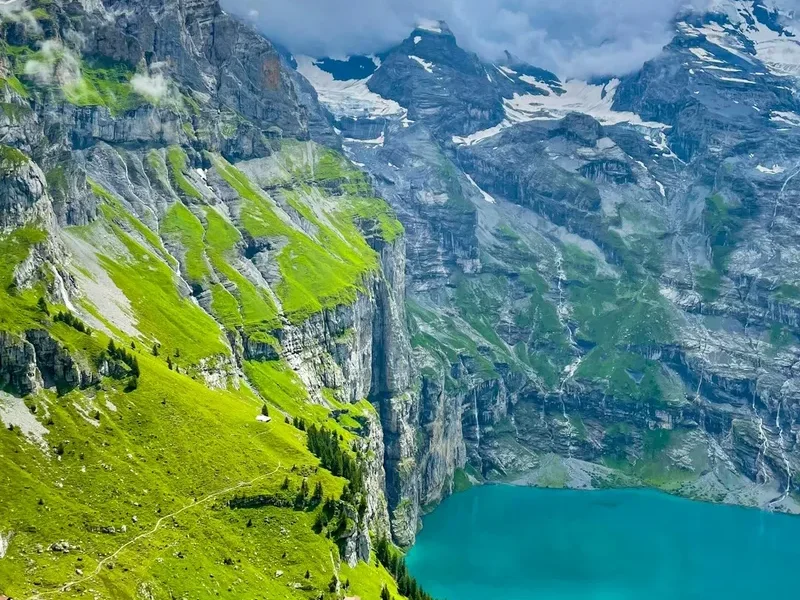
Lac de Taney Reflections: The primary point of interest is the lake itself. On a calm day, the reflections of the surrounding peaks, including Mont Gardy and Pointe de Chalune, in the crystal-clear water are spectacular. This is an ideal spot for photography and quiet contemplation.
Auberge de Taney: The mountain huts near the lake offer a chance to experience traditional alpine hospitality. They often serve local specialties and provide a welcome respite. Some may offer simple overnight accommodation, allowing for an extended stay to enjoy the sunrise or sunset over the lake.
Panoramic Viewpoints: As you ascend and descend, there are numerous points along the trail that offer expansive panoramic views of the Chablais Alps, the Rhone Valley, and on clear days, even views extending towards Mont Blanc in France and the Italian Alps. Keep an eye out for these natural viewpoints to appreciate the scale of the landscape.
Alpine Flora and Fauna: During the summer months, the alpine meadows around Lac de Taney are rich with wildflowers. Keep an eye out for species like gentians, alpine roses, and various types of orchids. The area is also home to diverse birdlife and, of course, the grazing cattle that are a common sight in Swiss alpine pastures.
Leave No Trace
The Taney Lake Trail traverses a beautiful and sensitive alpine environment. To help preserve its natural beauty for future visitors, it is important to practice Leave No Trace principles:
- Pack It In, Pack It Out: Carry out all rubbish, including food scraps, wrappers, and any other waste you generate. Do not bury or burn litter.
- Stay on the Trail: Stick to the marked paths to avoid damaging fragile alpine vegetation and to prevent erosion. Cutting switchbacks or creating shortcuts can cause significant environmental harm.
- Respect Wildlife: Observe wildlife from a distance and never feed animals. Feeding wild animals can disrupt their natural behaviours and diets, and can make them dependent on human food.
- Leave What You Find: Do not take rocks, plants, or any other natural objects from the environment.
- Minimise Campfire Impacts: Campfires are generally not permitted on day hikes and should be avoided. If camping is permitted in designated areas (not applicable for this day hike), use established fire rings and ensure fires are completely extinguished.
- Be Considerate of Other Visitors: Keep noise levels down and yield to other hikers, especially on narrow sections of the trail.
- Dispose of Waste Properly: Use designated toilet facilities where available. If no facilities are present, dig a cathole at least 60 metres away from water sources, trails, and campsites. Pack out all toilet paper.
By following these guidelines, you contribute to the protection of this stunning alpine landscape.
 Switzerland