

Tamang Heritage Trail - A Cultural Immersion in the Himalayas
The Tamang Heritage Trail is a captivating multi-day walk in the Langtang region of the Nepalese Himalayas, offering a unique blend of stunning mountain scenery, rich cultural experiences, and a glimpse into the traditional lifestyle of the Tamang people. This trail, typically completed over 6 to 8 days, winds through remote villages, ancient monasteries, and rhododendron forests, culminating in breathtaking views of Langtang Lirung and other towering peaks. Unlike more strenuous treks, the Tamang Heritage Trail is designed to be accessible to a wide range of hikers, focusing on cultural immersion and moderate physical challenge. It provides an intimate connection with the local communities, their customs, and their enduring spirit, making it a truly rewarding journey for those seeking more than just mountain vistas.
- Distance: Approximately 55 km one-way
- Duration: 6–8 days
- Season: October–November (autumn) and March–May (spring) are ideal
- Difficulty: Moderate
- Highest point: Approximately 3,000 metres
- Accommodation: Teahouses and homestays in villages
- Closest City: Kathmandu
- Trailhead Access: Syabrubesi, reachable by bus or jeep from Kathmandu
Overview
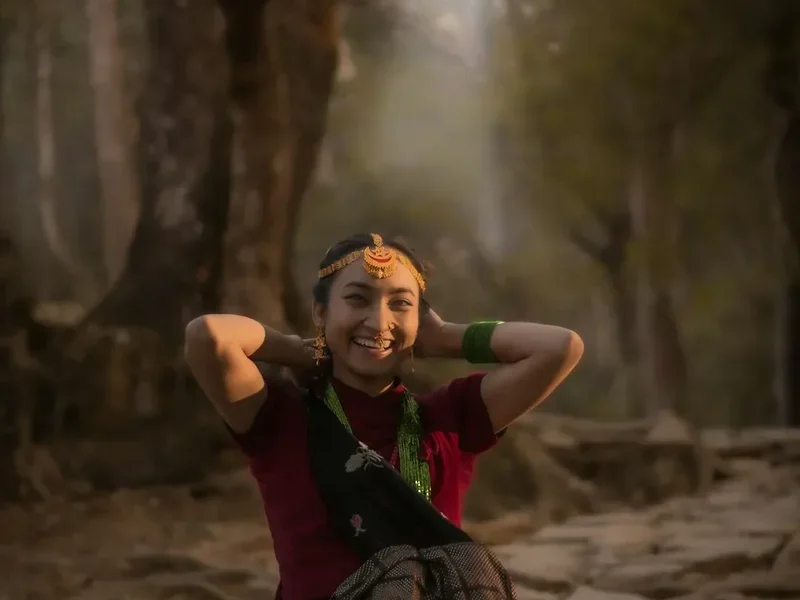
The Tamang Heritage Trail is a journey that unfolds gradually, revealing its treasures with each step. It begins with a scenic, albeit bumpy, drive from Kathmandu to Syabrubesi, the gateway to the Langtang region. From here, the trail ascends through lush forests, gradually revealing glimpses of snow-capped peaks. The true essence of the trail lies in its villages: Gatlang, Chilime, Thuman, and Briddim. These are not mere stopping points but living communities where time seems to have slowed. Here, you'll encounter Tamang culture in its purest form – from their distinctive architecture and traditional dress to their warm hospitality and ancient Buddhist practices. The trail offers a fascinating contrast between the serene beauty of the Himalayas and the vibrant tapestry of Tamang life.
The landscape is as varied as it is beautiful. You'll traverse dense rhododendron and pine forests, cross suspension bridges over roaring rivers, and ascend to viewpoints offering panoramic vistas of the Langtang Himal range. The air is crisp, and the sounds are those of nature – birdsong, rustling leaves, and the distant chime of yak bells. The trail is not overly demanding, making it suitable for those with a moderate level of fitness. The elevation gain is manageable, and the daily distances are designed to allow ample time for cultural interaction and soaking in the surroundings. The trail's moderate altitude also means a lower risk of altitude sickness compared to higher treks in Nepal.
Beyond the physical journey, the Tamang Heritage Trail is an exploration of resilience and tradition. The region was significantly impacted by the 2015 earthquake, and the trail offers a chance to witness the rebuilding efforts and support the local economy directly. The warmth and generosity of the Tamang people, who have preserved their unique heritage for centuries, are what truly make this trail unforgettable. It’s a chance to connect with a different way of life, to learn about their customs, and to experience the profound peace that comes from being immersed in the heart of the Himalayas.
History and Cultural Context
The Tamang people are one of Nepal's indigenous ethnic groups, with a rich history and distinct cultural identity. Their origins are believed to be linked to the Mongoloid peoples of Central Asia, and they have inhabited the Himalayan foothills for centuries. Historically, the Tamang were known as horse traders and warriors, and their name itself is thought to derive from the Tibetan words "Tamang" meaning "horse warrior." Their traditional homeland spans the mid-hills of Nepal, with a significant concentration in the Langtang region.
The Tamang culture is deeply intertwined with Tibetan Buddhism. Ancient monasteries, prayer flags fluttering in the wind, and mani walls inscribed with Buddhist mantras are common sights along the trail. These spiritual elements are not just decorative; they are integral to the daily lives and beliefs of the Tamang people. Their social structure is organised around clans, and traditional customs and rituals continue to be observed, passed down through generations.
The Langtang region, where the Tamang Heritage Trail is located, has a history of being a vital trade route connecting Nepal with Tibet. This historical connection has influenced the region's culture, architecture, and even its cuisine. The villages along the trail, such as Gatlang, Chilime, Thuman, and Briddim, have maintained their unique character, largely untouched by rapid modernisation. The architecture often features stone houses with flat roofs, designed to withstand the harsh mountain climate. The recent history of the region is also marked by the devastating 2015 earthquake, which caused widespread destruction. The trail's revival is a testament to the resilience of the Tamang people and their determination to rebuild their communities and preserve their heritage.
Seasonal Highlights and Weather Reality
The Tamang Heritage Trail is best enjoyed during two primary seasons, each offering a distinct experience:
Autumn (October–November): This is widely considered the prime trekking season in Nepal. The skies are typically clear, offering excellent visibility of the Himalayan peaks. The weather is stable, with pleasant daytime temperatures and cool, crisp evenings. The rhododendron forests, while not in full bloom, are still a beautiful sight, and the air is dry and comfortable for walking. This season provides the most reliable weather for enjoying the panoramic mountain views and cultural interactions without the challenges of extreme temperatures or heavy rainfall.
Spring (March–May): Spring is another excellent time to trek the Tamang Heritage Trail. The weather begins to warm up, and the landscape bursts into life. The rhododendron forests are in full bloom, painting the hillsides with vibrant shades of red, pink, and white. The days are longer, allowing for more time on the trail, and the temperatures are generally mild. While spring can sometimes bring occasional rain showers, especially later in the season, the overall conditions are favourable for trekking and cultural exploration. The blooming flora adds an extra layer of natural beauty to the already stunning scenery.
Monsoon (June–September): This season is characterised by heavy rainfall, which can lead to landslides and make the trails muddy and slippery. Visibility is often poor due to cloud cover, obscuring the mountain views. While the landscape is lush and green, the trekking conditions are challenging and generally not recommended for this trail. However, for those seeking a more solitary experience and willing to brave the elements, the lower elevations can still offer a unique perspective on the region's flora.
Winter (December–February): Winter can be very cold, especially at higher elevations. Snowfall is possible, which can block trails and make trekking difficult. While daytime temperatures might be manageable in the lower villages, nights can be freezing. The mountain views can be spectacular on clear winter days, but the overall experience is for those who are well-prepared for cold weather and potential snow. The trail is generally less crowded during this period.
Recommended Itinerary
6-Day Tamang Heritage Trail Itinerary
Day 1: Kathmandu to Syabrubesi (1,550 m)
- Distance: Approximately 120 km drive
- Time: 7–8 hours by bus or jeep
- Start: Kathmandu
- End: Syabrubesi
- Details: A scenic, though often rough, drive from Kathmandu to Syabrubesi. The journey takes you through diverse landscapes, from the urban sprawl to rolling hills and eventually into the foothills of the Himalayas. Syabrubesi is a small Tamang village that serves as the starting point for many treks in the Langtang region.
- Evening: Settle into a teahouse, prepare for the trek, and enjoy your first taste of local Nepali hospitality.
Day 2: Syabrubesi to Gatlang (2,230 m)
- Distance: Approximately 10 km
- Time: 4–5 hours trekking
- Elevation Gain: Approximately 700 m
- Start: Syabrubesi
- End: Gatlang
- Details: The trek begins with a climb towards Gatlang, a picturesque Tamang village. The trail passes through terraced fields and small settlements. Gatlang is known for its traditional Tamang culture, stone houses, and a beautiful glacial lake called Parvati Kunda.
- Afternoon: Explore the village, visit the lake, and interact with the friendly locals. Experience a traditional Tamang homestay.
Day 3: Gatlang to Chilime (2,300 m) and onward to Tatopani (2,600 m)
- Distance: Approximately 12 km
- Time: 5–6 hours trekking
- Elevation Gain: Approximately 400 m
- Start: Gatlang
- End: Tatopani (via Chilime)
- Details: Today's trek takes you through forests and across suspension bridges. You'll pass through Chilime, which has a significant hydroelectric power station. The trail then continues to Tatopani, a village famous for its natural hot springs.
- Evening: Relax and rejuvenate in the natural hot springs, a perfect way to soothe tired muscles after a day of trekking.
Day 4: Tatopani to Thuman (2,300 m)
Day 5: Thuman to Briddim (2,340 m)
Day 6: Briddim to Syabrubesi (1,550 m) and drive to Kathmandu
Note: This itinerary is a suggestion and can be adjusted based on your fitness level, time constraints, and preferences. Some itineraries may extend to 8 days to allow for more in-depth exploration of villages or to include a day trip to Kyanjin Gompa if time permits and fitness allows, though Kyanjin Gompa is typically part of the longer Langtang Valley Trek.
Planning and Bookings
Book Your Trip
Everything you need to plan your journey
Accommodation
Find places to stay near Kathmandu
Flights
Search flights to Kathmandu
Essential Preparation
The Tamang Heritage Trail is a moderate trek that requires careful planning to ensure a smooth and enjoyable experience. Given its remote location, independent travel requires a good understanding of logistics. It is highly recommended to arrange your trip through a reputable local trekking agency based in Kathmandu. They can handle permits, guides, porters, accommodation bookings, and transportation, which simplifies the process significantly. If you choose to trek independently, ensure you have a reliable map, a compass, and a good understanding of navigation. Basic Nepali phrases can be very helpful for communication in the villages.
Fitness: While not technically demanding, the trail involves daily walking for several hours, often on uneven terrain with ascents and descents. A good level of cardiovascular fitness is essential. Regular hiking, jogging, or cycling in the weeks leading up to your trek will prepare you for the physical demands. Acclimatisation is important, even at moderate altitudes, so listen to your body and take breaks when needed.
Logistics: The primary logistical hub is Kathmandu. From Kathmandu, you will need to arrange transport to Syabrubesi. This is typically done via a local bus or a private jeep. The road conditions can be challenging, so factor in potential delays. Accommodation in Syabrubesi is available in teahouses. For the trail itself, accommodation is in teahouses and homestays within the villages. These are generally basic but comfortable, offering a true immersion into local life.
Trail Accommodation
Accommodation along the Tamang Heritage Trail primarily consists of teahouses and homestays in the villages. These offer a rustic and authentic experience.
Teahouses/Homestays:
- Booking Requirements: During peak seasons (autumn and spring), it's advisable to book accommodation in advance, especially in popular villages like Gatlang and Briddim. Local guides or trekking agencies can assist with this. In the off-season, booking might be less critical, but it's still good practice.
- Facilities Provided: Basic twin-sharing rooms with beds and mattresses. Communal dining areas where meals are served. Toilets are usually squat-style, and bathing facilities are often basic (bucket baths with hot water available for an extra charge). Some homestays offer a more personal experience, with rooms within the family home.
- What's NOT Provided: Sleeping bags (though some teahouses may rent them), toiletries, towels, hot water for bathing (usually an extra charge), electricity for charging devices (often available for a fee), and Wi-Fi.
- Seasonal Availability: Teahouses and homestays are generally open year-round, but services might be reduced during the monsoon and winter months. The peak seasons offer the most reliable services.
- Costs: Accommodation costs are generally low, typically ranging from US$5-15 per night for a room. Meals are priced separately and are usually between US$3-8 per meal, depending on the dish and location.
Note: This is a trekking trail requiring overnight accommodation in villages. There are no campsites along the route.
Required Gear
- Hiking Boots: Sturdy, waterproof, and well-broken-in hiking boots are essential for comfort and ankle support on varied terrain.
- Backpack: A comfortable trekking backpack (40-50 litres) with a rain cover. If hiring a porter, a smaller daypack for essentials is sufficient.
- Sleeping Bag: A warm sleeping bag (rated to 0°C or lower) is highly recommended, as teahouse blankets can be thin, and rooms are unheated.
- Clothing Layers:
- Moisture-wicking base layers (merino wool or synthetic)
- Insulating mid-layers (fleece jacket or down vest)
- Waterproof and windproof outer shell jacket and trousers
- Warm hat (beanie) and gloves
- Sun hat or cap
- Trekking Trousers: Lightweight, quick-drying trekking trousers (avoid jeans).
- Socks: Several pairs of wool or synthetic trekking socks.
- Headlamp or Torch: With spare batteries, essential for navigating in the dark or during power outages.
- First-Aid Kit: Comprehensive kit including personal medications, blister treatment, pain relievers, antiseptic wipes, bandages, and any personal prescriptions.
- Sun Protection: High SPF sunscreen, sunglasses, and lip balm with SPF.
- Insect Repellent: Especially important during warmer months.
- Water Bottles or Hydration Reservoir: At least 2-litre capacity.
- Trekking Poles: Optional but highly recommended for reducing strain on knees, especially during descents.
What to Bring
- Food and Snacks: While meals are available in teahouses, carrying high-energy snacks like nuts, dried fruit, energy bars, and chocolate is advisable for between meals and for longer trekking days.
- Water Purification: Water purification tablets or a filter are essential. Do not drink tap water directly.
- Toiletries: Biodegradable soap, toothbrush, toothpaste, toilet paper (carry your own), hand sanitiser, and any personal hygiene items.
- Personal Items: Camera, power bank for charging electronics (charging often incurs a fee), book or journal, small towel.
- Documents: Passport, visa, trekking permits, travel insurance details, and copies of all important documents.
- Cash: Nepali Rupees (NPR) are essential for all expenses along the trail, as ATMs are not available. Carry enough cash for accommodation, meals, drinks, tips, and any personal purchases.
- Small Backpack: For carrying essentials like water, snacks, camera, and a light jacket during the day's trek.
Permits
To trek the Tamang Heritage Trail, you will need two main permits:
1. TIMS Card (Trekkers' Information Management System):
- This card is mandatory for all trekkers in Nepal, regardless of whether you are trekking independently or with an agency.
- It helps the government track trekkers for safety and security purposes.
- You can obtain a TIMS card from the Nepal Tourism Board office in Kathmandu or through registered trekking agencies.
- The cost is approximately NPR 2,000 for independent trekkers and NPR 1,000 if you are trekking with a registered agency.
2. Langtang National Park Entry Permit:
- The Tamang Heritage Trail passes through the Langtang National Park, a protected area known for its diverse flora and fauna.
- An entry permit is required for all visitors to the park.
- This permit can be obtained from the National Park entrance at the start of the park, usually near Dhunche or Syabrubesi.
- The cost is approximately NPR 30 per person per day, plus a 10% service charge.
Important Considerations:
- It is highly recommended to obtain these permits in Kathmandu before you start your trek. Your trekking agency will usually arrange this for you.
- Always carry your permits with you, as they may be checked at various points along the trail or at park checkpoints.
- Ensure you have sufficient passport-sized photographs for the permits.
Other Activities in the Area
While the Tamang Heritage Trail is primarily a cultural and trekking experience, the Langtang region offers several other activities and points of interest that can be incorporated into your trip or explored as extensions:
- Langtang Valley Trek: For those with more time and a desire for higher altitudes and more dramatic mountain scenery, extending your trek to the Langtang Valley and Kyanjin Gompa is a popular option. This involves continuing north from Syabrubesi and offers stunning views of Langtang Lirung, Ganesh Himal, and other peaks.
- Gosaikunda Lake Trek: A sacred pilgrimage site for Hindus, Gosaikunda is a series of high-altitude glacial lakes. This trek can be combined with the Tamang Heritage Trail, often starting from or ending near Dhunche. The trek to Gosaikunda is more challenging and requires additional days.
- Chisapani and Nagarkot: These popular viewpoints near Kathmandu offer panoramic views of the Himalayas, including Mount Everest on clear days. They can be incorporated into a shorter trek before or after the Tamang Heritage Trail.
- Cultural Village Tours: Beyond the villages on the main trail, exploring other nearby Tamang settlements can offer deeper insights into their traditions and way of life.
- Bird Watching: The Langtang region is rich in biodiversity, and the forests along the trail are home to a variety of bird species.
- Local Festivals: If your travel dates coincide with local festivals, such as Losar (Tibetan New Year) or other Tamang celebrations, you may have the opportunity to witness unique cultural events and rituals.
Safety and Conditions
Altitude Sickness (AMS): While the Tamang Heritage Trail does not reach extreme altitudes, it is still important to be aware of Acute Mountain Sickness (AMS). The highest point is around 3,000 metres. Ascend gradually, stay hydrated, avoid alcohol and smoking, and get adequate rest. If you experience symptoms like headache, nausea, dizziness, or fatigue, descend to a lower altitude immediately.
Trail Conditions: The trails are generally well-trodden but can be uneven, rocky, and steep in places. During the monsoon season (June-September), trails can become muddy and slippery, increasing the risk of falls. Landslides are also a possibility during this period. In winter, higher sections might experience snow, making the trail more challenging.
Weather: Weather in the Himalayas can change rapidly. Be prepared for a range of conditions, from warm sunshine to cold winds and rain or snow, even within the same day. Always check the weather forecast before you set out each morning and pack accordingly.
Water Safety: Do not drink untreated water from streams or taps. Always use water purification tablets, a filter, or boil water before drinking. Bottled water is available in some villages but is more expensive and less environmentally friendly.
Health and Hygiene: Maintain good personal hygiene to prevent stomach upsets. Use hand sanitiser frequently, especially before eating. Ensure your first-aid kit is well-stocked with essentials.
Communication: Mobile phone reception can be intermittent and is generally only available in larger villages. Consider hiring a satellite phone or a personal locator beacon (PLB) for emergencies, especially if trekking independently.
Guides and Porters: Hiring a local guide is highly recommended. They are knowledgeable about the trail, local customs, and safety procedures. Porters can carry your main luggage, making your trek more comfortable. Ensure you hire from reputable agencies and treat them with respect.
Emergency Contacts: Keep a list of emergency contact numbers, including your trekking agency, local police, and your embassy in Nepal.
Side Trips and Points of Interest
Parvati Kunda Lake (Gatlang): A beautiful, serene glacial lake located near Gatlang village. It is considered sacred by the locals and is a peaceful spot for reflection. The walk to the lake is short and offers lovely views of the surrounding countryside.
Chilime Hydropower Station: While not a natural attraction, the Chilime Hydropower Project is a significant local development. It's interesting to see how renewable energy is harnessed in this remote region.
Tatopani Hot Springs: The natural hot springs in Tatopani are a major highlight. Soaking in these warm, mineral-rich waters after a day of trekking is incredibly relaxing and therapeutic. It's a perfect place to unwind and socialise with fellow trekkers.
Tamang Cultural Performances: In villages like Thuman and Briddim, you may have the opportunity to witness traditional Tamang dances and music. These performances offer a vibrant glimpse into the local culture and are often accompanied by storytelling.
Briddim Monastery: A small but significant monastery in Briddim village. Visiting the monastery provides insight into the Buddhist practices of the Tamang people and offers a quiet space for contemplation.
Views of Langtang Lirung: Throughout the trek, particularly from villages like Briddim, you will be treated to spectacular views of Langtang Lirung (7,227 m), the highest peak in the Langtang Himal range. Its majestic presence dominates the skyline.
Leave No Trace
The Tamang Heritage Trail traverses pristine natural landscapes and vibrant cultural villages. Practising Leave No Trace principles is crucial to preserving this environment and respecting the local communities.
- Plan Ahead and Prepare: Understand the trail, local customs, and potential hazards. Pack appropriately and be prepared for varying conditions.
- Travel and Camp on Durable Surfaces: Stick to the established trails and designated accommodation areas. Avoid walking on fragile vegetation.
- Dispose of Waste Properly: Pack out everything you pack in, including all trash, food scraps, and toilet paper. Use designated toilets in teahouses and homestays.
- Leave What You Find: Do not remove natural objects or cultural artefacts from the environment. Take only photographs and memories.
- Minimise Campfire Impacts: Campfires are generally not permitted on this trail, and you will be using teahouse kitchens for cooking.
- Respect Wildlife: Observe wildlife from a distance and never feed animals.
- Be Considerate of Other Visitors: Keep noise levels down, especially in villages and at teahouses. Respect the local culture and traditions.
- Respect Local Culture: Dress modestly when visiting villages and monasteries. Ask permission before taking photographs of people. Learn a few basic Nepali phrases to show respect.
By adhering to these principles, you help ensure that the Tamang Heritage Trail remains a beautiful and culturally rich experience for generations to come.
 Nepal
Nepal